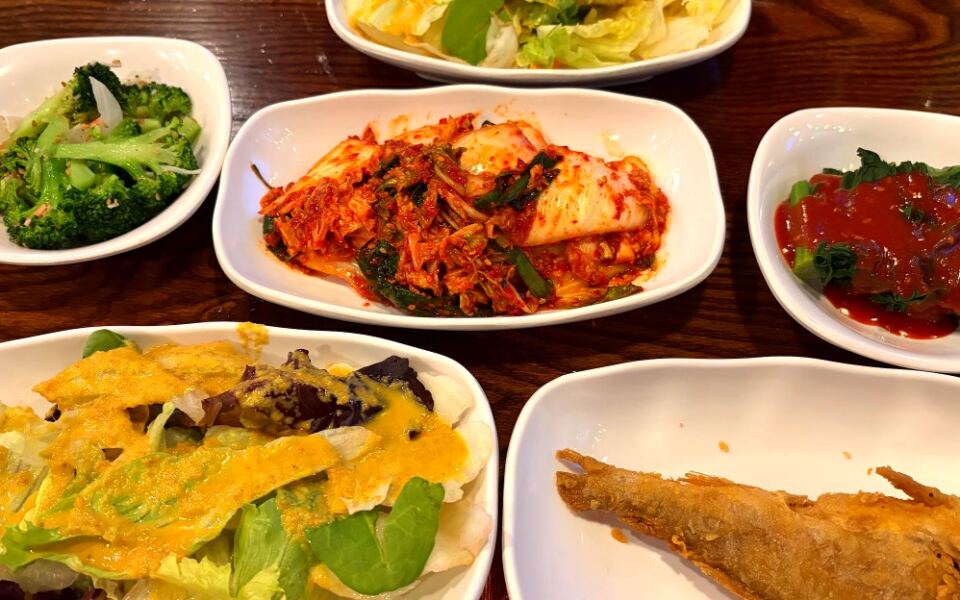
A small, golden fried fish shows up at the table before you even finish ordering. At this Korean spot just outside Philadelphia, that crispy little croaker arrives as a free side dish, and some families come back just for it.
It sits beside spicy cucumbers, kimchi, and a gingery salad.
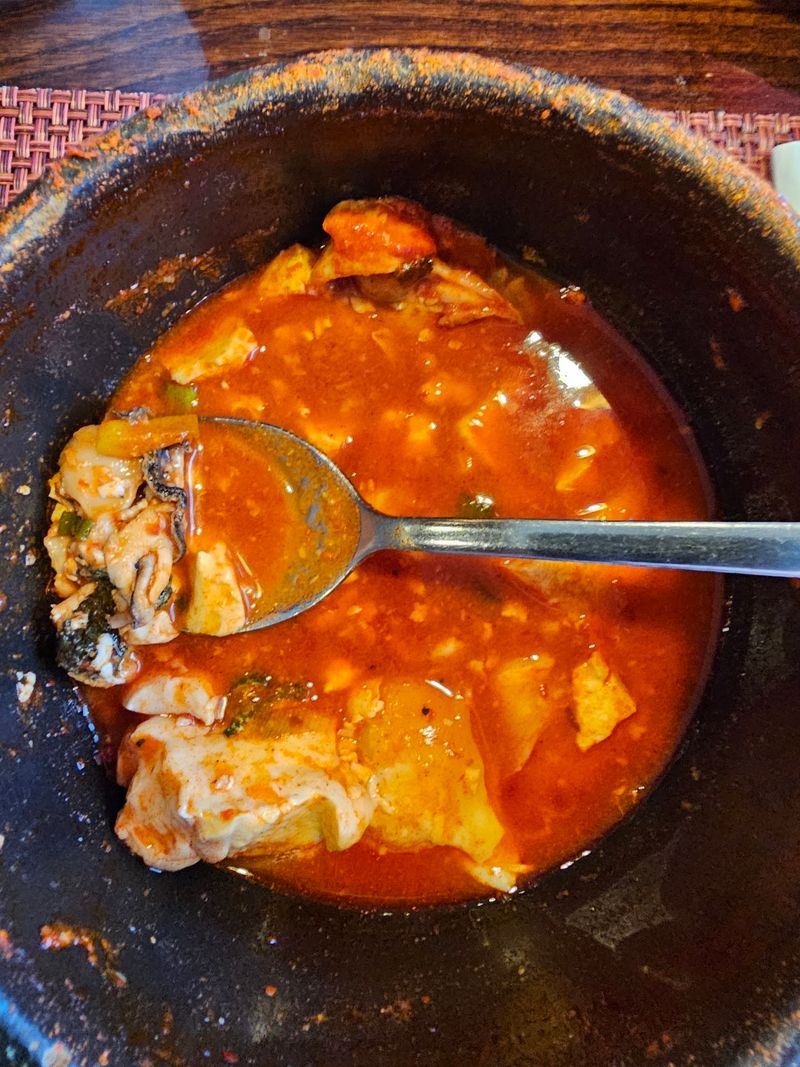
The main event, though, is a bubbling bowl of soft tofu stew. The tofu is so silky it barely holds its shape, and the broth comes in different spice levels.
I like places where the comfort food is the whole point, not a side note. This restaurant feels built around that idea, with a big menu of stews, grilled ribs, and crispy pancakes.
The dining room even hides a fun surprise for groups in Pennsylvania. And one dish on the menu is raw, marinated, and a little daring.
A Tofu House Next Door to H Mart
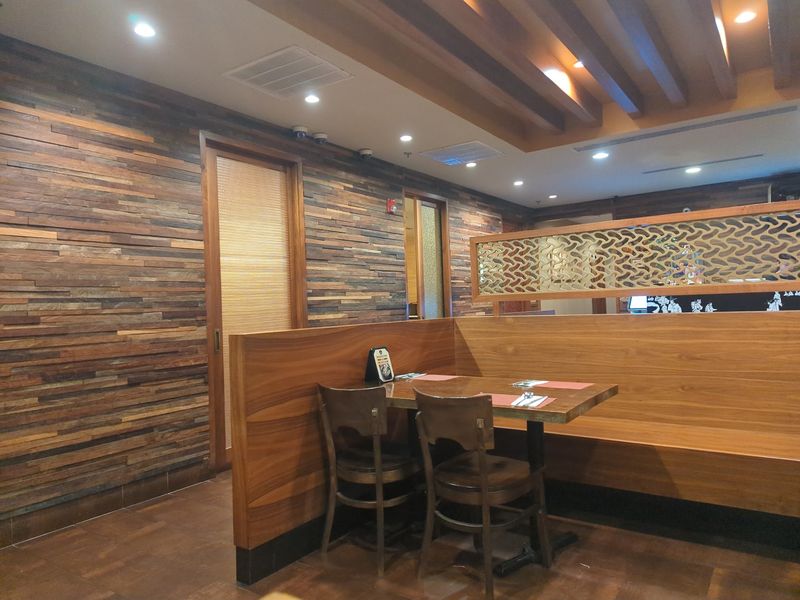
DuBu is a casual Korean restaurant at 1333 W Cheltenham Ave, Suite 102, in Elkins Park, Pennsylvania. It sits right on the edge of Philadelphia, in the same plaza as an H Mart grocery store.
That location makes it easy to pair a meal with a shopping trip. Plenty of diners grab lunch and then head next door for snacks, sauces, and fresh produce.
The name says a lot. In Korean, dubu means tofu, and that tells you where the kitchen puts its focus.
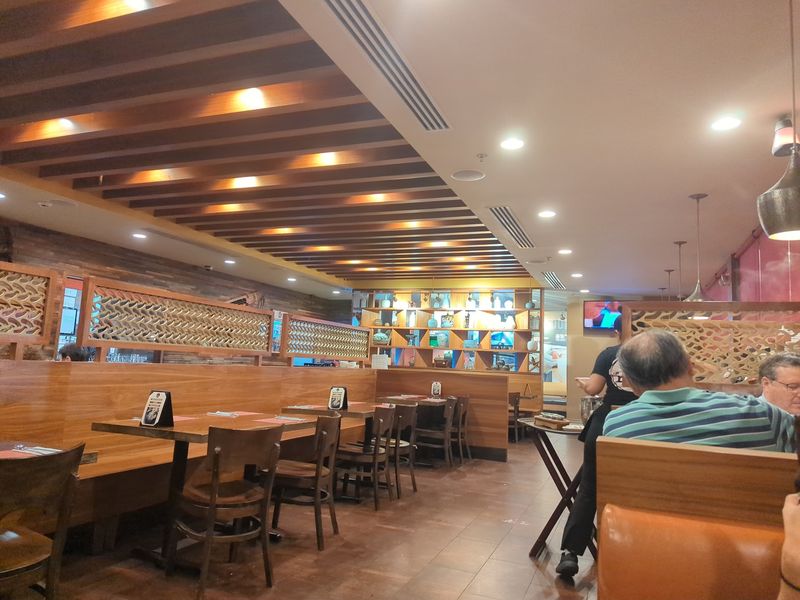
Inside, the space has contemporary wood paneling and a relaxed feel. It looks clean and simple, which keeps the attention on the food rather than fancy decor.
I like that it doesn’t try too hard. It’s a neighborhood spot that happens to serve a long menu of traditional Korean cooking.
The doors open at 10:30 in the morning, so an early lunch is an option. That’s handy if you want to beat the busier hours later in the day.
Knowing where it is only covers half the story, though. The real reason people show up is a bowl that arrives at the table still bubbling.
Soft Tofu Stew Comes First Here
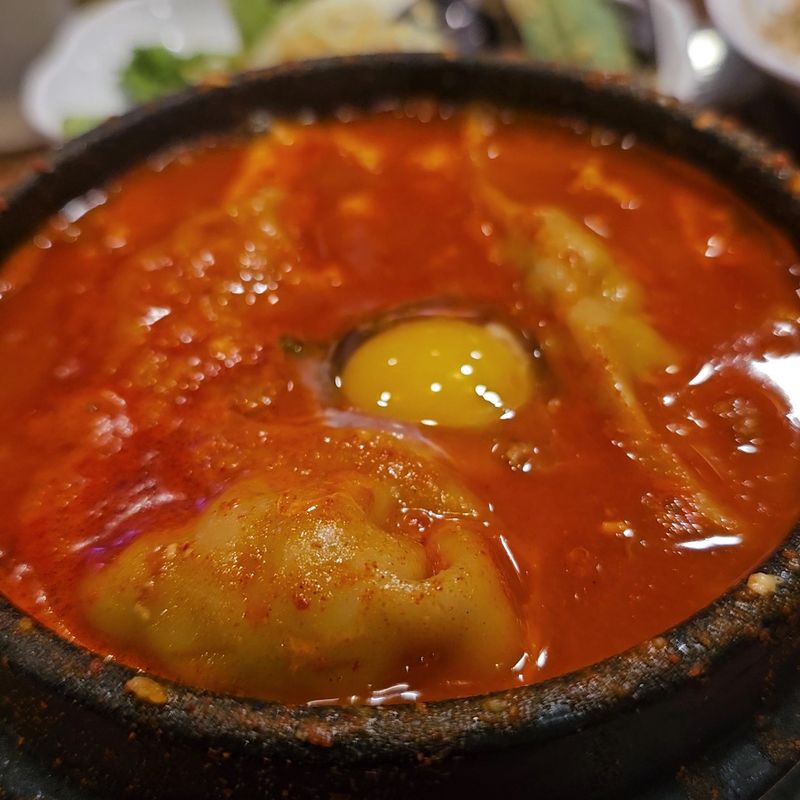
Soondubu jjigae is the dish that gives this restaurant its name and its reputation. It’s a Korean stew made with very soft, unpressed tofu in a hot, seasoned broth.
The stew usually comes in a heavy pot, still bubbling when it lands. Many diners crack a raw egg into it, and the heat cooks the egg right in the bowl.
DuBu offers several versions. Seafood and kimchi soondubu both appear on the menu, so you can pick a style that fits your mood.
One longtime diner wrote that they order the kimchi version at least once a week, even in summer. That says something about how comforting a hot stew can be.
Here’s a helpful tip. The regular spice level is on the milder side, according to several diners, so ask for more heat if you like a kick.
I find this dish especially appealing on a cold Pennsylvania day. A steaming bowl of tofu and broth with a side of rice is simple, filling, and warm.
Still, the stew never arrives alone. A whole lineup of little dishes shows up first.
Free Side Dishes Fill the Table
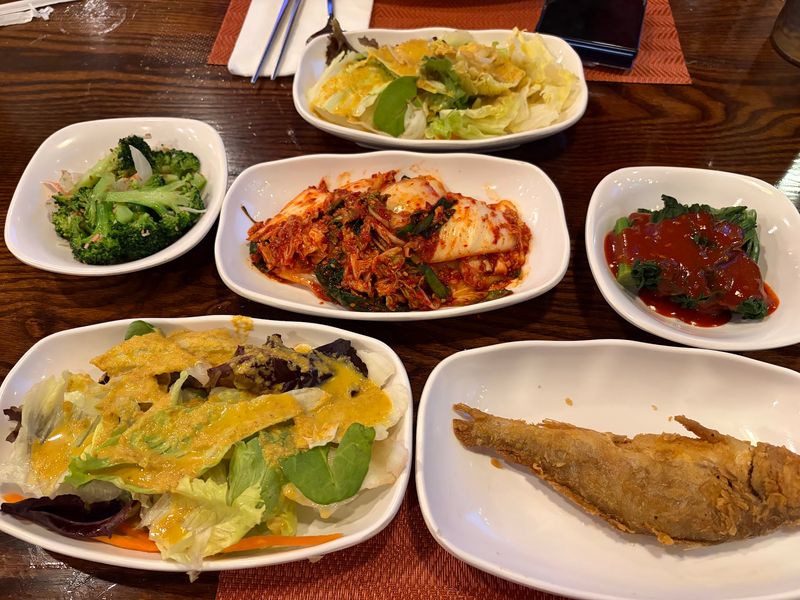
Small plates start landing almost as soon as you sit down. In Korean dining, these are called banchan, and they come free with your meal.
At DuBu, the lineup has included kimchi, spicy cucumbers, a fresh salad, and fried fish. One diner pointed out that the salad dressing is made with ginger.
Banchan works a little differently from appetizers. You share them, nibble between bites, and mix flavors as you eat your main dish.
The cucumber kimchi gets a lot of love. One guest wrote that it tasted exactly like her late mother’s recipe, which is a powerful thing to say about a side dish.
Refills are part of the experience too. A diner noted that the side dishes kept coming throughout the meal.
My advice is to taste each one before your main course arrives. The cool, crunchy cucumbers balance a spicy stew nicely, and the kimchi adds tang.
For first-timers, banchan is a gentle introduction to Korean flavors. You get to sample a little of everything without committing to a full plate.
One of those little dishes, however, has its own loyal fan club.
Kids Keep Asking for the Little Fried Fish
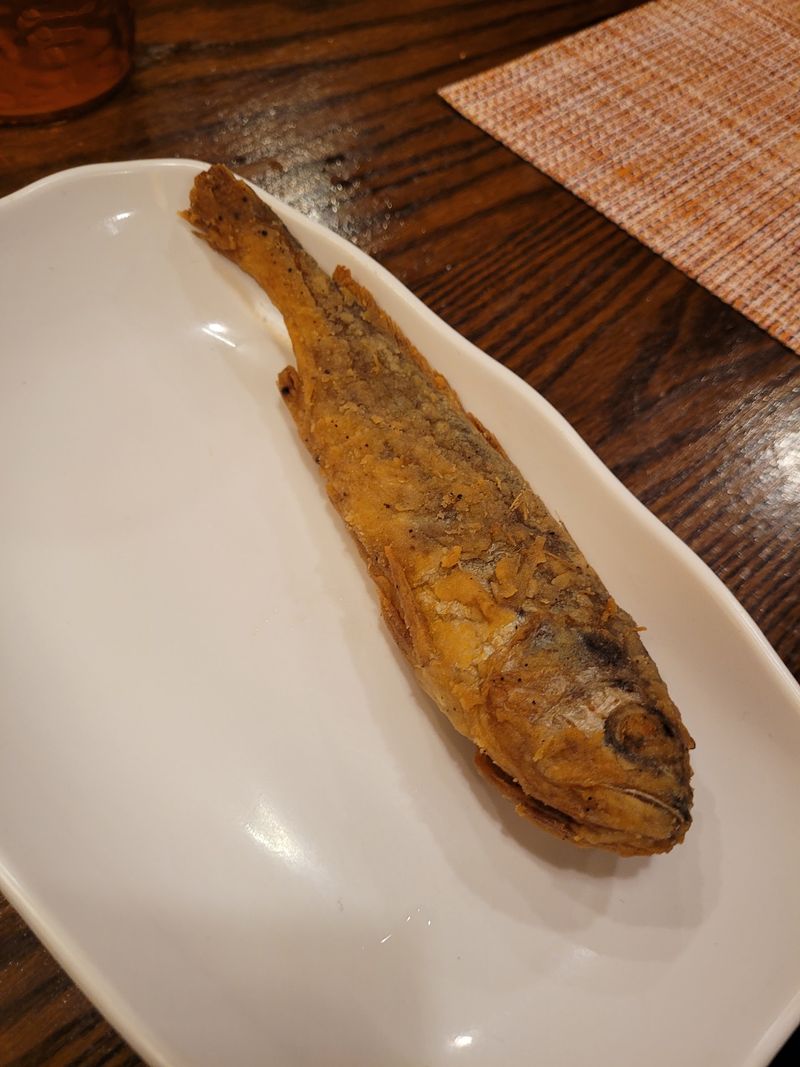
Some kids beg for chicken nuggets. At DuBu, a few of them ask for crispy whole fish instead.
The restaurant serves a small fried croaker as part of its complimentary side dishes. It comes golden and whole, which surprises people who expect only vegetables in the banchan lineup.
Fried fish appears often in conversations about this place. One parent wrote that her kids are wild about it and that it’s the main reason the family keeps returning.
Extra fish costs a small fee, so keep that in mind if your table devours the first round. It’s worth knowing before the kids start asking for seconds.
Croaker is a common fish in Korean home cooking. It’s often pan-fried or deep-fried whole and eaten with rice.
Eating a whole fish can feel new for some diners. Go slowly, pick around the bones, and enjoy the crispy edges.
I think this detail says a lot about the restaurant. A free fried fish is a generous touch, and it makes the meal feel more like a home-cooked spread.
Once the table is full, it might be time to call in the ribs.
LA Galbi Brings the Sizzle
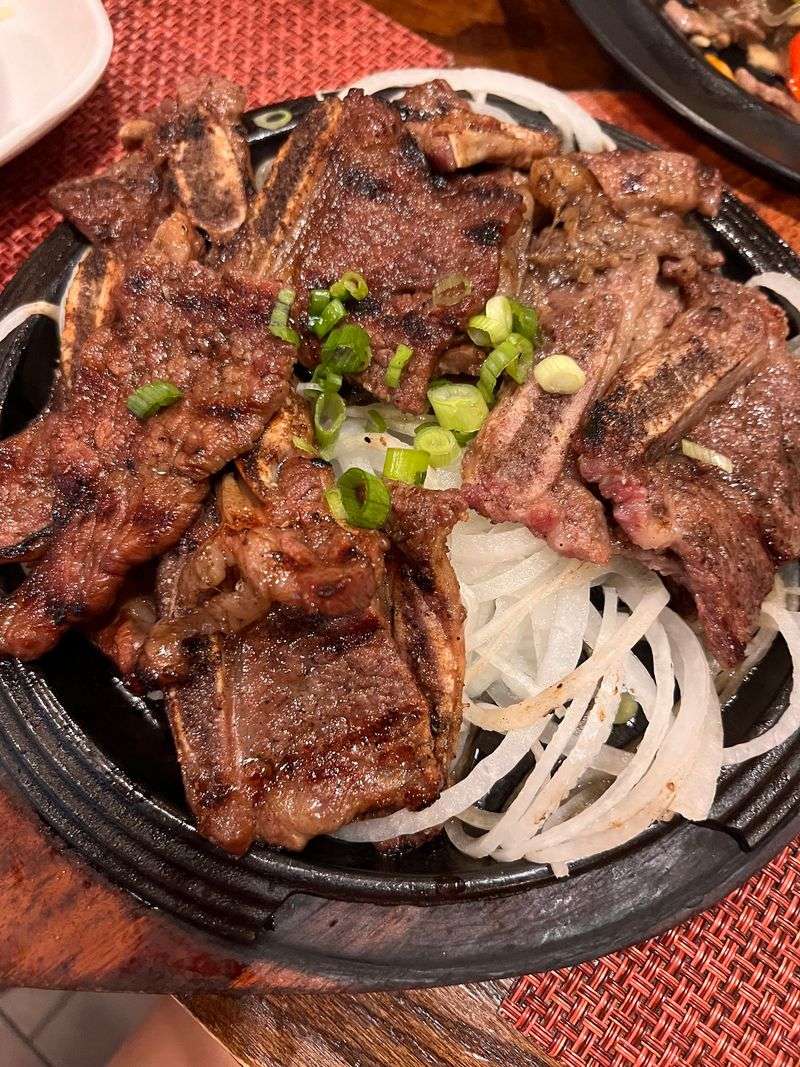
Thin strips of beef short rib, cut across the bone, are the star of a Korean classic called LA galbi. At DuBu, it ranks among the most talked-about dishes.
The ribs are marinated, then grilled until the edges pick up some char. That flanken-style cut means each strip has several small bone pieces running through it.
Diners often mention the portion size. One wrote that the short ribs came as a massive serving, which makes this dish good for sharing.
Why the name LA? Many people believe the cut became popular among Korean American communities in Los Angeles, though the exact origin is still debated.
Galbi pairs well with the restaurant’s spicy stews. The sweet, savory beef offers a break from the heat of the tofu broth.
I’d order the ribs alongside a soondubu if dining with a friend. Splitting both gives you the comfort of soup and the satisfaction of grilled meat.
Wrap a piece in lettuce or eat it with rice. Either way, it’s hearty comfort food.
Of course, a Korean meal often needs something crispy too, and the kitchen has an answer.
Seafood Pancakes Big Enough to Share
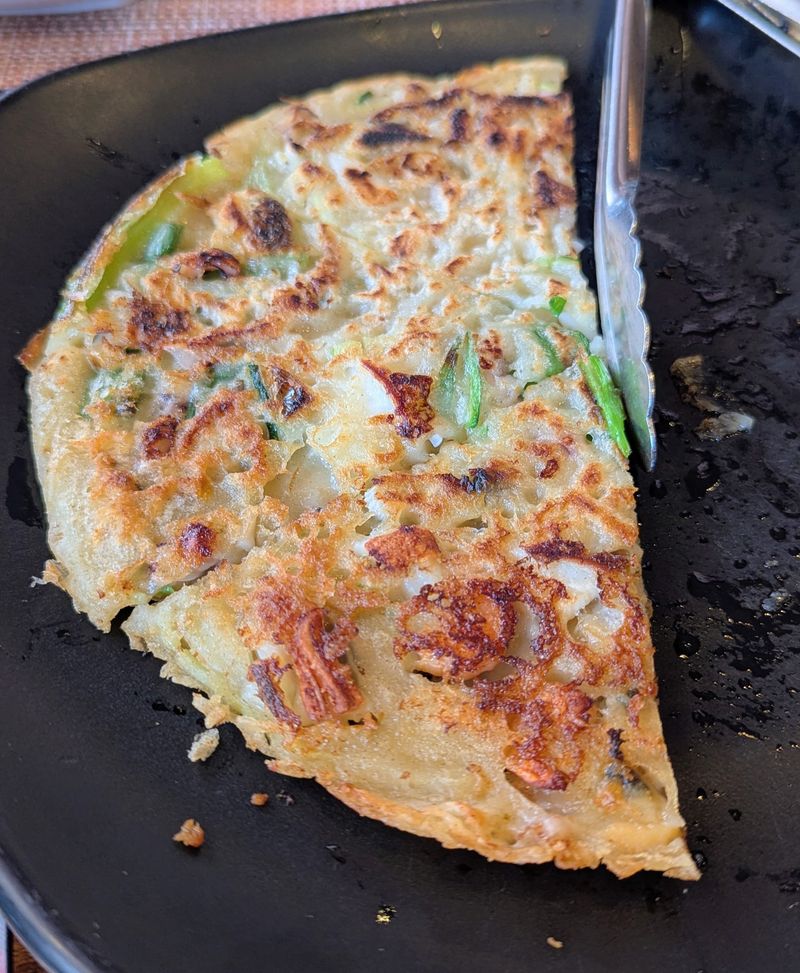
Golden, round, and cut into wedges, the seafood pancake is an easy pick for the whole table. Koreans call it haemul pajeon.
The pancake is made with a savory batter, green onions, and seafood, then pan-fried flat. It usually comes with a soy-based dipping sauce on the side.
At DuBu, diners have called it huge, so one order goes a long way. A longtime guest described theirs as crispy and loaded with seafood.
Not every visit is identical, of course. One diner felt their pancake was a bit dense inside, so tastes can vary.
This is a smart starter for groups. Everyone grabs a wedge while waiting for stews and grilled dishes to arrive.
Korean pancakes are a favorite rainy-day snack in Korea. Some say the sizzling sound in the pan reminds people of falling rain.
I like ordering one pancake for the table instead of separate appetizers. It keeps things simple and leaves room for the main dishes.
Dip lightly at first, since the sauce can be salty. Then adjust to your taste.
Next up is a dish that even brave eaters think twice about.
Marinated Raw Crab for the Curious
Raw crab soaked in a seasoned marinade sounds bold, and it is. Marinated crab shows up on DuBu’s menu and gets plenty of attention.
In Korea, this dish is known as gejang. It’s often made with soy sauce or a spicy red pepper marinade.
Fans in Korea sometimes call it a rice thief. The idea is that it’s so good with rice that your bowl disappears fast.
The crab is eaten raw, so expect a soft texture rather than firm cooked meat. Many people scoop the rich insides from the shell and mix them with rice.
Reactions at DuBu vary. One regular said they love the marinated crab, while a first-timer admitted it wasn’t their favorite but was glad they tried it.
That honest mix is helpful. If you’re adventurous, go for it, and if not, there’s no pressure.
I’d suggest sharing an order the first time. That way, everyone gets a taste without filling up on something unfamiliar.
Keep a napkin nearby, since this dish is hands-on.
Not into crab? The menu reaches far past seafood.
Hot Stone Bowls and Rice Cakes Round Out the Menu
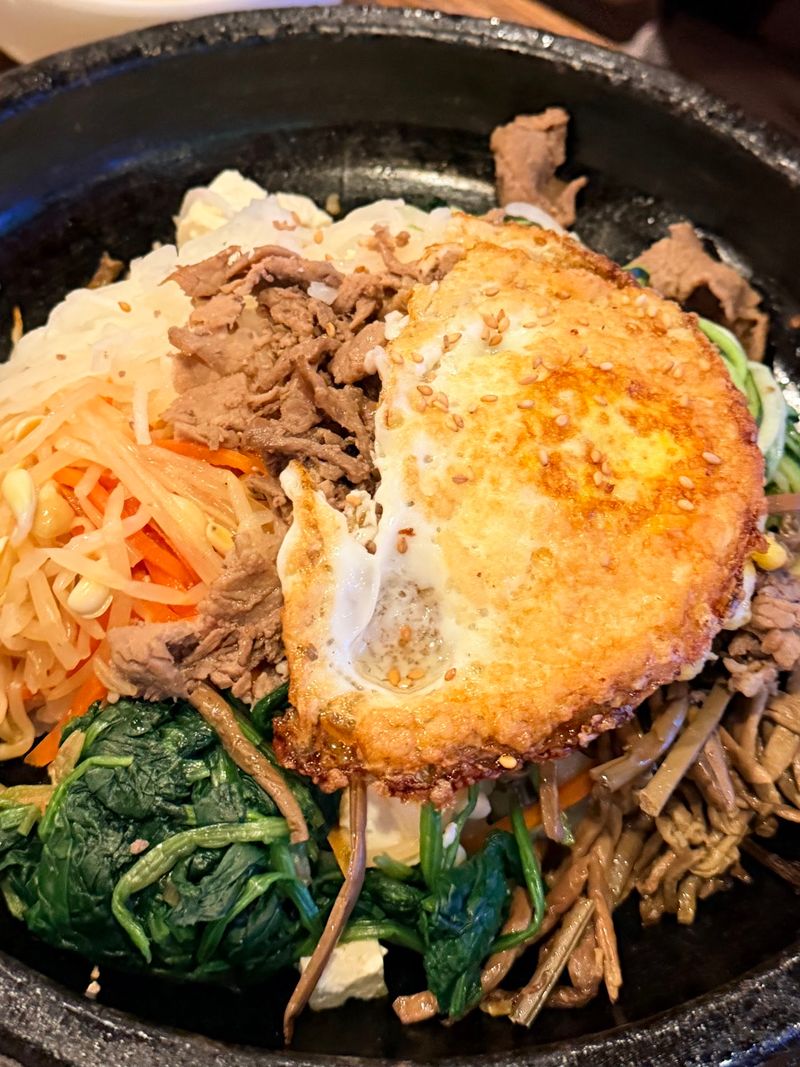
Wondering what to order if tofu stew isn’t your thing? The menu at DuBu is large, and diners often mention how many choices it holds.
Bibimbap is one easy option. It’s a bowl of rice topped with vegetables, meat, and an egg, mixed with a spicy pepper paste.
The hot stone version is a fun choice. The heated bowl keeps sizzling, and the rice on the bottom can turn crispy.
Tteokbokki also appears on the menu. These are chewy rice cakes cooked in a red, spicy-sweet sauce, a favorite Korean street snack.
Fried dumplings are there for anyone who likes something familiar. Other diners have tried soups that include more traditional ingredients, like intestine soup.
I’d use bibimbap as a safe first order for a picky eater. It’s colorful, filling, and easy to adjust with more or less sauce.
Spice-shy diners should ask questions before ordering. The staff can help guide you toward milder dishes.
With so much variety, a group dinner works well here. Speaking of groups, there’s something about the rooms worth knowing before a celebration.
Private Rooms and Karaoke for Groups
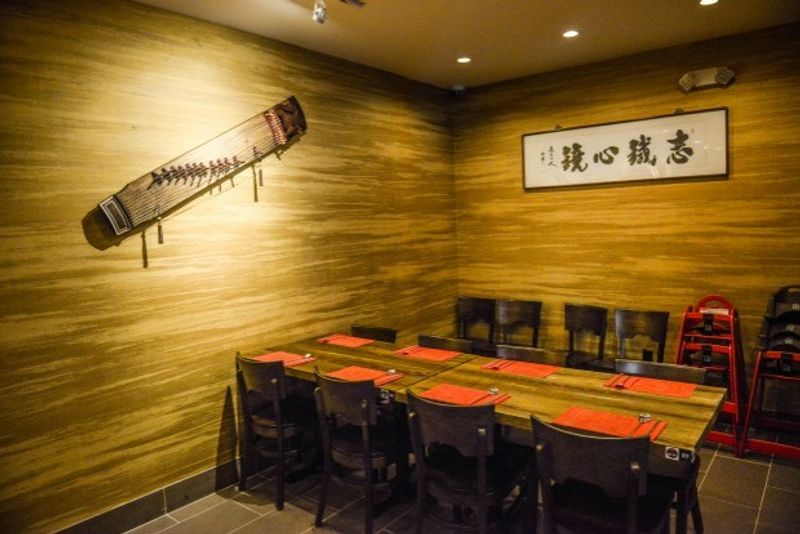
Karaoke after a bowl of tofu stew is a very Korean way to spend an evening. DuBu is known for offering karaoke, which comes up often in diner conversations.
The restaurant has private rooms that can hold groups. These spaces make birthdays and get-togethers feel more personal.
Planning ahead matters, though. One guest booked a large group reservation and later shared frustration that it had been canceled after an email confirmation request.
That’s a useful lesson for anyone organizing a party. Watch your inbox, reply to any confirmation messages, and call ahead to double-check your room size.
Karaoke, called noraebang in Korea, is a huge part of social life there. Friends and coworkers often head to a singing room after dinner.
I like the idea of eating and singing in the same place. It saves a second trip and keeps the fun going.
Groups should also give the kitchen time. Large orders of stews, ribs, and pancakes take a bit to prepare.
Once everyone is fed and the songs are picked, the night handles itself.
Of course, not every meal needs a crowd.
Smart Tips Before You Go
Lunch might be the smartest time to visit. One diner described DuBu’s lunch specials as very generous.
The restaurant opens daily at 10:30 in the morning and stays open until 10 at night. That long schedule gives you plenty of flexibility.
Takeout is also an option. A former local who returned to town wrote that their to-go order was neatly packaged.
Busy times can slow service down. A few diners mentioned waiting for attention, so be ready to flag a server politely if needed.
Management has responded to feedback by promising daily customer service training. That shows a willingness to listen and improve.
Spice levels are worth discussing when you order. Several people found the regular level fairly mild, so speak up if you want more heat.
Parking in a shared plaza can fill up, especially with H Mart shoppers. Give yourself a few extra minutes on weekends.
I’d plan a stew, a shared pancake, and one adventurous dish for a first visit. Add a quick grocery run next door, and the trip feels complete.
Simple tofu, served hot, still sits at the heart of it all.
Share this story