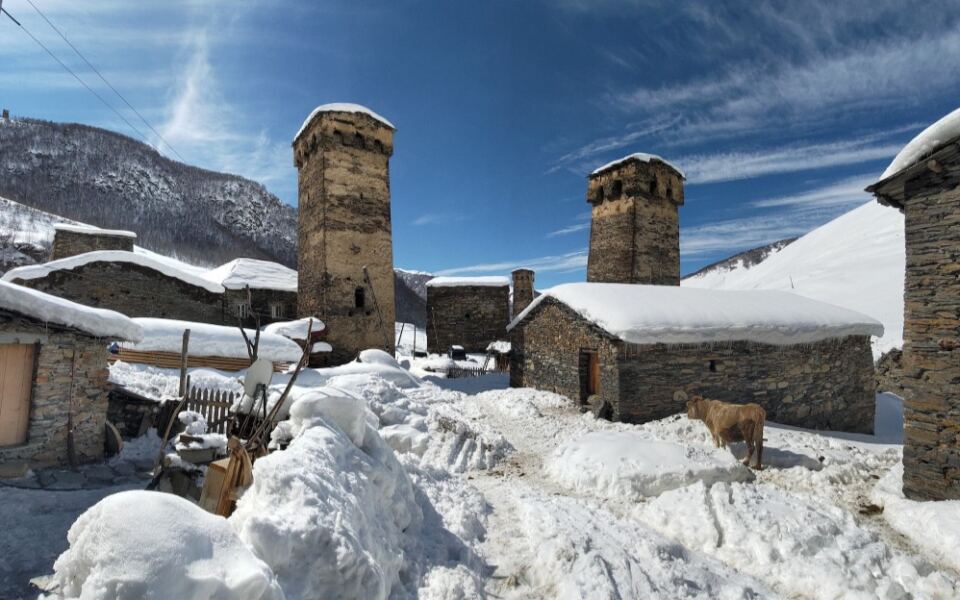
High in the Caucasus mountains of Georgia, a cluster of stone villages sits at the foot of a giant peak. Ushguli is one of the highest year-round settlements in Europe.
Its old towers have watched over the valley for centuries. Here are ten things that make this place so unforgettable.
Mount Shkhara Towers Over Everything
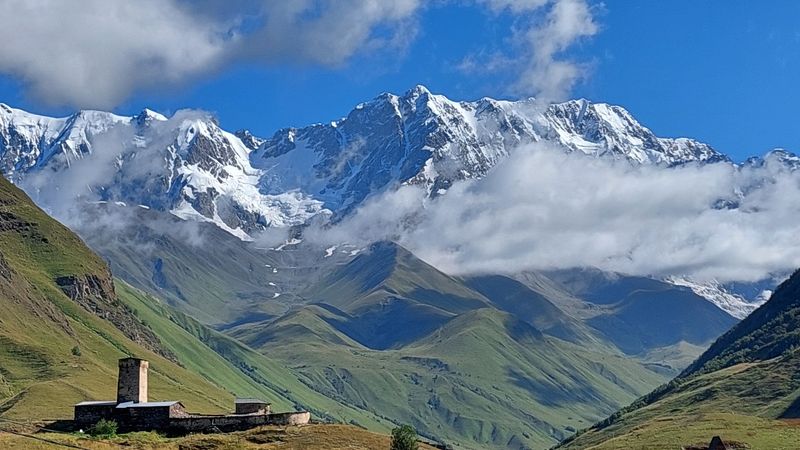
Stand in the meadow, tilt your head back, and Shkhara simply keeps going up. At 5,201 meters, it is the tallest mountain in Georgia.
Its snowy top often glows pink at sunrise.
The peak sits on the border with Russia, so the mountain is more than a pretty backdrop. It is a real giant of the Greater Caucasus range.
Glaciers spill down its sides and feed the rivers that run through the valley below.
Morning is the best time to look at it. Clouds tend to gather by afternoon and hide the summit like a shy celebrity.
If you wake early and the sky is clear, you get the full show.
Bring a warm jacket, even in summer. The air at this height is thin and crisp, and the wind can bite.
A hot cup of tea in your hands makes the view even better.
Photographers love the contrast between green fields, gray stone, and white ice. Every few minutes the light changes, so keep your camera ready.
You will likely take far more pictures than you planned.
Five Villages in One Community
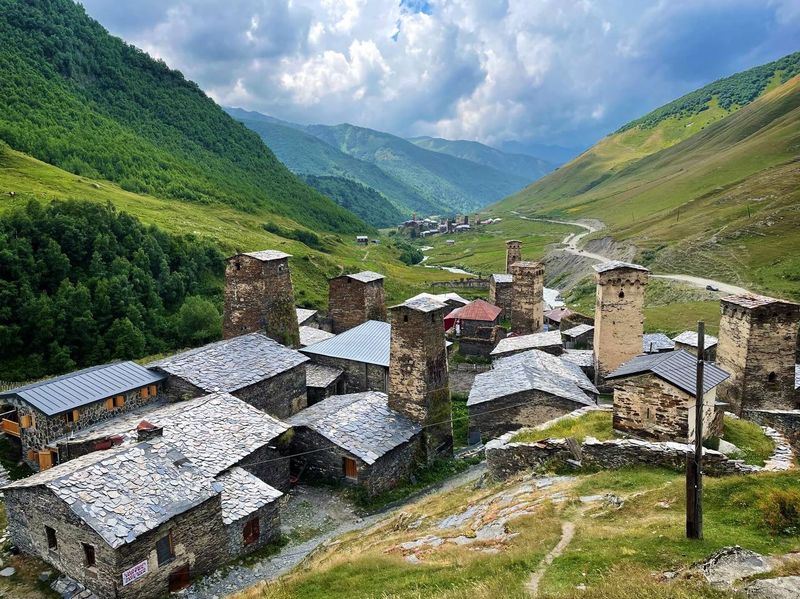
Ushguli is not one village but a team of five. Zhibiani, Chvibiani, Chazhashi, and Murqmeli sit close together at the head of the Enguri gorge.
Together they form a community in Svaneti.
Each hamlet has its own feel. Some have more towers packed together, while others have wide, open fields between houses.
Walking from one to the next takes only a short stroll on dirt paths.
Chazhashi is the one most visitors see first. It has the most famous cluster of towers and a handy spot to start exploring.
Still, the quieter neighborhoods reward anyone who walks a little farther.
Local families have lived here for generations. You will often see people carrying hay, herding animals, or chatting over fences.
A friendly nod goes a long way.
Plan at least one full day to wander all the parts. Wear sturdy shoes, because the lanes get muddy after rain.
Cows have the right of way, always.
Svan Towers Standing Guard
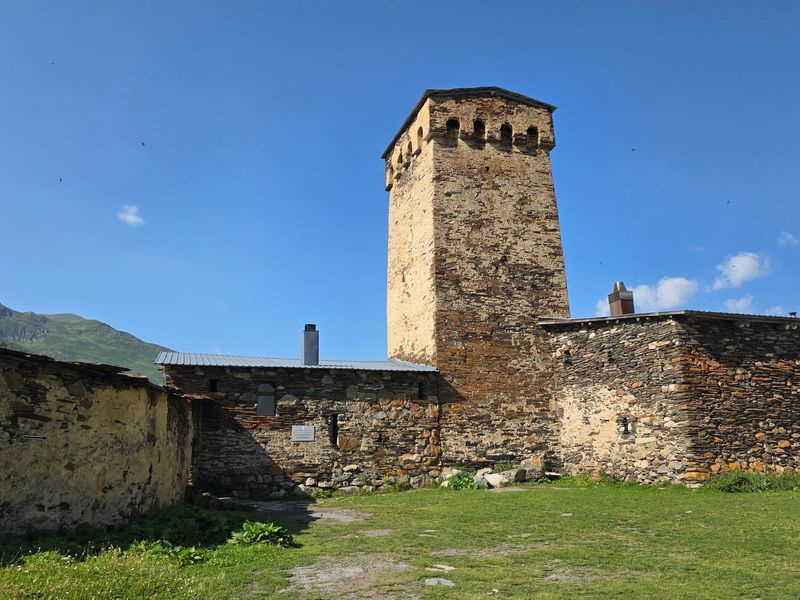
Picture a stone chimney that grew up and decided to become a fortress. That is a Svan tower.
Many in Ushguli date back to the Middle Ages, around the 9th to 12th centuries.
Families built them next to their homes for safety. When trouble came, people climbed inside and pulled up the ladder.
The thick walls and narrow windows made them tough to attack.
Towers also served as lookouts. A watcher at the top could spot danger far down the valley and warn the neighbors.
Some families even used them to settle old feuds from a safe distance.
Most towers stand about 20 to 25 meters tall. Their flat stones are stacked without much fuss, and many have a small pointed roof on top.
Some towers lean a bit, which only adds charm.
You can climb a few of them for a small fee. The steps are steep and the ladders are wooden, so go slowly.
The view from the top is worth every careful move.
A UNESCO World Heritage Treasure
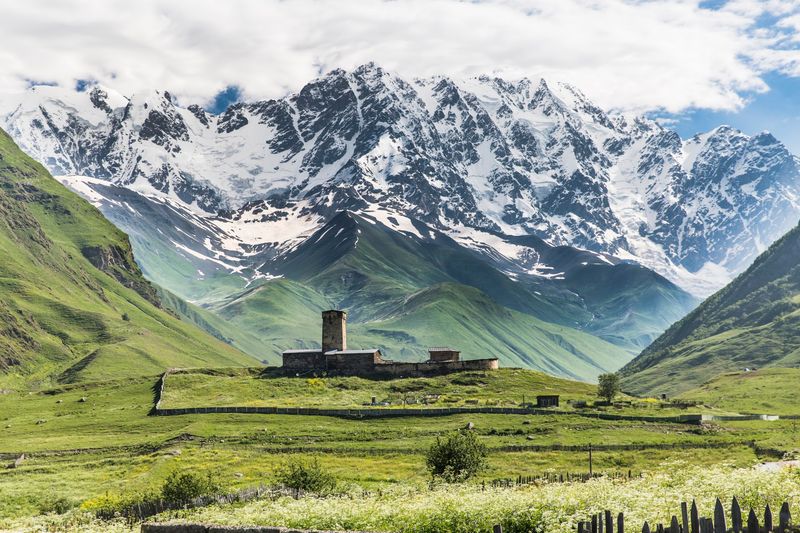
In 1996, UNESCO added Upper Svaneti to its World Heritage list, and Ushguli is its crown jewel. The listing praises the old towers and the way the villages blend into the land.
It also highlights a culture that has stayed alive through the centuries.
That title brings visitors, but it also brings rules. Builders must respect traditional styles, so you will not see glass boxes among the stone houses.
This helps the place keep its storybook look.
Some fans say the recognition saved the villages from fading away. Others worry about too many tourists.
Locals are trying to find a balance that keeps both the culture and the income.
You can help by acting like a thoughtful guest. Stay on paths, avoid climbing on ruins, and ask before taking photos of people.
Buying food and crafts from local families keeps money in the community.
Look for information signs near the towers. They share a bit of history and make the walk more meaningful.
One of Europe’s Highest Year-Round Homes
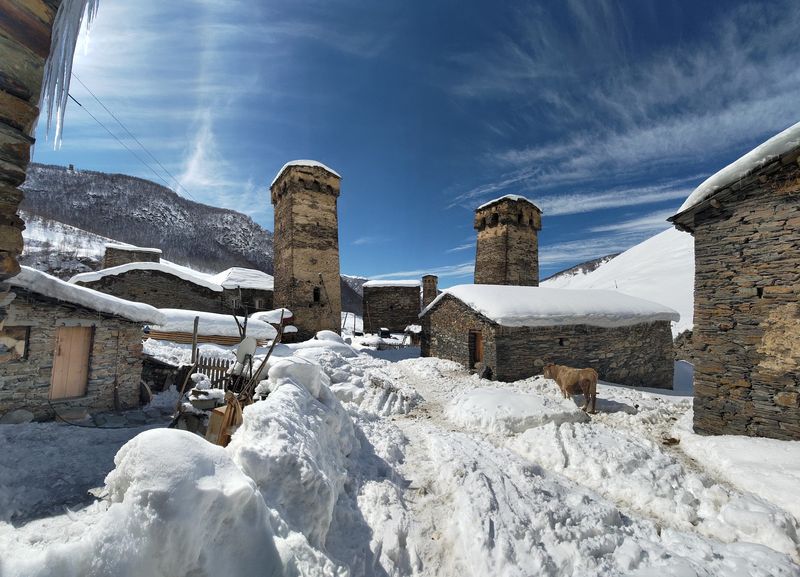
At about 2,100 meters above sea level, Ushguli ranks among the highest continuously inhabited places in Europe. Real people live here all year.
They do it even when snow buries the roads.
Winter can last for six months or more. Snow piles up deep, and the road from Mestia often closes.
Residents stock up on firewood, potatoes, cheese, and flour before the first big storm.
Life is built around the seasons. Summer means cutting hay and caring for cattle.
Fall is for storing food, and winter is for staying warm and telling stories.
Fewer than a hundred families stay through the coldest months. That small number makes the quiet feel enormous.
Smoke curls from chimneys, and the only sound may be crunching boots.
If you visit in summer, remember how tough life is the rest of the year. A little respect and a friendly hello mean a lot to people living here.
Lamaria Church on the Hill
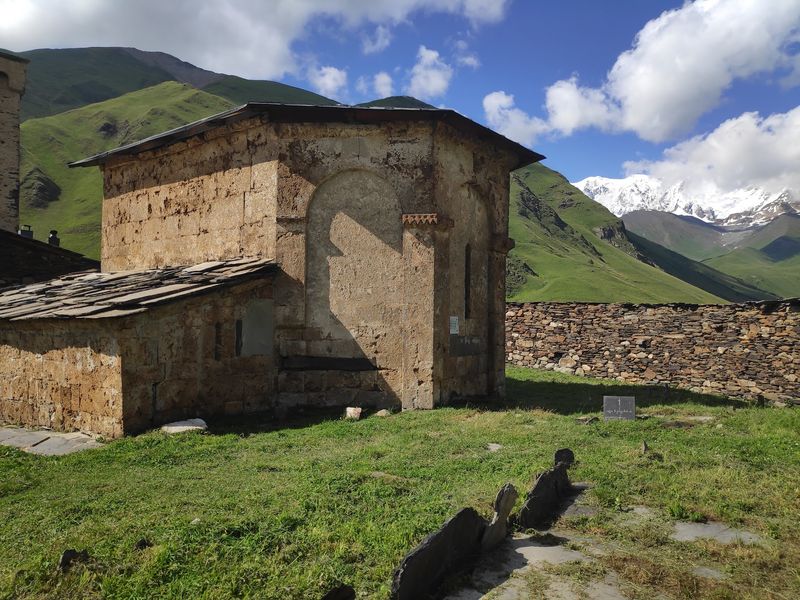
Up on a grassy hill above Chazhashi, a small stone church keeps watch. Lamaria is dedicated to the Virgin Mary and dates to around the 9th or 10th century.
Locals treat it with deep respect.
The climb takes about 15 to 20 minutes on a steady path. Your reward is a sweeping view of towers, roofs, and the river below.
It is a favorite place for sunrise and sunset.
Inside, the church holds old frescoes and religious items. Some are very rare and have survived many centuries.
The building is still used for local festivals and prayers.
Visitors should dress modestly and speak softly. Women are often asked to cover their heads and knees.
Ask a local about the rules, as they can vary by day.
Bring water for the walk and keep an eye on the weather. Clouds can roll in fast.
A drizzle makes the stones slippery.
The Road to Ushguli
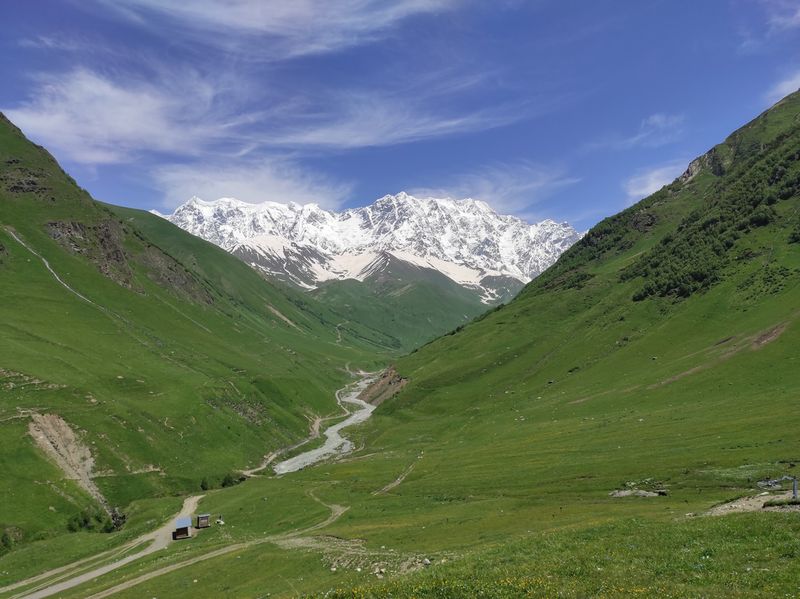
Hold onto your seat. The road from Mestia to Ushguli is about 45 kilometers of bumps, puddles, and jaw-dropping views.
The drive takes roughly two hours.
Much of the route has been improved in recent years, but some parts remain rough. Streams may cross the path after heavy rain.
A 4×4 vehicle or an experienced local driver is the safest choice.
Shared minibuses called marshrutkas run in season, though schedules change. Many travelers hire a driver for the day and stop at viewpoints along the way.
This also means you can ask to pause when a photo calls.
Winter is a different story. Snow can shut the road for days, so check conditions before you go.
Locals will give honest advice.
Pack snacks, water, and a light jacket. Cell service can drop out in the valley.
Download your maps before leaving town.
Hiking to the Shkhara Glacier
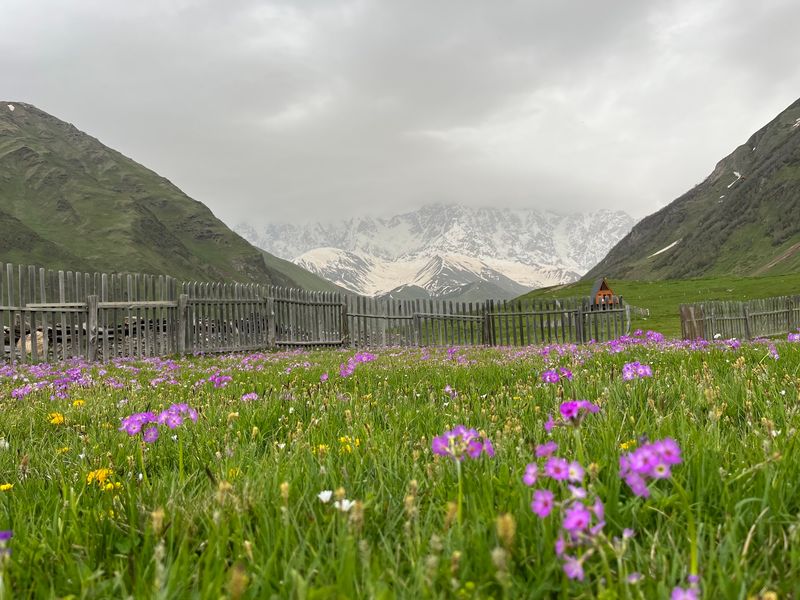
Ready for a walk that ends at a wall of ice? The trail to Shkhara Glacier starts right at the edge of Ushguli.
The round trip is around 16 to 20 kilometers, so plan for most of a day.
The path follows the Enguri River through meadows and rocky slopes. It is mostly gentle, with a few muddy and rocky parts.
Along the way you will pass old shepherd huts and wide-open fields.
At the end, the glacier tongue spreads out below the great peak. A stone cross marks a good viewpoint.
Stay at a safe distance, since ice and rocks can fall.
Start early to beat the afternoon clouds. Bring layers, a rain jacket, lunch, and plenty of water.
Trekking poles help on slippery sections.
If the full hike feels like too much, walk the first part only. Even an hour out gives you great views and a taste of the wild valley.
Hearty Svan Food
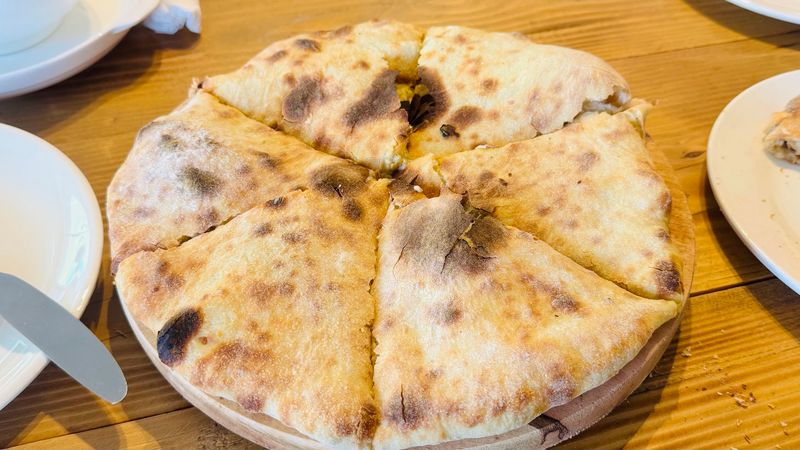
Food here is made to fuel cold mountain days. The star is kubdari, a thick bread stuffed with spiced meat.
It arrives hot, juicy, and big enough to share.
Then there is Svan salt, a mix of salt with garlic, herbs, and spices like blue fenugreek. Sprinkle it on tomatoes, potatoes, or bread.
Many visitors buy a bag to take home.
Look for cheese-filled breads called khachapuri, plus tasty local cheeses and fresh dairy. Hearty soups and potatoes show up often as well.
Vegetarians can find cheese, beans, and vegetable dishes with a quick request.
Most meals are served in family guesthouses. Hosts often cook with ingredients from their own gardens and barns.
Ask what is fresh that day.
Wash it all down with tea or homemade drinks. Say gaumarjos to toast, and you will earn smiles around the table.
Guesthouse Nights and Village Life
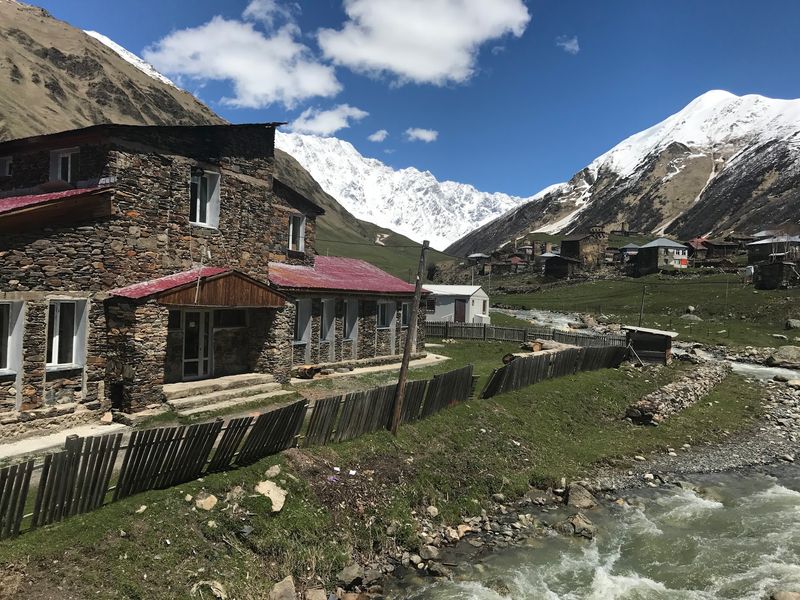
Forget fancy hotels. In Ushguli, you sleep in someone’s family home.
Beds are simple, blankets are thick, and breakfast often includes fresh bread and homemade jam.
Evenings feel special once the day trippers leave. The village turns quiet, and the stars come out in huge numbers.
With little light pollution, the night sky looks packed.
Hosts usually share stories about local traditions and old family towers. You might hear about festivals, hunting tales, or how winter shapes daily life.
A few words of Georgian, like madloba for thank you, win instant warmth.
Book ahead in summer, since rooms are limited. Prices are modest, and meals are often included or offered at a set price.
Bring cash, as cards and ATMs are scarce.
Pack a flashlight, warm socks, and a sense of patience. Hot water and Wi-Fi can be unpredictable.
Slowing down is part of the charm.
Share this story