Bhutan is a tiny Himalayan kingdom where more than 70 percent of the land is covered in forest. Cliffside monasteries, giant fortresses and quiet farm villages still shape daily life here.
The roads are twisty and the pace is slow, so every stop feels like a small adventure. Here are fifteen places that show why Bhutan is unlike anywhere else.
Paro Taktsang in Paro
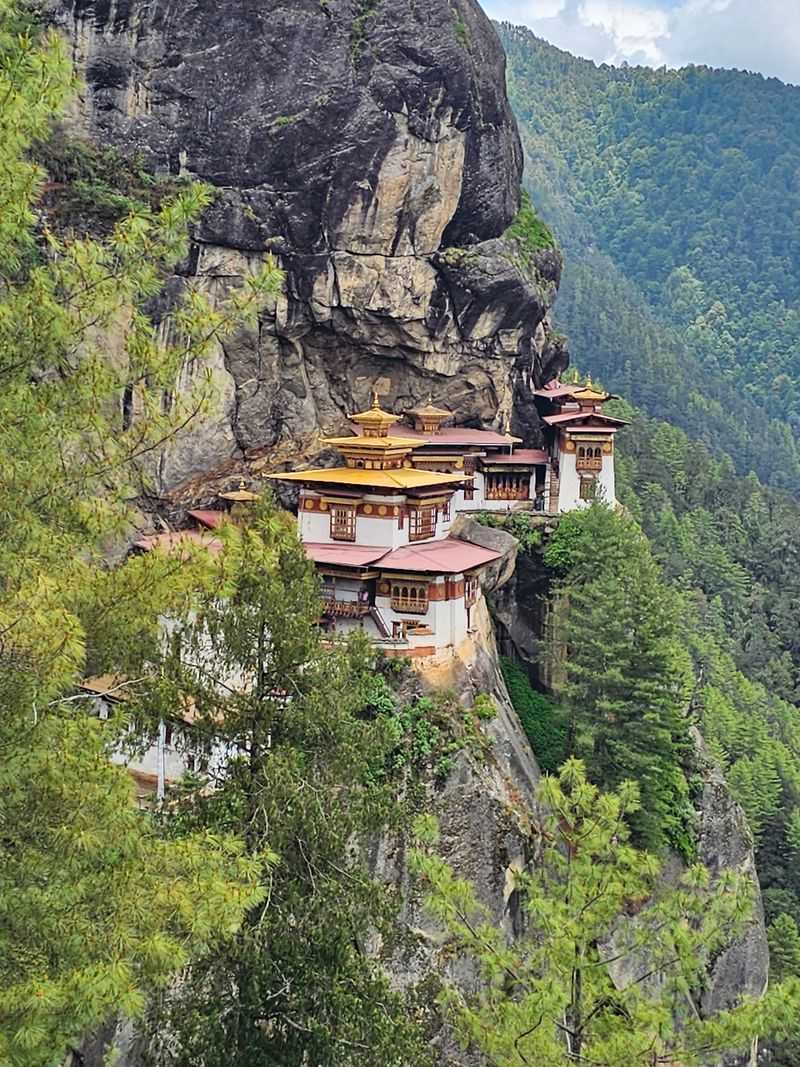
Picture a white temple stuck to a cliff like a barnacle on a ship, hundreds of meters above the valley floor. That is Tiger’s Nest, Bhutan’s most famous landmark, and it looks a little impossible from below.
The hike is the real price of admission. Expect roughly five to six hours for the full round trip, mostly uphill through pine forest.
Prayer flags, viewpoints and a tea stop give tired legs a chance to recover.
Start early, wear sturdy shoes and carry water. Bring a light jacket too, since the weather shifts fast at altitude.
Take your time on the steep stairs near the end.
When the trail finally reaches the complex, the effort suddenly makes sense. The setting, the architecture and the deep religious meaning all come together in one spot.
For many travelers, this climb is the moment Bhutan truly clicks, and it makes a perfect first encounter with the kingdom.
Punakha Dzong in Punakha
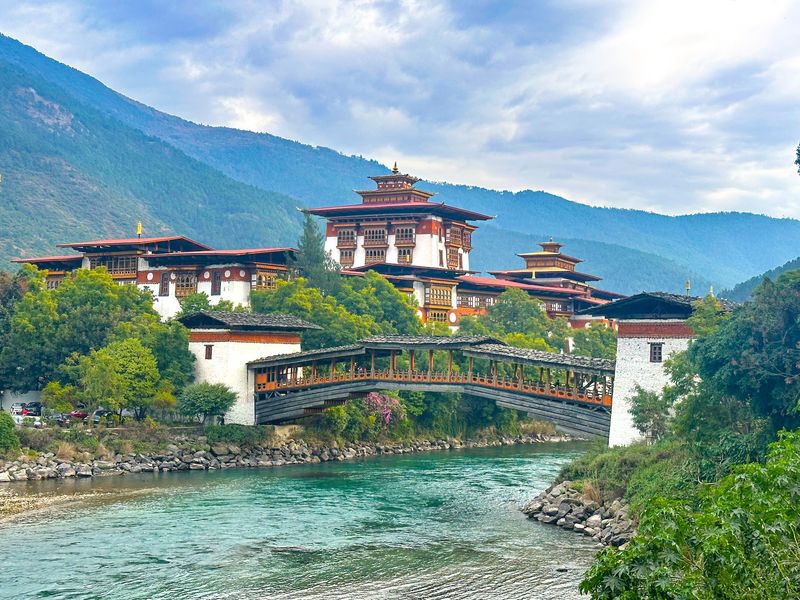
Two rivers meet here, and a giant fortress sits right at the spot like it was placed by a careful hand. Punakha Dzong is reached by a traditional covered bridge that creaks pleasantly underfoot.
Long before Thimphu became the capital, this was Bhutan’s administrative center. Today it is still one of the most important religious and historic buildings in the country.
Punakha sits lower than Paro or Thimphu, so the air feels milder and the valley looks greener. Fans of photography will find plenty of angles, especially along the riverbank.
Pair the visit with nearby Chimi Lhakhang and a stroll through the countryside. Rice fields, farmhouses and quiet paths fill the gaps between stops.
Wear modest clothing, since dzongs are active religious sites. Go in the morning for softer light and fewer people.
The riverside setting alone earns Punakha a spot on every Bhutan list.
Thimphu, Bhutan’s Capital
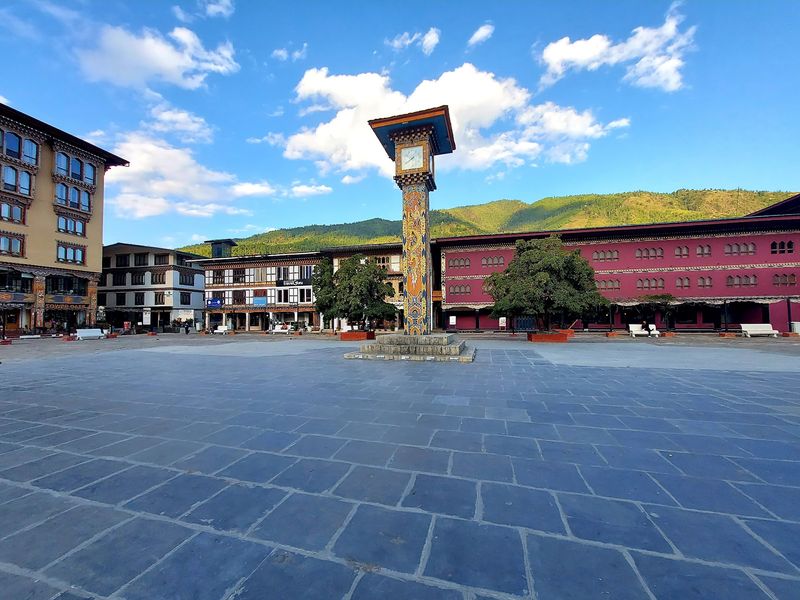
Here is a capital city with no traffic lights, and it somehow works. Thimphu is one of the smallest national capitals in the world, yet it packs in a surprising amount to see.
Traditional buildings stand beside government offices, cafes and shops. Wander the markets, visit a museum or climb up to the huge Buddha Dordenma statue that watches over the valley.
Archery is the national sport, and watching a match is a lively treat. Archers sing, tease each other and aim at targets that sit very far away.
For a gentle lesson in local crafts and customs, try the Simply Bhutan living museum. It is beginner friendly and hands-on.
Give Thimphu at least a day, and leave room for slow cafe breaks. The city shows how old and new Bhutan live side by side, which makes it a great introduction to everyday life in the kingdom.
Dochula Pass between Thimphu and Punakha
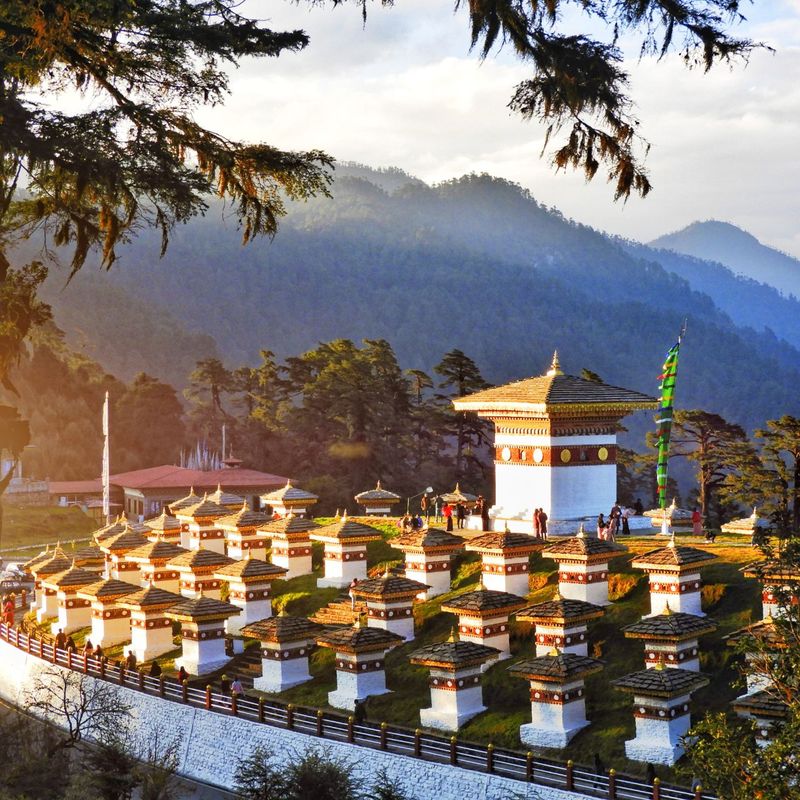
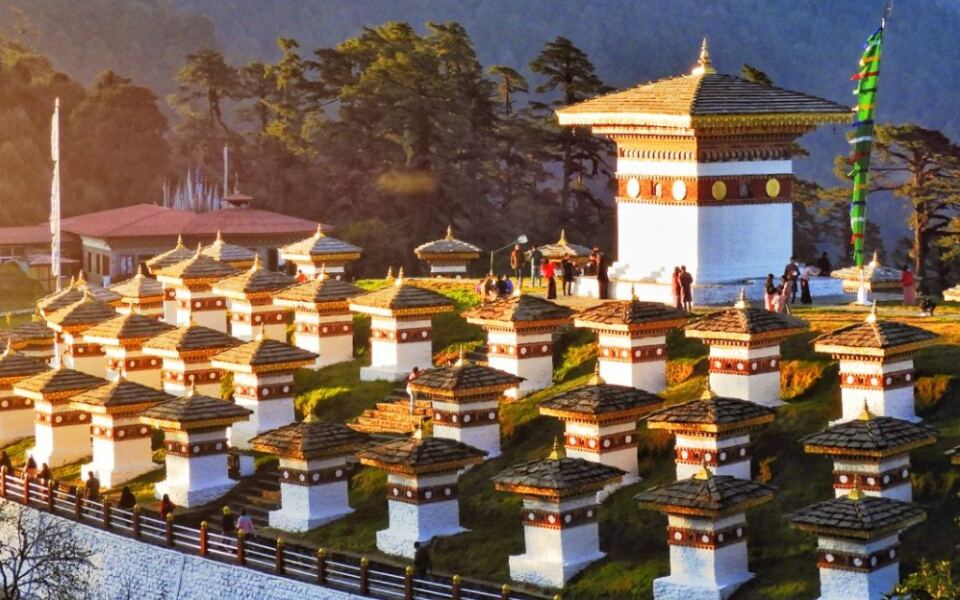
One hundred and eight stupas stand on a windy hilltop, and each one has a story. Dochula Pass sits above 3,000 meters, and it is the kind of road stop that makes drivers forget their schedule.
The memorial chortens are spread across the hillside, with prayer flags snapping in the breeze between them. On a clear day, snowy Himalayan peaks line up along the horizon.
Bring a warm layer, because the wind up here can bite. Mornings usually offer the clearest views, before clouds roll in.
Want a bit more exercise? A hike from the pass toward Lungchutse Lhakhang takes roughly two to three hours.
It gives a taste of mountain scenery without a big trek.
Having tea at the nearby cafe is a fine way to soak it in. The drive between Thimphu and Punakha becomes as memorable as either destination.
Phobjikha Valley in Wangdue Phodrang
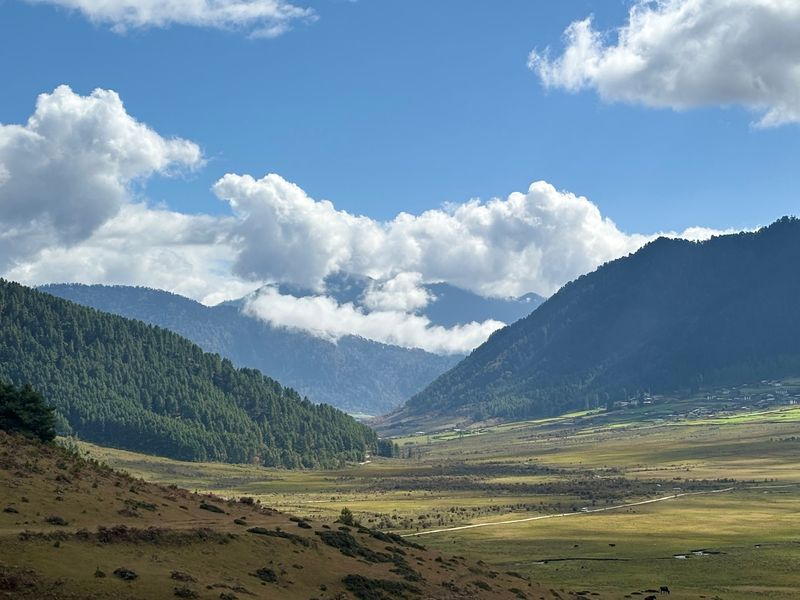
Winter here comes with feathered visitors. Black-necked cranes fly into Phobjikha every year, and locals welcome them like old friends.
The valley is a broad, glacial bowl ringed by forested mountains and dotted with small farms. Even outside crane season, the open space feels calm and a little magical.
Gangtey Monastery watches from a hillside above the fields. Below it, the Gangtey Nature Trail offers an easy walk through meadows and woods, ideal for families and casual hikers.
After the busy western route, the slower pace here feels like a deep breath. Cooler air and big skies set the mood, so pack layers.
Visit between late autumn and early spring if you hope to spot the cranes. Bring binoculars and keep your voice low, because the birds are shy.
Phobjikha is a wildlife landscape that rewards patience.
Bumthang Valleys in Central Bhutan
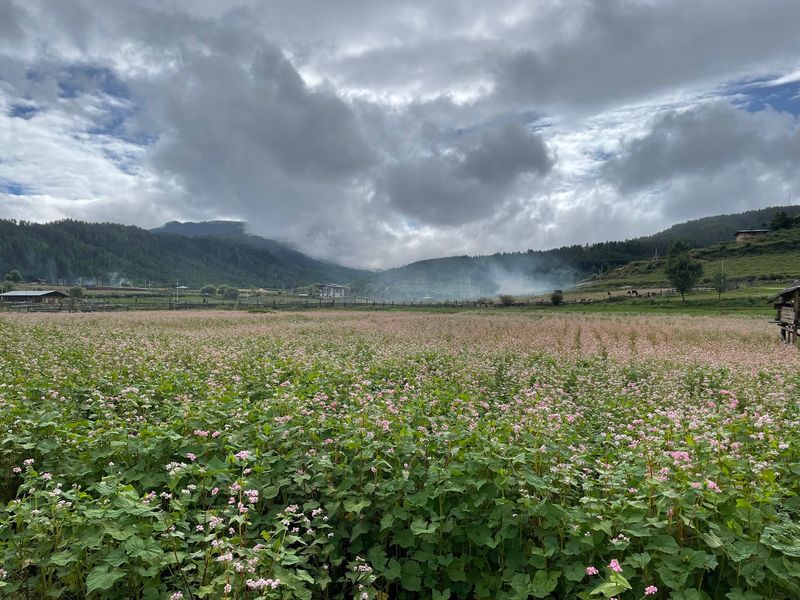
Ask a Bhutanese traveler where the spiritual heart of the country beats, and many will point to Bumthang. It is not one valley but several connected ones, filled with old temples, farms and small villages.
Some of the oldest religious sites in Bhutan are found here. History fans can spend days moving from one sacred spot to the next.
The roads are quiet, so cycling is a pleasure. Gentle cultural hikes link villages and fields, and no one seems to be in a hurry.
Nearby sits Mebar Tsho, often called the Burning Lake. The name sounds dramatic, but the place is peaceful and deeply sacred.
Getting to Bumthang takes time, so plan a few nights instead of a quick visit. Travelers interested in Bhutan’s religious past may find it even more rewarding than the famous western towns.
Haa Valley in Western Bhutan
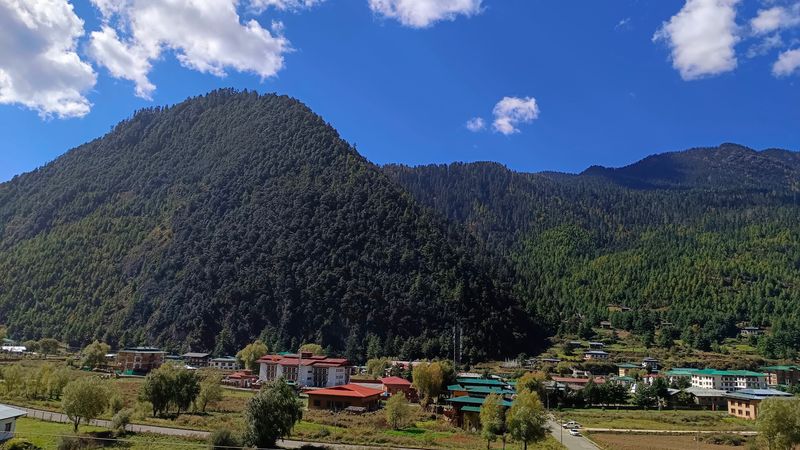
Few tour buses make it out to Haa, and that is exactly the charm. The valley lies west of Paro and feels much quieter than Bhutan’s main tourist routes.
Traditional farmhouses and small villages spread across a wide valley ringed by mountains. Rice and potato fields add patches of green and gold, depending on the season.
Cycling is a favorite here. Gentle routes roll past homes and farms, and drivers are rare enough that you can enjoy the silence.
The road in crosses Chele La, one of the highest motorable passes in Bhutan. Expect sweeping views and a chilly breeze at the top.
If you have extra days, treat Haa as a slower alternative to busier valleys. Walk through the villages, chat with farmers and eat a home-cooked meal if you can.
You will leave with a stronger sense of rural western Bhutan.
Trongsa Dzong in Trongsa
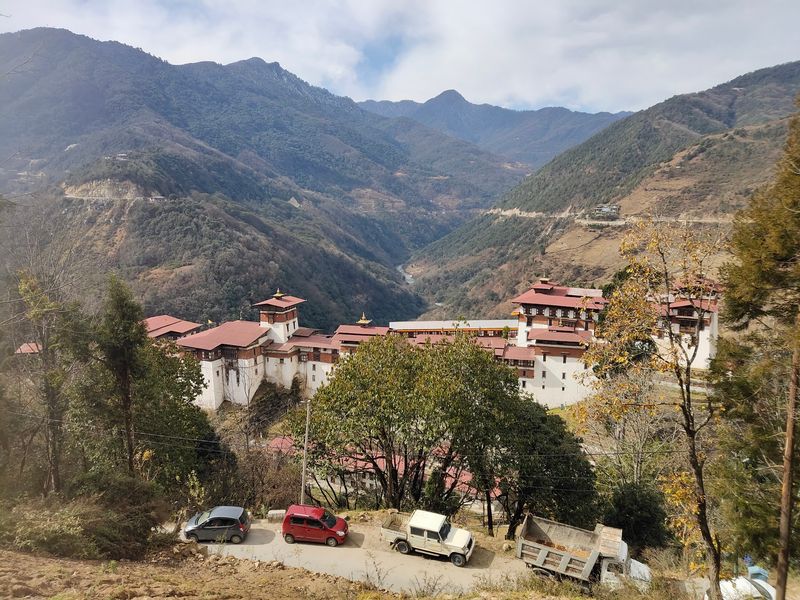
Round a bend in the road and there it is, a fortress that seems to grow straight out of the mountain. Trongsa Dzong stretches along a steep ridge above the Mangde Chhu valley.
Few towns in Bhutan have a setting this dramatic. The view alone makes the long drive feel worthwhile.
The location was no accident. Travel between eastern and western Bhutan once had to pass through here, so whoever held Trongsa held the road.
Inside, courtyards and wooden galleries show off classic fortress architecture. Take time to wander and look up at the carved beams.
If you are heading toward Bumthang, the stop breaks up a long day of mountain driving. It also adds some real history to the journey.
Bring a camera, and try to see the dzong from across the valley as well as from inside.
Gangtey Monastery in Phobjikha
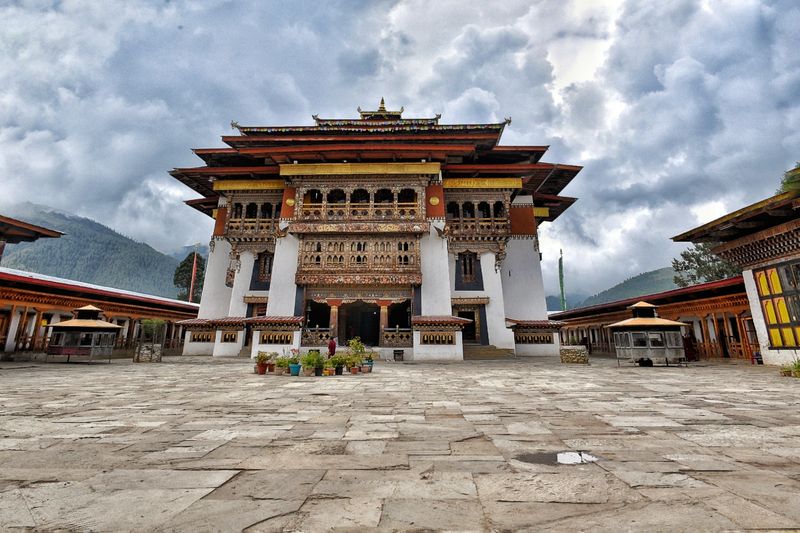
Mist drifting through a valley at sunrise can make anyone go quiet. Gangtey Monastery, perched above Phobjikha, is one of the best places to catch that moment.
The complex belongs to the Nyingma school of Tibetan Buddhism and is still an active religious center. Monks go about daily routines while visitors wander respectfully.
Pine forest and a scattering of village homes surround the grounds. Early morning brings the most atmosphere, when the valley below looks soft and hazy.
The Gangtey Nature Hike is an easy one-hour walk, and longer routes link the area with nearby villages. Pick the one that fits your legs and your schedule.
Do not rush this stop. Spending time here shows how Bhutanese monasteries stay tied to both prayer and village life.
Remove your hat and shoes where asked, and keep your voice low.
Chele La Pass in the Paro Region
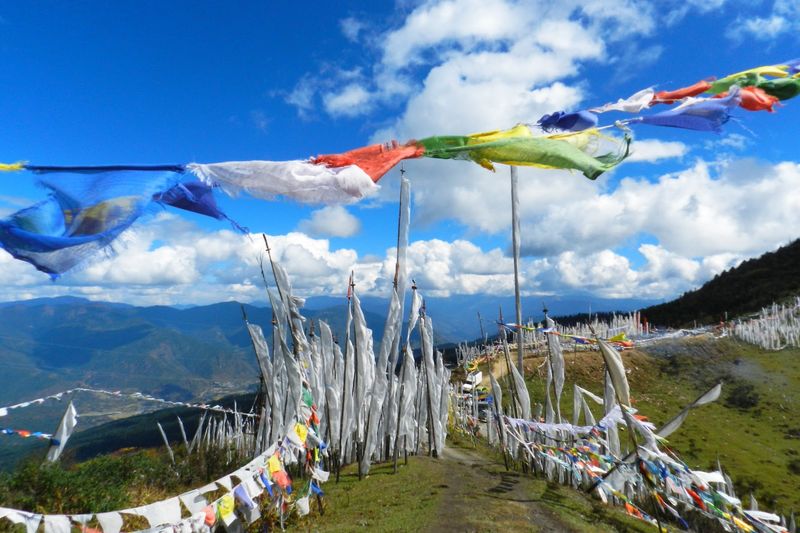
Prayer flags crowd the ridge so thickly that the whole hilltop seems to ripple. Chele La is one of the simplest ways to feel Bhutan’s high country without a trek.
The road climbs above Paro through thick forest before breaking out near the pass. Then the world opens up.
On clear days, far-off Himalayan peaks show themselves.
Bhutan’s adventure guide includes Chele La among its established hiking and excursion areas. Short walks from the top let you stretch your legs and enjoy the view.
Weather can change in minutes at this height. Pack a warm jacket, a hat and a bit of patience, since clouds come and go quickly.
It is also the gateway to Haa Valley, so many travelers cross it on the way. For anyone short on time, the pass delivers an excellent mountain experience in a single morning.
Chimi Lhakhang in Punakha Valley
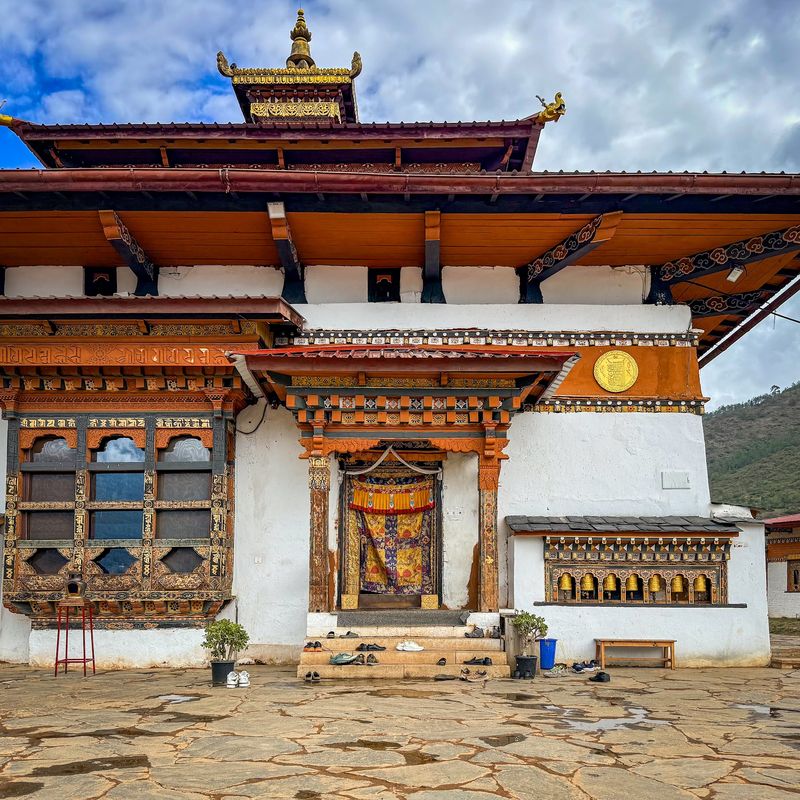
Painted symbols on village walls can make first-time visitors blink twice. Near Chimi Lhakhang, fertility imagery decorates homes and shops, and it is meant as a blessing, not a joke for tourists.
The temple is tied to Drukpa Kunley, a 15th-century saint who taught through humor and wildly shocking behavior. Locals still tell his stories with a grin.
The walk there is half the fun. A path leads through rice fields and small villages, and children often wave as you pass.
The temple itself is small and calm. Many couples visit to ask for a blessing, and you may see people leaving with a smile.
Bhutan’s tourism authority suggests adding it to a wider Punakha visit. Go in the morning, wear comfortable shoes and let the stories sink in.
The tradition is old, and it is deeply part of local culture.
Trans Bhutan Trail Across Bhutan
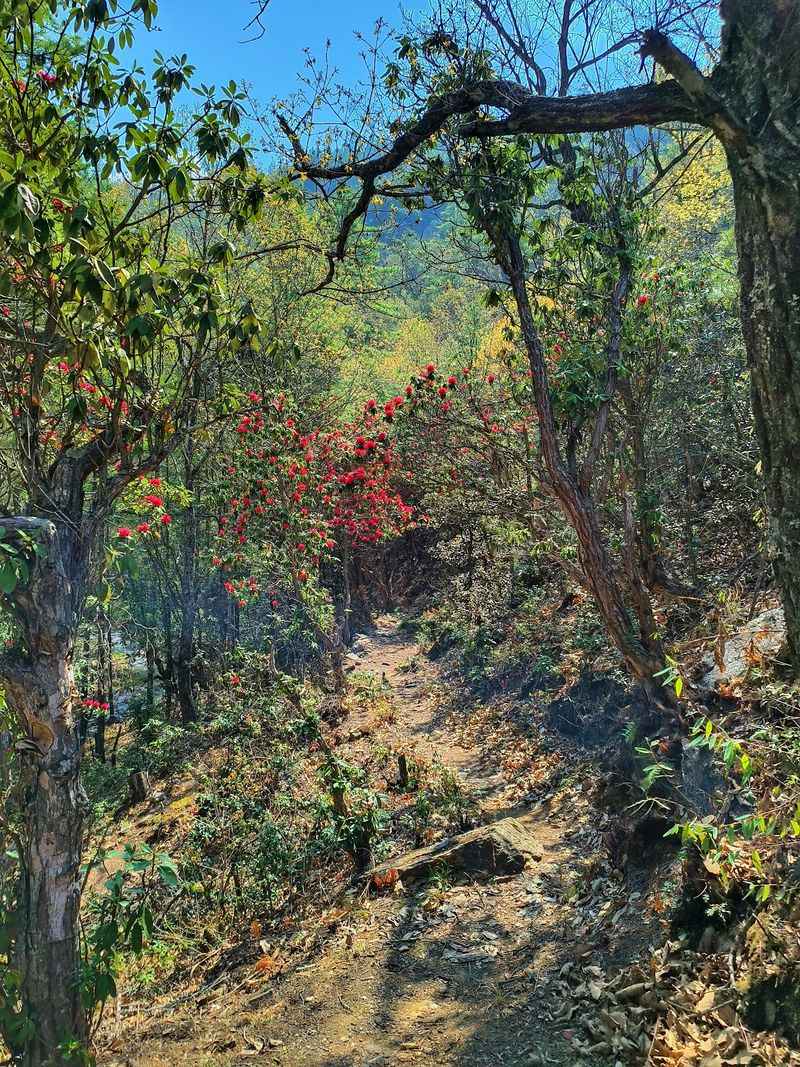
Before roads, messengers and pilgrims walked. The Trans Bhutan Trail was once the main way to travel and send news across the kingdom, and it has now been brought back to life.
Restored for hiking and cultural exploration, the network crosses forests, villages and temples. Many of these places are easy to miss from a car window.
You do not need to tackle the whole route. The full trail is demanding, but day hikes and short sections are perfectly doable for ordinary travelers.
Pick a stretch near your base and ask a guide about the history under your feet. Stone steps, old bridges and quiet clearings tell their own tales.
Bring water, snacks and rain gear, because mountain weather is unpredictable. A short walk here gives a slower, closer look at Bhutan.
It is a historic route you can enjoy without a long expedition.
Ura Valley in Bumthang
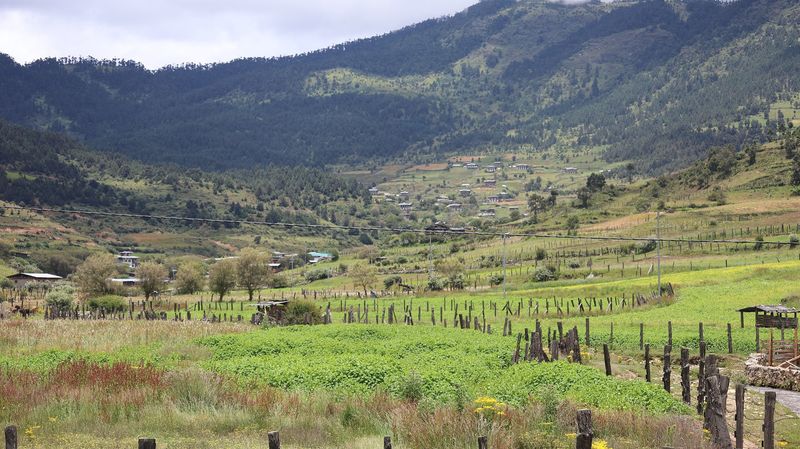
Mushrooms can be a reason to travel, and Ura proves it. The forests around this high valley are known for matsutake, and the harvest sparks local celebrations.
The village itself feels snug and old. Stone houses cluster close together along narrow lanes, giving it a more compact feel than most Bhutanese towns.
Visit during the harvest period and you may find local food, mask dances and village festivities. Bhutan’s tourism authority points to Ura as a center of the country’s annual mushroom culture.
Outside festival dates, the valley is still worth the trip. Mornings are quiet, the air is crisp and farmers go about their work at an unhurried pace.
Take a slow walk through the lanes and say hello to people you meet. A smile goes a long way.
Ura offers another side of central Bhutanese rural life, far from the usual tourist trail.
Laya in Gasa District
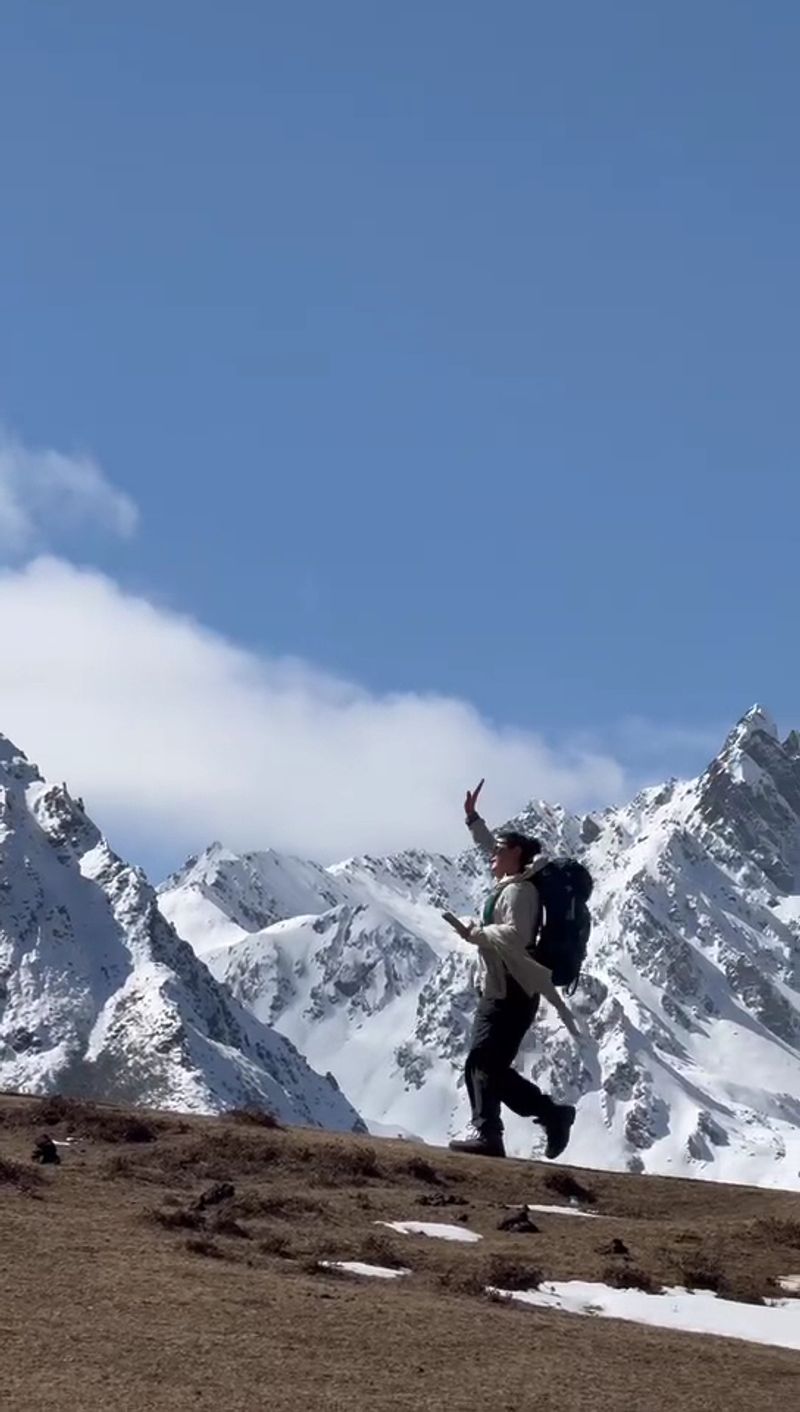
Some places must be earned with sore legs. Laya is one of Bhutan’s highest permanent settlements, and it lies far beyond the usual Paro, Thimphu and Punakha circuit.
Getting there usually means a trek through northern Bhutan. The Jomolhari-Laya-Gasa route is listed among the country’s hard treks, climbing above 5,000 meters.
The reward is a living highland culture. Local communities, dramatic peaks and the Royal Highland Festival make the region feel like another world.
This is not a casual add-on for a first visit. You will need good fitness, proper gear and a licensed guide, plus time to adjust to altitude.
For experienced trekkers, though, it is one of the best ways to meet the high Himalayan side of the kingdom. Plan for cold nights, spring or autumn timing and plenty of patience on the trail.
Merak and Sakteng in Eastern Bhutan
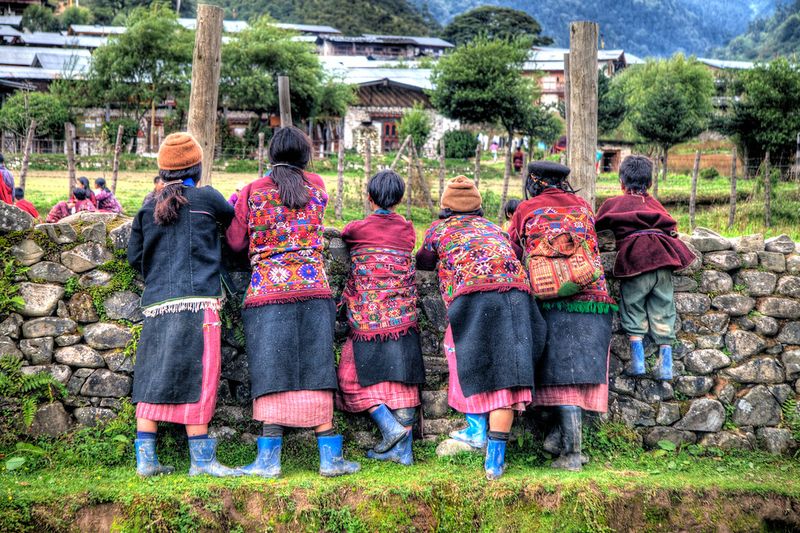
Far in the east, a different Bhutan waits. Merak and Sakteng see far fewer international visitors than the western valleys, and that makes the trip feel like a real discovery.
The area is home to semi-nomadic highland communities. Their clothing, traditions and daily rhythms differ from those in the west, and the contrast is striking.
The Merak-Sakteng Trek is listed as a medium-difficulty seven-day route. Spring and autumn are the usual seasons, when the weather is kinder.
Reaching the east takes extra time, so build it into your plan early. Roads are long and winding, and patience pays off.
Travelers who make the journey get a deeper look at the kingdom beyond its famous monasteries and major dzongs. Bring warm clothes, an open mind and a good guide.
Remote villages reward respectful visitors with warm welcomes.
Share this story