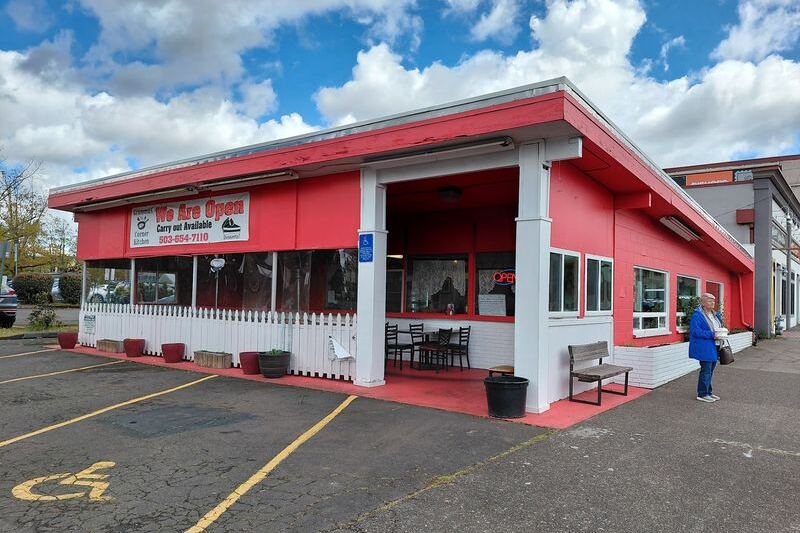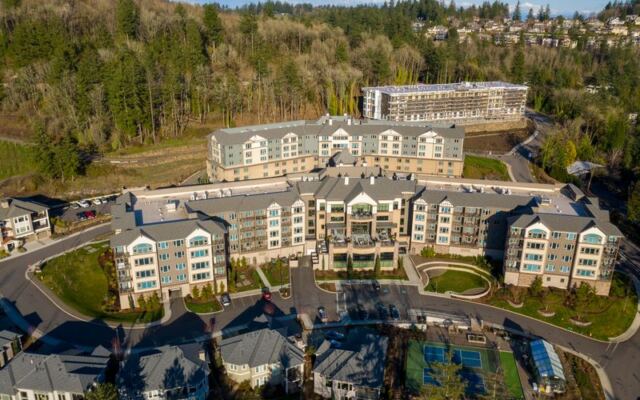
You know that feeling when you turn down a quiet road and find a place that sticks with you long after you leave? Oregon has a way of doing that, especially along its western valleys and coast.
Not every part of the state matches the picture on the postcard, though, and winters, fog, and neighbors differ from place to place. Here is a closer look at what retirement in western Oregon might feel like, and what to check before you pack the boxes.
A western Oregon winter can be mild—and wet
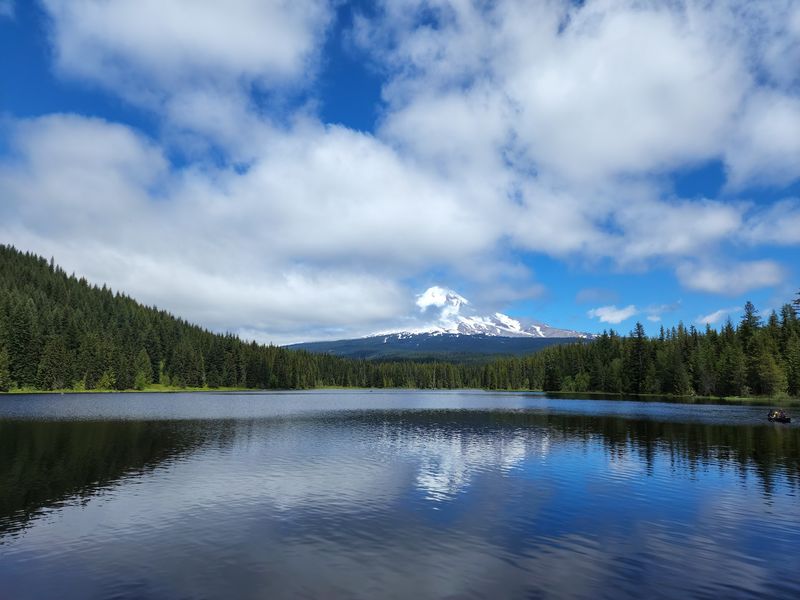
Picture a January morning on the Oregon coast: no snow shovel, just a rain jacket by the door. For parts of western Oregon, including the coast, winters tend to be relatively mild but wet.
That picture does not fit every corner of the state, since eastern and higher-elevation areas have their own, colder conditions.
Newport gives one concrete example. NOAA’s 1991-2020 climate normals for Newport list a December to February average of 45.0°F, with highs near 50.7°F and lows near 39.2°F.
Those are 30-year averages, not a forecast for any single winter.
Mild does not mean dry. Oregon climate research describes west-of-the-Cascades winters as wet, with the coast and Coast Range receiving very heavy precipitation.
Coastal fog is a possibility, not a daily backdrop
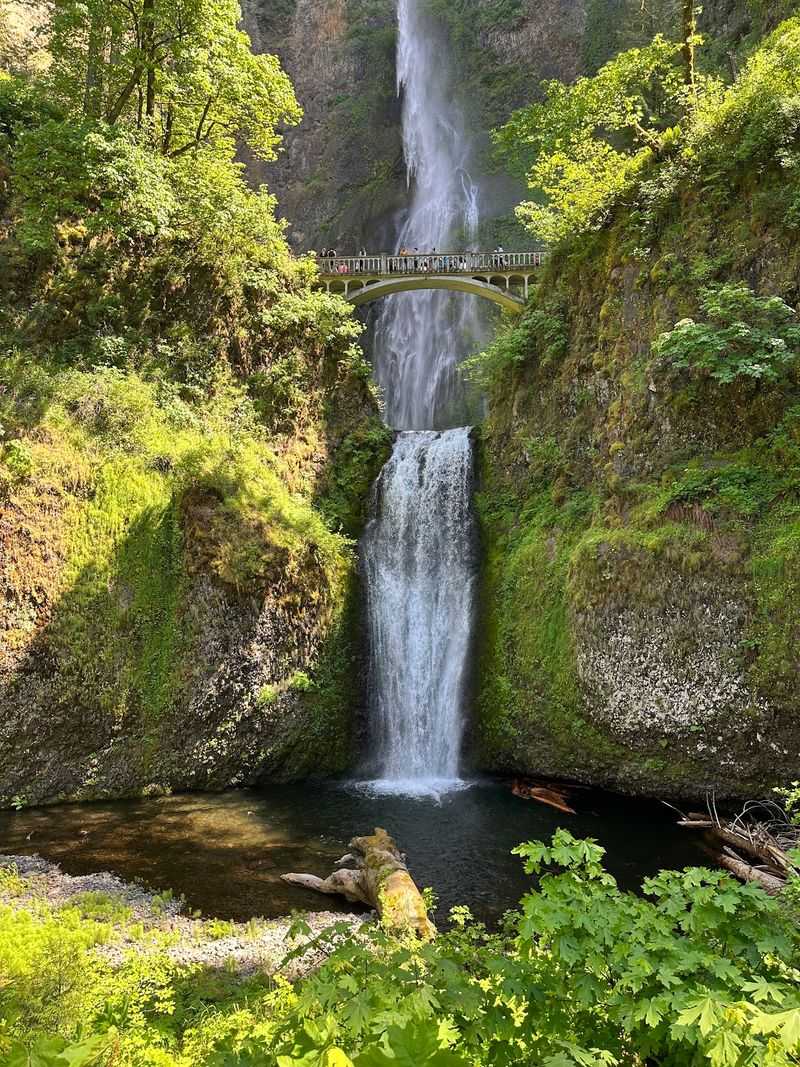
Some mornings, a pale curtain slides in from the Pacific and softens the sea stacks until they look like pencil sketches. On other days at the same beach, the sky stays clear.
That unpredictability is part of the coast’s character.
A 2024 study using camera sites looked at summertime fog at six spots on the central and northern Oregon coast. It found that how often fog showed up, and when, differed from one site to the next.
So the study speaks to those six places in summer, not to every coastal town or every season. It also cautioned that airport weather readings do not reliably tell you whether a particular beach is fogged in.
If fog matters to you, spend time in a town you are considering, in several seasons.
A neighborly encounter is possible, not promised
Maybe you are checking the mailbox when a neighbor lifts a hand, then stops to ask about your tomatoes. Moments like that can happen in a small town.
They are one possible experience, not a trait you can count on.
Living in a small place does not guarantee friendship. A needs assessment of rural older adults in Northeast Tennessee found that community connection and social isolation can exist side by side.
It was a limited study in a different state, so it cannot describe Oregon. Its use here is as a caution against assuming too much.
A practical test: visit a library program, a farmers market, or a community meal in a town you like, and notice whether you could see yourself showing up weekly.
Check what an ordinary Tuesday will require
Scenery is lovely, but a Tuesday is usually about appointments, groceries, and getting from here to there. Before falling for a place, map out the ordinary stuff.
Ask how far it is to a primary care clinician, and then to specialists you might need. Find out what transportation exists if driving becomes harder.
Learn how emergency services reach the address you are considering.
These questions matter because small does not always mean convenient. Oregon Health Authority materials describe access barriers in rural and frontier areas, including long travel distances in some places.
Try driving the route to the nearest clinic yourself, at different times of day, and see how it feels.
Oregon treats retirement income differently by type
Money questions rarely make it onto postcards, yet they shape daily life. Oregon handles retirement income in different ways depending on where it comes from.
According to the Oregon Department of Revenue, the state does not tax Social Security benefits. Most pension income, on the other hand, is generally taxable for Oregon residents, with some exceptions and credits.
That means Oregon is not simply tax-free for retirees, and not every dollar is treated alike. Your own mix of income matters.
A tax professional or the Department of Revenue can walk through your situation, since this overview is not individual advice.
Check coastal hazards for the specific address
A porch facing the ocean sounds like a dream. Before you fall for one, learn what the land beneath and around it can do.
Start with the state’s hazard tools. DOGAMI’s interactive maps include the HazVu viewer, which covers several geologic and coastal hazards.
Those maps give general information and do not replace a site-specific investigation of the property.
Then look at local readiness. Oregon’s tsunami information is a place to begin, and the city or county can tell you about evacuation routes for the exact neighborhood.
Walk the route once, so it is familiar before you ever need it.
Choose the lived-in place, not just the postcard
The best fit is rarely the prettiest photo. It is the town where the weather suits you, the pace feels right, and the clinic, grocery store, and bus stop are close enough.
Visit in the gray months as well as the bright ones. Chat with people at the market, run the numbers on your income, and check the hazards for the exact street.
A postcard shows you a moment. A good place holds up on an ordinary Tuesday.
Share this story