India packs snowy mountains, sleepy backwaters, desert forts and ancient temples into one huge country. Some of these places are only a few hours apart, yet they feel like different worlds.
Whether you love hiking, history or just a good sunset, there is a spot here with your name on it. Pack your curiosity and get ready to explore.
Ladakh
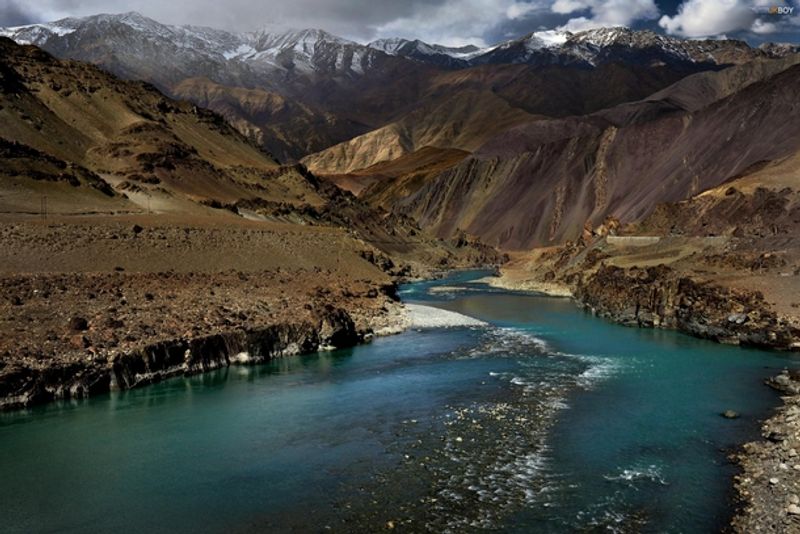
Picture a desert that wears snow like a scarf. That is Ladakh, a high-altitude land where bare brown mountains rise above lakes the color of a swimming pool.
Buddhist monasteries sit on cliffs and ridges, looking like they grew there on their own.
Leh is the main base for most trips. From there, travelers head out to Nubra Valley, Pangong Lake and Tso Moriri.
Mountain passes twist across the Himalayas, and the views at the top can leave you speechless, which is handy because the thin air already makes talking tricky.
Altitude is the big thing to respect here. Most of the region sits well above 3,000 meters, so give your body a couple of slow days to adjust.
Drink lots of water, skip the heroic sightseeing on day one, and keep snacks handy.
The landscape can look almost lunar, especially where dry rock meets bright blue water. Bring layers, because mornings are icy and afternoons can be sunny.
Sunscreen and sunglasses are not optional at this height. The sky feels closer, and the stars at night are unforgettable.
Valley of Flowers
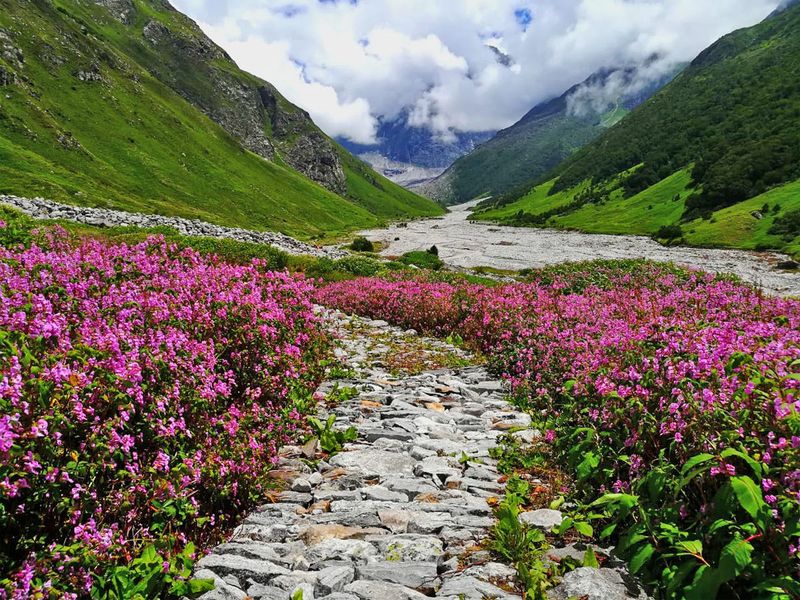
Few hikes end with a carpet of wildflowers rolling out in front of you. The Valley of Flowers in Uttarakhand does exactly that during its short summer season.
Alpine meadows burst with blooms while waterfalls spill down steep green slopes.
UNESCO lists the valley as part of the Nanda Devi and Valley of Flowers National Parks World Heritage Site. It earns the title for its beauty and its rich variety of plants and wildlife.
Reaching it means lacing up your boots, because there are no roads to the meadows.
The trek is part of the fun. You pass rushing streams, wooden bridges and small mountain villages along the way.
Walk at an easy pace, and pause often to enjoy the scenery and catch your breath.
The best-known flowering period comes during the monsoon months, when the valley looks its most vivid. Rain is common then, so pack a good jacket and waterproof shoes.
Start early in the day, carry snacks, and keep your camera dry. The colors are worth the soggy socks.
Hampi
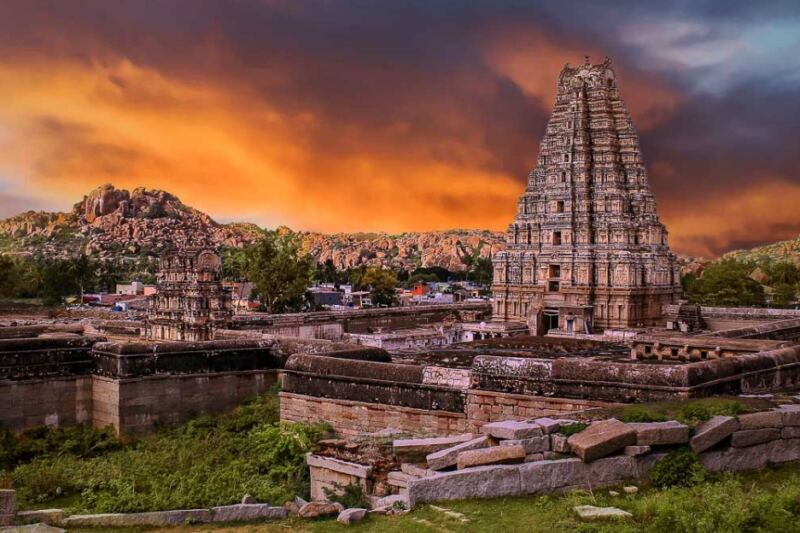
Giant boulders stacked like a giant’s forgotten toys set the scene in Hampi. Between them sit temples, royal buildings and old market streets from the Vijayanagara Empire.
It was once the capital of one of southern India’s great kingdoms.
UNESCO calls Hampi an outstanding collection of monuments that shows the power and wealth of that empire. The Virupaksha Temple is still active, so you may hear bells and see worshippers while you explore.
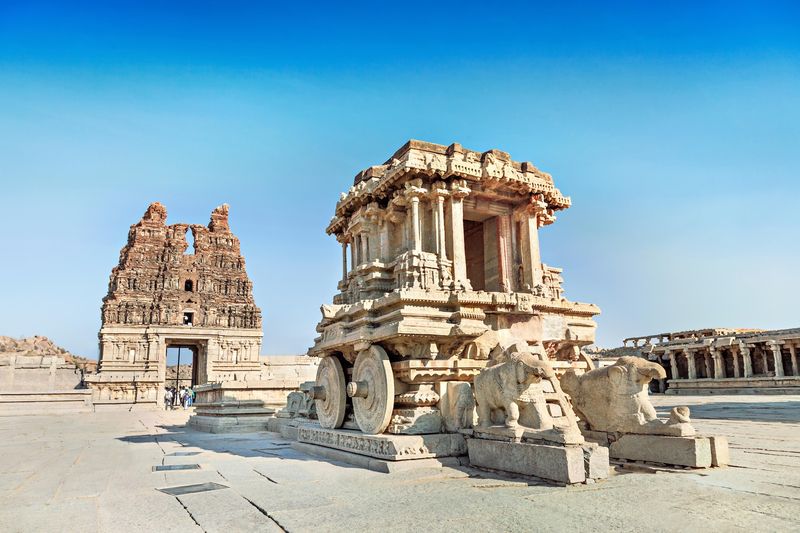
The Vittala Temple complex is home to the famous stone chariot, a favorite photo stop.
Distances are bigger than they look. Renting a bicycle or a scooter makes it easier to cover the scattered ruins.
Bring a hat and a big water bottle, since there is little shade between sites.
Sunrise and sunset are the golden hours here, quite literally. Warm light spreads across the stones and hills, and the whole place glows.
Climb a hilltop like Matanga Hill early in the morning for a view that makes the sleepy start worthwhile.
Kerala Backwaters
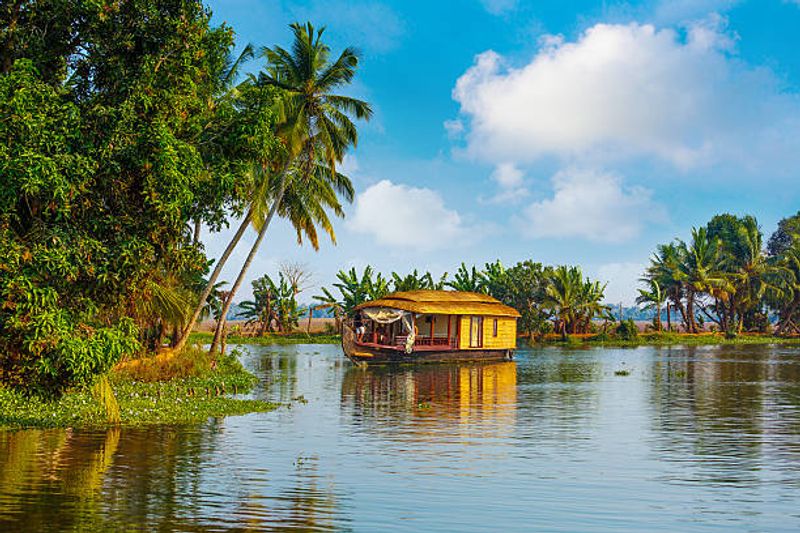
Slow is the speed limit on Kerala’s backwaters, and nobody complains. Lagoons, canals and lakes wind through coconut groves, villages and rice fields.
A houseboat drifts along while you sip tea and watch life go by.
Alappuzha and Kumarakom are popular starting points. From the water you see homes, temples and fishermen at work, a view you simply cannot get from a road.
Vembanad Lake sits at the center of many routes, and Kerala Tourism promotes the backwaters as one of the state’s defining experiences.
There is no towering mountain or giant monument here. The charm comes from calm green scenery, shimmering water and everyday village moments.
Kids waving from the bank and ducks paddling past are part of the show.
For the best experience, book an overnight stay so you catch both sunset and sunrise on the water. Try the fresh fish curry served on board, which often tastes better than anything on land.
Bring a hat, bug spray and a patient attitude, and let the journey do the work.
Kashmir Valley
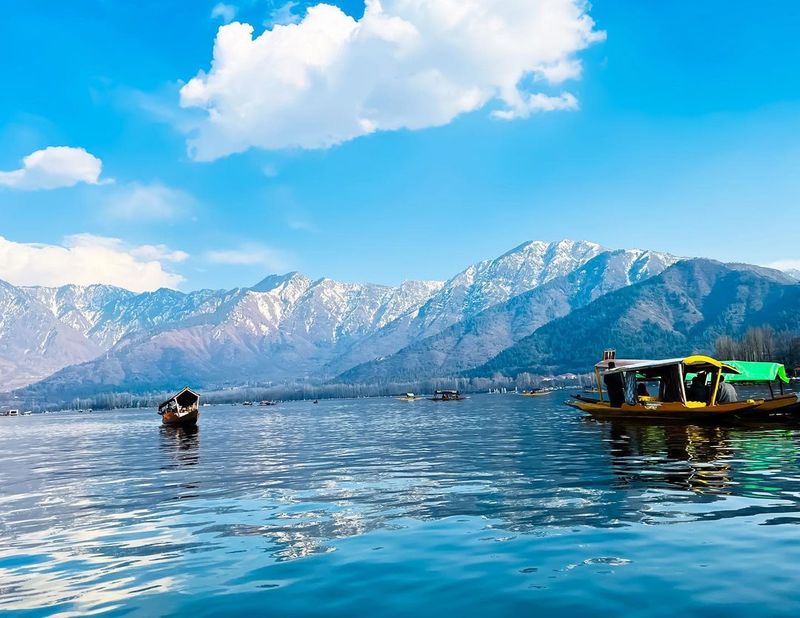
Poets have written about Kashmir for centuries, and one look at Dal Lake explains why. Wooden houseboats rest on the water while shikaras slip past carrying flowers, fruit and travelers.
Mountains frame the whole scene.
Mughal gardens climb the foothills around Srinagar, with terraces, fountains and tall chinar trees. Gulmarg adds alpine meadows in summer and skiing in winter.
Pahalgam offers forested valleys and mountain trails for walkers.
Tourism is a key part of the local economy, and visitors are warmly welcomed in many places. Even so, check current official travel advisories and local conditions before planning a trip, because the security situation can change.
Flexible plans and good travel insurance are smart choices.
When conditions allow, a few days here feel like a postcard come to life. Try a sunrise shikara ride, when the lake is quiet and mist hovers over the water.
Sip sweet kahwa tea afterward, and warm up your hands while the mountains turn pink in the early light.
Jaisalmer
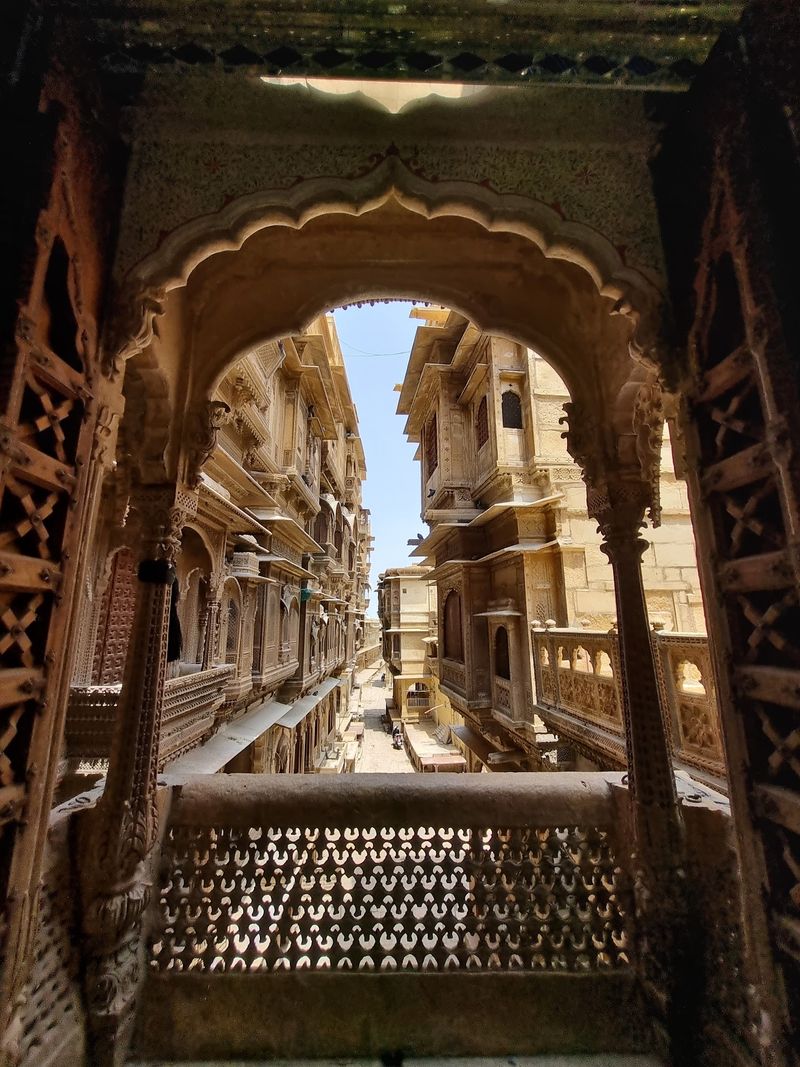
Golden hour hits differently when the whole city is already gold. Jaisalmer rises from the Thar Desert in sandstone that glows at sunrise and sunset.
It looks like someone poured honey over the skyline.
Inside the old fort you find palaces, temples, havelis and narrow lanes, all tucked behind massive walls. People still live and work here, so it feels like a real town and not just a museum.
UNESCO includes Jaisalmer Fort in the Hill Forts of Rajasthan World Heritage property.
Beyond the city, desert camps and dune landscapes offer a very different mood. Clear night skies are packed with stars, and folk music often drifts around the campfire.
A short camel ride is a classic way to see the dunes.
The best view comes from a distance, where the crowded fort towers over an open horizon of sand. Wear comfortable shoes for the cobbled lanes and carry a scarf for dusty winds.
Visit between October and March, when days are warm instead of scorching.
Munnar
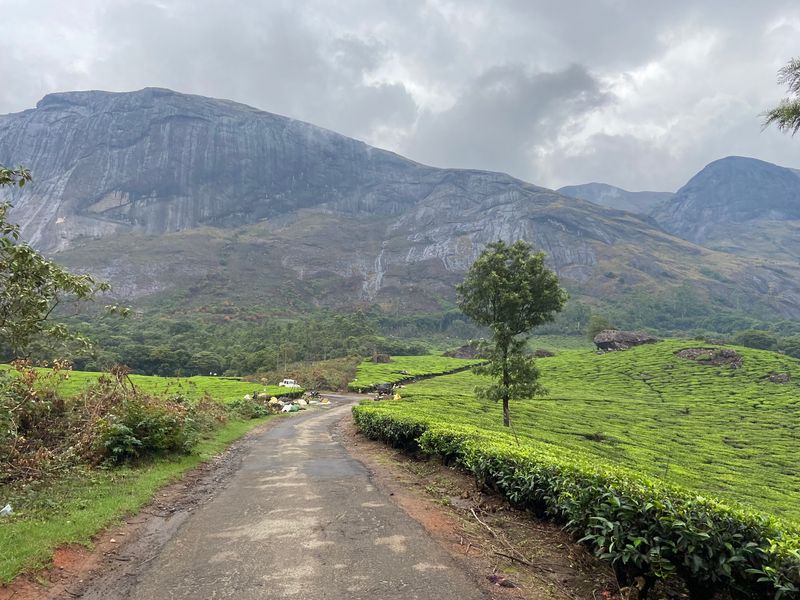
Green is not just a color in Munnar, it is the whole personality. Tea plantations roll across the hills of Kerala’s Western Ghats in neat, curving rows.
The air feels cooler and fresher than the tropical lowlands below.
Mist often drifts through the valleys, making the tea fields fade in and out like a slow magic trick. Waterfalls, forest reserves and viewpoints add variety to the scenery.
Kerala Tourism highlights Munnar for its plantations, trekking and mountain views.
Early mornings are the best time to wander. The light is soft, the clouds are low, and the pickers are heading out to work.
A visit to a tea factory shows how leaves become the cup in your hand.
Pack a light jacket, since evenings can turn chilly. Try a short trek to a viewpoint, and carry a rain cover during monsoon season.
Buy fresh tea and spices from local shops, and you will bring a little Munnar home with you.
Udaipur
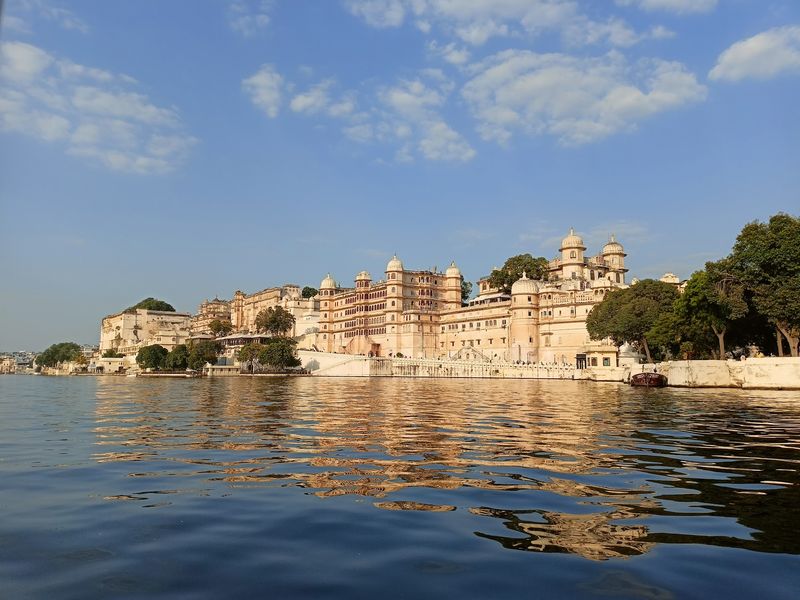
Udaipur is the city that makes everyone suddenly want to be a photographer. Lake Pichola sits at its heart, ringed by whitewashed buildings and the sprawling City Palace.
The Lake Palace seems to float on the water, and the Aravalli Hills soften the horizon.
Rajasthan Tourism promotes Udaipur for its lakes, palaces and historic architecture. Wander the old lanes, and you will find small shops selling miniature paintings, puppets and colorful textiles.
Rooftop cafes give you front-row seats to the view.
A boat ride around sunset is the highlight for many visitors. As the sky turns orange, palace facades reflect across the lake, and the whole city seems to glow.
Bring a light jacket, since the breeze on the water can surprise you.
Plan at least two days so you do not rush. Visit the City Palace in the morning before the crowds, then save the lake for the evening.
Winter months from October to March are comfortable, with clear skies and pleasant afternoons.
Rann of Kutch
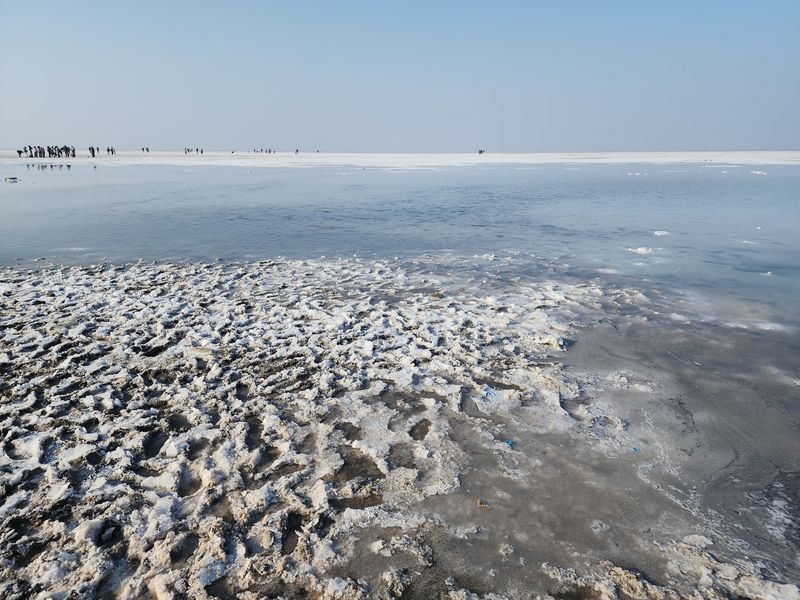
Imagine walking on a surface that looks like fresh snow, except it is salt. The Great Rann of Kutch turns into a giant white desert during the dry season.
Under an intense blue sky, the horizon seems to vanish.
Sunrise, sunset and full-moon nights bring the most striking views. The light shifts from pink to gold to silver across the flat land.
Gujarat Tourism highlights the Rann for its seasonal festival, desert scenery and nearby handicraft traditions.
Nearby villages are known for embroidery, mirror work, textiles and other crafts. Shopping here means you can meet the artists who made your souvenir.
It adds a human touch to a place that could otherwise feel purely scenic.
Visit between November and February, when the ground is dry and the weather is pleasant. Sunglasses are a must, since the white glare is strong.
Camel carts and tent stays are popular, and the quiet at night is wonderfully deep.
Khajuraho
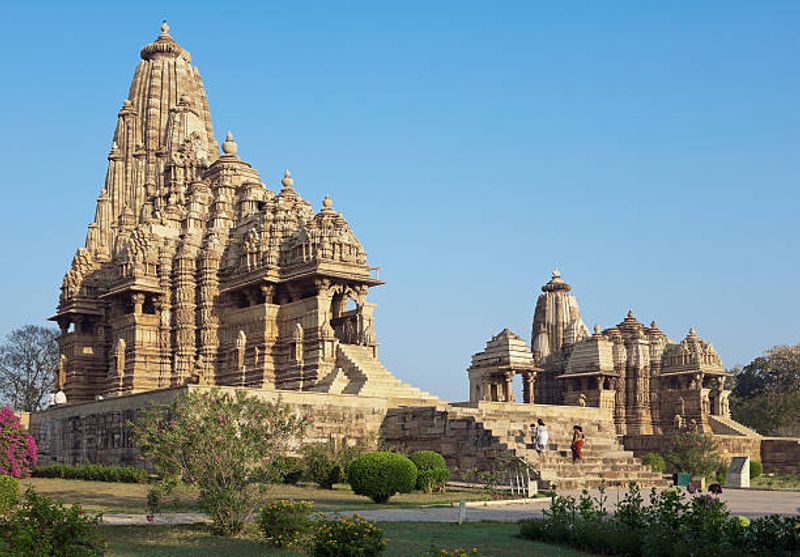
Stone can look surprisingly alive at Khajuraho. The Hindu and Jain temples here were built mainly between the 10th and 12th centuries and are covered with detailed carvings.
UNESCO recognizes them for their exceptional architecture and decoration.
Many people come for the famous erotic sculptures, yet those make up only a small part of the artwork. Look closer, and you will spot musicians, dancers, deities, animals and scenes from daily life.
It is like a stone storybook for anyone willing to look up.
Hiring a local guide helps you understand the meaning behind the figures. Without one, it is easy to walk past hidden details.
The grounds are neat and peaceful, making them pleasant for a slow stroll.
Visit in early morning or late afternoon, when low sunlight brings out the depth of the stonework. Midday heat can be fierce, so bring water and a hat.
A light and sound show in the evening retells the temple story after dark.
Andaman Islands
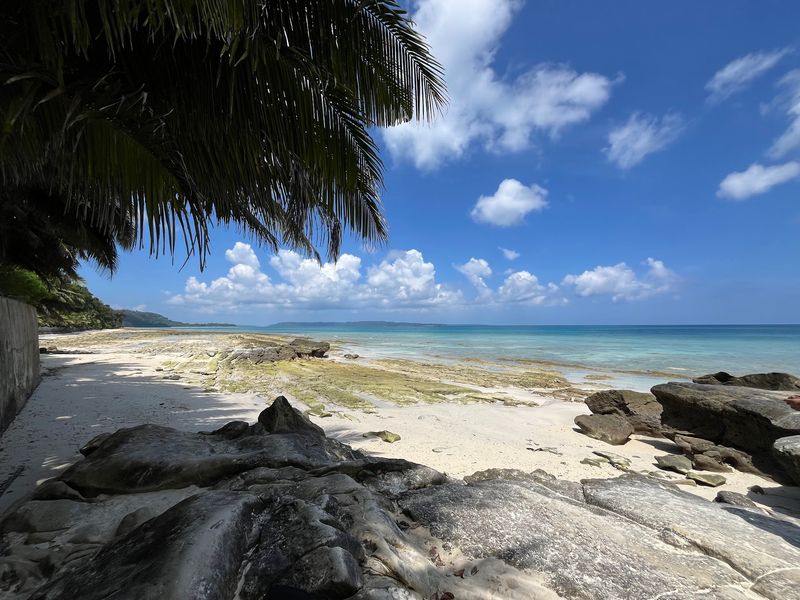
Clear water, white sand and not a skyscraper in sight make the Andaman Islands feel like another planet. Far from India’s crowded cities, the archipelago is wrapped in dense forest and coral reefs.
Havelock Island, officially Swaraj Dweep, is the star for many visitors.
Radhanagar Beach is famous for its wide, soft sand and gentle sunsets. Snorkeling and diving reveal colorful fish, turtles and coral gardens just offshore.
India’s tourism authorities promote the islands for their reefs, beaches and marine life.
Compared with Goa, the scenery here stays quieter, greener and low-rise. You can spend a whole afternoon with only the sound of waves for company.
Local seafood shacks serve fresh catch with simple, tasty sides.
Getting between islands takes planning, because ferries run on set schedules and weather can change them. Book tickets early and keep a flexible itinerary.
The effort pays off the moment you see jungle meet turquoise sea.
Spiti Valley
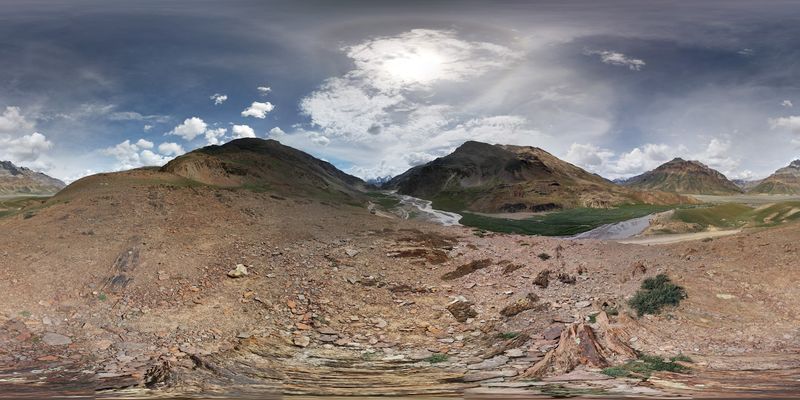
Spiti feels like the edge of the map, and that is exactly the charm. This high-altitude desert has barren mountains, whitewashed monasteries and tiny villages under huge Himalayan skies.
It sits near the Tibetan border and shares strong ties with Tibetan Buddhism.
Roads wind high above deep river gorges and cross land where plants barely grow. Key Monastery is one of the most recognizable landmarks, stacked on a hill like a cluster of white boxes.
Villages such as Kibber and Kaza make handy bases for exploring.
Getting here is harder than reaching most Indian destinations. Roads can be rough, and weather can close passes.
That isolation is central to the appeal, though, and it keeps the valley quiet.
The scale of the landscape makes people look tiny, which is oddly relaxing. Allow time to adjust to the altitude, and carry warm clothing even in summer.
Stay in a village homestay, and you will taste local butter tea and simple home cooking.
Taj Mahal and Agra
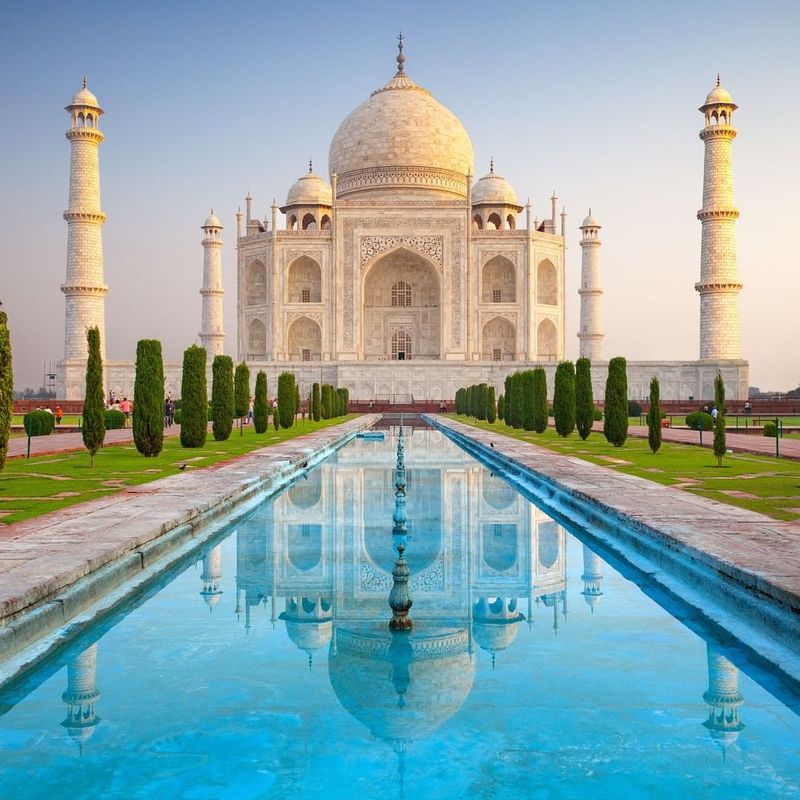
Some famous things disappoint in person. The Taj Mahal does not.
Emperor Shah Jahan commissioned the marble mausoleum in the 17th century, and UNESCO calls it one of the greatest achievements of Indo-Islamic architecture.
Perfect symmetry, gleaming white marble and a long reflecting pool create the classic view. Look again later in the day, and the color changes with the light.
It can seem pink, golden or pearly white depending on the hour.
Agra Fort is another major Mughal site nearby, with red sandstone walls and sweeping river views. You can even spot the Taj from certain fort windows.
Plan time for both if you can.
Go very early in the morning for softer light and a calmer mood before the busiest part of the day. Buy tickets ahead online to save time in lines.
Remember that the Taj is usually closed on Fridays for regular visitors, so check dates before you travel.
Meghalaya
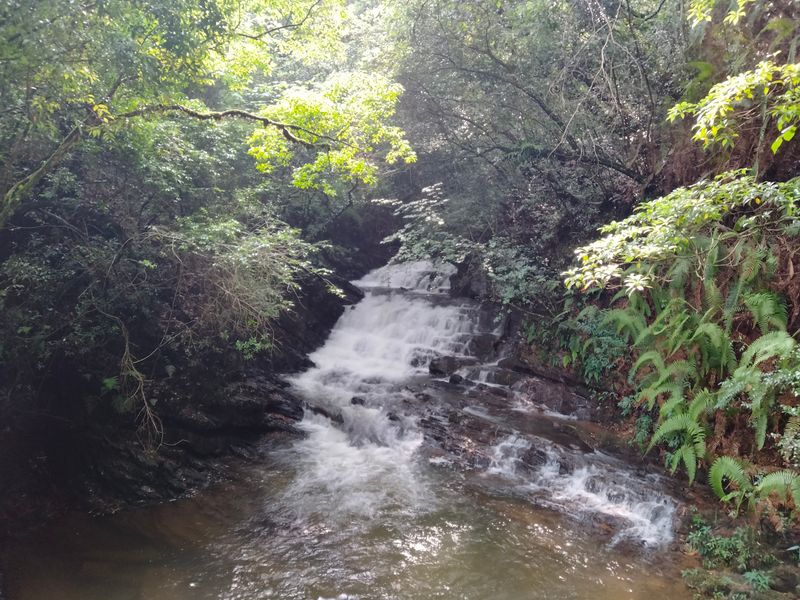
Bridges that grow instead of being built sound like fantasy, yet Meghalaya has them. Living root bridges are woven from the aerial roots of rubber fig trees, shaped by local Khasi people over many years.
This is one of India’s greenest and wettest regions, full of valleys, caves and waterfalls.
Meghalaya Tourism highlights places such as Nongriat, Dawki and many cascades across the state. The famous double-decker root bridge needs a long staircase hike to reach.
Your legs will complain, but the forest views keep you going.
Dawki is known for its remarkably clear river, where boats seem to hover above the riverbed. Cave systems in the Jaintia Hills give adventurers plenty to explore.
Local markets sell fresh pineapple and honey.
During and after the monsoon, waterfalls become especially dramatic. Wear shoes with strong grip, since steps are slippery.
Pack a rain jacket and start early, so you have time to rest and enjoy the jungle sounds.
Varanasi
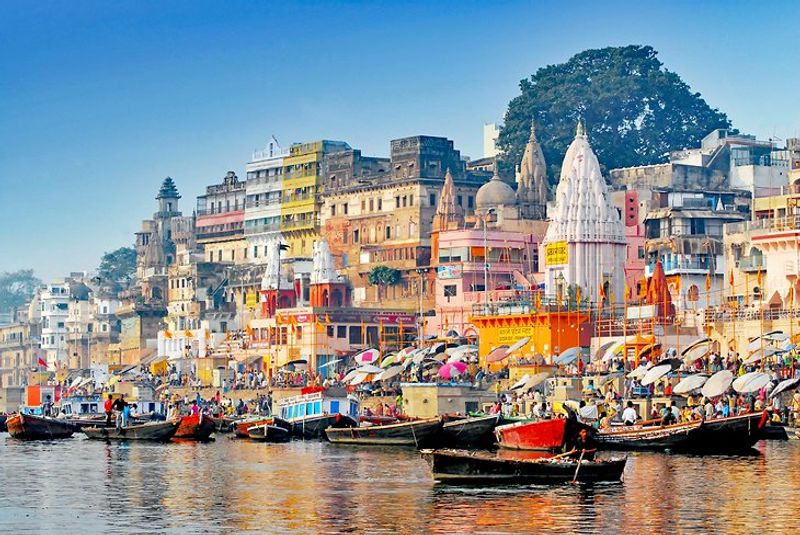
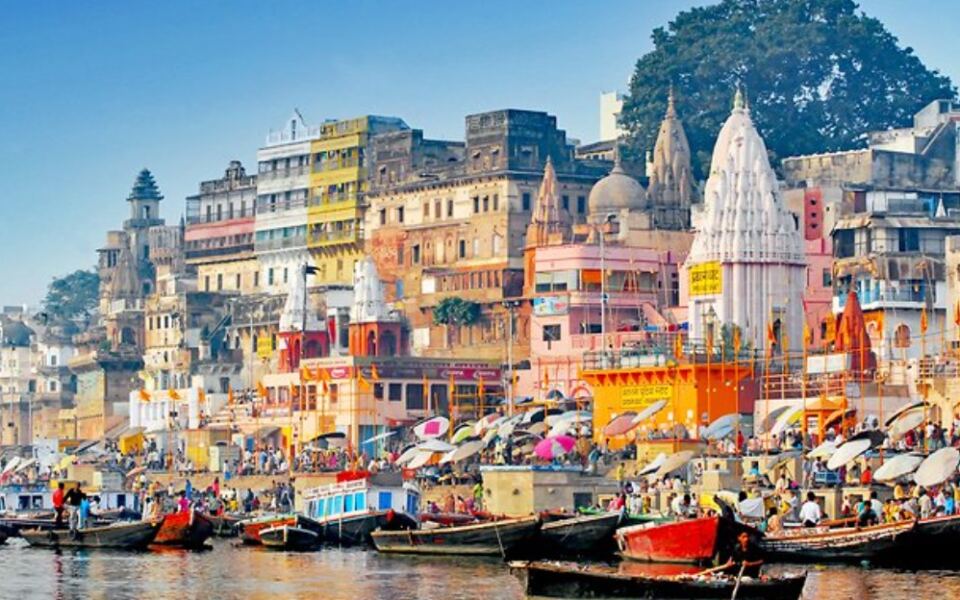
Varanasi does not try to be pretty, and somehow that makes it unforgettable. The ancient city rises above the Ganges in a crowded layer of ghats, temples and narrow streets.
Few places in India feel so powerful, both to the eye and to the heart.
At sunrise, boats glide quietly along the river while pilgrims bathe and daily rituals begin on the steps. A morning boat ride is the best way to take it all in.
In the evening, large aarti ceremonies bring fire, music and crowds to the riverfront.
India’s official tourism portal names Varanasi as one of the country’s most important spiritual destinations. The old lanes are full of sweet shops, silk sellers and tiny shrines.
Try a lassi in a clay cup, and keep it simple.
First-time visitors may find it intense, with noise, crowds and strong smells. Go with an open mind and a calm pace.
The experience reveals a side of India that no mountain, palace or beach can replace.
Share this story