In 1978, American households had three major networks, a handful of local stations, and no way to pause anything. If you missed an episode, you waited for summer reruns.
That simple fact turned weekly sitcoms and dramas into shared events, and the families on screen became as familiar as the neighbors next door. The late 1970s were also a turning point for television.
Shows began talking openly about divorce, money trouble, prejudice, and single parenting, topics that 1950s sitcoms had politely ignored. Meanwhile, older family shows lived on in syndication, so kids after school could watch households from two different decades on the same afternoon.
The result was a surprisingly varied lineup. Some TV families lived on farms, some in high-rise apartments, and some in public housing.
A few sang for a living, and at least one seemed to argue for a living. In the list below, you will find the households that filled American screens that year, plus the actors, settings, and storylines that made them stick.
Keep a mental scorecard as you read. Some will feel instantly familiar, and a few might surprise you.
1. The Evans Family, Good Times
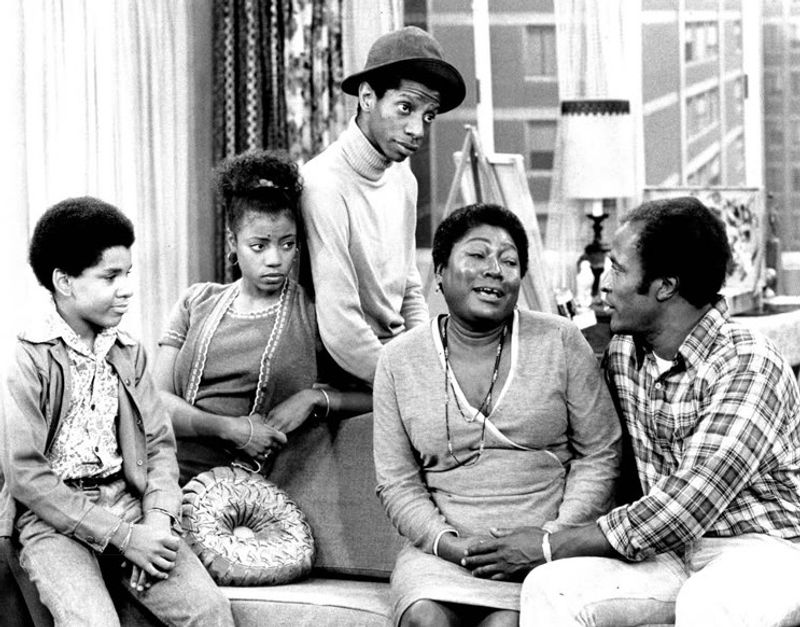
Dyn-o-mite. Jimmie Walker’s catchphrase turned a supporting character into a national sensation, and it showed up on T-shirts across the country.
Good Times was set in a Chicago public housing project. Esther Rolle played Florida Evans, a strong mother determined to keep her family moving forward.
Her children were J.J., played by Walker, Thelma, played by BernNadette Stanis, and Michael, played by Ralph Carter. John Amos played father James until he left after the 1975-1976 season.
The show did not hide from real problems. Episodes covered unemployment, rent troubles, discrimination, and the push for better schools.
Changes came fast by 1978. Rolle stepped away for a season, and Ja’Net DuBois’s neighbor Willona took on a bigger role.
Even so, the Evans kids held the show together. Good Times was itself a spinoff of Maude.
2. The Jefferson Family, The Jeffersons
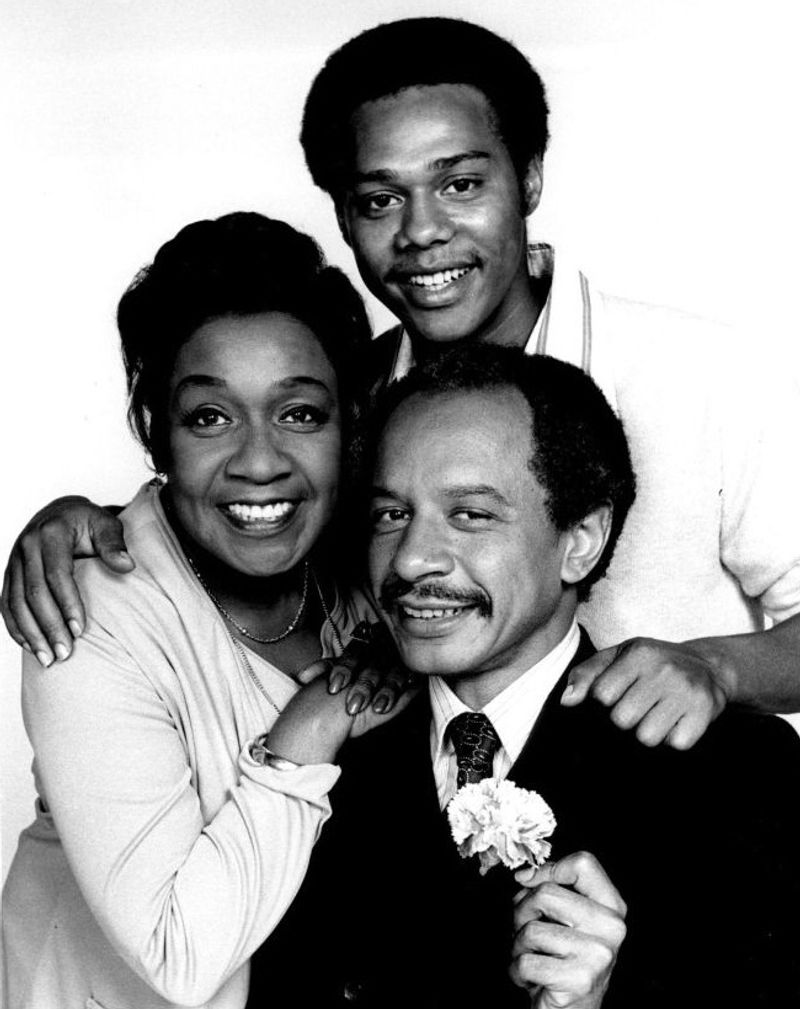
Few theme songs explained a show’s premise as clearly as Movin’ On Up. George and Louise Jefferson had left Queens for a deluxe apartment in the sky, and everyone knew it.
Sherman Hemsley played George, a dry-cleaning business owner with big confidence and a short temper. Isabel Sanford played Louise, who kept him grounded.
The couple first appeared as the Bunkers’ neighbors on All in the Family. They got their own show in January 1975, and it ran for 11 seasons.
Son Lionel appeared regularly, though two different actors played him. Florence the maid, played by Marla Gibbs, traded sharp remarks with George every chance she got.
The show also featured one of TV’s first interracial married couples, the Willises. In 1981, Sanford became the first Black actress to win the Emmy for lead actress in a comedy.
3. The Cunningham Family, Happy Days
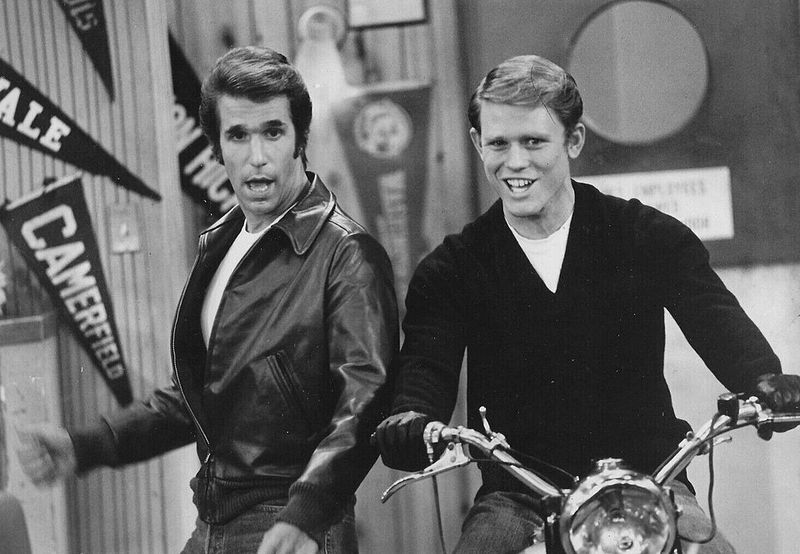
Nostalgia was already big business by 1978, and nobody sold it better than a Milwaukee family living in the 1950s. Howard Cunningham, played by Tom Bosley, ran a hardware store and handed out steady fatherly advice.
Marion Ross played Marion, the patient mom who could calm any household storm. Ron Howard starred as Richie, the good-natured teen at the center of most plots, while Erin Moran’s Joanie grew into a bigger role each season.
Then there was Fonzie. Henry Winkler’s leather-jacketed cool guy rented the apartment over the garage and slowly became the show’s biggest star.
During the 1977-1978 season, Happy Days sat at or near the top of the ratings. It even launched spinoffs like Laverne and Shirley and Mork and Mindy.
Fun fact: Fonzie’s famous jacket now belongs to the Smithsonian.
4. The Walton Family, The Waltons
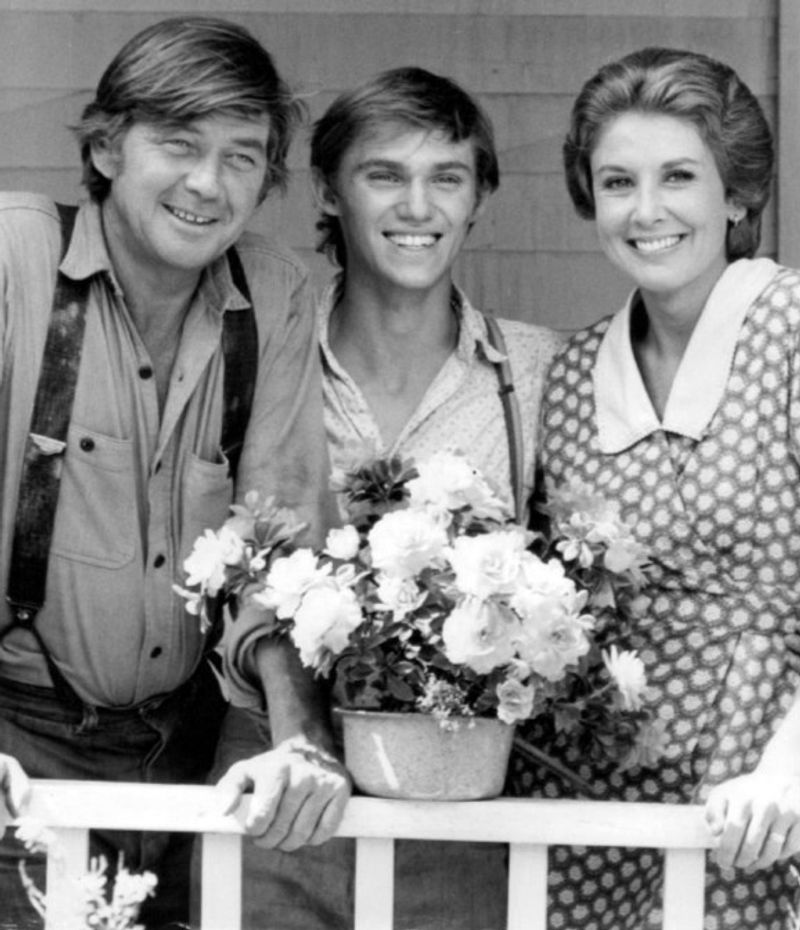
Goodnight, John-Boy. Those three words became so famous that comedians were still joking about them years after the show ended.
The Waltons followed a large family on Walton’s Mountain in rural Virginia during the Great Depression and, later, World War II. Ralph Waite played John Walton Sr., a lumber mill owner, and Michael Learned played Olivia, the steady heart of the house.
Seven children filled the home: John-Boy, Jason, Mary Ellen, Erin, Ben, Jim-Bob, and Elizabeth. Grandparents Zeb and Esther, played by Will Geer and Ellen Corby, added wisdom and plenty of friendly bickering.
By 1978, the series had collected multiple Emmy Awards. Its stories focused on making ends meet, growing up, and sticking together.
The show was based on the real childhood of writer Earl Hamner Jr., who also narrated each episode.
5. The Bunker Family, All in the Family
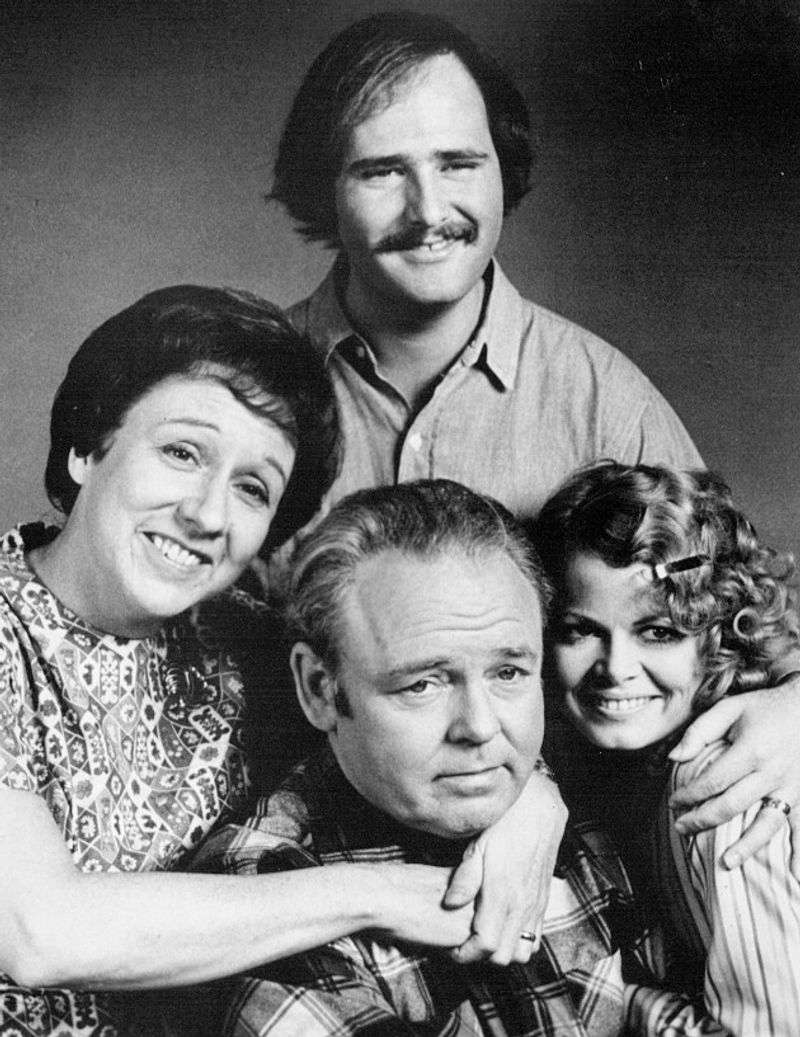
One armchair caused more arguments than any piece of furniture in TV history. It belonged to Archie Bunker, and today it sits in the Smithsonian.
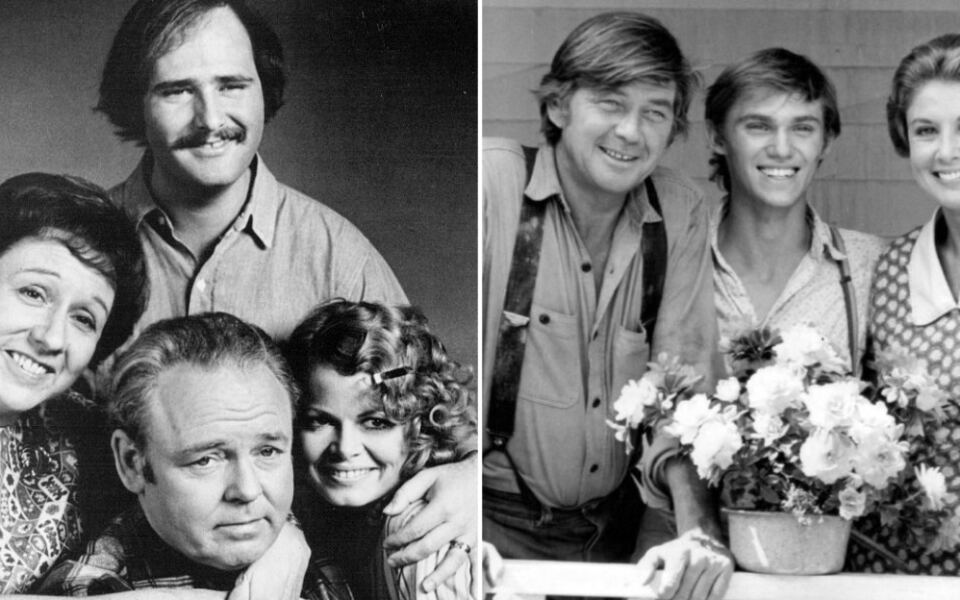
Carroll O’Connor played Archie, a stubborn dock foreman from Queens with an opinion about everything. Jean Stapleton played Edith, his sweet and patient wife.
Their daughter Gloria, played by Sally Struthers, married Michael Stivic, a college student played by Rob Reiner. Archie called him Meathead, and the two debated nearly every topic imaginable.
Producer Norman Lear used the show to tackle politics, prejudice, and the generation gap. The joke was usually on Archie, not with him.
All in the Family topped the Nielsen ratings for five straight seasons in the early 1970s. In 1978, Reiner and Struthers left, closing the original chapter of the household.
6. The Bradford Family, Eight Is Enough
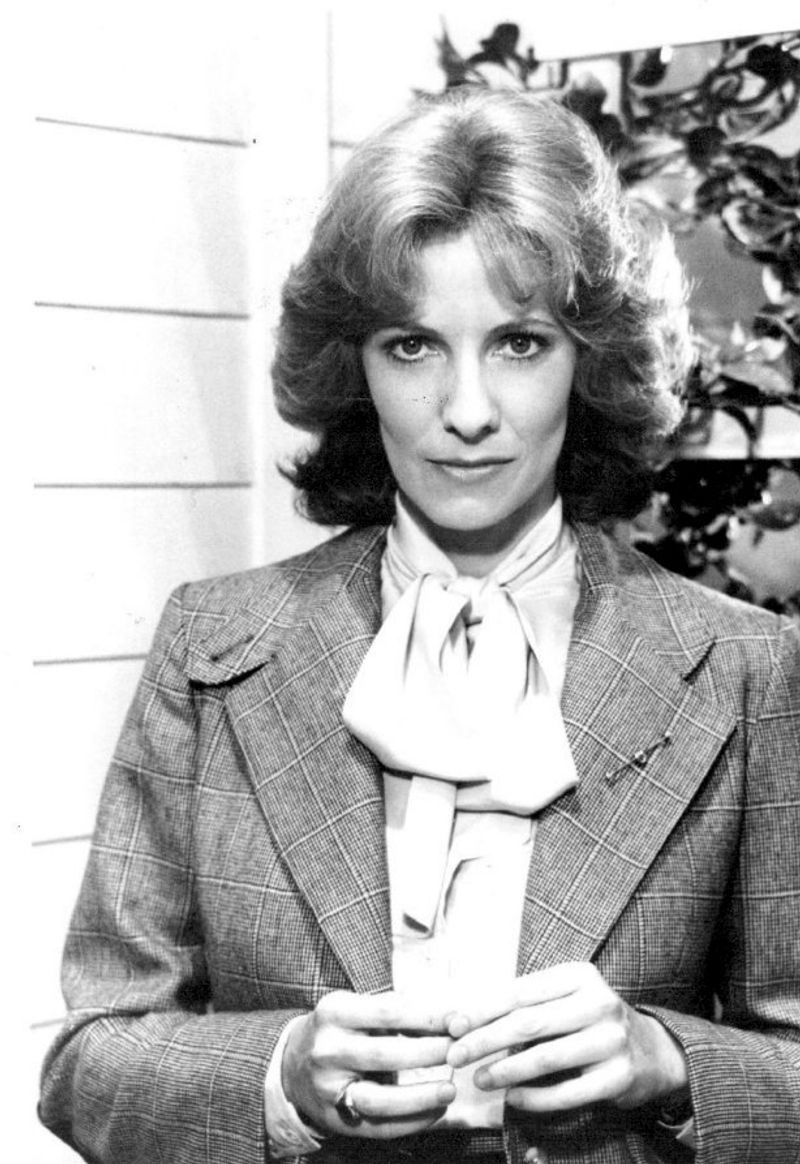
Eight kids meant eight different problems every week, and the writers never ran out of material.
Eight Is Enough premiered in March 1977 on ABC. It was loosely based on a book by real newspaper columnist Tom Braden, who had eight children of his own.
Dick Van Patten played Tom Bradford, a Sacramento columnist. His children were David, Mary, Joanie, Susan, Nancy, Elizabeth, Tommy, and Nicholas.
The show changed direction early on after actress Diana Hyland, who played mother Joan, appeared in only a few episodes. The story moved forward, and in 1978 viewers saw Tom meet teacher Abby Abbott, played by Betty Buckley.
The two married in a two-part episode that season. With so many teens and young adults at home, storylines covered dating, jobs, college plans, and plenty of bathroom traffic jams.
A tidy household it was not.
7. The Ingalls Family, Little House on the Prairie
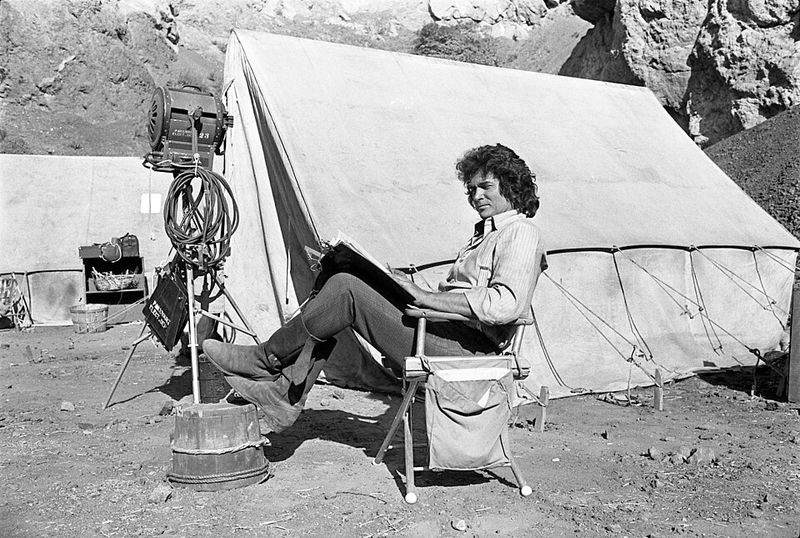
A set of children’s books from the 1930s became one of the most popular family dramas of the 1970s.
Little House on the Prairie was based on Laura Ingalls Wilder’s stories about her pioneer childhood. The series placed the family in Walnut Grove, Minnesota, in the late 1800s.
Michael Landon played Charles Ingalls and also served as executive producer and frequent director. Karen Grassle played Caroline.
Melissa Gilbert starred as Laura, Melissa Sue Anderson played Mary, and twins Lindsay and Sidney Greenbush shared the role of Carrie.
The 1978-1979 season brought a major storyline when Mary lost her sight, a change drawn from the real Mary Ingalls’s life. Episodes also covered farming, school, prejudice, and money worries.
Rival Nellie Oleson, played by Alison Arngrim, gave viewers someone to cheer against.
8. The Partridge Family, The Partridge Family
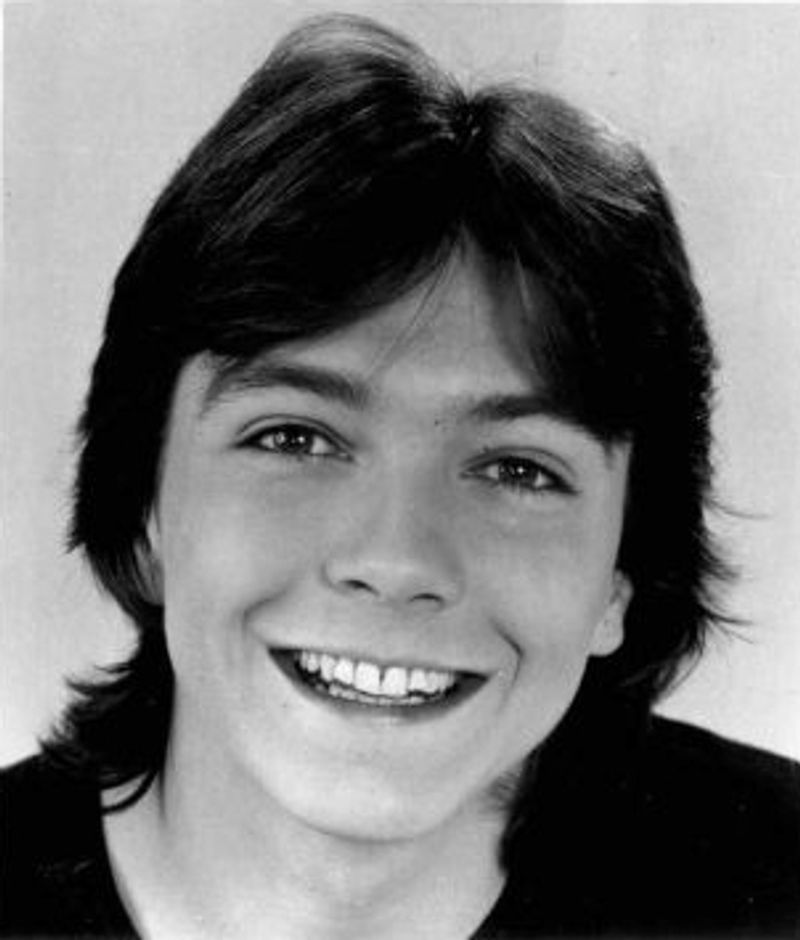
A fictional band that sold real records is a rare thing. The Partridge Family pulled it off with I Think I Love You, a number one hit in 1970.
The show’s original run ended in 1974, but syndicated reruns kept it on afternoon TV through 1978. A new generation of kids caught it after school.
Shirley Jones played Shirley Partridge, a widowed mom who formed a band with her children. Her real stepson, David Cassidy, played Keith, the lead singer and teen idol.
Susan Dey played Laurie, and Danny Bonaduce played the wisecracking Danny. Chris and Tracy rounded out the group.
The family traveled to gigs in a converted school bus painted in bold geometric blocks. Fun detail: only Jones and Cassidy actually sang on the records, with studio musicians handling the rest.
9. The Lawrence Family, Family
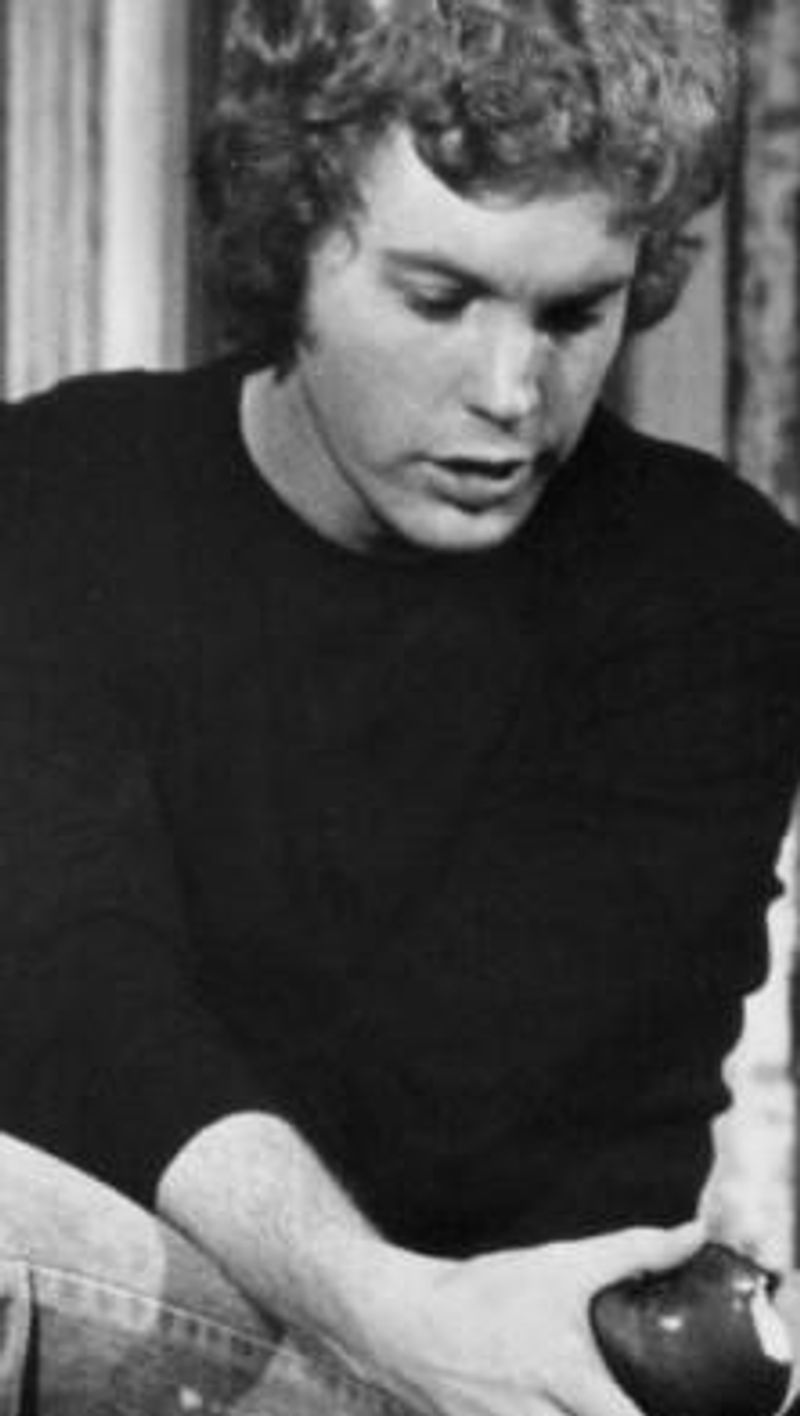
Not every 1978 family needed a laugh track. ABC’s Family took a quieter, more realistic route.
The drama premiered in 1976 and followed the Lawrences of Pasadena, California. James Broderick played Doug, a lawyer, and Sada Thompson played Kate, the thoughtful mother.
Meredith Baxter Birney played Nancy, the oldest daughter, who was dealing with divorce. Gary Frank played Willie, a young man unsure about college and career.
Kristy McNichol played Buddy, the youngest, and she quickly became a fan favorite. McNichol won Emmy Awards for the role in 1977 and 1979.
Episodes tackled marriage trouble, health scares, and teens figuring out who they were. Thompson won an Emmy too.
The show was produced by Aaron Spelling and Leonard Goldberg, and Mike Nichols helped develop it. Critics praised its writing as some of the strongest on TV.
10. The Douglas Family, My Three Sons
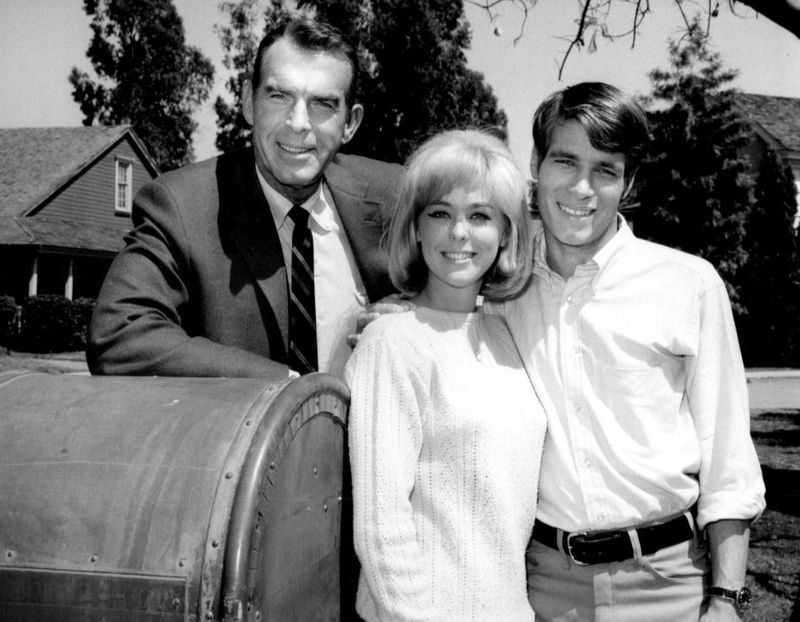
Twelve seasons and 380 episodes made My Three Sons one of the longest-running live-action sitcoms in network history, second only to Ozzie and Harriet at the time.
The show ran from 1960 to 1972 and lived on in syndication. In 1978, it was a common sight on local afternoon schedules.
Fred MacMurray played Steve Douglas, a widowed aviation engineer. His sons were Mike, Robbie, and Chip, with Ernie later adopted into the family.
William Frawley played Grandpa Bub in early seasons, then William Demarest took over as Uncle Charley.
Here is a clever behind-the-scenes fact. MacMurray filmed all of his scenes for a season in a few months, so the other actors shot their reactions later.
Over time, marriages and triplets expanded the household well past three sons.
11. The Tate and Campbell Families, Soap
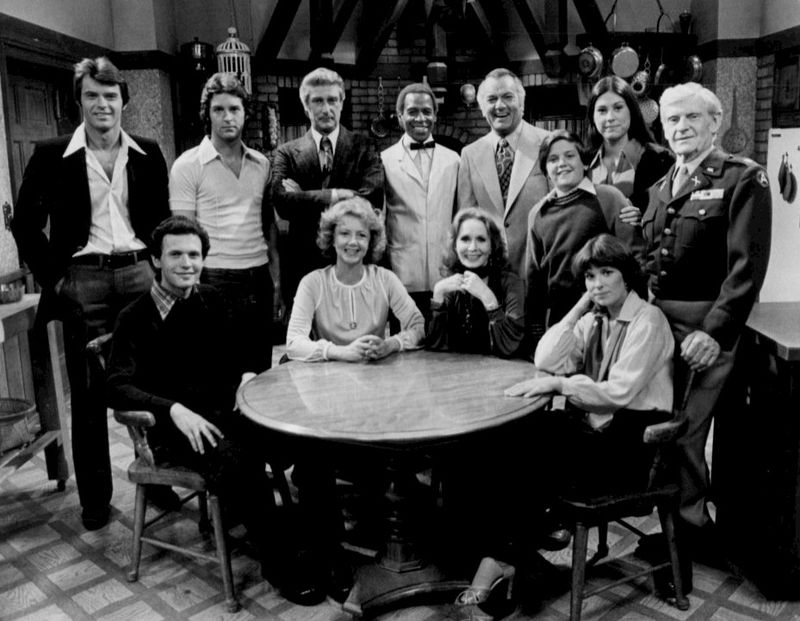
Every episode opened with the same warning: confused? You won’t be after this episode of Soap.
The ABC comedy premiered in September 1977 and spoofed daytime soap operas. It followed two sisters and their very different households in Dunn’s River, Connecticut.
Katherine Helmond played Jessica Tate, a wealthy and delightfully scatterbrained mom. Cathryn Damon played her sister Mary Campbell, who lived a more modest life.
The Tate home featured a sharp-tongued butler named Benson, played by Robert Guillaume. He was so popular that he received his own spinoff in 1979.
Billy Crystal played Jodie Dallas, Mary’s son. The role was one of the first openly gay recurring characters on network TV.
Plots involved kidnappings, aliens, and amnesia. By 1978, Soap was both a ratings hit and a frequent target of protest letters.
12. The Drummond Family, Diff’rent Strokes
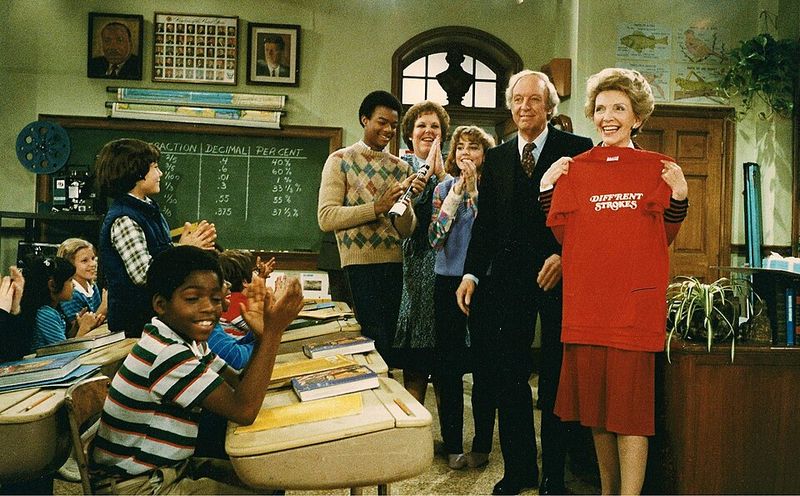
What you talkin’ about, Willis? Within weeks of its debut, that line was being repeated on playgrounds across America.
Diff’rent Strokes premiered on NBC on November 3, 1978. Conrad Bain played Philip Drummond, a wealthy Park Avenue businessman.
He took in Arnold and Willis Jackson, two brothers from Harlem, after their mother, who had worked for him, could no longer care for them. Gary Coleman played Arnold, and Todd Bridges played Willis.
Dana Plato played Philip’s daughter Kimberly. Charlotte Rae played housekeeper Edna Garrett, who later moved to The Facts of Life spinoff in 1979.
Coleman was 10 years old at the premiere and quickly became the show’s biggest draw. The series ran until 1986.
In its first months, it was one of the few new 1978 shows that clearly had staying power.
13. The Romano Family, One Day at a Time
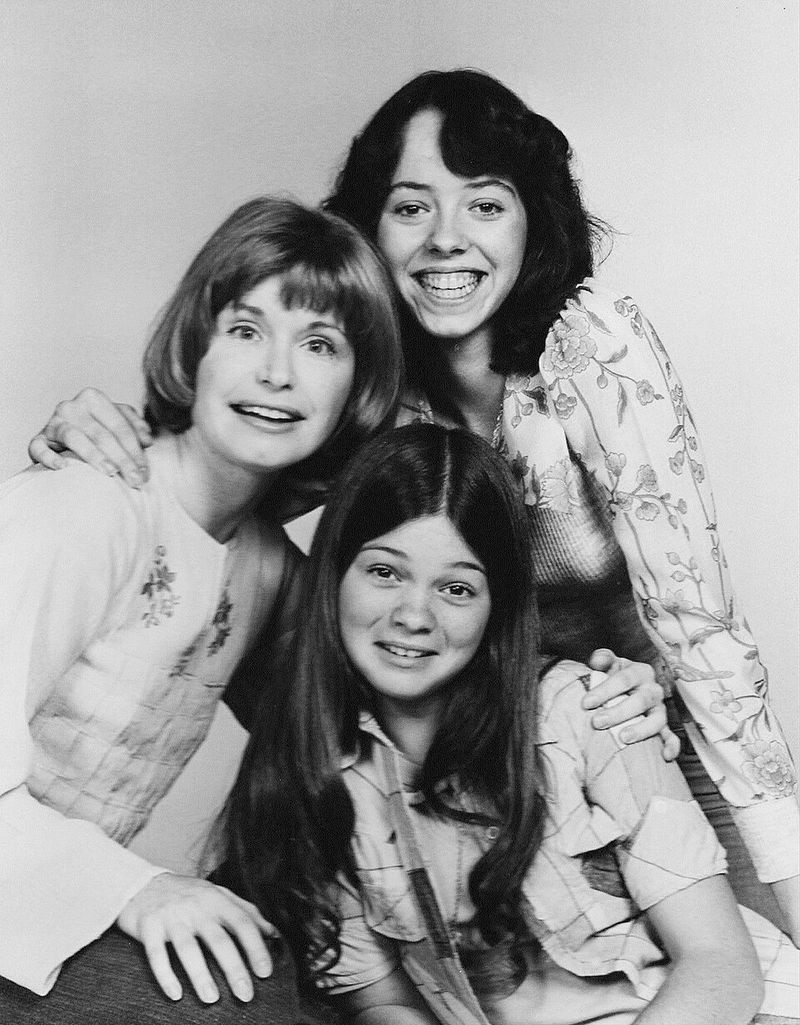
A divorced mom starting over was big news for a 1970s sitcom. One Day at a Time made it the whole premise.
The show premiered in December 1975 on CBS. Bonnie Franklin played Ann Romano, who moved to Indianapolis with her two teenage daughters.
Mackenzie Phillips played Julie, the headstrong older sister. Valerie Bertinelli played Barbara, the more easygoing younger one.
Pat Harrington Jr. played Dwayne Schneider, the building superintendent who walked in without knocking. His tool belt and mustache became his trademarks.
Episodes covered job hunting, dating, equal pay, and teenage independence. Ann even fought to be called Ms. instead of Mrs.
By 1978, the show was a solid top-ten hit. Producer Norman Lear, also behind All in the Family, was the creative force.
A 2017 remake reimagined the story with a Cuban American family.
14. The Anderson Family, Father Knows Best
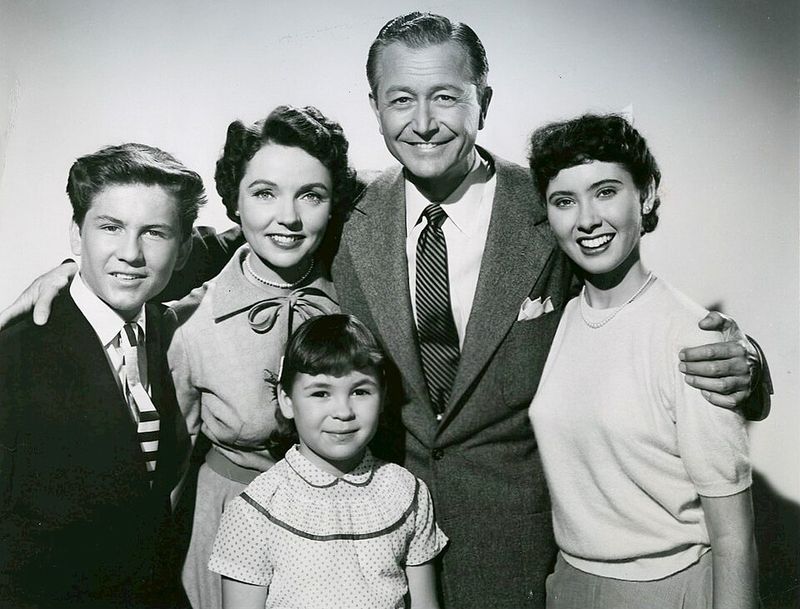
Long before sitcom dads were the punchline, Jim Anderson was the calm voice of reason.
Father Knows Best began on radio in 1949 and moved to television in 1954. It ran until 1960 and remained popular in reruns for decades.
Robert Young played Jim, an insurance agent in the town of Springfield. Jane Wyatt played Margaret, his warm and capable wife.
Their children were Betty, called Princess, Bud, and Kathy, nicknamed Kitten. Elinor Donahue, Billy Gray, and Lauren Chapin played the roles.
The cast reunited for two TV movies in 1977, Father Knows Best Reunion and Home for Christmas. Those specials put the Andersons back in the spotlight heading into 1978.
Young won three Emmys for the role. Wyatt won three as well, a strong record for a show often seen as gentle.
15. The Thomas Family, What’s Happening
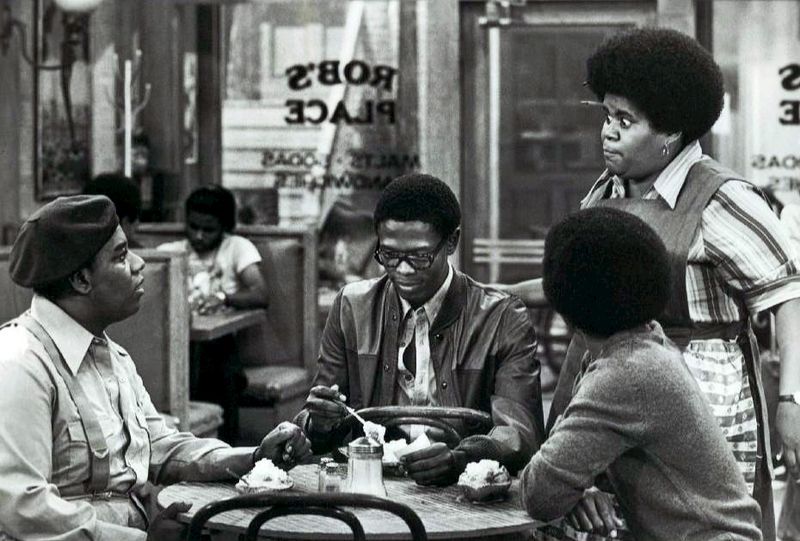
Hey, hey, hey. Rerun’s dance moves and Dee’s sharp comebacks made this Watts household a 1970s favorite.
What’s Happening!! premiered on ABC in August 1976. It was loosely inspired by the 1975 movie Cooley High.
Ernest Thomas played Roger, nicknamed Raj, an aspiring writer. Danielle Spencer played his little sister Dee, whose line about telling Mama became famous.
Mabel King played Mama, a single mother working as a maid. Raj’s best friends were Dwayne, played by Haywood Nelson, and Rerun, played by Fred Berry.
Shirley Hemphill played Shirley, the no-nonsense waitress at Rob’s Place, the local diner.
The 1978-1979 season was the show’s last original run. One famous episode featured the Doobie Brothers warning the boys about bootleg recordings.
A sequel, What’s Happening Now, arrived in 1985.
Share this story