Moviegoers in the 1970s had plenty of reasons to be afraid. Jaws made people think twice about swimming in the ocean, The Exorcist shocked audiences with its disturbing scenes, and Halloween turned an ordinary babysitting job into a nightmare.
These films did more than scare people. Some broke box-office records, others launched major franchises, and several became classics despite tiny budgets and difficult productions.
The decade also introduced unforgettable villains, shocking endings, and scenes that audiences still talk about nearly fifty years later. Here are 13 horror movies that defined the era, along with the surprising stories behind them.
How many do you remember watching?
1. The Texas Chain Saw Massacre (1974)
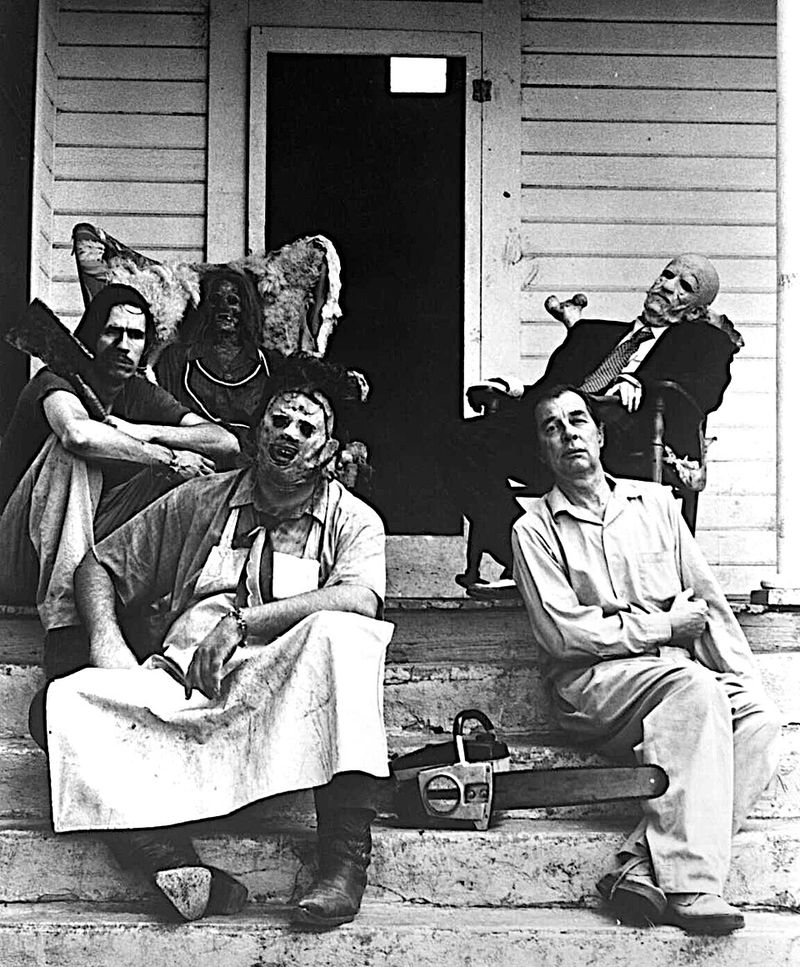
Less than $140,000. That was roughly the budget Tobe Hooper and his crew had to work with in the summer of 1974.
The story follows young travelers who stumble onto a strange family in rural Texas. Gunnar Hansen played Leatherface, the masked villain who became a horror icon.
The film felt like a documentary, and the advertising hinted that the story was true. In reality, the plot was invented, with only loose ties to real crimes from Wisconsin.
Surprisingly, the movie shows far less than people remember. Many of its most talked-about moments are suggested rather than shown, letting imaginations fill in the gaps.
The gamble worked. It earned over $30 million in the United States, though several countries banned it for years.
Its rough, homemade style proved that a small team with a camera could rattle the whole industry.
2. Jaws (1975)
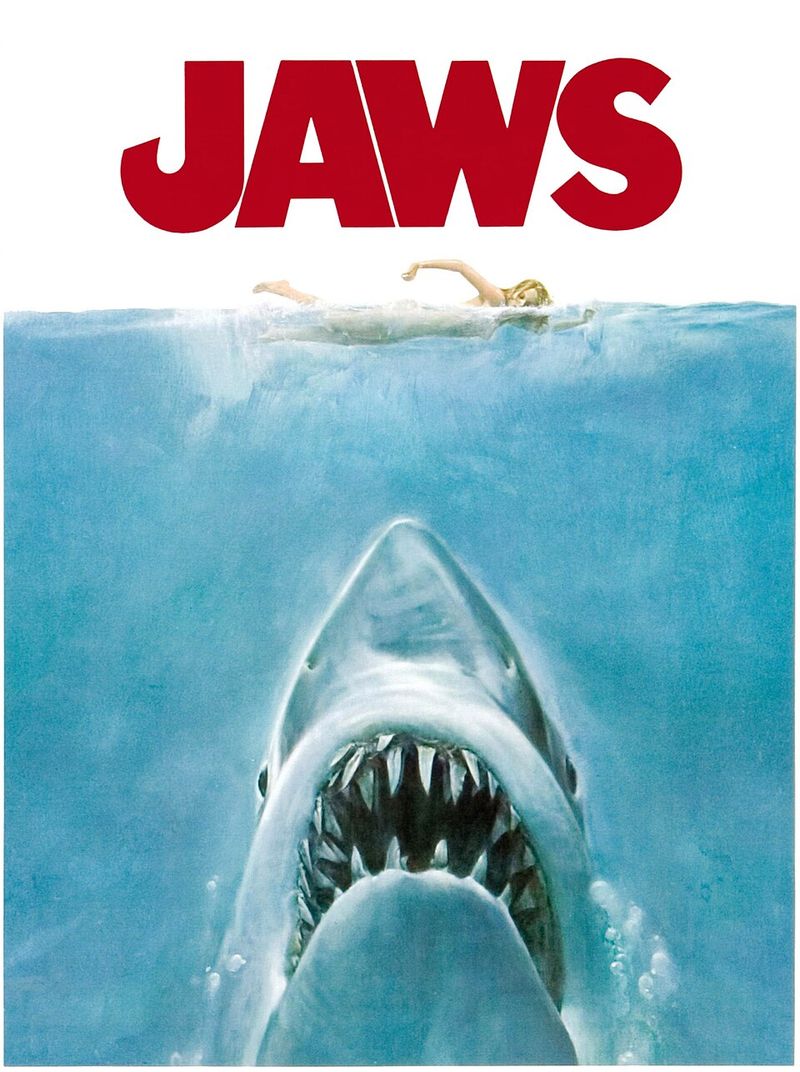
Bruce the mechanical shark broke down so often that Steven Spielberg had to change his plans. Unable to show the shark much, he hinted at it instead, and suspense became the star.
Released in June 1975, the film follows Chief Brody, played by Roy Scheider, plus a scientist played by Richard Dreyfuss and a salty shark hunter played by Robert Shaw.
John Williams wrote the famous two-note theme. Even people who never saw the movie can hum it.
Jaws earned more than $470 million worldwide and became the biggest film of its time. Studios noticed that summer could be prime moviegoing season, and the blockbuster era began.
Wide releases with heavy TV advertising became the new playbook. Beach towns, meanwhile, reported that plenty of swimmers suddenly preferred the shallow end of the pool that year.
3. Carrie (1976)
Stephen King nearly tossed his first novel in the trash. His wife pulled the pages out and encouraged him to finish it, and two years later Brian De Palma turned it into a movie.
Sissy Spacek played Carrie White, a shy teen picked on at school and controlled by a strict mother at home. Piper Laurie played the mother, Margaret.
As Carrie discovers she can move objects with her mind, the story builds toward a prom night no one forgets.
Here is the rare part. Both Spacek and Laurie earned Oscar nominations, something horror films almost never managed in that era.
The movie also launched King’s career in Hollywood. Dozens of his books would later become films and TV shows.
Its real message still lands with students today. Cruelty and loneliness can be frightening long before anything supernatural happens.
4. Halloween (1978)
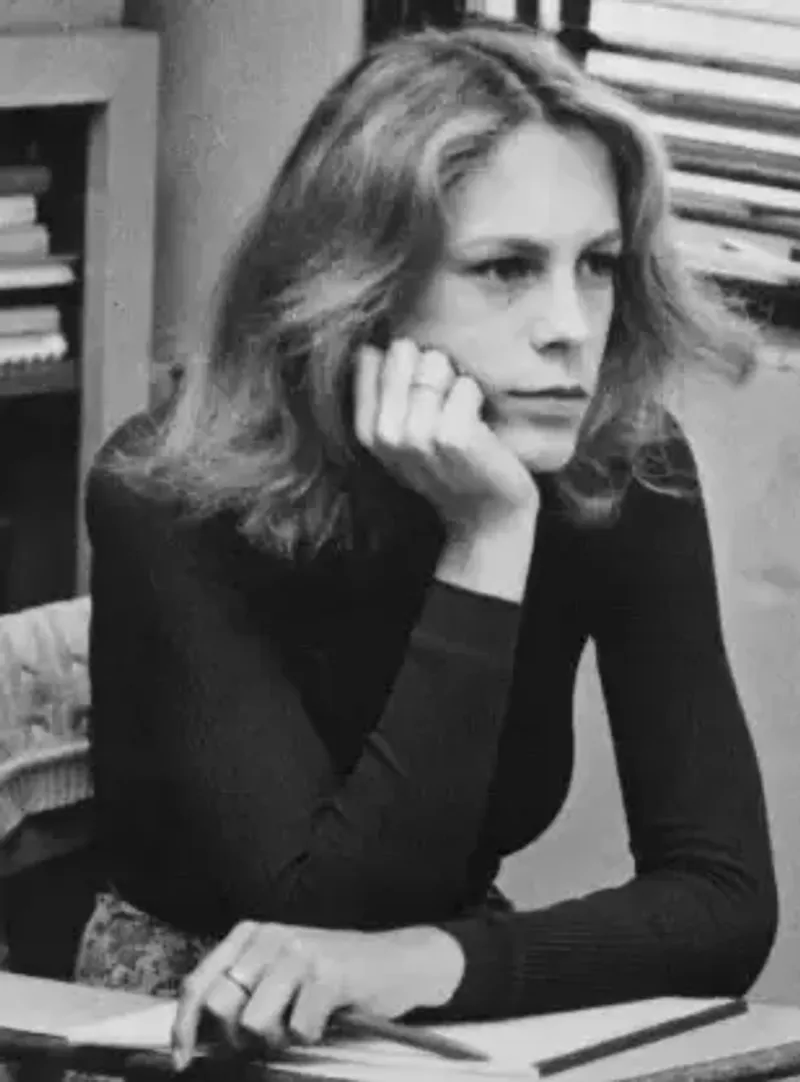
A plain white mask bought for about two dollars became one of the most famous faces in film. The crew reshaped a cheap Captain Kirk mask to create Michael Myers.
John Carpenter directed and also wrote the simple piano music himself. The movie was made for around $300,000.
Jamie Lee Curtis, about 19, made her film debut as Laurie Strode, a babysitter in a quiet town. Donald Pleasence played Dr. Loomis, the doctor trying to warn everyone.
The film made more than $47 million in the United States. That made it one of the most profitable independent movies of its time.
It also set rules other filmmakers copied through the 1980s, such as the clever young heroine who survives to the end.
Trick-or-treating looked a little different after that autumn. Kids started checking over their shoulders on the walk home.
5. The Omen (1976)
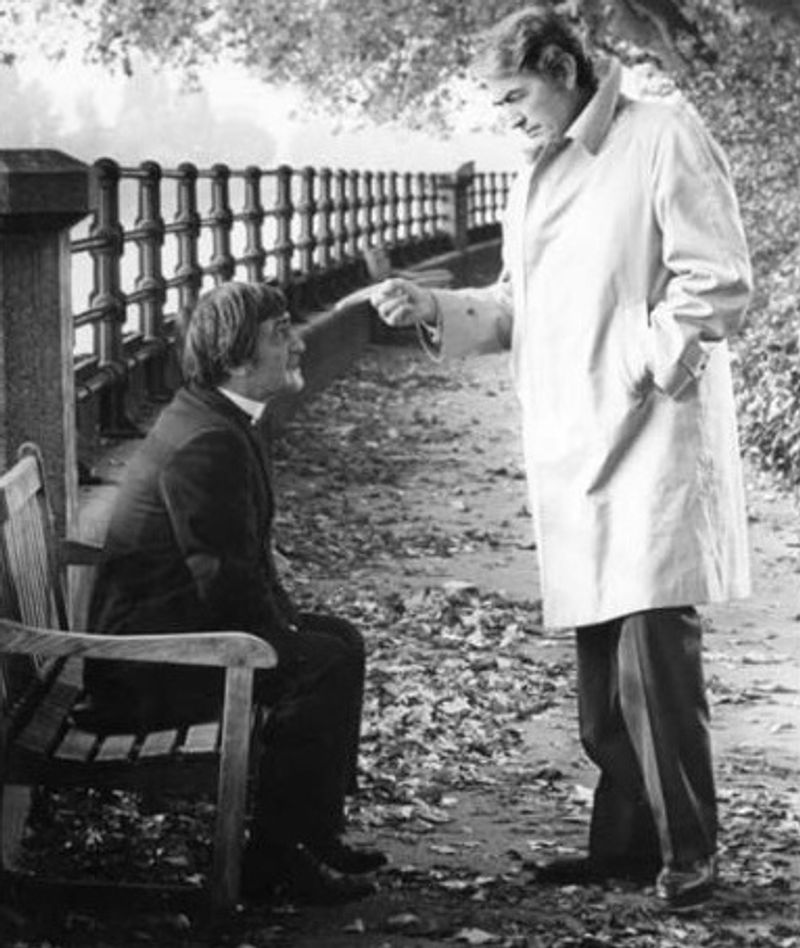
Gregory Peck was a respected leading man known for serious dramas, so his choice to star in a horror film surprised many fans.
He played Robert Thorn, an American diplomat in London who starts to suspect something troubling about his adopted son, Damien. Lee Remick played his wife, and Harvey Stephens, about five, played the boy.
The story borrows ideas from the Book of Revelation and builds dread through warnings and strange accidents. A sweet-faced child at the center made the tension even sharper.
Jerry Goldsmith’s choir-heavy score won the Oscar for Best Original Score. It is still played every October on radio stations and at haunted houses.
The film earned more than $60 million in the United States. It spawned sequels, a remake, and plenty of jokes about birthdays marked with the number six.
6. The Exorcist (1973)
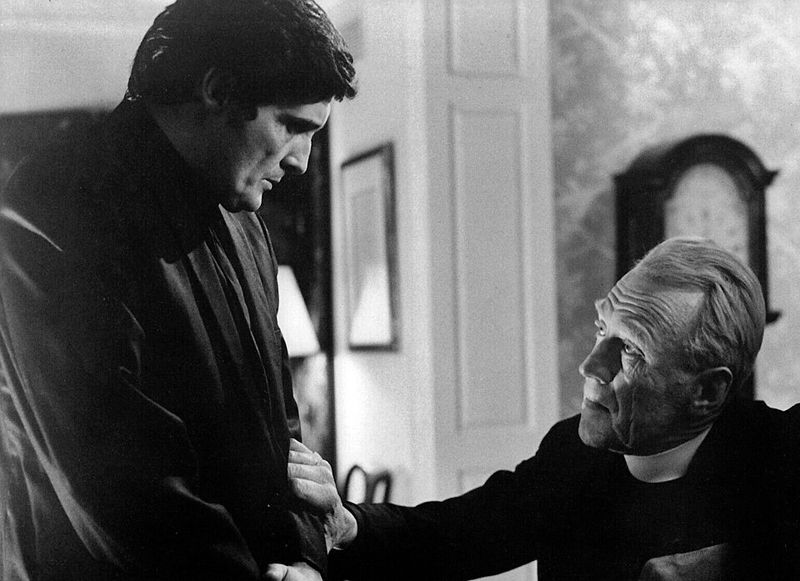
Movie theaters in 1973 had to prepare for something unusual: customers who needed a break halfway through the film. Some cinemas reportedly handed out sick bags to nervous viewers.
William Friedkin directed the story, adapted by William Peter Blatty from his own 1971 novel. Linda Blair, about 14 during filming, played Regan, a girl whose strange behavior sends her mother, played by Ellen Burstyn, searching for answers.
Friedkin wanted real chill on set. His crew used refrigeration to cool Regan’s bedroom far below freezing so the actors’ breath would show.
The results paid off. The movie earned about $193 million in its first run and became the first horror film nominated for Best Picture.
It received ten Oscar nominations in total and won two, for Adapted Screenplay and Sound. Long lines wrapped around city blocks that winter, turning a scary movie into a must-see event.
7. The Amityville Horror (1979)
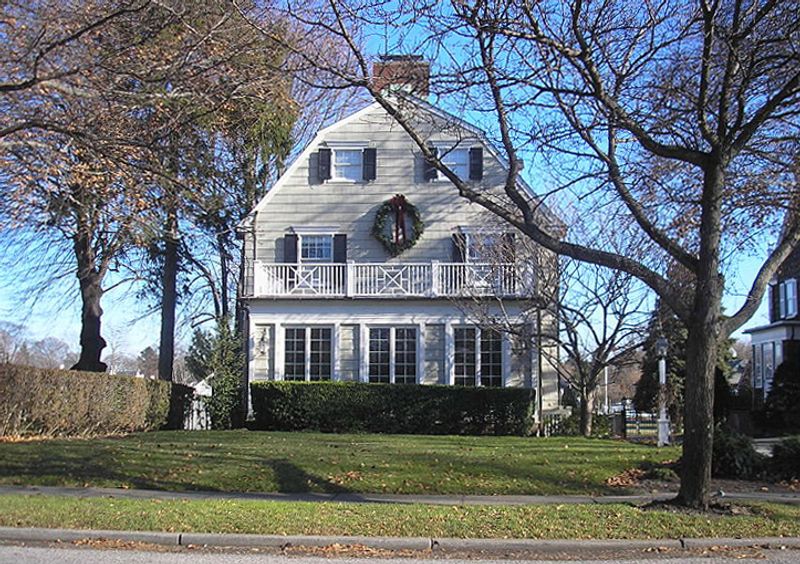
Two quarter-circle attic windows made one Long Island house instantly recognizable. Those windows looked like eyes, and the poster designers made sure everyone noticed.
Based on Jay Anson’s bestselling 1977 book, the film follows George and Kathy Lutz, played by James Brolin and Margot Kidder. They move into a house with a dark past and report strange events.
The real Lutz family’s claims have been heavily disputed. Investigators and even people involved later suggested parts were made up.
Audiences went anyway. The film earned more than $80 million despite mixed reviews from critics.
It arrived at a time when many families were buying their first homes in the suburbs. A haunting inside an ordinary house felt uncomfortably relatable.
The movie launched a long string of sequels and remakes. The real house still draws curious visitors, much to the neighbors’ annoyance.
8. Invasion of the Body Snatchers (1978)
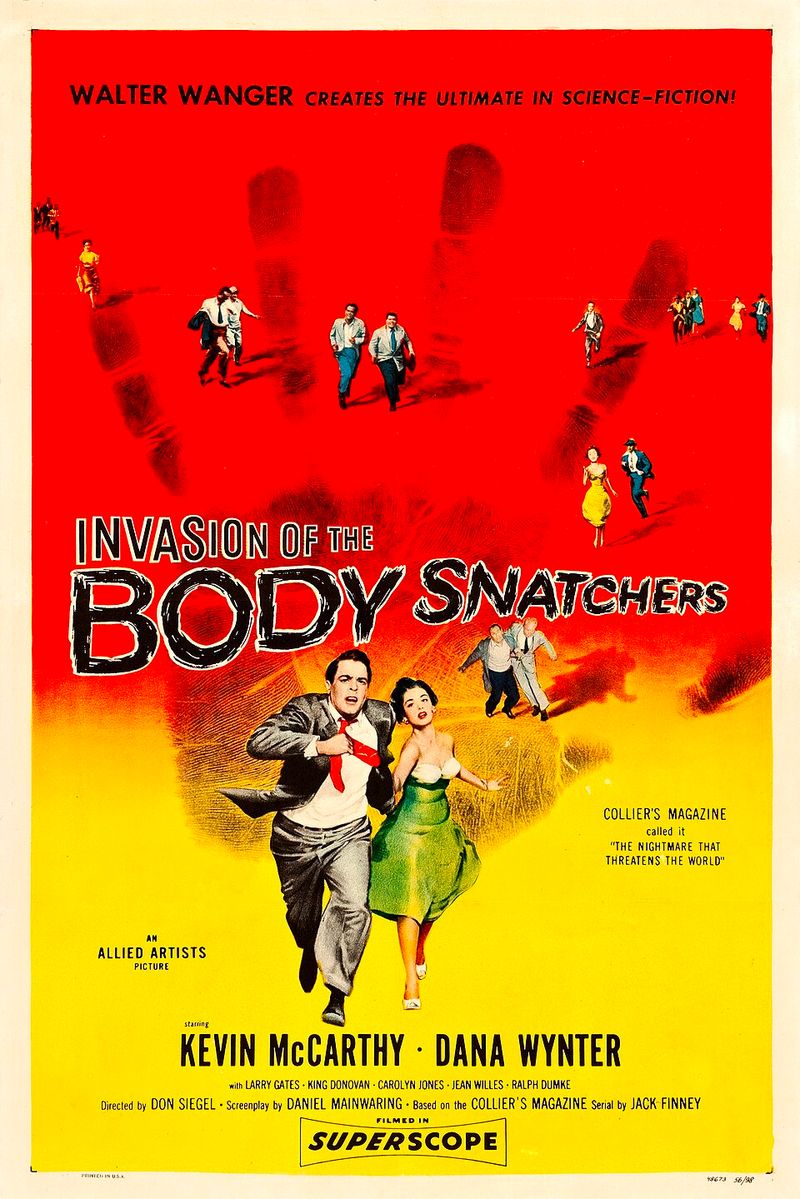
Kevin McCarthy, star of the original 1956 version, makes a quick cameo in this remake. He runs through traffic shouting the same warning he gave decades earlier.
Philip Kaufman directed the 1978 film, set in San Francisco. Donald Sutherland, Brooke Adams, Jeff Goldblum, and Veronica Cartwright play people who notice friends acting oddly calm.
The cause is strange pods that copy humans while they sleep. It updates Jack Finney’s 1955 novel for a busy city instead of a small town.
The 1950s version reflected Cold War worries. This one reflected late-1970s distrust of government and big crowds of strangers.
The film earned around $25 million and strong reviews.
Its final scene became one of the most discussed endings of the decade. Fans still say it made them watch their neighbors a little more closely.
9. Alien (1979)
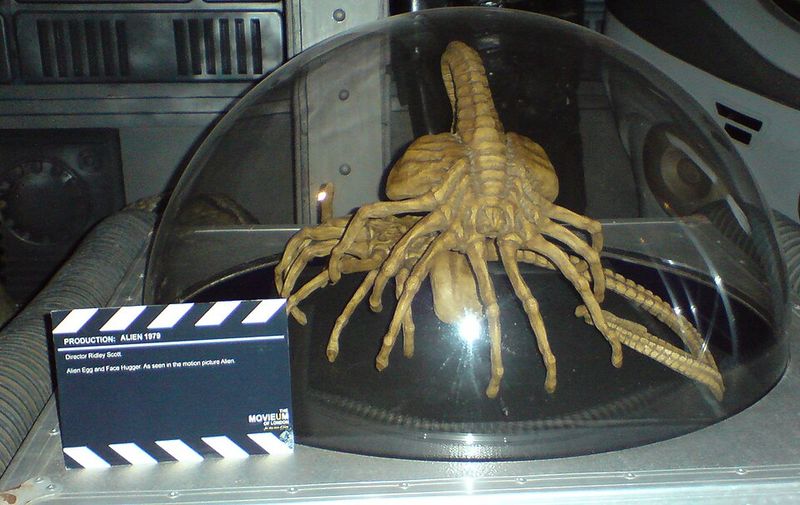
“In space no one can hear you scream.” That tagline sold a movie that mixed science fiction with the slow build of a haunted house story.
Ridley Scott directed the 1979 film about the crew of the cargo ship Nostromo. They answer a mysterious signal and bring back something terrible.
Sigourney Weaver, then about 29, played Ellen Ripley. Her character became one of cinema’s most respected heroines and changed what audiences expected from women in action roles.
Swiss artist H. R.
Giger designed the creature. Its odd, machine-like look was unlike any monster before it.
Fun fact: several cast members were not told exactly what would happen in the famous dinner table scene. Their shocked reactions were very real.
The film grossed over $100 million worldwide. It launched a franchise that is still producing movies more than forty years later.
10. Dawn of the Dead (1978)
Monroeville Mall in Pennsylvania let a film crew shoot overnight after the stores closed. George A.
Romero filmed from late evening until early morning for months.
The story follows four survivors who hide inside a shopping mall during a zombie outbreak. It continued ideas Romero began in Night of the Living Dead ten years earlier.
Malls were booming in 1970s America. Teens gathered there, families shopped there, and Romero used that setting to poke fun at shopping habits.
Makeup artist Tom Savini created the effects. His work made the film famous and controversial, and it was released without a rating.
Even so, it earned about $55 million worldwide on a budget near $1.5 million.
Many later zombie movies and TV shows borrowed its mix of scares, satire, and dark jokes. Few audiences looked at a food court the same way again.
11. The Wicker Man (1973)
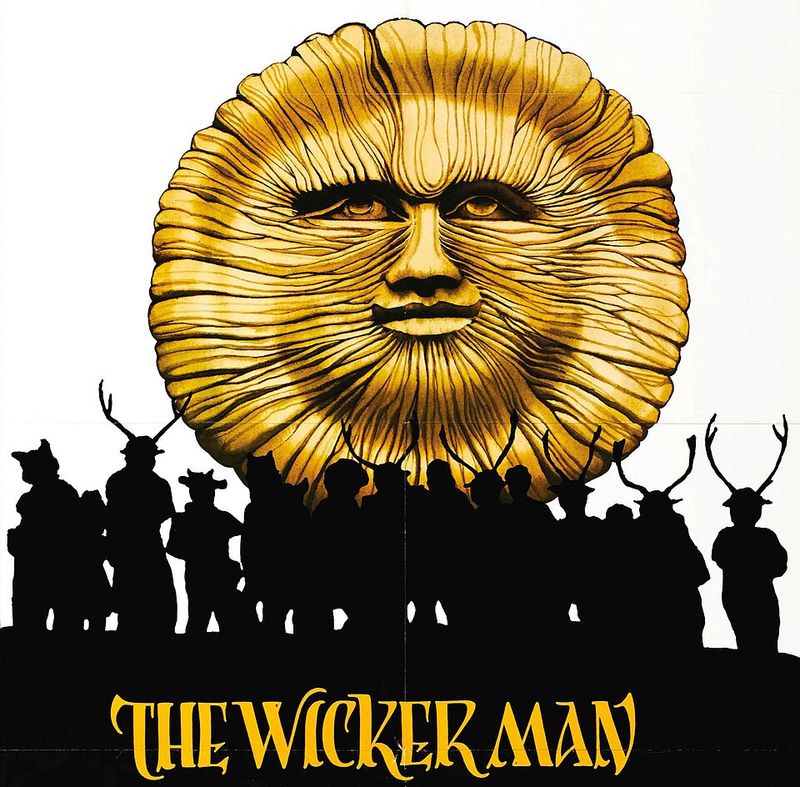
Sunny meadows, cheerful folk songs, and a May Day festival hardly sound like ingredients for horror. Robin Hardy proved otherwise.
In this British film, Edward Woodward plays Sergeant Howie, a strict police officer searching for a missing girl on a remote Scottish island. Christopher Lee plays Lord Summerisle, the island’s polite and puzzling leader.
The residents follow old pagan customs that clash with Howie’s beliefs. Tension grows from conversations and traditions, not jump scares.
The movie had a rocky start. Studio changes led to heavy cuts, several versions, and a release as the second half of a double feature.
Christopher Lee called it his best film and even helped promote it for free.
Over the years, TV airings and festival screenings built its fame. Today it is considered a founding title of folk horror, a style still popular with modern filmmakers.
12. Suspiria (1977)
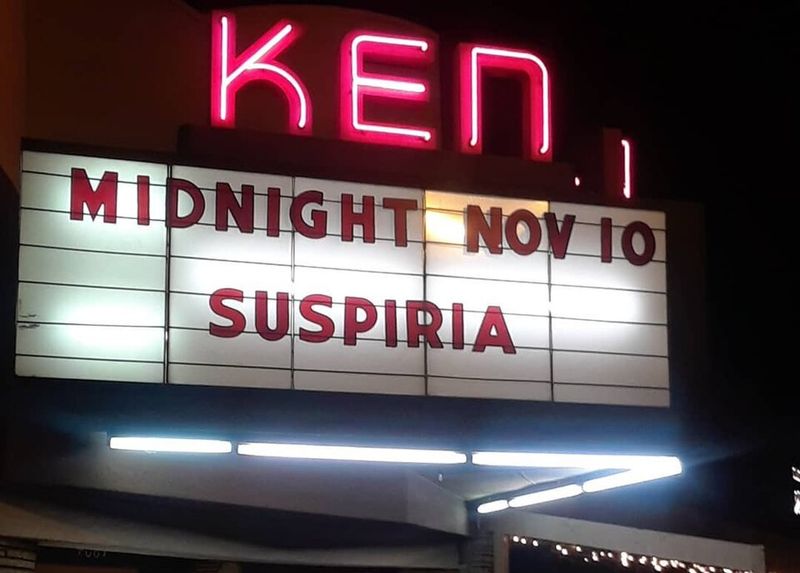
Dario Argento wanted his film to look like a scary fairy tale, and he pulled off that idea using an old trick.
The 1977 Italian movie used a printing process called Technicolor dye transfer. It was nearly out of date, but it produced bold reds and blues few films matched.
Jessica Harper, about 28, played Suzy Bannion, an American dancer who enrolls at a famous ballet school in Germany. Odd events soon point to a hidden secret.
The Italian rock band Goblin created the soundtrack. The group even played some music on set to keep actors uneasy.
Argento cared more about striking images than a tidy plot. That made the film feel very different from gritty American horror of the same years.
Fans worldwide still study it. A remake arrived in 2018, proving its style kept inspiring artists four decades later.
13. Black Christmas (1974)
Four years before Halloween reached theaters, a Canadian holiday movie quietly laid out many of the same rules.
Bob Clark directed the 1974 film about sorority sisters who receive strange phone calls during winter break. Olivia Hussey starred as Jess, with Margot Kidder and Keir Dullea in key roles.
The movie used ideas that later became standard. It had an unseen caller, a holiday setting, and danger hiding inside the house.
Clark later directed a very different holiday favorite, A Christmas Story, in 1983. Few directors can claim both a cozy classic and a creepy one.
Reviews were mixed at first. In the United States, it was briefly renamed Silent Night, Evil Night.
Fans and critics now rank it among the earliest true slasher films. Its unanswered questions keep viewers debating the ending even today.
Share this story