Germany is packed with old towns where the Middle Ages never quite left. Walk through a stone gate and you might find crooked timber houses, cobbled lanes and market squares that have hosted shoppers for centuries.
These places show how people once traded, worshiped, defended their homes and made things by hand. Here are 15 spots that make history feel close enough to touch.
Rothenburg ob der Tauber, Bavaria
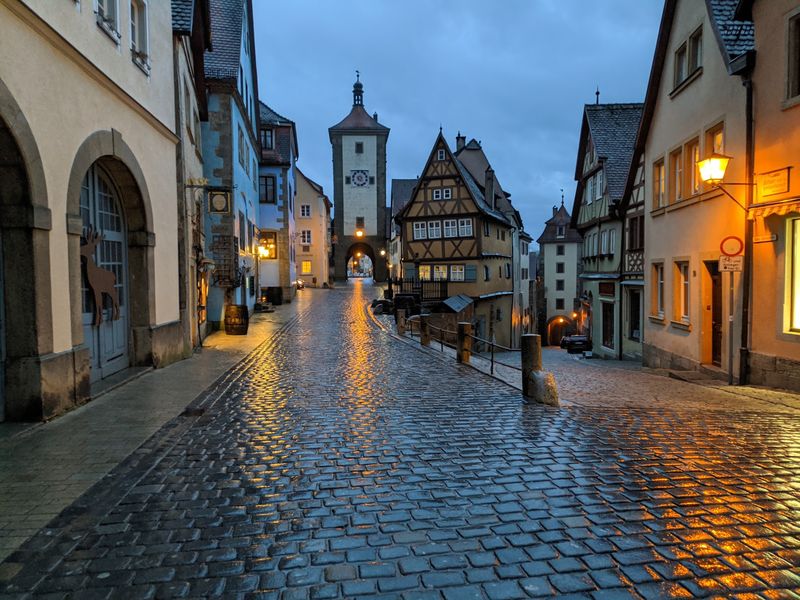
Stand at the Plönlein early in the morning and you may have the most photographed corner in Germany almost to yourself. Rothenburg was a Free Imperial City, and its walls, towers and steep-roofed houses still wrap around the old center.
The market square and Town Hall get most of the attention. The real magic, though, comes from walking the wall walk.
From up there you can see how small and well guarded the town once was, with red rooftops stacked below like a giant puzzle.
Crowds arrive in waves, especially in summer. Day visitors usually vanish by late afternoon, and that is when the lanes turn calm and golden.
My tip is simple: sleep in town. Evening strolls past lantern-lit windows feel like stepping into a storybook, and breakfast on a quiet street is a treat you will not get on a day trip.
Bring comfortable shoes, because the cobblestones are charming but unforgiving. Climb at least one tower for the view, and leave time to wander off the main road.
The side lanes hide small courtyards, craft shops and benches that are perfect for a snack break. Even with the crowds, Rothenburg earns its fame.
Dinkelsbühl, Bavaria
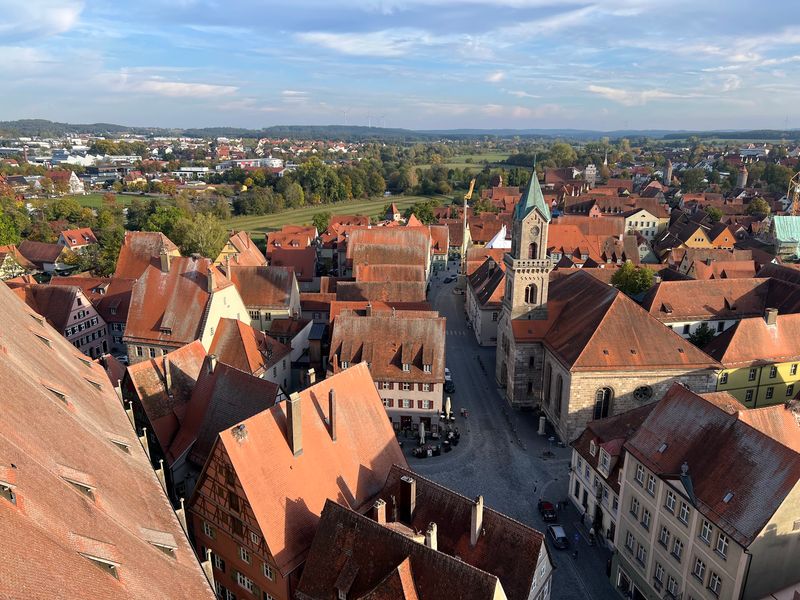
Visitors often say Dinkelsbühl feels like Rothenburg after someone turned down the volume. It sits on the Romantic Road, yet it often gets skipped, which is good news for you.
The old town is ringed by walls, towers and gates. Wide gabled houses line streets that still follow the medieval plan, and the whole center feels tidy and balanced because so little modern building crept in.
St. George’s Minster rises over the market area, and its tall nave is worth a peek inside. Outside, the square invites slow wandering, with cafes where you can sit and watch the town go about its day.
Try walking part of the wall circuit at sunset. The stone glows warm, and the towers cast long shadows over the lanes below.
If you want medieval streets without elbowing through tour groups, this is a smart choice. Pair it with a local pastry and a leisurely stroll, and you will see why many travelers leave calling it their favorite surprise on the route.
Quedlinburg, Saxony-Anhalt
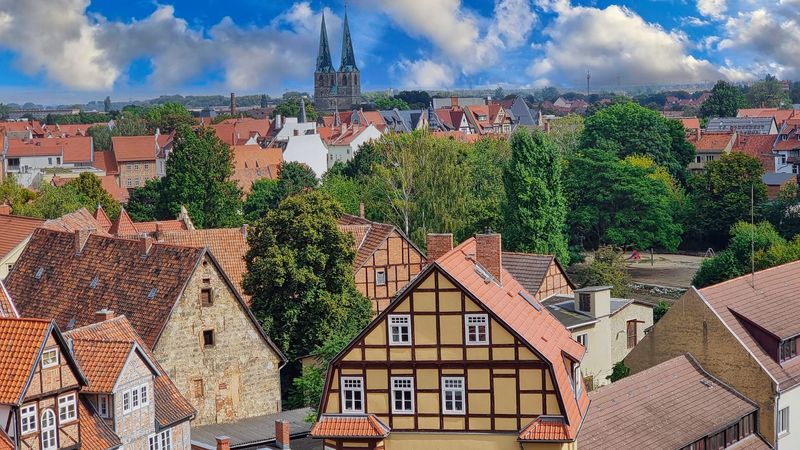
Count the half-timbered houses in Quedlinburg and you will lose track somewhere past one hundred. The town holds hundreds of them, tucked into a compact old center below the castle hill.
Styles shift as you stroll. Some buildings are truly medieval, while others add Renaissance and Baroque touches, so each street tells a slightly different chapter of the town’s story.
Quedlinburg is tied to the early German kings, and the church on Schlossberg shows that royal past. The climb up is short, and the view over the rooftops rewards you quickly.
What makes this place special is the feeling of a whole town preserved, not just one pretty square. Courtyards, narrow alleys and carved beams appear around every corner.
Give yourself a full day if you can. Wander without a map for an hour, then pick a cafe near the market and let the town drift by.
Early evening is lovely, when the light softens and the streets grow quiet. It is a true treat for anyone who loves old buildings.
Monschau, North Rhine-Westphalia
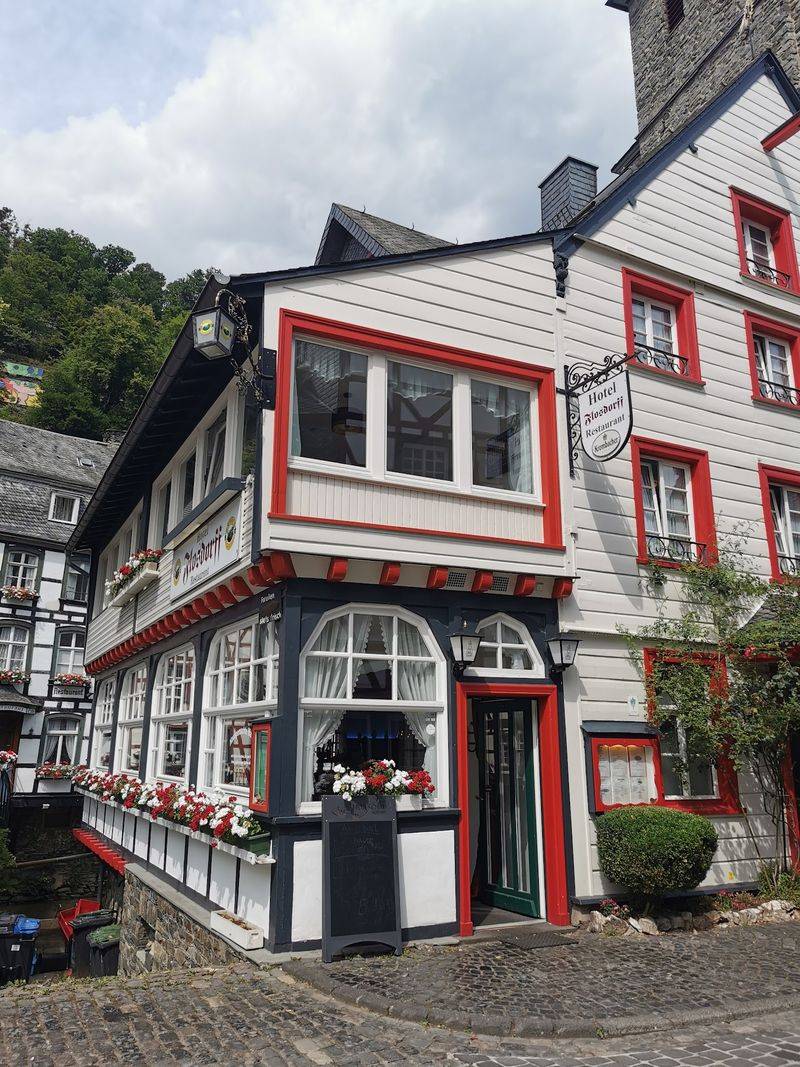
Tucked into a narrow valley, Monschau seems to squeeze itself between the hills. The Rur River runs right through the middle, and half-timbered houses crowd its banks.
Cloth making once made the town rich. You can still spot the merchant homes along twisting lanes and small bridges, many of them stacked up the slopes.
A ruined castle watches from above. Most of the visible houses are from later centuries, but the castle and the tight layout give the whole place a medieval mood.
Because the valley is so steep, the town feels cozy and enclosed. Sounds echo, smoke curls from chimneys, and the river adds a constant soft rush.
Winter and early spring are fine times to visit. Fewer people crowd the lanes, and mist can hang over the rooftops like a soft blanket.
Warm up with a mustard shop stop, since Monschau is known for it, then climb toward the castle for the best view down into the valley.
Esslingen am Neckar, Baden-Württemberg
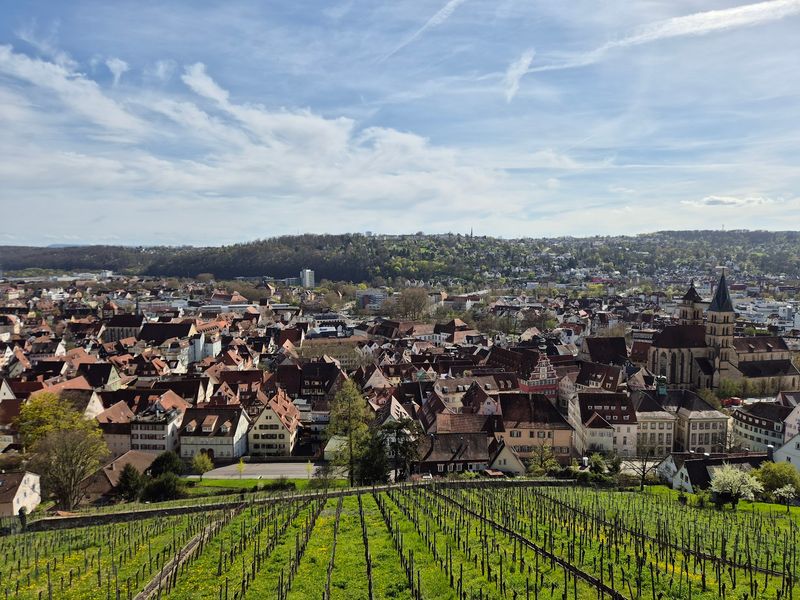
Only a short train ride from Stuttgart, Esslingen feels like a secret that locals forgot to keep. Its old center has narrow lanes, timber houses and vineyard slopes rising behind.
The medieval Christmas market here is famous. Craftspeople wear period clothing, and stalls focus on old trades instead of mass-made trinkets.
Visit in any season, though, and the town still delivers. Churches, towers and the market square sit close together, and a hilltop fortress looks over the rooftops.
Esslingen is not frozen in time. Shops, schools and cafes fill the old buildings, so the center feels lived in and lively.
Climb the stairs toward the fortress walls for a sweeping view. Then drift back down through the lanes and pause for a glass of local wine, since this area has grown grapes for ages.
It is an easy day trip, yet it rewards a longer stay for anyone who likes history mixed with everyday life.
Miltenberg, Bavaria
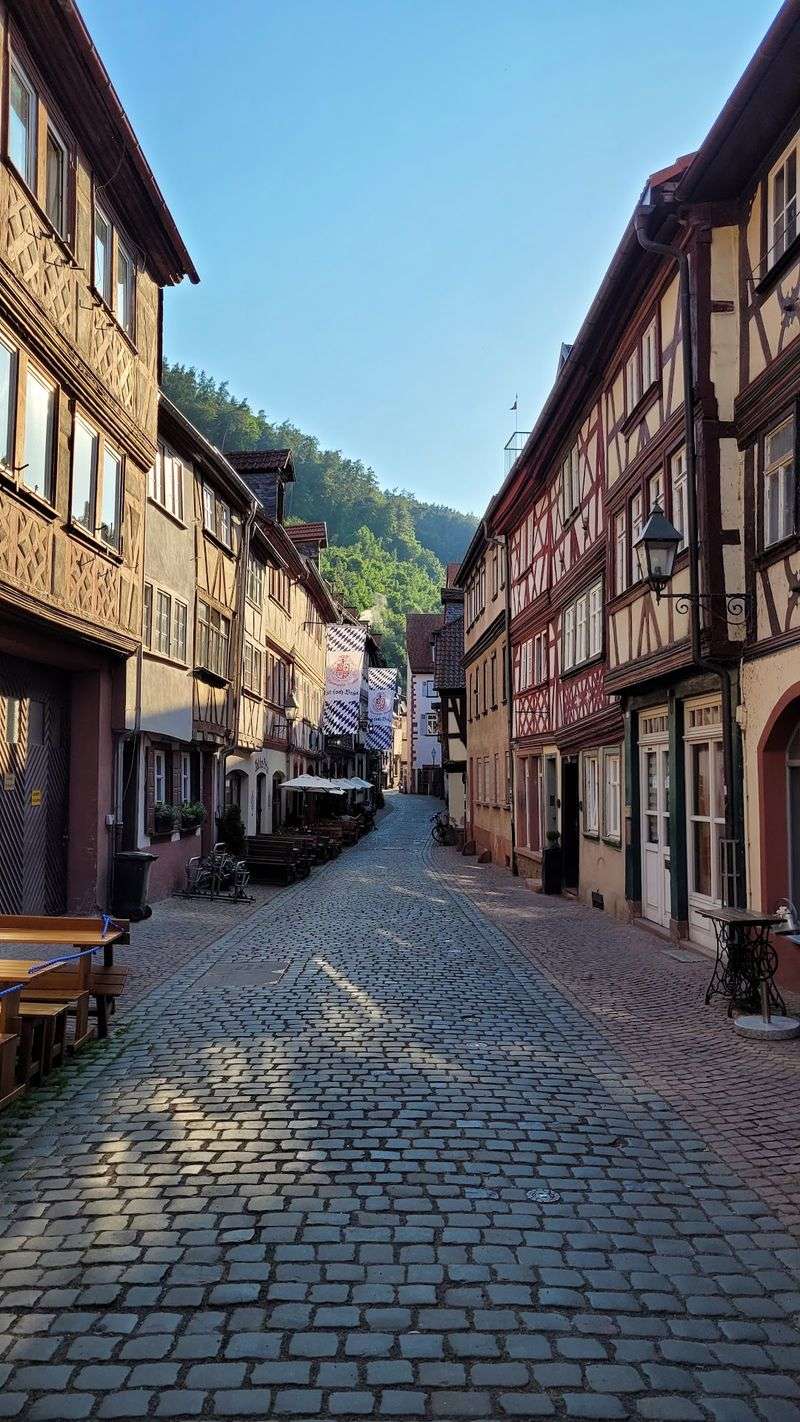
Say Schnatterloch out loud and you are already smiling. This little market square is the heart of Miltenberg, framed by old inns and steep, crooked gables.
The town sits right beside the Main River, with forested hills behind it. Trade and shipping brought wealth here, and the long, narrow street pattern follows the riverbank.
Above it all stands Miltenburg Castle. A short climb leads to a view over the river bend and the red rooftops below.
Miltenberg is small, which makes the lanes feel friendly instead of grand. You can cross the whole old town in minutes, but you will probably stop every few steps to admire a carved beam.
It fits well into a slow road trip through Franconia. Stay at a historic inn if you can, and try a local wine with dinner.
When the day trippers leave, the square settles into a relaxed hush that suits the old timber walls perfectly.
Goslar, Lower Saxony
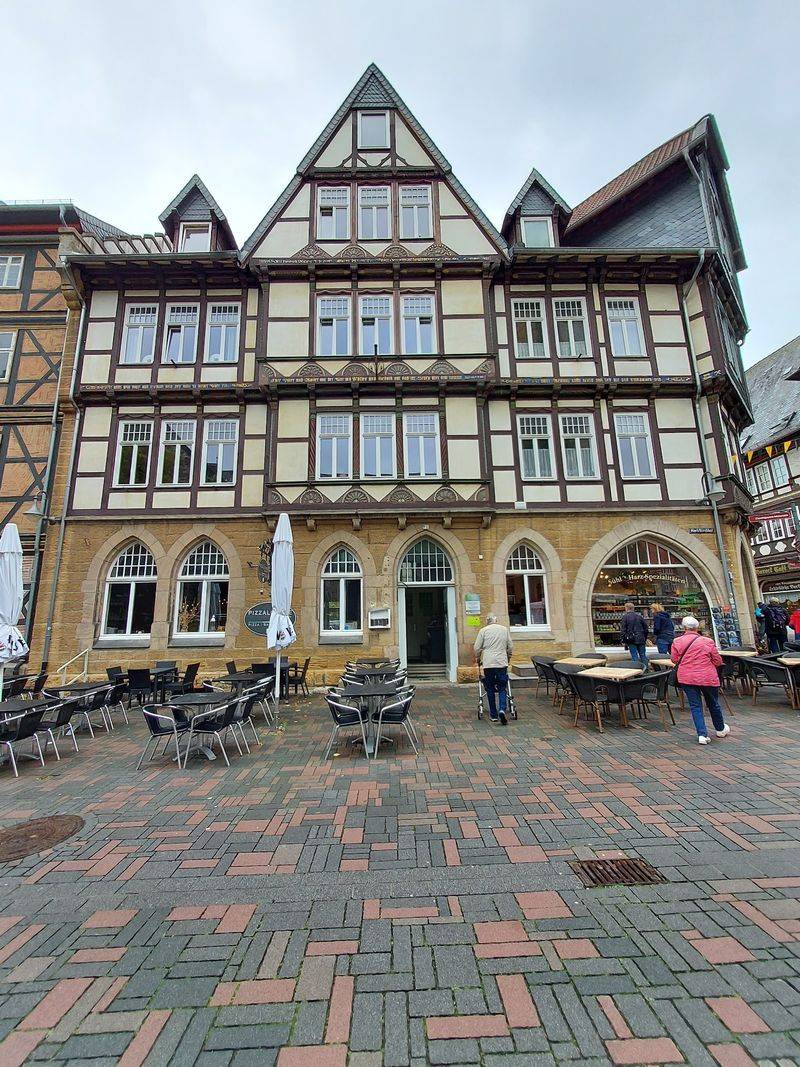
Silver built Goslar, and you can still feel the money in its streets. The mines of nearby Rammelsberg poured wealth into the town for centuries.
That wealth made Goslar a key imperial center. The huge Imperial Palace still stands, and guild halls and merchant homes crowd the old town.
The market square gets the postcards, yet quieter residential lanes may be even better. Rows of historic fronts lean together, and slate-covered walls give them a deep, dark shine after rain.
The historic core has UNESCO status, and a visit to the Rammelsberg mine museum makes the story even clearer.
Plan to stay longer than a day. The Harz Mountains begin right outside town, so you can trade cobblestones for forest trails after breakfast.
Come back for dinner in a timber-framed restaurant, and you will have enjoyed both history and hills in one easy trip.
Bacharach, Rhineland-Palatinate
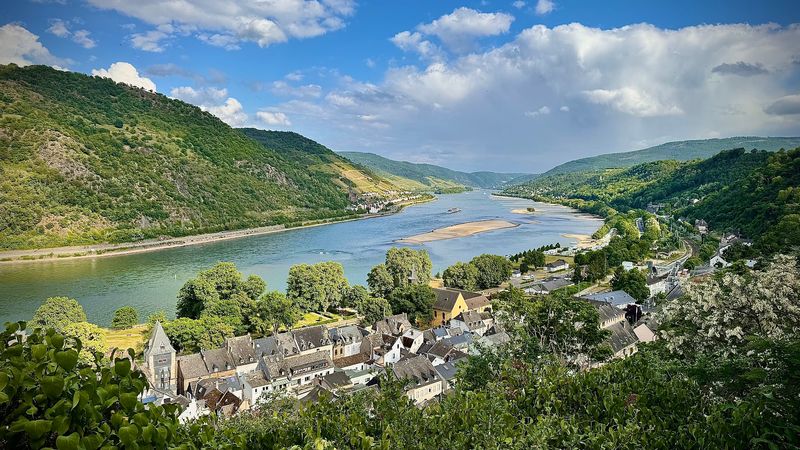
Ever seen a town squeezed between a river and a vineyard? Bacharach fits into a thin strip on the Rhine, with steep slopes of grapevines rising behind its rooftops.
Wine and trade made the town important long ago. Medieval walls, towers and half-timbered houses still line its lanes.
The ruined Werner Chapel and Stahleck Castle give Bacharach a dramatic skyline. You can walk part of the old wall and climb to the castle for river views.
Many people stop here on a Rhine cruise and leave within hours. Staying overnight changes everything.
Boats fall quiet, lights glow in the windows, and the old streets feel like your own.
Find a wine tavern and taste a local Riesling. The town is tiny, so you can see it all on foot, yet it leaves a big impression.
Few places along the Middle Rhine pack so much atmosphere into so little space.
Nördlingen, Bavaria
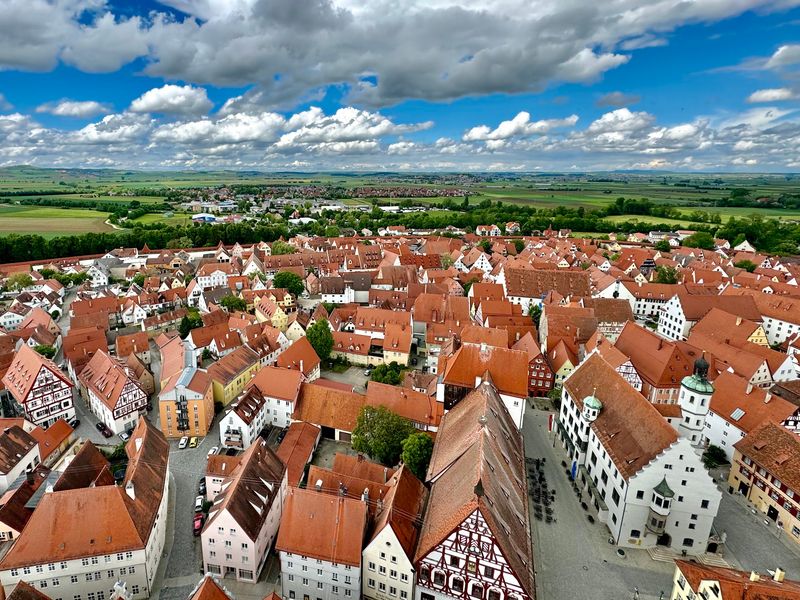
Here is a fun fact to share at dinner: Nördlingen sits inside a crater left by a meteorite. The impact happened millions of years ago, and the town grew in the bowl it created.
Medieval walls still circle the whole center. You can walk much of the wall path, and the round shape is easy to see from above.
The streets all lead toward St. George’s Church and its tall Daniel tower. Climbing the tower gives a fine look at the rings of rooftops and the farmland beyond.
The houses inside are neat and close together, giving the town a snug, self-contained feel.
It has the walled charm of Rothenburg, but with fewer crowds and a more local rhythm. Walk the full circle of the wall in about an hour, and stop at a bakery on the way.
Few small towns combine space history and medieval history so neatly.
Lübeck, Schleswig-Holstein
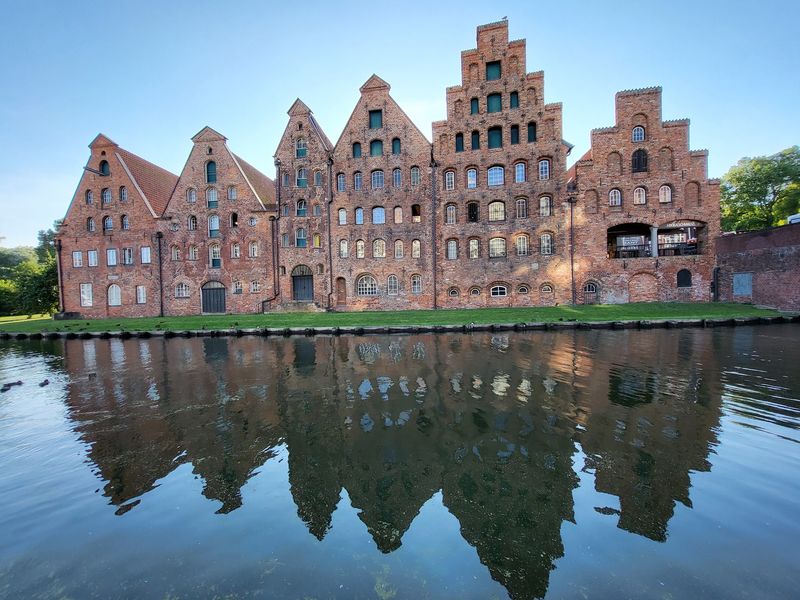
Red brick rules in Lübeck. Instead of timber frames, this northern city built tall Gothic churches and stout merchant houses from clay, and the color glows at sunset.
Lübeck led the Hanseatic League, a network of trading cities. Its old town sits on an island ringed by water, so bridges and canals appear around every bend.
The Holstentor gate is the star landmark, leaning slightly from its heavy weight. Still, the deeper fun lies behind the main streets, in quiet courtyards and narrow passages.
Look for the Gänge, small alleys that lead to hidden rows of tiny homes. They once housed workers and now feel like secret corners.
Save room for marzipan, since the city is famous for it. A walk along the waterfront at dusk wraps up the day nicely, and you will understand why this port once ruled Baltic trade.
Regensburg, Bavaria
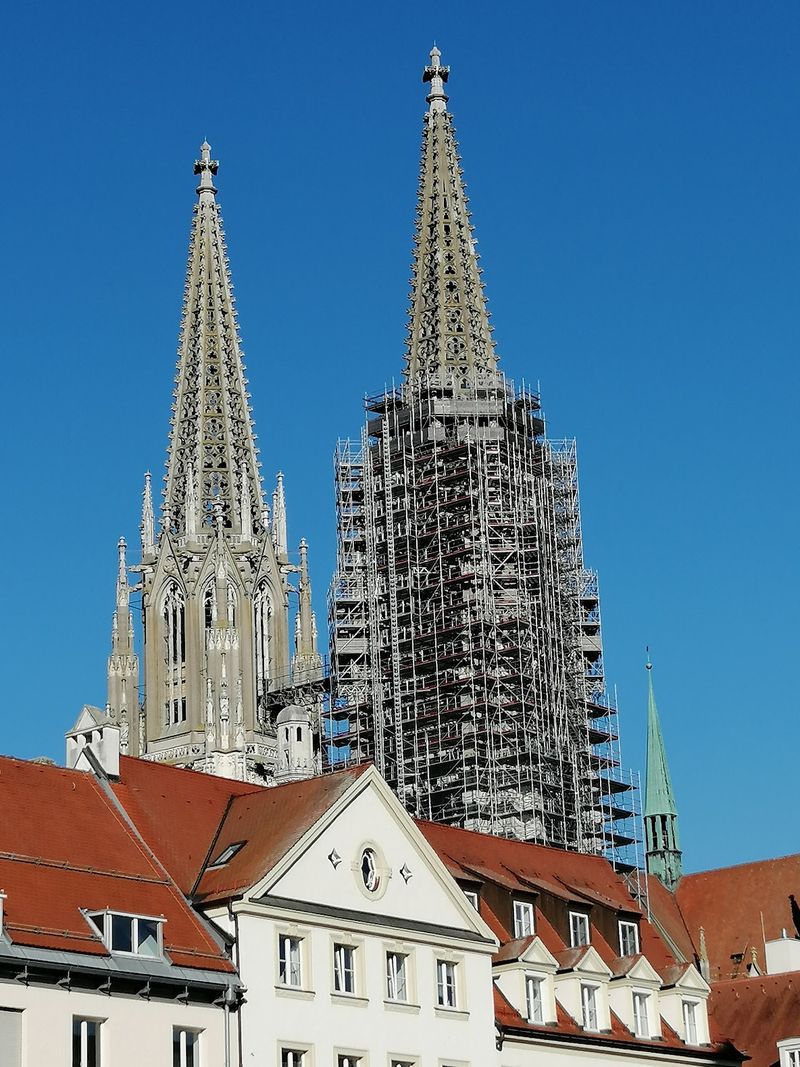
Nearly nine hundred years old and still carrying foot traffic: that is Regensburg’s Stone Bridge. It crosses the Danube and leads straight into one of Germany’s biggest medieval old towns.
Gothic cathedral spires rise over a maze of lanes. Tall patrician towers show how merchant families once competed to build higher and show off their trade ties with Italy.
Regensburg grew into a modern city but kept its dense historic core. Students, workers and shoppers fill the streets, so the old town buzzes instead of sleeping.
Grab a sausage at the famous riverside kitchen near the bridge, then wander the alleys. Every turn brings a new tower, courtyard or tiny shop.
Evenings are especially lively, with beer gardens along the river and music drifting from open doors. If you want medieval streets with real city energy, Regensburg delivers beautifully.
Wernigerode, Saxony-Anhalt
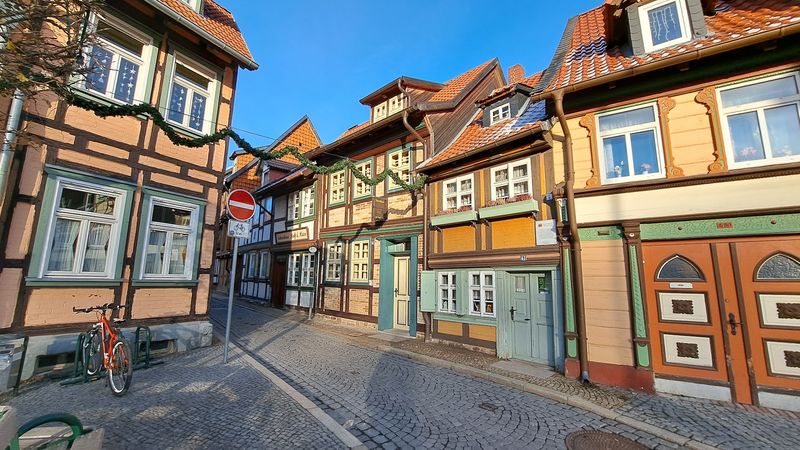
Wernigerode looks like someone drew a fairy tale and then built it. Colorful half-timbered houses surround the market square, and the ornate Town Hall steals the show.
Above the rooftops sits Wernigerode Castle, reached by a pleasant uphill walk or a little tourist train. Wooded hills spread out behind it.
Many buildings were changed or rebuilt over the centuries, yet the center keeps a strongly historic feel. Narrow streets branch off in every direction, filled with small shops and cafes.
The town also makes a good base for the Harz Mountains. Steam trains leave from here and chug up toward the Brocken, which is a joy for rail fans and curious kids alike.
Spend the morning in the old center and the afternoon on a scenic ride. You get architecture, forest views and a good dose of nostalgia in a single trip.
Gengenbach, Baden-Württemberg
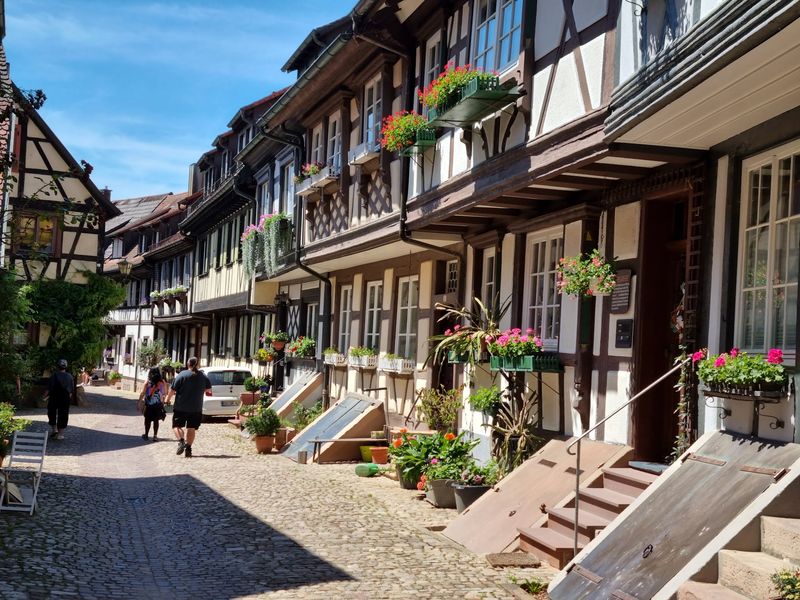
Each December, Gengenbach turns its town hall into the world’s largest Advent calendar, but the charm lasts all year. The Black Forest edge frames a compact old center of gates, towers and timber houses.
The main square is bright with painted fronts. Step into a side street and the mood shifts, becoming quiet, residential and peaceful.
Gengenbach was once a Free Imperial City, and traces of its walls and gate towers still stand. Vineyards and wooded hills start right beside the last houses.
That mix makes it simple to switch from lanes to nature in minutes. A short walk uphill gives a lovely view over the roofs.
Because Strasbourg and Freiburg grab more attention, Gengenbach stays relaxed. Come for lunch, taste local wine, and take your time.
Few places feel so comfortable and so storybook at once.
Fritzlar, Hesse
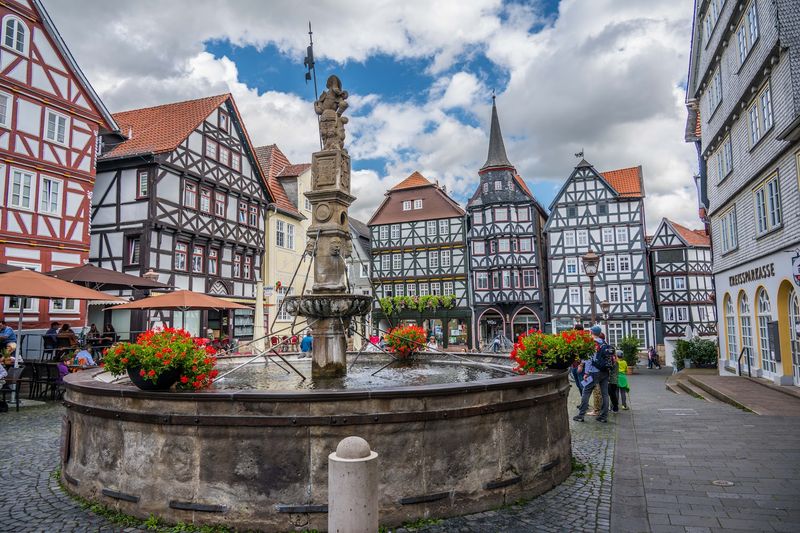
Hardly anyone puts Fritzlar on a first Germany trip, and that is exactly its secret. This quiet Hessian town hides walls, towers and timber houses that rival better-known spots.
St. Peter’s Cathedral anchors the center. Around the market square, old guild buildings lean together, their beams darkened by age.
The town’s roots go back to the early Middle Ages, and its fortified layout shows centuries of regional importance. You can trace the old defenses on a short walk around the center.
Its small size is a bonus. In one unhurried day you can see the cathedral, climb a tower, stroll the lanes and still have time for coffee and cake.
If you like discovering places before the crowds do, add Fritzlar to your map. Travelers who want real historic texture, without the hustle, often find it hits the sweet spot.
Meersburg, Baden-Württemberg
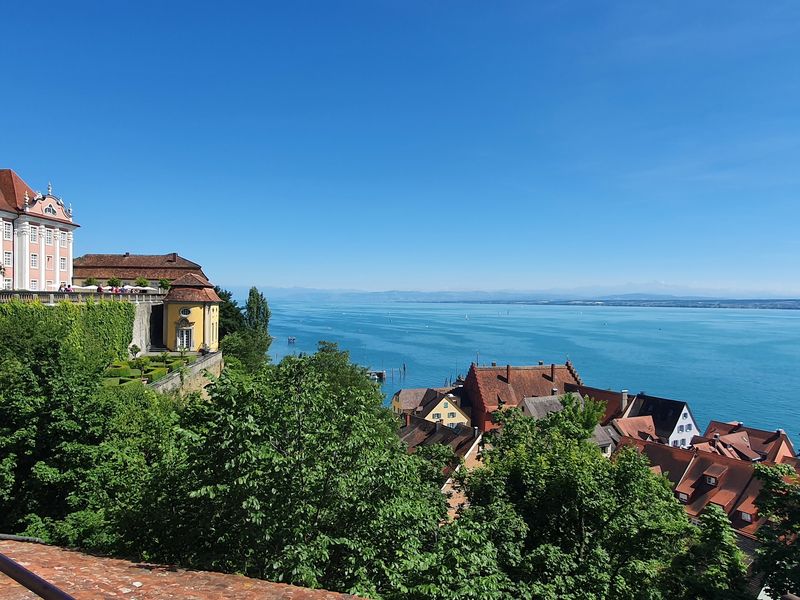
Meersburg climbs from the lake like a staircase of stone. The lower town sits at the waterfront, while the upper town reaches toward a castle on the hill.
Narrow lanes and steep steps link the two levels. Every climb is rewarded with a new peek at the water and the distant Alps on clear days.
The Alte Burg is one of Germany’s oldest inhabited castles. Its solid walls dominate the skyline and give the town a strong medieval anchor.
Sunset is the best time to be here. Lake light softens the stone, and boats glide past below the terraces.
Summer can be busy, so try spring or autumn if you prefer space. Vineyards surround the town, so a glass of local wine on a terrace is almost required.
Medieval streets, lake views and grapevines make a fine trio.
Share this story