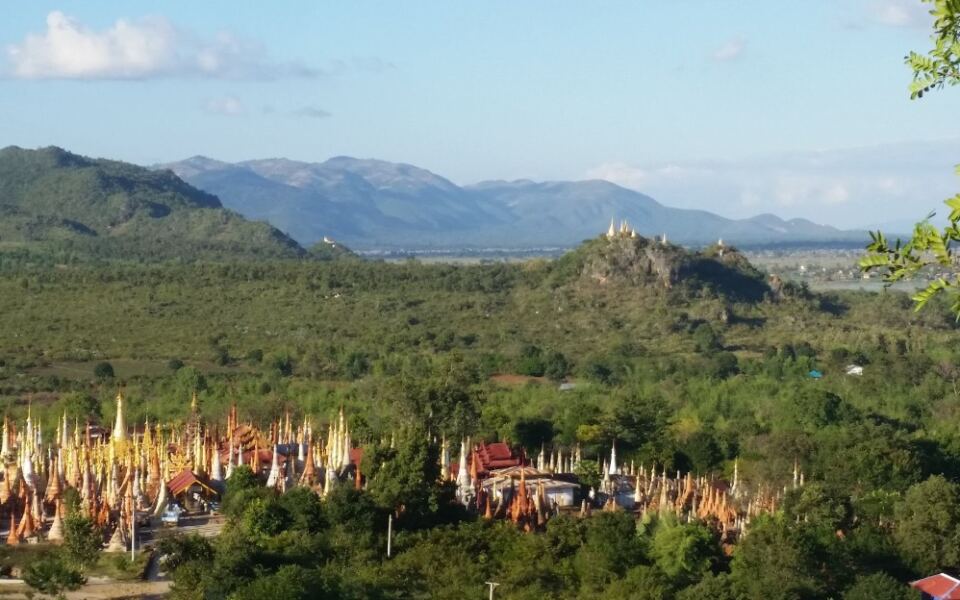
Tucked into a green hillside near Inle Lake, Shwe Indein Pagoda is a forest of crumbling and shining stupas. Some are golden, some are covered in vines, and many are older than anyone can count.
Getting there involves a boat ride, a long covered walkway, and plenty of surprises. Here are ten things that make this place worth the trip.
A Boat Ride Through Hidden Waterways
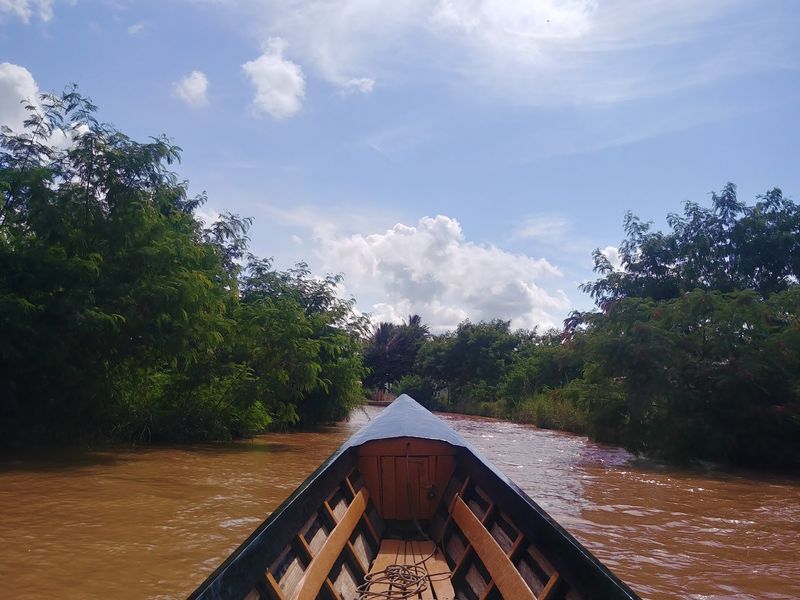
Hold onto your hat, because the trip begins with a splash. Boats leave Inle Lake and zip into narrow channels lined with reeds, and the speed makes the whole ride feel like a small adventure.
One visitor called the ride hectic, while another loved how exciting it felt to cruise through such tight water. Either way, you will not be bored.
Plan ahead on price. Some travelers reported paying around 20,000 to 25,000 kyat for a boat trip that included Indein, and the stop often costs extra on a standard lake tour.
Ask your driver before leaving the pier so there are no surprises later.
Also agree on where the boat will stop and how long you will stay. Tickets can be booked through a hotel or a travel agent, or you can negotiate at the pier yourself.
Look out for fishermen working the lake as you glide along. The canal section is calmer and shadier than the open water, so it is a good time to put your camera away and simply watch the scenery slip by.
A hat and a light jacket are smart choices.
The Covered Walkway of Hundreds of Pillars
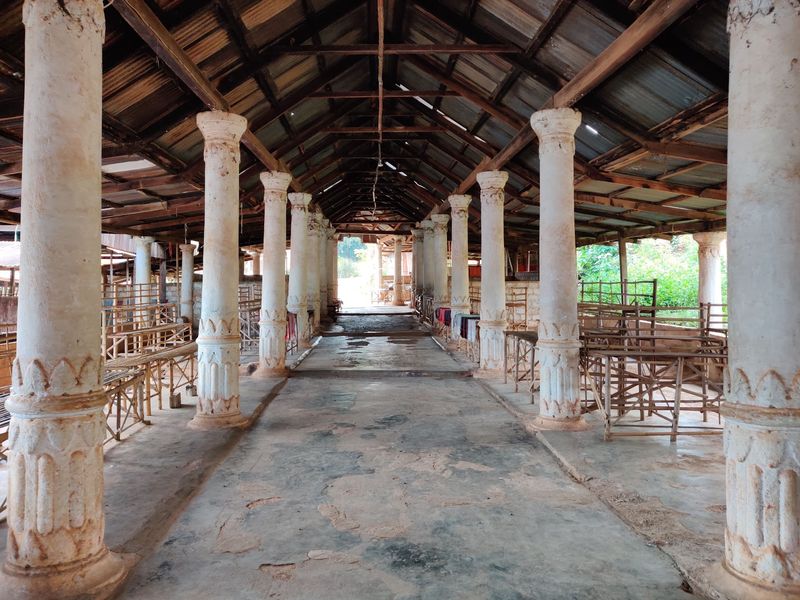
Ever walked through a tunnel made of wood and shopping bags? Welcome to the approach.
A covered corridor with hundreds of pillars leads uphill from the pier, and it keeps the sun off your head the whole way.
The walk takes about 20 to 25 minutes and is easy going. Reviewers describe it as roughly 700 to 1000 meters long, so wear comfortable shoes.
Stalls line both sides, selling Shan shoulder bags, longyis, shirts, and trinkets. Many visitors said the vendors were relaxed and did not pressure them to buy anything.
A word of caution: some shops are known to sell fake antiques and gems. Enjoy browsing, but keep your wallet closed if a price sounds too good.
If you are short on time or energy, bike taxis are available for around 3,000 kyat. Walking is more fun, though, because every turn builds a little more suspense.
Over a Thousand Stupas in One Place
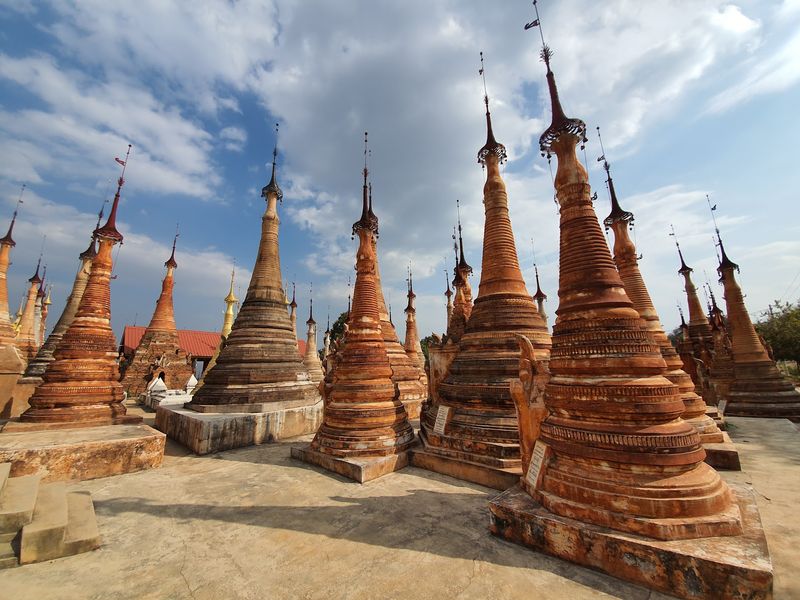
Numbers get big fast here. Visitors mention 1,000 stupas, and one review suggests more than 1,600, though nobody can give an exact count because many have fallen apart or vanished under plants.
That is what makes the site feel so different from a single temple. You are not looking at one monument, but a whole crowd of them standing shoulder to shoulder.
The stupas come in every color, size, and condition. Some are tidy and bright, while others lean and crumble in the sun.
One traveler noted that the scene is hard to capture in photos. A wide angle lens or an action camera helps fit more of the view into one frame.
Give yourself time to wander. A full visit can easily take two to three hours, and you will want to look closely at details such as carved edges and weathered bricks.
Ruins Wrapped in Vines
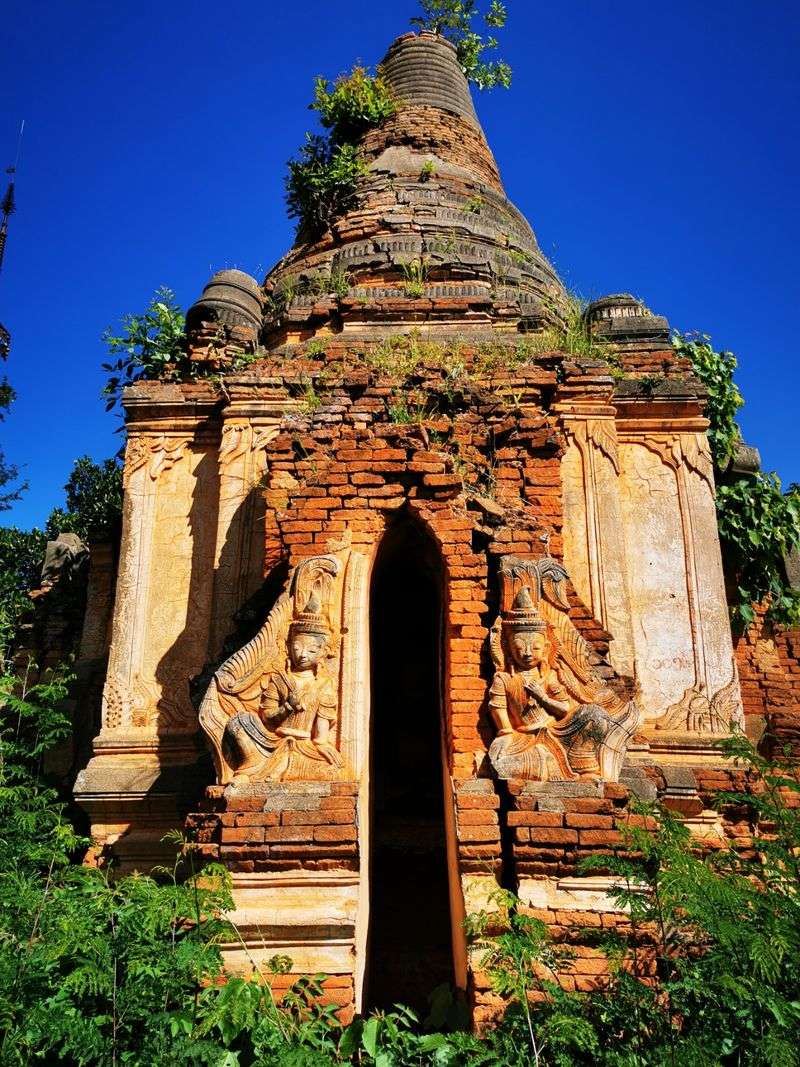
Nature has been busy here. Roots, branches, and leaves have crept over many of the older stupas, and the result looks like a movie set for a lost kingdom.
One reviewer said the haunted feeling is part of the charm. New stupas rise right next to old ruins, so the past and present share the same hillside.
Another traveler admitted that the abandoned ones on the outskirts attracted them more than the shiny golden ones. It is easy to see why, since each cracked tower seems to have its own story.
Many of the stupas have lost their hti, the umbrella-shaped top piece. Look for the bare tips and you will spot the unrestored ones quickly.
Respect the site while you explore. Do not climb on the structures or take pieces of stone, and keep your voice low so the quiet stays intact.
Golden Stupas at the Hilltop
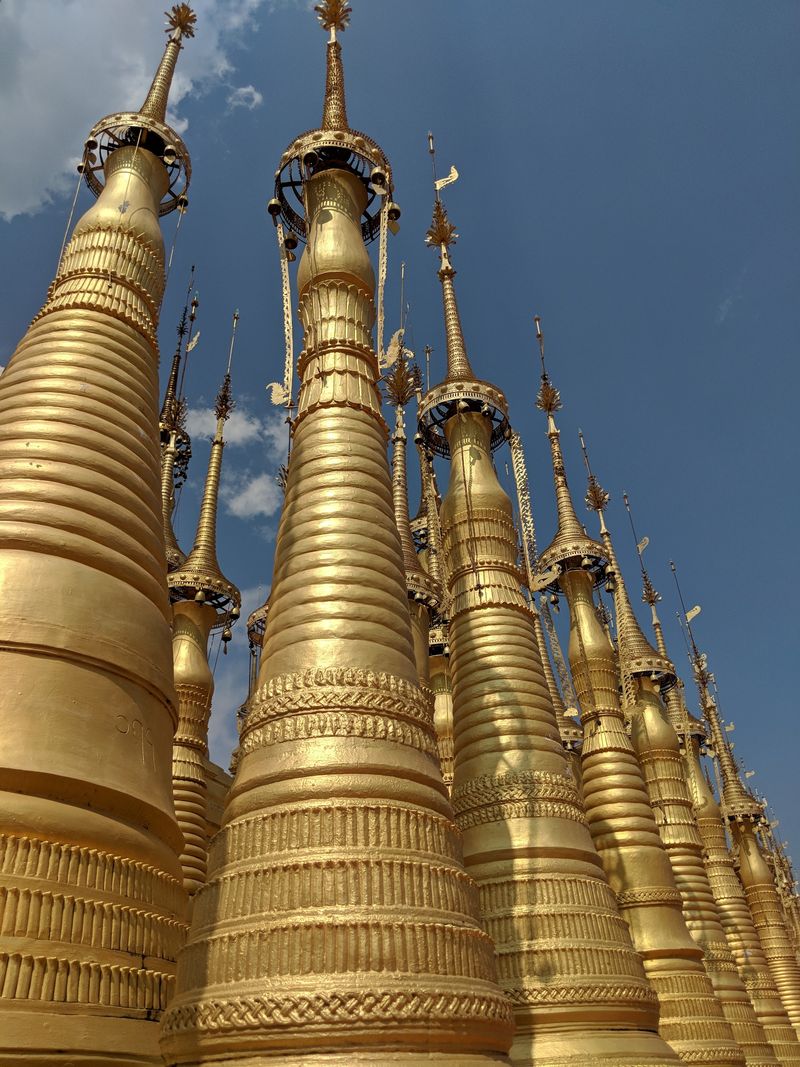
Shine on! At the top of the hill, a group of golden stupas catches the light and gives the brick ruins below some serious competition.
At the center of the Shwe Inn Thein group sits the shrine of the Inn Thein Buddha image. It holds a golden Buddha in the meditation pose, and local belief links the shrine to the Indian emperor Ashoka.
Restoration work has helped here. Donors, both Burmese and foreign, have paid to fix a number of stupas, which is why bright gold sits so close to crumbling brick.
Keep walking along the covered path until you reach the end. One traveler nearly got distracted by ruins on the way and almost missed the main pagoda.
Remember that this is an active religious site. Dress modestly, remove your shoes where required, and take a moment to see how local visitors pay their respects.
A History Stretching Back Centuries
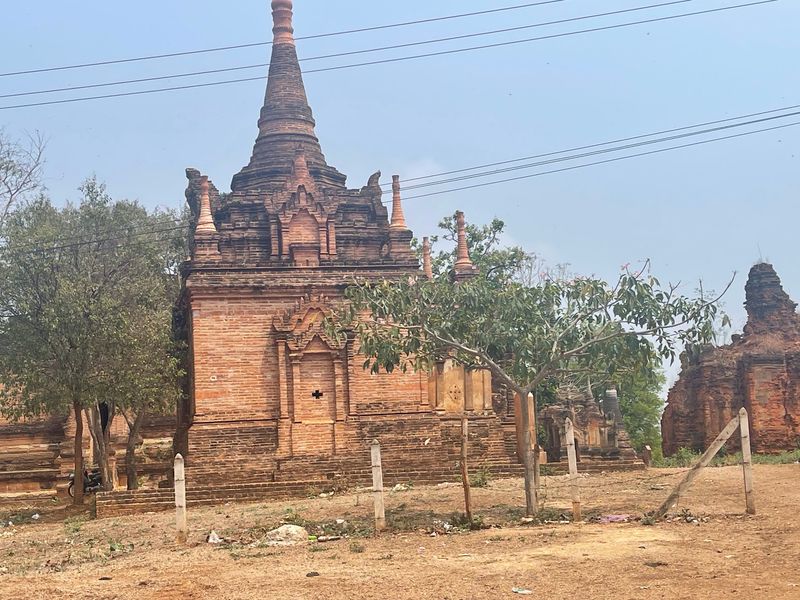
Here is a fun fact to share on the walk: the site is said to date back to the 3rd century BC, when Emperor Ashoka sent monks across Asia to spread Buddhism.
Later, kings of the Bagan empire, including Narapatisithu and Anawrahta, are said to have built pagodas here. Google lists the grouping as dating from the 12th to 13th century.
Most of the stupas you see today come from the 17th and 18th centuries. The earliest one with an inscription dates to the 14th century.
Shan sawbwas and local Buddhists also added stupas over time as acts of religious merit. That is how a single hillside ended up so crowded.
Knowing these stories makes the walk richer. Read up before you go, or ask a guide to point out the oldest pieces so you know what you are looking at.
A Mini Bagan Without the Crowds
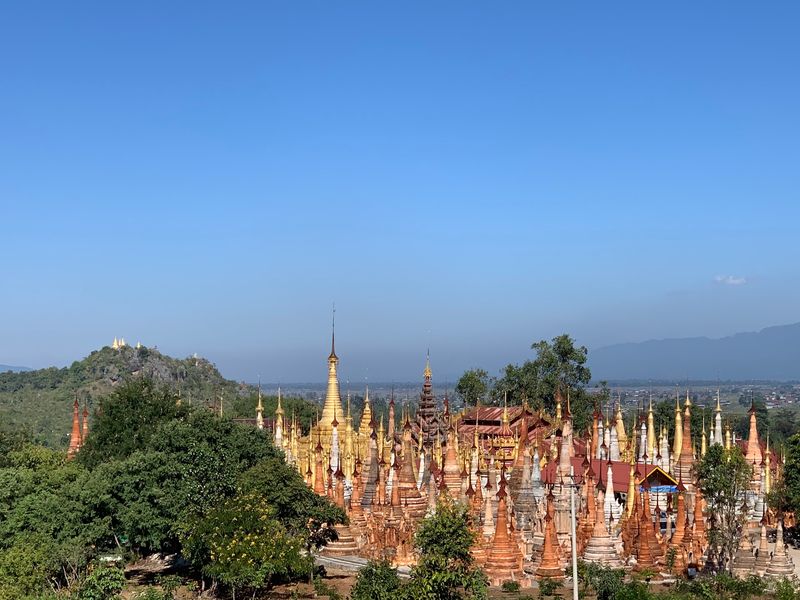
Some call it a mini Bagan, and the nickname fits. You get the same stupas-galore feeling, only closer to the lake and often much calmer.
Timing matters. One traveler said the area is soothing as long as you arrive before the other tourists, while another recommended the afternoon, when the light is better and the crowds thin out.
Another reviewer compared it to a smaller version of Kakku, with a distinct Shan style. That makes it a fun stop if you like comparing Myanmar’s famous temple sites.
Ride with the sun in mind. Late light turns the old brick warm and gold, and shadows between the stupas make photos far more interesting.
Bring water and a hat, then find a quiet corner. You may end up with a whole row of ancient towers to yourself.
Bells, Breezes, and a Quiet Mind
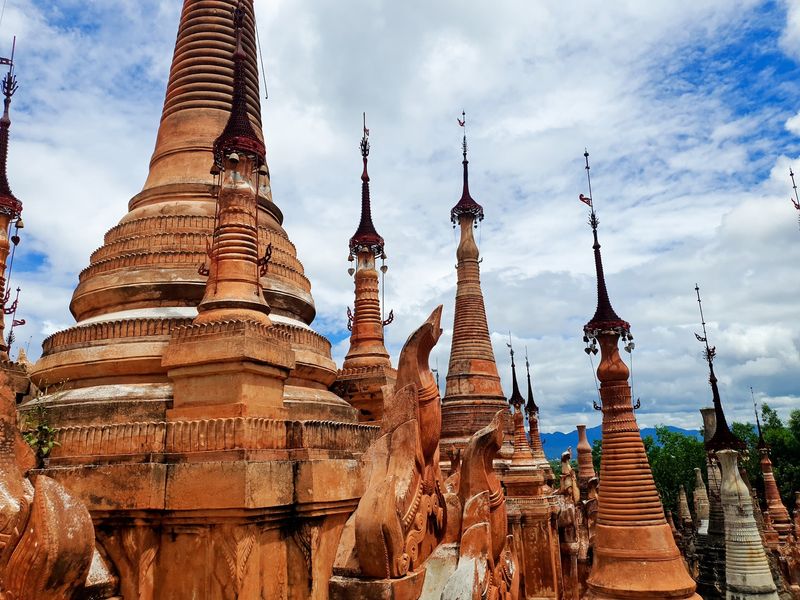
Close your eyes for a second and listen. Tiny bells on the stupas chime in the breeze, and the sound drifts across the hillside like a soft soundtrack.
One visitor called it a true meditation spot for mind and soul. Standing among the temples, the quiet and the gentle ringing really do slow things down.
Another traveler described a nice moment of walking through a calm, religious area. The key is to respect the place by staying quiet and not touching the old stones.
You do not need to be a Buddhist to feel the peace here. Sit on a shaded step, breathe slowly, and let the day pass for a few minutes.
If you want the full effect, go when fewer people are around. Silence makes the bells sound even sweeter.
A Photographer’s Playground
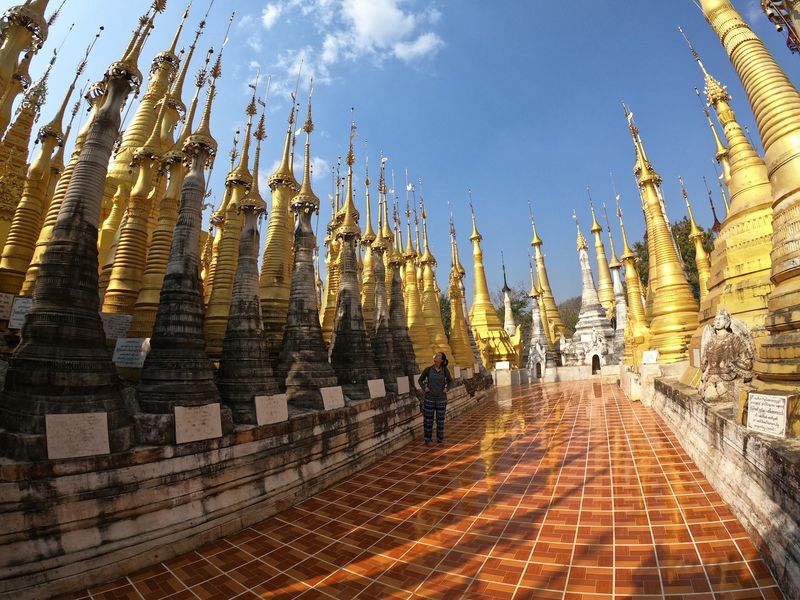
Pack extra memory cards. Reviewers keep calling this an amazing location for photographers, and the Instagram crowd agrees.
The mix of colors, sizes, and conditions gives you endless subjects. Gleaming gold, mossy brick, and leaning towers can all fit in a single frame.
A wide angle lens or a GoPro helps capture the scale, since regular photos often fail to show how many stupas there are. Try playing hide and seek with the sun, as one visitor put it, by framing shots through gaps between the towers.
Remember that the site charges a small camera fee in some reports, around 500 kyat, though some visitors say no one asked. Be ready just in case.
Walk to the hill beyond the main group for a wider view. From there you can photograph the stupas, Indein village, and the mountains in one go.
Planning Your Visit the Smart Way
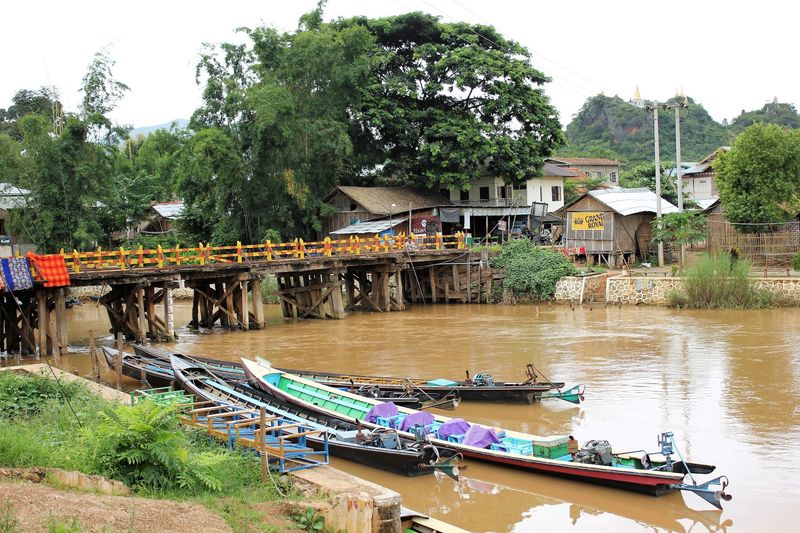
A little prep saves money and time. Indein sits about 8 kilometers west of the south tip of Inle Lake, and boats are the easiest way to reach it.
Book through a hotel or travel agent, or negotiate at the pier. Confirm the stops and duration before you set off.
Costs reported by visitors vary. One traveler paid about 5,000 kyat per person for the boat ride, while hiring a car from the jetty was said to be pricey, so a motorcycle or bike taxi is a cheaper choice.
Entrance has been described as free, with a small camera fee in older reviews. Prices change, so treat these numbers as a guide.
Another option is a bike tour from Aungpan near Kalaw, followed by a boat trip to Nyaungshwe. It gives you two very different views of the lake in one day.
Views from the Top and a Second Hill
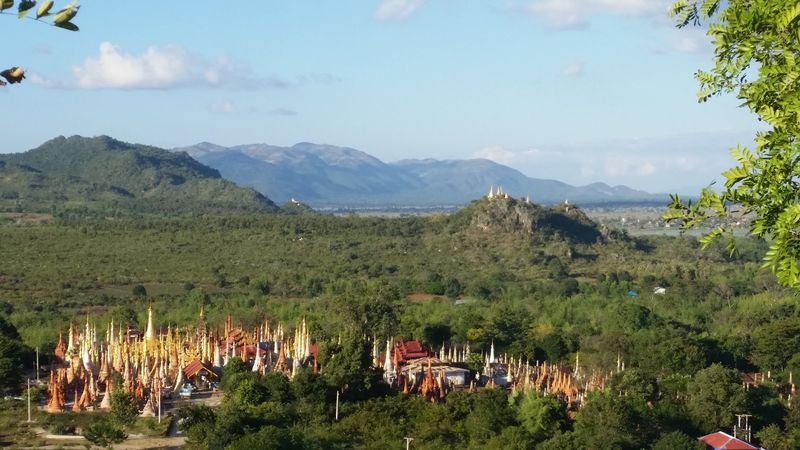
Your legs will thank you for the climb once you see the view. From the top of the hill you can look out over Indein village, the stupas, and the mountains behind them.
One visitor suggests walking through to the other side of the site. You will see a golden stupa on a small hill, and a road to the right leads up in about seven minutes.
The reward is a lovely overlook across the whole stupa field. It is a spot many people skip, so you may have it nearly to yourself.
Do not rush the exit, either. On the far side of the long market you can find some quite old stupas and pagodas that most visitors never notice.
Leave yourself two or three hours overall. The extra time lets you wander, rest, and enjoy the scenery without checking your watch.
Share this story