Long before light switches, every home needed someone who knew how to make a candle. Families saved fat and beeswax, twisted their own wicks, and dipped them again and again until a usable candle took shape.
That skill never fully disappeared. Small workshops around the world still make candles by hand, using methods that are hundreds of years old.
Some are run by the seventh or eighth generation of the same family. Others sit inside an old fire station, a craft village, or a working farm.
In the pages ahead, you will meet a Japanese master who uses wax from tree berries, Mexican artisans who build candles taller than most adults, and a Welsh carver who has been at it for more than 35 years. You will also learn which places let you dip your own candle, which ones need a reservation, and which ones you can simply drop in on.
Consider this your wick-ed good guide to the world of real waxmaking. Grab a notebook, because a few of these spots might end up on your travel list.
1. Mishima Japanese Candle Shop, Hida, Japan
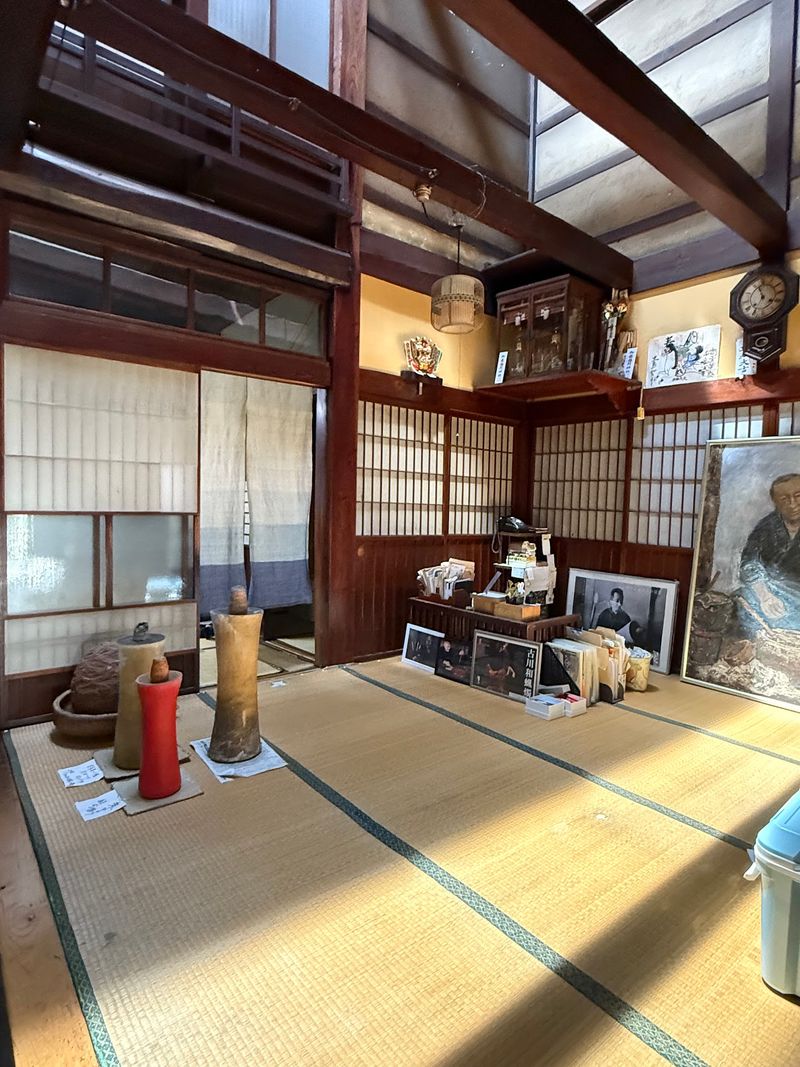
Seven generations is a long time to keep one recipe going. Junji Mishima, the current owner, now works alongside his son in this shop that has made candles for more than 240 years.
The candles here are called warosoku. They are fully plant-based, made from wax that comes from the fruit of the wax tree.
Many of them go to Buddhist temples, where animal products are not allowed. That is why beeswax and animal fat never enter the picture.
The wick is the clever part. It is hollow and made from the pith of rush grass, which helps the candle burn slowly with very little smoke.
These candles also resist breezes and do not drip, which makes them practical as well as pretty.
Visitors can sometimes watch the owner at work. Production follows the shop schedule, so a live demonstration is never guaranteed.
Plan a flexible visit to Hida-Furukawa and stop by more than once if you can. Buying a candle or two is a nice way to support a craft that has lasted centuries.
2. Matsui Japanese-Style Candle Atelier, Okazaki, Japan
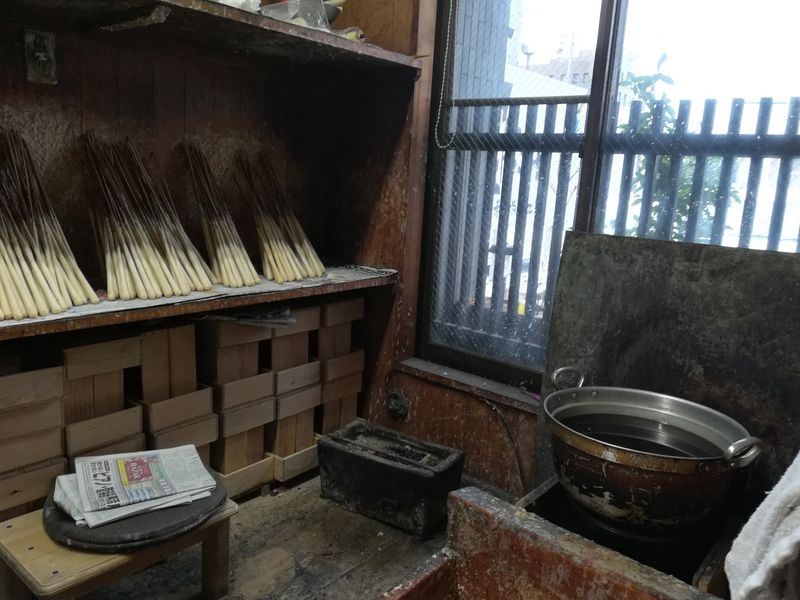
Patience is the main ingredient at this Okazaki studio. Traditional Japanese candles here are built up through many repeated coats of natural wax, one layer at a time.
Okazaki has a long link to candle making, and this specialist workshop keeps that local craft in steady practice.
Reserved studio experiences give visitors a closer look at the steps behind each candle. You learn how the wax is applied and why rushing the process does not work.
Then comes the fun part. Guests get to paint their own designs onto traditional candles.
Flowers, seasonal symbols, and simple patterns are popular picks. You do not need to be an artist, since even a few brushstrokes make the candle feel personal.
The finished pieces make far better souvenirs than another fridge magnet. They also come with a story you actually took part in.
Book ahead, because these sessions require a reservation. Pair your visit with Isobe Warosoku, which is in the same city, for a full day of Japanese candle craft.
3. Võhma Valgusevabrik, Võhma, Estonia
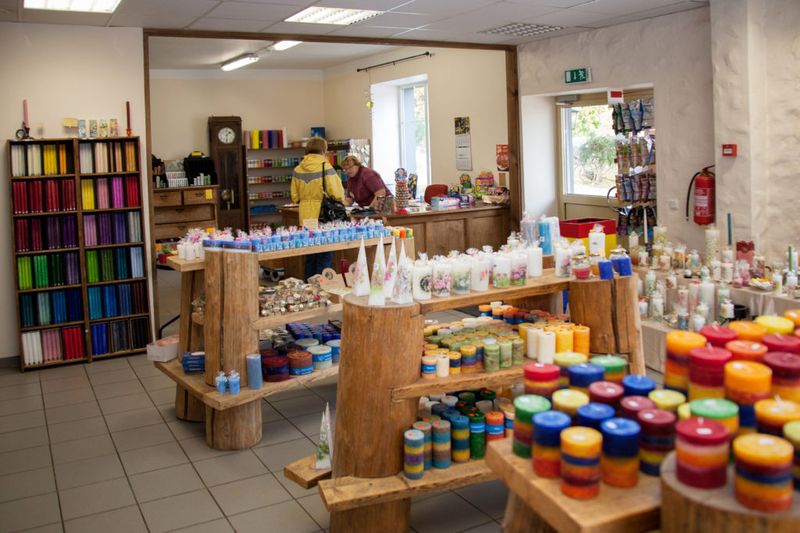
A candle factory with its own mini zoo is not something you find every day. Võhma Valgusevabrik, in central Estonia, offers exactly that, plus an outdoor playground.
Guided factory tours run daily by prior reservation. Each tour lasts about one hour and works well for all ages.
Guests see the production floor where candles are made. Then the tour moves to the artists’ studio, where decorated wedding and anniversary candles are finished by hand.
Watching an artist paint fine details on a candle is a highlight for many visitors. It shows how much work goes into a single gift item.
Every guest also pours a candle of their own. A skilled artisan guides the process, so beginners do not need any experience.
After the tour, visit Kihvt Galerii, the on-site shop. It sells painted candles, ceramics, and home décor.
Families should leave extra time for the animals and playground. Kids tend to treat the visit as a bonus field trip, and parents rarely complain.
4. Velas San Pascual, Teotitlán del Valle, Mexico
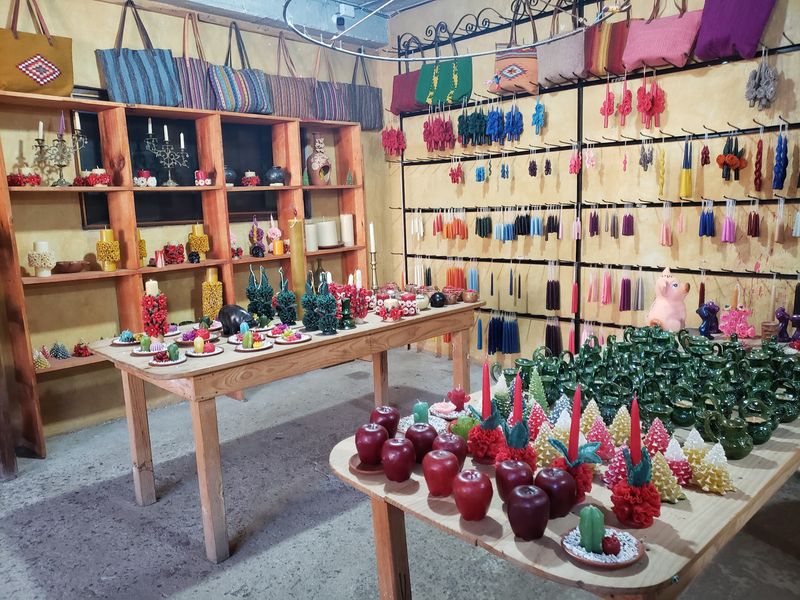
Some candles here stand nearly six feet tall. That makes them taller than many of the people who come to see them.
Velas San Pascual is a family-run workshop in Teotitlán del Valle, a Zapotec village in Oaxaca. The family keeps alive a local tradition of ceremonial beeswax candles.
The decorations are the real showstopper. Artisans press beeswax into wooden and clay molds to form flowers, fruits, and birds.
Those small pieces are attached to the candle one by one. A large candle can carry dozens of them.
These candles are not made for everyday use. They play a key role in local weddings and religious celebrations, and families often carry them in processions.
Visitors can watch free demonstrations and ask how each design is chosen. The artisans often explain what the candles mean in village life.
Teotitlán del Valle is also famous for weaving, so plan a half day in town. Bring cash if you would like to buy a small decorated candle.
5. Hongler Kerzen, Altstätten, Switzerland
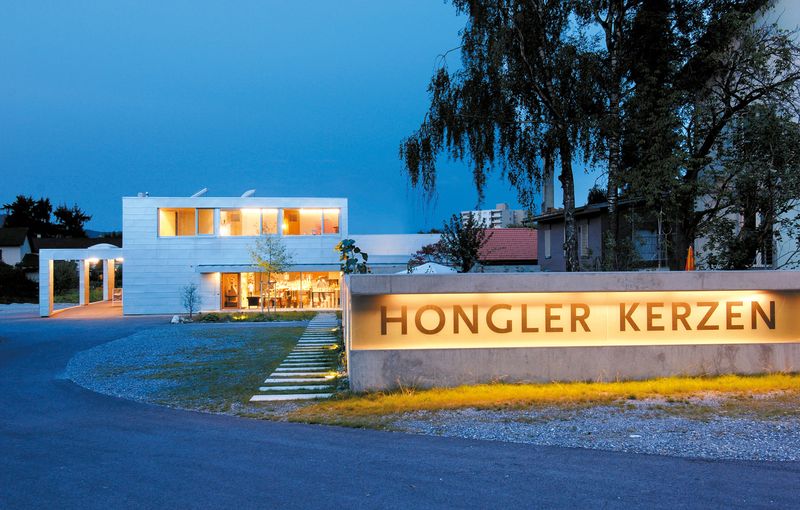
The year was 1703 when the Hongler name first appeared in local parish records. More than 300 years later, the family is still making candles.
Hongler Kerzen is Switzerland’s oldest candle maker. Today the eighth and ninth generations run the business.
The company sticks with traditional methods and uses regional wax. Quality and long burn time matter more here than speed.
Free public tours last about 30 minutes. They mostly happen on Wednesday afternoons in November and December, and guests can see historic candle-drawing machines.
Groups of 10 or more can book a paid tour. It adds a presentation on the history of wax and candle making.
Seasonal candle-dipping sessions are offered too. Book early, since all tours for November and December 2026 are already full.
The shop in Altstätten is large and well stocked. Look for liturgical candles, which in Switzerland must contain at least 55 percent beeswax, a fun fact worth sharing.
6. Casa Viviana, Teotitlán del Valle, Mexico
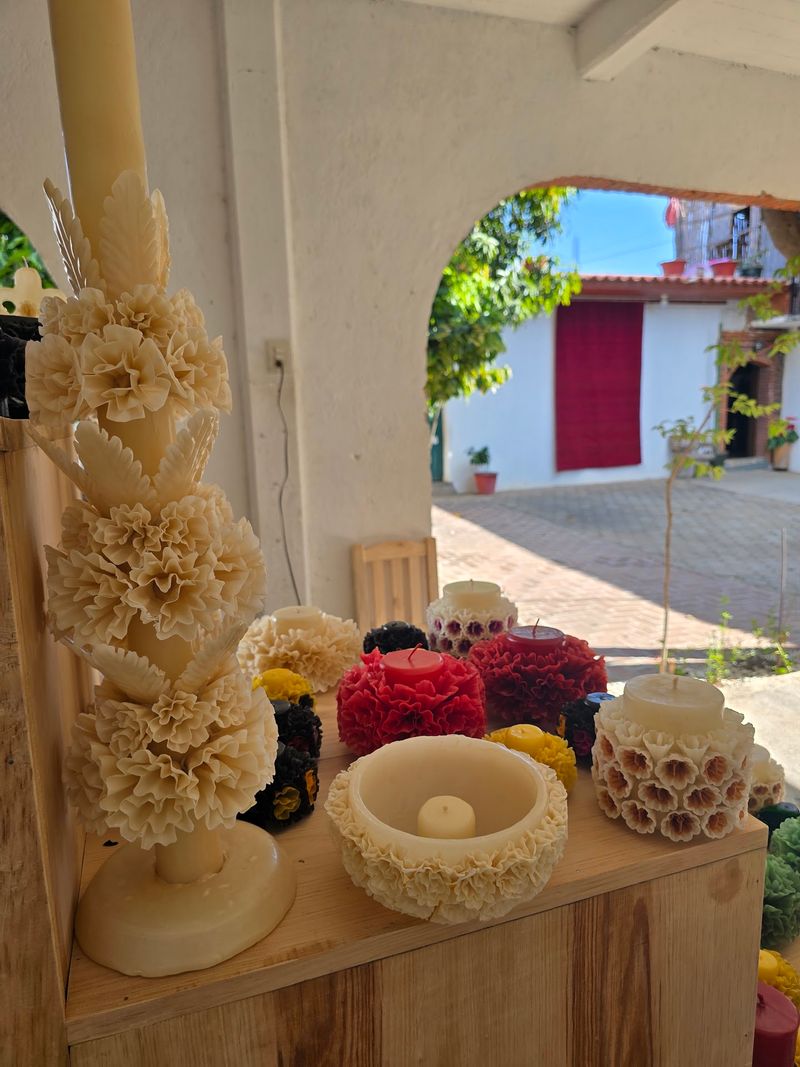
Bouquets are usually made from fresh flowers. At Casa Viviana, they are made from beeswax and attached to ceremonial candles.
This family workshop sits in the same Oaxacan village as Velas San Pascual. Visiting both shows how each family brings its own style to a shared tradition.
The process starts long before any shaping begins. The family prepares the beeswax, colors it, and then molds it into petals and leaves.
Each candle can take many hours of careful work. The flowers are layered so the finished piece looks full and balanced.
Guided experiences explain why these candles matter in Zapotec culture. You will hear about their place in celebrations and community events.
Visitors also try shaping decorative pieces by hand. Your first wax petal may look more like a potato chip, and that is completely normal.
Ask questions about color choices and symbols. The answers often reveal family history you will not find in a guidebook.
7. The Candle Studio at Corris Craft Centre, Corris, Wales
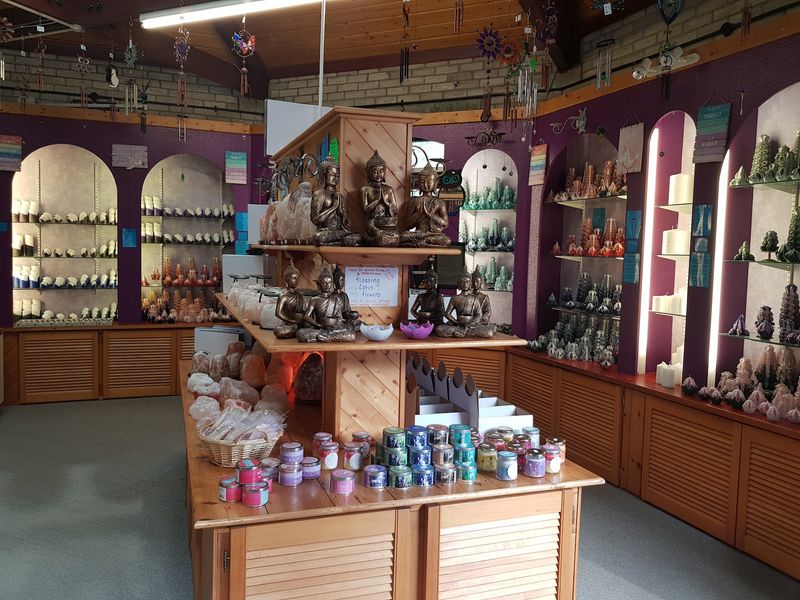
Kym Francis taught himself to make candles. He learned by reading, testing ideas, and asking other candlemakers for tips.
That was more than 35 years ago. Today he is a regular sight at The Candle Studio inside Corris Craft Centre in Wales.
Hand-carved candles are his specialty. He also makes scented candles, novelty pieces, and seasonal ornaments.
Welsh pride shows up in his work too. Look for custom designs featuring dragons and daffodils.
Visitors can watch Kym working on most days. He carves designs into layered wax to reveal bands of color.
Guests can also make their own tapered candles. You dip a wick into several colors, which takes about 15 minutes, and the candle needs another 15 minutes to set.
The activity costs £9.50 per person. Booking ahead is smart during school holidays and other busy times.
The craft centre has other studios as well, so the waiting time passes quickly.
8. Lorelei Candles, Gatlinburg, Tennessee
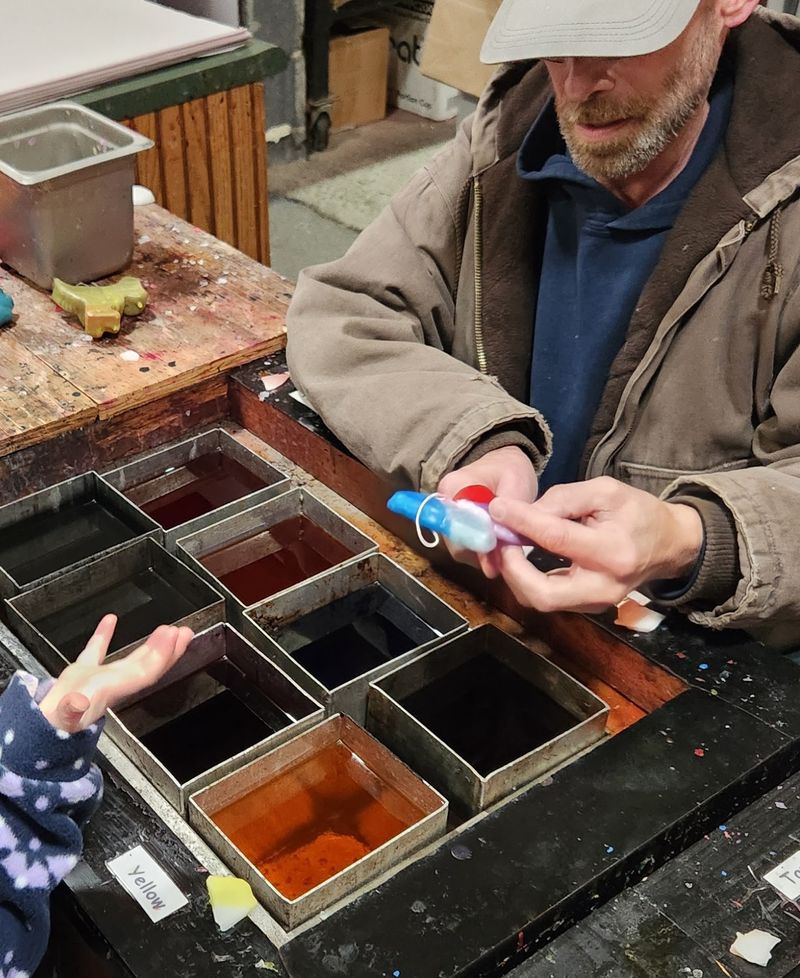
Bears are everywhere in the Smoky Mountains, including on the shelves at Lorelei Candles. Some are made of wax and will not raid your picnic basket.
This shop has been hand-making candles since 1979. It belongs to the Great Smoky Arts and Crafts Community near Gatlinburg.
The workshop uses its own molds to create figures like bears and eagles. It also makes a full line of traditional candles.
Many candles are dipped in several colors to build layers. Workers then carve them to show detailed patterns, as seen on their wedding candles.
No appointment is needed to watch candlemaking. You can also dip your own candle or design a wax vessel with granular wax.
Classes for jarred and poured candles are available too. Participants pick colors and glazes to make each one unique.
The shop guarantees its candles will not melt in transit. That promise matters if you are driving home in a hot car.
9. Lyspunkt, Balle, Denmark
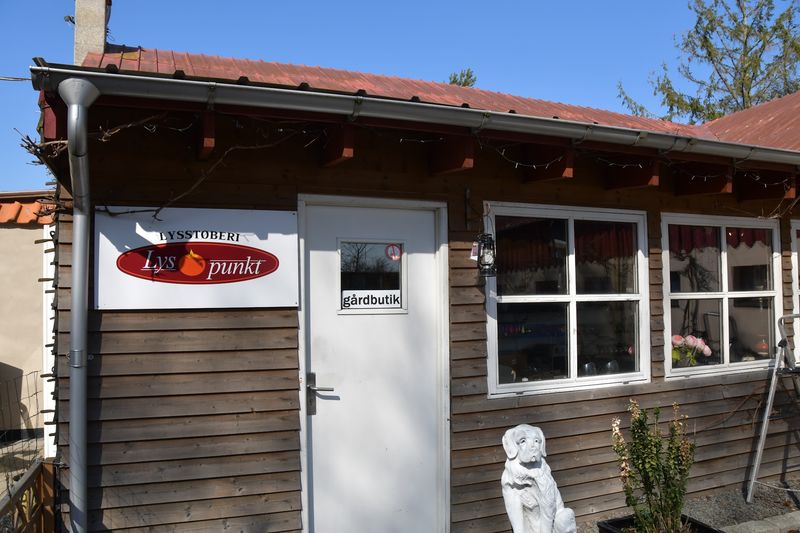
Danes are famous for loving candles, and small workshops like Lyspunkt help explain why. It is a cozy spot in Balle, not far from Aarhus.
The focus here is on hand-dipped and hand-cast candles. Both methods take time and a steady hand.
Dipping builds a candle in thin layers. Casting means pouring wax into a mold and letting it set.
The workshop is open to visitors who want to learn these techniques. Staff show how each step affects the final shape.
Mosaic candles are the big draw. Guests arrange pieces of colored wax to create bright, patchwork designs.
Every mosaic candle turns out different. That makes it a good activity for kids and adults who like to experiment.
Next door, a farm shop sells finished candles, lanterns, and handicrafts. It is a good stop for gifts.
Check opening hours before you go, since small rural workshops can keep seasonal schedules.
10. Blåvand Lys, Blåvand, Denmark
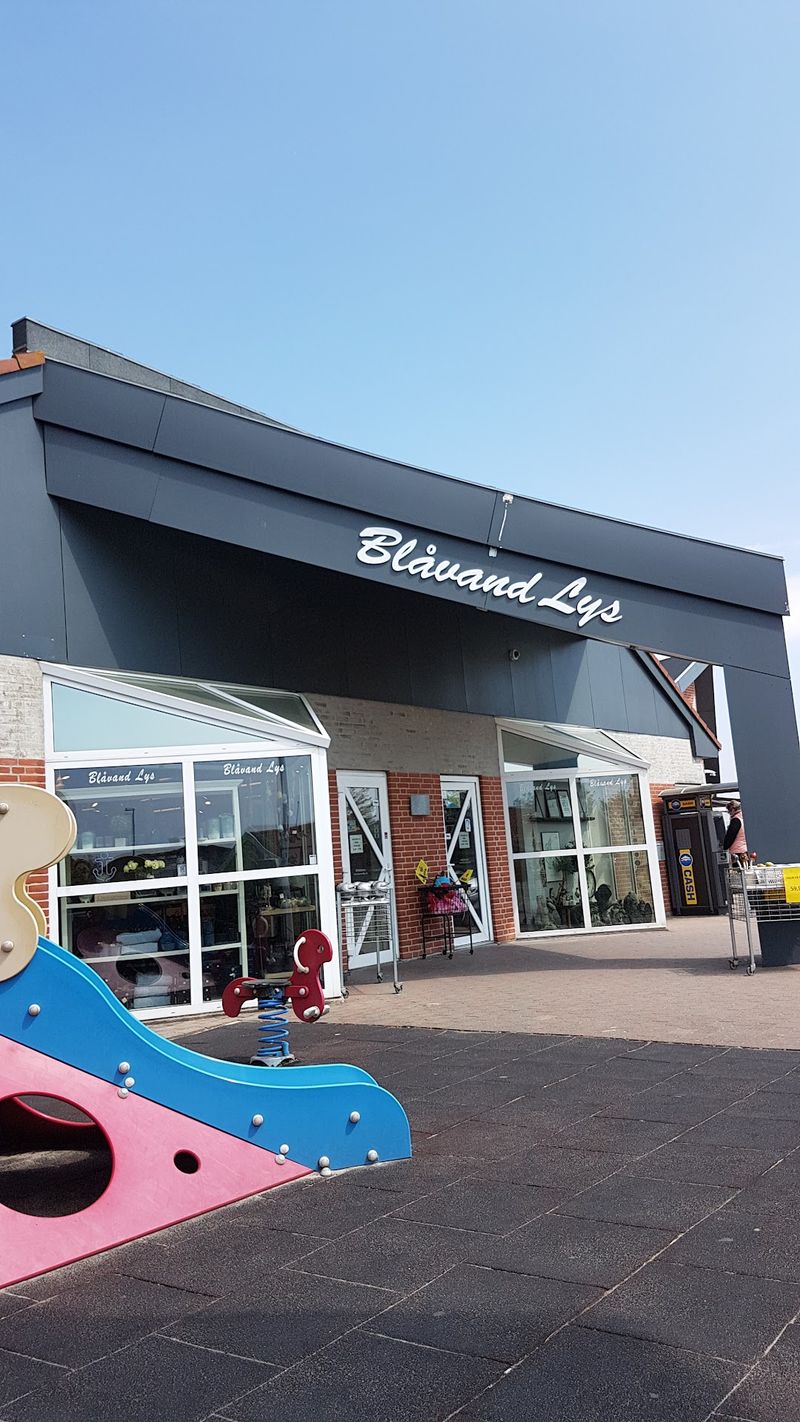
Lace candles are the quirky star of this coastal workshop. As they burn, the outer edges stay behind and form a patterned shell.
Blåvand sits on Denmark’s west coast, near beaches and a well-known lighthouse. Many families stop at Blåvand Lys during a seaside holiday.
Traditional candle making is part of daily business here. Visitors can see that the old methods are still the main way things get done.
One of the best lessons is watching how dipping works. A thin wick slowly grows thicker with each trip into the wax.
Guests can test this for themselves. You choose colors and dip your own candle, adding layers until it reaches the size you want.
Try switching colors between dips. The layers show up as rings if the candle is later cut or carved.
Rainy beach days are a good time to visit. The workshop gives you a fun indoor activity with a souvenir at the end.
11. Åre Ljusfabrik, Undersåker, Sweden
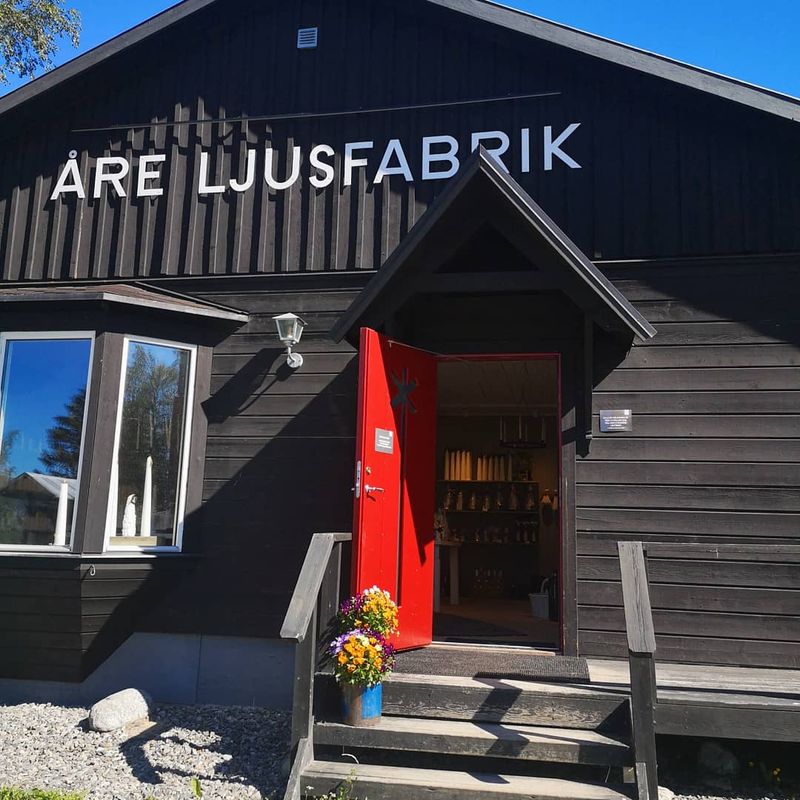
Fire stations are built to stop flames. This one in Undersåker now produces thousands of candles instead.
Åre Ljusfabrik opened in 1990 under Magnus and Sara Wennergren. Since 2017, Elisabeth and Johan Hallbäck have run the family business.
Elisabeth first visited the factory in 1995. Years later, she ended up owning it.
The factory makes only white candles. They come in many shapes, including icicles and snowballs that fit the snowy region well.
A specially built rotating machine dips wicks over and over. Each turn adds another thin layer of stearin.
Workshops let visitors make eight antique-style candles, each 30 cm long. Sessions last about an hour and take up to eight people.
Registration is by email. Workshops run on set days such as Tuesdays, Fridays, and Sundays during certain periods.
The shop also sells candle holders and home décor. It is an easy stop on the way to the Åre ski area.
12. Ulve-Lys Candlelight Factory, Hals, Denmark
Christmas lasts all year in one corner of Ulsted. The Ulve-Lys Candlelight Factory keeps a permanent holiday exhibition that visitors can explore any season.
This small workshop sits in a quiet village in the Hals area of northern Denmark. It makes handmade candles in a wide range of colors.
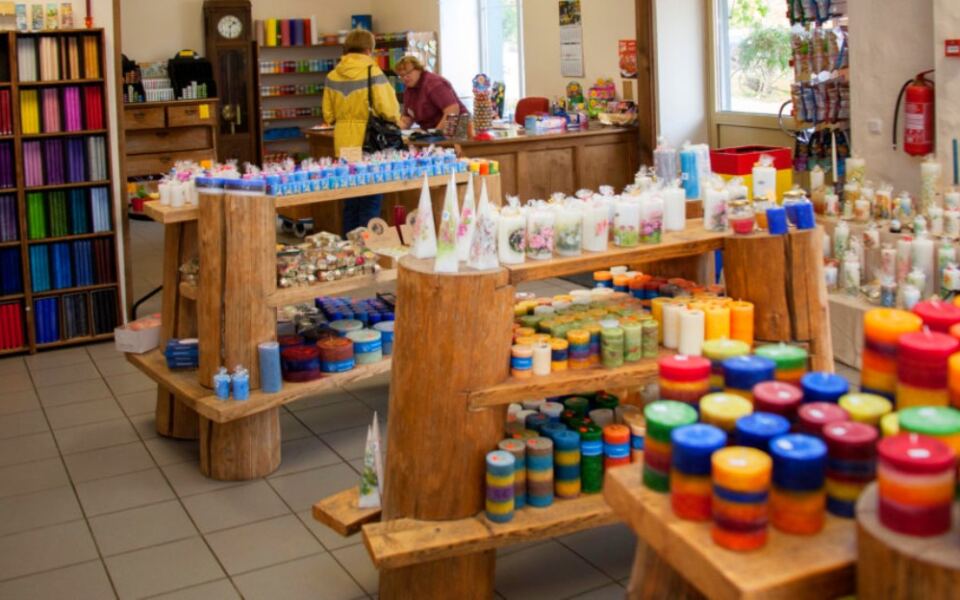
The color selection is part of the appeal. Shelves show how many shades a simple candle can come in.
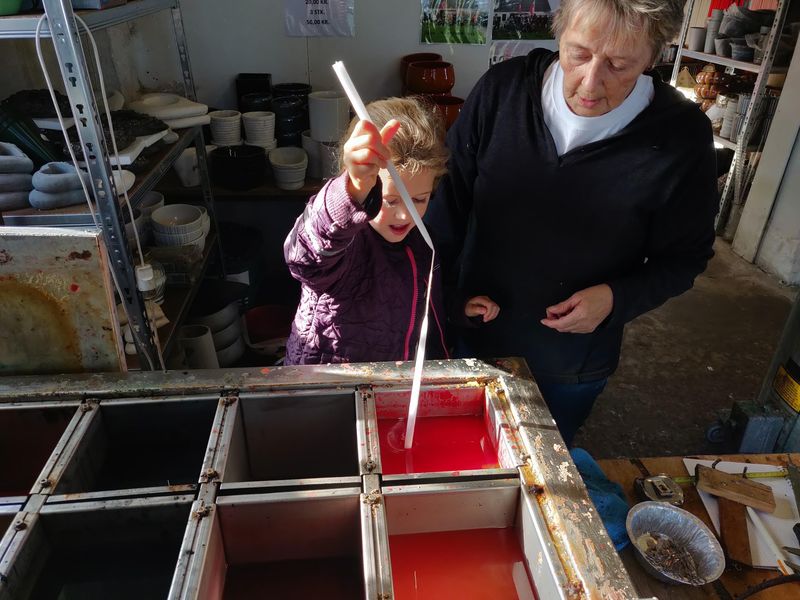
Summer is the busiest time for families. Special sessions teach traditional candle dipping to kids and parents.
Participants dip their own candles and take them home. It is a simple activity, but children often remember it long after the trip ends.
The Christmas display is a nice extra. It features festive decorations and candles that show how Danes celebrate the season.
Small factories like this often have limited hours. Call or check online before driving out, especially outside the summer months.
Share this story