Most travelers zoom through Guatemala City on the way to Antigua or Tikal. That is a mistake, because the capital hides a story that reaches back more than 2,000 years.
Ancient Maya mounds, old churches, grand plazas and lively museums all sit within a short drive of each other. Ready to see what the skipped stop has to offer?
Kaminaljuyú Archaeological Park
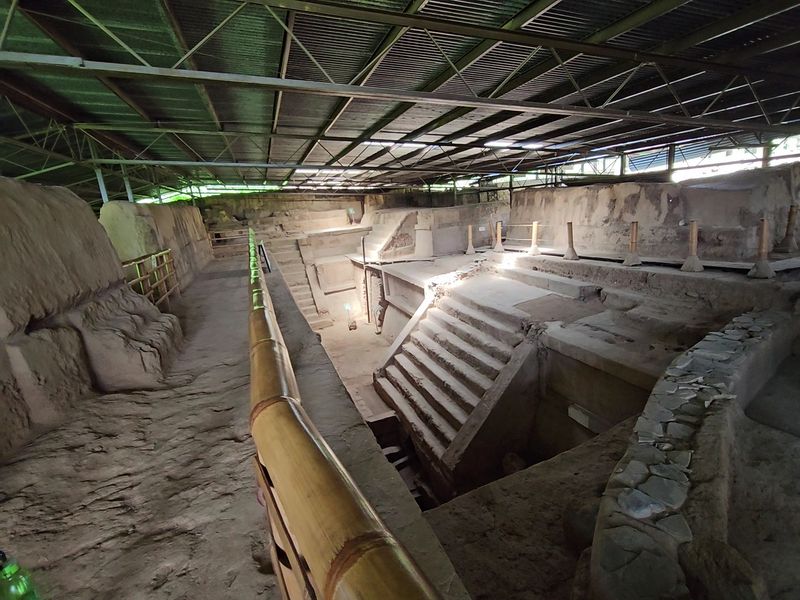
Picture a pyramid made of mud, sitting quietly between city houses. That is Kaminaljuyú, one of the most important ancient Maya settlements in the Guatemalan highlands.
Farmers first settled here around 1100 to 1000 BC.
Over time, the village grew into a powerful political and ceremonial center. Archaeologists have found burial chambers, carved monuments and signs of busy trade routes.
Obsidian, a sharp volcanic glass, was one of the most valued goods.
Here is the twist for travelers who expect Tikal. Many buildings at Kaminaljuyú were made from earth and clay, not stone.
That means the mounds look like grassy hills at first glance, so a little imagination helps.
Modern development swallowed much of the original city. Still, the protected park lets you stand on land people used for more than 2,000 years.
Wear comfortable shoes, bring water and plan to pair your visit with a stop at the nearby Miraflores museum. Together they make the ancient story much easier to follow.
Museo Miraflores
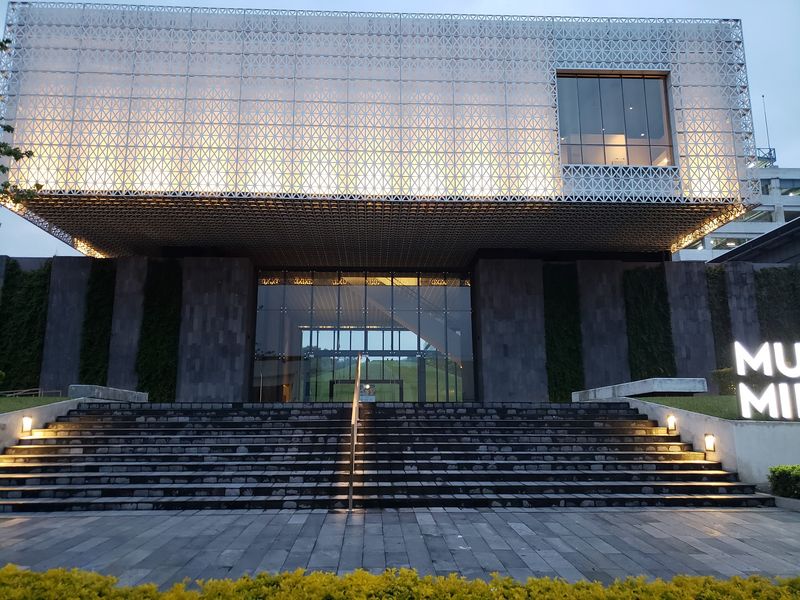
Obsidian tools, shell jewelry and carved stone all under one roof. Museo Miraflores in Zone 11 was built to protect and explain the treasures of Kaminaljuyú.
It is a smart first stop if the nearby mounds leave you with questions.
The collection spans more than two thousand years. You will see stone sculptures, ceramics, bone objects and delicate ornaments made from shells.
Each piece hints at how people lived, worked and traded.
Interactive exhibits make the history easy to follow, even for younger visitors. They show how the ancient community organized itself, grew crops and joined regional trade networks.
It feels more like a guided story than a dusty display.
Step outside and you will find an archaeological park with three ancient mounds. Seeing real artifacts inside and real structures outside is a rare combo.
Give yourself an hour or two, and try visiting before the afternoon heat sets in.
National Museum of Archaeology and Ethnology
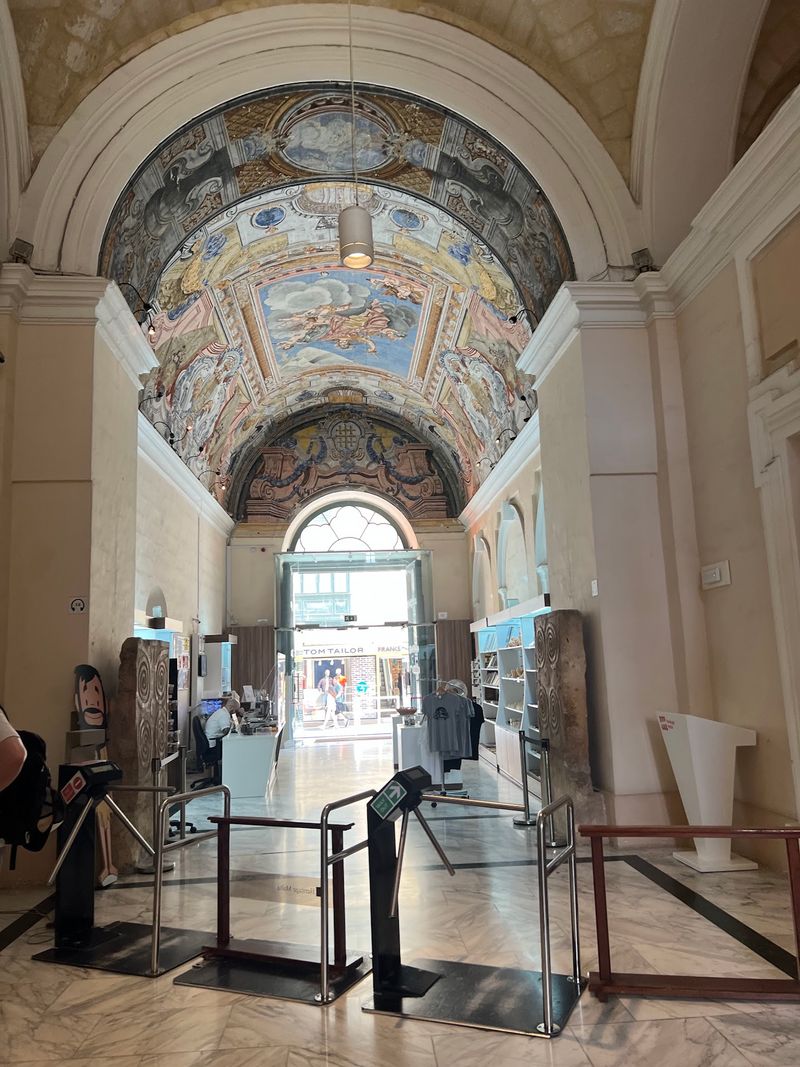
Can’t make it to every ruin in Guatemala? This museum in Zone 13 brings the greatest hits to you.
Founded in 1931, it gathers thousands of archaeological and ethnographic objects from across the country.
Expect towering Maya stone sculptures, ceremonial objects and finely painted pottery. These pieces show the artistic skill that flourished across Mesoamerica long before Europeans arrived.
Some carvings are so detailed you will want to lean in for a closer look.
The ethnographic rooms carry the story forward. They explore colonial times and the living traditions of Indigenous communities today.
That mix helps you see that Maya culture did not disappear, it kept growing.
A smart tip is to visit early, when the halls are calm and the light is soft. Take your time with the labels, since many explain how objects were used.
By the end, the country’s cultural variety makes far more sense, and your next trip planning gets easier too.
Museo Popol Vuh
The name comes from a sacred K’iche’ Maya story about the creation of the world. Museo Popol Vuh sits on the Universidad Francisco Marroquín campus in Zone 10.
Inside, two big chapters of history share the same walls.
One side shows ancient Maya ceramic vessels, sculptures and ceremonial pieces. They reveal both artistic skill and deep spiritual beliefs.
The other side holds colonial paintings and religious statues made after the Spanish conquest.
Walking from one room to the next, you can spot how styles and ideas changed. Christianity arrived, yet older traditions left their mark too.
It is like watching two eras talk to each other without saying a word.
Myth lovers will have a great time here. Craft fans will enjoy the fine details on every object.
Best of all, the museum is small enough to explore without rushing, so you will leave curious instead of tired.
Ixchel Museum of Indigenous Dress
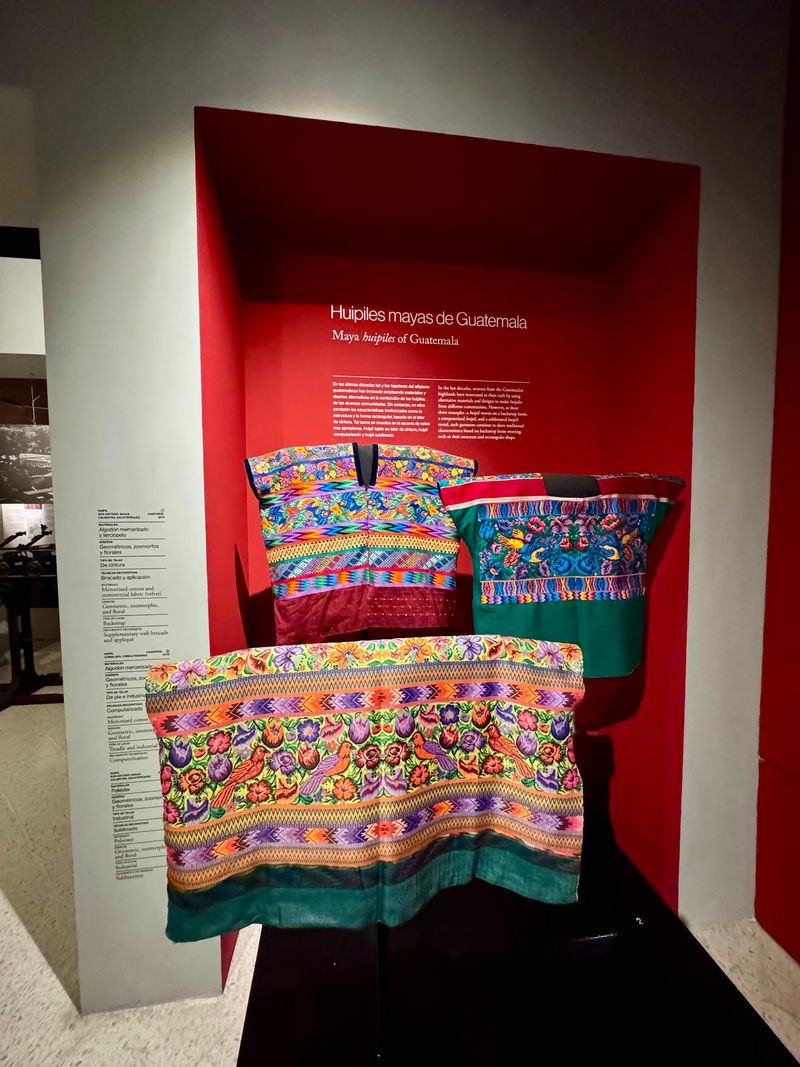
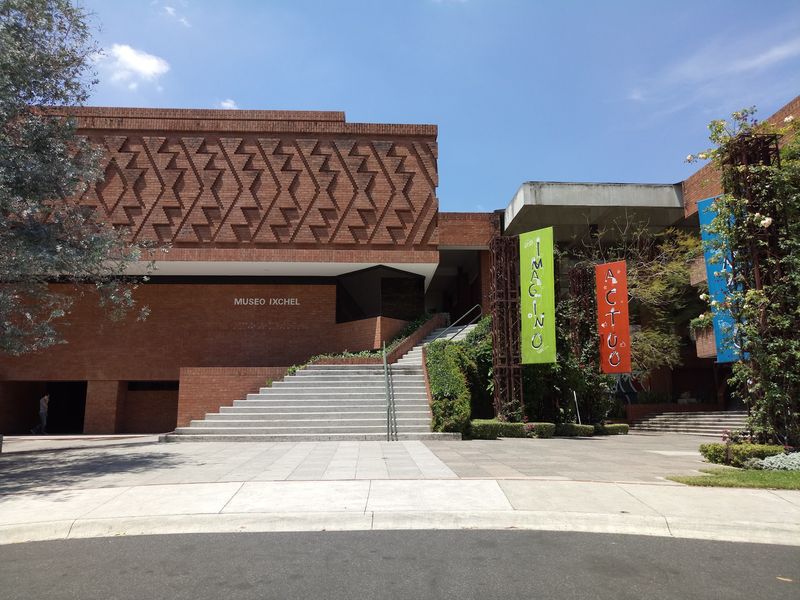
Threads can tell stories, and this museum is full of them. The Ixchel Museum holds more than 7,800 original textiles from communities all over Guatemala.
You will see ceremonial clothing, embroidered garments and traditional woven cloth.
The permanent exhibits trace weaving traditions back to pre-Hispanic times. Most of the actual garments on display date from the 19th century and later, since cloth rarely survives for ages.
Still, the designs link directly to much older customs.
Look closely at the colors and patterns. Each region has its own look, and these details can show where a person comes from and what community they belong to.
Once you learn to read them, markets around the country become much more interesting.
The museum stands right beside Museo Popol Vuh, so visiting both in one outing is easy. Together they show how Indigenous heritage belongs to the present as well as the past.
Bring a camera if photography is allowed, but check the rules first.
Cerrito del Carmen
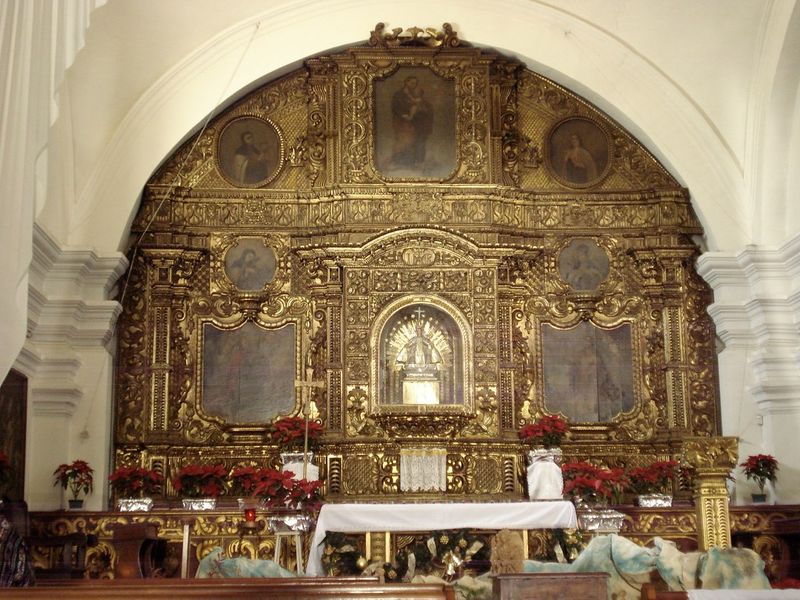
Long before Guatemala City was the capital, a little white chapel was already waiting on a hill. Cerrito del Carmen dates to the early 17th century.
Back then, the surrounding valley was mostly open land.
The sanctuary became a key landmark in the Valle de la Ermita, the area where the new capital would later rise. That makes it a bit like the city’s original neighbor.
Its simple architecture and religious artwork show how modest early colonial life could be.
Today, gardens and walking paths wrap around the chapel. The city hums below, but up here the mood is calm.
It is a lovely place for a slow stroll and a few photos.
Visit in the morning for cooler air and softer light. Wear shoes that handle a little uphill walking.
If you want to understand where Guatemala City began, this hilltop is a great place to start.
Metropolitan Cathedral
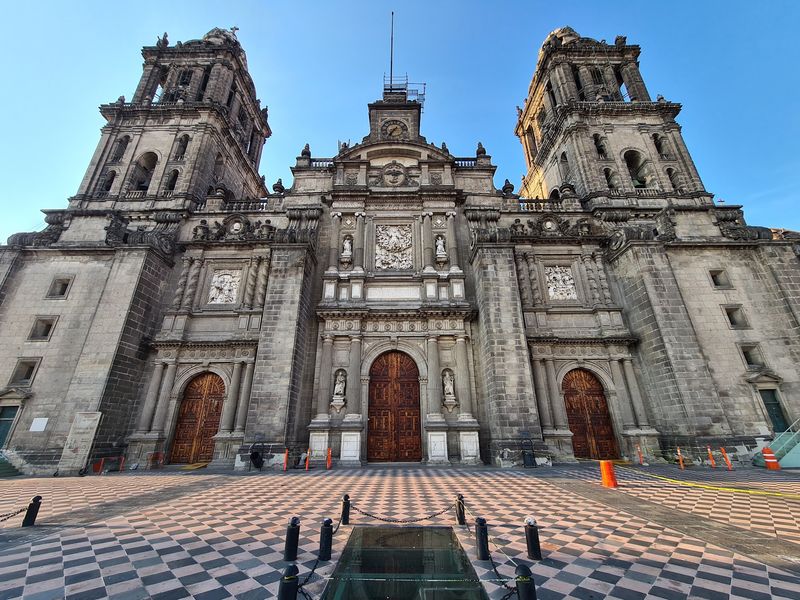
Earthquakes have shaken this cathedral many times, yet it still stands tall. The Metropolitan Cathedral rules the eastern side of the Plaza de la Constitución.
Construction began in the late 18th century, after the capital moved from Antigua.
Its neoclassical design reflects the tastes of that time. Inside, you will find paintings, sculptures and devotional objects that came from the old capital, Santiago de Guatemala.
They carry artistic traditions that traveled across the valley with the people.
Repairs and rebuilding have been a regular part of the cathedral’s life. Each round of restoration adds another layer to its story.
It is a survivor in the truest sense.
Look at the exterior too. Memorials there honor victims of Guatemala’s internal armed conflict.
That detail links colonial religious heritage with the nation’s more recent history, and it deserves a quiet moment of attention.
Plaza de la Constitución
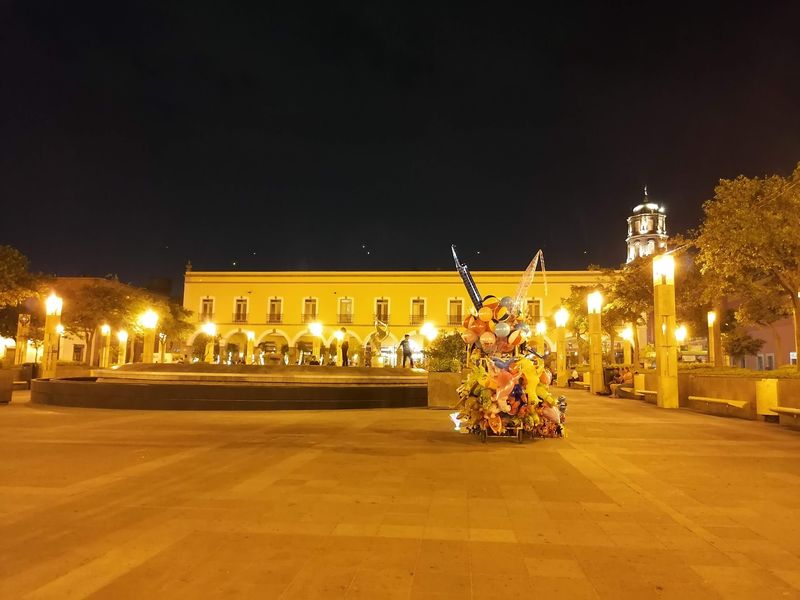
Pigeons, vendors, families and flag-waving crowds: this square has seen it all. The Plaza de la Constitución has been the symbolic heart of Guatemala City since the capital was founded in 1776.
Spanish planners placed it at the center on purpose.
Colonial design put religious, government and trade buildings around one open space. Many surrounding buildings have changed over the years.
Even so, the original layout is still easy to recognize.
Today the plaza hosts ceremonies, protests, festivals and plain old Sunday strolls. Stand in the middle and you will find the Metropolitan Cathedral on one side and the National Palace of Culture on another.
Turning slowly in a circle is a cheap history lesson.
Go on a weekend for the liveliest mood. Keep your belongings close, as in any busy city center.
Grab a snack from a nearby vendor and let the people-watching begin.
National Palace of Culture
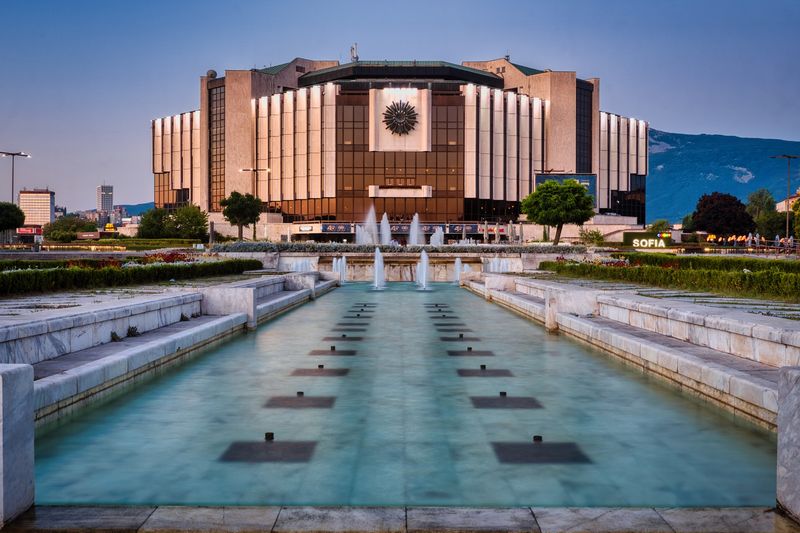
This palace looks old enough to be colonial, but it is actually a 20th century creation. Its designers borrowed heavily from Spanish and Guatemalan building traditions.
The result is a grand structure on the northern side of the Plaza de la Constitución.
Inside, you will find elegant courtyards, carved stonework and colorful stained-glass windows. Large ceremonial rooms feel made for important speeches.
Murals and decorations tell stories about Indigenous heritage and the Spanish conquest.
The building once served as the main seat of government. Now it hosts cultural events and ceremonies instead.
That change gives the halls a relaxed feel, almost like a very fancy museum.
Guided visits are the best way to explore. Guides explain how leaders used architecture and public art to shape national identity long after colonial rule ended.
Check opening hours before you go, since schedules can change for official events.
Iglesia de La Merced
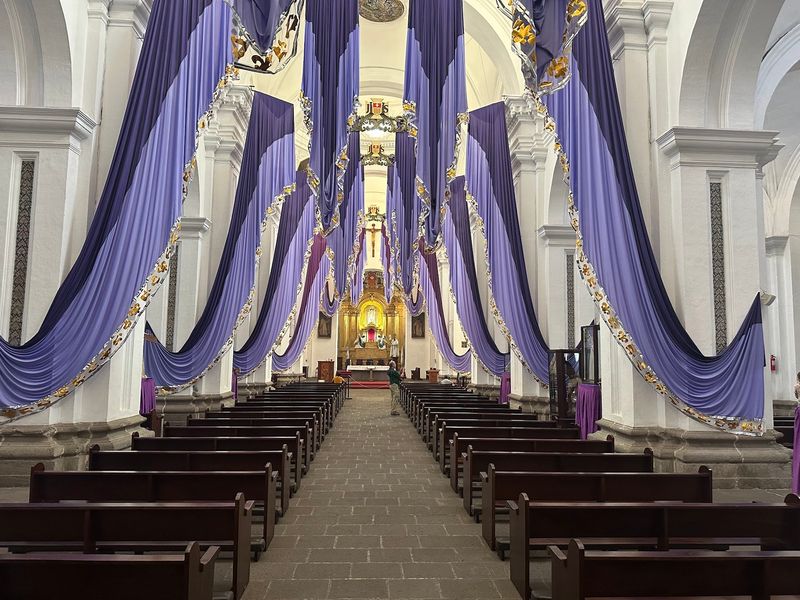
Some of the treasures inside La Merced have traveled farther than most tourists. Religious sculptures and decorative pieces came here from the old colonial capital.
They moved during the big relocation after the 1773 earthquakes.
A temporary church opened in the 1780s. Work on the permanent building began in 1802, and it was inaugurated in 1813.
The style is neoclassical, but the older art inside adds extra character.
One of the most beloved images is Jesús Nazareno de la Merced. It is closely tied to Guatemala’s long Holy Week traditions.
During that season, the church fills with devotion and activity.
La Merced is still a working place of worship, so dress modestly and keep your voice low. Visitors can see how colonial craftsmanship still shapes spiritual life in the capital.
It is history that people use every week, not just admire.
Basilica of Santo Domingo
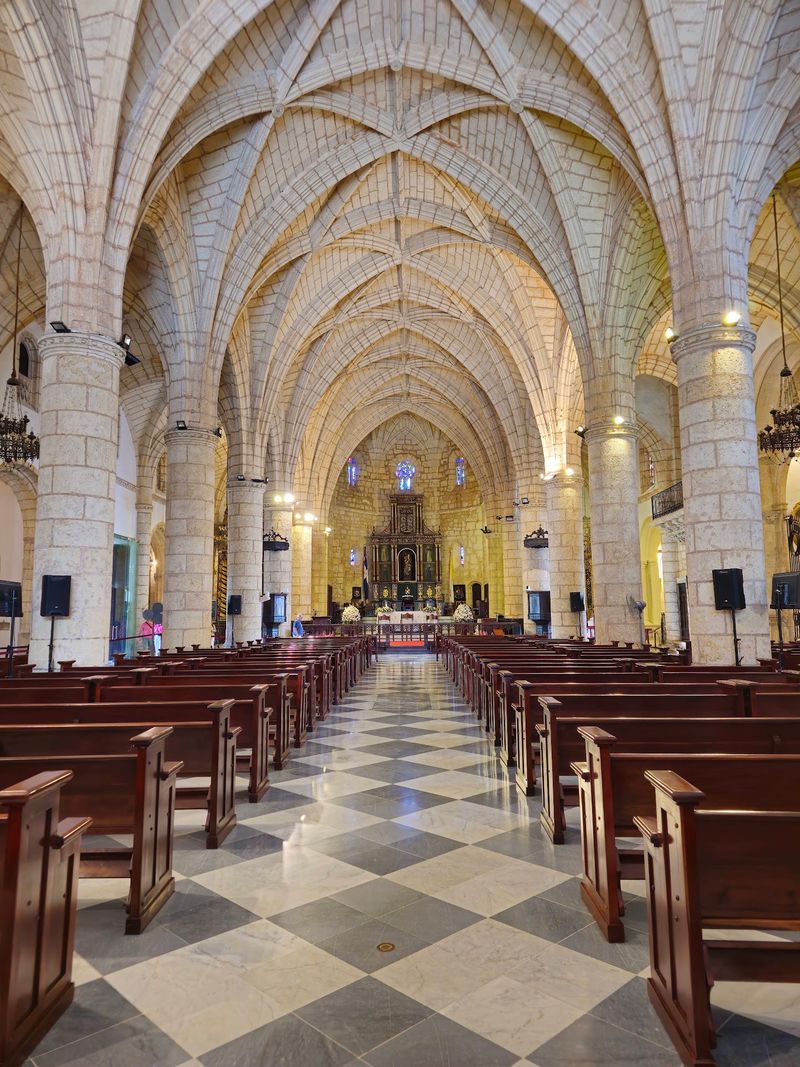
When the 1773 earthquakes wrecked the old capital, Dominican friars packed up and moved. They brought their religious institution to the new city and helped shape its neighborhoods.
The Basilica of Santo Domingo grew from that move.
It became a key center of Catholic devotion. The Virgin of the Rosary is especially important here.
Sculptures, altars and yearly celebrations keep customs alive that stretch across several centuries.
Timing your visit can make it extra memorable. October brings festivities honoring the Virgin, with crowds and music.
Holy Week adds even more processions and activity.
The basilica proves that old religious institutions can stay central to community life. Locals come to pray, celebrate and meet friends.
If you visit on a quiet day, you can study the altars slowly. If you visit on a festival day, bring patience and enjoy the energy.
San Francisco Church
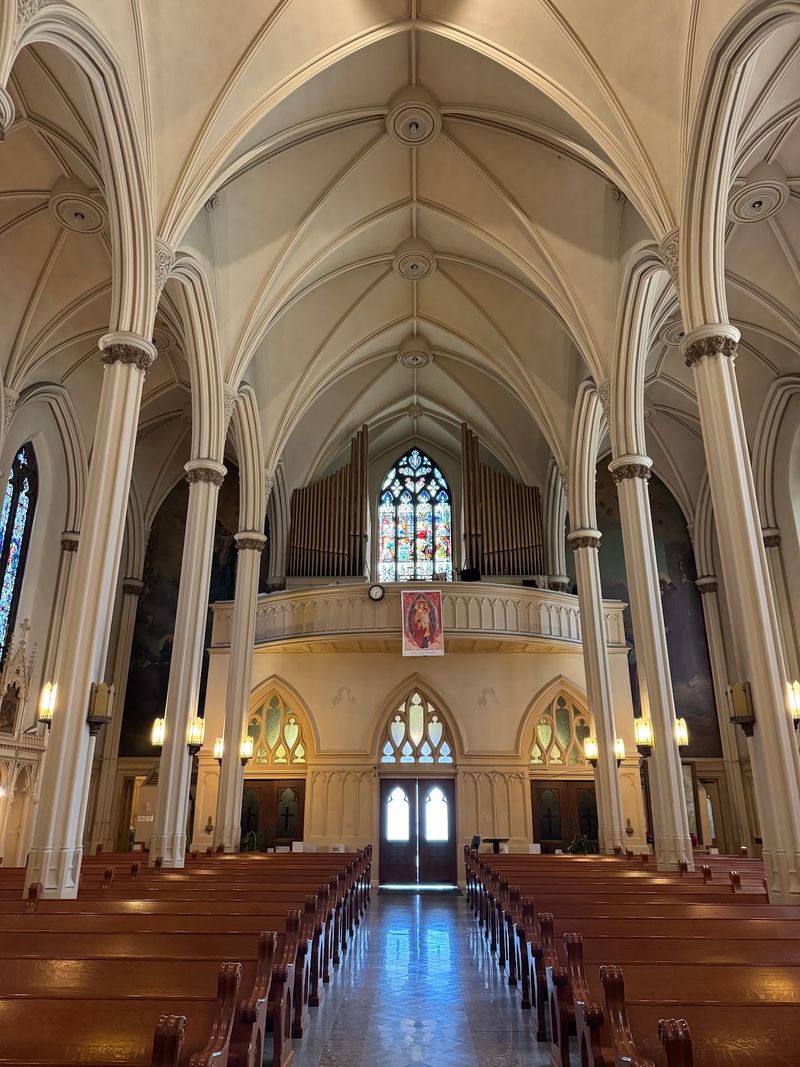
Sixth Avenue is loud, busy and full of shops, and right in the middle sits a calm church. San Francisco Church carries on the legacy of the Franciscan order in the capital.
Work on the permanent building began around 1800.
It was mostly finished by about 1820, close to the end of Spanish colonial rule. The neoclassical front shows the style change that followed the capital’s move from Antigua.
Clean lines replaced the heavier decoration of earlier eras.
Step inside and you will find religious images and quiet devotional corners. The artwork shows how strongly Catholic traditions shaped local art.
Even a short visit gives you a break from the street noise.
The location is a bonus. You can walk from here to markets, plazas and other historic buildings in minutes.
Pair the church with a stroll through the center and you will cover a lot of history on foot.
Museum of the University of San Carlos
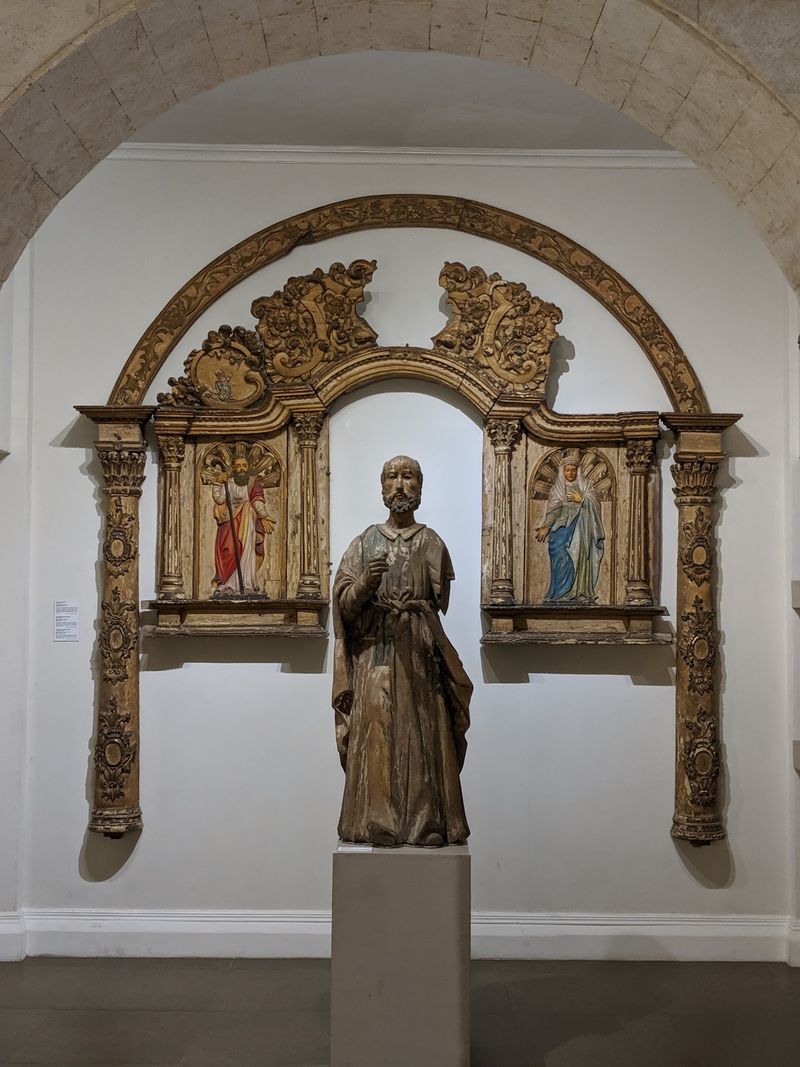
Here is a fun fact for your next trivia night: the University of San Carlos was founded in 1676. That makes it one of the oldest universities in the Americas.
Its former headquarters now houses the museum known as MUSAC.
The building served as the university’s first home in the relocated capital. A neoclassical courtyard, decorative details and old academic rooms set the scene.
Walking through feels like stepping into a very old school day.
Exhibits use documents, sculptures, teaching materials and cultural objects. They explain how the university grew over time.
You also see how learning connected with religion, politics and daily life.
The museum adds a new angle to colonial history. Instead of only kings and churches, it shows students, teachers and big ideas.
Those ideas helped shape Guatemala before and after independence, so it is a smart stop for curious minds.
National Museum of History
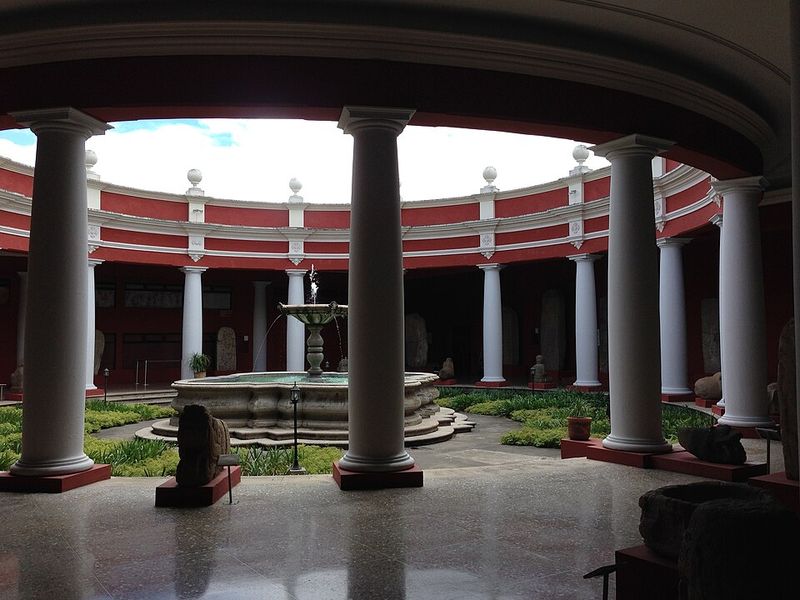
The building itself deserves a long look before you step inside. The National Museum of History in Zone 1 sits in a French neo-Renaissance structure that opened in 1896.
It adds a touch of European elegance to the city center.
Inside, the exhibits follow Guatemala’s path through Spanish colonization, independence and the rise of the modern republic. You will find religious sculptures, historical paintings, antique furniture and decorative objects.
Each room feels like a new chapter in a long book.
Not everything here is colonial, and that is a plus. The wider timeline helps explain how political institutions and social structures took shape.
Dates and events start to connect in a way textbooks rarely manage.
If you have already seen Maya sites and colonial churches, this museum ties it all together. Plan about an hour and read the room labels carefully.
You will walk out with a clearer picture of how the past led to the present.
Portal del Comercio
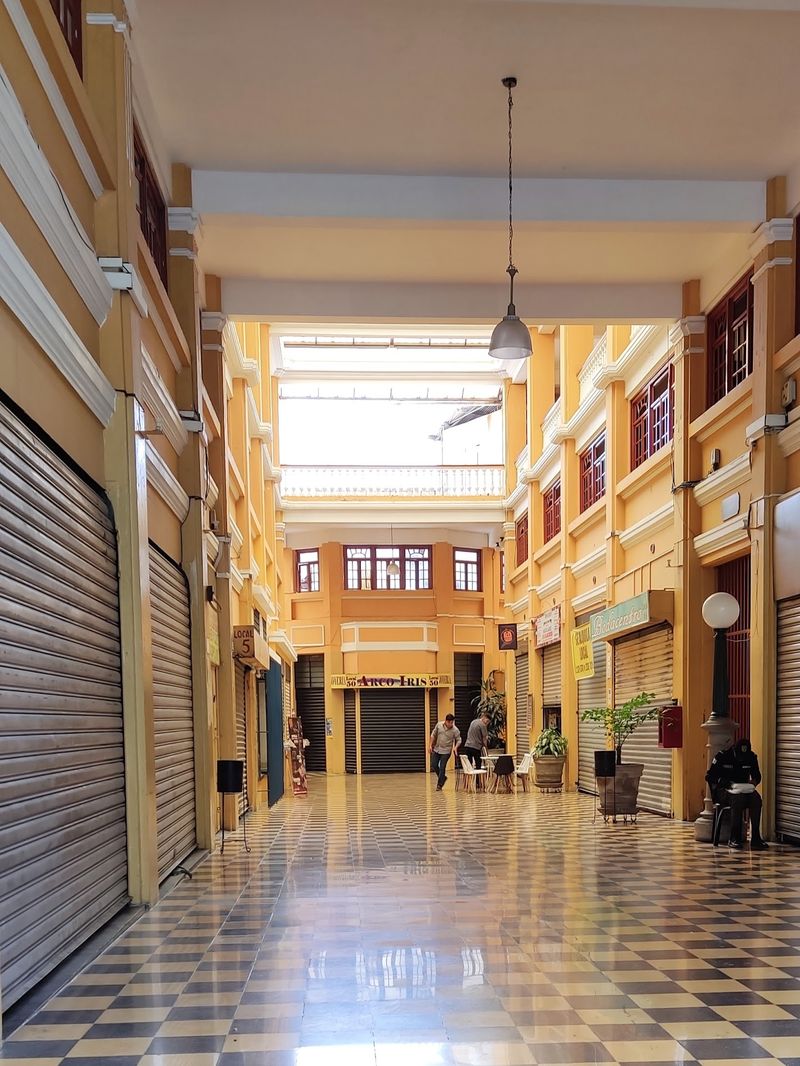
Shopping under arches is not a new idea in Guatemala City. The Portal del Comercio grew from late colonial trade around the central square.
The first version had a covered passage lined with merchants.
Earthquakes in 1917 and 1918 destroyed it. Builders reconstructed the portal in 1924 and added details to match nearby historic buildings.
So the structure you see is not original, but it keeps the spirit of the place.
Walk beneath the arches and notice the rhythm of the columns. Shops, vendors and passersby still move through the same kind of space.
Commerce, architecture and public life have mixed here for centuries.
It is a handy last stop because it sits close to the plaza. Grab a drink nearby, rest your feet and look back at the day.
From ancient mounds to colonial markets, the capital has a lot to say.
Share this story