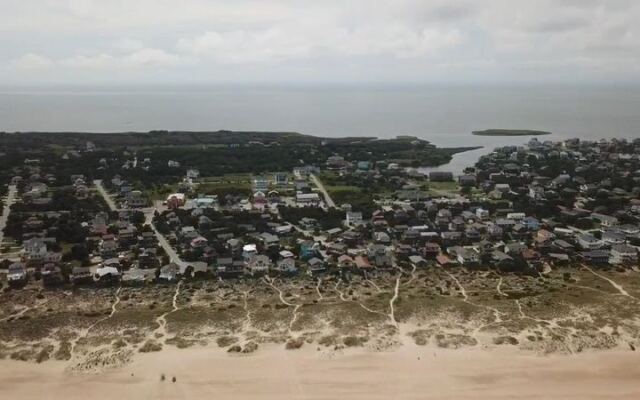
Picture a long ribbon of sand where the loudest sound is the wind and the gulls fighting over a dropped french fry. That is what many people find on the North Carolina coast once the summer rush fades away.
The beaches open up, the roads calm down, and the whole place seems to take a deep breath. If you have only seen it in July, you might be surprised how different it feels when you finally have room to wander.
A String of Islands at the Edge of the Atlantic
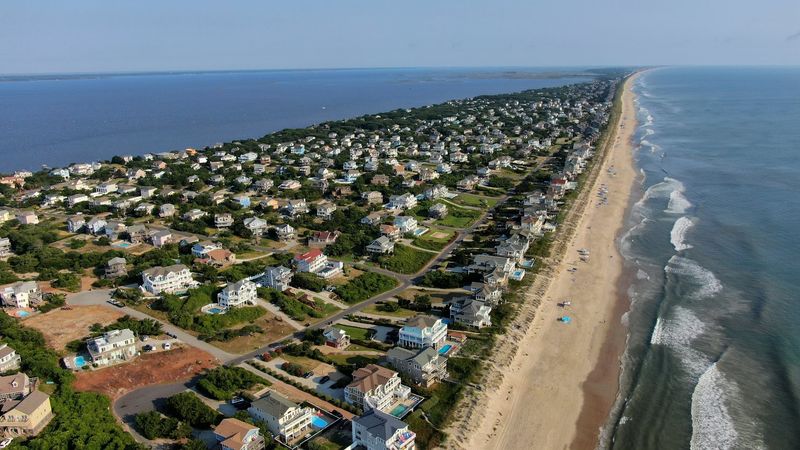
Grab a map of North Carolina and trace the coastline. Way out east, a thin chain of barrier islands curls away from the mainland like a loose thread, with the ocean on one side and calm sounds on the other.
That thread is the Outer Banks. Visitors describe it as more than 175 miles of windswept beaches, towering dunes, and maritime forests that seem untouched by time.
It is famous as a vacation spot, mostly because the sandy beaches just keep going and going.
Summer is when most families show up, and for good reason. Warm water, beach days, and fresh seafood draw people back year after year.
Yet the islands have a second personality that shows itself once the season winds down.
Fewer cars, quieter sand, and more elbow room give the whole stretch a calmer rhythm. Plenty of return visitors say that slower version is the one they fall hardest for.
History Written in Sand and Wind
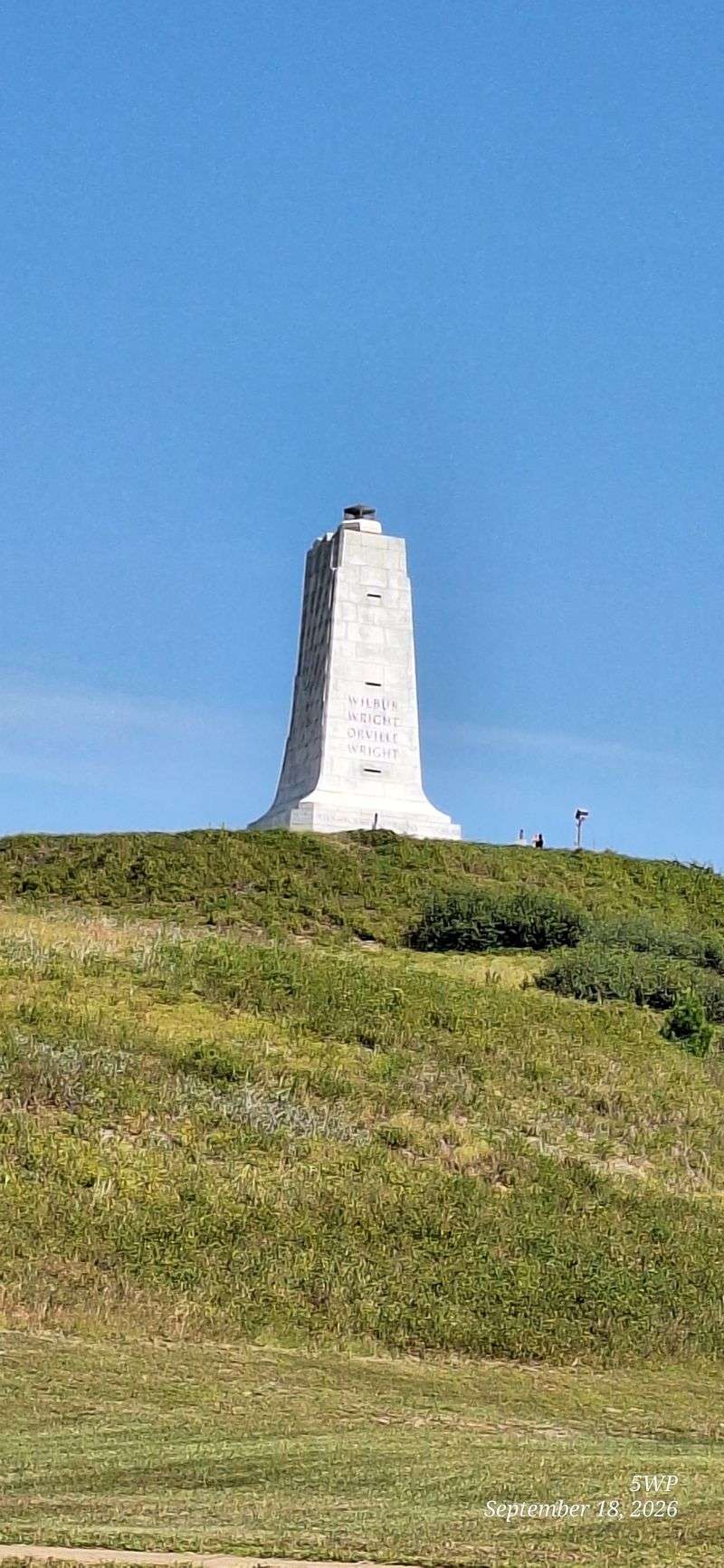
Long before anyone came here for a beach towel, the Outer Banks was making history. Back in 1903, the Wright Brothers chose these windy dunes for the first powered flight, and a memorial now honors that moment.
Visitors who stop by call the monument a highlight, and it is easy to see why. Standing on that hill, you can almost feel the steady breeze that helped lift a wild idea off the ground.
Shipwrecks tell another part of the story. Many people believe the famous wild horses arrived long ago from ships that met trouble offshore.
A trip to Roanoke adds even more early American history to the mix.
There is also a free maritime museum in Currituck, which one traveler enjoyed. In the quieter months, these spots feel less like crowded attractions and more like personal history lessons, with time to read every sign.
Beaches That Seem to Stretch Forever
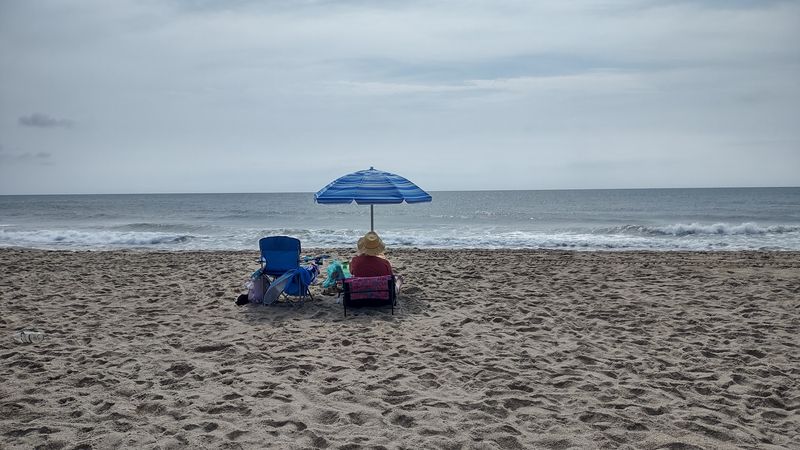
One first-time visitor waded in up to her chest and could still see her own feet. The water that day was a clear turquoise blue, and she was already planning next year before she left.
Not every day looks like that, of course. Another guest noticed murky water but still called the beach amazing.
Most people agree on one thing: the sand runs as far as you can see.
Shell hunters, take note. Low tide is described as a great time for shelling, with seashells scattered everywhere along the shore.
Regulars often mention that these beaches are rarely packed with loud groups, even in busy months. After the summer wave leaves, that calm gets even deeper.
A morning walk can mean miles of shoreline with only footprints, birds, and your own thoughts for company.
Wild Horses on the Northern Dunes
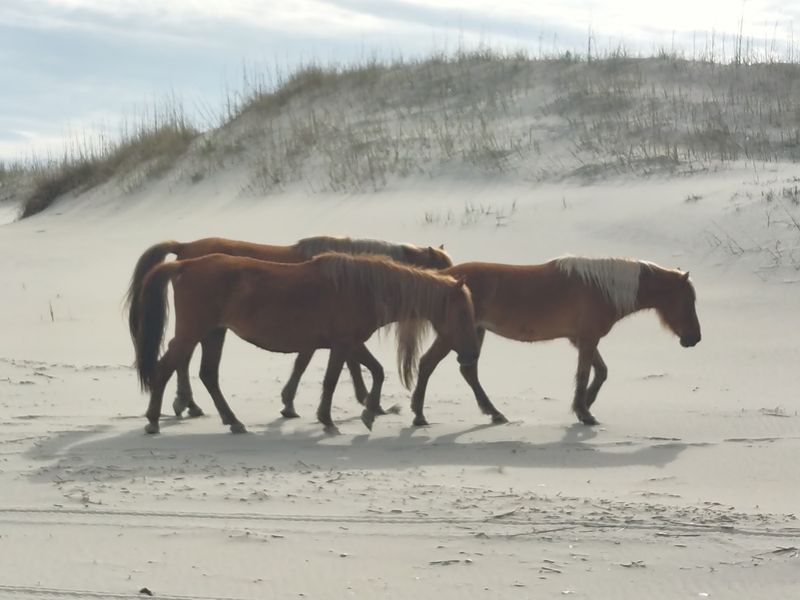
Spanish Mustangs, compact and sturdy, roam free on the beaches near Corolla. For many travelers, spotting them is the moment the trip turns magical.
Here is the catch. Getting close usually means driving a four-wheel drive vehicle on the sand or booking a tour.
One visitor felt the tours cost too much, while others called the wild horse tour amazing and worth every penny.
Those who stayed in Corolla describe a fun mix of driving on the beach, nature walks, and seeing the herds in their natural home. The horses wander the dunes like they own the place, which, honestly, they kind of do.
Quieter months can make the experience feel more personal. Fewer vehicles on the sand means a calmer scene, and you may find yourself simply sitting and watching a herd graze without a crowd jostling for the same photo.
Lighthouse Climbs and Big Views
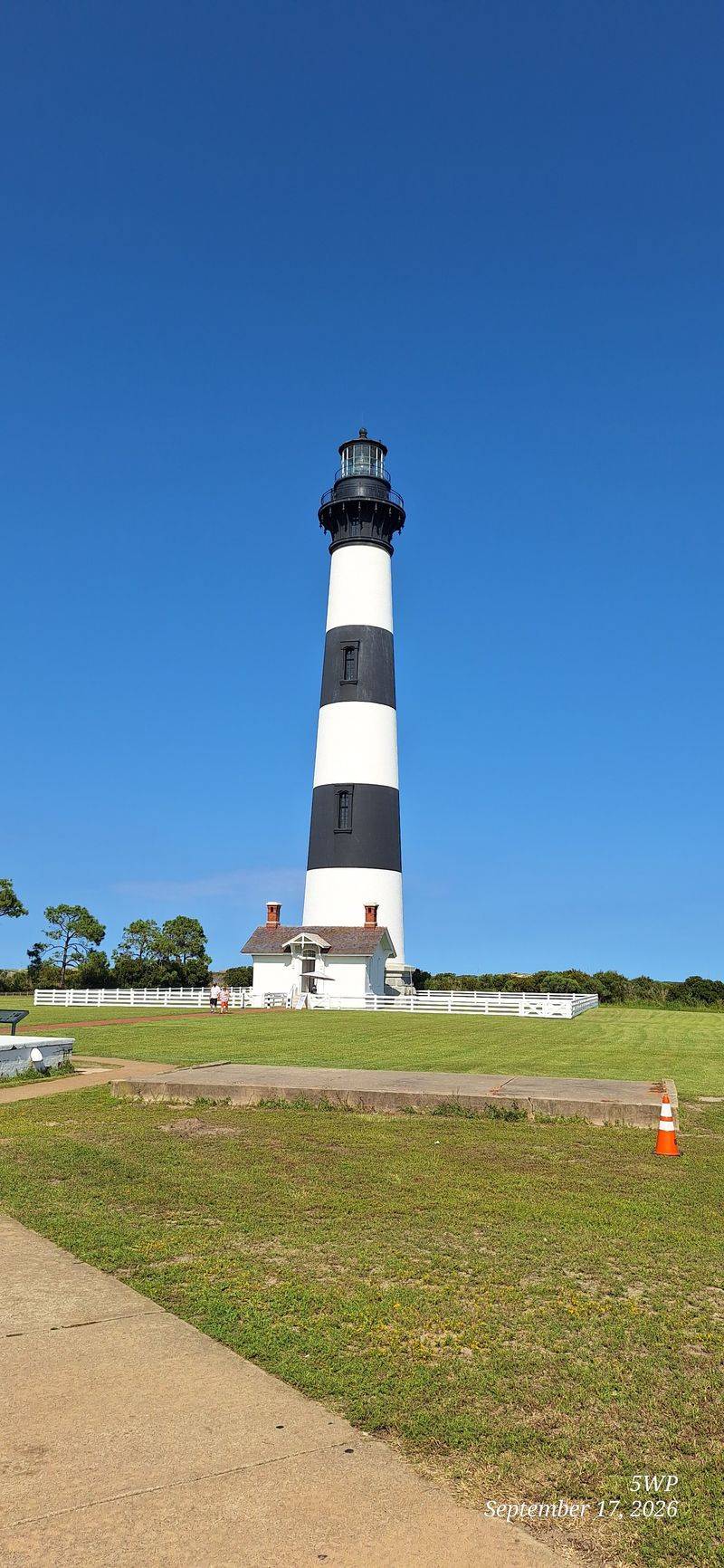
Over 200 steps. Nine landings.
One very winded but happy climber at the top of Bodie Island Lighthouse, staring at 360-degree views of ocean, sound, and endless dunes.
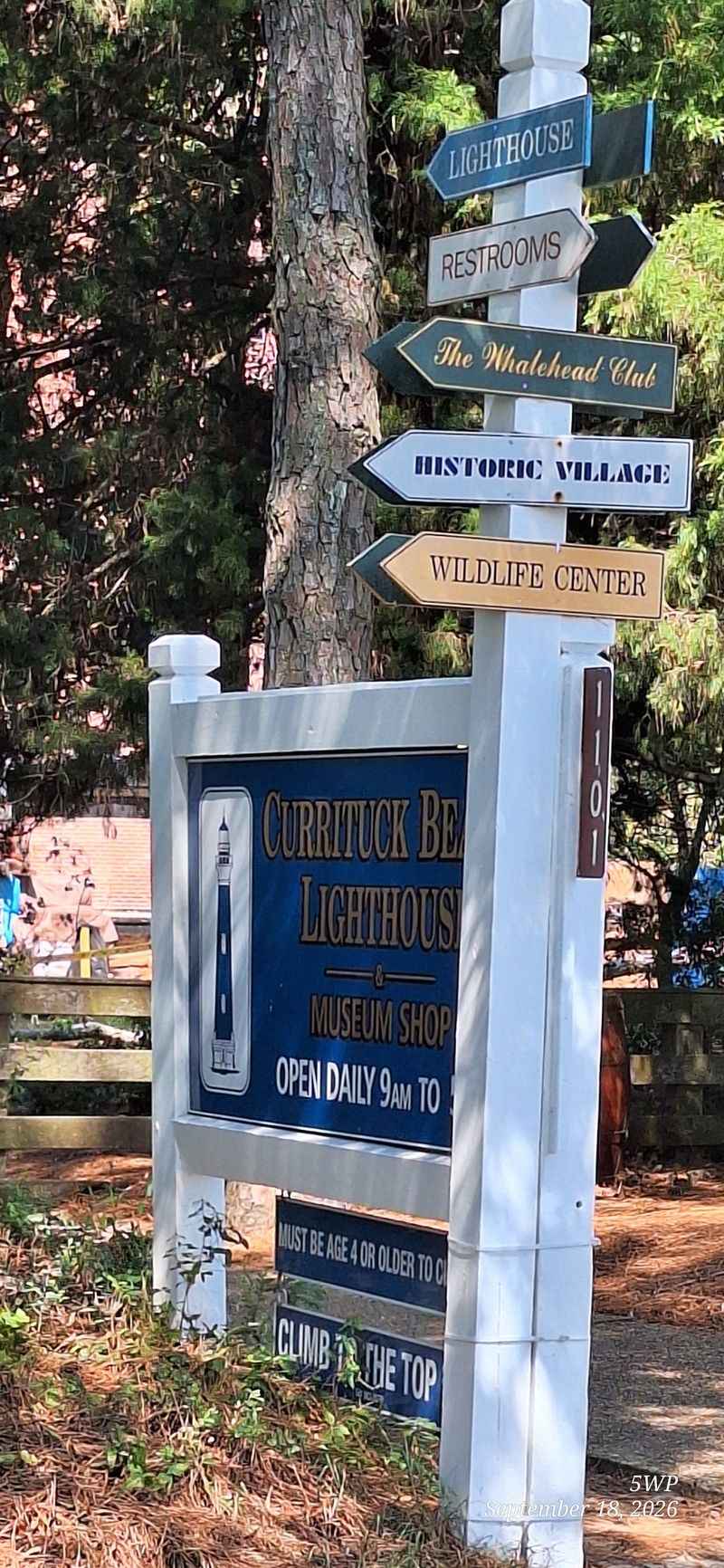
Lighthouses are a favorite topic among visitors, and that black-and-white striped tower gets plenty of love. Up north, the Currituck Beach Lighthouse offers similar sweeping views and stays open through late fall, which makes it a nice off-season goal.
Fun fact: some of these towers still use restored Fresnel lenses that help guide ships today. They are working pieces of coastal history, not just pretty backdrops.
A quick heads-up about Hatteras. One traveler skipped the two-hour round trip because the iconic lighthouse was wrapped in scaffolding at the time.
Checking ahead before making the drive is a smart move, especially if that striped tower is the main reason you came.
Sunsets at Jockey’s Ridge and Sunrise on Hatteras
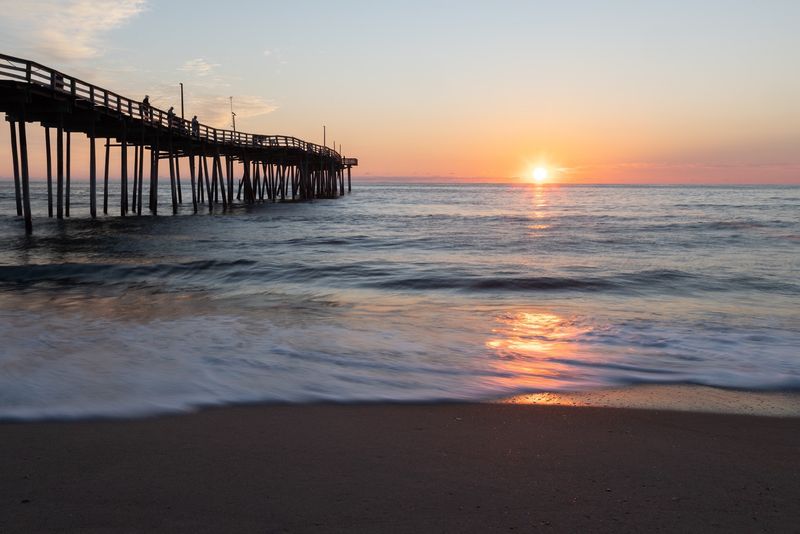
If you only catch one sunset, make it from the top of Jockey’s Ridge. Visitors describe it as the tallest dune on the East Coast, and watching the sky turn gold from up there feels like a reward for the sandy climb.
Early risers have their own treat. Sunrise on Hatteras Island gets glowing praise, with the ocean lighting up as the day begins.
Between those two bookends, there are piers, boardwalks, and sunset points scattered all along the islands. One group of friends said the mix of sunrise and sunset spots made their trip unforgettable.
Cooler months bring a bonus. With fewer people around, you can claim a good spot on the dune without the shuffle.
Bring a light jacket, because that steady coastal breeze gets chilly once the sun slips away.
Fresh Seafood, Cute Shops, and Friendly Faces
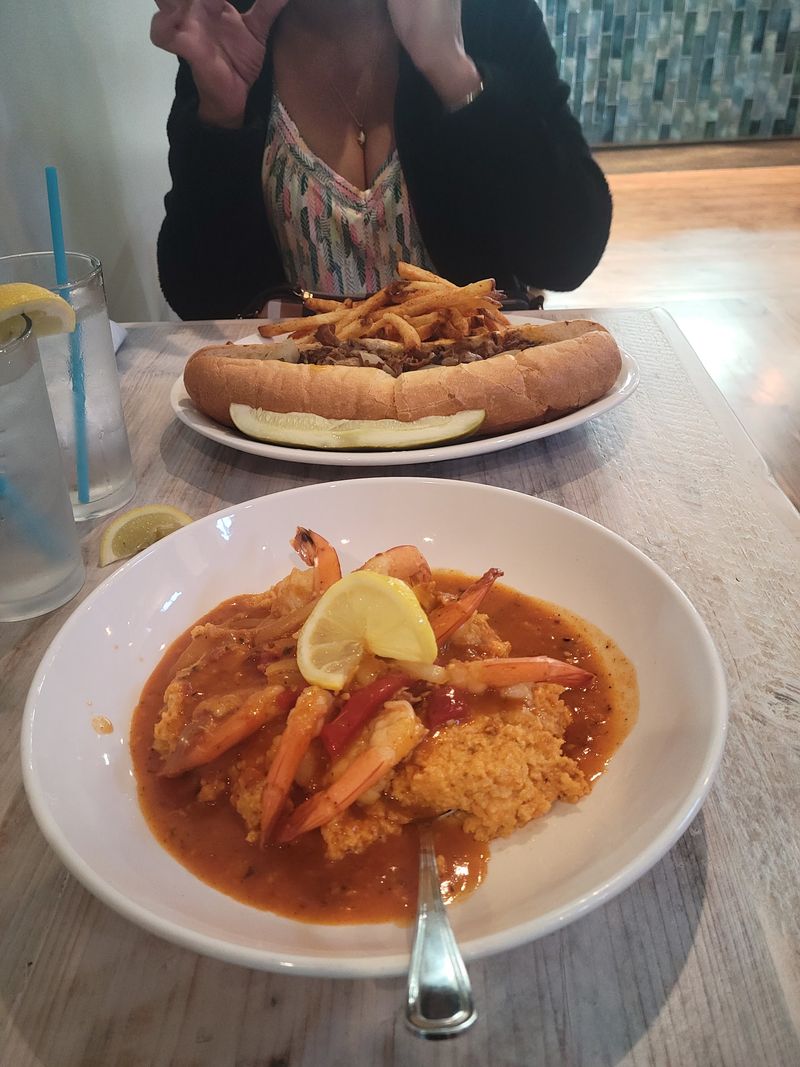
Hungry yet? Talk to anyone who has spent time here, and seafood comes up fast.
Visitors rave about dock-to-table meals, with local shrimp, oysters, and fish arriving daily.
Basnight’s Lone Cedar Cafe in Nags Head gets a special mention for its waterfront views and live music. Others love seafood buffets, and one returning visitor said they have never had a bad meal on the islands.
Sweet tooth covered too. Ice cream shows up on more than one list of favorite things.
Shopping has its own charm. People describe the shops as cute, local, and affordable, perfect for a slow afternoon browse.
Friendly communities tie it all together, with locals chatting on porches and a laid-back attitude that rubs off quickly. In the off season, you might even get time to swap stories with the folks behind the counter.
Who Will Love the Slower Season
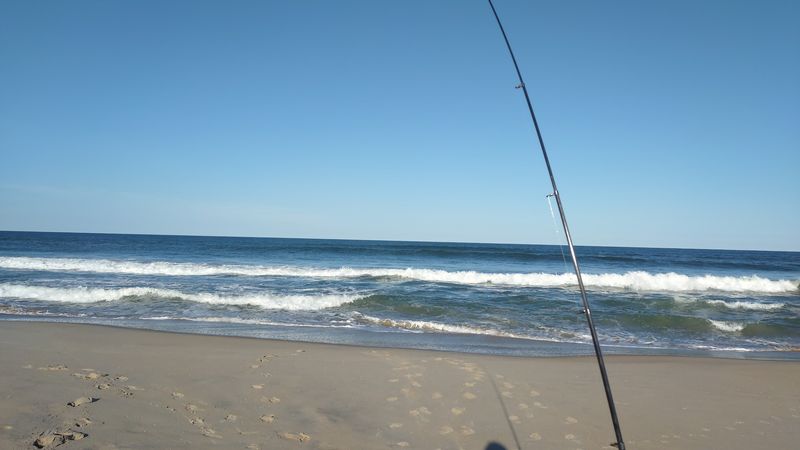
Families, for starters. The Outer Banks is often called family-friendly, and one traveler described a pre-season April trip as low-key and great for kids.
The weather was cold and dreary that year, yet history fans and seafood lovers still had a wonderful time.
Nature lovers will feel right at home. Fishing, surfing, bike rides, the aquarium, and bird refuges at Pea Island give curious folks plenty to explore.
Not everyone clicks with it, though. One visitor said they prefer more action and nightlife on their beaches.
Another felt ocean access north of Kitty Hawk was tricky, with parking a few blocks away and narrow paths between big houses.
So who fits best? People who enjoy a peaceful drive, a midweek getaway, and empty sand over boardwalk buzz.
If that sounds like you, quieter months may feel like a gift.
Planning Notes and a Gentle Verdict
Some quick tips before you pack. A free ferry runs to Ocracoke Island, which is a fun and budget-friendly way to see even more of the coast.
Kitty Hawk is mentioned as having easier ocean access for visitors. If wild horses are on your wish list, plan for a four-wheel drive vehicle or a guided tour.
Lighthouse hours and conditions can change, so check before heading out, and remember Currituck stays open through late fall.
Travelers also praise the clean restrooms and well-kept public spaces, which makes long beach days easier.
So is it worth it? One family has come every year since their kid was a baby, even with a drive of several hours.
That kind of loyalty says a lot. Visit when the crowds thin out, slow down, and let the islands show you their quieter side.
Share this story