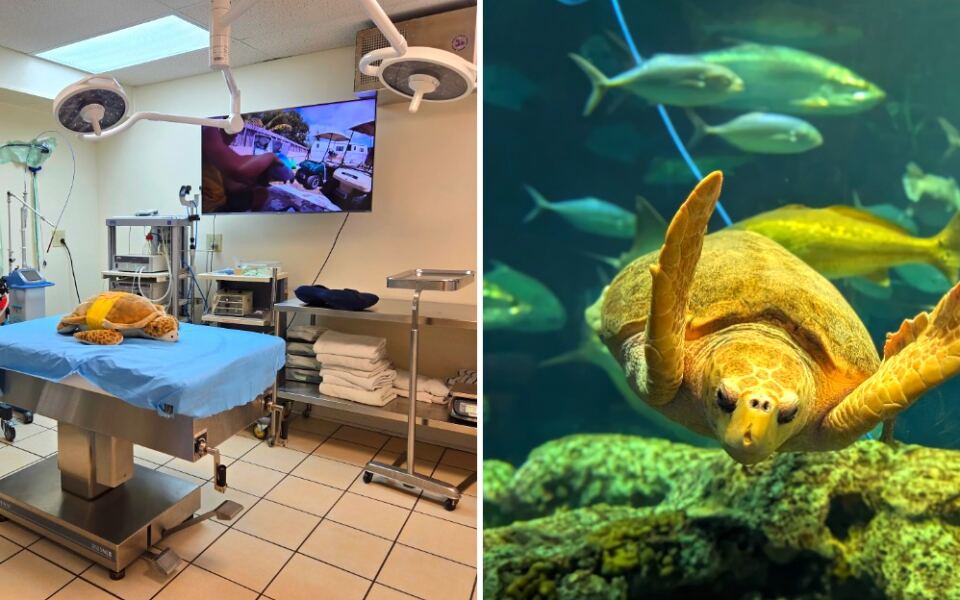
You can meet rescued sea turtles, look inside working animal hospitals, and learn how injured turtles are prepared for life back in the ocean at rehabilitation centers around the world.
From a former motel in the Florida Keys to a historic power plant in Georgia, these facilities treat turtles injured by boat strikes, fishing gear, plastic pollution, and illness. Some offer guided hospital tours, while others let visitors observe patients in recovery pools and learn about their individual rescue stories.
These 12 destinations across the United States, Greece, Australia, and Dubai offer a chance to see sea turtle conservation in action while supporting the organizations responsible for their care.
1. The Turtle Hospital, Marathon, Florida, USA
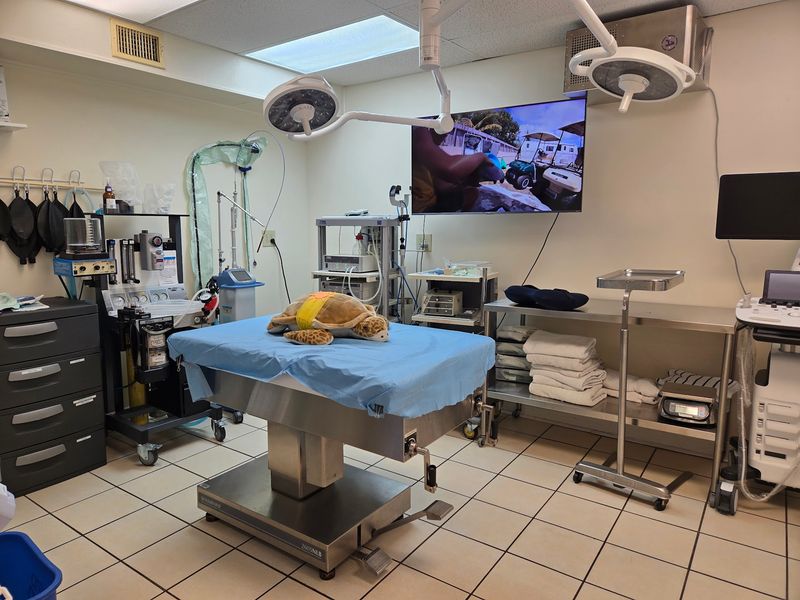
Few hospitals can say their first patients checked in at a motel. Back in 1986, Richie Moretti, a former Volkswagen repairman, turned his Florida Keys motel into a place for sick sea turtles.
He later added the building next door, and the project kept growing. Today it is the only state-licensed vet hospital in Florida built just for sea turtles.
Doctors here treat boat strike injuries, tangled flippers, and a tumor disease called fibropapillomatosis. Cracked shells often get patched with fiberglass, a trick Moretti would have liked from his car repair days.
Guided tours last about 90 minutes and run several times a day. Guests see the operating room, small holding tanks, and the larger recovery pools.
Some turtles live here for good because their injuries are too serious for ocean life. These permanent residents act as teachers, showing visitors why trash and fishing line matter.
Every tour ticket helps pay for care. Book ahead in busy winter months, since spots fill quickly with Keys travelers.
2. Loggerhead Marinelife Center, Juno Beach, Florida, USA
More than 300,000 people stop by this Juno Beach center each year, and admission works on a donation basis. That makes it one of the easiest turtle visits on the Florida coast.
The nonprofit opened in 1983 next to one of the busiest sea turtle nesting beaches on the planet. Its modern hospital sits right beside fun marine exhibits.
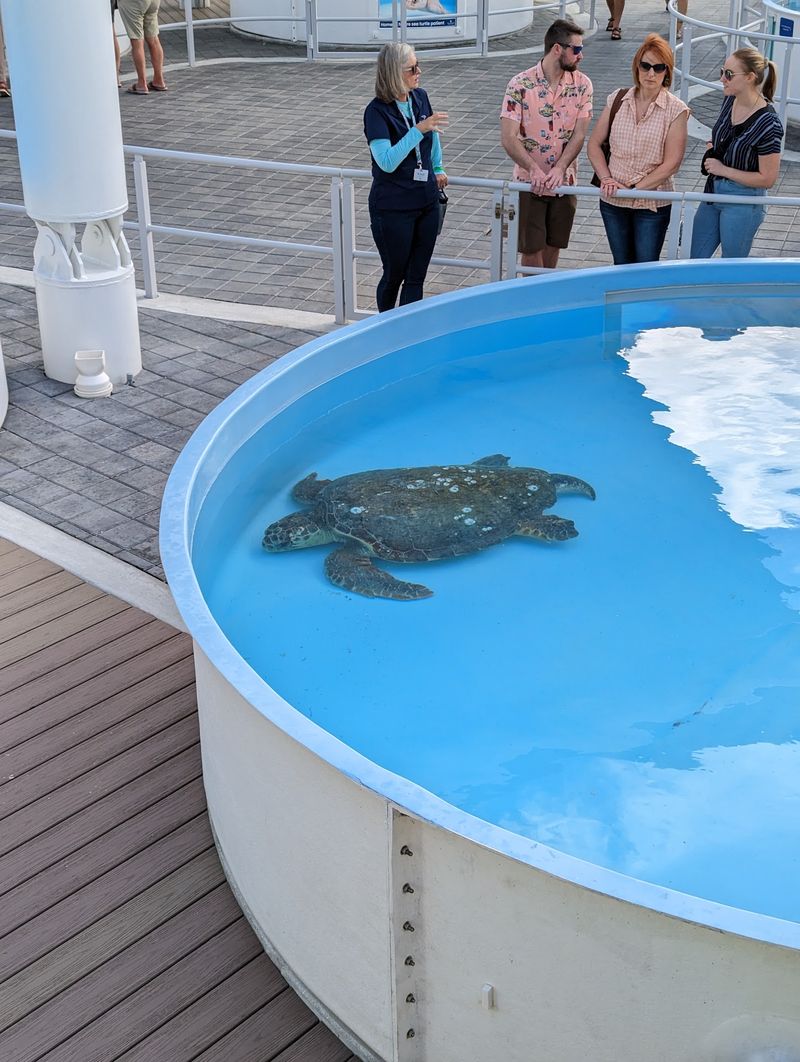
Visitors can watch patients in outdoor care tanks. Sometimes the hospital team is working in plain view, so guests get a real look at turtle medicine.
Special tools help doctors find hidden injuries. Turtles that float when they should dive get extra attention, since floating keeps them from finding food.
Daily talks and feeding sessions give kids plenty to ask about. During nesting season, guided night walks and hatchling events are popular, so sign up early.
The center also runs the nearby Juno Beach Pier, which promotes turtle-friendly fishing. Some recovered patients leave with satellite trackers, letting scientists follow their trips across the sea.
3. Georgia Sea Turtle Center, Jekyll Island, Georgia, USA
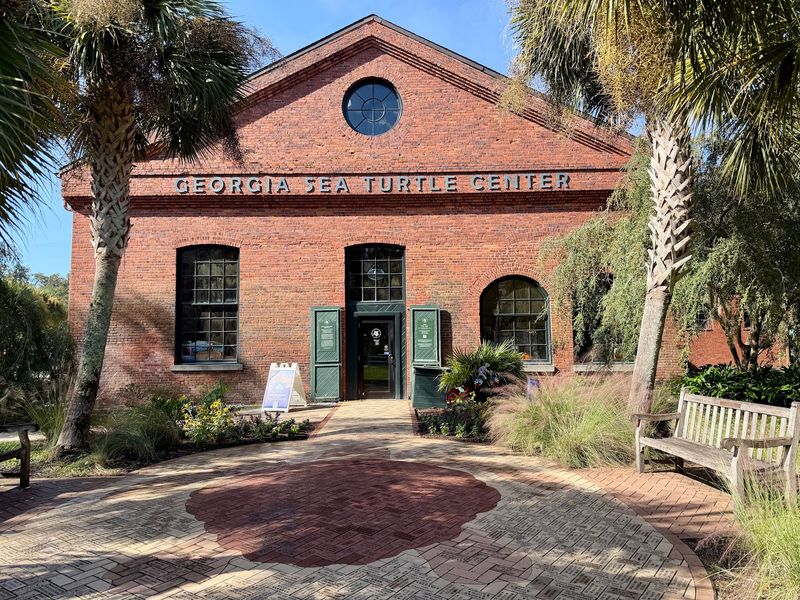
Power plants usually keep lights on, but this one now keeps turtles going. The Georgia Sea Turtle Center moved into an old power plant in Jekyll Island’s historic district and opened in 2007.
It is the only sea turtle rehab and learning center in Georgia. Hundreds of sick and injured turtles come through its doors every year.
Viewing windows let guests watch patients in their medical pools. Signs list each turtle by name and explain why it needed help.
Kids tend to pick a favorite fast. Reading a patient chart turns a shell into a real character with a story.
Exhibits walk visitors through the whole process, from first checkup to release day. Other displays cover life cycles, migration, and how turtles help keep oceans healthy.
Want more? Behind the Scenes tours show the daily work of the animal care team, including food prep and treatment.
Plan an extra hour for the exhibits. Jekyll Island’s bike paths make a handy way to arrive.
4. Sea Turtle, Inc., South Padre Island, Texas, USA
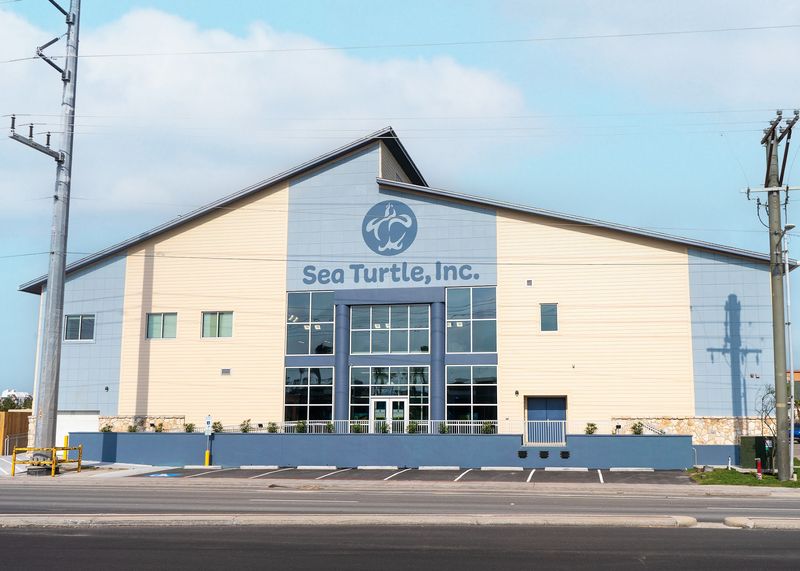
Ila Fox Loetscher earned a pretty great nickname: the Turtle Lady of South Padre Island. She founded Sea Turtle, Inc. in 1977, and her hobby grew into a major rescue center.
Today about a quarter-million people visit each year. The site includes a hospital area, an education center, and tanks for permanent residents.
Self-guided tours let guests move at their own speed. Feeding times and short lessons add extra fun for families.
One star resident is Allison, the first sea turtle in the world to use a custom-made prosthetic flipper. She is a true flipper-flop success story.
Staff here report a release rate of about 90 percent. That is a strong number for animals that often arrive in rough shape.
The team has also played a big part in helping the Kemp’s ridley, a critically endangered species. Nests get moved to a safe area during nesting season.
Before release, recovered turtles are tagged. If anyone finds them later, researchers can learn where they traveled.
5. The Karen Beasley Sea Turtle Rescue and Rehabilitation Center, Surf City, North Carolina, USA
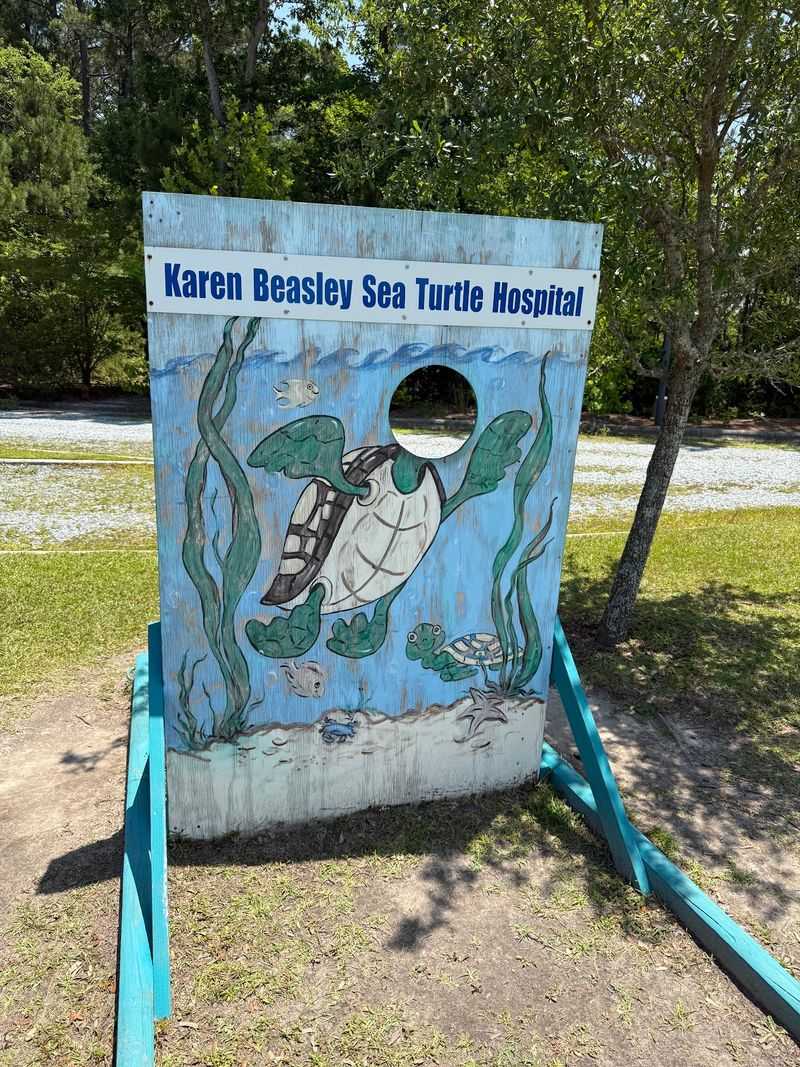
A mother’s promise built this hospital. Jean Beasley founded the center in 1997 to honor her daughter Karen, who loved sea turtles deeply.
It grew out of the Topsail Turtle Project and gets no state or federal funding. Volunteers do nearly everything, from cleaning tanks to watching beaches for nests.
Around 100 turtles arrive each year. Most are loggerheads, greens, and Kemp’s ridleys hurt by boats, fishing gear, or cold water.
The tour route starts in the sick bay. Workers use warm oil therapy and medical-grade honey to help wounds heal.
Next comes Sea Turtle Bay, where patients build strength before heading back to the Atlantic. It is basically a gym with fins.
Ambassador turtles stay longer. Lennie is a blind Kemp’s ridley, and Snooki is a loggerhead who has trouble diving.
Tours need advance reservations, and they often sell out. Check the website early in the season and book as soon as dates open.
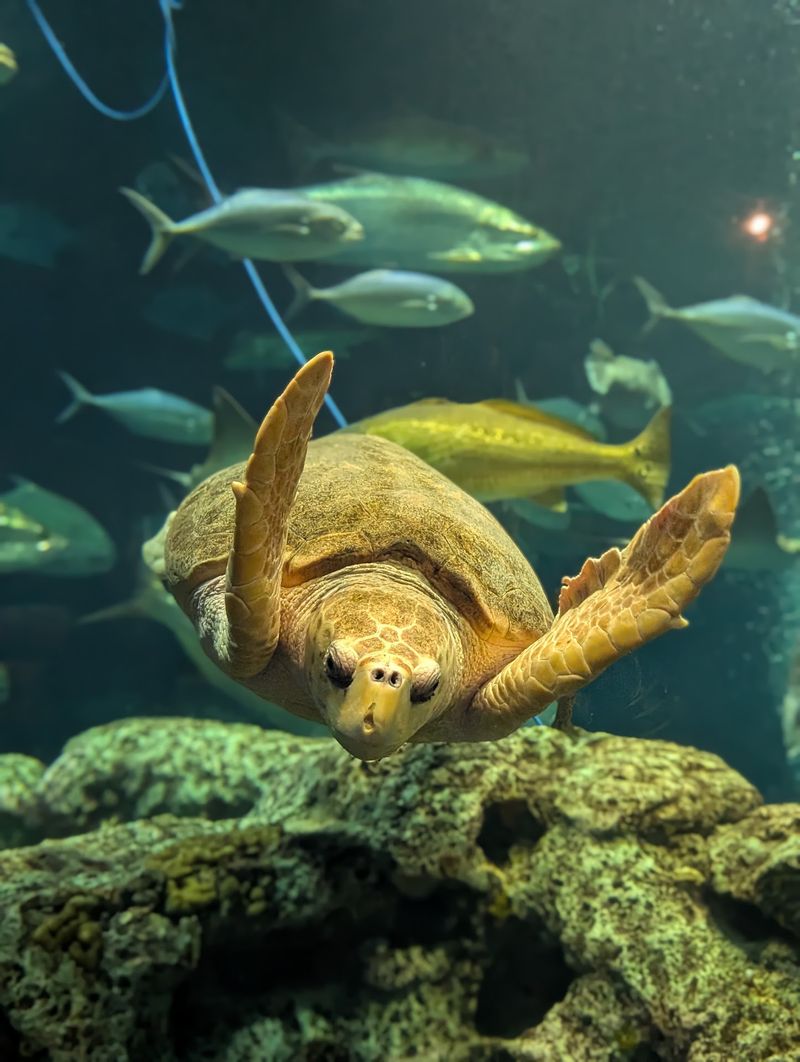
6. South Carolina Aquarium, Charleston, South Carolina, USA
Most aquariums hide their hospitals behind closed doors. Charleston does the opposite.
The Zucker Family Sea Turtle Recovery area sits inside the South Carolina Aquarium on the waterfront. It is a real working hospital, and guests can see much of it.
A glass wall looks into the surgical suite. On some days, visitors can watch live procedures as they happen.
Exhibits explain how CT scans help doctors spot hidden injuries. Kids often enjoy seeing turtle X-ray images and guessing what went wrong.
Through viewing windows, guests can watch patients swim in their recovery tanks. Each one has notes about species, condition, and treatment plan.
Many patients came in after boat strikes, eating plastic, or getting caught in fishing gear. The displays tie those problems to simple daily habits.
Skipping straws, picking up beach trash, and reeling in old line all help. Pair your visit with a stroll along the harbor park right outside the door.
7. Marine Science Center, Ponce Inlet, Florida, USA
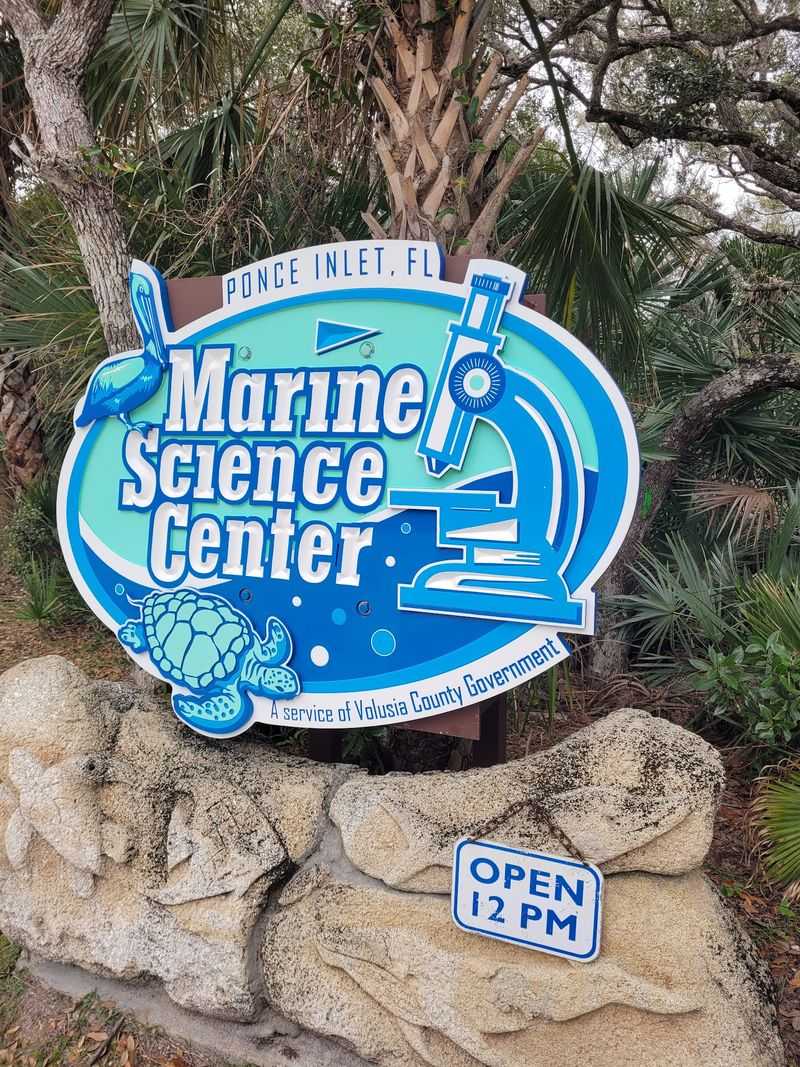
Eight pools, one terrace, and a lighthouse next door. That is the quick recipe for a visit to the Marine Science Center in Ponce Inlet.
Volusia County opened the center in 2002 near the historic Ponce Inlet Lighthouse. Climbing both in one day makes a smart plan.
From the Turtle Terrace, guests look down on eight hospital pools. Patients range from big adults to tiny hatchlings.
Some of the smallest guests are called washbacks. Rough waves push these young turtles back onto the beach before they can grow.
Staff use X-ray and ultrasound tools to figure out problems. Fishing line, boat strikes, and swallowed plastic are common causes.
Turtles are not the only patients here. The center also helps gopher tortoises, freshwater turtles, and even snakes.
A separate bird program cares for hawks, owls, and eagles. Some birds that cannot fly again stay on as residents, so bring your camera and some patience.
8. North Carolina Aquarium on Roanoke Island, Manteo, North Carolina, USA
Winter on the Outer Banks can turn a speedy swimmer into a floating pebble. When water temperatures drop fast, sea turtles become cold-stunned.
They get weak, slow, and unable to swim well. Strong winds can then push them ashore.
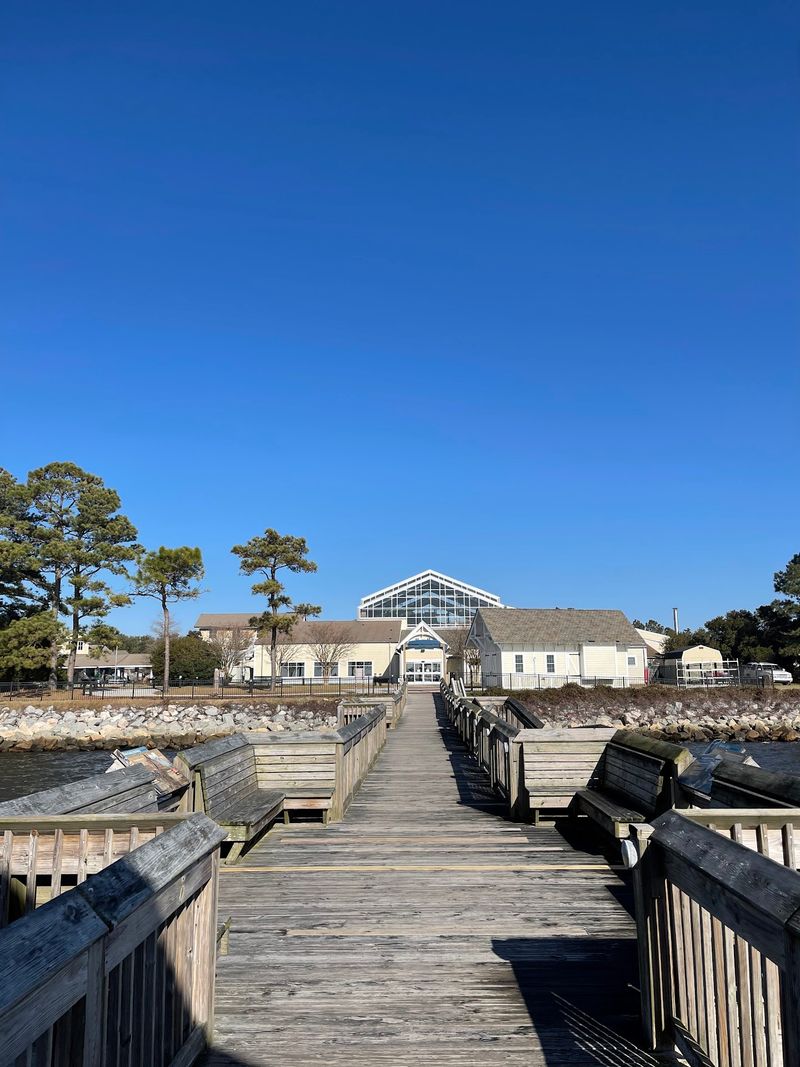
That is where the STAR Center steps in. The name stands for Sea Turtle Assistance and Rehabilitation, and it sits inside the North Carolina Aquarium on Roanoke Island.
Staff provide care all year long. Cold months bring the busiest rush, with many patients arriving at once.
Workers warm turtles slowly, check their health, and watch them closely. Once they eat and swim normally, they can be cleared for release.
Special hospital tours are offered outside the peak rescue season. These walks explain feeding plans, tank setup, and how each patient is tracked.
Regular aquarium visitors still learn plenty about threats turtles face. Check tour dates before a summer beach trip to the Outer Banks, since spots are limited.
9. ARCHELON Sea Turtle Rescue Centre, Glyfada, Greece
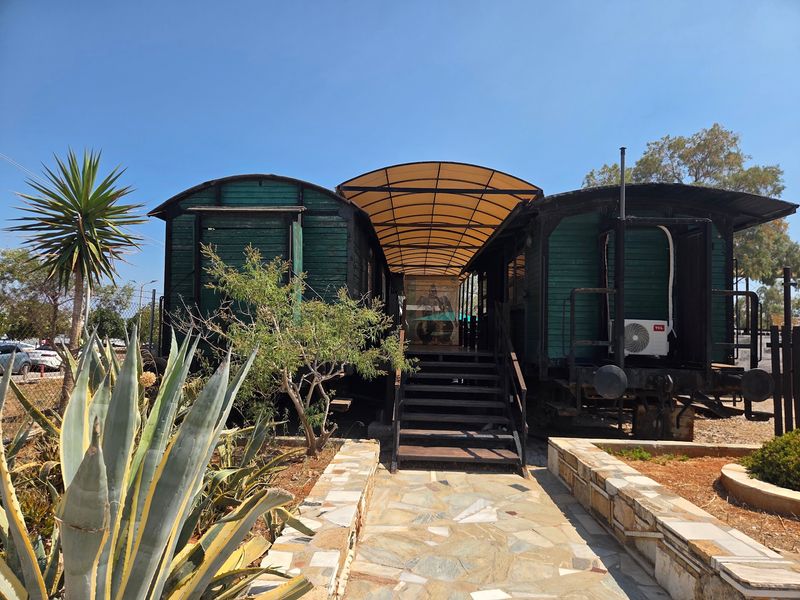
Old train cars do not usually help turtles, but in Glyfada they do. Part of this rescue centre sits inside retired wagons donated by the Hellenic Railways Organization.
ARCHELON, the Sea Turtle Protection Society of Greece, opened the centre in 1994. It sits on the coast south of Athens.
Turtles arrive from all over Greece. Most are loggerheads, with a green turtle showing up now and then.
Around 70 patients get care each year. Since opening, the team has treated more than 1,400 turtles.
Volunteers from many countries keep things running. They prepare fish, tube-feed weak patients, scrub tanks, and talk with visitors.
Many travelers sign up to volunteer for a few weeks. It is a popular way to spend a summer doing something useful.
Educational tours explain Mediterranean turtles and the dangers they face. Guests can see patients in their tanks and hear their stories, all a short ride from central Athens.
10. Cairns Turtle Rehabilitation Centre, Fitzroy Island, Queensland, Australia
Floaters syndrome sounds silly, but it is serious. Gas trapped in a turtle’s body keeps it from diving to find food.
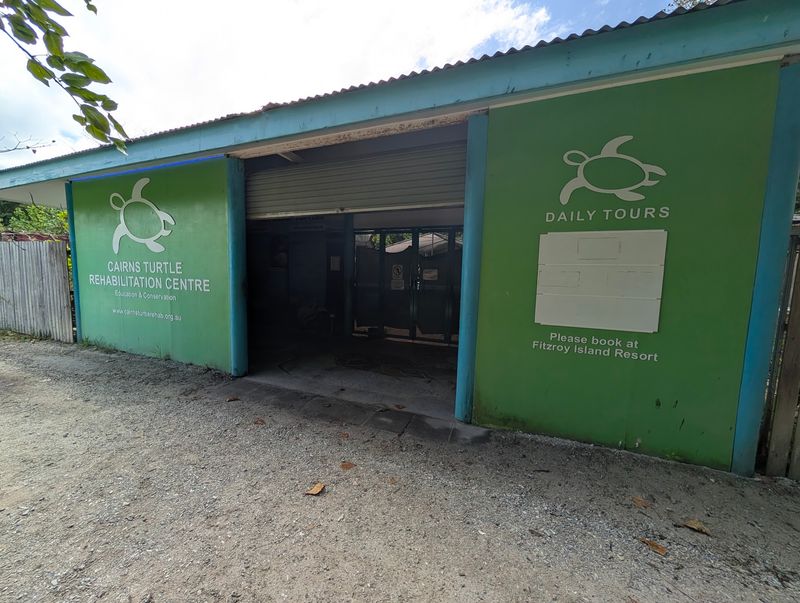
Treating that problem is a big part of the work at the Cairns Turtle Rehabilitation Centre. The volunteer-run nonprofit sits on Fitzroy Island in the Great Barrier Reef.
Most patients are green and hawksbill turtles. Many come from the reef or Cape York Peninsula.
Starvation and injuries are also common. Some turtles stay for months, and a few stay for years.
In 2013, a bigger facility opened with larger tanks and cleaner water. The success rate climbed from about 30 percent to around 85 percent.
Turtle Talks are open to resort guests and people arriving on the Fitzroy Flyer ferry. Groups are capped at 15 to keep patients calm.
Tickets fund food and medicine. Book your talk early when you plan your island day trip from Cairns.
11. Dubai Turtle Rehabilitation Project, Dubai, United Arab Emirates
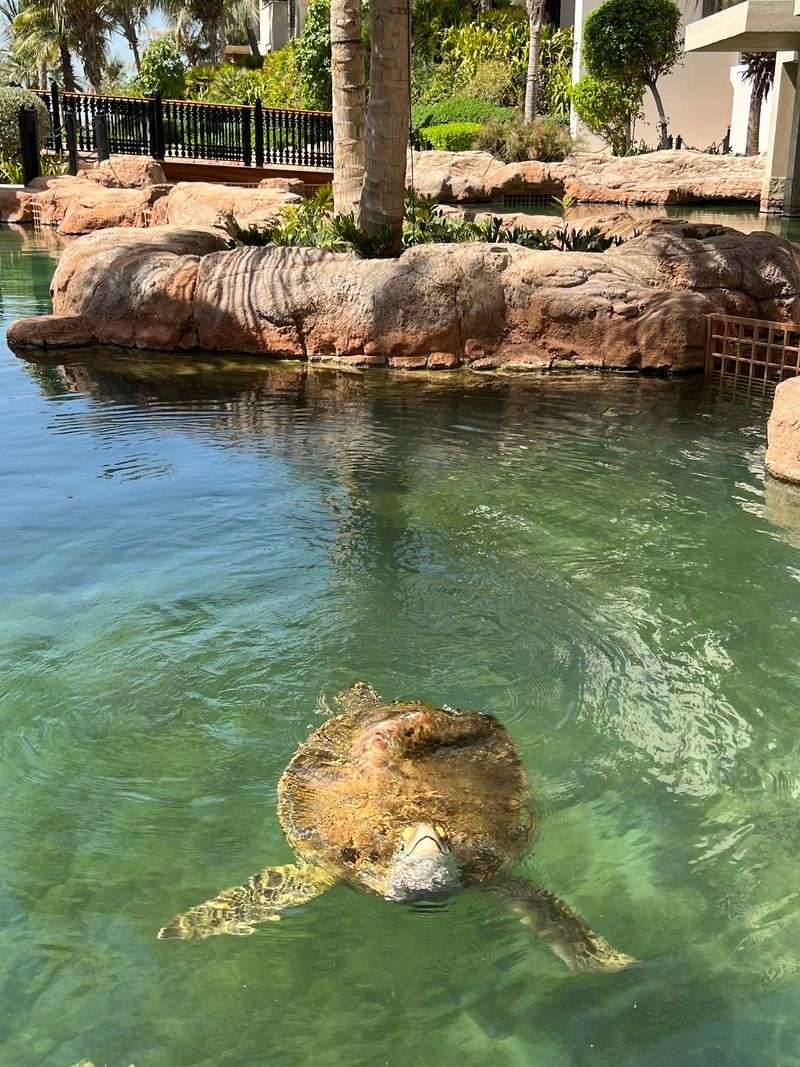
Here is a surprise: one of the best free activities in Dubai involves turtles. The Dubai Turtle Rehabilitation Project lets visitors watch patients at no cost.
It started in 2004 as a team effort. Partners include the Dubai Wildlife Protection Office, Jumeirah Group, and the Burj Al Arab Aquarium team.
Patients include hawksbill, green, and loggerhead turtles. Boat collisions, nets, plastic, and illness are common reasons they arrive.
First, turtles get treatment and quarantine at the Burj Al Arab Aquarium. Once ready, they move outdoors to a sea-fed lagoon at Jumeirah Al Naseem.
That lagoon is the last stop before the open Gulf. It works like a practice field for wild living.
Public feeding sessions usually happen on Wednesdays and Fridays. Check times before you go, since schedules can shift.
The project has released more than 2,000 turtles. Some wear satellite tags, helping scientists learn where Gulf turtles travel after release.
12. Clearwater Marine Aquarium, Clearwater, Florida, USA
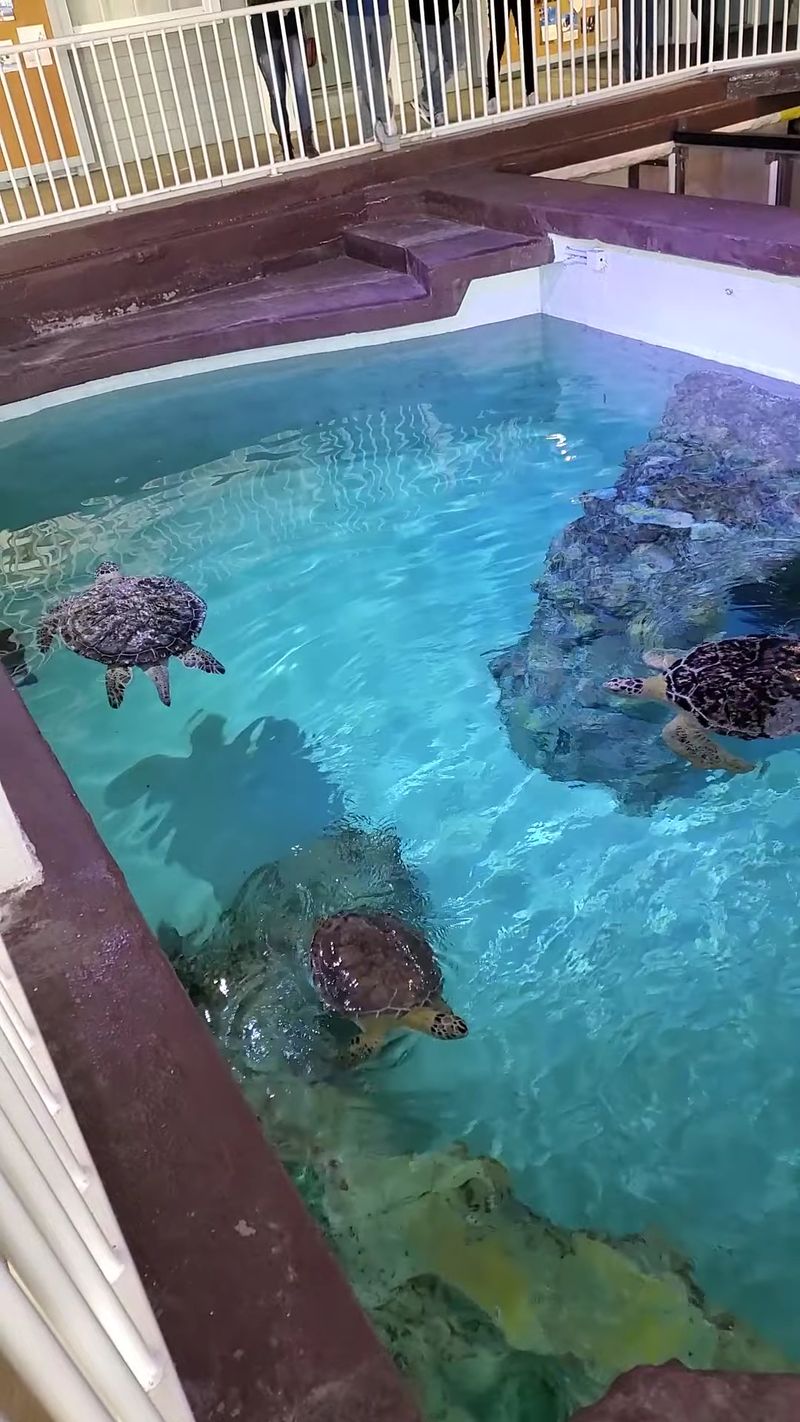
Dolphins may grab the headlines in Clearwater, but turtles deserve a spotlight too. Clearwater Marine Aquarium runs a busy sea turtle rescue and rehab program.
The nonprofit focuses on rescue, care, and release. It also houses otters, stingrays, and its well-known dolphins.
Healthy turtles head back to the Gulf whenever possible. Those with injuries too serious for the wild stay as permanent residents.
Guests can look inside a working animal hospital. Signs and staff explain how each patient was found and what treatment it needed.
A program called Turtle Tales covers hospital work and the stories of resident turtles. It is a fun choice for curious kids.
Want an early morning adventure? The sea turtle nesting ride-along puts visitors on the beach with nesting biologists.
Participants learn how nests are found and protected. Seats are limited, so book well before summer.
Leave time to explore the rest of the aquarium. Each section ties back to keeping Gulf waters safe for wildlife.
Share this story