A copper-colored warrior raising a sword stands guard over a small Missouri river town. He is a copy of a famous German statue, and he honors the same ancient hero the town was named after.
That is a lot of history for a place with about 2,000 residents.
The street signs add to the surprise. Walk downtown and you will cross roads named Schiller, Goethe, Gutenberg, and Mozart, all honoring famous German thinkers and artists.
I like places that hold onto their roots without turning into a theme park. This town was built by German families in the 1830s, and their brick homes still line the hills today.
So why did a group of settlers from Philadelphia choose a steep, rocky riverbank in the middle of America for their dream of a new Germany?
A Riverside Town Built on a Big German Dream
Back in 1837, a group called the German Settlement Society of Philadelphia bought land along the Missouri River. Their goal was bold.
They wanted a town where German language, customs, and culture could thrive in America.
That town became Hermann, Missouri, in Roark Township, with the ZIP code 65041. It sits on the south bank of the Missouri River in Gasconade County, and it has served as the county seat since 1842.
The founders had big plans on paper. They mapped wide streets and imagined a city that might rival Philadelphia itself.
The real town grew much smaller, with about 2,185 people counted in the 2020 census.
Honestly, I find the small size part of the appeal. You can see most of the historic center on foot, and the hills give you views of rooftops and steeples at nearly every turn.
Hermann sits near the center of an area people call the Missouri Rhineland. The name comes from the river valley’s resemblance to the Rhine region in Germany.
Once you know that nickname, the next question is obvious: who exactly was Hermann?
The Ancient Hero Behind the Town Name
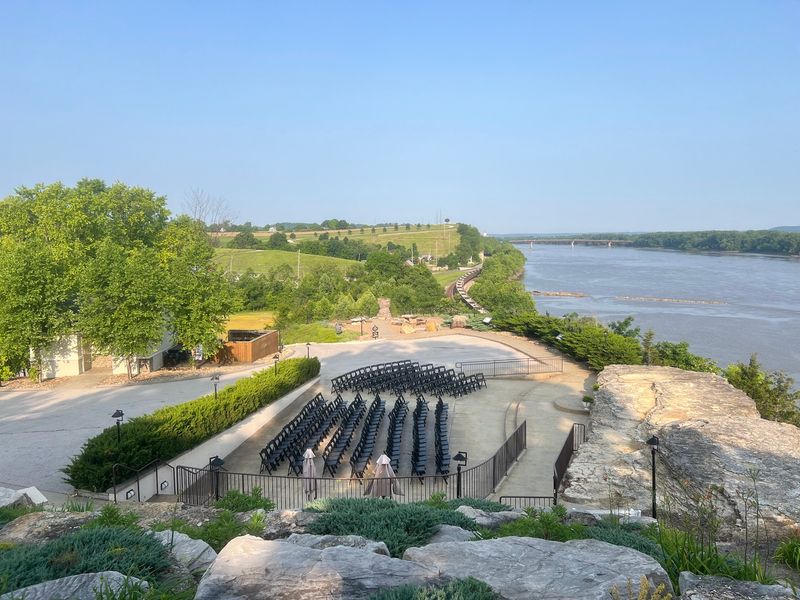
Nearly 2,000 years ago, a Germanic leader named Arminius defeated Roman legions in a forest battle. Germans later called him Hermann, and he became a national symbol of unity and independence.
The town’s founders picked his name on purpose. They wanted a place that stood for German pride in a new land, and naming it after a folk hero sent a clear message.
Today you can see him in person. A large statue of Hermann was dedicated in town in 2009, modeled after the giant Hermannsdenkmal monument in Germany’s Teutoburg Forest.
He stands with his sword raised high, looking out over the community.
I like that the statue is fairly recent. It shows that people here still care about the story, not just the old buildings.
The statue makes a great first stop for photos, especially for kids who enjoy a little history mixed with drama. Ask them to guess what the sword means before you tell them the story.
After meeting the town’s namesake, the streets around him start telling stories of their own.
Street Signs That Read Like a Library Shelf
Mozart, Goethe, Schiller, and Gutenberg all have streets in Hermann. Not bad for a town you could cross in a few minutes.
The founders named many roads after great German writers, composers, and inventors. Gutenberg gave the world the printing press.
Goethe and Schiller wrote poems and plays still studied today, and Mozart needs no introduction.
I think this is a fun detail to share with younger travelers. Turn it into a game and see who can spot the most famous names during a walk downtown.
Market Street and Washington Street mix in too. That blend of German heroes and American names says a lot about how the settlers saw themselves, proud of their roots but building a new life here.
The streets also climb. Hermann sits between the river and steep hills, so some blocks feel like a small workout.
Comfortable shoes will help a lot.
As you walk those streets, take a close look at the buildings lining them. Many are the same brick structures the early families built, and some have become museums worth stepping into.
Red Brick Homes With Roots in the 1800s
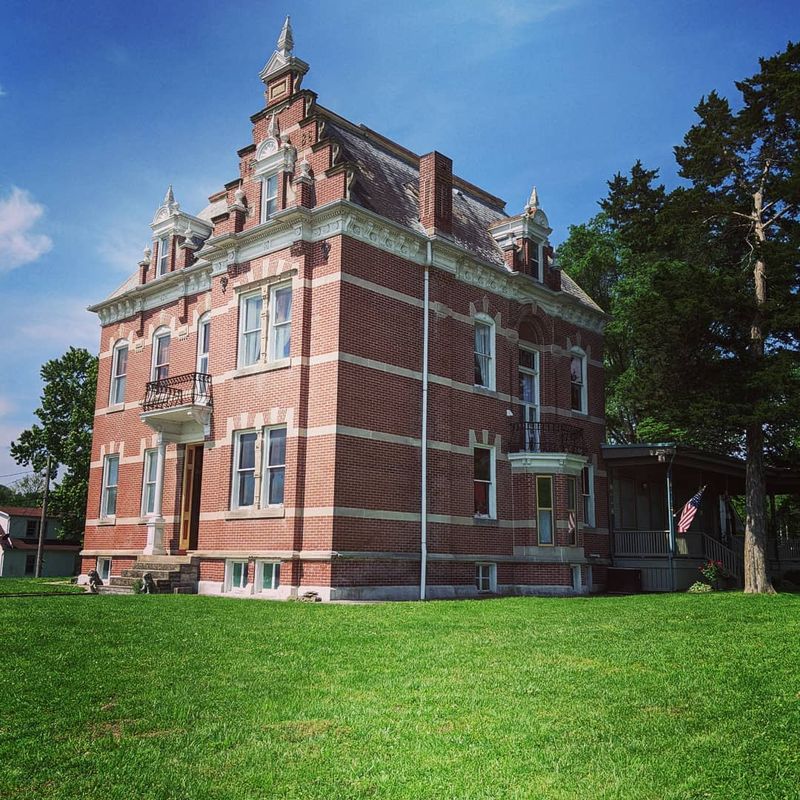
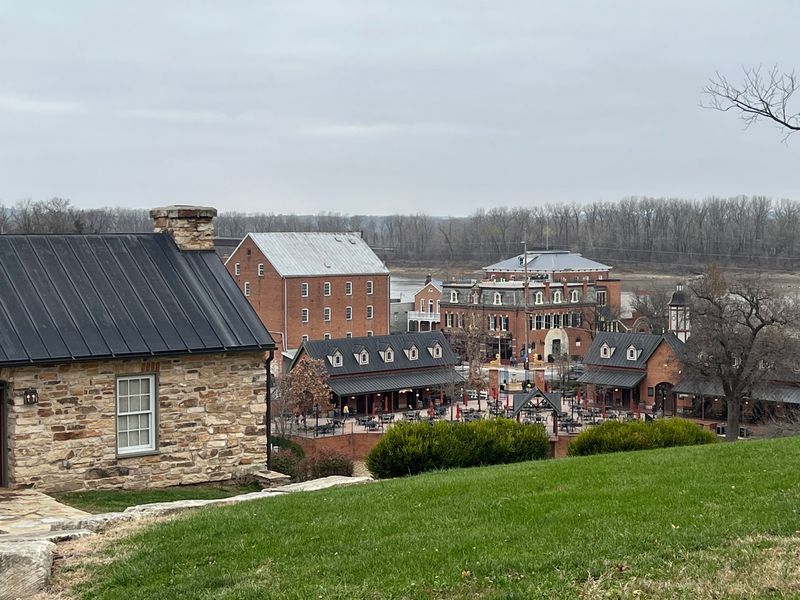
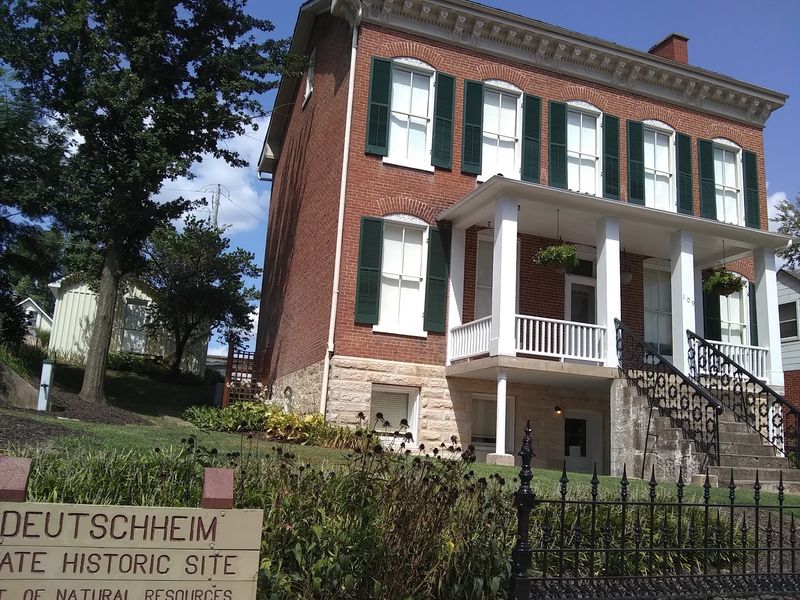
Brick is everywhere in Hermann. Early settlers fired their own bricks locally and built homes set right against the sidewalk, a style common in German towns.
That close-to-the-street look gives downtown a tidy, old-world feel. Many homes have steep roofs, tall narrow windows, and simple doorways without much fuss.
A large part of the town is listed as a historic district. That protection helps keep the original character in place, so new construction does not crowd out the old buildings.
I would recommend slowing down here rather than rushing between shops. Small details like stone foundations, iron hardware, and painted trim reward people who pay attention.
Plenty of these old homes now serve as bed-and-breakfasts and guest houses. Staying in one lets you sleep inside the history instead of just looking at it from the curb.
Booking ahead is smart during festival weekends, since rooms in a small town can fill quickly.
Want to see what life inside those walls looked like long ago? A state historic site in town opens its doors for exactly that.
Peek Inside Pioneer Life at Deutschheim
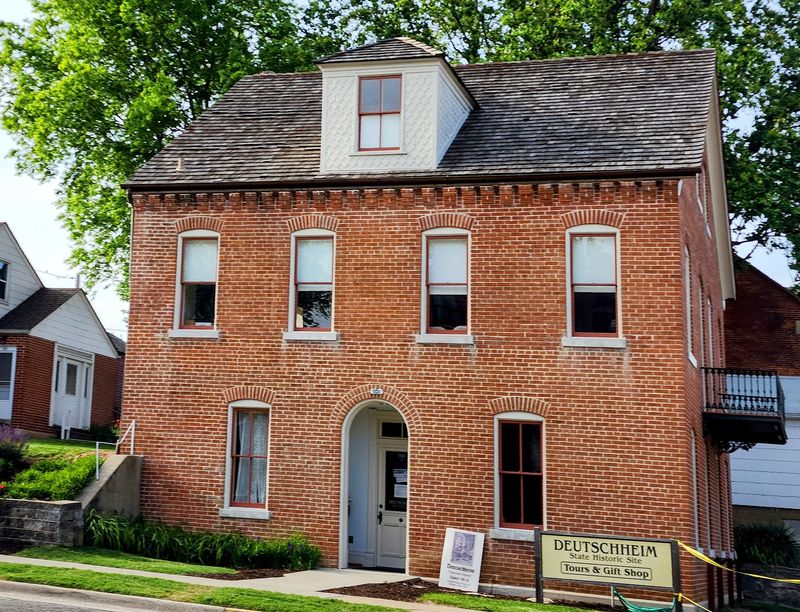
Deutschheim means German home, and that name fits perfectly. Deutschheim State Historic Site preserves two houses that show how German immigrants lived in Hermann during the 1800s.
The Pommer-Gentner House has a classic look influenced by styles popular at the time. The Strehly House was home to a family connected to printing a German-language newspaper, which shows how important their language was to the early community.
Guided tours walk you through rooms with period furniture, tools, and household items. It is a helpful way to understand daily routines, from cooking to keeping warm in winter.
The site also includes heritage gardens planted with the kinds of flowers and vegetables settlers would have grown. Kids often enjoy that outdoor part as much as the rooms inside.
I would check the Missouri State Parks schedule before going, because tour times can change by season. A quick look ahead saves you from arriving at a locked door.
Deutschheim focuses on homes, but another building nearby tells the story of how the town taught its children.
A Schoolhouse Clock Tower Full of Stories
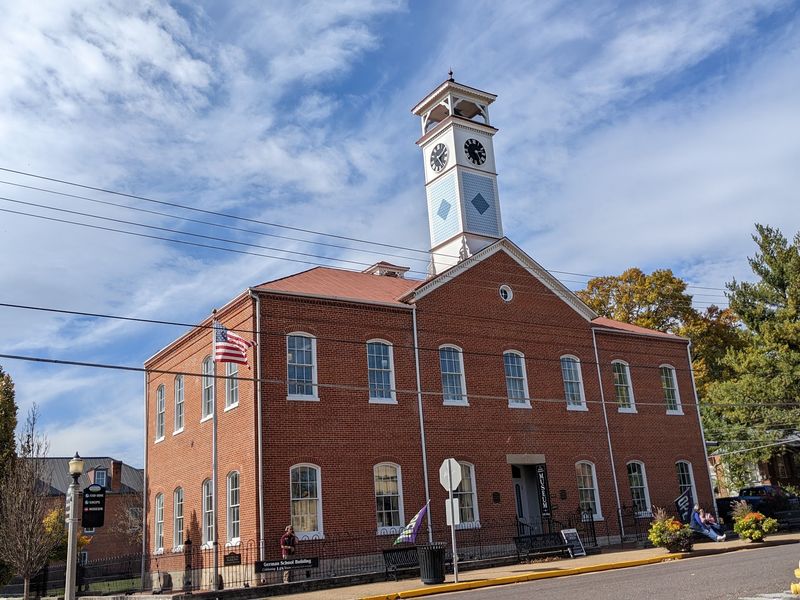
Look up when you reach the German School Building. A clock tower rises above the brick structure, and it has watched over Hermann since the building opened in 1871.
Classes were once taught in both German and English here. Today the building houses the Historic Hermann Museum, run by a local nonprofit group that works to protect the town’s past.
Exhibits cover river life, early families, crafts, and everyday objects from Hermann’s history. The Missouri River played a huge role in the town’s growth, and the museum helps explain how boats connected this small place to the wider world.
I like museums that feel built by the community rather than by a big agency. This one has that hometown touch, with displays that clearly matter to the people who set them up.
Hours tend to be seasonal, so check before you plan around it. It pairs well with Deutschheim if you want a full morning of history.
After so much time indoors, the river and bluffs outside are calling for some fresh air.
Bluffs, Bridges, and the Mighty Missouri
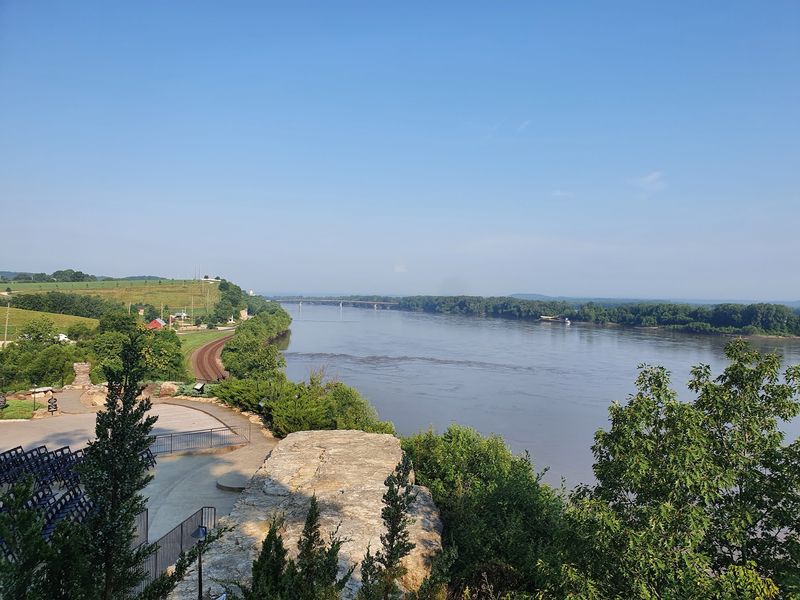
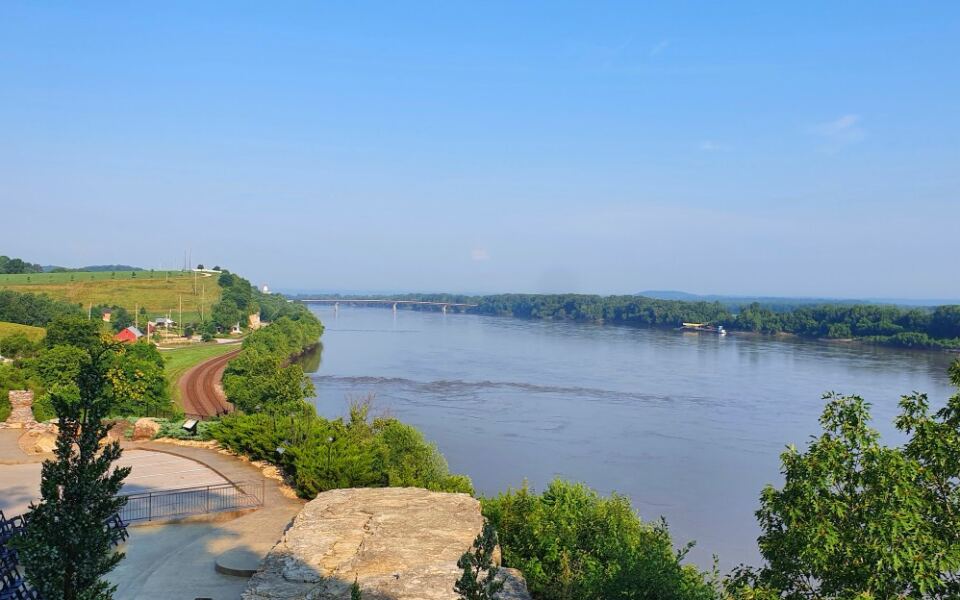
Rivers shaped this town from day one. The Missouri runs along Hermann’s northern edge, and the hills rising behind it give the area that Rhine-like look the founders loved.
A riverfront park gives you a spot to watch the water move past. It is a calm place for a picnic or a short break between museum visits.
Across the bridge, the famous Katy Trail runs along the north side of the river. This long rail-trail is popular with cyclists and walkers, and the nearby trailhead at McKittrick makes Hermann an easy add-on for a riding trip.
I would save some energy for a bike ride if the weather cooperates. Flat trail miles along the river feel like a nice reward after climbing Hermann’s steep streets.
Fall is an especially pretty time to come, when the wooded bluffs turn gold and red. Spring brings bright green hillsides and wildflowers.
The river also explains how many travelers arrive here. Trains have followed this valley for a long time, and you can still ride one into town.
Roll Into Town by Train
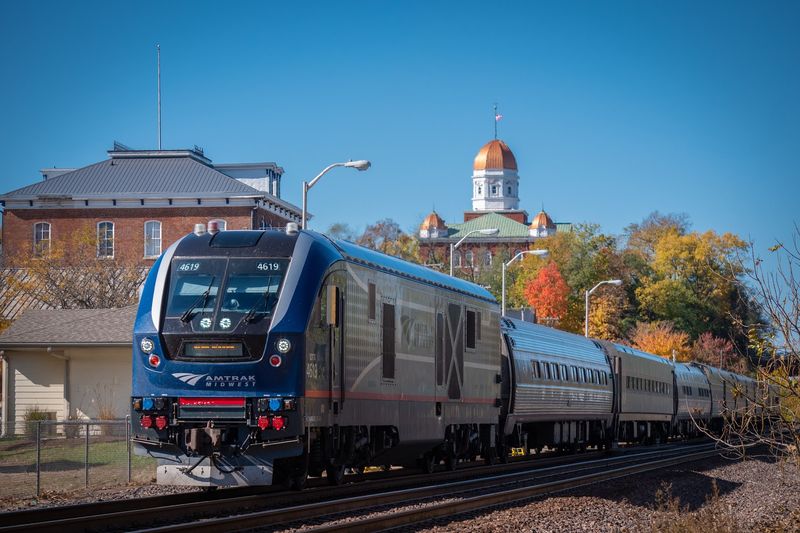
Few small Missouri towns can say this, but Hermann has an Amtrak stop. The Missouri River Runner route between St. Louis and Kansas City pauses here.
That makes a car-free weekend possible. You can step off the train and walk to much of the historic downtown, with shops, museums, and places to eat close together.
The ride itself follows the river for long stretches. Watching the water and bluffs through the window is a relaxing way to start a trip.
I like this option for families who want to skip the drive. Kids tend to get excited about trains, and it turns the travel day into part of the adventure.
Schedules can change, so look up current times and book tickets ahead, especially during busy festival weekends. Seats sometimes fill up when crowds head to town for special events.
Driving works fine too. Hermann sits roughly an hour and a half west of St. Louis by car, along scenic state highways.
Whatever way you arrive, you will probably get hungry. Luckily, this town takes German food seriously.
Sausage Making Is Practically a Local Art
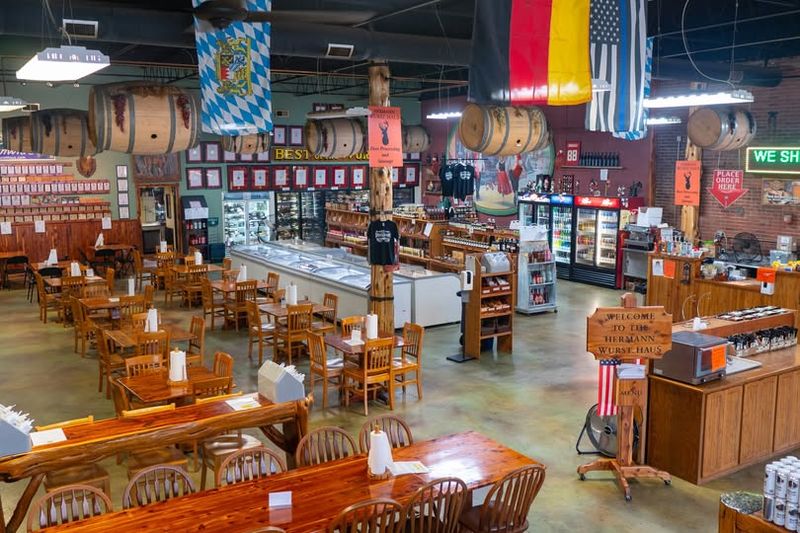
Bratwurst lovers, this section is for you. Hermann has a strong tradition of German-style sausage making that goes back to its earliest families.
The Hermann Wurst Haus in downtown is known for making many kinds of handmade sausages right in town. It has won numerous awards in sausage competitions, and it offers samples so you can try different flavors before deciding.
German food shows up on many local menus too. Look for dishes like schnitzel, sauerkraut, potato salad, and soft pretzels, all classic comfort foods brought over by settlers.
I would suggest picking up a few sausages to take home if you have a cooler in the car. It is a tasty souvenir that lasts longer than the trip itself.
Bakeries and sweet shops add even more to the mix. Strudel and other German-style pastries are a fun treat after a long walk up those hills.
Food becomes even more important during festival season. Twice a year, the whole town fills with music, dancing, and plenty of German cooking.
Festivals That Turn Streets Into a German Village
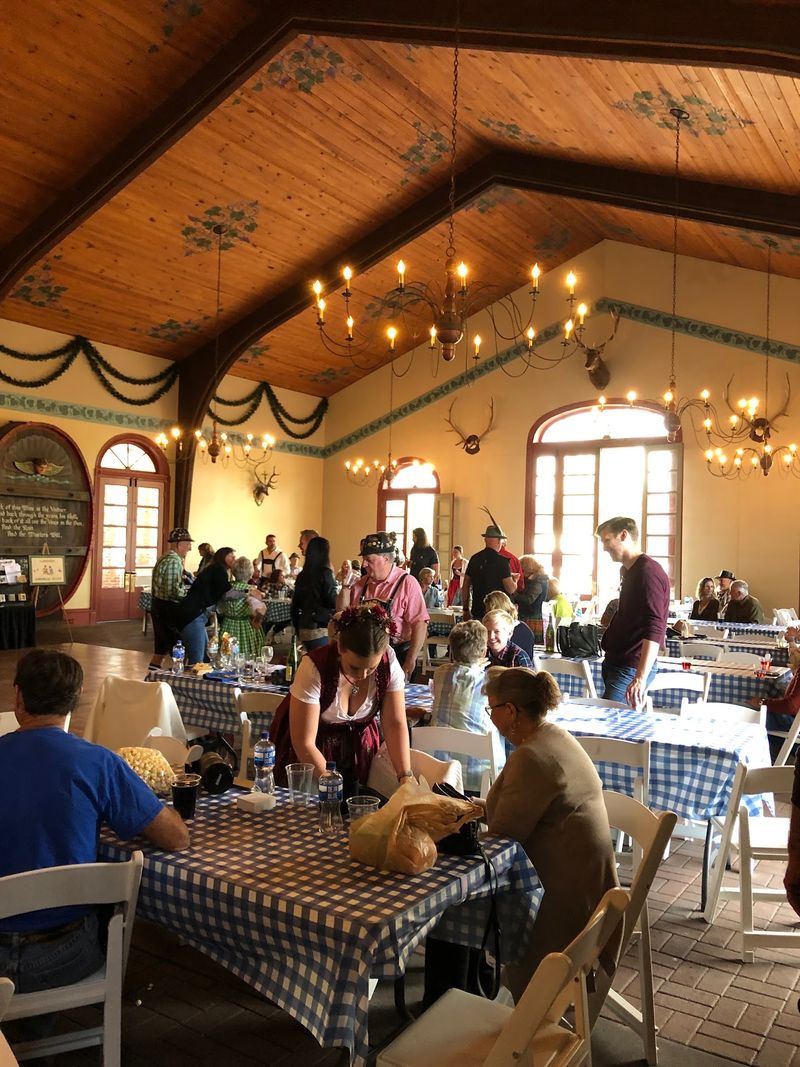
Lederhosen and dirndls are not unusual sights in Hermann during festival time. The town celebrates its roots with gusto every year.
Maifest in May is one of the town’s oldest traditions. It brings a parade, folk dancing, German music, and family activities that welcome spring.
Fall brings an Oktoberfest season packed into weekends in October, with polka bands and crafts spread around town. In December, the Kristkindl Markt fills the air with holiday cheer, offering handmade gifts and German-style decorations.
These events draw big crowds compared with the town’s size. That means traffic, full parking areas, and booked rooms, so planning ahead matters a lot.
I would aim for Maifest if you are bringing kids. It tends to focus on parades, music, and outdoor fun that works well for all ages.
Quieter weekdays have their own appeal. You get the same brick streets, museums, and views with far fewer people around.
Either way, Hermann proves that a small river town can keep a big heritage alive for nearly two centuries.
Share this story