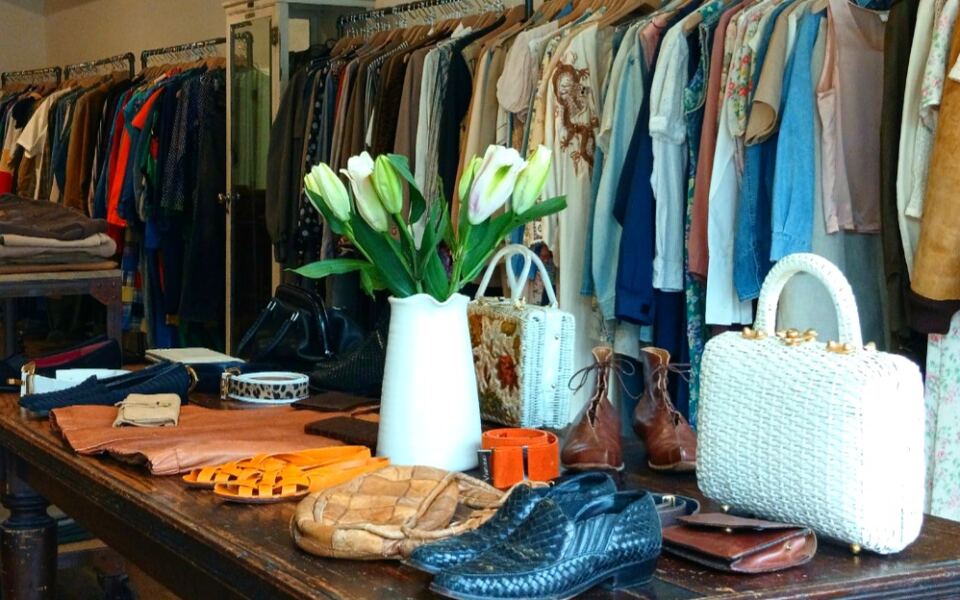
A shop in Michigan buys nearly all of its clothing straight from people in the community, one piece at a time. Nothing comes from big wholesale bins or other thrift stores.
Every jacket and dress has a story that started in somebody’s closet.
Here is the twist. The racks are not sorted by size.
Old clothing was cut so differently from decade to decade that a modern size chart simply does not work.
I like that kind of honesty. A store that admits a 1950s dress and a 1990s tee cannot share a size tag is a store that really pays attention to its clothes.
Shopping there means reading seams, fabrics, and labels like little history lessons.
The shop recently moved to a new home, and that move stirred up plenty of feelings among longtime fans.
A Fresh Address on Old Woodward
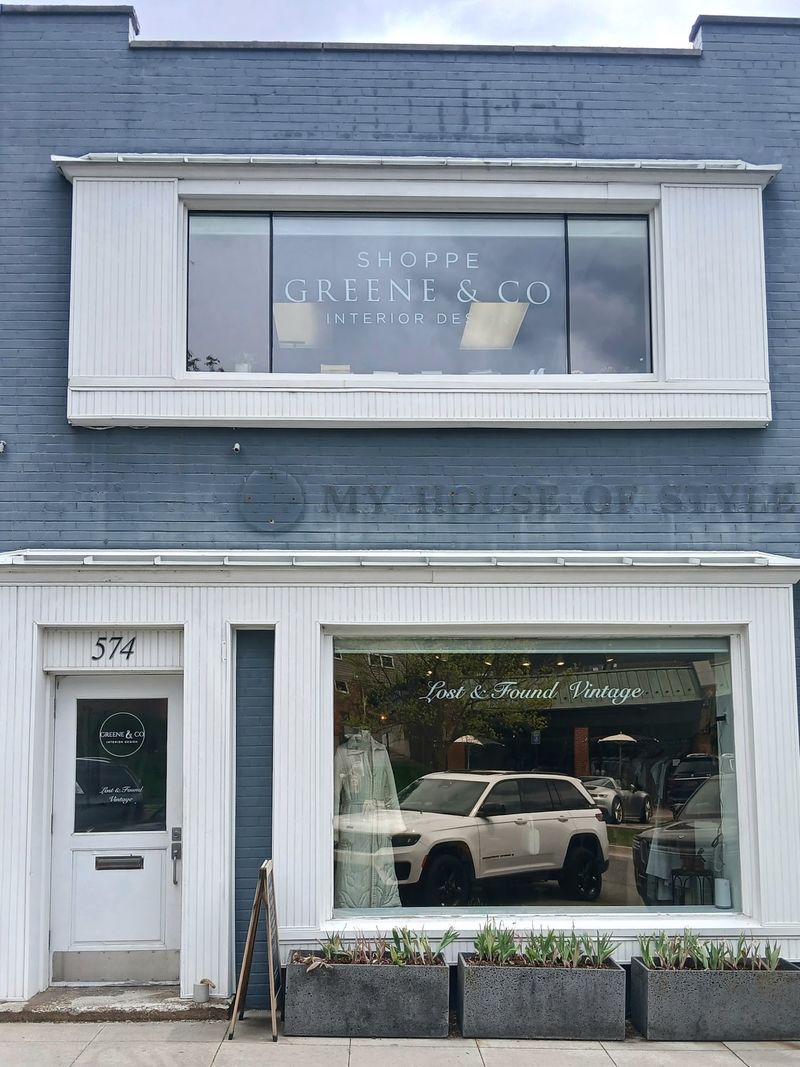
Lost and Found Vintage now sits at 574 N Old Woodward Ave in Birmingham, Michigan, in the United States. The shop moved here from its longtime home in nearby Royal Oak.
Birmingham’s downtown is known for walkable streets lined with boutiques and cafes. The new spot puts this vintage store right in the middle of that shopping scene.
The space is smaller than the old Royal Oak store. Shoppers describe a calm, clean layout with a narrower focus on true vintage and brand-name designer pieces.
That shift matters if you remember the old location. The Birmingham store feels more like a carefully picked collection than a giant treasure hunt.
I find the change interesting because it shows how a vintage shop can grow up. Instead of packing every rack to the edges, the team now seems to choose fewer items and give each one more room to shine.
The store is open most days from late morning until early evening. It closes on Thursdays, so plan around that if you are driving in from another part of metro Detroit.
Knowing where the shop came from helps explain why its move sparked so much conversation.
The Royal Oak Years Still Echo
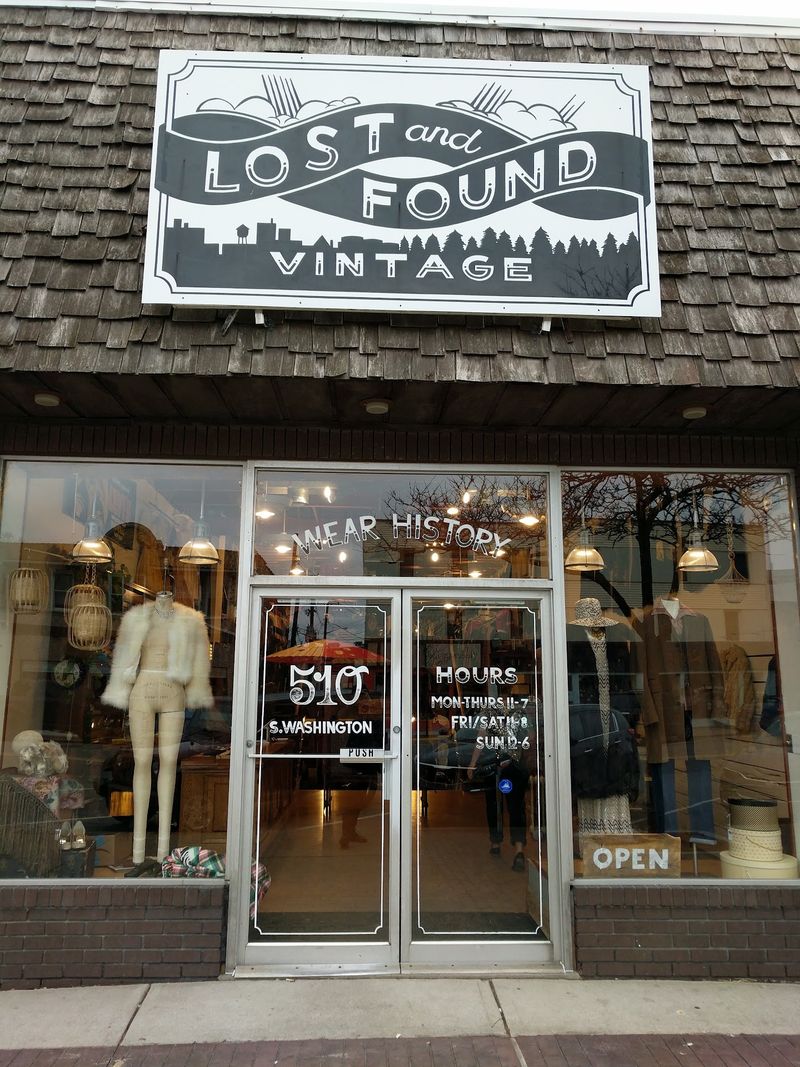
Ask a longtime fan about Lost and Found Vintage, and they will probably mention Royal Oak first. That earlier shop was big, busy, and packed with racks to dig through.
Many shoppers loved the hunt. They spent hours searching for a 1950s dress or a lucky leather jacket hidden between dozens of other finds.
The move to Birmingham changed that feeling. The new store is smaller and more focused, and some former regulars have said openly that they miss the old energy.
Other visitors see the new store as a real improvement. They describe it as thoughtfully chosen, with a beautiful layout and strong service.
I can understand both sides. A massive, crowded shop makes treasure hunting fun, while a curated space saves time and puts the best pieces up front.
So which one is better? That depends on what kind of shopper you are.
If you love sorting through mountains of clothes, the new shop may feel quieter than you expect. If you want a special piece without the hours of digging, Birmingham might suit you just fine.
Either way, the clothes themselves still come from the same unusual source.
Every Piece Comes From a Neighbor
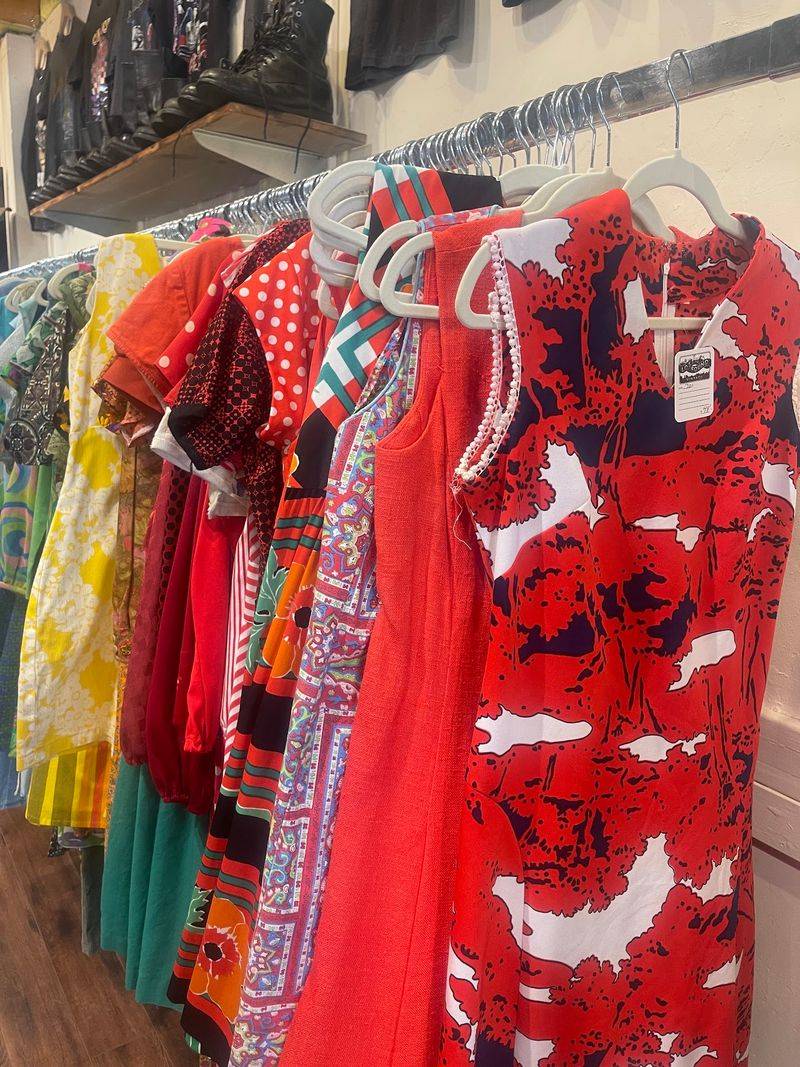
Closets across metro Detroit feed this store. Lost and Found Vintage buys its merchandise directly from members of the public, paying sellers outright instead of taking items on consignment.
The shop has stated that it does not stock its racks from other thrift stores. Instead, people bring in their old clothes, and the buying team decides what fits the collection.
A buyer named Amanda handles much of this process. Sellers have praised her as courteous and fair, even when she politely passes on certain pieces.
This system also explains why the inventory keeps changing. What hits the floor depends on what people walk in with that week.
That means two visits a month apart can look quite different. A rack of 1970s denim might show up one week and vanish the next.
If you have vintage clothes sitting in your own closet, this is a handy thing to know. Bring clean pieces in good condition, and be ready to hear an honest answer.
Buying straight from sellers shapes the prices too. That leads to one of the most talked-about topics surrounding this Birmingham store.
Why the Price Tags Read Higher
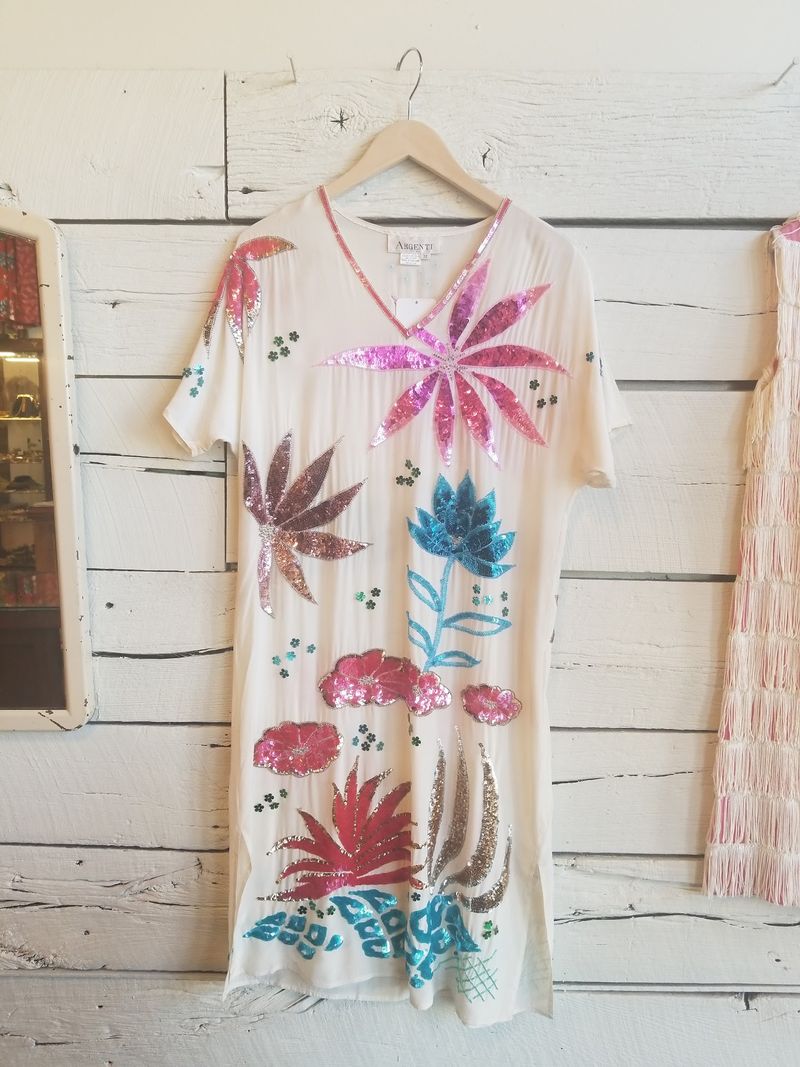
Cost comes up a lot in conversations about this shop. Some shoppers feel the prices are steep, especially for 1980s and 1990s pieces.
The store has explained its side clearly. Because it pays sellers directly, prices reflect what the shop spent to buy each item.
Care adds to the cost as well. According to the shop, pieces may be washed, steamed, repaired, or treated with leather maintenance before they ever reach a hanger.
Some items even go to local specialists for dry cleaning or bigger repairs. The goal is for each garment to be ready to wear the day you take it home.
One shopper pointed out that the prices still looked fair compared to similar pieces sold online. Another called it a place to buy one really special item you save up for.
I would treat a trip here like shopping for a keepsake, not a cheap haul. Set a budget, then hunt for the piece that truly earns it.
A quick tip helps too. If something feels pricey, ask the staff about its era or brand, since the story behind it often explains the tag.
Forget Your Usual Size
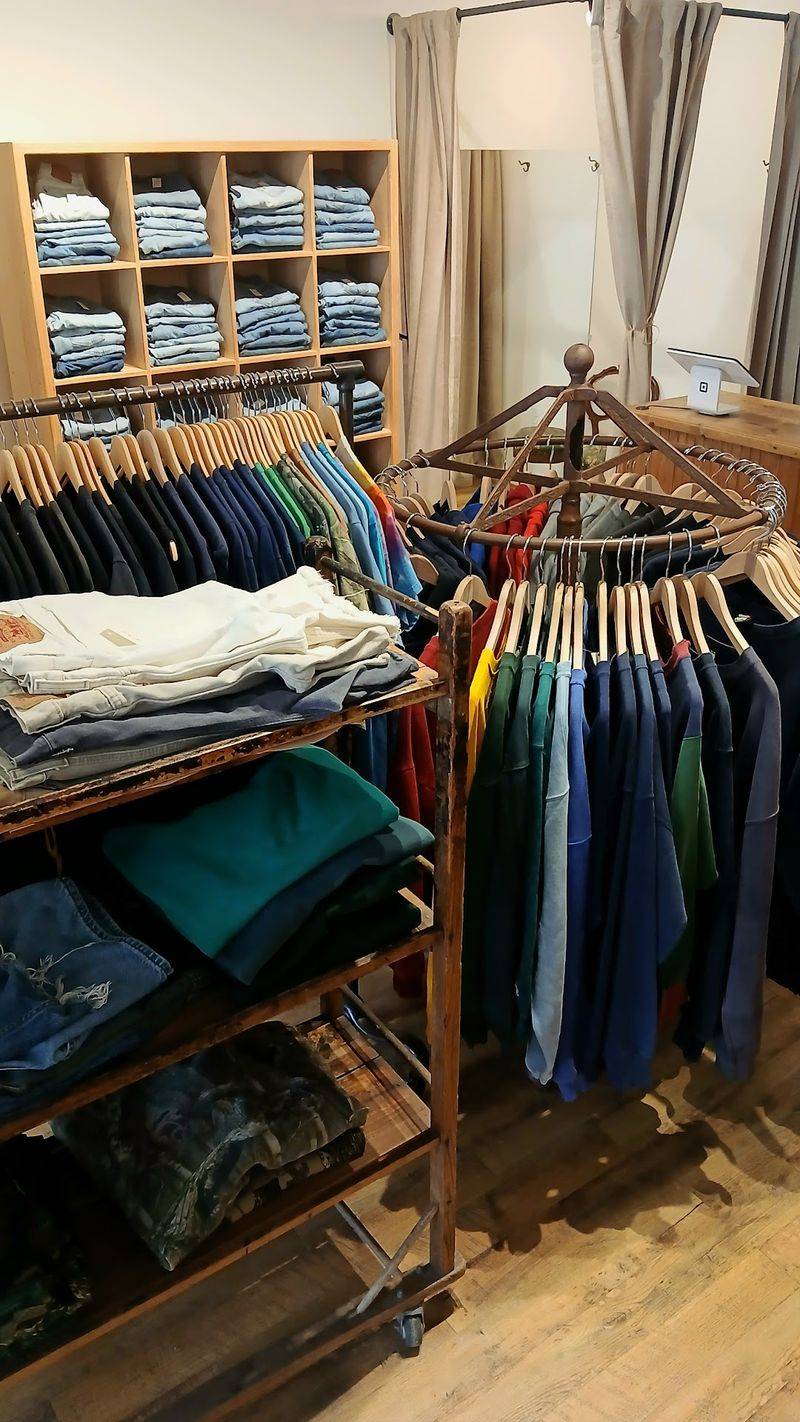
A size medium from 1965 and a size medium from 1995 can fit like two totally different people. That simple fact explains one of the most surprising things about this store.
Lost and Found Vintage does not organize its racks by size. The shop says sizing standards changed so much across the decades that a single system would not work.
Even T-shirts and pants were made in different lengths depending on the popular shapes of each era. A high-waisted pair of older trousers fits nothing like modern jeans.
So how do you shop without size labels to guide you? Start by trying things on, and bring a measuring tape if you know your measurements.
Staff members are trained to help you find certain sizes or styles. The store says several employees are usually around during business hours.
There is also a plus-size section, which the store has noted is marked with a sign. Asking for directions saves time in a small, busy space.
This quirky setup turns shopping into a small history lesson. You learn how each decade shaped the human body in fabric.
Designer Labels and Unlabeled Treasures
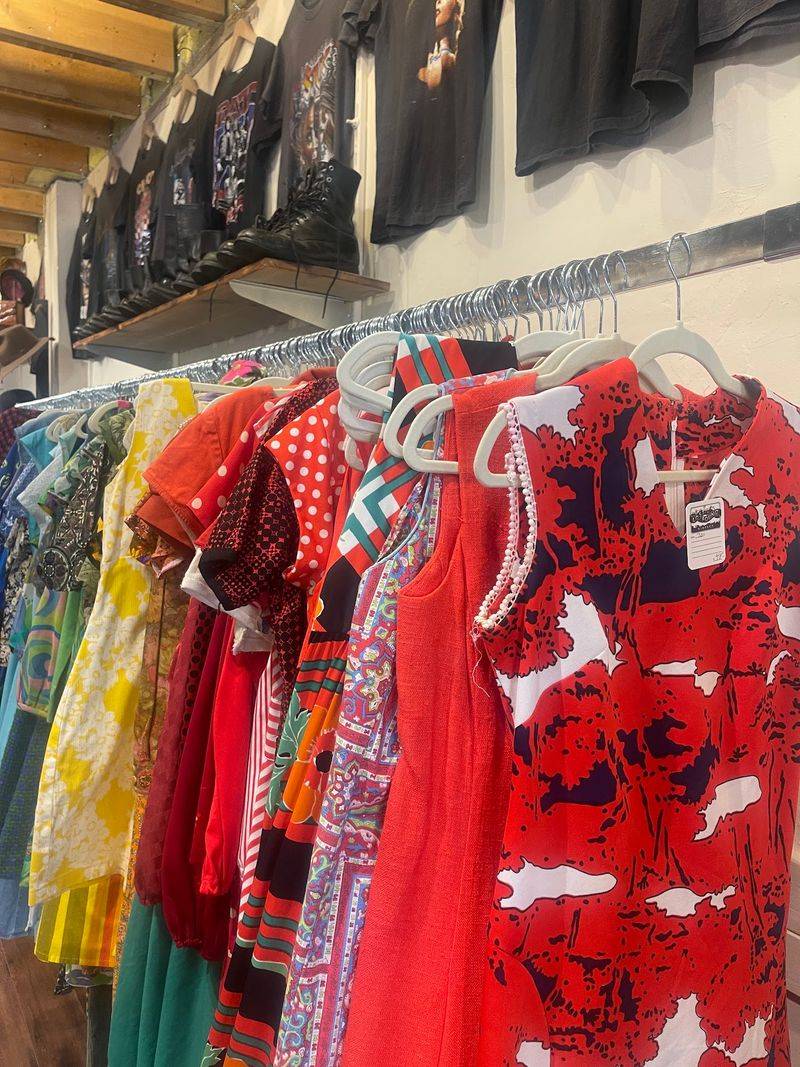
Pucci prints and custom-tailored jackets with no label at all have both turned up on these racks. That mix is part of the fun.
The Birmingham store leans toward true vintage, brand-name, and designer-style clothing. One recent shopper called it a small shop with a very targeted selection.
Unlabeled tailored pieces can be just as exciting as famous names. Long ago, many people had clothes made by local tailors, so these garments often show careful hand work.
Look closely at seams, linings, and buttons. Those small details can tell you a lot about how well a piece was made.
Shoppers have also mentioned 1950s dresses among their favorite finds. Full skirts and fitted waists from that decade still look polished today.
Since inventory changes with each new batch from sellers, no single designer is guaranteed. A label you spot one week might not appear again for months.
I like the idea of walking in without a strict list. Let the clothes surprise you, and you may leave with something from a decade you never expected to wear.
Leather Jackets and a Strong Men’s Rack
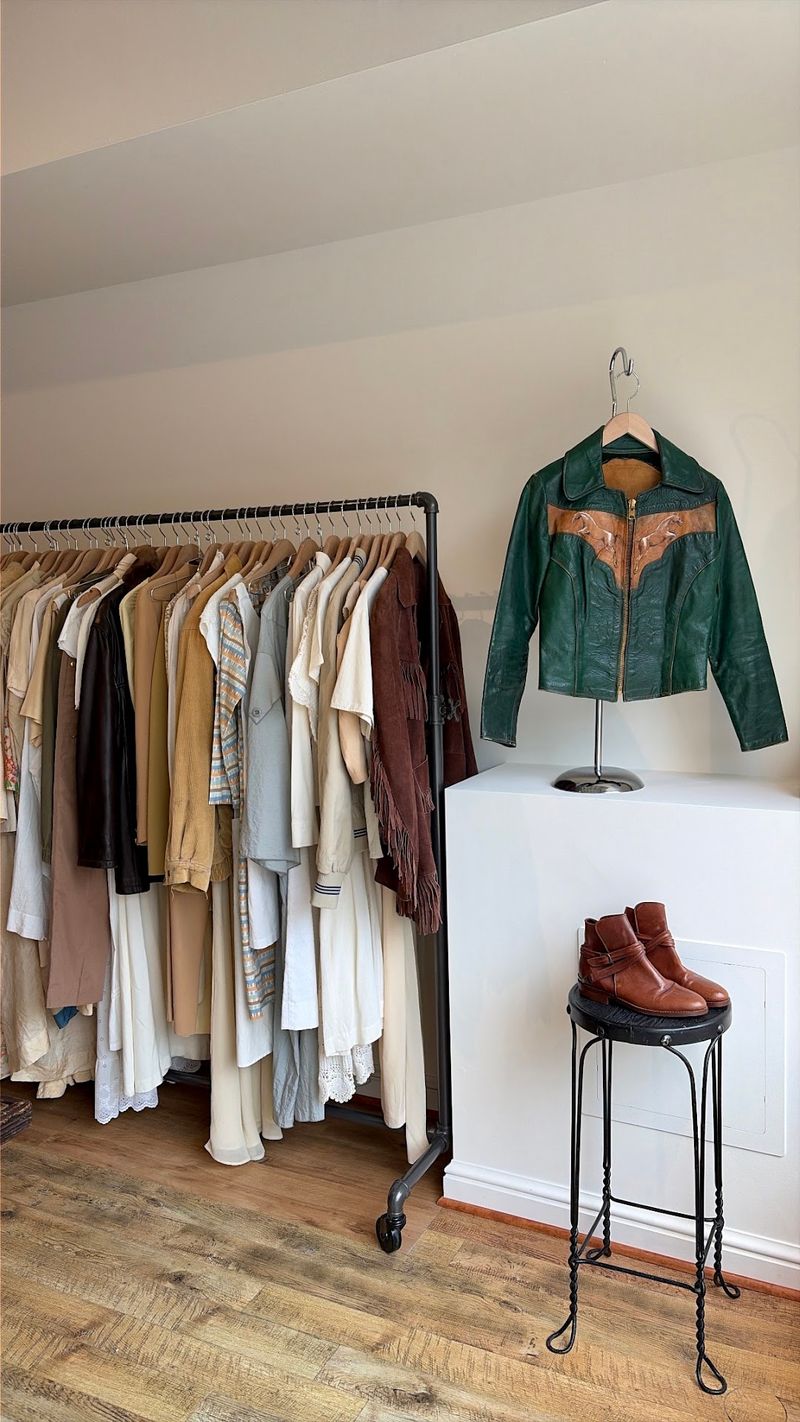
Leather jackets have a way of pulling shoppers in here, and at least one visitor admitted needing serious self-control to stop at just one.
The store has been noted for a good men’s section. That is welcome news, since many vintage shops tilt heavily toward women’s clothing.
Vintage leather is worth a careful look. The shop says it does leather maintenance in-house, which helps older jackets stay soft and wearable.
When trying on a jacket, check the shoulders first. Vintage cuts can run boxy or narrow, so the shoulder fit matters more than the size tag.
Old band shirts and sports gear also show up from time to time. One shopper even spotted a Detroit Lions jersey, which led to a lively online exchange about its price.
The store’s reply ended with a cheerful cheer for the Lions. It is nice to see a local business keep its sense of humor about hometown football.
Men who usually dread shopping might actually enjoy this place. Fewer racks and a clear layout make browsing feel less overwhelming.
Of course, an outfit needs finishing touches.
Glass Cases Full of Jewelry
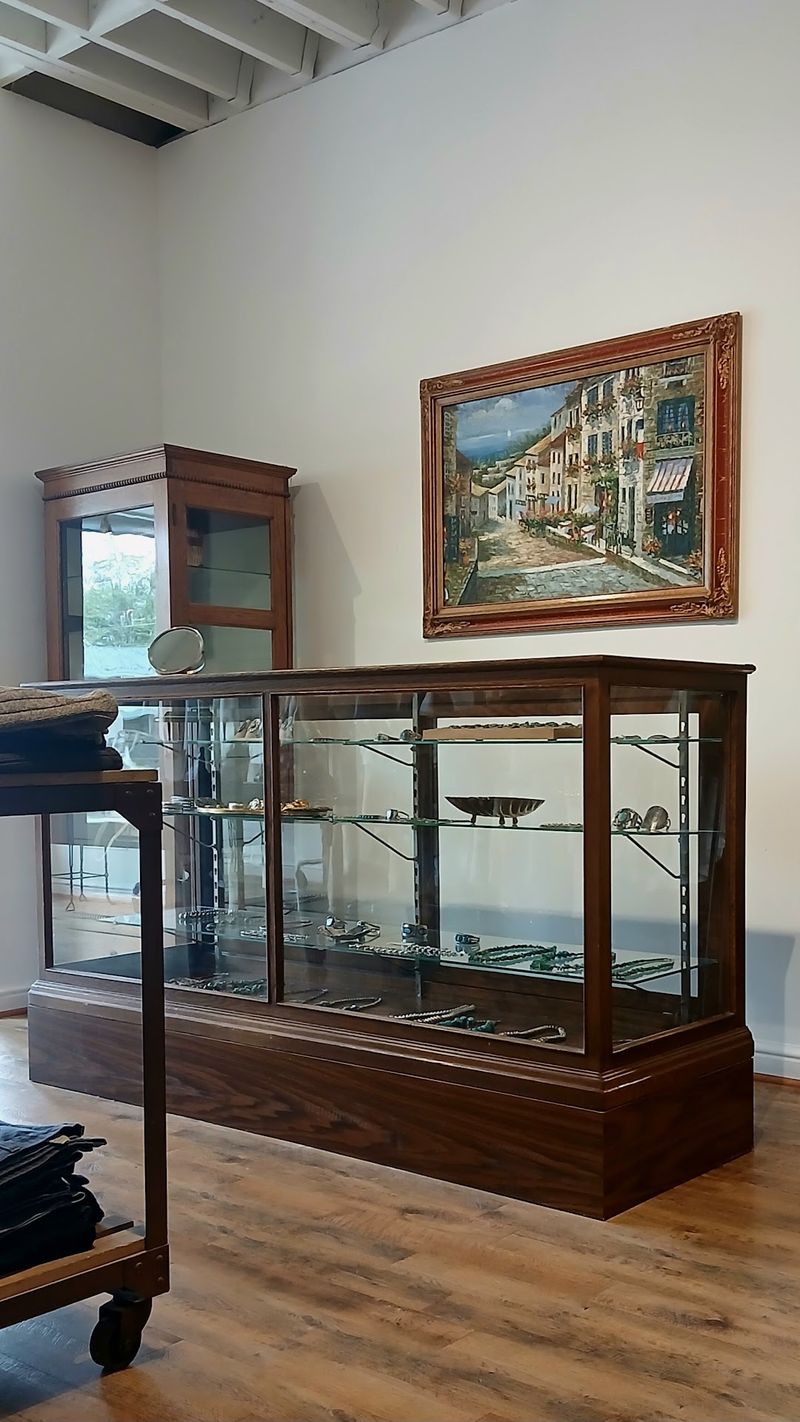
Jewelry gets mentioned again and again by shoppers, and the store has been noted for its jewelry cases. Small pieces can carry big personality.
A vintage brooch or chunky necklace is an easy way to try older styles. You do not need to commit to a full 1960s outfit to enjoy a little history.
Accessories are spread throughout the shop instead of sitting in one corner. The store has explained that this setup works better with its floor layout.
That means you might spot earrings next to a dress or a belt near the jackets. Keep your eyes moving as you browse.
Hats, shoes, and purses have shown up in smaller numbers in the past. Since the stock depends on what sellers bring in, accessory choices rise and fall.
Here is a practical tip. If you want a specific item, ask an employee where similar pieces are displayed that day.
Jewelry also makes a thoughtful gift. A one-of-a-kind pin or bracelet tends to mean more than something grabbed off a mall shelf, and it comes with a story about where it has been.
A Calm Room Built for Browsing
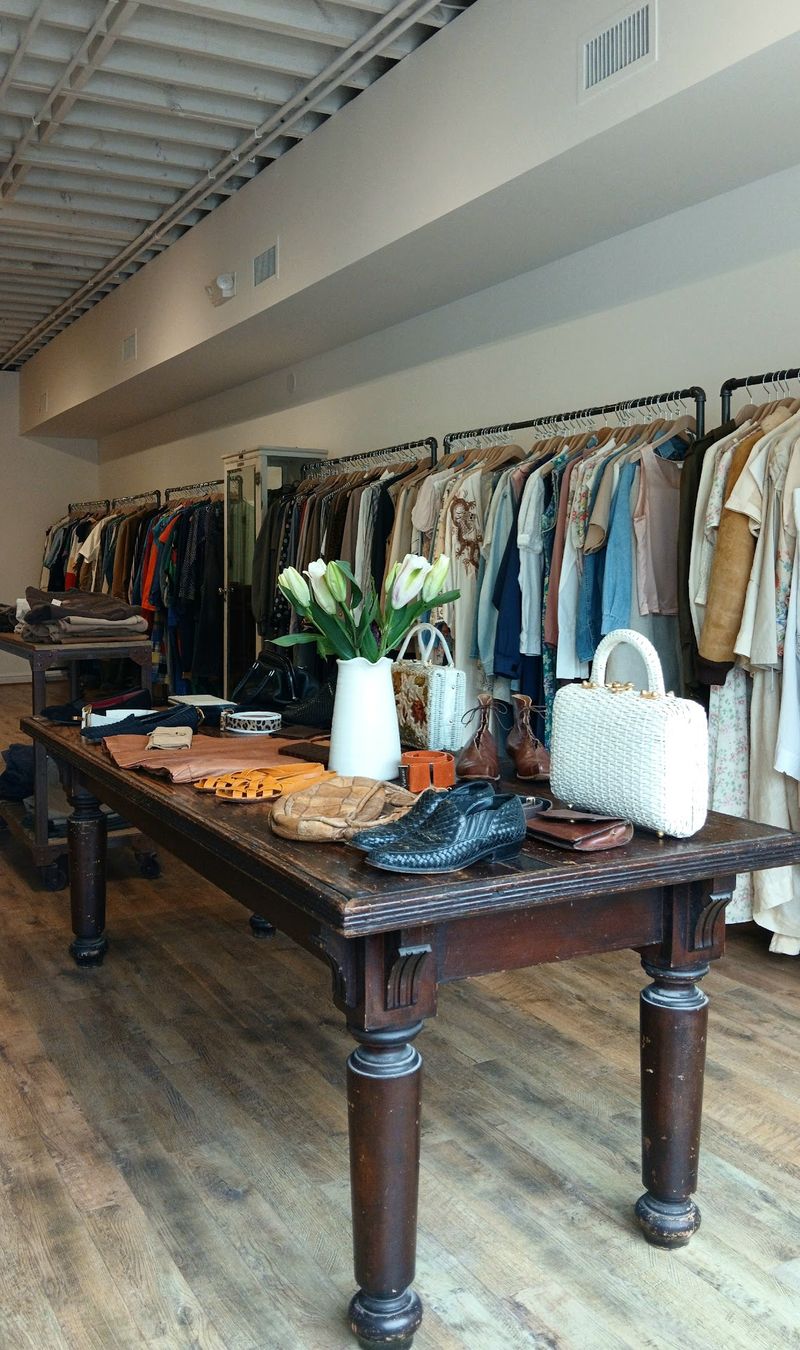
Gray walls and open space set the mood at the Birmingham shop. The look is cleaner and simpler than the crowded Royal Oak store many people remember.
One visitor described it as fashion and lifestyle in one divided space. That suggests the shop shows clothing alongside other home or style items.
Opinions on the design are split. Some shoppers miss the colorful, packed feel of the past, while others call the new room beautiful.
A spacious layout does have real perks. You can see each piece clearly, and you are less likely to knock over a stack while reaching for a sweater.
I would spend a few minutes just walking the room before pulling anything off the rack. Getting the layout first makes the second pass faster.
Fewer items on display also means each one is easier to judge. Colors, prints, and fabrics stand out more when they are not squeezed together.
The quieter setting works well for shoppers who feel stressed in crowded stores. It gives you room to think before you buy.
The people working the floor are another big part of the visit.
Smart Moves Before You Go
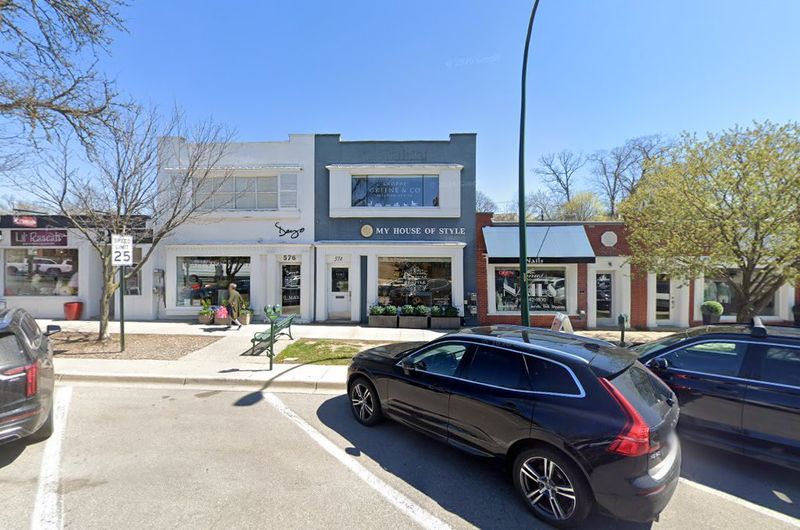
Parking right out front can be tricky, so plan ahead. One recent shopper mentioned a pay lot just a few doors down from the store.
Timing matters too. The shop is closed on Thursdays and generally runs from late morning to early evening the rest of the week, so double-check current hours before heading out.
Staff have been described as friendly and helpful by many visitors. Since racks are not sorted by size, asking for help is a smart first step.
Wear clothes that are easy to change in and out of. Vintage fits vary so much that trying things on is the only real test.
Bring a budget and a little patience. This is a shop for finding one great piece, not filling a giant shopping bag.
Want to sell instead? Clean, cared-for clothing gives you the best chance with the buying team.
A visit pairs nicely with a stroll around downtown Birmingham. Grab a snack nearby, then come back for a second look at the jacket you could not stop thinking about.
Fashion history is fun, but it is even better when the right piece finally fits.
Share this story