On a busy Saturday, more than 200 vendors can fill a set of open-air sheds in one Michigan neighborhood, and the tradition is well over a century old. Families have bought their peaches, flowers, and Sunday dinner meat in the same spot since the 1890s.
Grandparents shopped here, and now their grandkids do too.
The oldest shed still standing went up before cars were common on city streets. Today, giant murals cover the warehouses around it, painted by artists from all over the world.
I like that a place this old still feels so lively. Farmers, bakers, butchers, and painters share the same few blocks, and nobody seems to mind the early wake-up call.
Then there is one spring day when the whole district turns into a sea of hanging baskets and potted plants. It might be the most colorful morning of the year.
A Century-Old Market on Russell Street
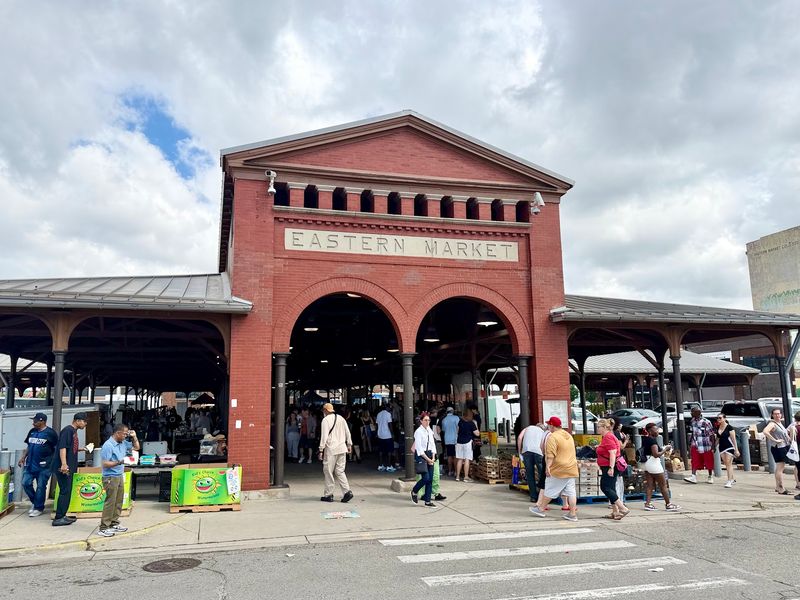
Shoppers in Detroit have been heading to Eastern Market since 1891, when the city moved its public market to this spot. The main address is 2934 Russell Street, Detroit, Michigan, just northeast of downtown.
The market is not one building. It is a whole district made up of several open-air sheds, old warehouses, shops, and restaurants spread over a few blocks.
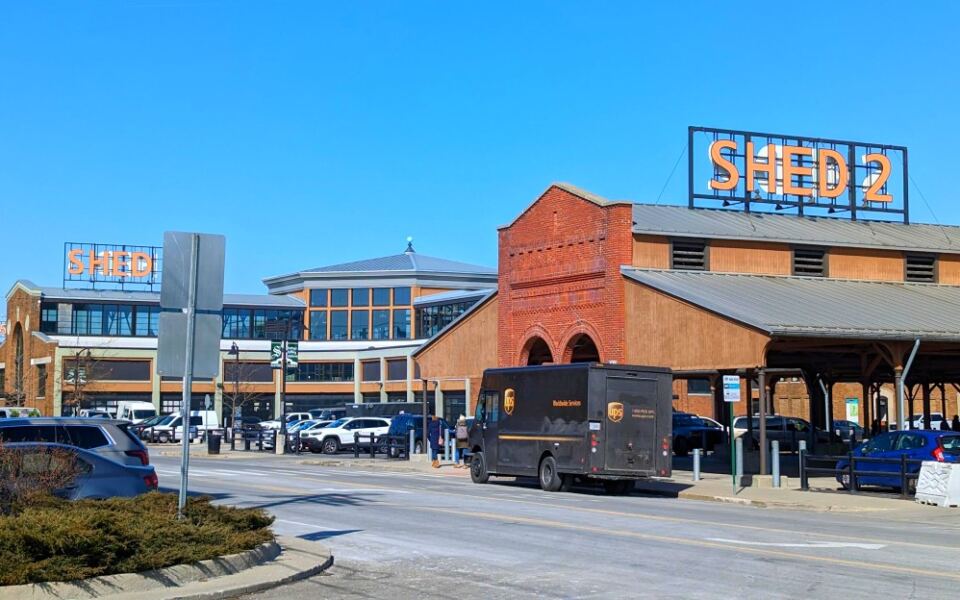
The sheds are the heart of it all. They are numbered, so you will hear people talk about meeting at Shed 2 or grabbing honey near Shed 3.
Eastern Market is often called the largest historic public market district in the United States. That is a big title, but walking the blocks makes it easy to believe.
I like that it still works the way a market should. Farmers sell what they grow, butchers sell what they cut, and shoppers carry home bags that feel heavier than they planned.
The district is managed today by a nonprofit called Eastern Market Partnership. Its job is to keep the market running, support local food businesses, and plan events throughout the year.
Of all the days to visit, Saturday is the one most Detroiters know best.
Saturday Is the Main Event
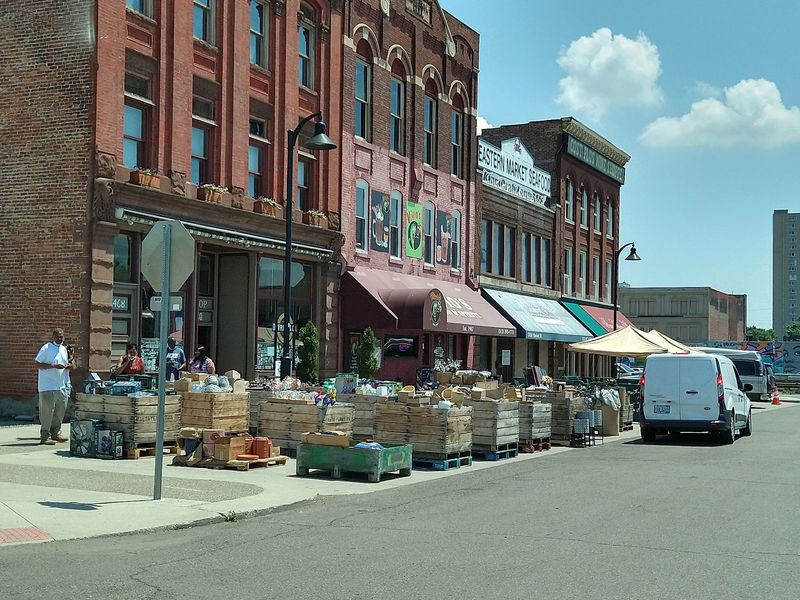
Early birds have a real advantage here. The Saturday Market runs all year, and the earliest shoppers get the first pick of the freshest produce.
On a full summer Saturday, the sheds and nearby streets can hold well over 200 vendors. You can find tomatoes, sweet corn, apples, eggs, cheese, fresh bread, plants, and much more.
The mix changes with the seasons. Spring brings greens and seedlings, summer brings berries and peppers, and fall brings squash, pumpkins, and cider apples by the bushel.
A smart plan is to walk the whole market once before you buy anything. Prices and quality can vary from stand to stand, and the best tomatoes might be at the far end.
Bring cash, though many vendors take cards now. Reusable bags or a small rolling cart will save your arms after the third stop.
Winter Saturdays are quieter, but the market still opens. Enclosed sheds keep things comfortable when Michigan weather turns chilly.
Saturday crowds come mostly for food, but Sundays in the warm months offer a very different reason to show up.
Sundays Belong to the Makers
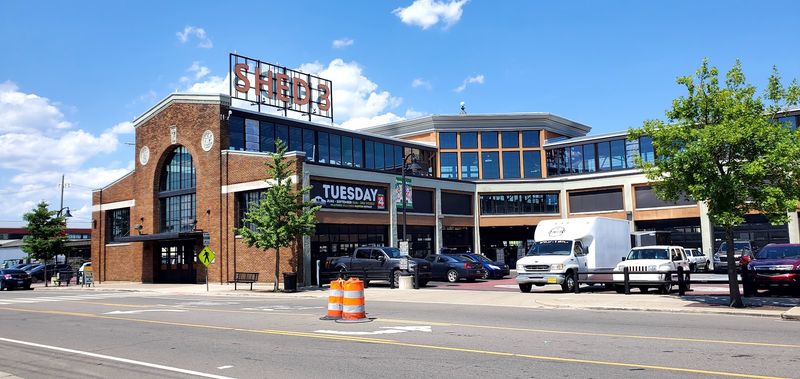
Handmade earrings, art prints, candles, and vintage finds take over the sheds on Sunday Market days. These markets run during the warmer months and lean toward local artists and small makers.
The pace feels slower than Saturday. People wander, chat with vendors, and actually stop to look at things instead of rushing toward the peaches.
I can understand the appeal for gift shoppers. Buying a necklace straight from the person who made it is more fun than clicking a button online.
You will still see some food vendors on Sundays. Snacks, baked goods, and a few produce stands usually join the artists, so nobody goes hungry while browsing.
Many of the makers are from Detroit and nearby Michigan towns. Some of them use the market as a first step before opening their own shops.
The Sunday schedule can change from year to year. Checking the official market calendar before you go is a simple way to avoid showing up to empty sheds.
Once you finish browsing the booths, look up. The walls around you tell their own stories in bright paint.
Murals Cover Nearly Every Wall
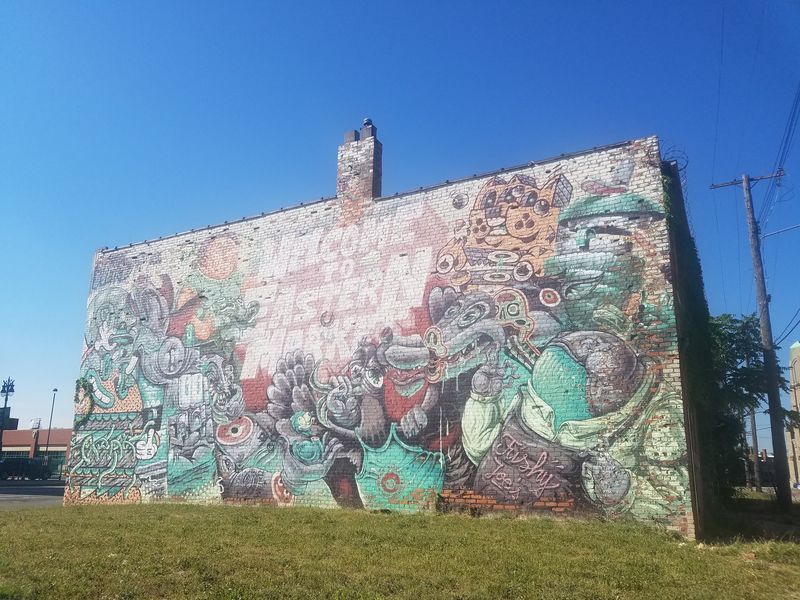
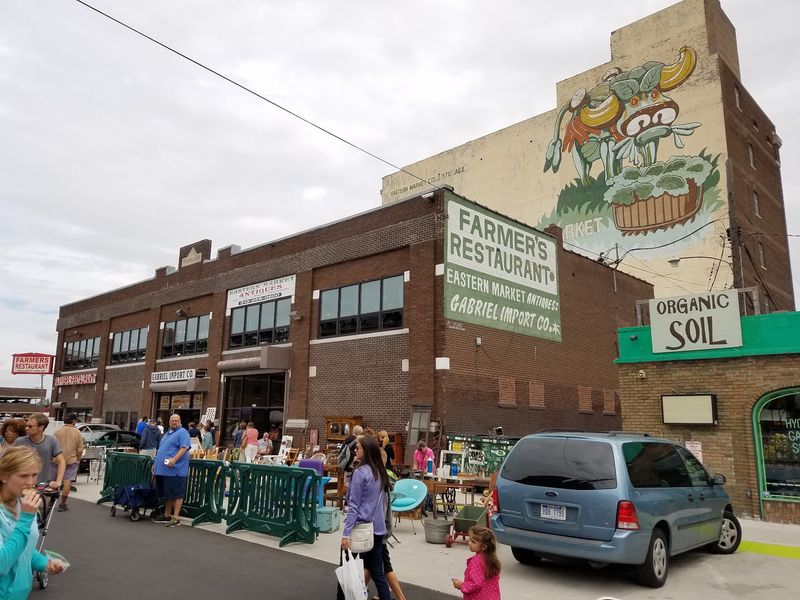
Bright faces, giant animals, and bold patterns stretch across the warehouse walls of Eastern Market. Many of them came from a festival called Murals in the Market, which started in 2015.
Each year, the festival brings in artists from Detroit and around the world. Over time, the district has gathered well over a hundred murals.
Walking the side streets feels like an outdoor art show. You might turn a corner and spot a mural taller than a three-story building.
My favorite part of the idea is how it changed the look of old industrial buildings. Walls that were once plain brick now pull people onto blocks they might have skipped.
The best way to see them is on foot. Wear comfortable shoes and give yourself time to explore beyond the main sheds.
Photographers love the area, and so do families. Kids tend to enjoy spotting the biggest or silliest mural on the block.
Quiet weekdays are a good time for mural walks, since the streets are less crowded. Saturday shoppers often miss them because they are focused on finding the freshest strawberries.
Shed 2 Has Seen It All
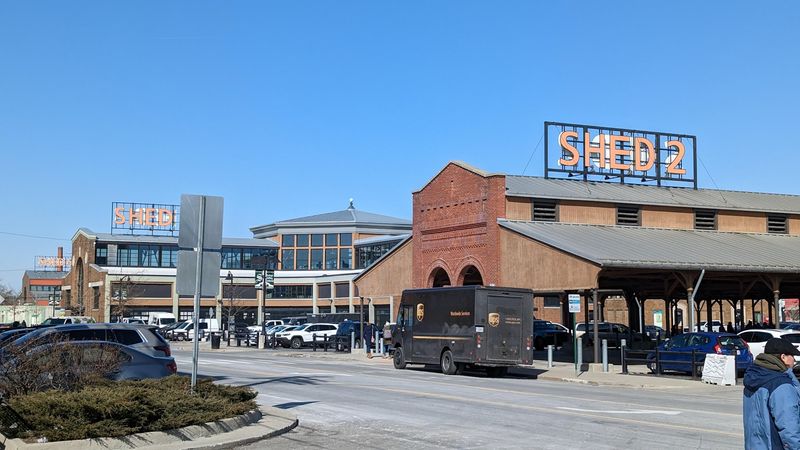
Back in 1898, Detroit built a market shed that still stands today. Shed 2 is the oldest remaining shed at Eastern Market, and it is still used by vendors every week.
Think about everything that has happened since then. Cars replaced horses, the city grew and changed, and people kept showing up to buy their vegetables in the same spot.
The sheds have been repaired and updated over the years. Shed 3 and Shed 5 got major renovations, and Shed 5 now includes a community kitchen used for cooking classes and food programs.
I find it interesting that the market has never felt like a museum. Old sheds still do the job they were built for, just with card readers added.
The market also has a long wholesale side. Grocers and restaurants have bought produce here for generations, often before most people are even awake.
History buffs can spot older details in the brick buildings around the sheds. Many were once meat packers, food warehouses, and supply stores.
Some of those old businesses never left, and a few still sell the same treats they did a century ago.
Old Shops With Deep Roots
Germack Pistachio Company has been roasting nuts in Detroit since 1924. Its Eastern Market shop sells roasted pistachios, other nuts, dried fruit, spices, and coffee.
Shops like this give the district its long memory. Some families have shopped at the same counters for three or four generations.
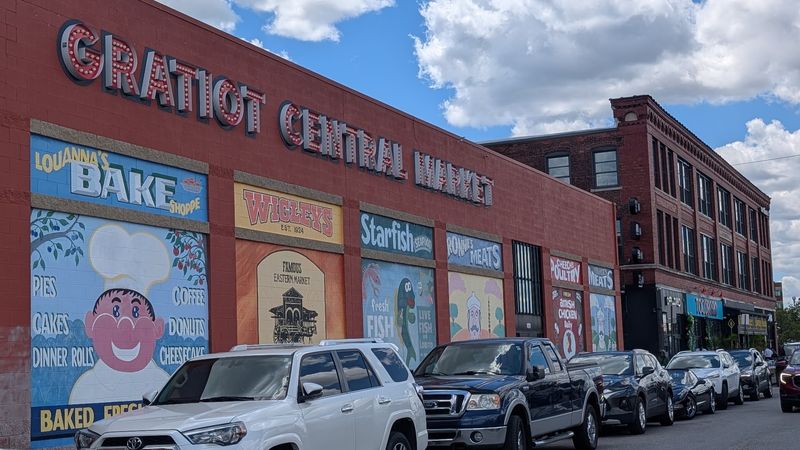
Gratiot Central Market is another longtime stop. It is known for its meat and poultry counters, where butchers sell cuts you may not see at a regular grocery store.
Spice shops, specialty grocers, and old wholesale stores also line the streets. Many of them are open during the week, not just on market days.
I would make time for these shops even if I came for the farmers. They give you a chance to learn about the market’s past while picking up something tasty.
A good tip is to bring a cooler if you plan to buy meat or cheese. It keeps your purchases fresh while you keep exploring.
All that walking and shopping builds an appetite, and the neighborhood has plenty of places ready to fix that.
Hungry Shoppers Have Choices
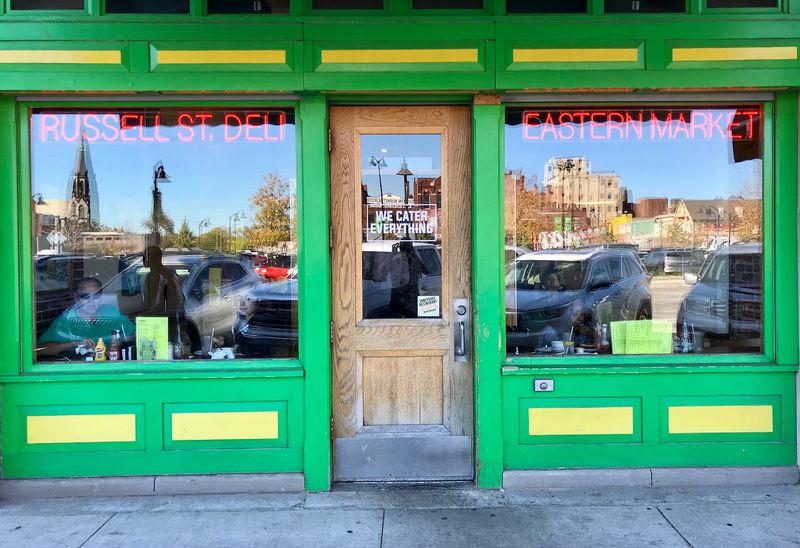
Lunch around Eastern Market can be as simple as a hot dog or as fancy as wood-fired pizza. The district is packed with cafes, diners, and casual restaurants.
Russell Street Deli is a well-known breakfast and lunch spot. It is popular for its sandwiches and soups, and it is right in the middle of the action.
Supino Pizzeria serves thin-crust pizzas and has been a neighborhood favorite for years. Nearby, you can also find Coney Island hot dogs, a true Detroit tradition.
On market days, food trucks and stands add even more choices. Tacos, baked goods, and grab-and-go snacks are easy to find as you walk.
My strategy would be to eat a light breakfast and save room. Sampling a little from several vendors is half the fun.
Many restaurants get crowded around midday on Saturdays. Arriving a little early or eating late can help you skip a long wait.
Some restaurants keep limited hours, so check before you go. Food is a big part of the market, but music has a home here too.
Jazz and Motown at Bert’s
Detroit music fans know Bert’s Warehouse Theatre as a place to hear live jazz and Motown sounds. It sits right in the Eastern Market district and has been part of the neighborhood for decades.
Bert’s has a relaxed, easygoing feel. It hosts live performances, karaoke nights, and soul food meals, depending on the schedule.
The venue reflects a big part of Detroit’s identity. This is the city that gave the world Motown, so it makes sense that the market area keeps the music alive.
I like the idea of finishing a market day with a live set. Shopping in the morning and hearing jazz later sounds like a full Detroit day.
Event times change often, so look at Bert’s current listings before planning around a show. Some nights are busier than others.
The music scene around the market also stretches beyond one venue. Bars, warehouses, and event spaces in the district sometimes host concerts and festivals.
Families with young kids may prefer daytime events instead. Luckily, the market calendar is full of those, especially when the weather warms up.
Flower Day Fills the Streets
Every May, the Sunday after Mother’s Day turns Eastern Market into one giant garden center. Flower Day has been a Detroit tradition for decades.
Growers bring hanging baskets, flats of annuals, perennials, herbs, vegetable starts, and shrubs. The sheds and streets fill with color from one end to the other.
Gardeners plan for this day all winter. Many show up early with wagons, carts, and plenty of trunk space.
It is one of the busiest days of the year at the market. Expect crowds, and give yourself extra time to park and walk.
Beyond Flower Day, the market has other seasonal traditions. Tuesday Markets run in summer, and holiday markets bring gifts and treats later in the year.
Fall Saturdays are worth a trip too. Pumpkins, gourds, and apples pile up in the sheds as the weather cools.
I’d suggest checking the official calendar before any visit. Seasonal events change from year to year, and knowing the schedule helps you pick the right day.
Planning ahead matters even more when it comes to getting there and parking.
Smart Tips Before You Go
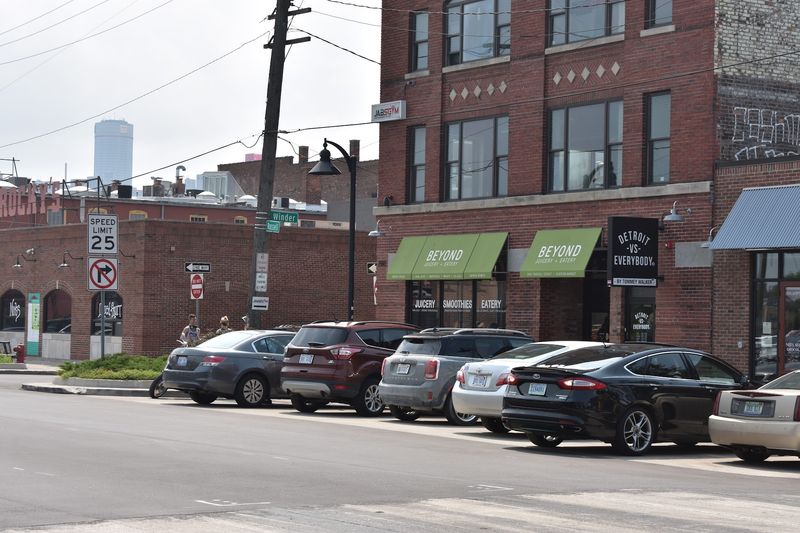
Parking is the first puzzle most visitors face. Eastern Market has several paid lots around the sheds, plus street parking on nearby blocks.
On busy Saturdays, lots fill quickly. Arriving early solves a lot of problems, from parking to finding the best produce.
Dress for the weather. Some sheds are open-air, so a rain jacket or sunscreen can make a big difference.
Bring a mix of payment options. Cash is handy for small purchases, though many vendors now accept cards and mobile payments.
Shoppers using SNAP benefits can often stretch their dollars here. The market has supported programs that help families buy more fresh fruits and vegetables.
Comfortable shoes are a must. Between the sheds, shops, and mural walks, you can easily cover a lot of ground.
Keep an eye on the clock if you want specific items. Popular things like fresh berries or certain baked goods can sell out early.
Above all, take your time. Eastern Market has welcomed Detroit families since 1891, and it rewards people who slow down, talk to vendors, and come back again next week.
Share this story