A whole herd of fossil elephants stands together inside a college building in Nebraska. Mammoths, mastodons, and their odd relatives fill one big room, and some of them are taller than a basketball hoop.
That room is only one part of the story. The same building holds dinosaurs, glowing minerals, a planetarium, and a top floor packed with touch screens and microscopes.
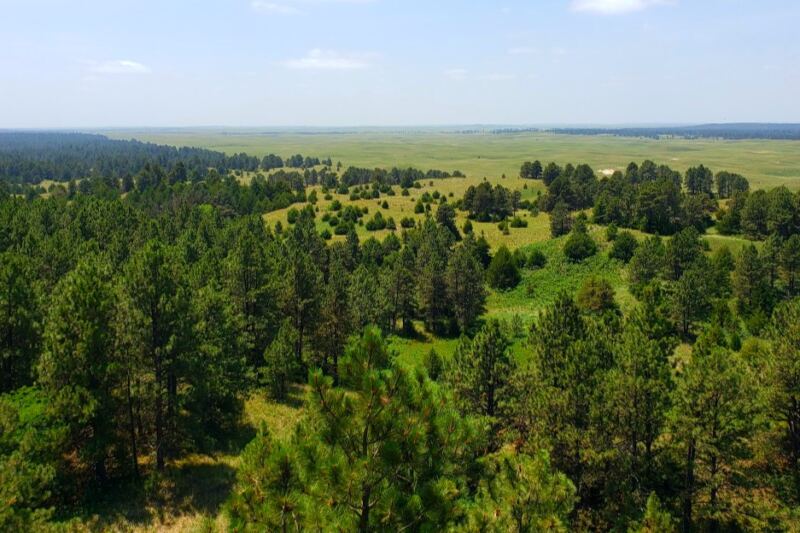
I like that this museum feels proud of where it stands. Nearly everything inside connects back to Nebraska, from ancient seas to the prairie outside today.
It turns the ground under your feet into a giant mystery worth solving.
The museum has been collecting since 1871. So what kind of animals once roamed the Great Plains, and why did so many of them look like elephants?
The answers are bigger, and stranger, than most people expect.
A Campus Museum With Very Old Roots
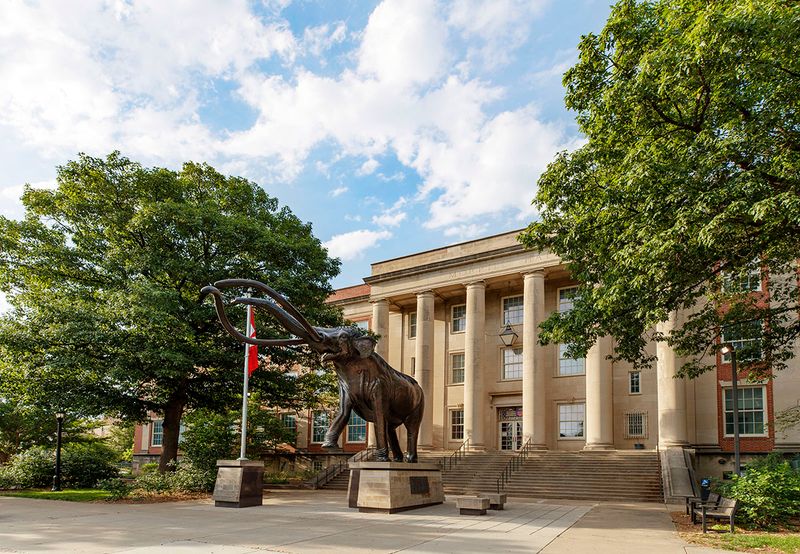
Founded in 1871, the University of Nebraska State Museum is older than many towns in the state. Today its exhibits live in Morrill Hall, at 645 N 14th St in Lincoln, Nebraska, right on the University of Nebraska-Lincoln campus in the United States.
Many people simply call it Morrill Hall. Others know it by a fun nickname, Elephant Hall, thanks to its famous fossil elephants.
Both names point to the same place, so don’t let that confuse you when asking for directions.
The museum focuses on the natural and cultural history of Nebraska. That means fossils, animals, rocks, plants, and the people who have called this land home.
I like how the theme stays local without feeling small.
The building spreads across four floors. Each level has its own personality, from classic displays to brand new interactive spaces.
Being on a university campus also means real science happens nearby. Researchers study collections that stretch far beyond what fits in the galleries.
The exhibits you see are only a slice of what the museum cares for.
Of all those treasures, one room tends to grab attention first, and it is full of giants.
Giants Fill the Hall of Elephants
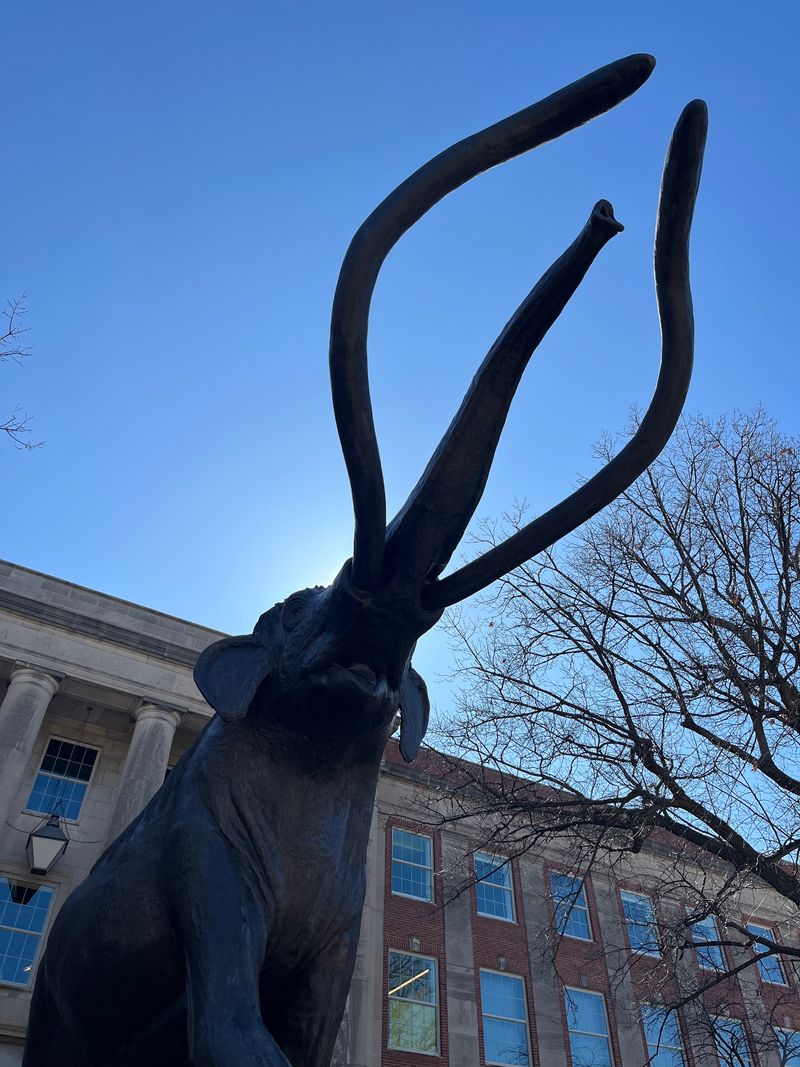
Nebraska once had more kinds of elephants than you might guess. The Hall of Elephants shows off that surprising past with a group of fossil skeletons that tower over visitors.
You’ll see mammoths, mastodons, and gomphotheres. Gomphotheres are a group of elephant relatives, and some had tusks on both their upper and lower jaws.
That detail alone makes kids lean in for a closer look.
The room tells an evolution story. It shows how different elephant families appeared, changed, and spread across what is now Nebraska over millions of years.
So why so many elephants here? The Great Plains held grasslands and open spaces where large plant eaters could thrive.
Fossil beds across the state have kept their bones for scientists to dig up.
I’d plan to slow down in this hall. Read the labels that compare tusk shapes and body sizes.
Small differences reveal how each animal lived and what it ate.
The mammoths are the stars for many guests, and some visitors come to Lincoln mainly to see them. Still, the elephants are only part of the ancient cast.
Older creatures wait in another gallery, and they come with scales.
Dinosaurs and Old-School Murals in the Mesozoic Gallery
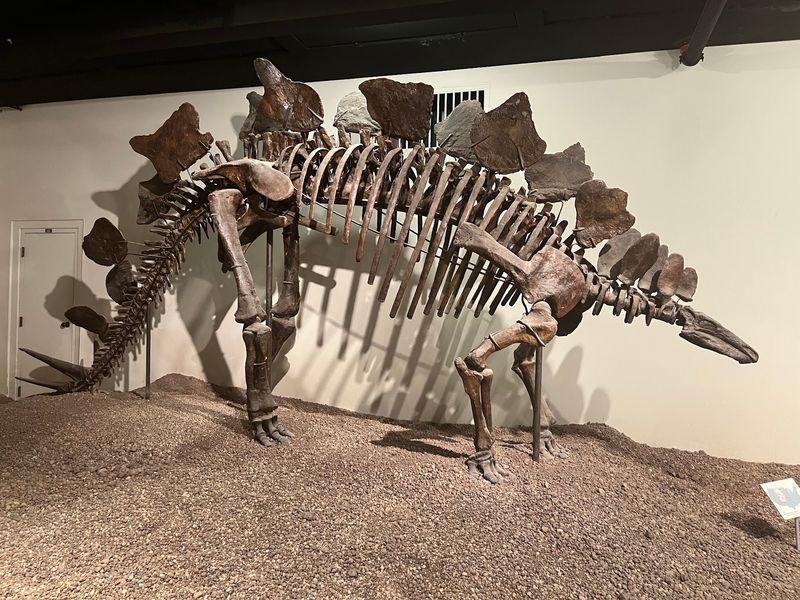
Roughly 30 years ago, paleoartist Mark E. Marcuson painted murals that still brighten the dinosaur gallery today.
Those colorful scenes give the bones a world to live in.
The Mesozoic Gallery covers the age of dinosaurs. Replica skeletons of creatures like Stegosaurus and Allosaurus stand ready for close inspection.
Here’s a fun thing to notice. These replicas are posed with their tails hanging low, which was common in older museum displays.
Scientists now think dinosaurs held their tails up off the ground for balance.
I find that detail useful for families. It turns the gallery into a small lesson about how science changes.
Ideas get updated when new evidence shows up, and museums sometimes keep a record of older thinking.
Look closely around the room, too. Some of the display technology has a charming older style that longtime visitors enjoy spotting.
Kids can compare the murals with the skeletons and talk about what the animals might have looked like alive. Ask them which dinosaur they would race, and which one they would avoid.
From dinosaurs, the story moves toward the rocks that hold these secrets.
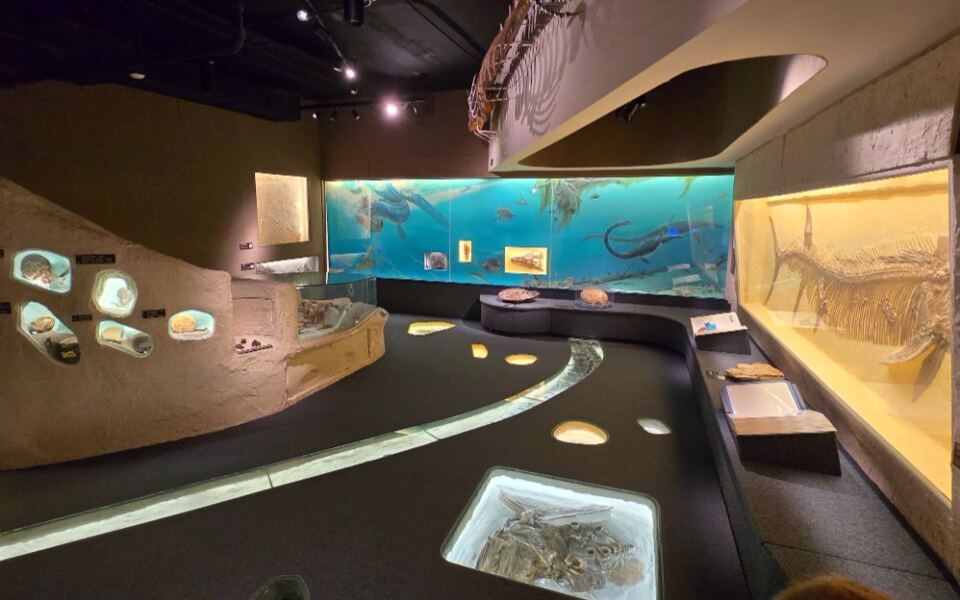
Fossils From Glyptodonts to Ancient Seas
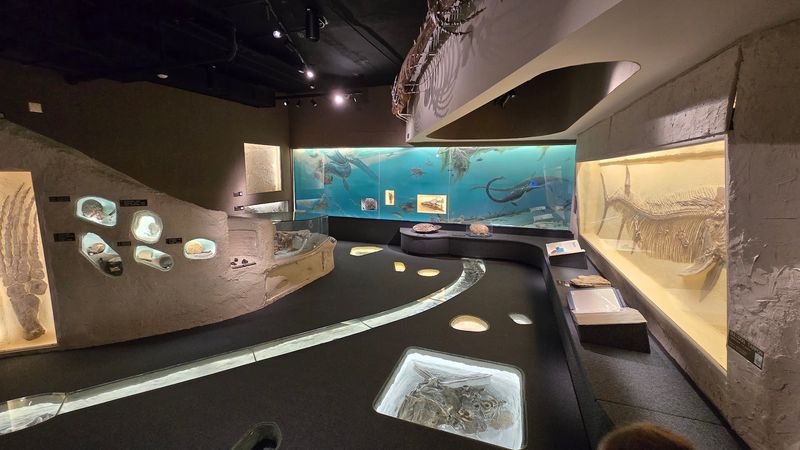
Picture an armadillo the size of a small car, and you’re close to a glyptodont. This armored mammal is among the stranger fossils that help explain Nebraska’s deep past.
The fossil collection covers far more than elephants and dinosaurs. It includes animals that lived across the region over millions of years, many found in Nebraska soil.
Fossils make up the heart of this museum. They show how the land changed, sometimes covered by water and sometimes by grassland.
One thing I’d make time for is a peek at any lab activity on display. Volunteers and staff have been seen working on fossils where guests can watch.
One volunteer even shared a tiny fossil she found in dirt about 7 million years old.
That kind of moment makes science feel real. You learn that discovery often happens grain by grain, not just in big dig sites.
Bring questions if someone is working. Staff members tend to enjoy explaining what they’re doing, though activity varies from day to day.
Fossils come from rock, of course. So it makes sense that the museum also gives rocks and minerals their own spotlight.
Minerals That Glow Under Black Light
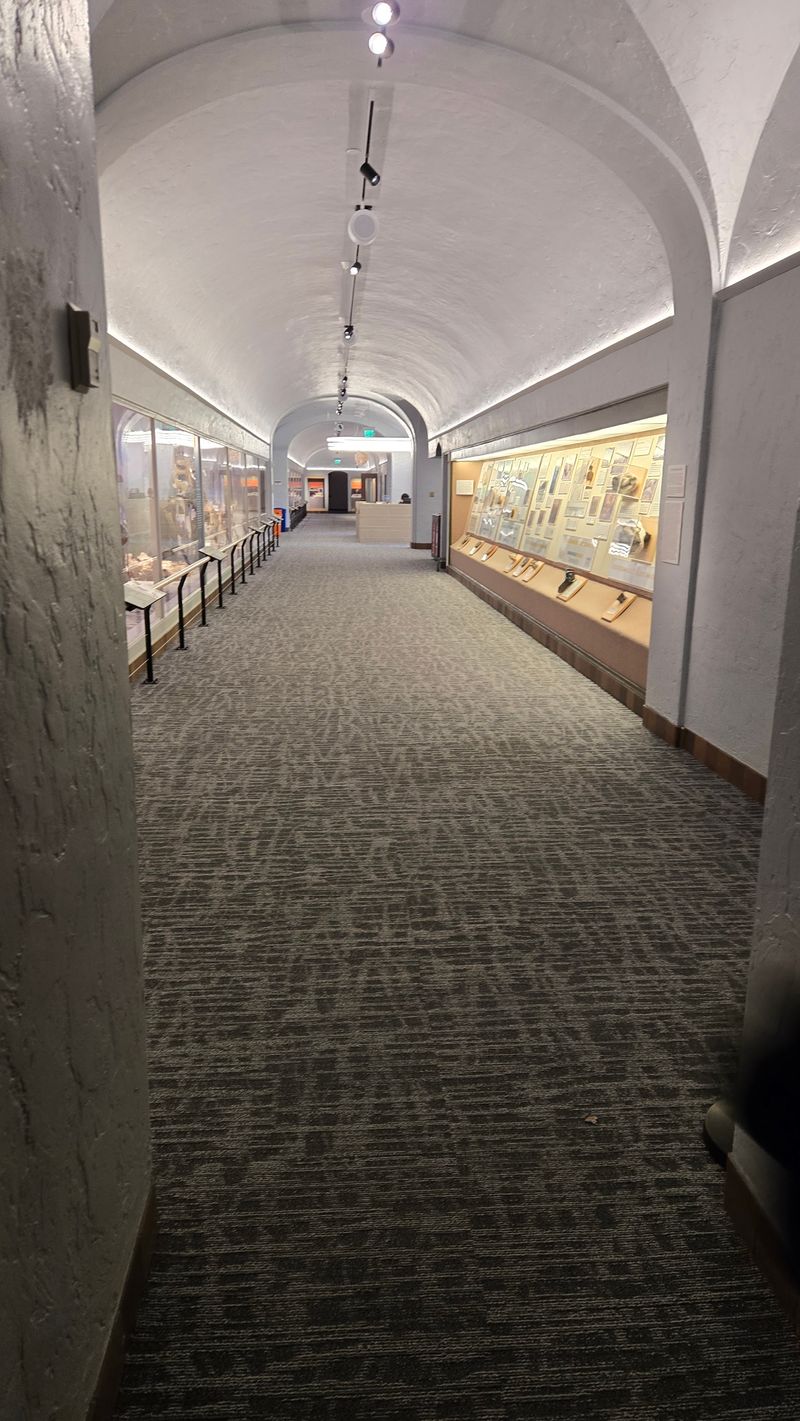
Some rocks hide a secret color that only shows up in the dark. In the mineral exhibit, certain specimens glow brightly under black light, and it’s a favorite surprise for kids.
The second floor holds many types of rocks and minerals. They come in all shapes, colors, and textures, and the variety gives everyone something to compare.
A large amethyst is a standout piece. Its deep purple crystals make it easy to see why people have prized this mineral for centuries.
Why do some minerals glow? Tiny amounts of certain elements inside them react to ultraviolet light.
That energy comes back out as visible color, which looks like a light show.
I like this area for younger visitors who need a break from reading labels. Colors and sparkle do a lot of teaching on their own.
The exhibit also connects to the bigger theme of the museum. Nebraska’s geology and geography appear throughout, helping guests understand what the ground beneath the state is made of.
Parents might hear a few rock collectors start planning their next backyard search. Fortunately, the next stop offers even more hands-on exploring.
Microscopes and Touch Tables Upstairs
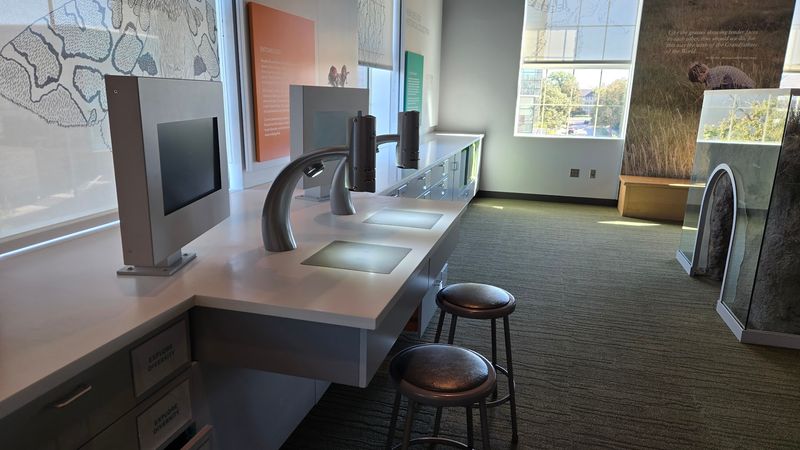
Curious kids often head straight for the top of the building. The upper floors bring bright, modern exhibits packed with touch screens, microscopes, and hands-on stations.
Tabletop displays let young visitors explore at their own pace. Touchable samples invite them to feel textures that usually sit behind glass.
A digital parasite table is a crowd pleaser according to the museum itself. It comes from the parasitology focus on the upper level, and it’s oddly fascinating to zoom in on tiny creatures.
Adults aren’t left out, either. The exhibits mix fun with real information, so grown-ups learn something new while kids play.
I’d suggest letting children lead in this space. They’ll move from table to microscope without much prompting, and that natural curiosity is the whole point.
The building is set up to welcome strollers and wheelchairs. Restrooms and drinking fountains appear on every floor, which helps on longer visits.
Not every hands-on area is open at all times, since renovations and school groups can affect access. Checking ahead is smart if a specific room matters to your family.
Up here, one exhibit celebrates the living Nebraska landscape.
Cherish Nebraska Celebrates the Living Prairie
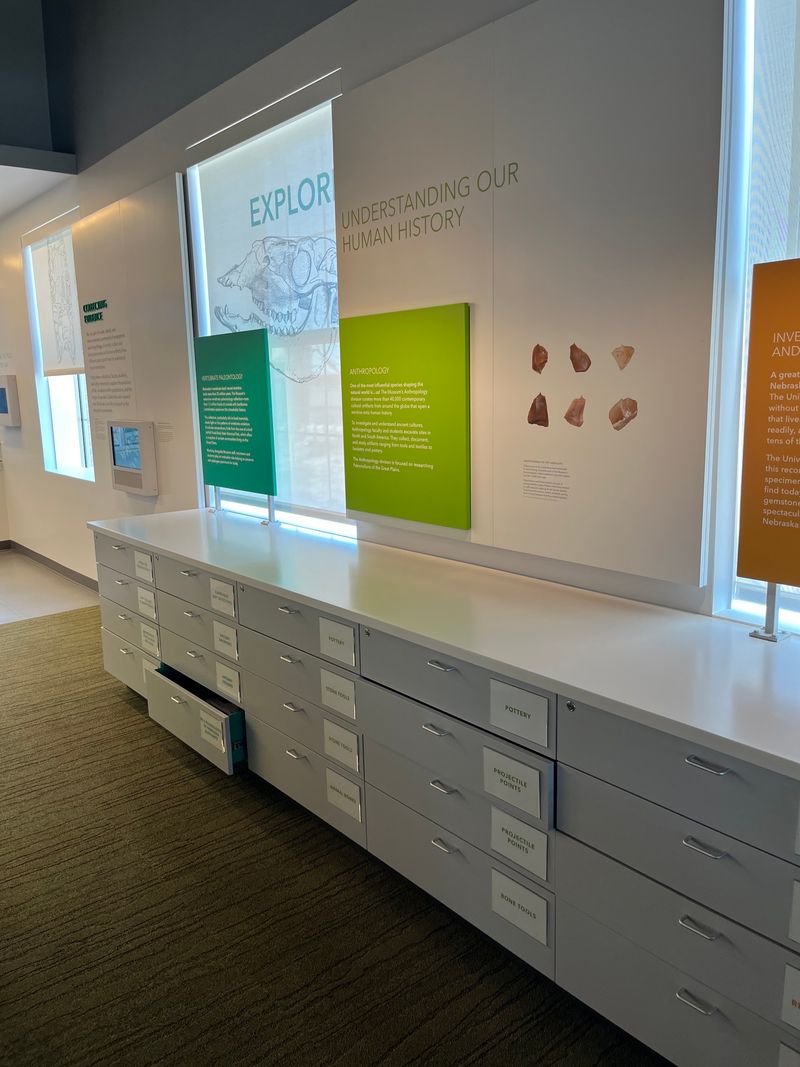
Opened in the spring of 2019, Cherish Nebraska gave the fourth floor a fresh new look. This exhibit focuses on the plants, animals, and habitats of the state today.
Modern sculptures help explain the prairie and other ecosystems. They make big ideas easier to picture, especially for younger readers.
Specimen drawers are a quiet highlight. Pull one open and you’ll see neatly arranged examples of the natural world, which feels a bit like peeking into a scientist’s workspace.
I find this floor a nice balance to the fossil halls. After seeing ancient giants, it’s good to meet the creatures living in Nebraska right now.
The colors are bright and the information is current. The museum keeps updating this area, so returning visitors can spot changes.
Parents can use the exhibit to start conversations about protecting wild places. Kids might connect what they see to birds or insects in their own backyard.
Many guests say the fourth floor shouldn’t be skipped, and the museum’s staff agree it’s a favorite. Give yourself time to read, touch, and explore.
Nature is only half of the museum’s story, though. People matter here too.
Honoring the First Nations of Nebraska
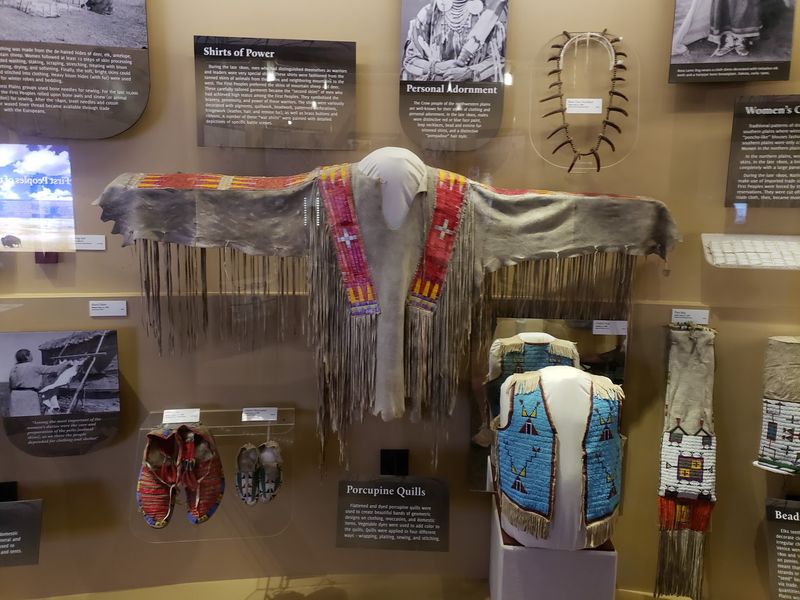
Long before Nebraska became a state, many Native nations lived on these plains and river valleys. The museum includes exhibits that honor the First Nations of Nebraska and their place in the region’s story.
These displays add a human side to the natural history. They remind visitors that land, animals, and people have always been connected.
I appreciate that the museum treats culture as part of the same big picture. Learning about the prairie means learning about those who knew it deeply.
The exhibits are educational and thoughtful. They work well for school-age kids who are studying state history in class.
Families can talk about how people adapted to seasons, rivers, and wildlife. Those topics link right back to the habitats seen on other floors.
This section also makes a good quiet stop. After busy touch tables and big skeletons, a slower pace lets everyone take in what they’ve seen.
Take time to read the panels rather than rushing past. Each one adds context that makes the rest of the museum more meaningful.
When it’s time to look upward instead of backward, the planetarium offers a very different kind of journey.
Stars Overhead in Mueller Planetarium
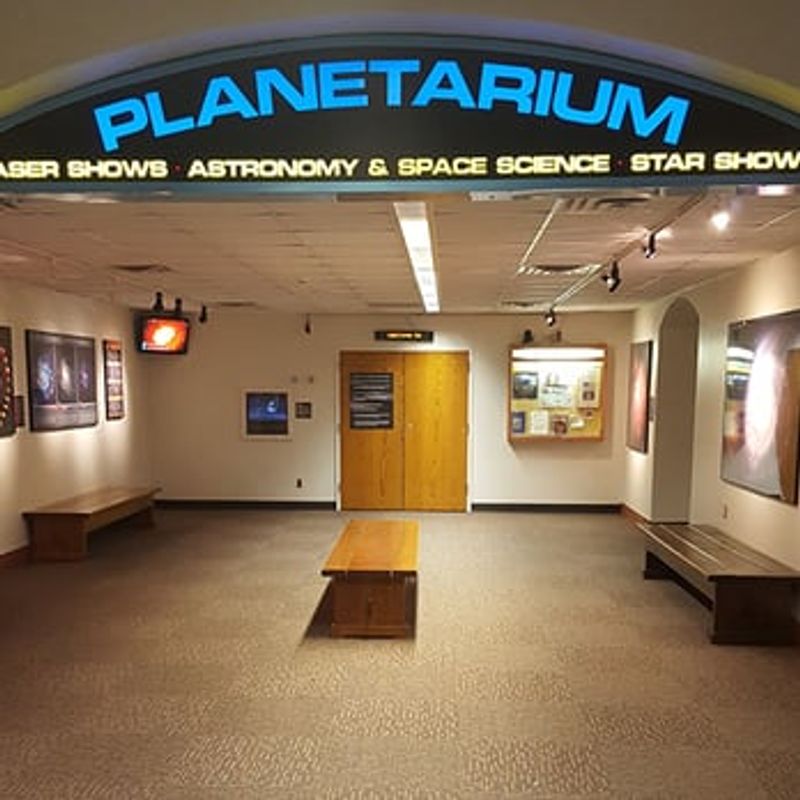
Fossils tell you about the ground, but the planetarium points your eyes to the sky. Morrill Hall includes a planetarium that hosts shows inside a dome theater.
Shows usually run a few times a day. They require a separate ticket on top of regular admission, so plan for that if stars are on your list.
The programs tend to suit families with young children well. Some adults find them simple, while kids enjoy seeing planets and constellations stretched across the dome.
I’d look at the show schedule before arriving. Timing a show between floors can give tired legs a seated break.
The planetarium adds a fun twist to a natural history visit. Space and Earth science fit together nicely, since many minerals and fossils formed through forces linked to our planet’s long history.
Younger kids often remember the dark room and glowing stars long after the trip. It’s a good way to end an afternoon on a calm note.
The museum welcomes feedback on show topics, which shows it cares about improving the experience.
Before heading out, though, a few practical tips will make the day smoother.
Smart Planning for Parking, Hours, and Souvenirs
Parking near a busy campus can take some planning. Spots close to Morrill Hall are limited, and paid spaces may have time limits, so a nearby parking garage is often a handy choice.
Keep your license plate number handy, since some campus parking systems ask for it. Avoid Husker game days if possible, because traffic and crowds fill the area.
The museum is open Tuesday through Saturday during the day and Sunday afternoons. It’s closed on Mondays, so double check before making the drive.
Admission is budget friendly, and University of Nebraska-Lincoln students get in free. Members of the ASTC Passport Program can also enjoy free entry.
Don’t forget the lower level. The museum has four floors, and one sits below the main entrance, which some visitors miss.
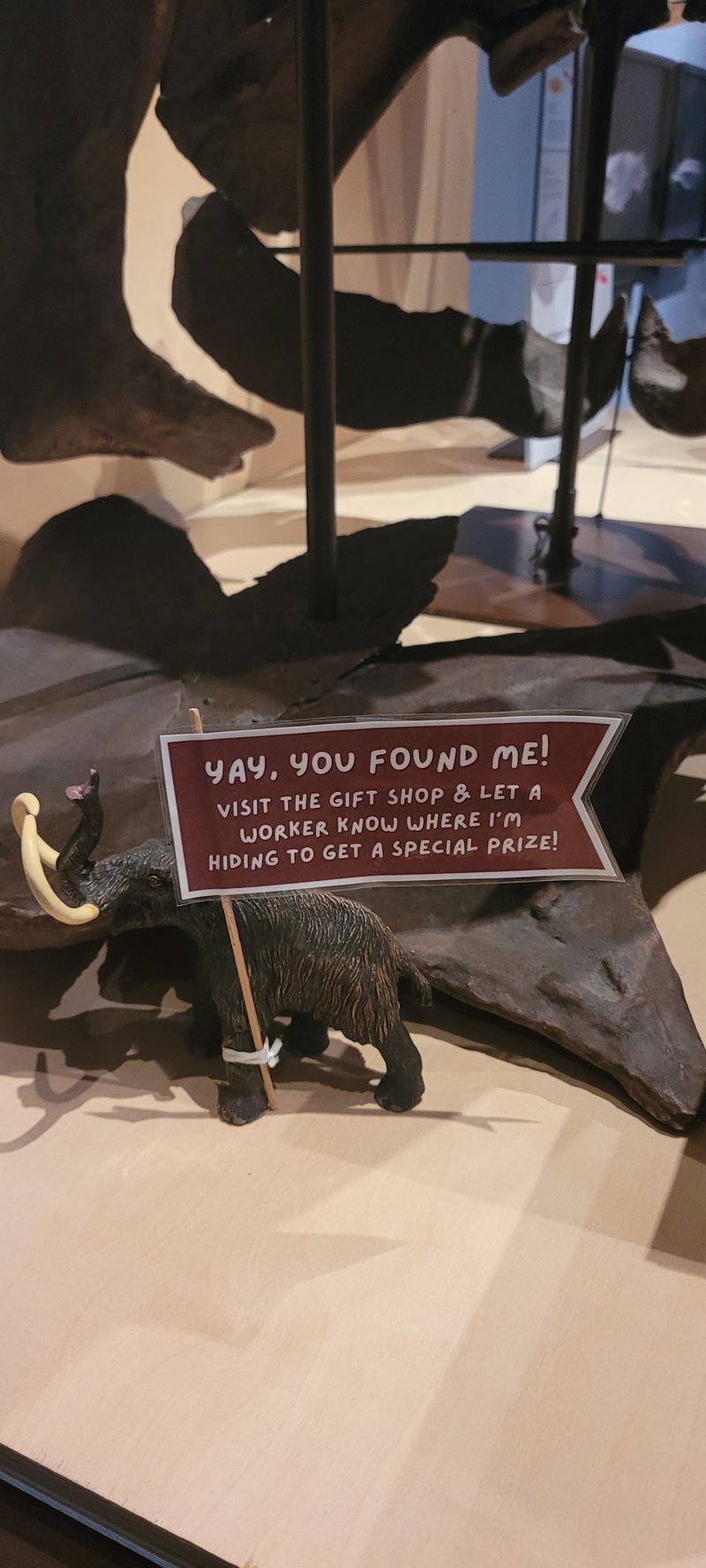
The gift shop on the main floor carries books, educational toys, rocks, fossils, and souvenirs. It’s a good place to find something that keeps the learning going at home.
I’d leave a few hours for the whole building. Between the elephants, dinosaurs, minerals, and planetarium, Nebraska’s ancient story gives you plenty to explore, and you’ll likely leave already planning which floor to revisit.
Share this story