Thousands of acres of pine trees in central Nebraska were planted by hand, one seedling at a time. That job started more than a century ago, in a place where experts once said trees simply could not grow.
The land around it is the Sandhills, a huge sea of grassy dunes held in place by prairie roots. Dropping a forest into that setting sounds like a dare.
A botany professor took that dare seriously, and the government backed him.
I like stories where stubborn people prove the doubters wrong, and this one comes with campsites, a river, and miles of sandy trails. The forest also carries scars from a recent wildfire, which makes it a living history lesson.
So how do you grow a forest from scratch on top of sand dunes? The answer starts in a nursery.
Pine Trees Where Nobody Expected Them
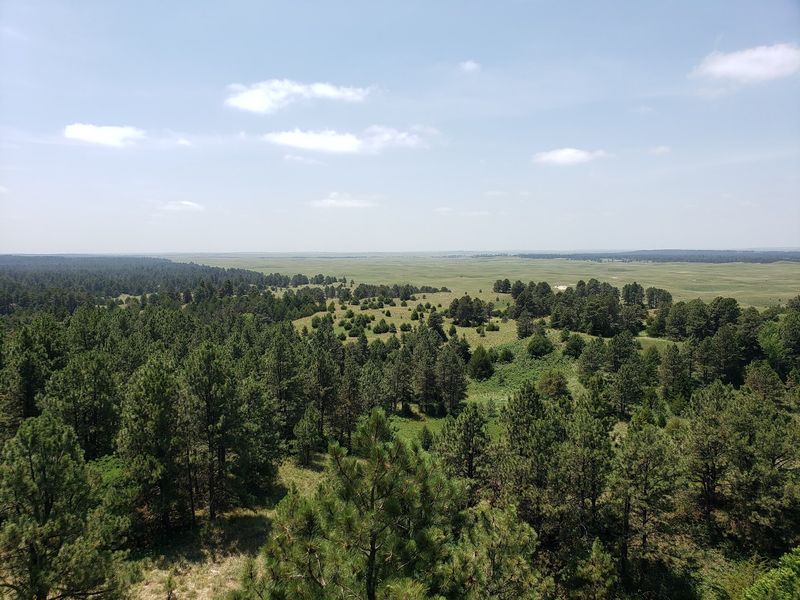
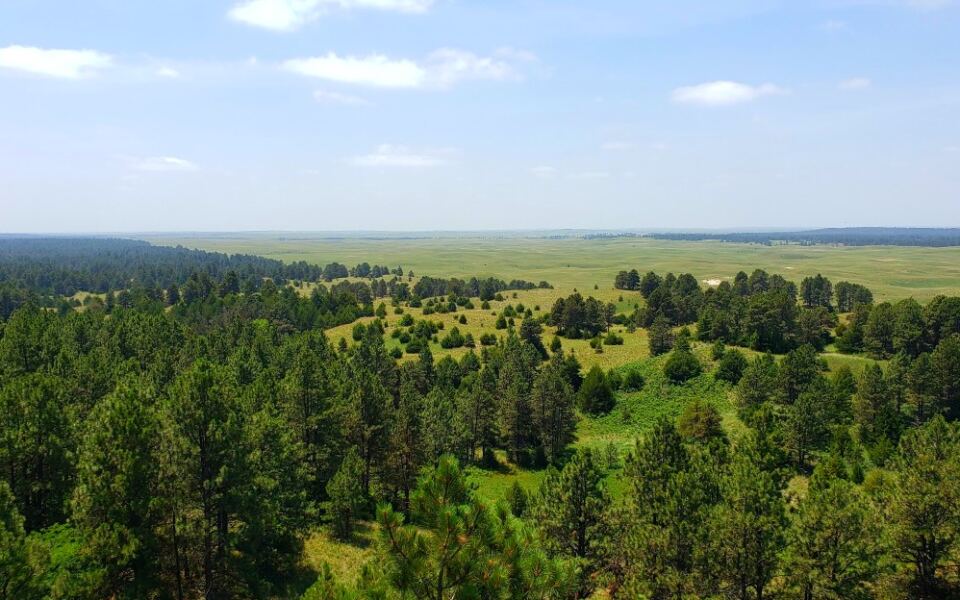
Drive west across central Nebraska and the grass seems to roll on forever. Then a dark green line of pines appears near the town of Halsey, and it feels almost out of place.
That line belongs to the Nebraska National Forest, Bessey Ranger District. The district office sits at 40637 River Loop, Halsey, NE 69142, in the United States.
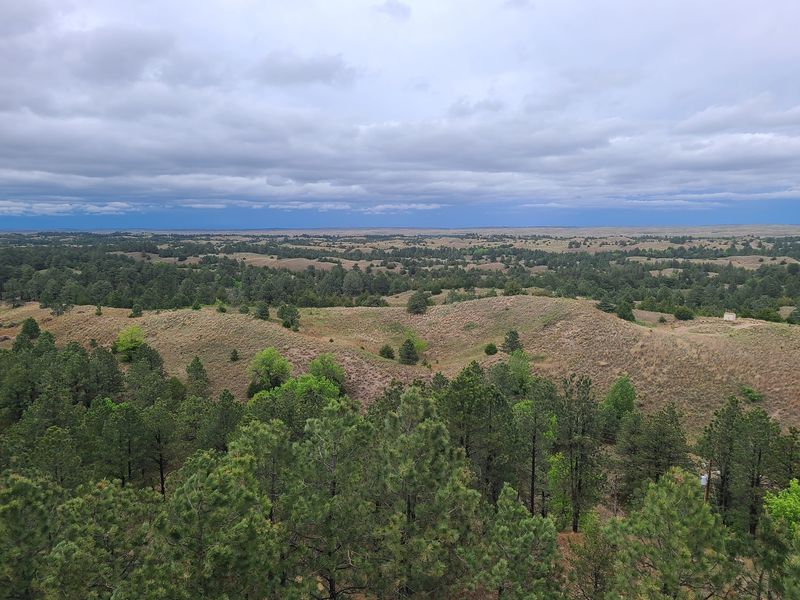
It is widely called the largest hand-planted forest in the country, with roughly 20,000 acres of trees set into the ground by people.
The total district covers about 90,000 acres. Much of that space is still open prairie and sand dunes, so trees and grassland sit side by side.
I find that mix more interesting than a forest alone.
The Middle Loup River runs along the edge of the district, near the main recreation area. Railroad tracks and a highway pass close by too, which makes the forest surprisingly easy to reach.
Most of the trees are pines, including ponderosa, jack pine, and eastern red cedar. None of them showed up on their own.
Every one of the original plantings traces back to a single idea from a university professor.
A Professor With a Very Big Idea
Charles Bessey taught botany at the University of Nebraska, and he had a hunch. He believed the treeless Sandhills could support a forest if people planted it carefully.
Back in the late 1800s, many people doubted him. Nebraska had very little timber, and settlers needed wood for homes, fences, and fuel.
Bessey argued that a planted forest could supply lumber and show what the land could handle.
His idea caught the attention of the federal government. In 1902, President Theodore Roosevelt set aside land here as the Dismal River Forest Reserve.
That reserve later grew into the Nebraska National Forest.
The ranger district now carries Bessey’s name, which seems fair. Few professors get an entire forest to show for one stubborn theory.
Early workers faced hot summers, blowing sand, and hard winters. They planted young trees by hand in long rows across the hills.
Many plantings struggled at first, so crews kept learning and trying again.
I like that the forest began as an experiment rather than a sure thing. Of course, an experiment like this needed a steady supply of baby trees, and that is where the nursery comes in.
The Nursery That Grew Millions of Seedlings
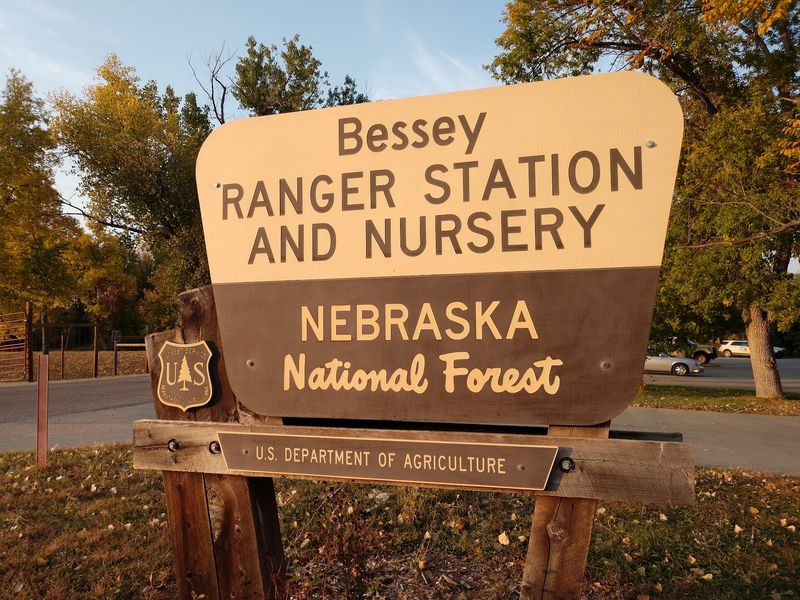
Trees don’t plant themselves on sand dunes. Someone has to grow them first, and here that job belongs to the Charles E.
Bessey Tree Nursery.
The nursery started in 1902 and is known as the oldest federal tree nursery in the United States. Over the years it has produced huge numbers of seedlings.
Those young trees went into the hills around Halsey and to other public lands too.
Workers grew the seedlings in tidy beds before moving them out to the dunes. The nursery helped crews figure out which types of trees could survive dry summers and shifting soil.
That role became even more important after the forest suffered fire damage in recent years. A nursery right next door makes replanting much easier than shipping trees in from far away.
Fun fact: the nursery has supplied seedlings for reforestation projects across several states in the Great Plains and Rocky Mountain regions.
If you visit, keep in mind that it is a working facility, so check with the ranger district office about what you can see. Those same seedlings are now part of the forest’s comeback story, which began with one very hard October.
Fire, Loss, and a Slow Green Comeback
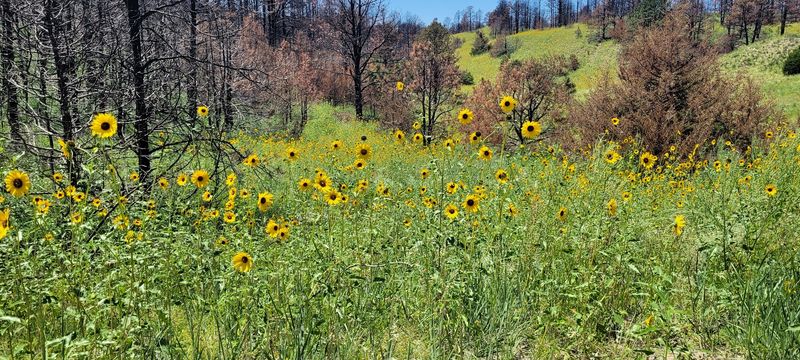
October 2022 changed this forest in a matter of days. The Bovee Fire swept through the Bessey Ranger District and burned thousands of acres of the planted pines.
Some of the trees lost had stood for close to a century. The fire also destroyed the Scott Lookout Tower and the state 4-H camp, two places many Nebraska families knew well.
It’s a hard chapter, and visitors still see blackened trunks in many areas. Crews have worked to clear fallen logs and clean up the damage.
Here’s a hopeful detail. Large parts of the district escaped the flames, including many camping spots.
Grass and native prairie plants have been filling in the burned ground quickly.
People who hunt and study birds point out that open prairie supports many native species. So the recovery isn’t only about trees.
It’s also about grassland coming back to life.
I find this part of the story moving, since the forest began with people planting by hand and now depends on people again. One loss hit especially close for hikers, and it involved a tower with a long view.
The Trail to Scott Lookout
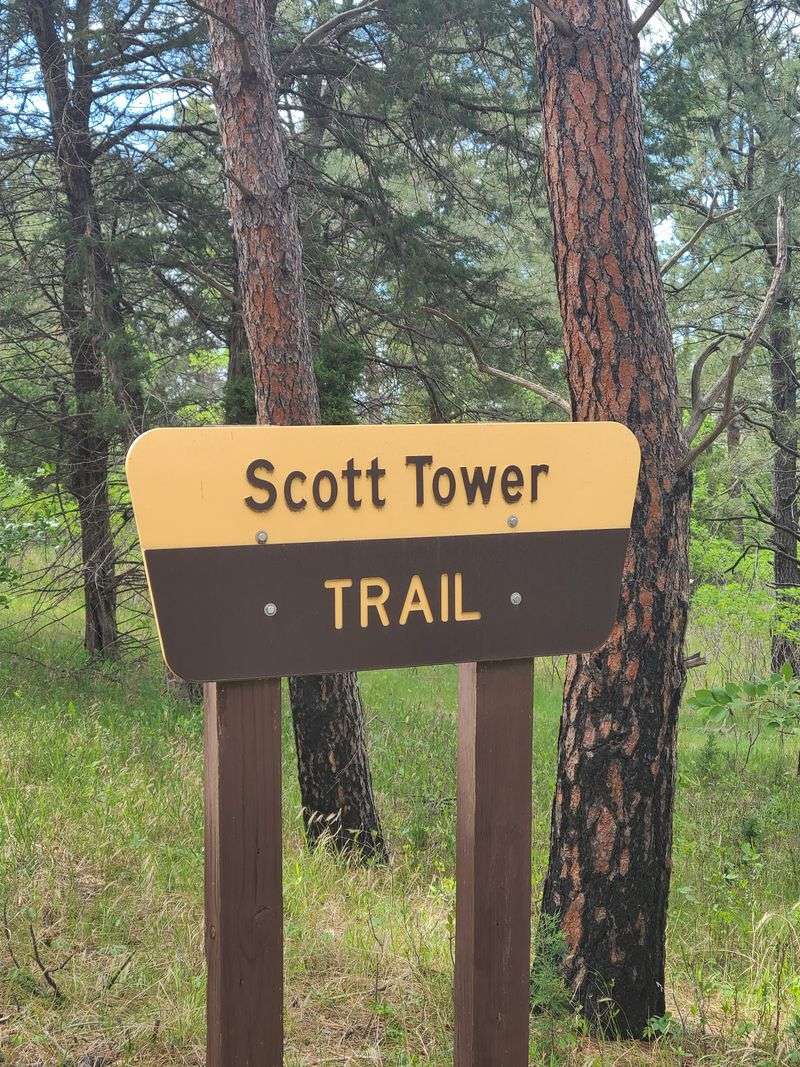
For years, hikers followed a trail of almost three miles from the campground to the Scott Lookout Tower. At the top, they got a wide 360 degree view across the forest and the rolling Sandhills.
The tower was lost in the 2022 fire, and visitors can no longer climb it. Some recent visitors mention that rebuilding efforts are underway, so it’s smart to ask at the ranger office for the latest news.
The hilltop itself still gives you open views of the landscape. You can see how the planted forest meets the grassland, which is a great way to understand the whole story.
The trail climbs through sandy ground, so expect slower walking than on a paved path. Shoes with good grip help a lot.
Bring water, sunscreen, and a hat. Shade can be patchy in burned areas, and Sandhills summers get hot.
I’d plan this hike for early morning or near sunset, when the light is softer and the air is cooler. After a sandy climb, the river below starts to look very inviting.
Camping Along the Middle Loup River
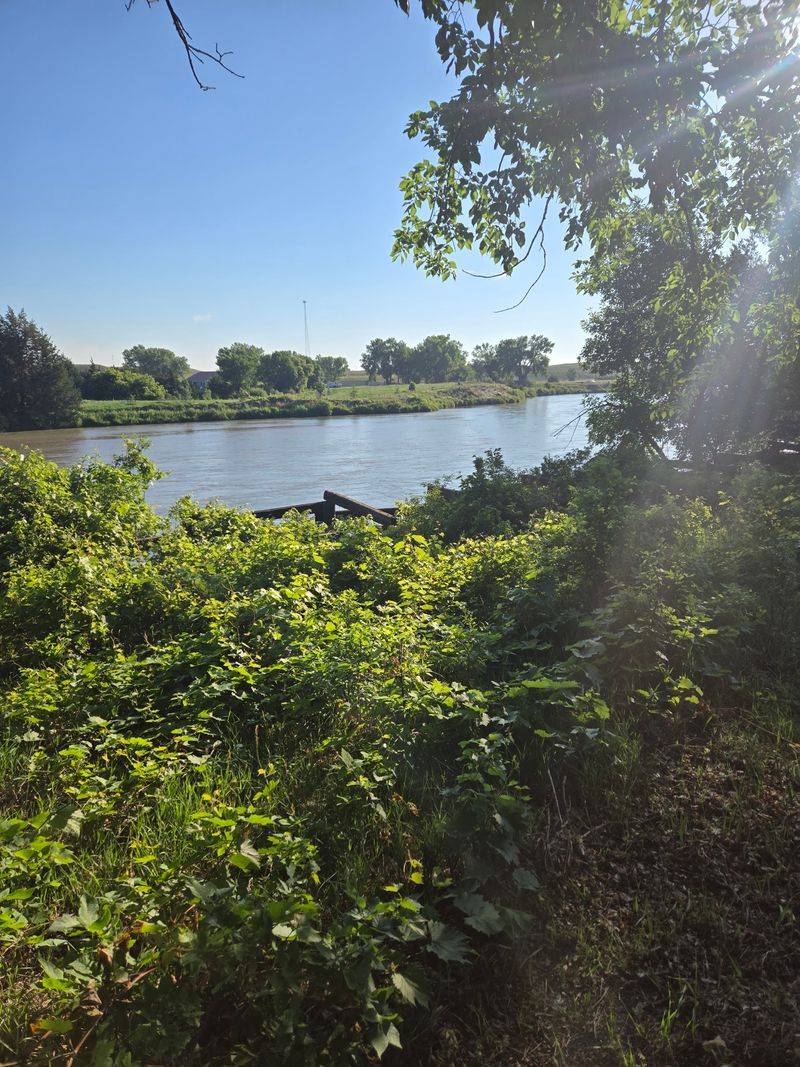
Kids and shallow rivers make a winning team. At the Bessey Recreation Area, the Middle Loup River flows right past the campground, and some spots have stairs leading down to the water.
The river is fairly shallow in many places, which makes wading popular in summer. Outdoor rinse showers help you wash off sand before heading back to camp.
The campground has developed sites with room for tents and large RVs. Bathhouses with showers sit near many of the camping loops.
There is also a day use area and space for group gatherings like family reunions.
One practical note: the fire pits are quite deep. If you plan to cook over a fire, a camp stove might be a better backup.
Another heads-up involves trains. A busy rail line and highway run close to the campground, and trains pass during the night.
Light sleepers may want earplugs.
I like that you can camp with real comforts here and still hear the river. Still, some visitors skip the developed sites completely and head deep into the hills instead.
Pick Your Own Spot in the Hills
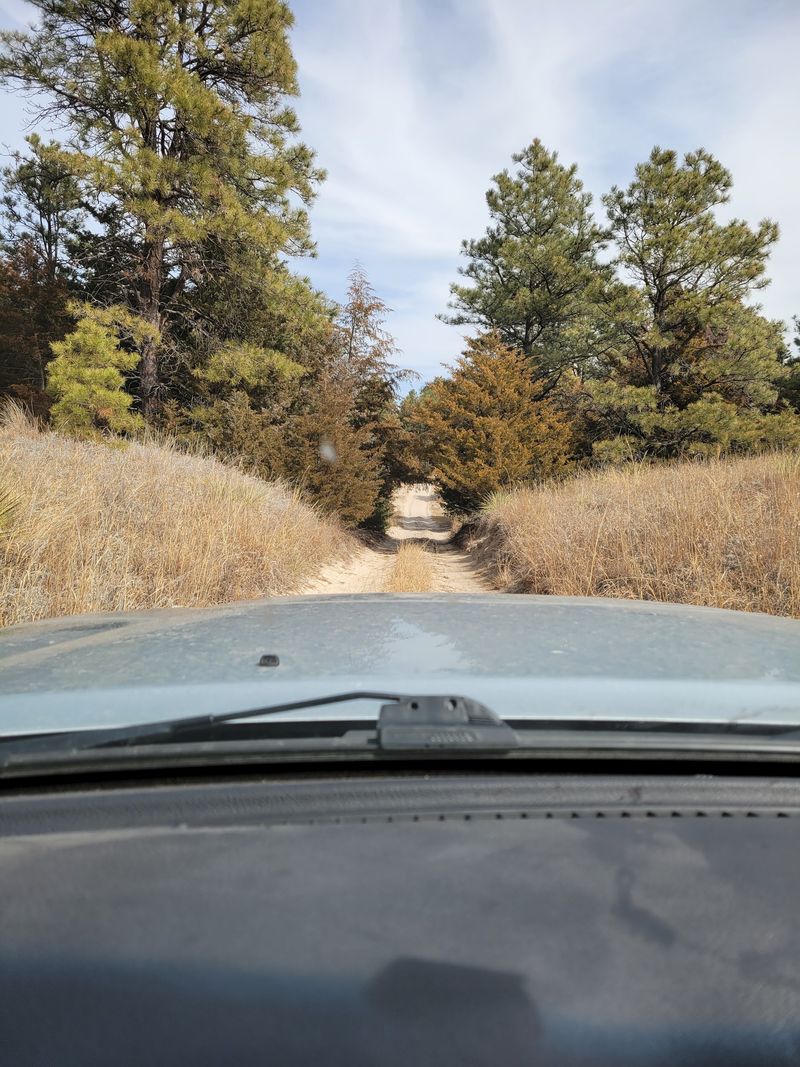
Want a campsite with nobody else in sight? The Bessey Ranger District allows dispersed camping, which means you find your own spot out in the forest and prairie.
That freedom comes with a catch. Many back roads here are deep, loose sand.
A four-wheel-drive vehicle is strongly recommended, and regular cars can get stuck fast.
Whitetail Campground sits farther out and offers a quieter experience. Getting there takes patience, since roads are sandy and signs can be limited.
Grab a map at the ranger station before heading out. Roads twist through the hills, and it’s easy to lose your bearings.
Out here, you may spot old windmills still pumping water for cattle. Any water from them should be treated or boiled before drinking.
Better yet, bring plenty from home.
Fire rules can change with the weather, so call or stop by the office to check restrictions. I’d also pack tall boots, because cactus spines and burs hide in the grass.
Those sandy roads that challenge campers happen to delight a different group of visitors.
Sandy Trails for ATVs and Dirt Bikes
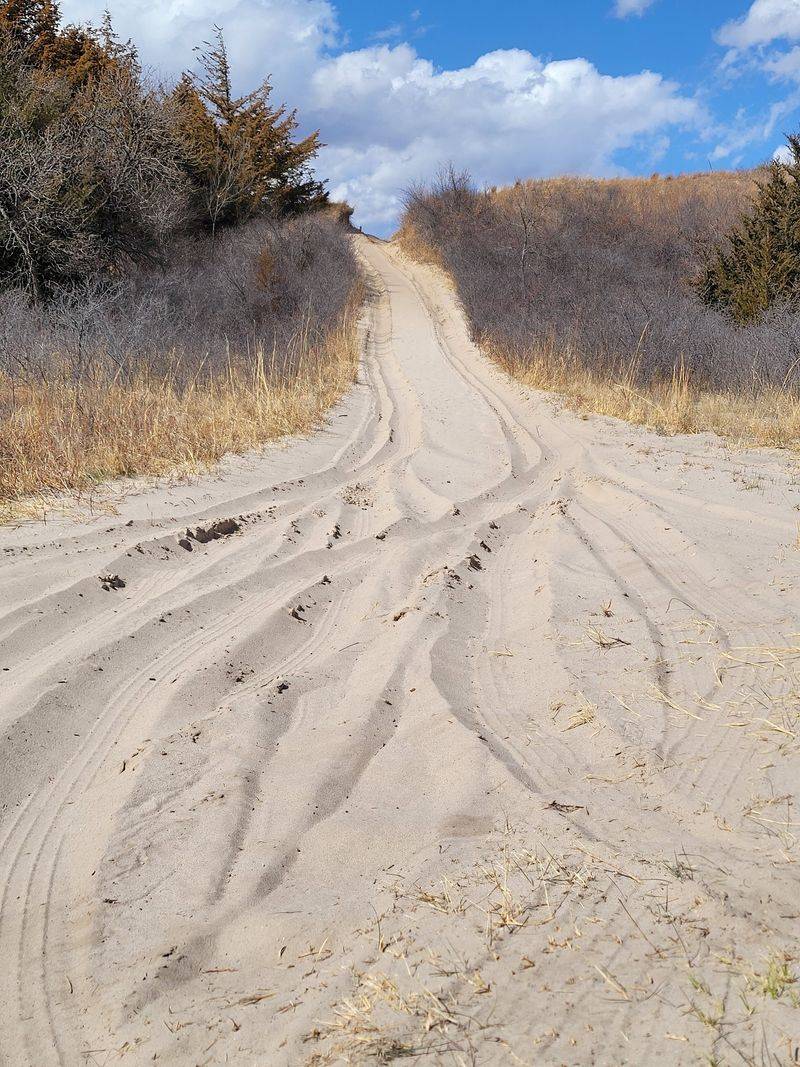
Sand that traps a minivan is a playground for an ATV. The Bessey Ranger District has a large network of roads and trails open to off-highway vehicles.
Riders come for the rolling dunes, open views, and long stretches of soft track. Motorcycles and side-by-sides use the routes too.
Before you ride, pick up a motor vehicle use map from the ranger office. It shows which routes are open to which vehicles, and staying on them protects the fragile grass that holds the dunes together.
Weekends tend to be busier with riders, especially near the main campground. If you want quiet, a weekday trip may suit you better.
Hunters and campers share these same roads, so slow down near camps and blind corners. A little courtesy goes a long way out here.
Safety basics matter. Wear a helmet, carry extra water, and tell someone your planned route.
Cell service can be spotty in the hills.
I can see why riders love it, since the Sandhills offer terrain you won’t find in most of the state. Those engines aren’t the only sounds out here, though, because wildlife has plenty to say.
Turkeys, Grouse, and a Trout Pond
Wild turkeys are hard to miss here. Campers often hear them gobbling through much of the day, especially in spring.
The mix of forest and prairie supports plenty of wildlife. Deer roam the area, and the grasslands attract sharp-tailed grouse and greater prairie chickens.
That draws bird hunters during their seasons.
Hunting follows Nebraska rules, so check state regulations and permits before you go. Hikers in the fall should wear bright colors.
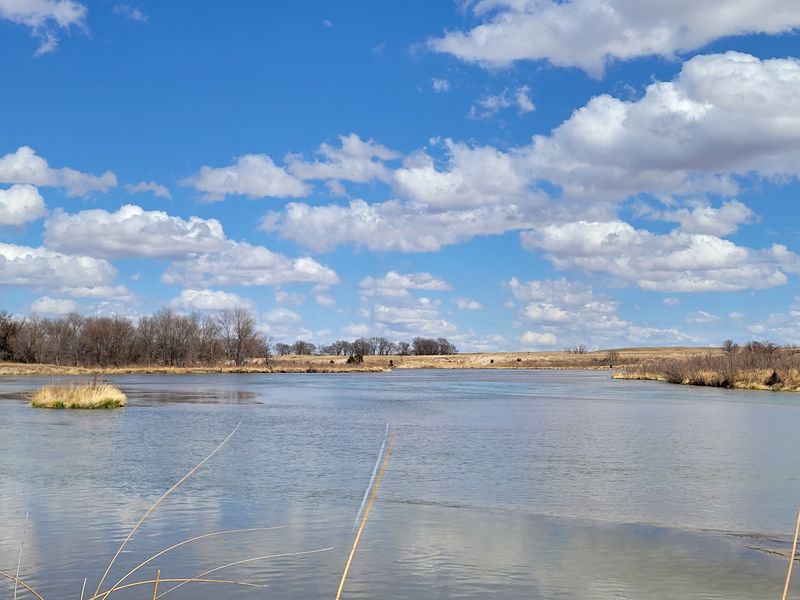
Anglers have options too. A small fishing pond sits near the forest entrance, and it has produced trout for lucky visitors.
The Middle Loup River adds more water to explore.
Some creatures need extra respect. Prairie dog towns dot parts of the area, and rattlesnakes sometimes use those holes.
Watch your step on warm afternoons and keep pets close.
Birdwatchers will enjoy the open grassland, where you can scan long distances with binoculars. I’d bring a simple field guide to help name what you see.
Once the sun goes down, though, the show moves overhead.
Big Dark Skies and Smart Planning
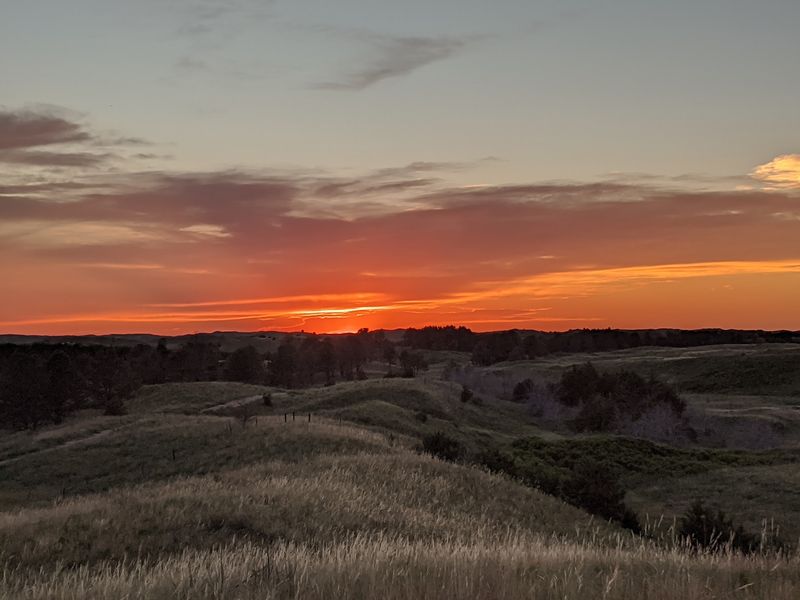
Far from city lights, the Sandhills get seriously dark at night. On clear evenings, stargazers can see far more stars than they would at home.
Sunsets are worth staying up for too. The open hills let you watch the sky change color all the way to the horizon.
A little planning makes your trip smoother. The ranger district office is usually open on weekdays and closed on weekends, so stop in early if you need maps or updates.
Ask about fire restrictions, road conditions, and any burned areas to avoid. Conditions can shift after storms or dry spells.
Pack for the Sandhills. Bring lots of water, sun protection, bug spray, and layers for cool nights.
A shovel and a tow strap can rescue a stuck vehicle.
Halsey is a small town, so stock up on groceries and fuel before arriving. Services nearby are limited.
I’d plan at least one evening with no screens at all. After a day of sand, sun, and river splashing, lying under that wide sky feels like the right way to end it.
Then again, you’ll want energy for tomorrow’s trails.
Share this story