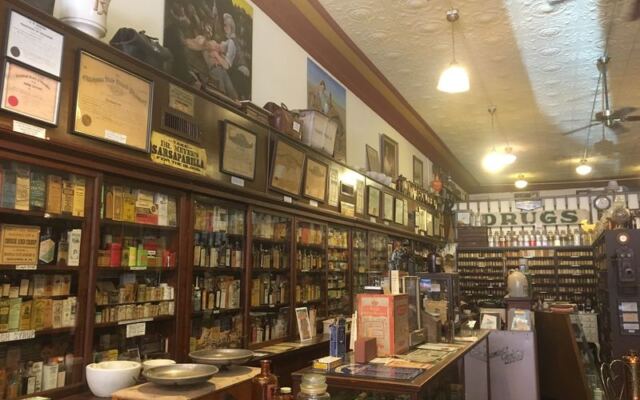
I walked in expecting a dusty room with a few old bottles, and I walked out an hour later wishing I had more time. This little Oklahoma museum looks like a regular storefront until you step inside and the shelves start telling stories.
Old cures, odd tonics, and a soda fountain made me hungry for both history and a cherry soda. If you love finding places that feel bigger on the inside than the outside, keep reading.
An Old-Time Pharmacy on West Oklahoma Avenue
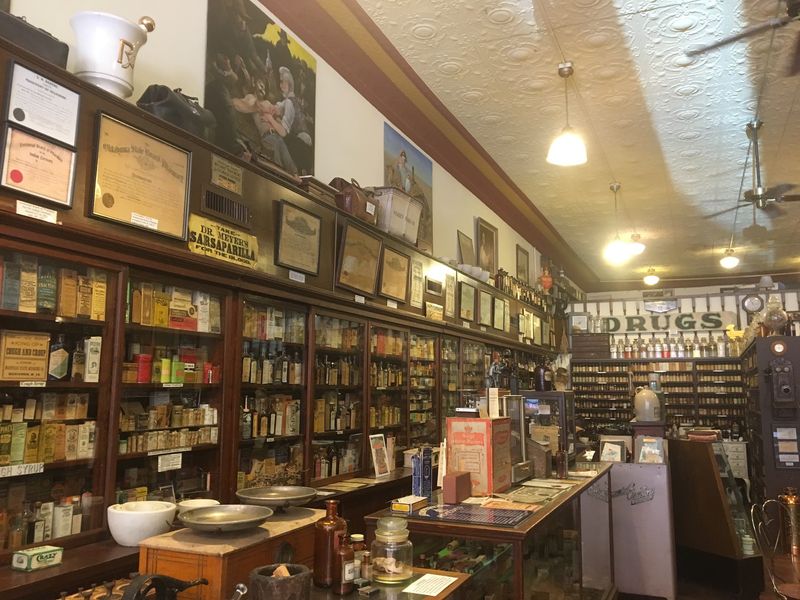
Picture a downtown street lined with Victorian brick buildings, and then picture one storefront that still looks ready to fill a prescription from the 1890s. That is the Oklahoma Frontier Drug Store Museum, tucked at 214 W Oklahoma Ave in Guthrie.
From the sidewalk, it looks modest. Inside, it is a different story.
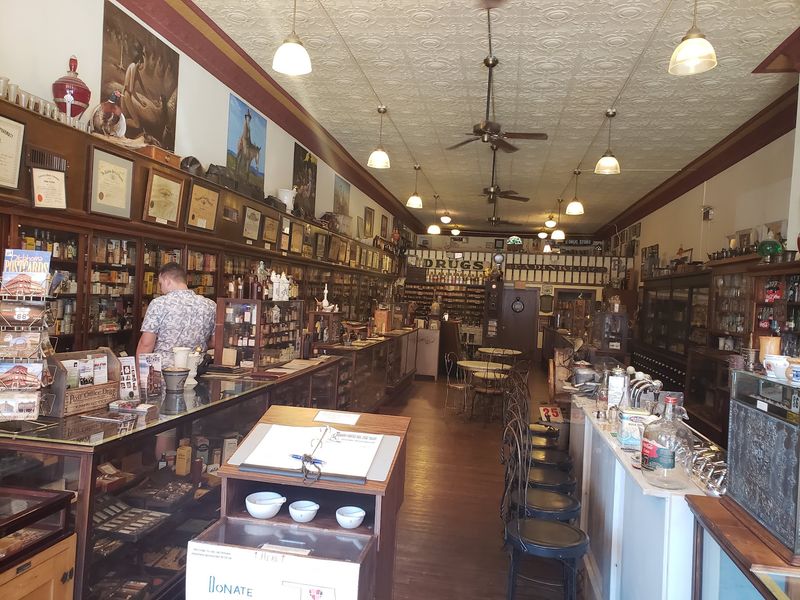
The museum is set up to resemble an old drug store, complete with counters, cabinets, and shelves crowded with pharmacy artifacts. Instead of glass cases keeping you at a distance, the whole space feels like a working shop that paused in time.
You half expect a pharmacist in a vest to ask what ails you.
Guthrie itself adds to the charm. Visitors often say the entire town feels like a museum, and the drug store fits right into that mood.
Its downtown spot means you can easily pair it with a stroll past historic buildings and small shops.
For travelers following Oklahoma history trails, this stop works as both a quick detour and a deep rabbit hole. Some folks pop in for a few minutes.
Others lose track of the clock reading labels. Either way, the building is easy to find and hard to forget once you have stepped through the door.
Roots in Oklahoma’s First Drug Store
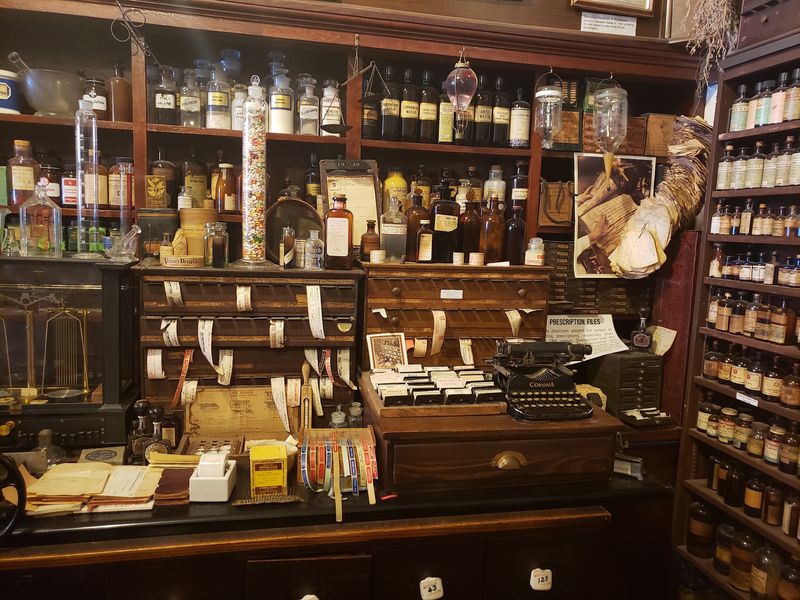
History buffs, here is the detail that makes this place special. The museum is housed in the same building as Oklahoma’s first drug store, according to visitors who have toured it.
That gives every jar and drawer a little extra weight.
Back before statehood, the drug store was much more than a place to grab pills. It was a hub of daily life, where people found medicine, beauty products, tobacco, herbal remedies, and even a cool treat at the soda fountain.
Guests often come away saying they understand early Oklahoma better after seeing it through the lens of the local pharmacy.
The collection draws from far beyond one shop, too. Many items came from pharmacies, dentist offices, and physician offices across Oklahoma and southern Kansas.
Much of it was donated, which means the shelves hold pieces of real community memory from across the region.
Docents enjoy sharing stories about life in the territory days, and those tales help connect the objects to the people who once used them. It is one thing to see an old bottle.
It is another to hear how a frontier family might have relied on it during a long prairie winter. That human thread runs through the whole visit.
Shelves Crowded With Curious Cures
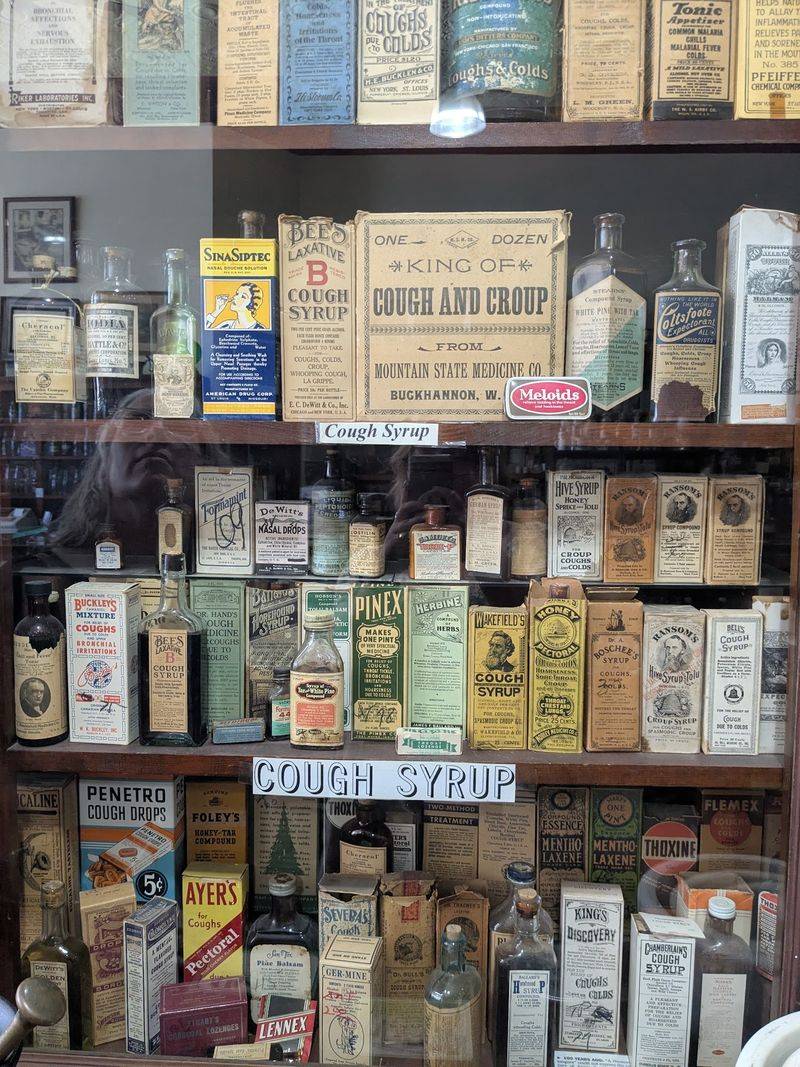
Ever wondered what people took for a cough in 1900? Prepare for some surprises.
The shelves here are packed with historical remedies, from tonics and powders to boxed treatments with labels that make bold promises.
One visitor called it possibly the best pharmacy museum in the country, noting that it holds nearly everything you would expect plus plenty you never would. You will spot classic mortars and pestles and rows of glass bottles.
Then you will notice the strange items, the ones that make you lean in and squint at the fine print.
Reading the boxes is half the fun. Many guests recommend taking your time, because the old treatment descriptions are fascinating and sometimes downright funny.
The language of early advertising was dramatic, and the claims printed on some packages would never pass today.
It is easy to feel grateful for modern medicine after a lap around the room. At the same time, there is real respect for the pharmacists who worked with limited tools.
Medicine was still in its early days, and these shelves show both its clever ideas and its wild guesses. Bring curiosity, and maybe your reading glasses, because the labels reward close attention.
The Poison Section and Its Old Ledgers
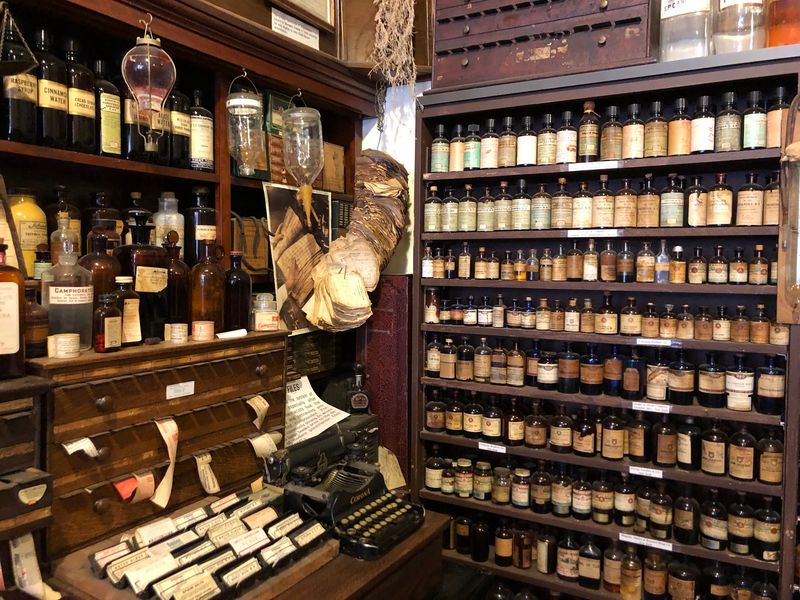
Here is where things get a little eerie. Tucked among the friendlier tonics, the museum features a section devoted to poisons, and visitors single it out as a highlight.
The display includes empty bottles that once held strong substances like arsenic, cyanide, and strychnine. Even more striking are the drug store ledgers that record how often these items were sold.
Back then, such products were common household tools for pest control and other chores, and they were sold right over the counter.
Flipping through the record books gives a real sense of everyday frontier life. Pharmacists wrote down names, dates, and purchases by hand, and those pages are a window into how ordinary people shopped.
It feels a bit like reading someone’s old receipts, only with far more interesting entries.
For fans of the strange side of Oklahoma’s past, this corner delivers. It is not gory or frightening, just quietly fascinating in a way that sticks with you on the drive home.
Kids tend to find the skull-marked bottles thrilling, while adults often linger over the ledgers. Ask a docent about it, since the staff usually has a story or two about how these products fit into daily routines long ago.
Drawers You Are Allowed to Open
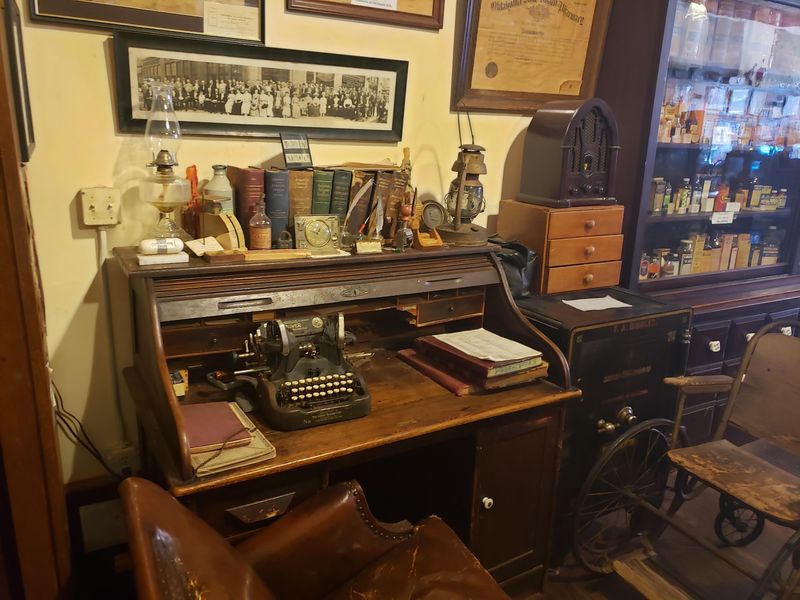
Most museums come with a firm rule: look, do not touch. This one bends that idea in a delightful way.
Visitors love that they can flip through old books and open drawers to see what is hidden inside.
Guests are also allowed to step behind the counters, which changes the whole feel of the visit. Suddenly you are standing where the pharmacist stood, looking out at the store the way they once did.
Photographers especially appreciate the angle, since it opens up shots you would never get from the customer side.
That freedom turns a quick look into a treasure hunt. One regular says they could spend hours, leave, return later, and still find something they missed before.
Every drawer feels like a small surprise package.
Of course, a gentle touch goes a long way with items this old. Handle the books with care and close the drawers softly so the next visitor gets the same thrill.
Families with curious kids will find this hands-on approach keeps young minds busy far longer than a row of locked cases would. Give yourself at least an hour, which is what many visitors suggest, and let the drawers set the pace.
A Soda Fountain and Everyday Goods
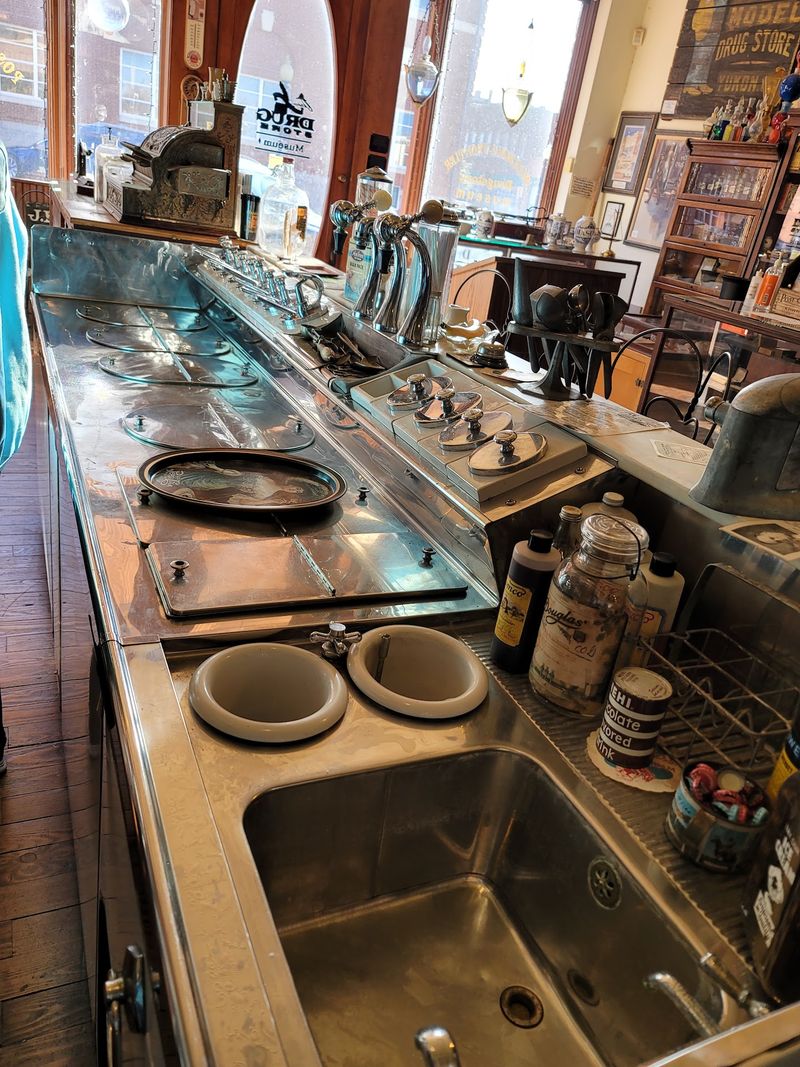
Cherry soda, root beer float, or banana split? Standing at the old-style soda fountain, it is hard not to start daydreaming about a menu.
The fountain is one of the museum’s most charming pieces, a reminder that drug stores were once neighborhood hangouts.
Back in the day, a trip to the pharmacy might end with a sweet treat at the counter. The fountain here is for looking rather than ordering, but it still sparks that cozy, small-town feeling.
One visitor joked about the nectar sodas and floats that probably flowed across it long ago.
Beyond the fountain, the collection shows how much else a frontier drug store carried. Beauty products, tobacco items, and herbal remedies sit alongside medicine, painting a picture of a shop that met all kinds of needs.
It was part general store, part clinic, and part social spot.
That mix is what makes the museum feel lively instead of clinical. You are not just learning about pills.
You are seeing how people groomed, relaxed, and treated themselves in early Oklahoma. Snap a photo at the fountain, then go grab a real ice cream somewhere downtown.
Your sweet tooth will thank you.
The Apothecary Garden Next Door
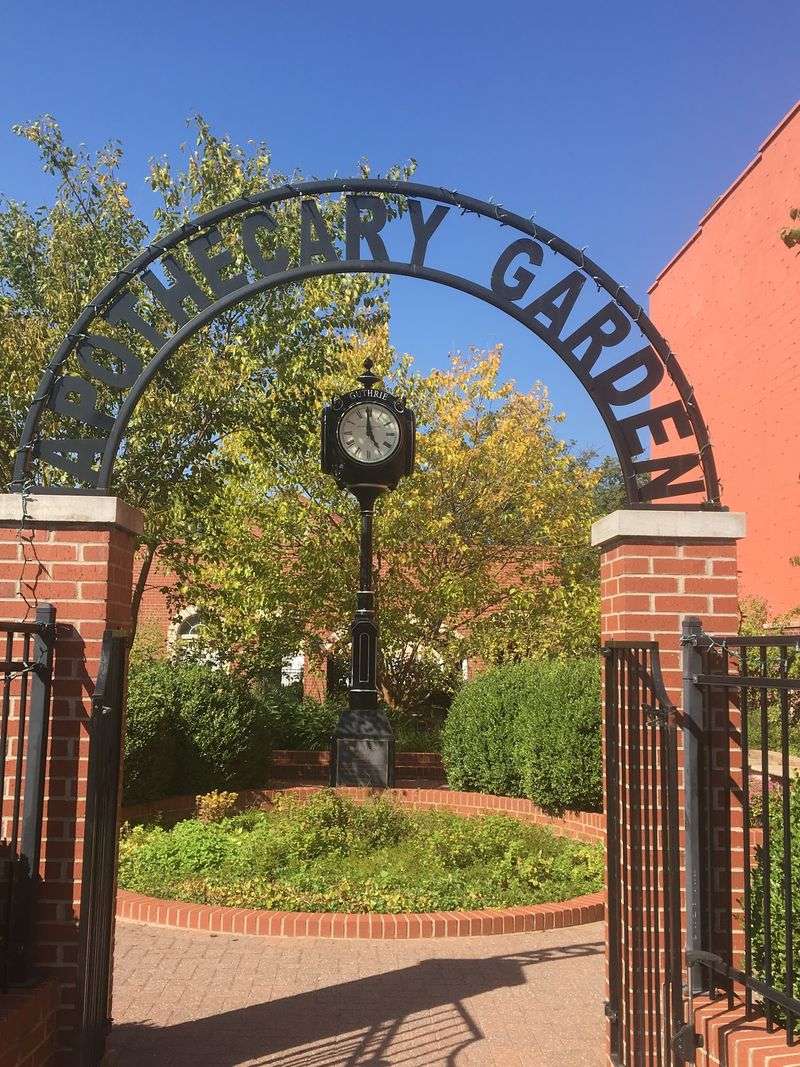
Some couples find this museum by accident, and the garden is usually the reason. One pair stumbled into the Apothecary Garden first and followed it straight to the front door of the drug store.
The garden sits right beside the museum and comes up again and again in visitor chatter. Guests describe it as beautiful and well groomed, with a small pond that feels vibrant and peaceful.
It is the kind of spot where you naturally slow down and breathe a little deeper.
The connection to the museum makes sense. Many early remedies came from plants, so wandering among the greenery after seeing the old bottles helps tie the story together.
You leave the shelves of tonics and step into a living version of where some of those ingredients began.
Families appreciate it for a simpler reason, too. After an hour of reading labels, little ones can stretch their legs and run around for a bit.
Parents get a calm moment, and kids get fresh air. Pack a bit of patience and a phone camera, because the pond and plants make a lovely backdrop.
On a nice Oklahoma afternoon, it might become your favorite part of the whole stop.
Chatty Guides and the Visitors Who Love Them
Ask almost anyone who has visited, and the people come up before the bottles do. Friendly volunteers and knowledgeable docents are a big part of the experience here.
Guides share the history of the drug store along with odd facts about how certain items were used. Several visitors mention the ladies running the museum taking real time to explain things while guests rummage through medicine bottles and prescription books.
One guest described a docent as knowledgeable, if a little chatty, which many would consider a bonus. The owner also earns praise for being warm and full of interesting history.
So who will enjoy this place most? History lovers, obviously, along with anyone curious about medicine, old advertising, or quirky collections.
Photographers will appreciate the behind-the-counter access. Families can mix the museum with garden time for a well-rounded outing.
Locals seem to love it as much as travelers do. One resident returned years after a childhood visit and even left with a free wooden nickel.
Another family says they bring every out-of-town guest here. That kind of loyalty says plenty about the welcome you can expect.
Come with questions, because the staff clearly enjoys answering them.
Hours, Cash, and a Gentle Verdict
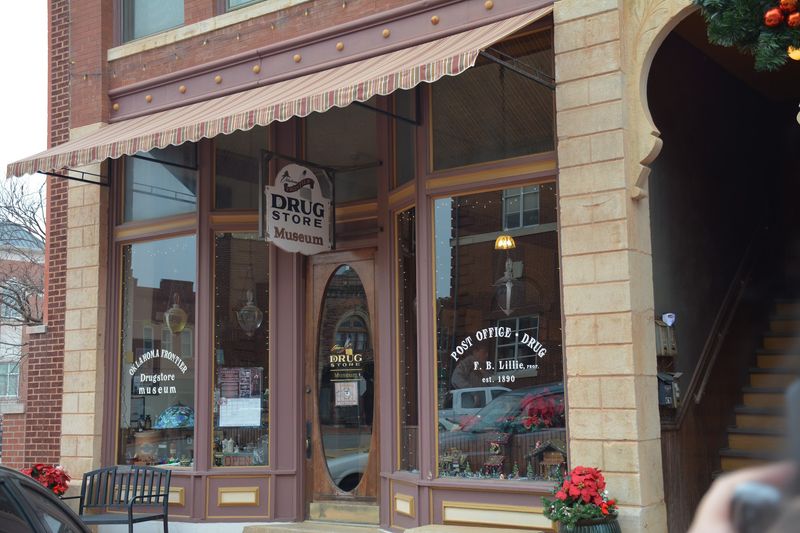
Planning ahead takes only a minute. The museum is open Tuesday through Saturday from 10 a.m. to 5 p.m., and it closes on Sunday and Monday.
Weekend travelers should aim for a Saturday visit.
Bring cash. Recent visitors report a $5 entrance fee per person, and it is cash only, so stop at an ATM before you arrive.
Years ago, entry relied on donations and gift shop sales, and the small gift shop area is still there for souvenirs. For questions, call +1 405-282-1895 or check drugmuseum.org before you go.
Getting there is simple, since it sits right in downtown Guthrie at 214 W Oklahoma Ave. Park nearby, wander the historic streets, and make the museum and garden one stop on a relaxed day trip. Allow at least an hour inside, more if you love reading every label.
So is it worth the trip? For a few dollars, you get a building tied to Oklahoma’s first drug store, a cabinet of oddities, a soda fountain, and a peaceful garden.
It is small, but it punches far above its size. Few places this compact leave such a lasting impression.
Share this story