A bridge can be famous without looking famous at all. In Bound Brook, a piece of New Jersey’s colonial road network sits in a place so ordinary that many people could pass it without realizing the past is right there underfoot.
The Old Stone Bridge dates to 1731, stood along a vital route between New York City and Philadelphia, and later became part of the Revolutionary War story during the Battle of Bound Brook. What remains today is not a polished monument, but that is exactly why it feels so strangely important: it asks people to notice history before it disappears behind daily life.
A Revolutionary Landmark Behind Main Street
History plays a clever trick at 540 Main St, Bound Brook, NJ 08805. The Old Stone Bridge is a historical landmark in Somerset County, New Jersey, United States, yet its setting is not the tidy town-green scene many people expect from an early American structure.
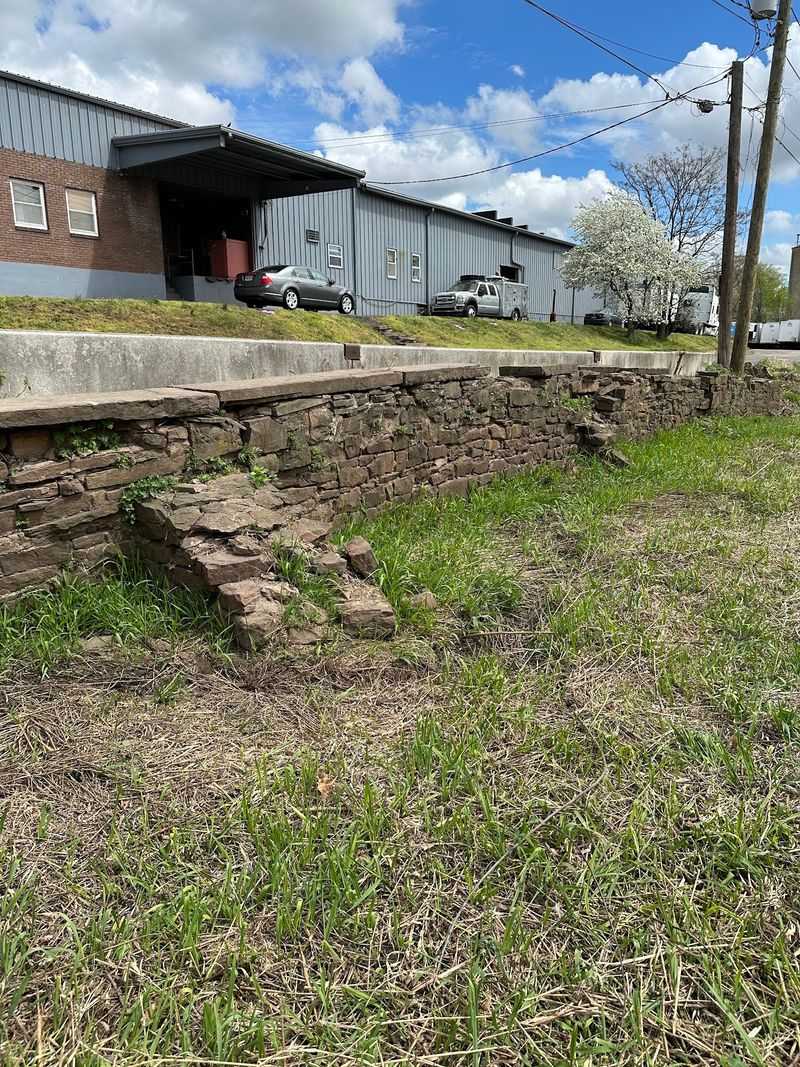
The site sits behind a warehouse area and near a train line, with the old bridge remains described as being off a business drive and about 100 feet from the present bridge. That practical detail matters because the landmark can be easy to miss, even for someone who came looking for it.
Built in 1731, the bridge is tied to the era when road links between major colonial cities carried serious weight. Accounts connected to the site describe it as having linked New York City and Philadelphia for more than a century, which gives this modest spot a much larger map than its current footprint suggests.
Modern Bound Brook moves around it, and that contrast is the first big part of the visit. The bridge is not presented as a grand attraction; it is a local reminder that New Jersey history often hides in working places, squeezed beside ordinary routes and routines.
The 1731 Road Link With Big Ambitions
A date like 1731 does not need much dressing up. It places the Old Stone Bridge in the colonial period, before the United States existed and before New Jersey’s modern roads turned travel into a routine errand.
The bridge’s importance comes from function first. It helped carry movement along a route associated with New York City and Philadelphia, two cities that shaped commerce, politics, and travel in the region.
That role makes the bridge more than a leftover pile of old stone. It belonged to a transportation network that helped people and goods cross a landscape that could not yet rely on today’s highways, rail schedules, or traffic signals.
New Jersey sometimes gets reduced to shortcut jokes, but the Old Stone Bridge gives the state a better comeback. Long before the turnpike era, this was already a place where movement mattered, where local crossings could connect much bigger destinations.
The surviving site does not explain every chapter on its own, so the visitor has to do a little mental assembly. The reward is a clearer sense of how a small bridge could carry a large regional job for more than a century.
Cannon Fire In Bound Brook’s Story
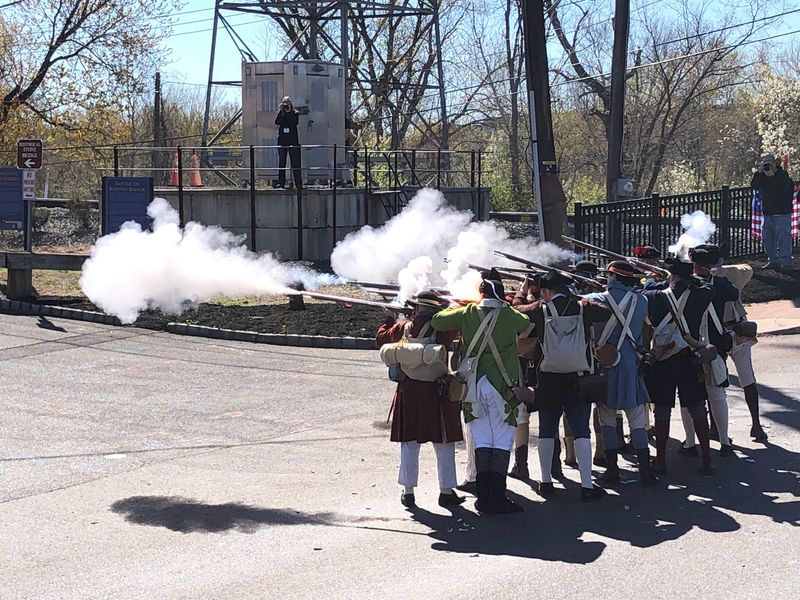
Revolutionary War history can feel distant until it lands beside a driveway. The Old Stone Bridge is connected to the Battle of Bound Brook, and that link gives the place a sharper edge than its current surroundings first suggest.
The bridge played a critical role during the Revolutionary War, according to local accounts tied to the landmark. The title phrase about cannon fire points to that wartime setting, when the crossing was part of a real military landscape rather than a forgotten local curiosity.
People sometimes come to the bridge after attending Battle of Bound Brook reenactment events, which shows how the site still fits into the town’s public memory. The reenactment context helps place the stones within a broader story of movement, pressure, and strategy in Revolutionary New Jersey.
No one needs to dress the site in false drama. Its power comes from the plain fact that a bridge built for travel also became connected to a conflict that changed the future of the colonies.
Bound Brook’s modern traffic and business edges may not feel ceremonial, but the old crossing keeps nudging the town’s deeper timeline back into view. That is a pretty stubborn performance for stones that no longer get the spotlight.
A Landmark That Can Hide In Plain Sight
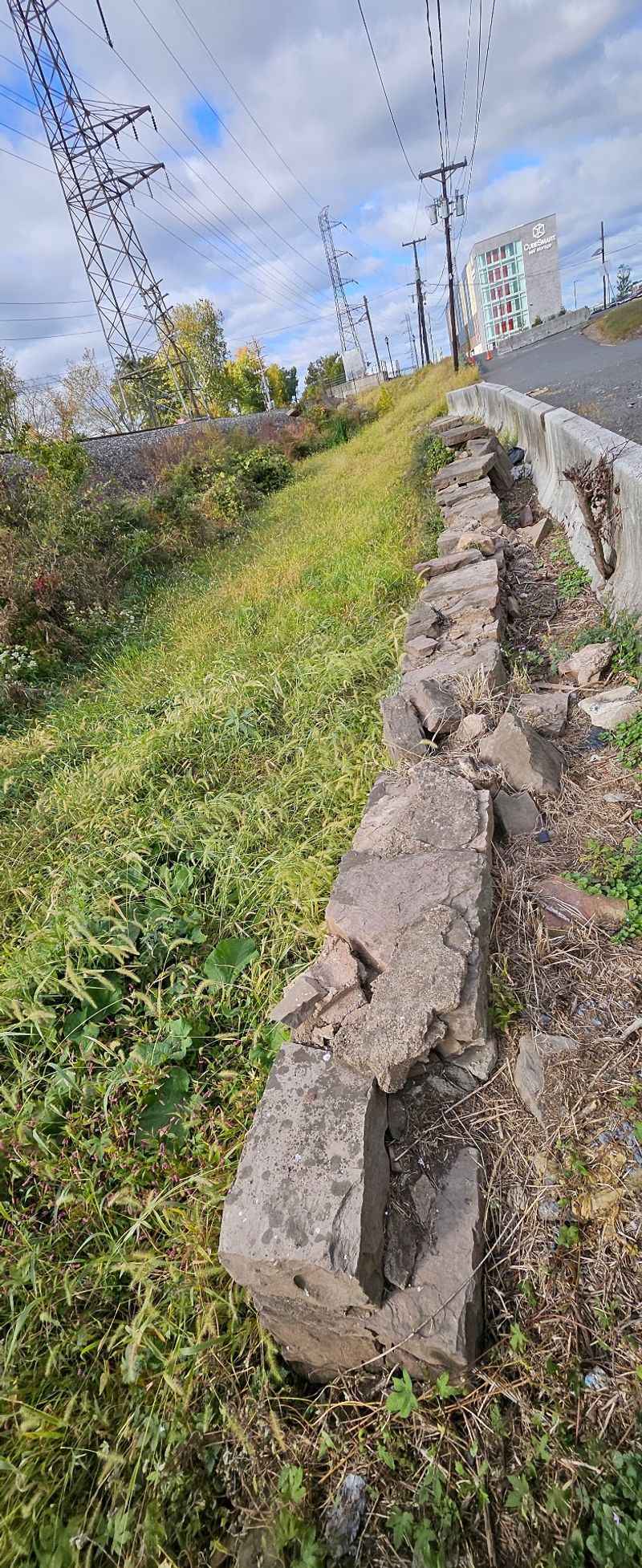
Not every historic place introduces itself politely. The Old Stone Bridge has been described as easy to miss, even when someone is standing close to it, which may be the most New Jersey detail in the whole story.
The bridge lies buried behind a warehouse next to a train line, according to site observations shared by people who sought it out. Another account notes that the remains are off a business drive, not far from the present bridge over the Raritan area.
That setting can be frustrating because the importance of the structure is out of proportion with the attention it receives. A bridge linked to colonial travel and Revolutionary War history now shares space with everyday industrial surroundings.
There is also a strange honesty in that arrangement. Instead of a fully curated history lesson, the site shows how vulnerable local landmarks can become when new infrastructure, business use, and time press in around them.
The visit asks for patience, not pageantry. Anyone expecting a carefully framed attraction may be surprised, but anyone interested in overlooked history may find the hiddenness itself becomes part of the point.
Stones, Signs, And A Fragmented View
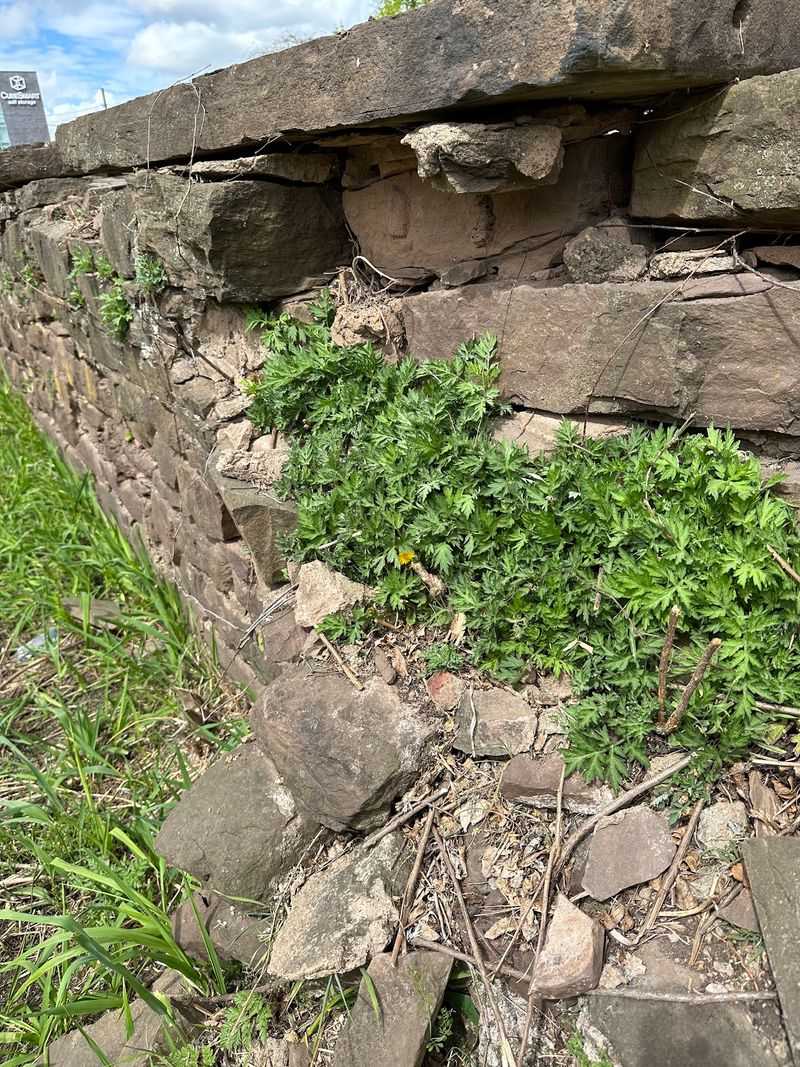
A few old stones can carry a lot of responsibility. At the Old Stone Bridge, historic signs have helped add context to remains that otherwise might not explain themselves to a casual passerby.
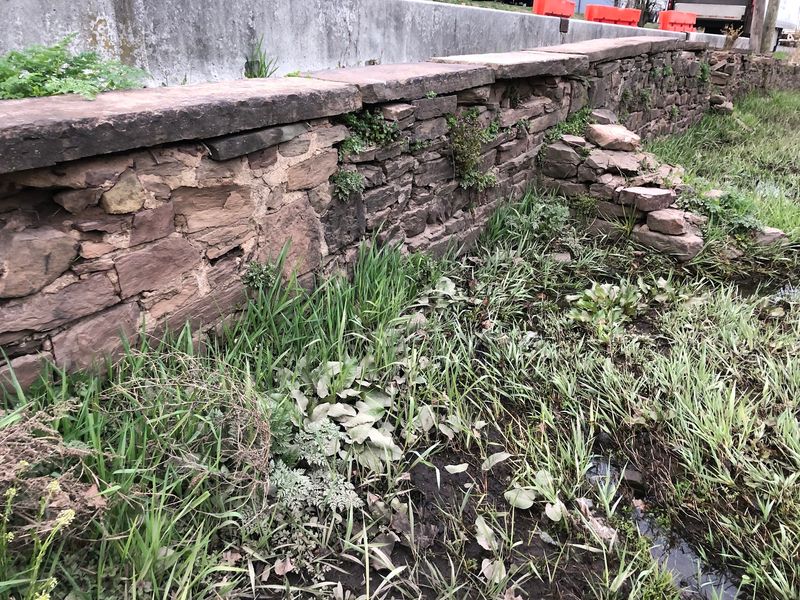
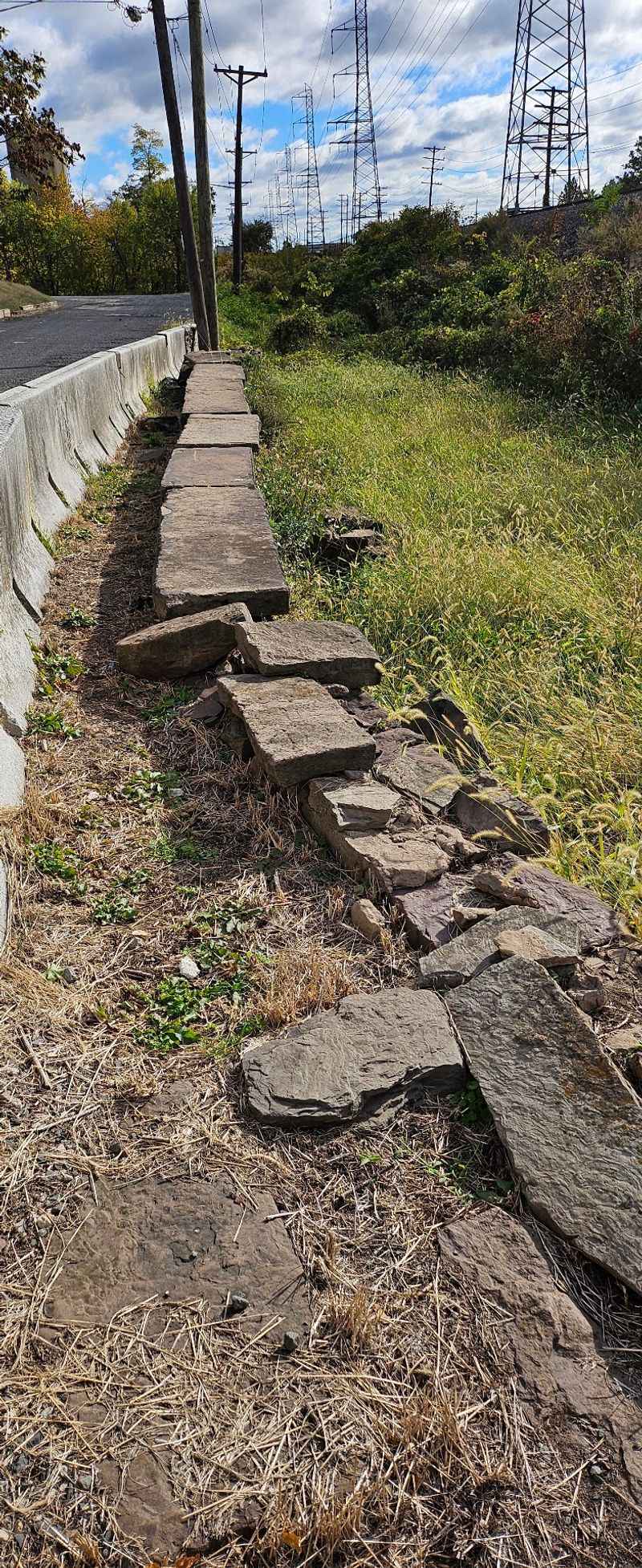
Accounts of the site mention layers of a single wall standing where more of the old bridge once had form. The existing remains have also been described as crumbling, which makes the place feel less like a finished exhibit and more like a history project still waiting for care.
The signage matters because the bridge’s physical condition does not immediately announce its 1731 origin or Revolutionary connection. Without context, the site could look like leftover stonework instead of one of Bound Brook’s most meaningful surviving historic traces.
That gap between appearance and importance is the central tension here. The landmark does not hand over the story instantly; it makes the viewer depend on markers, prior knowledge, and a willingness to pause.
New Jersey has many polished historic houses and museums, but the Old Stone Bridge belongs to a different category. It is the kind of place that proves interpretation can be just as important as preservation, especially when the object itself is reduced to fragments.
The Train Line And The Changed Landscape
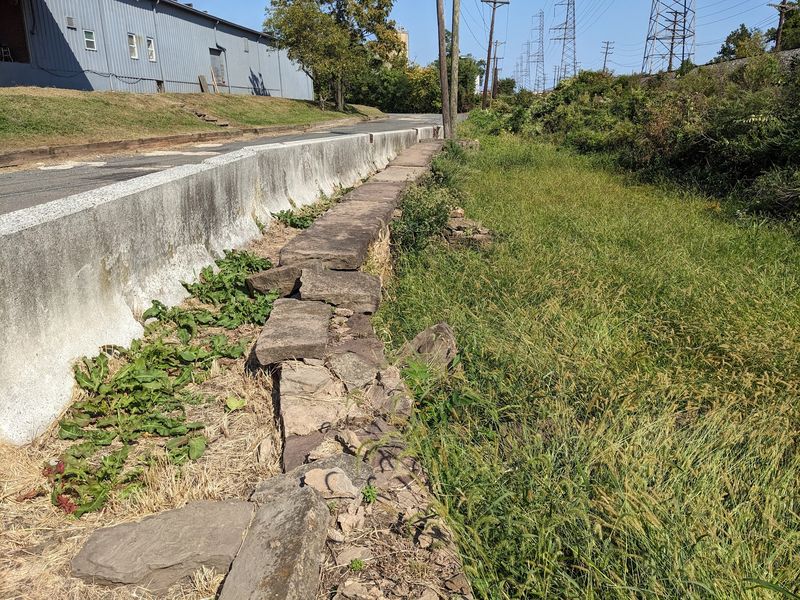
Railroads brought progress, but progress does not always leave old bridges untouched. The Old Stone Bridge sits near a train line, and local discussion around the site has long connected rail development with the altered condition of the bridge area.
One account tied to the site mentions the current NJ Transit line and older railroad history in the vicinity. It also suggests that railway activity changed what had been there before, leaving less of the bridge visible than earlier generations may have known.
The exact railroad responsibility is not fully settled in the provided public comments about the spot, so it is best to keep the claim careful. What is clear is that the present landscape places the bridge remains near rail infrastructure, business drives, and modern movement systems.
That layering is useful for understanding Bound Brook. The town’s old crossing did not vanish into empty countryside; it became surrounded by later transportation needs that reflected each new period’s priorities.
The result is not tidy, but it is revealing. The bridge, the trains, and the present road setting all speak to the same New Jersey habit: moving people through important corridors, sometimes while leaving earlier chapters half-covered.
Overgrowth, Access, And Preservation Questions
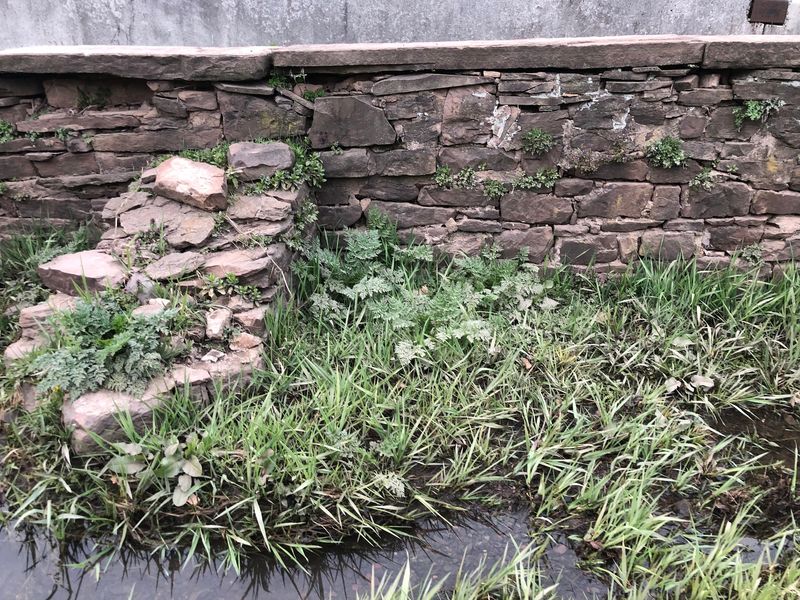
Neglect is not subtle at a small historic site. The Old Stone Bridge has drawn concern because overgrowth, weeds, and nearby parked tractor trailers have made the structure difficult or, at times, no longer visible.
That information matters for planning a visit and for understanding the current preservation challenge. This is not a landmark where every angle is guaranteed to be clear, and conditions around the remains may affect what can be seen on any given day.
The frustration around the bridge is rooted in affection, not casual complaint. People who care about the site point to its Revolutionary War connection, its age, and its former role linking major cities as reasons it deserves more attention.
There is no need to inflate the concern. A structure from 1731 that is difficult to see because of growth and nearby business use plainly raises questions about maintenance, interpretation, and long-term protection.
For New Jersey readers, that question lands close to home. The Old Stone Bridge is a reminder that preservation is not only about saving famous mansions; sometimes it is about clearing space around a battered crossing so the public can understand why it mattered.
The Mood For History Hunters
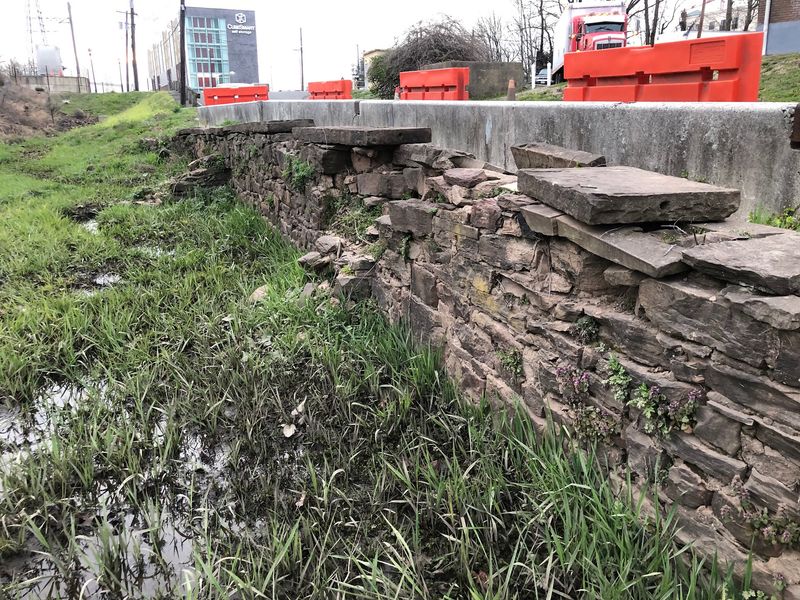
Curiosity does most of the heavy lifting here. The Old Stone Bridge suits people who like history with rough edges, the kind that asks a person to connect dates, roadways, and remaining stones without being spoon-fed the whole plot.
This is not the best stop for someone expecting a large museum experience. It works better for local history fans, Revolutionary War followers, New Jersey day-trippers, and residents who enjoy finding overlooked places in familiar towns.
The atmosphere is shaped by contrast. A 1731 bridge with a serious wartime association sits in a practical modern setting, and that mismatch gives the visit its odd pull.
Children learning about the Revolution may find the concept interesting if an adult explains the background in simple terms. The site itself, though, is not described in the available data as having activities or facilities, so expectations should stay modest.
A quick stop can still feel worthwhile when paired with broader Bound Brook history, especially around Battle of Bound Brook programming. The bridge is less of a destination that fills an afternoon and more of a historical breadcrumb that makes a town’s past harder to ignore.
Hours, Cost, And Finding The Spot
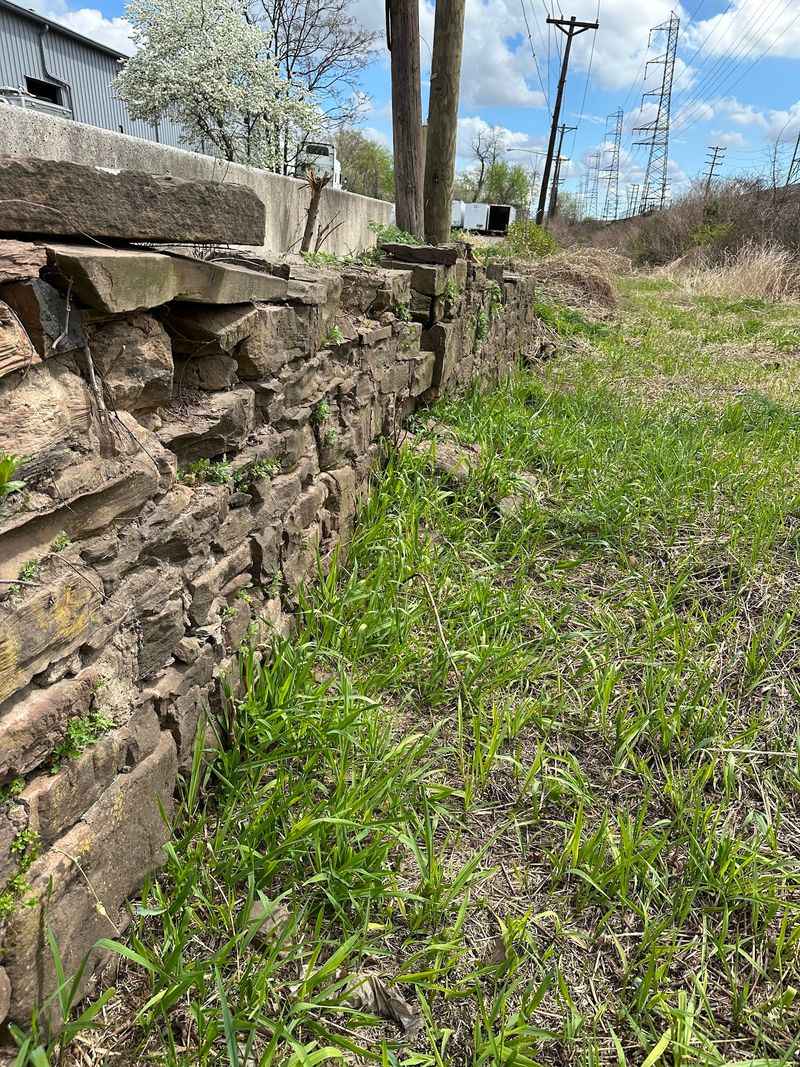
Practical details are refreshingly simple on paper. Google Maps lists the Old Stone Bridge as open 24 hours every day, including Saturday, Sunday, Monday, Tuesday, Wednesday, Thursday, and Friday.
No admission price is provided in the supplied data, and the listing identifies the place as a historical landmark rather than a staffed attraction. That means visitors should plan for a brief, self-guided stop rather than a scheduled tour.
The address to use is 540 Main St, Bound Brook, NJ 08805. The remains have been described as behind a warehouse, next to a train line, off a business drive, and about 100 feet from the present bridge, so careful wayfinding is part of the outing.
Because overgrowth and parked tractor trailers have been reported near the site, visibility may vary. It is wise to stay aware of business access areas and avoid assuming that every nearby space is meant for public wandering.
The best approach is to treat the visit as a quick historical stop with some patience built in. Bound Brook keeps moving around the bridge, so finding it may feel less like arriving at an attraction and more like solving a very local history puzzle.
A Quiet Verdict On A Half-Hidden Bridge
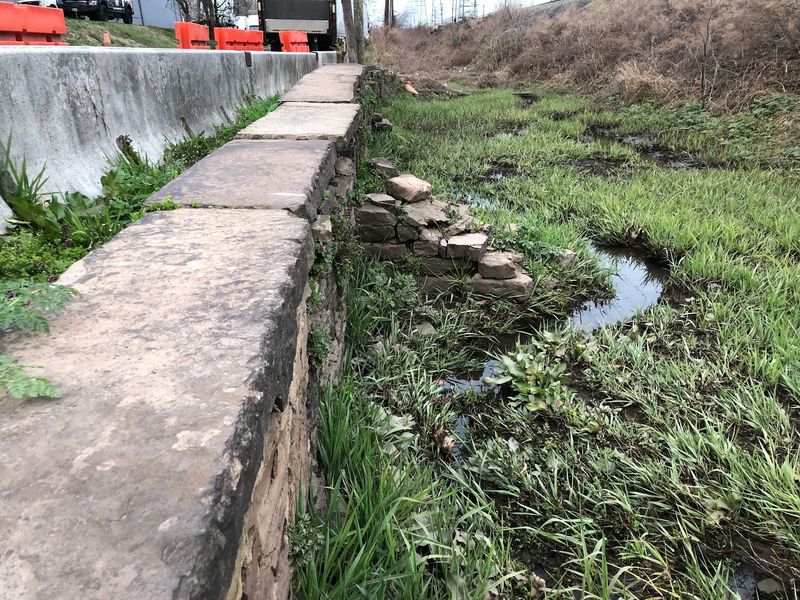
The Old Stone Bridge is not polished, convenient, or especially showy. Its appeal comes from the opposite quality: it forces attention toward a piece of New Jersey history that has survived in a compromised, easily overlooked form.
As a travel stop, it is best for people who value context over spectacle. The bridge’s 1731 date, its role in connecting New York City and Philadelphia, and its Revolutionary War association make it historically rich even when the visible remains are limited.
The current condition also gives the site a civic weight. Concerns about overgrowth, reduced visibility, and the need for restoration are part of the story, not side notes, because they show how fragile local memory can be.
A visit should be planned with realistic expectations. There may be signs, stones, and a sense of layered history, but there may also be industrial surroundings and a need to look closely.
For New Jersey residents, that may be enough reason to care. The Old Stone Bridge does not ask for applause; it asks not to be forgotten, which is a modest request for a structure that helped carry so much.
Share this story