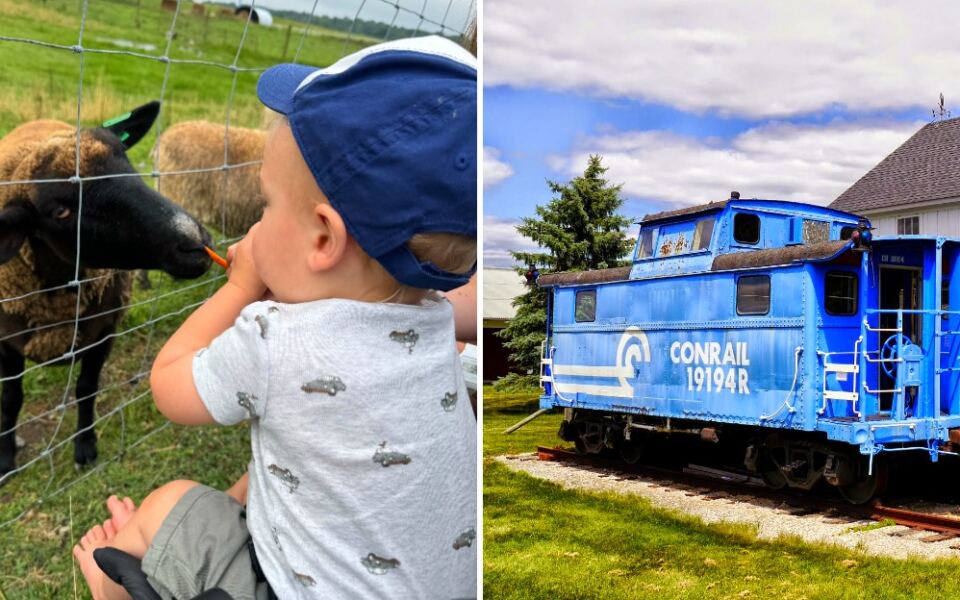
Kids can feed goats, meet llamas and alpacas, and explore an old train caboose at this Ann Arbor petting farm. It’s a hands-on family outing with plenty to do beyond visiting the animals.
Domino’s Farms Petting Farm has welcomed families since 1984. Visitors can purchase animal feed, explore the playground, and take a tractor-pulled hayride when rides are running.
There’s also a piece of railroad history on the grounds, along with barns full of animals and space for a family picnic. Admission starts at $8 per person, making it an affordable way to spend a few hours with the kids.
A Barnyard Next Door to Ann Arbor
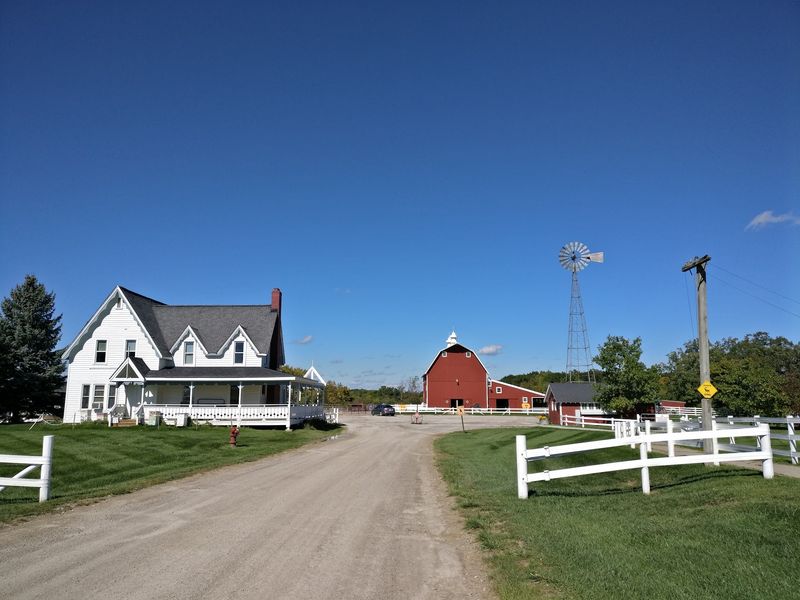
Few people expect to find cows and llamas a short drive from a college town. Domino’s Farms Petting Farm sits at 3001 Earhart Road in Ann Arbor, Michigan.
It’s run as a non-profit, and its whole purpose is giving families a hands-on look at farm life.
The setup is easy to understand. You buy tickets at the welcome center, then wander the grounds at your own pace.
Fenced pastures and barns spread out across the property, so animals have room to roam and soak up sunshine.
Drivers on nearby US-23 often catch a glimpse of baby animals out in the fields. That view has made plenty of curious families pull off and explore.
I like that the farm doesn’t try to be a theme park. There are no flashy rides or loud shows here.
Instead, the focus stays on real animals, open air, and a slower pace that fits young kids well.
The farm is open year-round, with daytime hours most days of the week. Sundays usually start a bit later, so checking the official schedule before you go saves a wasted trip.
Next comes the snack that makes every animal your new friend.
Carrots Are the Golden Ticket
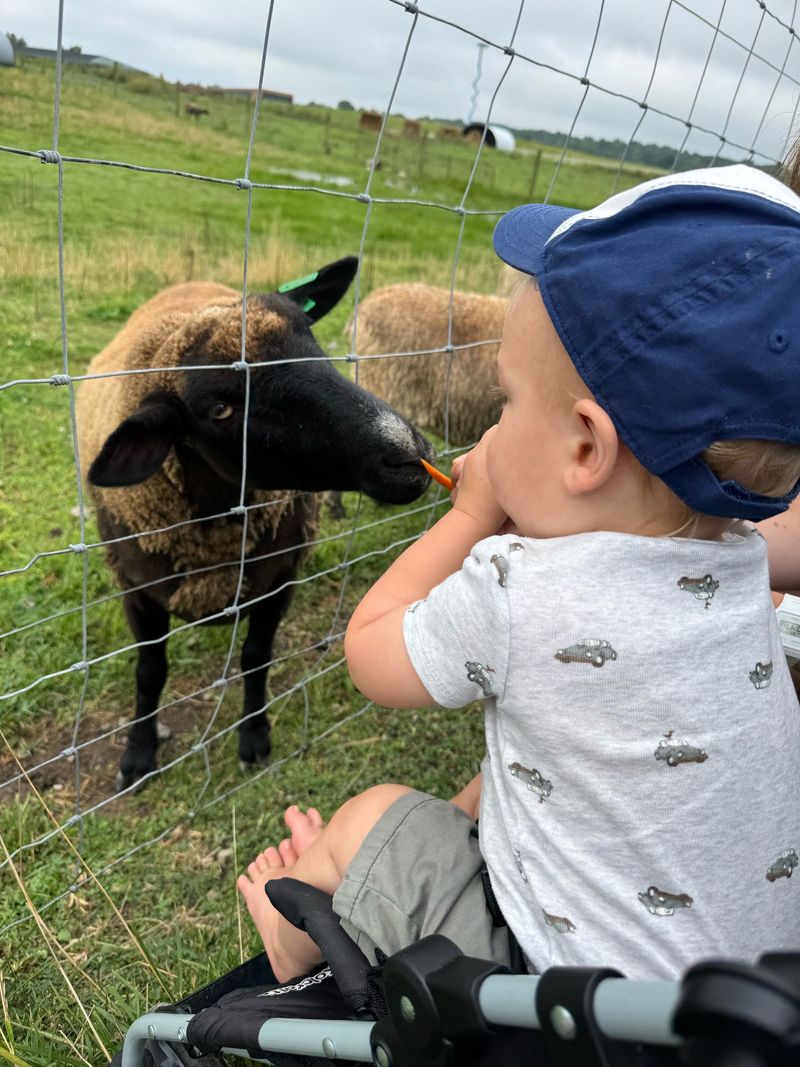
Shake a paper bag of carrot bits, and watch what happens. Goats, sheep, and llamas notice right away and hurry over to the fence.
For small kids, that moment can feel like meeting celebrities who actually want to see them.
Carrots are sold at the welcome center along with admission. They’re offered as a healthy treat, not a main meal.
The farm has explained that its animals get hay, grain, and regular feedings, so the carrots are just a fun extra.
Buying a bag also helps support the farm itself. That’s a nice bonus for parents who like knowing where their money goes.
Here’s a practical tip worth remembering. On busy field trip days, carrot sales to other guests have sometimes been paused for a while.
If feeding animals is the main goal, calling ahead or arriving outside peak school-group hours can help.
Teach little ones to hold their hands flat while feeding. It keeps fingers safe and makes the whole thing less scary for nervous first-timers.
Once the carrots run out, the animals themselves become the real attraction, starting with some very tall, fluffy residents.
Llamas With Curious Personalities
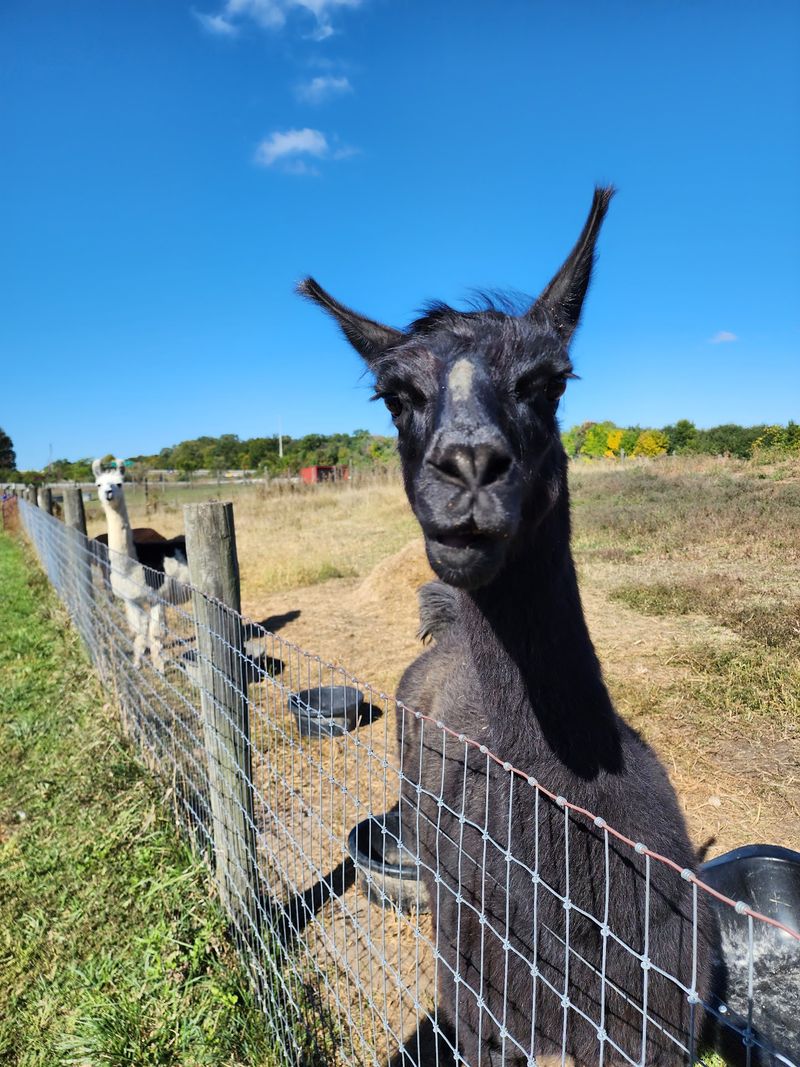
Long necks, big eyes, and a habit of peeking over fences give the llamas a lot of personality. Many families leave talking about them more than any other animal.
Their calm, curious style makes them easy to like.
The farm also keeps alpacas, which look similar but are smaller. Kids enjoy trying to spot the differences.
Llamas tend to be taller with longer, banana-shaped ears, while alpacas have shorter faces and fluffier coats.
Here’s a fun fact to share on the ride over. Both animals come from South America, where people have raised them for thousands of years for wool and carrying loads.
Alpacas at this farm have a reputation for being some of the most interactive animals on the grounds. They often walk right up when a carrot bag appears.
I’d give them a few quiet minutes instead of rushing past. These animals usually warm up when people stay calm and move slowly.
A patient kid might get a close look at those long eyelashes. From these gentle grazers, the next stop introduces some much bigger barnyard neighbors.
Cows, Calves, and Big Barnyard Friends
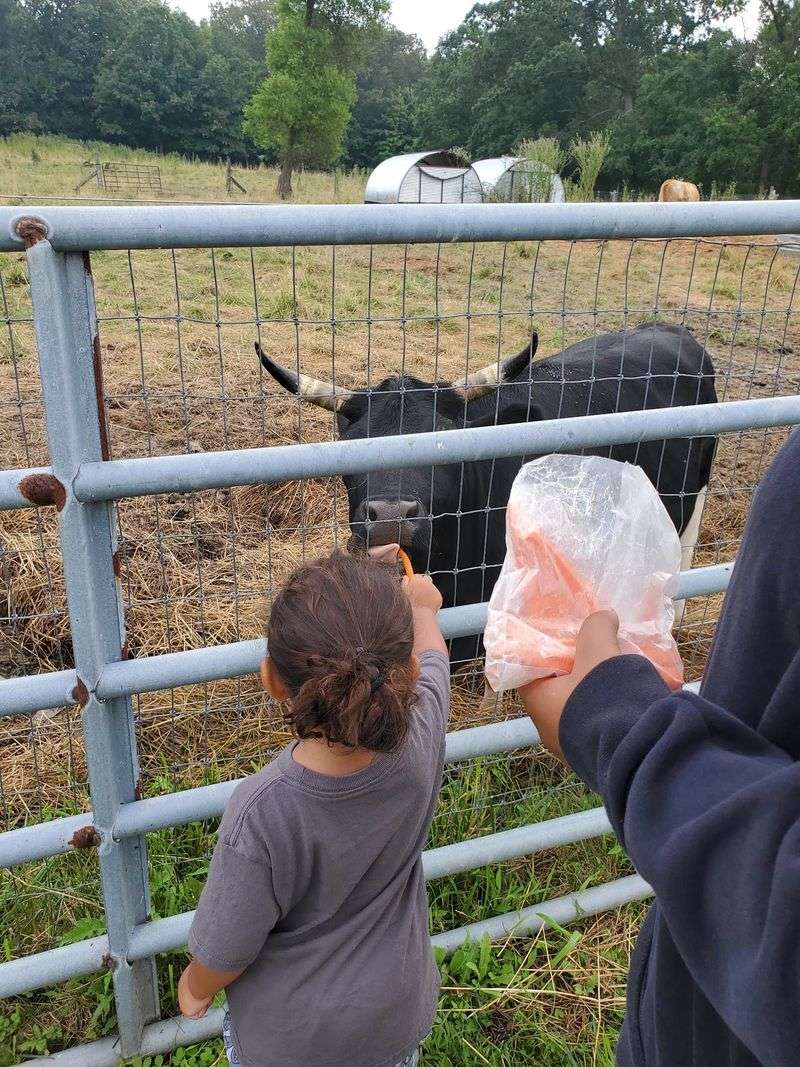
Standing next to a full-grown cow gives kids a whole new sense of size. Picture books never quite show how large these animals really are.
At this farm, children can see cows and calves up close along the fence line.
The lineup goes well beyond cows. Pigs, donkeys, horses, sheep, and plenty of goats live here too.
Rabbits add a softer touch, and friendly barn cats sometimes stroll around like they own the place.
Each animal has its own way of acting, and kids pick up on that quickly. Pigs root around, donkeys stand patiently, and goats seem to find trouble wherever they can.
I find this mix useful for teaching. Parents can talk about where milk comes from, why sheep grow wool, or how horses helped farmers long ago.
Some animals stay farther back in their pastures. The farm gives them space to approach on their own terms, which supports their well-being.
A little patience usually pays off. Among all these residents, though, the smallest goats tend to draw the biggest reactions, and they come with their own special care routine.
Baby Goats Get Extra Care
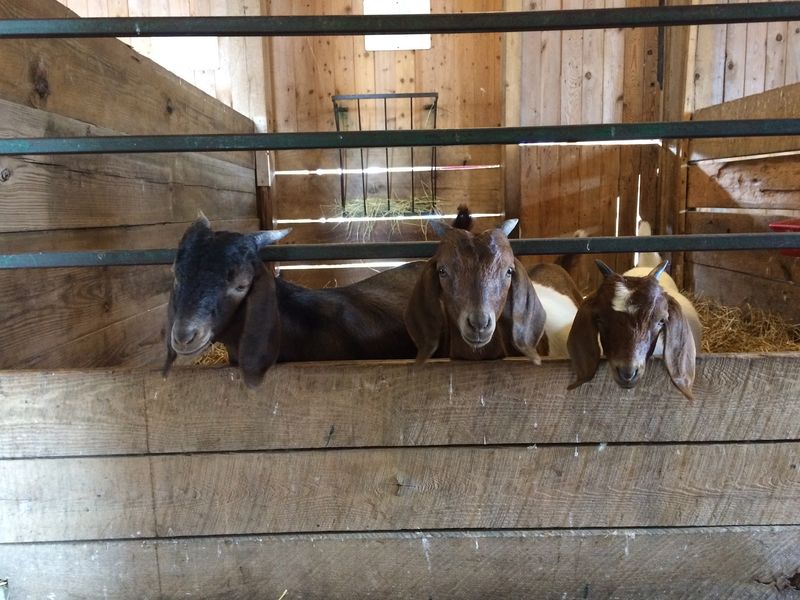
Tiny goats are escape artists. Their small bodies can slip through openings that would stop an adult goat.
That’s why the farm keeps its youngest kids in a more secure pen.
Visitors may notice a sign asking people not to feed the baby goats. There’s a good reason for it.
These little ones are bottle-fed on a regular schedule, and they also have hay and grain throughout the day.
Sometimes they get noisy before mealtime. Like hungry toddlers, they let everyone know when they’re ready to eat.
The farm has shared that it checks on all its animals daily. Staff also welcome questions, so if anything seems unusual, talking to a team member is the best move.
There’s a bonus for lucky guests. Some families have watched a staff member milk a goat, and a few even got invited to help.
That kind of moment isn’t guaranteed, but it shows how hands-on this place can be. It also proves the staff play a big role in the visit, which leads to the folks behind the scenes.
Friendly Faces Behind the Fences
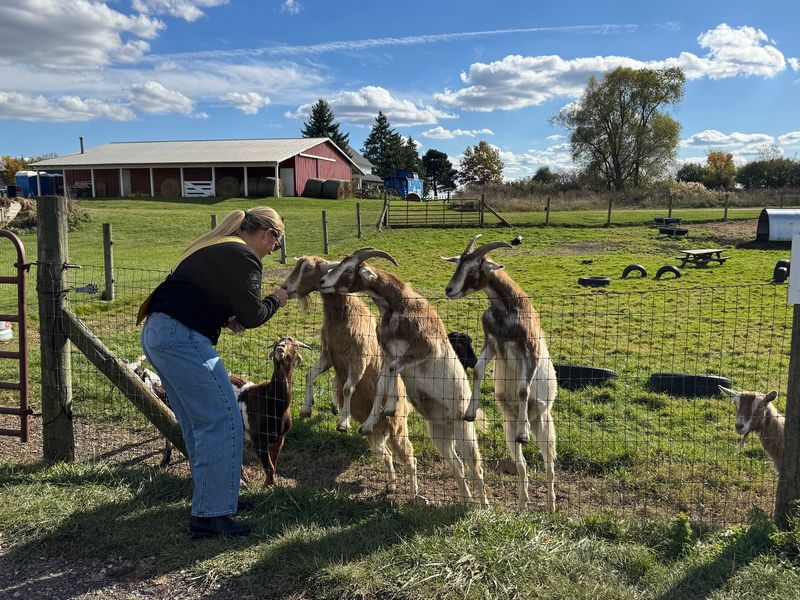
Ask a staff member a question, and you might get a mini lesson in farm life. Workers here care for animals every day, so they know each one’s habits.
Their answers often turn a quick look into a real learning moment.
Families often mention how kind and helpful the team is. Some staff members point out animals, share fun facts, and help nervous kids feel brave enough to pet a goat.
That personal touch matters at a small farm. It feels less like a big attraction and more like visiting a neighbor’s barnyard.
I’d encourage kids to come with a few questions ready. What do the pigs eat?
How old is that calf? Why do llamas hum?
These simple questions can start great conversations.
Signs around the farm don’t always explain everything about each animal. The farm has said it’s working on improving signage, so talking with workers fills in the gaps nicely.
Staff also run the hay wagon on certain days, and that bumpy little ride deserves its own spot on your plan.
A Hayride Around the Fields
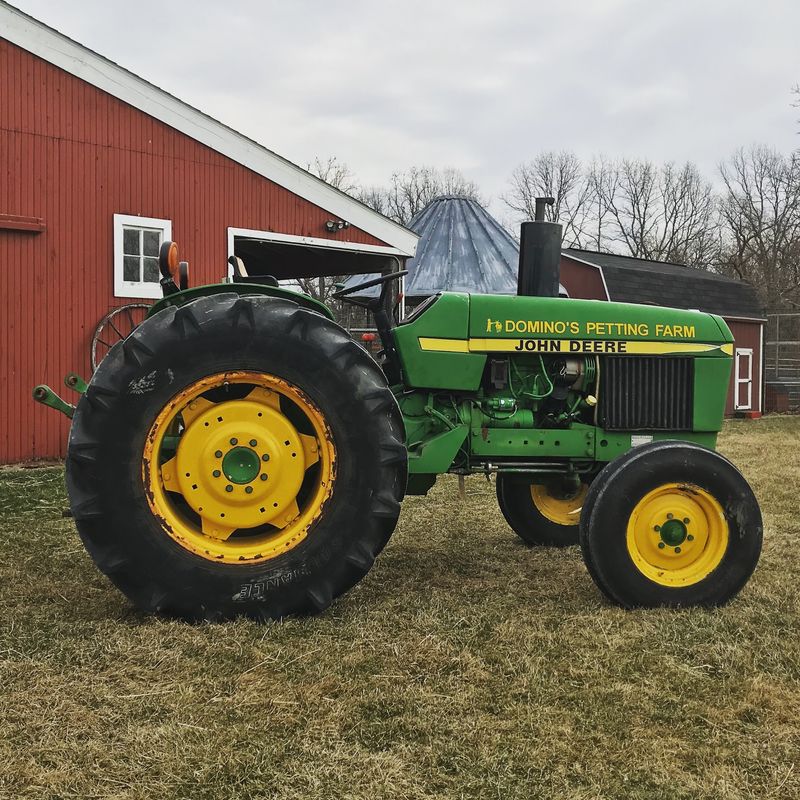
Nothing says old-fashioned farm fun quite like sitting on a bale of hay behind a tractor. The petting farm has offered hayrides for a small extra fee.
It’s a simple add-on that many families enjoy.
The ride gives everyone a break from walking. Little legs get tired fast, and a slow tour around the property helps reset energy levels.
Kids also get a different view of the farm from the wagon. Pastures, barns, and grazing animals look new from up high.
Hayride availability can depend on the season and the day. Weather plays a part too.
Asking at the welcome center when you arrive is the easiest way to find out if rides are running.
Wear clothes that don’t mind a little straw. Hay tends to stick to everything, from socks to jackets.
That’s part of the fun, though it might follow you home in the car.
I like the hayride as a middle-of-the-visit treat. It breaks up the day nicely.
After the ride, many kids are ready to burn off energy at the playground.
Tractor Tires, Swings, and a Caboose
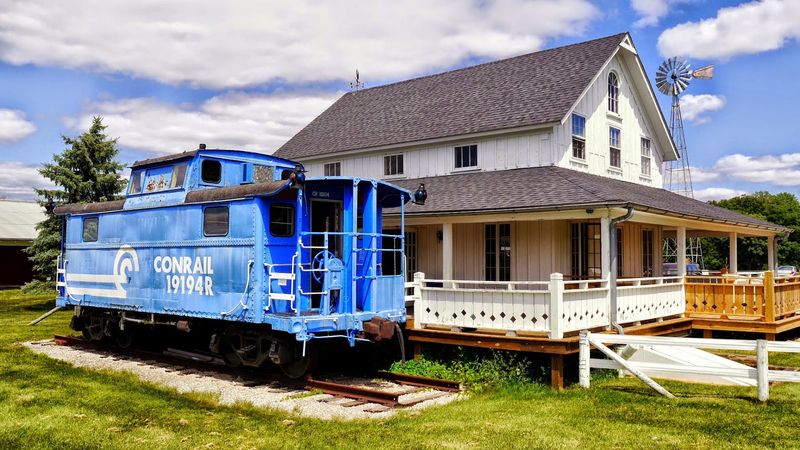
Old tractor tires make surprisingly good climbing gear. The farm’s playground uses them alongside swings and a couple of slides.
Kids who’ve seen every animal still have somewhere to play.
There’s also a train car on the grounds that families can walk through. Young train fans tend to love it, even though it’s a simple stop.
A small play house adds another spot for pretend games. Little ones often turn it into a farmhouse of their own.
The play areas are on the modest side. They’re not huge, but they fit the farm’s laid-back feel.
Parents can sit nearby while kids run around in the open air.
Some features show their age. A few guests have noted that areas like the caboose could use fresh paint.
The farm has said it’s working on improvements, so things may look different over time.
Plan for some playground time before you leave. It helps tired kids wind down after all the excitement.
Once the swinging slows, hungry tummies usually come next, and the farm makes room for that too.
Picnic Tables and a Little Farm Store
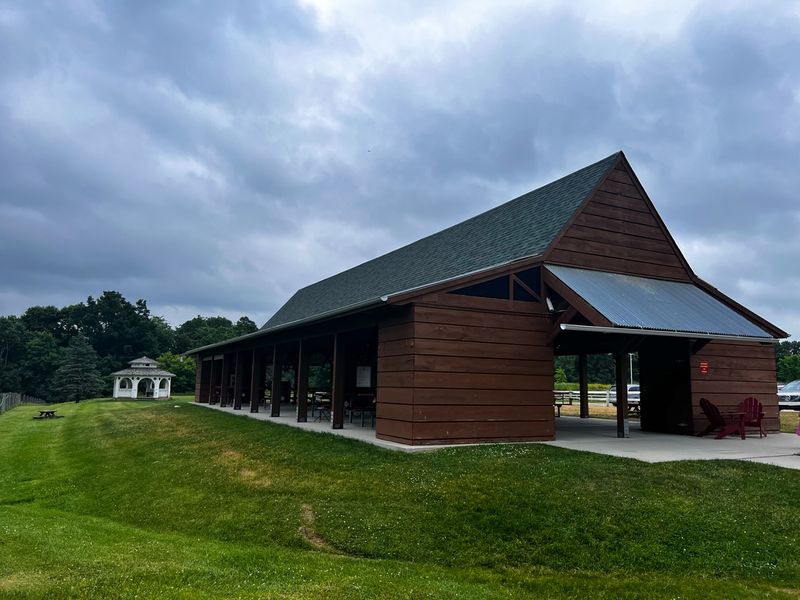
Packing a lunch is one of the smartest moves for this trip. Picnic tables sit around the grounds, and families can bring their own snacks.
It keeps costs down and lets everyone eat on their own schedule.
A covered pavilion offers a shady place to sit. On warm days, that shade feels great after time spent in sunny pastures.
The farm store adds a few extras. It sells cold drinks, ice cream, small toys, and farm-themed merchandise.
A vending machine is also on site.
Little souvenirs can be a nice way to remember the day. A stuffed goat or llama often becomes a favorite car-ride buddy.
Clean restrooms are another practical plus. Parents with young children know how much that matters.
I’d suggest washing hands before eating. Touching animals is fun, but sticky goat noses and lunch don’t mix well.
Bringing wipes or hand sanitizer is easy insurance.
With full bellies and happy kids, some families start thinking bigger. That’s where the farm’s party options come into play.
Birthday Parties in the Pole Barn
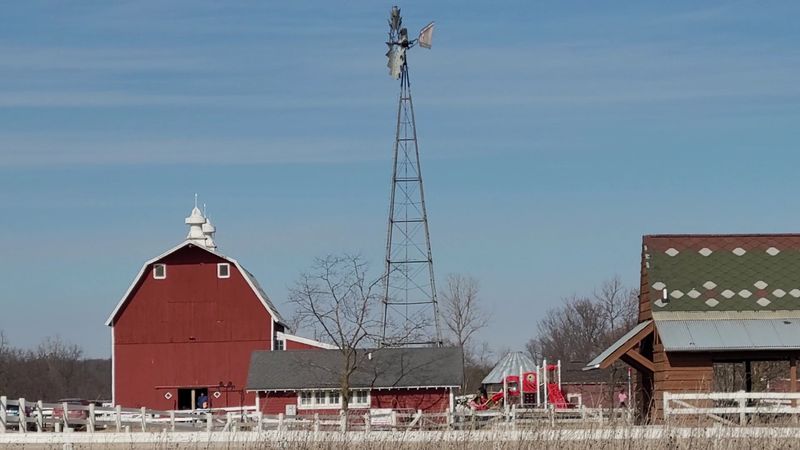
Goats make memorable party guests. The petting farm hosts birthday parties, and families have used its pole barn as a cozy gathering spot.
Kids get cake, friends, and real farm animals all in one afternoon.
Party packages come in different sizes, including options for large groups. One family hosted a double party for preschoolers in cold, rainy weather.
The covered barn kept everyone comfortable, and the kids still went out to feed animals.
That flexibility is handy in Michigan, where weather can shift quickly. A covered space means plans don’t fall apart with a little drizzle.
School field trips also visit, which shows how well the farm works for groups. Teachers like the hands-on learning.
If you’re planning a party, book early, especially in warmer months. Ask what’s included, such as carrots or hayrides, so there are no surprises.
Simple, honest, and close to home, this farm keeps old-fashioned barnyard fun within easy reach. For many families, a few carrots and a curious goat are all it takes to make a day feel special.
Share this story