Southern Illinois has a way of hiding its most extraordinary secrets behind ordinary-looking trailheads. You pull off a quiet road, spot a modest parking area, and wonder if you have the right place.
Then you start climbing, and everything changes. What waits at the top of that bluff is a thousand-year-old story carved right into the rock, and it is absolutely worth the drive.
Where Millstone Bluff Sits in the Illinois Landscape
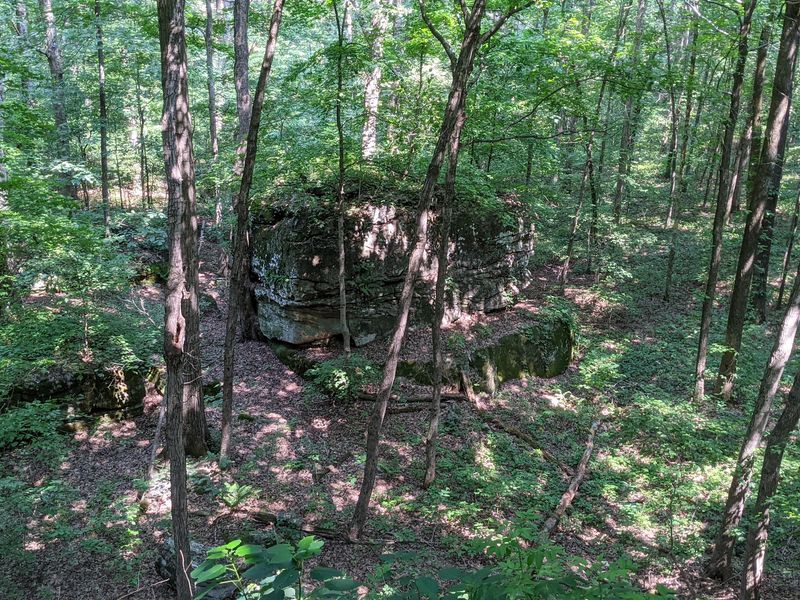
Tucked into the Shawnee National Forest near the small town of Simpson in southern Illinois, Millstone Bluff Archaeological Area sits far enough off the main road that most passing drivers never notice it exists. That anonymity is part of its charm.
The site occupies the flat top of a sandstone bluff, elevated above the surrounding forest floor and offering commanding views of the wooded hills that roll across this corner of the state.
Managed by the U.S. Forest Service, the area is officially designated as a historical landmark, protecting the remnants of a Native American settlement that once thrived here.
Visitors coming from larger Illinois cities often describe the drive through Pope County as quietly beautiful, the kind of road trip where the destination feels earned. For anyone curious about the ancient cultures that shaped this land, Millstone Bluff is a genuinely rewarding starting point.
The People Who Called This Bluff Home
Long before European settlers crossed the Mississippi, two distinct Native American cultures shaped life atop this bluff. Archaeological evidence points to occupation by Woodland peoples and later Mississippian peoples, spanning roughly 500 to 1,500 years ago.
At its peak, the settlement included multiple dwellings, a large community lodge, a public square, and a cemetery, making it a fully functioning village rather than a simple campsite.
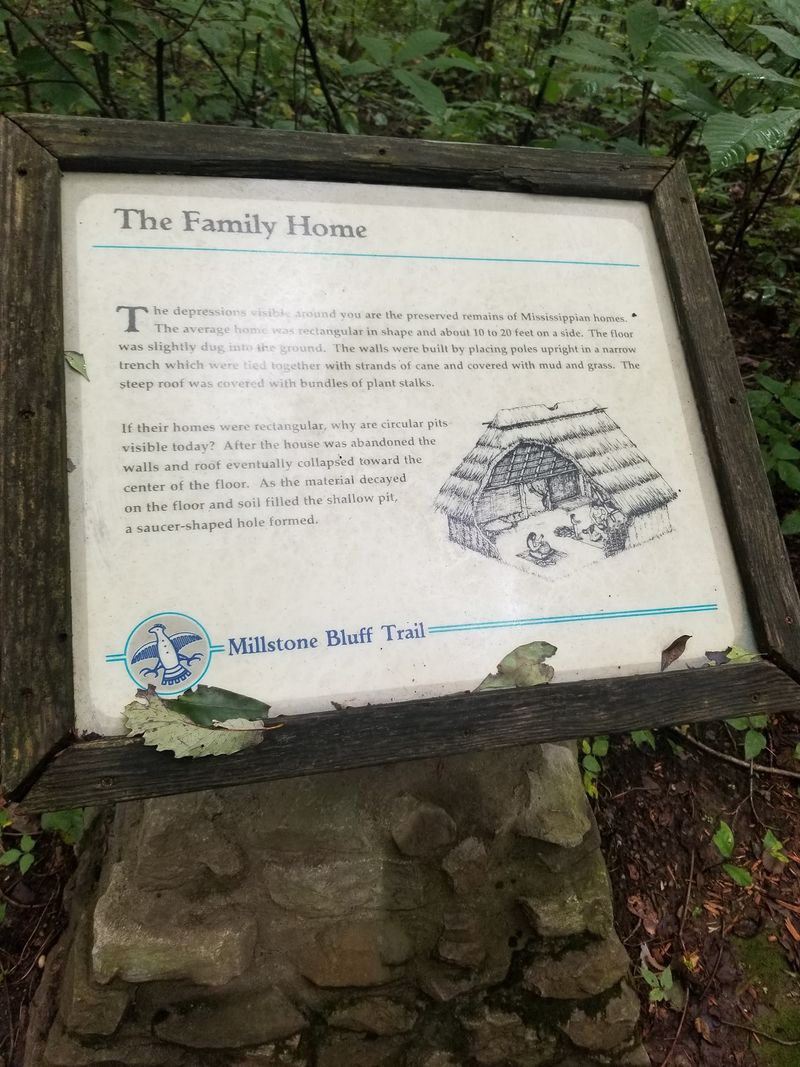
Walking the bluff today, visitors can still make out subtle depressions in the forest floor where structures once stood. Seeing those gentle hollows in the earth and knowing families cooked, gathered, and carried on daily life in that exact spot creates a feeling that photographs simply cannot capture.
Interpretive signs placed throughout the site help connect the faint physical traces to a richer picture of what community life may have looked like here a thousand years ago.
The Petroglyphs and What Makes Them Special
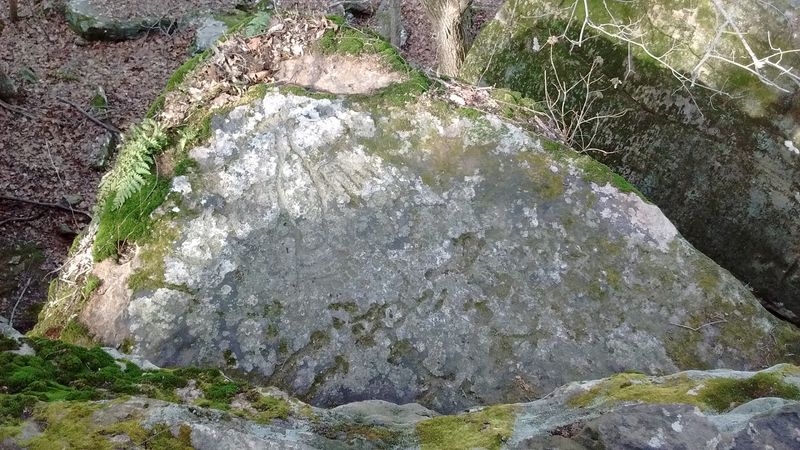
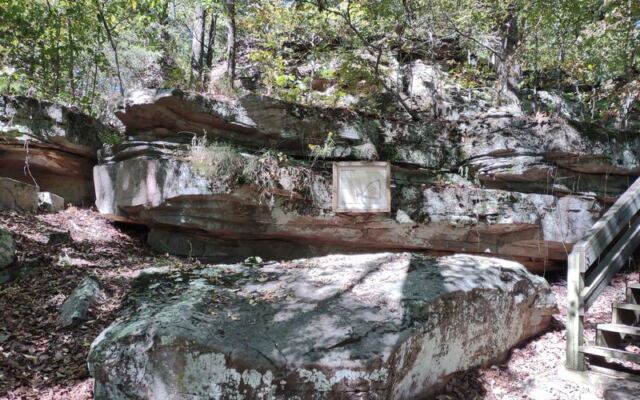
Ancient rock carvings are the headline attraction at Millstone Bluff, and they reward patient eyes. The petroglyphs were carved directly into sandstone by Mississippian people roughly a thousand years ago, making them among the more accessible examples of pre-Columbian rock art in the Midwest.
Visitors frequently note that spotting them takes a moment of focused attention, since erosion and lichen have softened the lines over the centuries.
The trick, according to many who have visited, is to slow down and let your eyes adjust rather than glancing quickly and moving on. Give the rock surface time, and the carvings begin to emerge from the stone with a quiet clarity that feels almost like a reward for patience.
An interpretive sign nearby displays photographs of the carvings that help orient first-time visitors before they search the actual rock surface. That small assist makes a meaningful difference.
The Climb Up – What the Trail Actually Feels Like
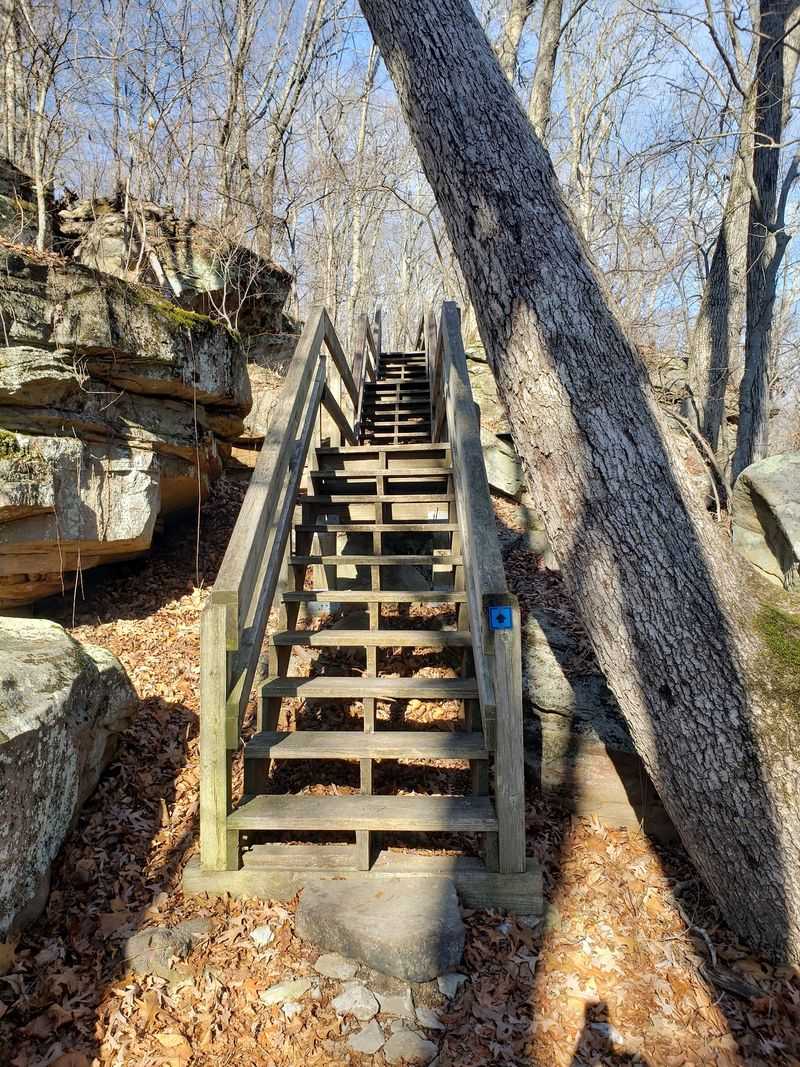
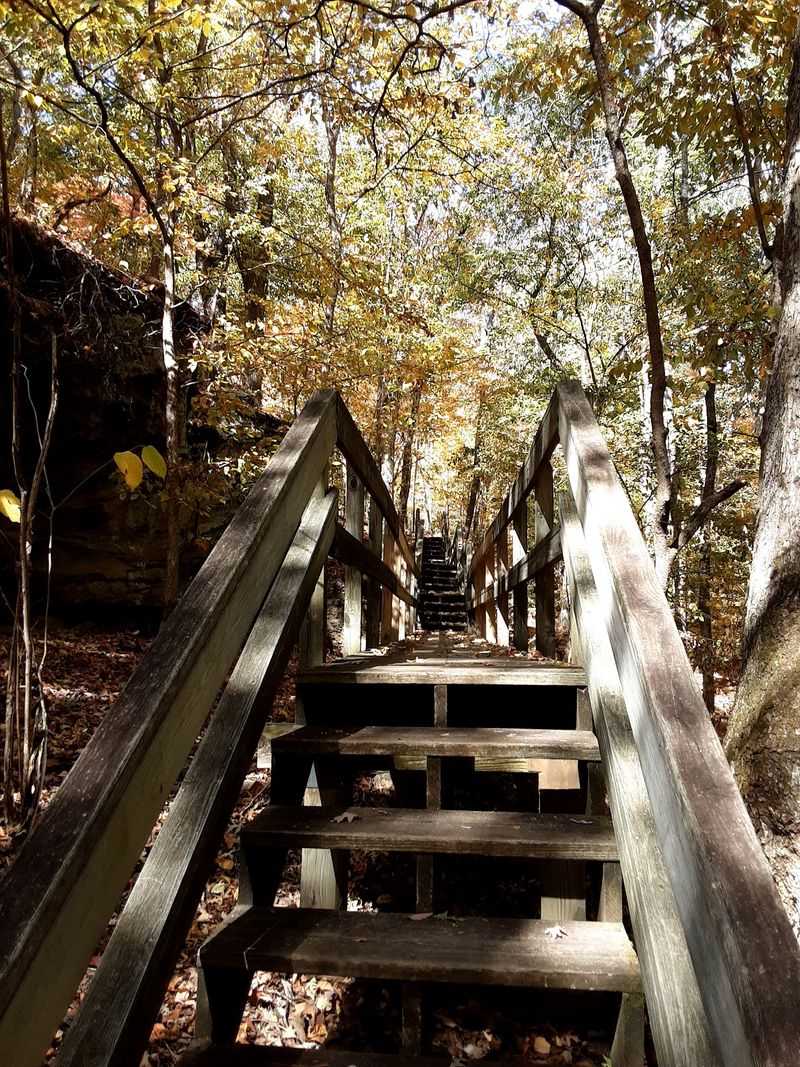
Calling this a hardcore hiking challenge would be an overstatement, but calling it completely flat would also miss the point. The trail rises steadily from the parking area, including a short flight of wooden steps built into the steeper sections of the bluff.
Most visitors in average physical condition complete the round trip without trouble, and several have noted finishing the climb wearing ordinary tennis shoes with no difficulty.
The uphill push is real enough to feel satisfying, and the well-maintained path keeps footing secure even in wetter conditions. Going up, the surrounding forest fills in around you, blocking outside noise and replacing it with birdsong and rustling leaves.
Coming back down is noticeably easier, giving the return walk a relaxed, almost leisurely quality. The whole loop takes less than an hour for most visitors, making it a natural fit for a half-day outing rather than a full expedition.
Views from the Top of the Bluff
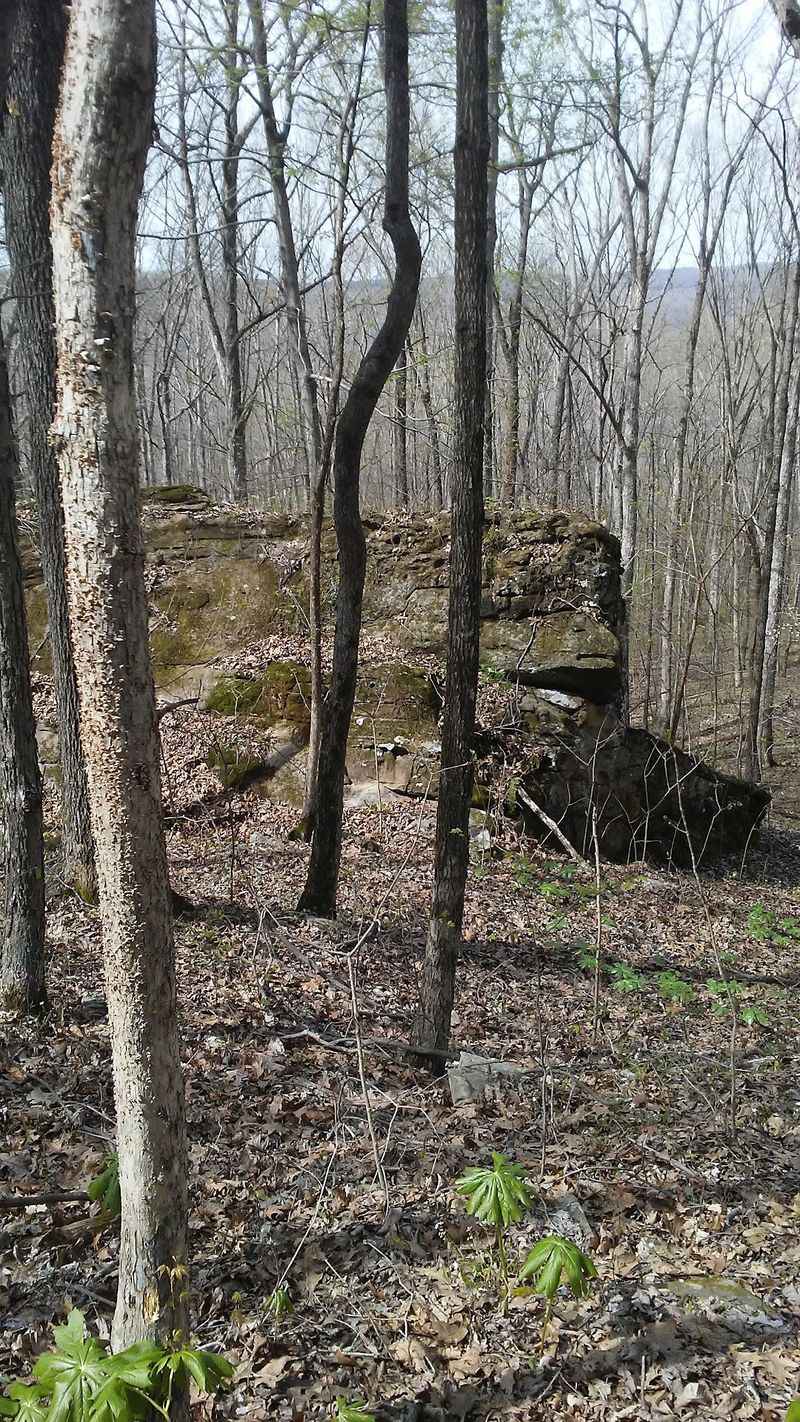
Reaching the summit of Millstone Bluff brings a genuine payoff beyond the archaeology. The elevated position of the bluff opens up broad views across the surrounding Shawnee National Forest, with wooded ridgelines stretching toward the horizon in multiple directions.
Visitors who have made the trip in autumn and winter specifically note that the reduced leaf cover reveals far more of the surrounding landscape than a summer visit allows.
In warmer months, the thick tree canopy creates a lush, enclosed feeling at the top, with wildflowers, mushrooms, and birds adding texture to the experience. Both seasons have their own distinct appeal, and repeat visitors often describe coming back at different times of year to experience that contrast.
The quiet at the summit is one of the details that sticks with people longest. On weekday afternoons especially, the bluff top can feel like a private lookout belonging entirely to you.
Interpretive Signs and the Story They Tell
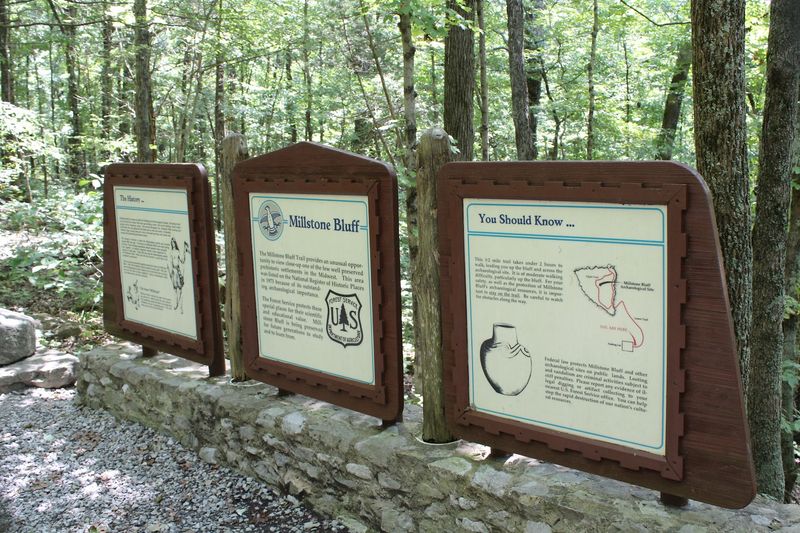
One of the quieter strengths of a visit here is the network of interpretive signs placed at key points along the trail and across the bluff top. Managed by the U.S.
Forest Service, these panels explain the archaeology in approachable language, covering topics like village layout, cultural practices, and the significance of the petroglyphs. For visitors who arrive without prior knowledge of Mississippian culture, the signs provide exactly enough context to make the site meaningful rather than mysterious.
Several visitors have described reading every panel carefully and still wishing there were more. The signs do a particularly good job bridging the gap between what the eye sees today, which is mostly forest floor and worn stone, and what the archaeological record suggests was once a busy, organized community.
A few panels include historical photographs of the carvings that help visitors locate and identify them on the actual rock, which proves especially useful for first-timers.
Wildlife, Wildflowers, and the Natural Setting
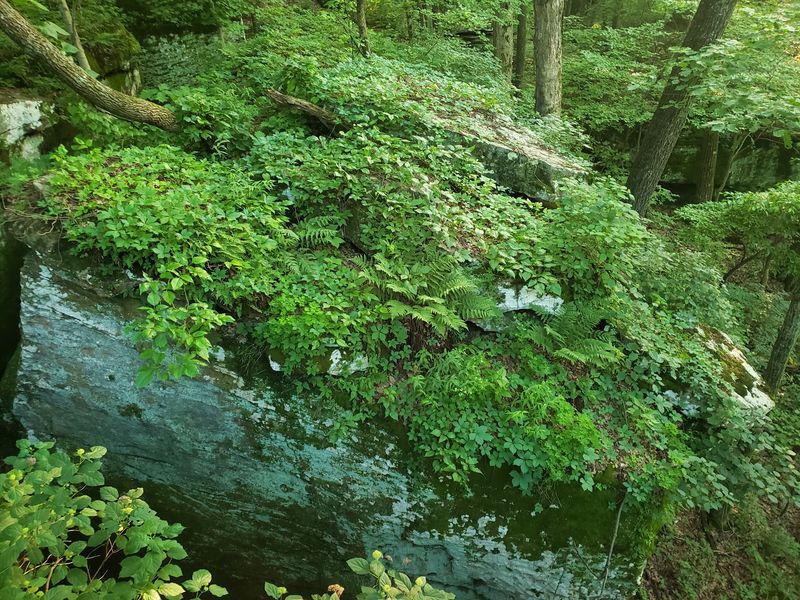
Beyond the archaeology, Millstone Bluff sits within one of the most biologically rich corners of Illinois. The Shawnee National Forest surrounding the site supports a wide variety of hardwood tree species, woodland wildflowers, and abundant birdlife, all of which visitors encounter on the trail whether they are looking for them or not.
Spring and early summer bring the most visible floral displays, while fall shifts the palette to amber and rust across the canopy.
Mushroom hunters and casual naturalists tend to find the walk rewarding in its own right, separate from the historical elements entirely. One practical note worth flagging: late summer visits, particularly in July, can bring heavy mosquito and horsefly activity.
Bringing insect repellent during that window is strongly recommended, since the bugs can be persistent enough to distract from the experience. Earlier and later in the season, the trail is generally comfortable and pleasant without any additional preparation.
Ruins, Remnants, and Reading the Ground
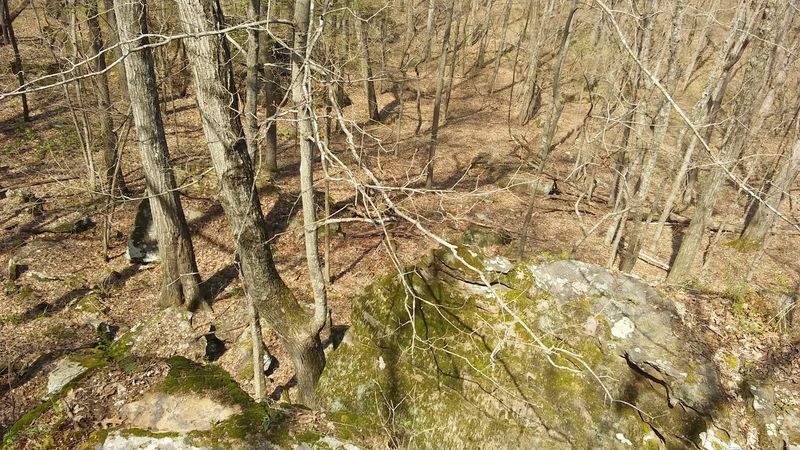
Not everything at Millstone Bluff announces itself loudly. Beyond the petroglyphs, the site contains the ghostly outlines of a complete village, visible not as standing walls but as depressions and subtle grade changes in the forest floor.
Areas that once held dwellings, a community lodge, a public square, and a cemetery are all mapped and explained through the interpretive signs, though the physical evidence requires a trained imagination to fully appreciate.
Visitors with a background in archaeology or historical landscapes tend to find this aspect of the site fascinating, while others acknowledge honestly that the features can be hard to visualize without prior context. That gap between expectation and reality is worth knowing in advance.
Approaching the site as a layered experience, combining natural scenery, quiet reflection, and archaeological curiosity, tends to produce the most satisfying visits. The bluff rewards those who come ready to look carefully rather than expect dramatic ruins.
Who Visits and What They Take Away
History enthusiasts, casual hikers, and curious road-trippers all find something worth taking away from Millstone Bluff. The site draws a noticeably quiet crowd, partly because its location off the main highway keeps casual foot traffic low.
Visitors frequently mention arriving to find themselves completely alone on the trail, even on weekend afternoons, which adds a contemplative quality to the experience that busier parks rarely offer.
Families with older children tend to enjoy the combination of physical activity and hands-on history, though younger kids may need some encouragement to engage with features that require imagination rather than spectacle. College groups from nearby universities occasionally visit, and encounters with students and faculty studying the site firsthand have added unexpected depth to some visitors’ experiences.
For anyone who values the feeling of discovering something real and undervisited, Millstone Bluff delivers that sensation with very little competition for elbow room.
Practical Details Before You Make the Drive
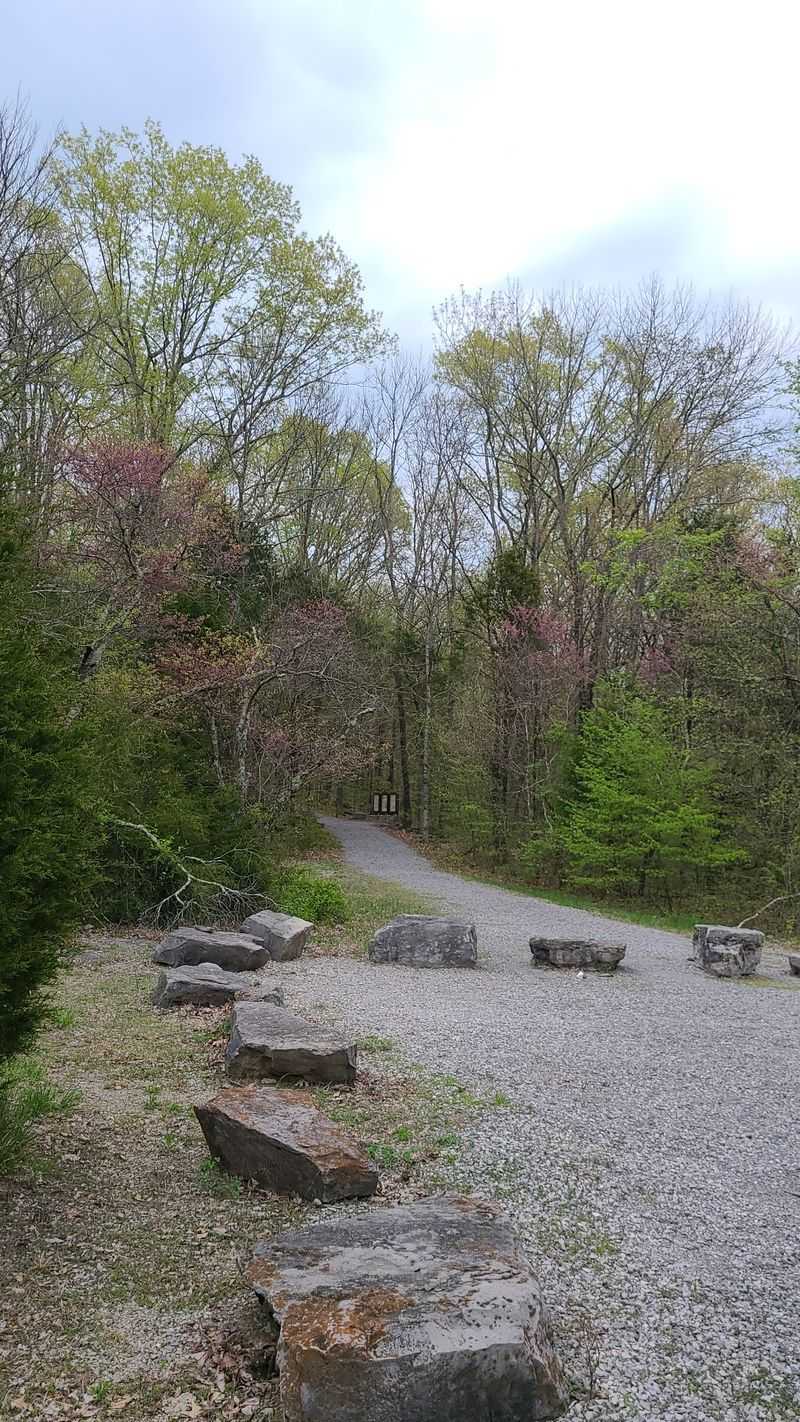
Admission to Millstone Bluff Archaeological Area is free, which makes it an easy addition to any southern Illinois road trip without budget concerns. The parking area is generously sized and can handle a reasonable number of vehicles comfortably.
A vault toilet is located within the parking area, providing basic facilities before visitors head up the trail. The site is managed by the Shawnee National Forest, and its official web presence through the U.S.
Forest Service provides current access information.
The address places the site near Simpson, Illinois, in Pope County, roughly accessible from larger regional hubs like Harrisburg or Marion with some pleasant rural driving involved. Packing out all trash is expected, and visitors are encouraged to leave the site exactly as they found it.
Bringing water, wearing layered clothing for variable forest temperatures, and carrying insect repellent during summer months covers the essentials for a comfortable, well-prepared visit to this quietly remarkable place.
Share this story