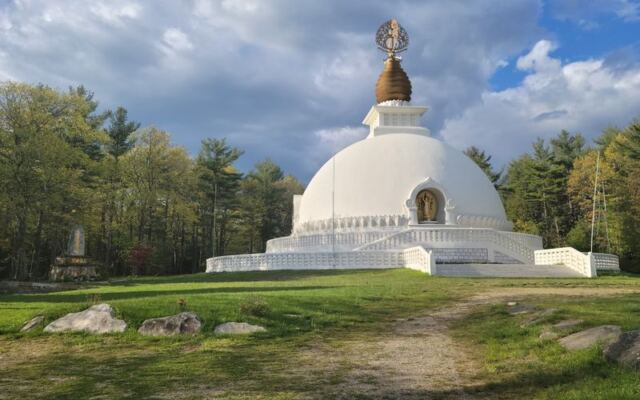
Tucked into the wooded hills of western Massachusetts is a place that most people drive right past without ever knowing it exists. A short walk up a dirt road ends at a gleaming white pagoda, a quiet pond dotted with lily pads, and a Zen garden where the only sound is the wind moving through the trees.
The reward here is stillness, and it costs almost nothing to find. What follows is a close look at this peaceful spot, from its story and setting to the small details that make the trip so worthwhile for anyone craving a calm escape close to home.
A Hidden Shrine on Cave Hill Road
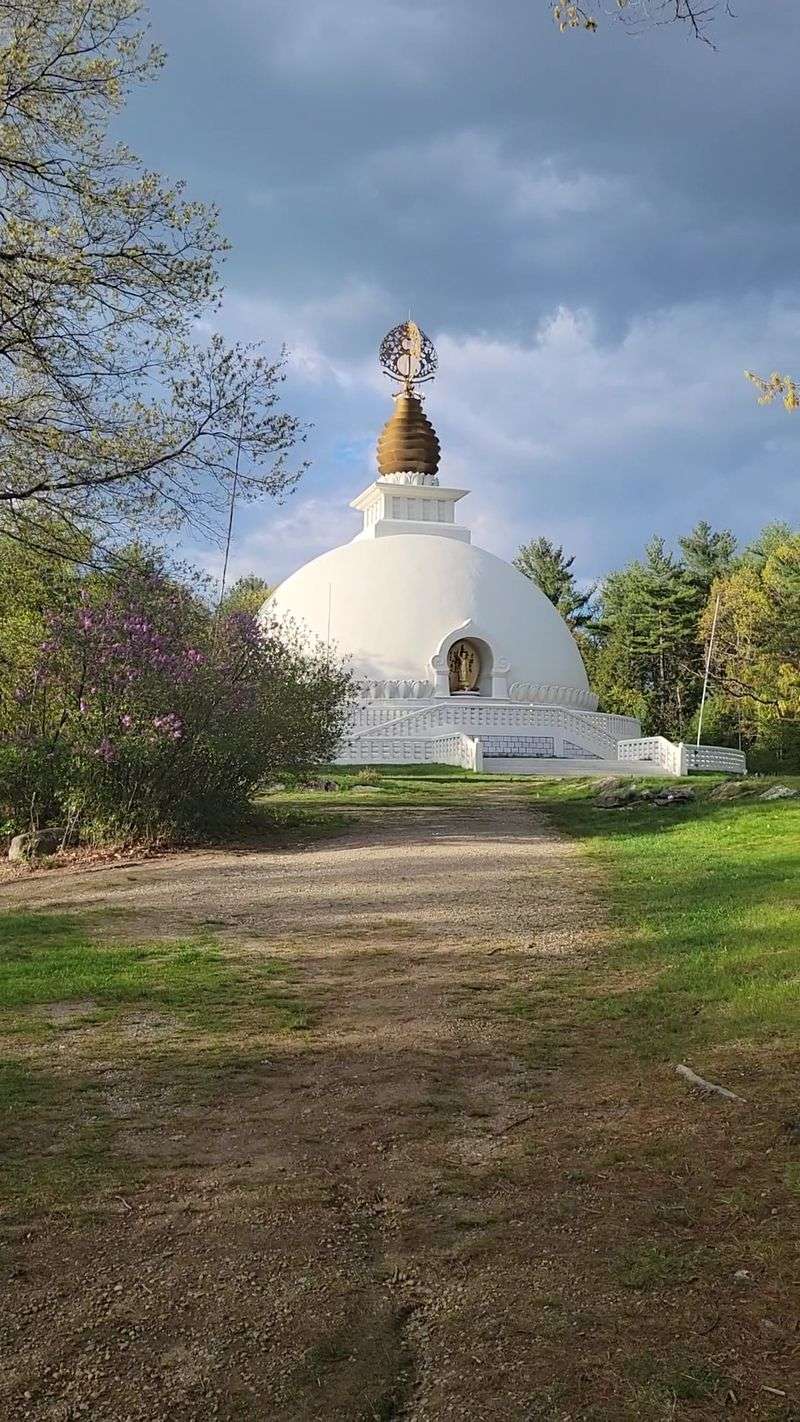
Follow a winding country road in Leverett, Massachusetts, and you will eventually reach 100 Cave Hill Rd, where The New England Peace Pagoda sits quietly among the trees.
The site is officially listed as a shrine, and it draws a steady stream of people looking for a break from the noise of everyday life. Many locals barely realize it is here, which is part of what makes finding it feel like a small victory.
The pagoda itself is a striking white structure, visible from a distance across the hills. People who live near the Holyoke Range have spotted its shape on the horizon for years before ever making the trip up.
Getting to the pagoda means leaving your car in a lower lot and walking a short dirt roadway up the hill. The climb is gentle but real, enough to remind you that you are stepping away from the ordinary world below.
By the time you reach the top, the everyday clutter of your mind has usually loosened its grip.
Four Decades of Building Peace
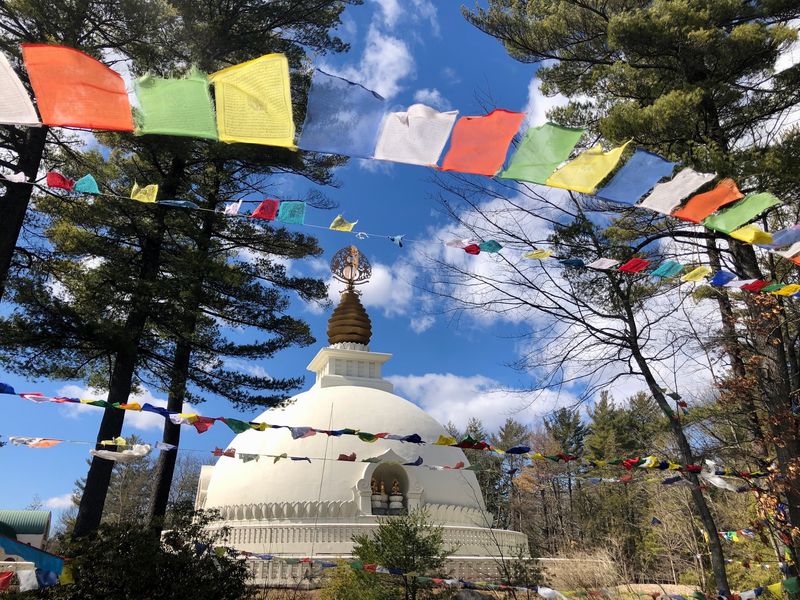
Peace is not just a theme here, it is the entire reason the place exists.
The pagoda recently marked its 40th anniversary, and the celebration left a strong impression on those who attended. The work carried out at the site centers on the hope for a world without conflict, a mission that feels especially meaningful given how much turmoil shows up in the news these days.
Regulars who return year after year notice steady progress across the grounds. The gardens grow a little fuller, the paths a little more groomed, and the buildings for the monks a little more finished with each passing season.
That slow, patient growth mirrors the philosophy behind the place. Nothing here is rushed, and the improvements happen quietly over time rather than all at once.
Watching the grounds evolve has become part of the draw for those who treat their yearly trip as a small tradition worth keeping.
The Serene Pond and Its Quiet Residents
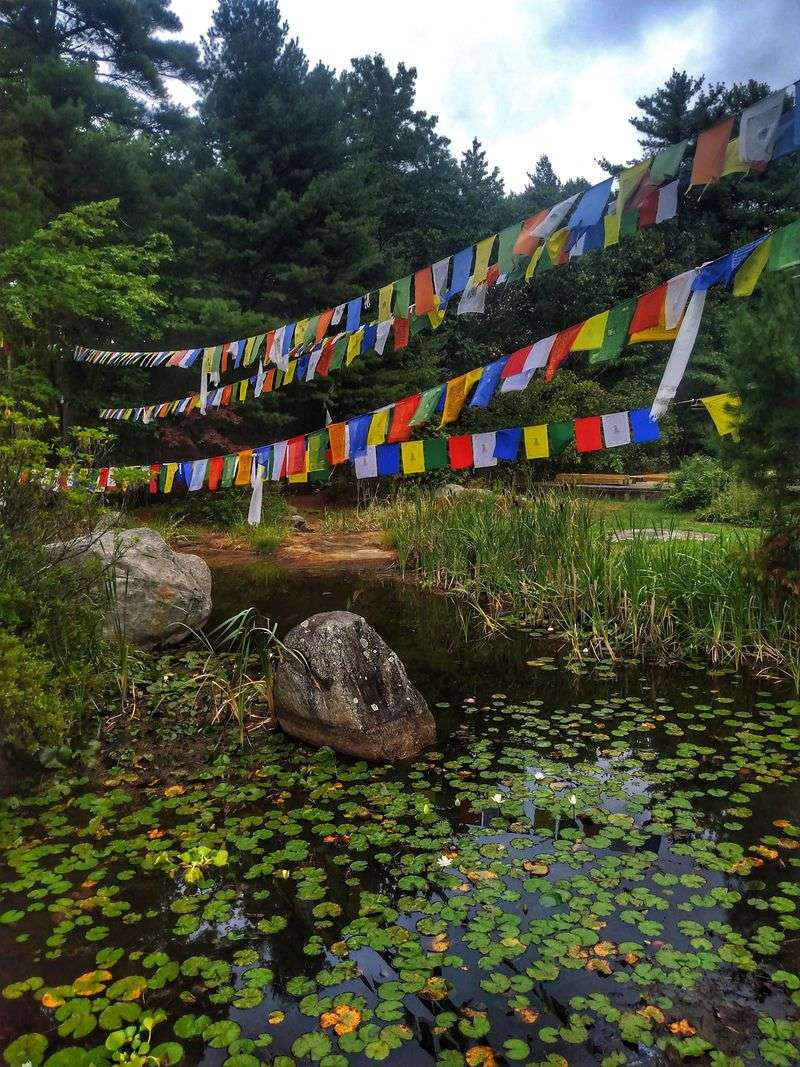
Water plays a big role in the calm that settles over visitors here.
An exquisite pond sits near the pagoda, its surface covered with lily pads and its depths home to golden fish that drift lazily below. Frogs like to gather along the edges, giving anyone who lingers a bit of gentle entertainment.
People often pause at the pond simply to watch the fish move and the frogs settle onto the pads. There is no schedule to keep and nothing to buy, just a quiet moment beside the water.
Small benches and flat rocks are scattered around the area, offering plenty of places to sit and take it all in. Some folks stay for a few minutes, while others settle in far longer, content to let the world slow down.
The pond area has a way of encouraging stillness. It is the kind of spot where you might arrive planning to snap a quick photo and end up staying a while instead.
A Zen Garden That Invites You to Slow Down
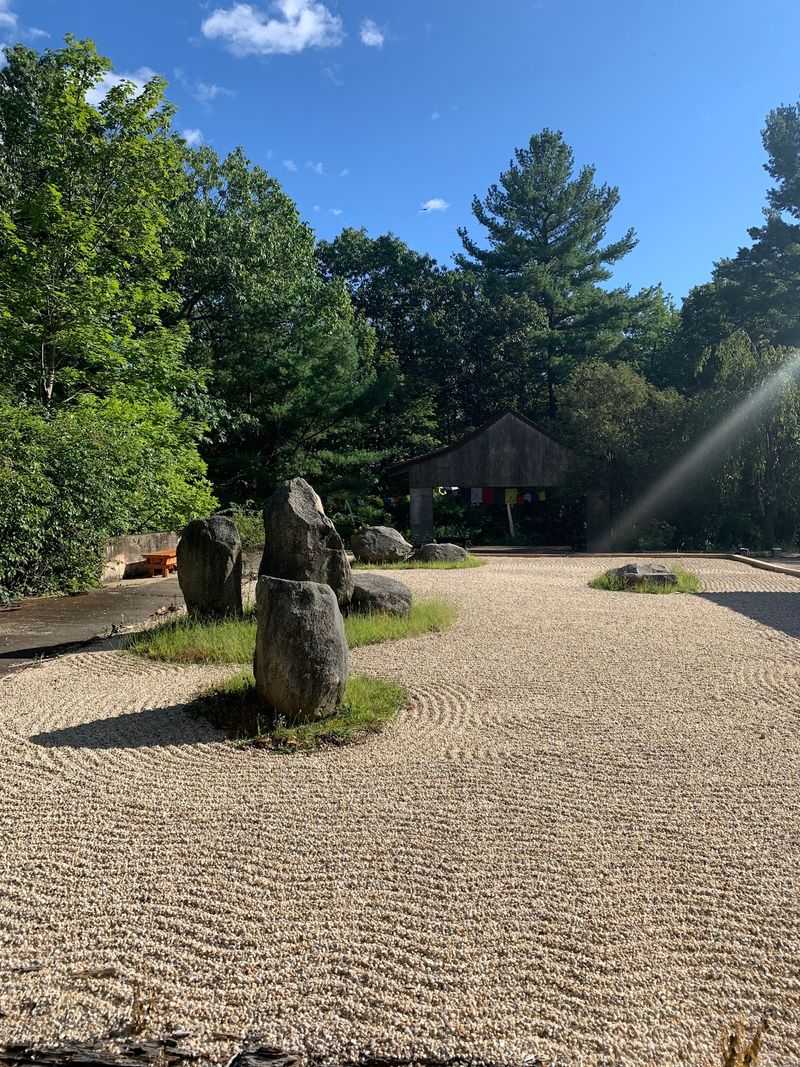
Right beside the pagoda lies a Japanese Zen garden that feels like it belongs to another part of the world entirely.
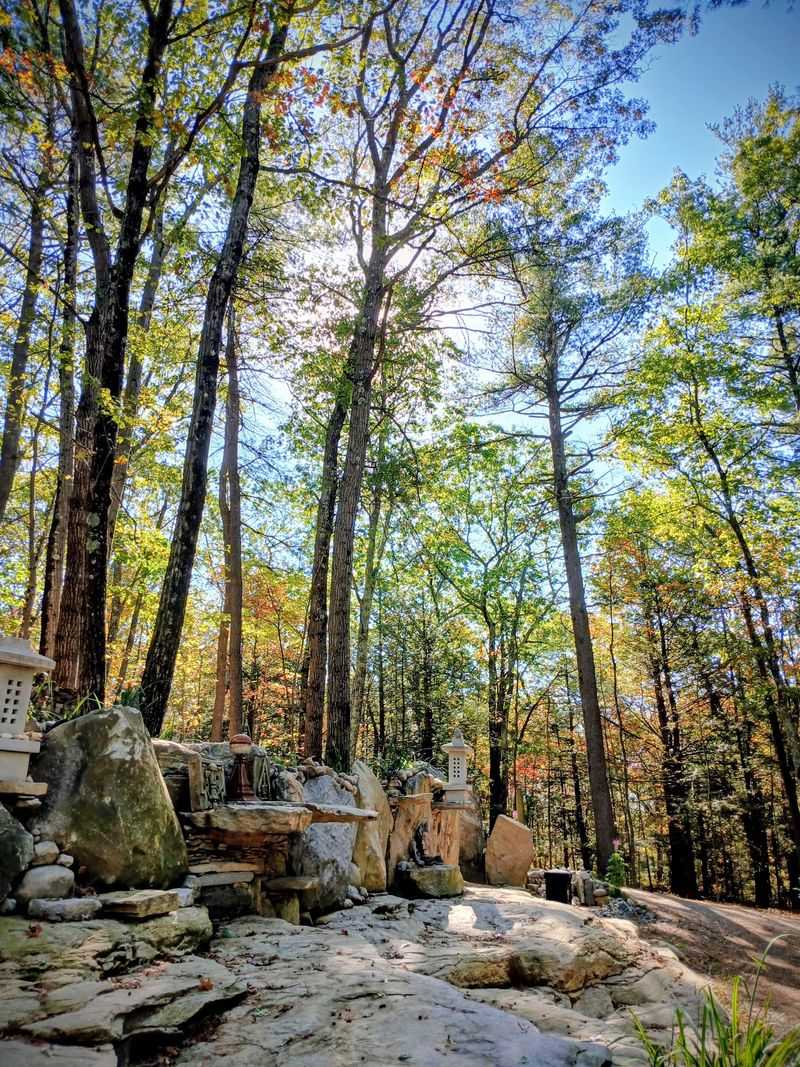
The garden offers several places to sit and meditate, both inside its bounds and along its edges. Stacked zen stones appear along the short walk up, quiet markers left by people passing through.
On busier days you might find someone already meditating on top of a stone, which naturally leads new arrivals to keep their voices low. That shared respect for the quiet is part of what gives the garden its character.
There is a spiritual tree on the grounds as well, adding another spot to pause and reflect. The whole area is designed for stillness rather than activity, so there is no pressure to do anything but breathe and be present.
The garden rewards patience. Those who let themselves settle into the calm tend to leave feeling recentered, which is exactly the point.
Statues That Tell the Story of the Buddha
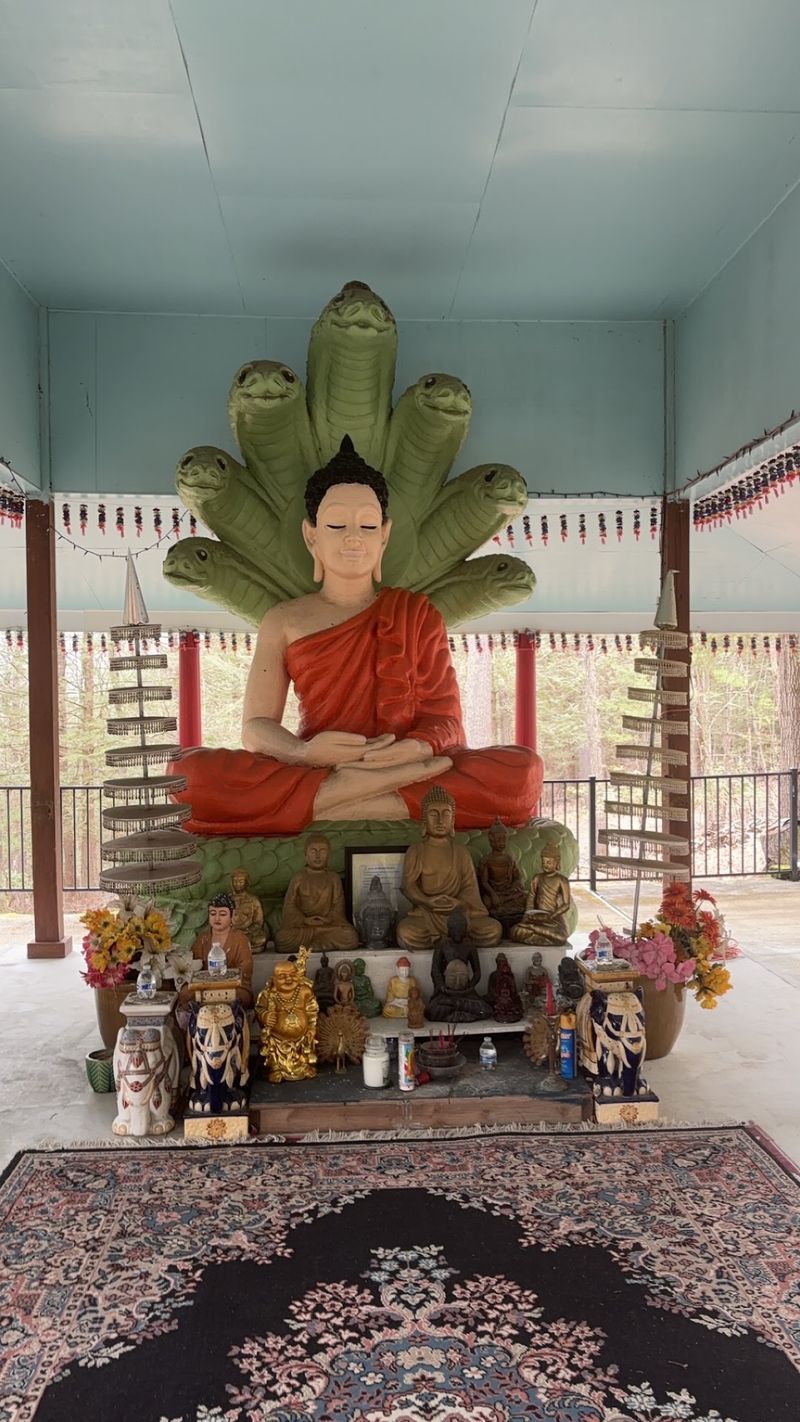
Along the walk up the hill, a few statues quietly tell the story of the Buddha for anyone paying attention.
At the base of the climb stands a statue of Mayadevi, the mother of the Buddha, along with a small figure of the young Buddha that helps explain how and where he was born. It is a gentle introduction before you reach the top.
Just a minute or so up the path, another statue shows the Buddha seated on a large serpent. The scene depicts the serpent shielding him from a great storm, a well known moment from Buddhist tradition.
These figures add depth to the visit, turning a simple walk into something closer to a small journey through meaning. Even those with no background in Buddhism can appreciate the care put into each one.
The statues also make for memorable photos, though most people find themselves lingering to read and reflect rather than rushing to move on.
Inside the Temple and the Origami Cranes
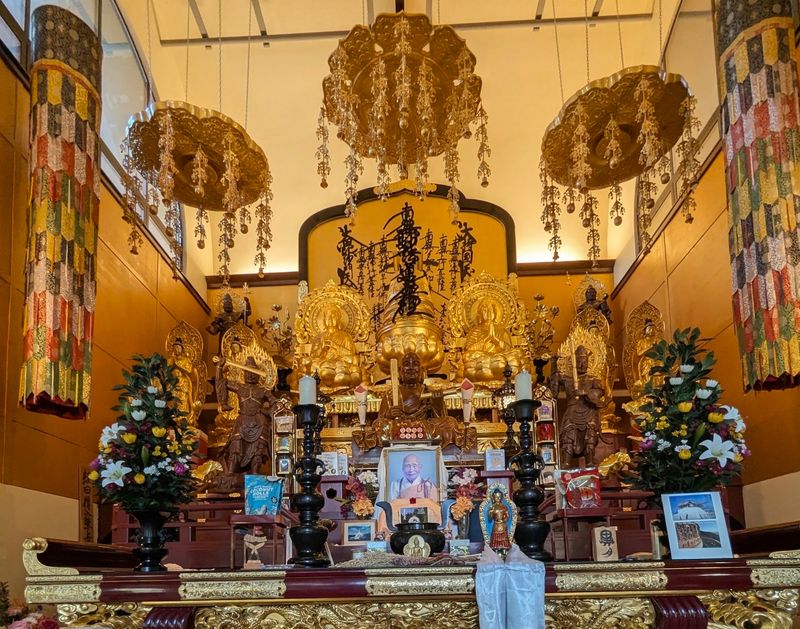
Beyond the pagoda itself, a temple and several other buildings serve as spaces for gathering and quiet reflection.
Step inside the temple and you can pick up an origami crane, a small paper symbol of peace to carry with you. It is a simple gesture, but one that stays with people long after they leave.
The monks who live and work here are known for being easy to talk with and generous with their knowledge. They follow Buddhist teachings and are happy to share a bit about the philosophy behind the grounds.
Some people mention wishing they could see even more of the interior spaces, a sign of just how curious the place makes its visitors. The buildings feel welcoming rather than off limits.
Organized walks connect this temple with others across New England, bringing attention to causes that matter. That sense of community stretches the mission of the pagoda well beyond its own hilltop.
Who This Peaceful Escape Suits Best
Calm is the currency here, and it draws a certain kind of traveler.
Anyone hoping to recenter their mind and step away from constant noise tends to feel right at home. The atmosphere is friendly, and the people you meet along the way often greet you warmly.
The site works well for solo visitors seeking a quiet moment, couples looking for a gentle outing, and small groups who can keep their voices down. It has even served as a welcome stop for people out on a long ride through the countryside.
Families can visit too, though the uphill walk may tire out younger children, so a little patience helps. The reward at the top is worth the short effort for most.
People describe the feeling here as profoundly present, a rare chance to focus on the moment rather than everything waiting back home. If your idea of a good day trip involves stillness over spectacle, this fits perfectly.
Planning Your Visit and Getting There
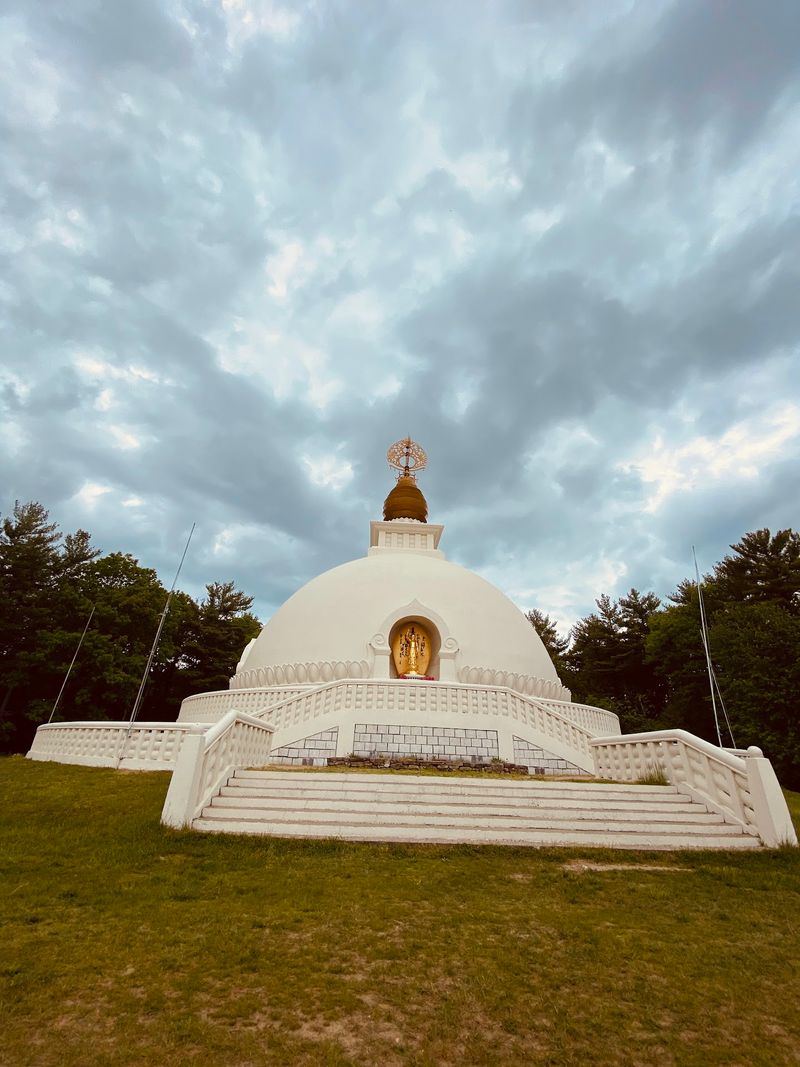
Reaching the pagoda is part of the experience, so a little planning goes a long way.
The grounds sit at 100 Cave Hill Rd in Leverett, well off the main road and tucked away where the quiet can settle in. The drive out is scenic, with views of the distant Holyoke Range along the way.
Park in the lower lot and plan for a short walk, often about three minutes, up a dirt roadway to reach the pagoda and gardens. During public invitation events, a free shuttle service has been offered for those who cannot comfortably manage the climb.
Parking is generous enough to handle a modest crowd on busier days. The mission of the site centers on peace and welcome, so the visit itself does not carry the feel of a ticketed attraction.
More details can be found through the pagoda’s own website. Late summer and early fall are favorite times to go, when the gardens look their best and the surrounding hills begin to shift toward autumn color.
Share this story