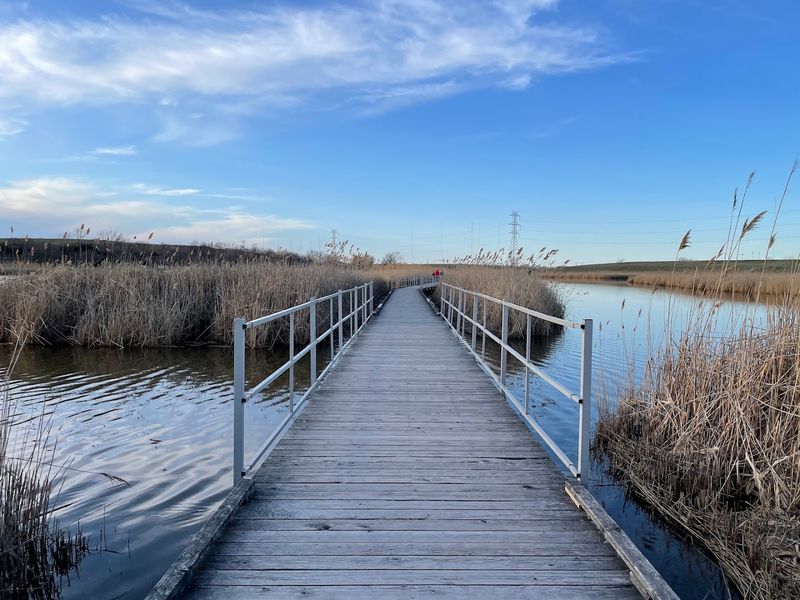
Right off the busy paths that carry North Jersey commuters, there is a park that feels almost too unlikely to ignore once you know it exists. It has boardwalks, crushed-granite trails, marshland, birds, skyline views, and the odd reminder that Newark-bound planes are part of the local soundtrack. The surprise is not that people love it, but that so many drivers pass nearby without realizing what sits behind the turnoff in Lyndhurst. Keep reading and the place starts to make sense: it is practical, unusual, family-friendly, and very New Jersey in the best possible way.
A Lyndhurst Park With A Marshland Surprise
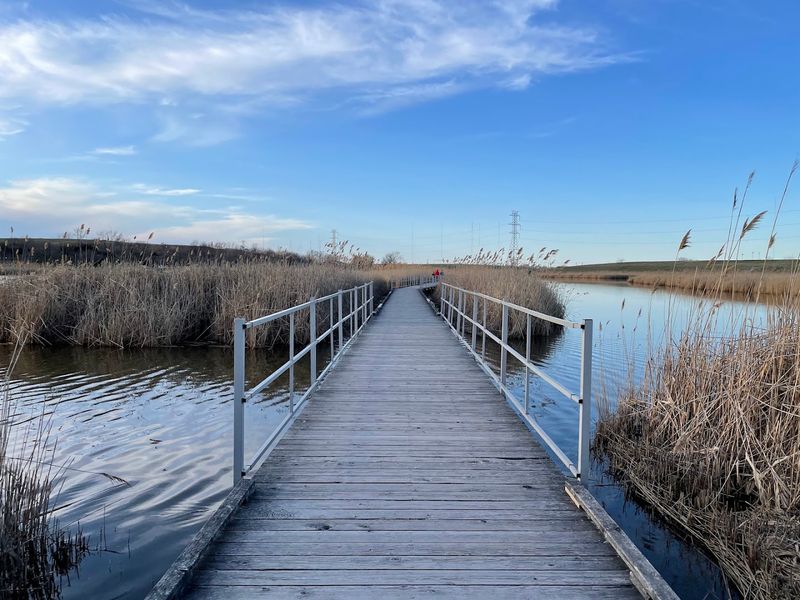
The address does not waste time playing hard to get: Richard W. DeKorte Park is at 1 DeKorte Park, Lyndhurst, NJ 07071, in New Jersey, United States. The park sits in the Meadowlands, where an estuary setting, walking paths, an environmental center, and observatory access on select days all share the same destination.
That mix is what makes the place stand out. It is not a polished downtown square, not a beach boardwalk, and not a mountain trail trying to impress anyone with steep climbs. Instead, the draw is a low-key route through wetlands where birds, open paths, and the New York City skyline appear in the same outing.
Regulars often treat it as a reliable place for a walk, a quick loop, or a longer wander across connected paths. Some complete a shorter loop in about 20 minutes, while others mention spending an hour or more if they slow down for bird watching or explore more of the trail network.
The headline-worthy boardwalk idea fits the park’s personality, though recent reports mention that parts of the wooden trail near the entrance have been closed for renovations. Even with that caveat, open routes such as the Transco Trail and Sawmill areas keep the park firmly in the day-trip conversation.
The Meadowlands Story Underfoot
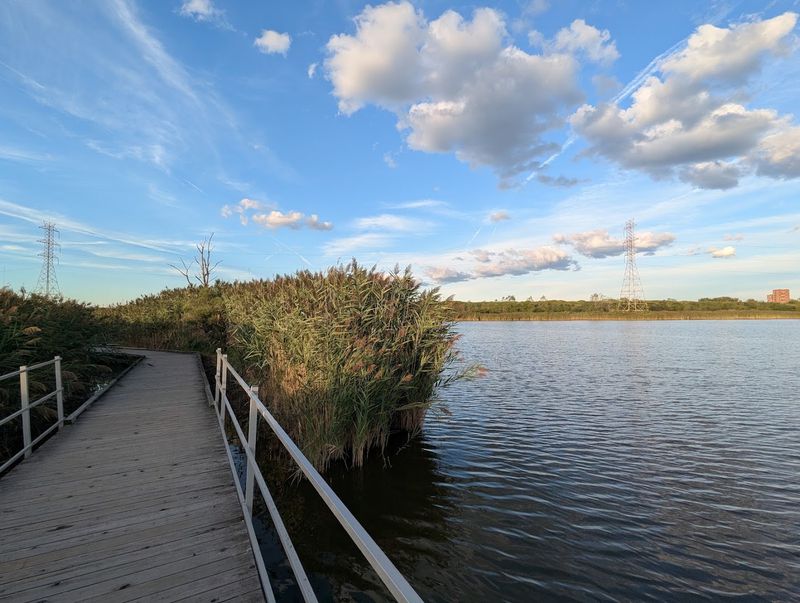
A little backstory gives the park extra weight, because this is not just another open space with a few paths attached. Some people are struck by the fact that the area was once associated with landfill use before being converted into a park setting with trails and broad views.
That transformation is part of why the place feels especially local. New Jersey is often judged by highways and exits, yet here is a public park where the landscape has been reshaped into a destination for walkers, bird watchers, families, and curious neighbors who want a different look at the Meadowlands.
The estuary setting matters because it supports the park’s identity as a wildlife-focused stop. Birds are the headline act, but the broader layout also includes water, marshland, walking paths, and open sightlines that make the area feel different from a typical town park.
No one needs a nature degree to understand the appeal. The simple story is enough: a heavily developed corner of North Jersey has a place where people can walk, look for wildlife, and remember that the state’s map holds more variety than commuters usually see through a windshield.
Boardwalks, Granite Paths, And Easy Loops
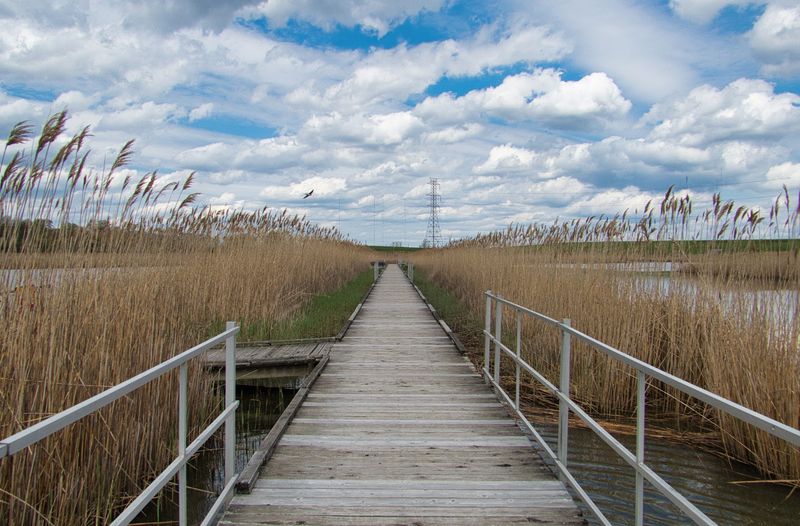
Flat paths are the quiet heroes here, doing useful work without making a big speech about it. The walking routes include crushed-granite paths and boardwalk sections, giving the park a relaxed layout that suits casual strolls, exercise walks, and low-pressure exploring.
Reports from recent months point out that the park has an extensive network of boardwalks, but only a short portion may be open at times because some wooden trail areas have been closed for renovations. That detail is worth knowing before arriving with a very specific boardwalk plan.
The good news is that other routes still carry the visit. The Transco Trail has been noted as open and worthwhile, and the Sawmill area comes up often in descriptions of longer park walks. The layout is also described as easy to follow, with little risk of feeling turned around.
Distance varies depending on the route and pace. Some people describe loops around 1.5 miles, while others frame the broader complex as a 2 to 3 mile walk. That range makes the park flexible: quick enough for a local reset, big enough for a proper Meadowlands ramble.
A Bird-Watching Stop With Real Range
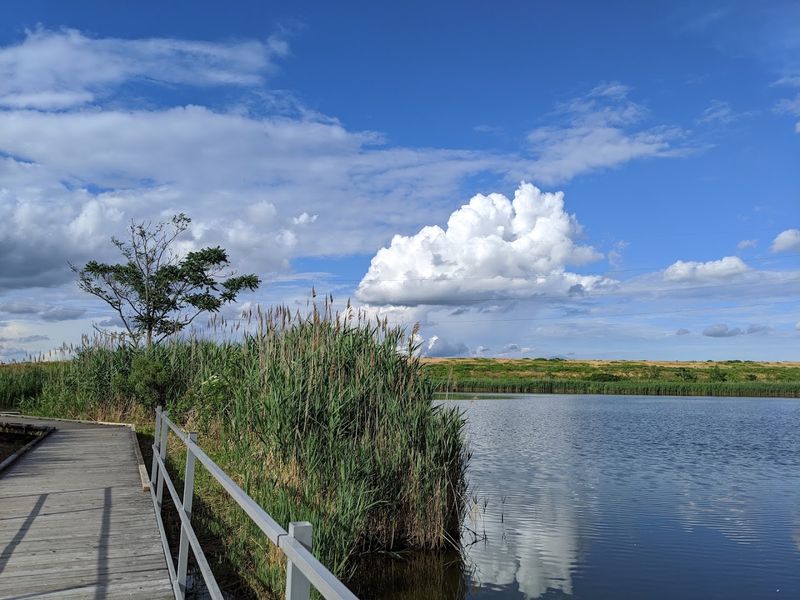
Bird watchers do not need much convincing once the park’s name comes up. The Meadowlands setting draws steady attention for ducks, geese, and many other birds across the year, with spring and fall often standing out as especially active seasons.
Regulars mention that people with large camera lenses are a common sight, which says plenty without turning the park into a members-only nature club. Casual walkers can enjoy the same habitat at a slower level, while more focused birders can bring binoculars, cameras, and patience.
Bald eagle sightings have also become a recurring point of excitement in recent comments about the park. That does not mean anyone should treat an eagle appearance as guaranteed, but it does explain why a short walk here can suddenly become a longer one.
The park’s bird appeal also works for families. Kids can spot ducks and geese easily, while adults can introduce them to a real New Jersey wetland without driving deep into the state or planning a complicated outing. For a bird sanctuary many drivers miss, the learning curve is refreshingly friendly.
Skyline Views Beyond The Marsh
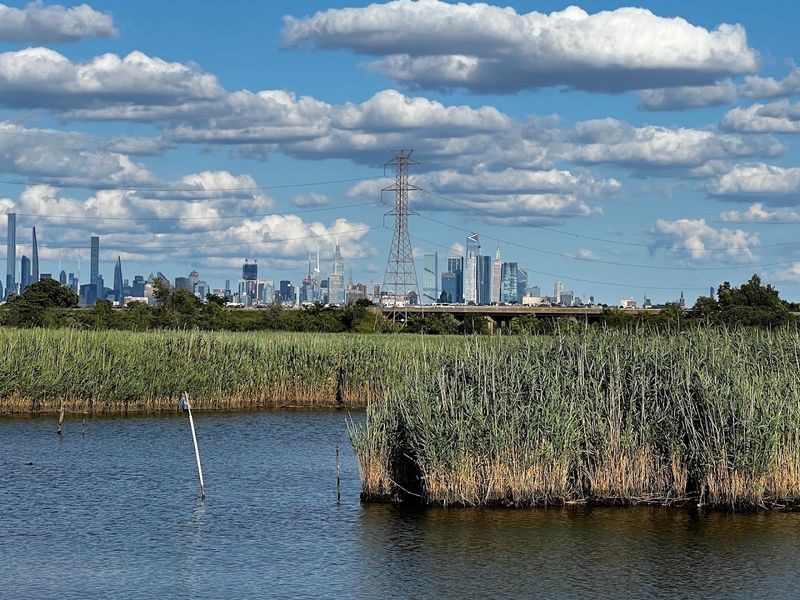
The skyline is the little plot twist that keeps the park from feeling like a standard nature walk. Along parts of the trails, the New York City skyline can be seen in the distance, adding a very Meadowlands kind of contrast to the wetlands and open paths.
That contrast is not accidental to the experience. North Jersey often stacks infrastructure, habitat, and city views close together, and Richard W. DeKorte Park lets all of that share the frame. It is one of those places where the state’s complicated geography becomes easier to appreciate.
Sunrise and sunset come up often in descriptions of the park, especially for people who like photography or a shorter walk at the edge of the day. The park’s posted hours are 8 AM to 4 PM daily, so timing a visit should stay within those open hours rather than relying on informal plans.
Skyline views also help explain why the park appeals to people beyond dedicated birders. A walker may arrive for a simple loop, notice the city beyond the marsh, and leave with a better argument for why New Jersey’s overlooked corners deserve more credit.
Planes, Highways, And A Very Jersey Backdrop
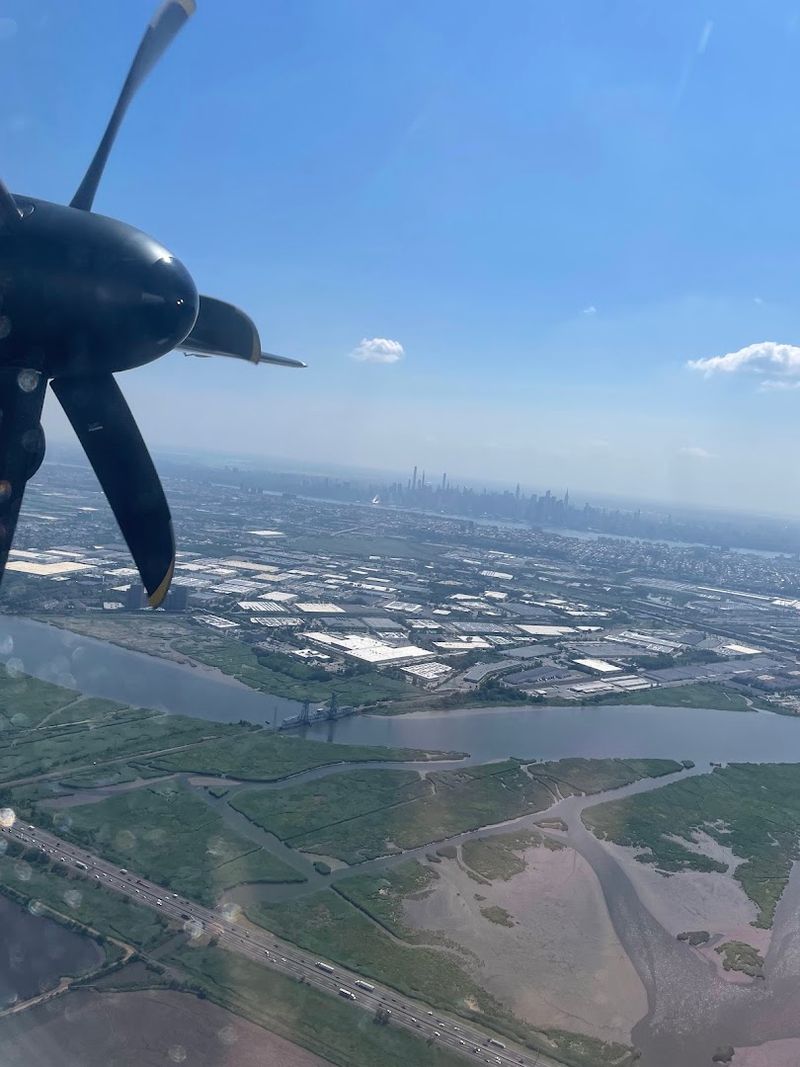
No one should arrive expecting a silent wilderness retreat sealed off from North Jersey life. The park sits under the flight path for planes landing at Newark, and nearby highways are part of the broader setting.
That practical detail does not ruin the destination, but it does define it. The park is peaceful for many people because of the space, trails, birds, and open layout, yet it remains tied to the region around it. In a strange way, that makes the place more honest.
Drivers who usually pass through the Meadowlands may appreciate the park because it reframes familiar surroundings. The same roads and aircraft that often mean errands, commutes, or airport plans become background context for a walk through marsh habitat.
Noise sensitivity is a fair consideration. People who need a very quiet outing may want to keep expectations realistic, while others may find that the trail network and wildlife still create a worthwhile break. This is not a remote escape, and that is exactly why it feels so distinctly New Jersey.
A Low-Stress Walk For Kids And Casual Explorers
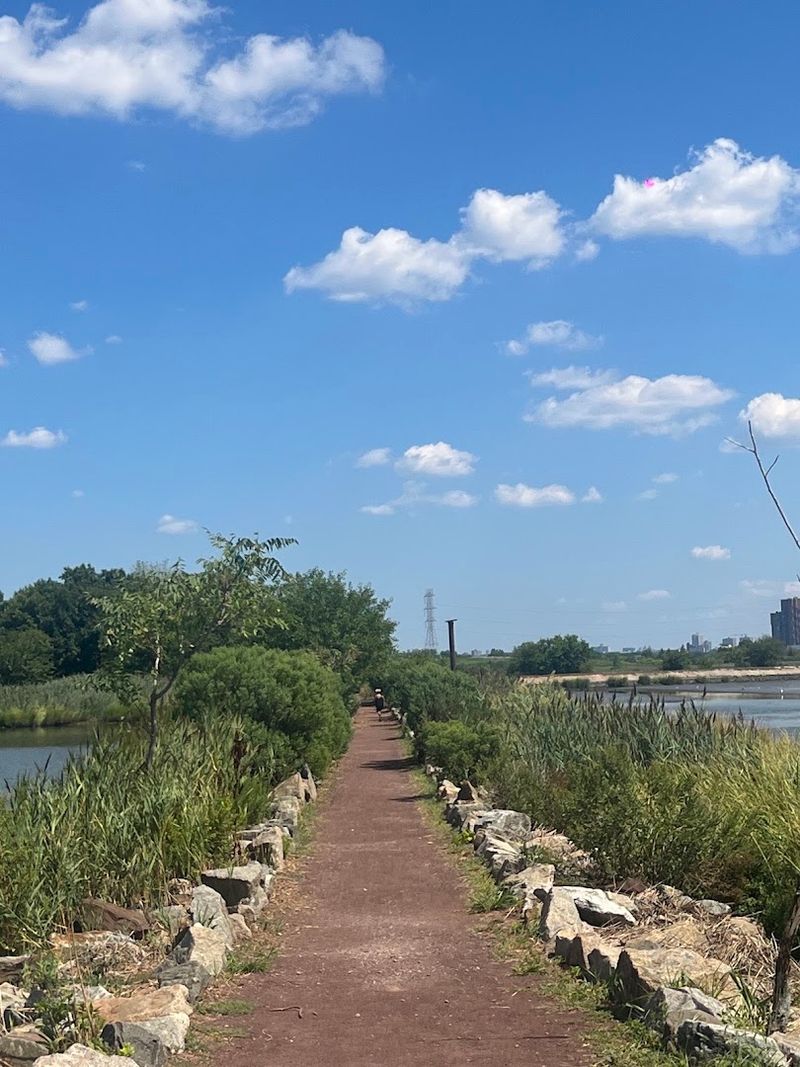
Parents looking for a nature outing without a major expedition can put this park on the short list. The trails are described as easy, kid-friendly, and straightforward, which is a major advantage when the goal is movement, fresh context, and no dramatic trail decisions.
The loop-style options help make the visit manageable. A family can keep things short with a 20 to 30 minute walk, or stretch the outing if everyone is still interested in birds, skyline views, and the interconnected paths.
There is also room here for different types of casual use. People come for walking, trail running, biking, bird watching, picnicking, and short outdoor breaks. Dog walking is also mentioned, though basic trail manners matter, especially because several comments point to frustration when pet waste is left behind.
Children may get the most out of the park when adults frame it as a search-and-notice outing rather than a forced march. Ducks, geese, possible tracks, water, paths, and skyline views give young explorers plenty to follow, and the easy layout keeps the adventure from turning into homework.
Wildlife Moments Beyond The Birds
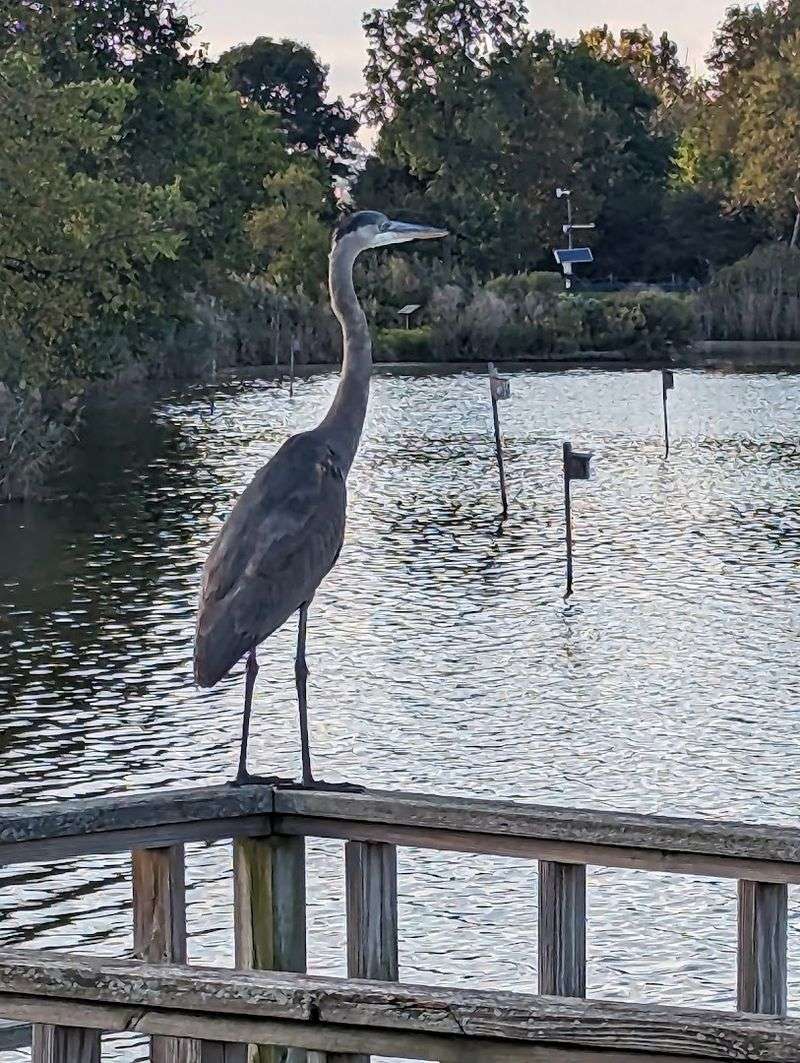
Birds get top billing, but they are not the only creatures tied to the park experience. Recent mentions include fox sightings along the Transco and Sawmill areas, deer tracks in snow, turtles, and fish, which gives the place a broader wildlife identity.
Those sightings should be treated as possibilities, not promises. The park’s main strength is that it creates chances for everyday wildlife watching close to major roads, neighborhoods, and commuting routes. That alone makes it useful for people who want nature without a long drive.
Fishing has been observed in the park, with signage noted by one commenter indicating catch and release because the fish are not edible. Anyone planning around fishing should pay attention to posted rules on-site, since conditions and instructions can matter more than secondhand planning.
The wildlife angle also explains why the park rewards slower pacing. A quick loop works, but lingering in a few spots can make the walk feel more like a field trip than a fitness chore. In a state full of busy schedules, that small shift is no small thing.
Environmental Center And Observatory Access
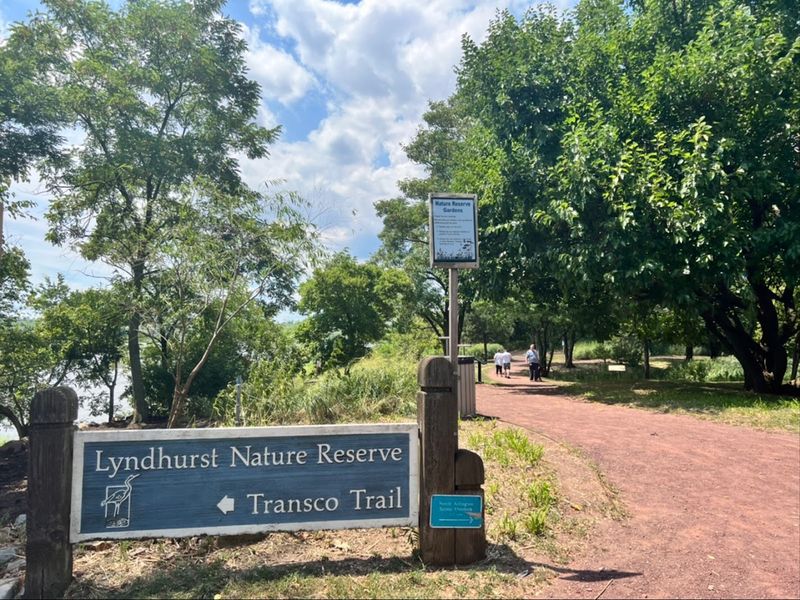
The park is more than trails, though trail walking is the easiest way to understand it. Official place information describes an environmental center and observatory access on select days, adding an educational layer to the marshland setting.
That said, recent accounts mention building and restroom closures on some visits, including times when the nature center was not open. Anyone making a trip specifically for indoor access should check the New Jersey Sports and Exposition Authority website before heading out.
The McDonnell observatory is also part of the broader destination conversation, especially for people who notice the park listed alongside observatory access. Because access is only on select days, the safest plan is to treat trails as the reliable core experience and the center or observatory as a bonus when available.
This is where the park works well for curious day-trippers. A simple walk can become a lesson in wetlands, birds, and regional land use, while scheduled access days may add another reason to return. The place does not need a grand lecture to be educational; it teaches by being unusually specific.
Hours, Parking, And Small Practical Details
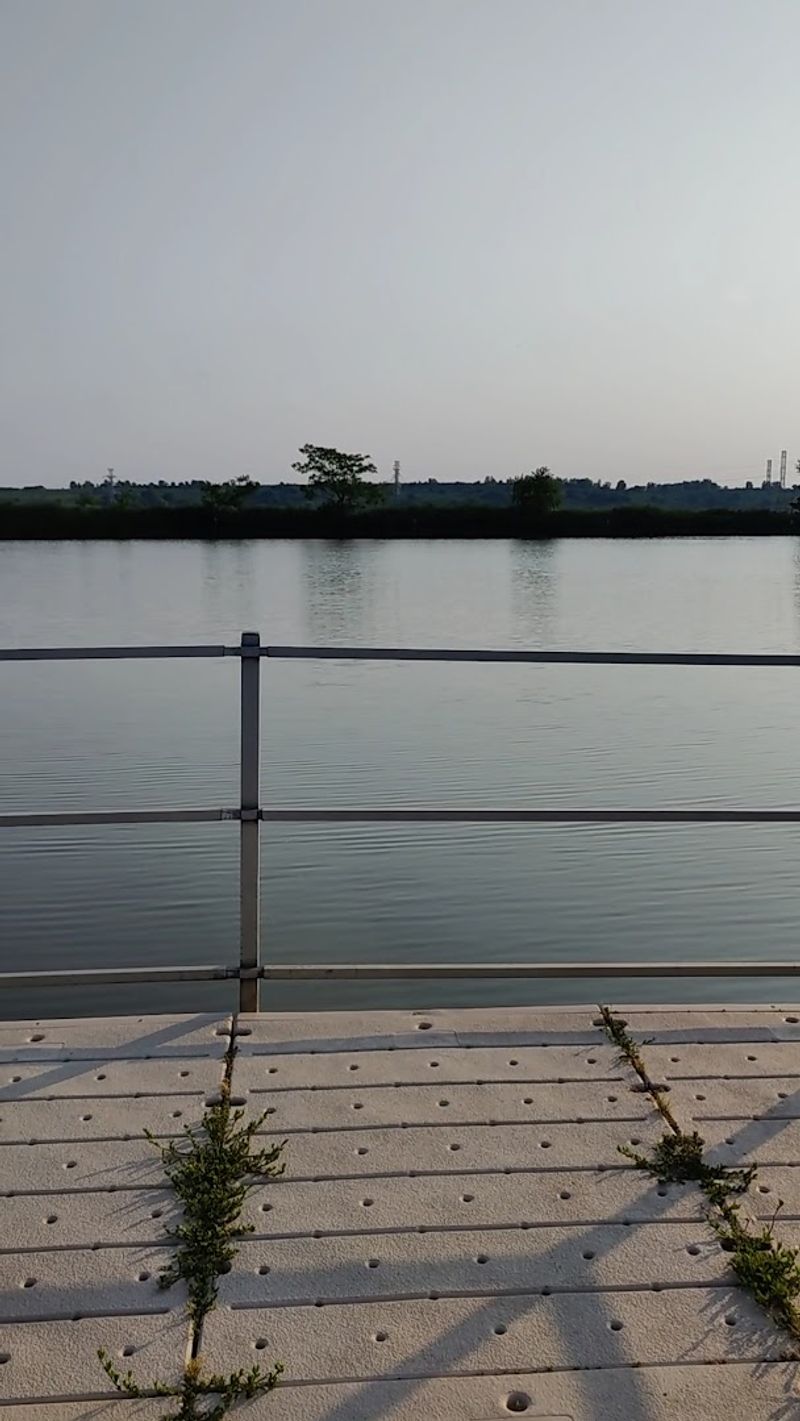
Practical details can make or break a short New Jersey outing, and this park keeps the basics fairly simple. Posted hours show Richard W. DeKorte Park open daily from 8 AM to 4 PM, including weekdays and weekends.
Parking is available, and several accounts describe it as ample or easy to find, though one older note mentioned a smaller parking capacity in one area. The safest assumption is that parking exists on-site, but arrival time and which lot is being used may affect convenience.
Restrooms require more caution. Recent comments mention portable toilets in the parking lot, while others note that restrooms or buildings were closed during their trips. Anyone traveling with kids, planning a longer walk, or coming from farther away should prepare for limited restroom reliability.
Trail conditions can also change. The wooden trail near the entrance has been noted as closed for renovations, and parts of the boardwalk network may not always be accessible. Before centering the day around a full boardwalk walk, it makes sense to check current park information through the NJSEA website.
A Soft Verdict For The Road-Past Crowd
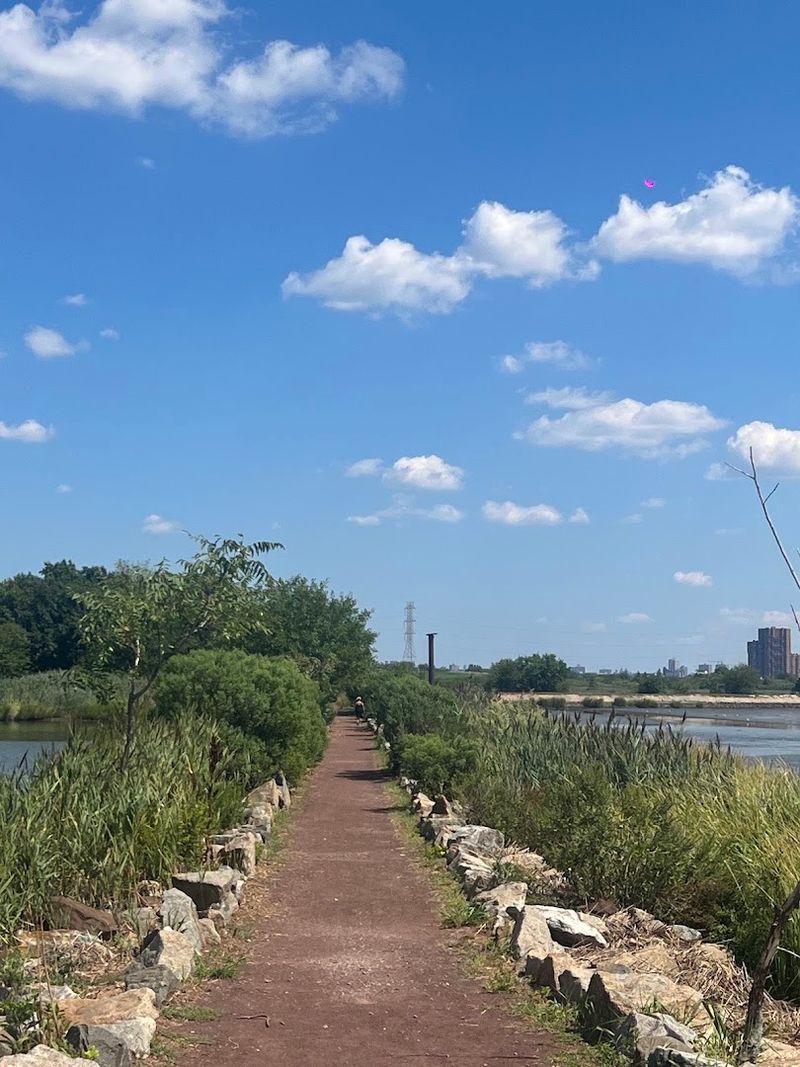
The best argument for this park is simple: it gives North Jersey residents a real place to slow down without asking them to leave the region behind. Richard W. DeKorte Park combines flat trails, bird habitat, skyline views, and Meadowlands character in a way that feels practical rather than overproduced.
It is not flawless, and that honesty helps. Planes pass overhead, some boardwalk sections may be closed, restroom access can be limited, and seasonal insects or marsh conditions may shape the outing. Those details are worth knowing, not reasons to dismiss the place.
The sweet spot is a walker, birder, family, photographer, or local day-tripper who wants an easy route with enough variety to stay interesting. People with a free hour can make a short loop, while anyone with more time can follow the open trails and let the park reveal itself in pieces.
For all the drivers who usually miss it, the turnoff is the whole point. A Meadowlands boardwalk and bird sanctuary does not have to shout to be memorable; it just has to be there, waiting behind the routine roads of Lyndhurst.
Share this story