Tucked into a rainy stretch of Oregon woods sits a place most travelers zip right past without a clue. Behind the trees, a small crew of caretakers patches up injured seabirds, owls, and hawks, then introduces a few feathered ambassadors to lucky visitors who book ahead.
It is the kind of quiet discovery that sticks with you long after the drive home. If you love animals and off-the-radar adventures, this one belongs on your list.
A Woodland Hideaway Off Highway 202
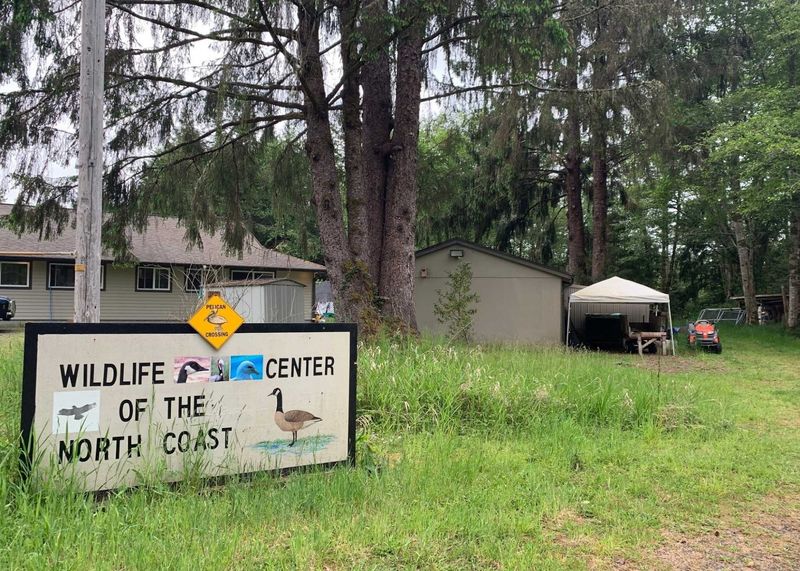
Down a winding stretch of OR-202 outside Astoria, you will find a rescue that feels more like a well-kept secret than a tourist stop. The address, 89686 OR-202, sits tucked among tall firs, a little way out in the woods where cell signal fades and birdsong takes over.
Regulars mention how easy it is to drive right by, which is part of the charm. There are no flashy billboards or crowded parking lots here, just a modest cluster of buildings doing serious, quiet work.
The Wildlife Center of North Coast operates as a rehabilitation service rather than a walk-in attraction, so stumbling onto it feels like being let in on something special. For an Oregonian who loves finding places tourists overlook, this leafy pocket near the coast delivers that satisfying feeling of true discovery.
A Rescue Built for the Northern Coast
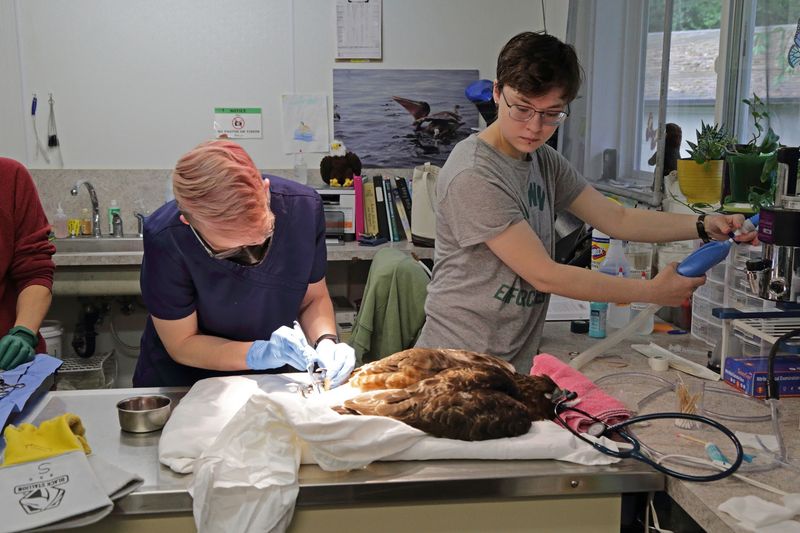
What began as a mission to help hurt wildlife has grown into one of the region’s most important safety nets for creatures in trouble. The center takes in animals from all across the northern Oregon coast, treating everything from tiny songbirds to large coastal fliers.
Staff and volunteers step in when a bird is grounded by an injury or a young one loses its nest. Visitors often describe the sense of purpose that hums through the place, a feeling that everyone here truly cares.
Because it handles native wildlife of many kinds, the center has become a trusted resource for locals who spot an animal in distress. Callers from far beyond Oregon have even reached out for guidance, a testament to how seriously this crew takes its role along the rugged coastline.
One of the Few Places That Rehabilitates Seabirds
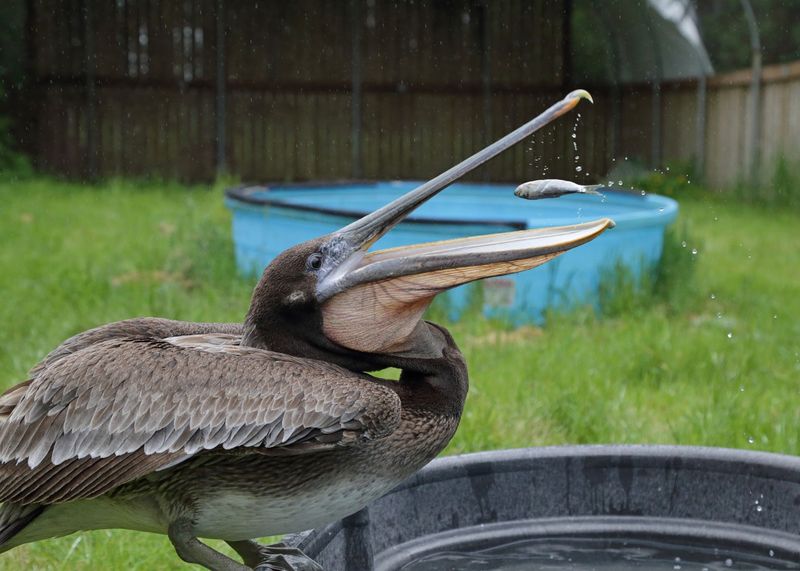
Seabirds are notoriously tricky patients, which makes this center’s specialty all the more remarkable. Visitors point out that it is one of the only facilities equipped to rehabilitate ocean-going birds, even though it can care for all native wildlife.
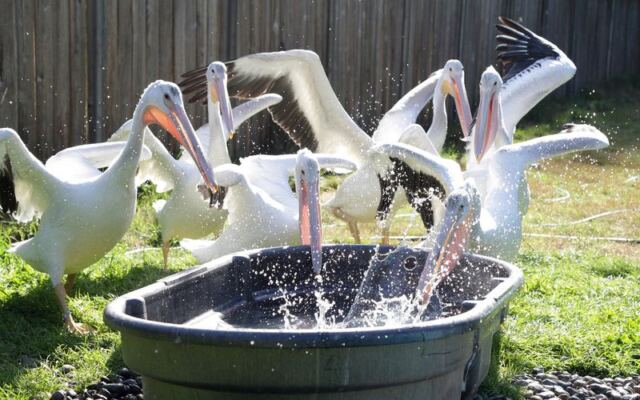
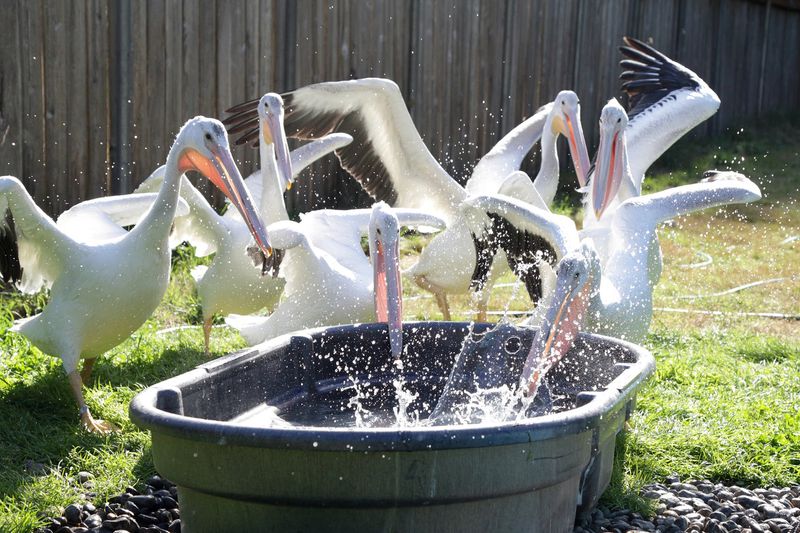
Pelicans with hurt wings, sandpipers plucked from the surf, and cormorants that cannot dive have all found help within these walls. The work takes patience, know-how, and gear most rescues simply do not have.
People who bring in a struggling seabird often leave amazed at how confidently the staff handle each case. For anyone who walks the beaches here and worries about the wildlife they meet, knowing such expertise exists nearby is genuinely reassuring.
It is a rare skill set, tucked into an unassuming spot most folks never notice.
Meeting Cormie the Cormorant
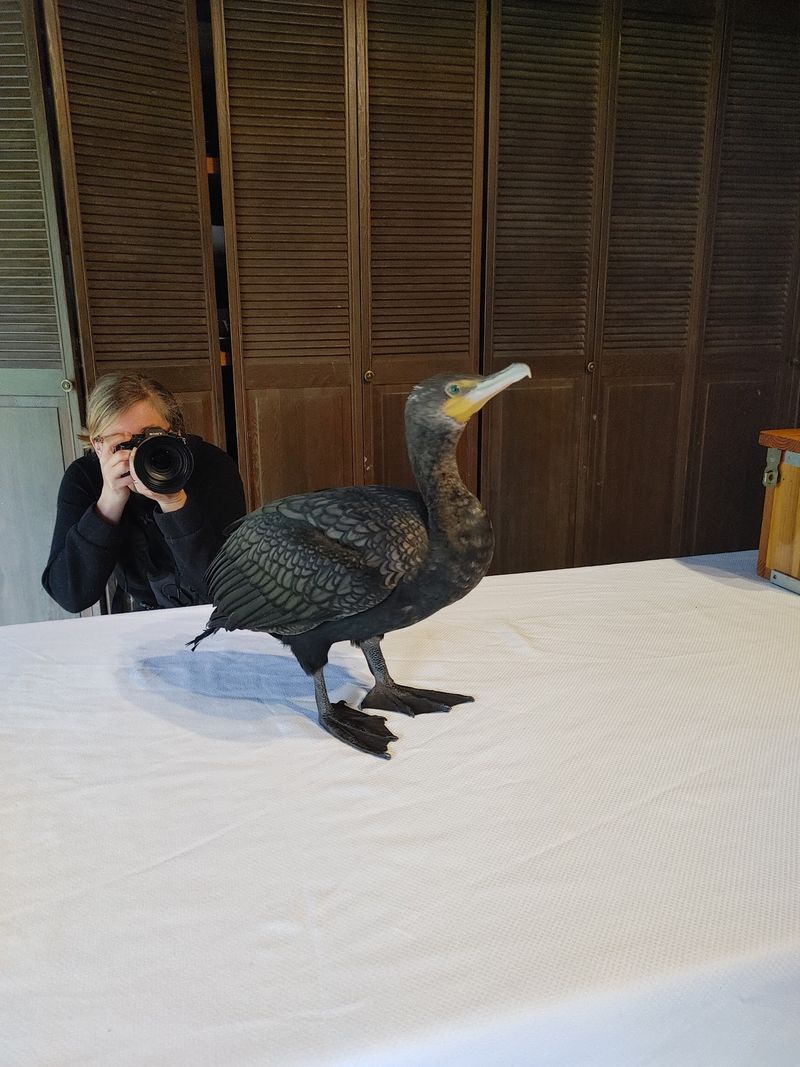
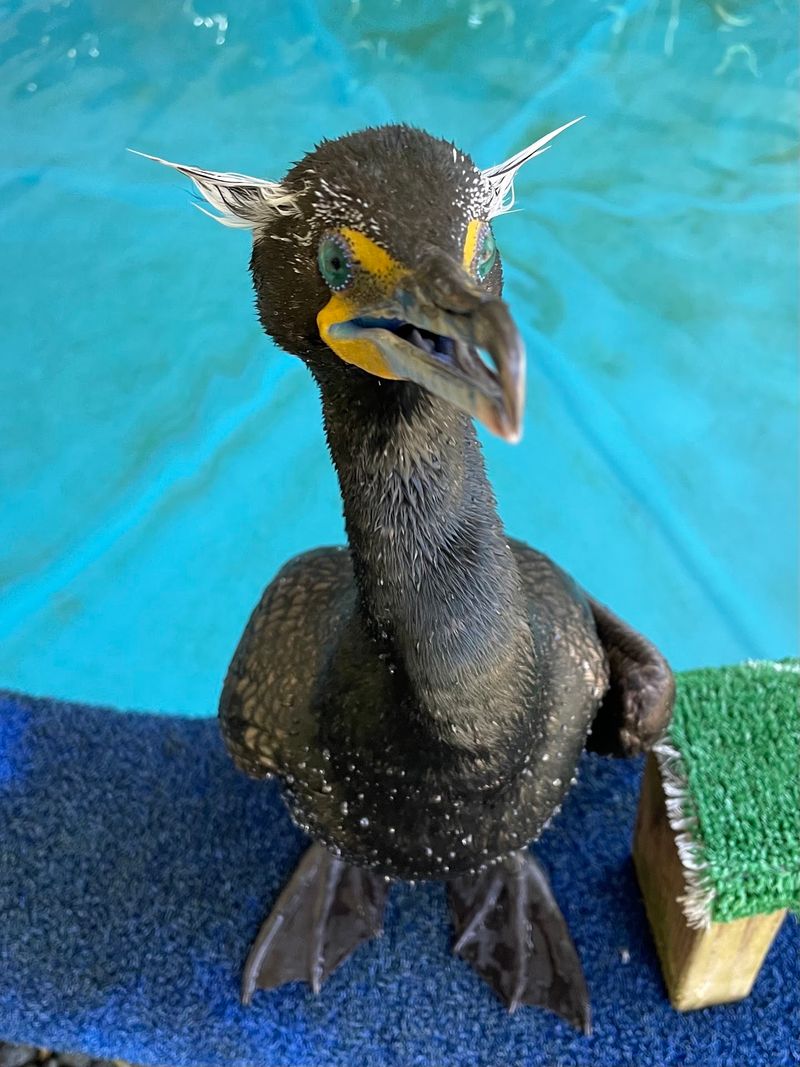
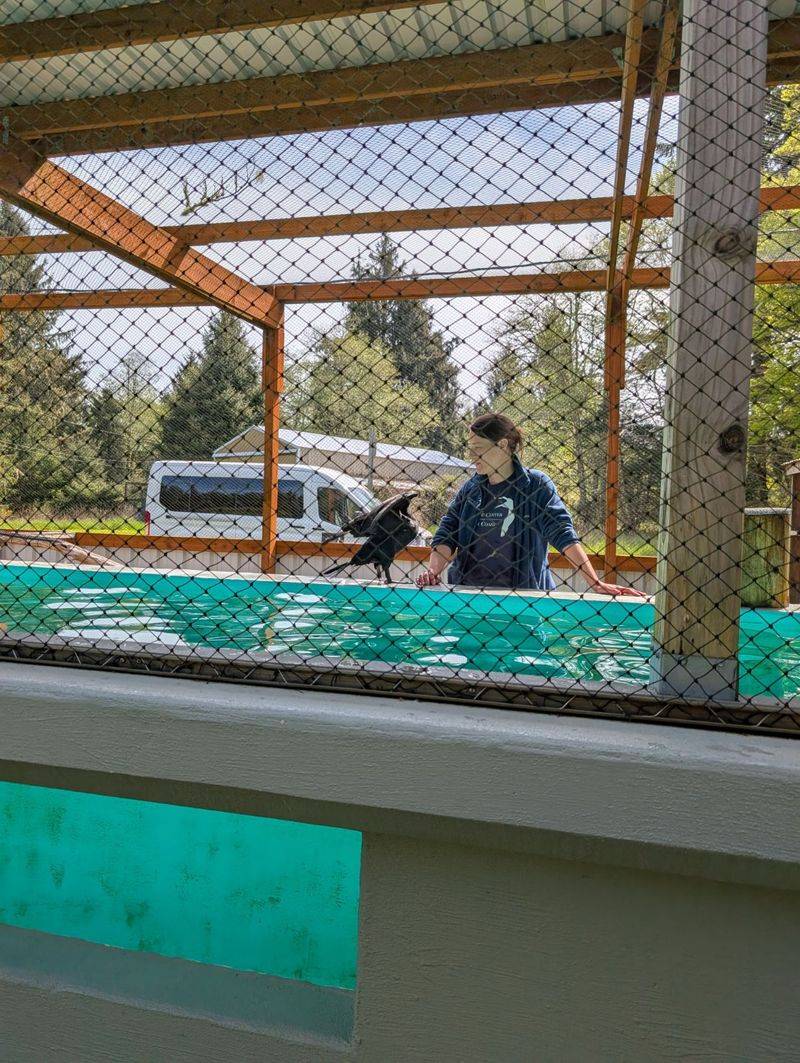
Say hello to Cormie, the double crested cormorant who has become the unofficial star of the center. Guests light up when they talk about their encounter with this glossy, sharp-eyed bird, and meeting him ranks as a highlight of nearly every tour.
The Cormie Encounter gives visitors a chance to get remarkably close, watching him up close in a way you would never manage in the wild. Families with kids and grown-ups alike describe walking away thoroughly charmed.
Because cormorants dry their wings in that unmistakable spread-out pose, seeing one calmly at ease is a treat for birders and casual fans both. Cormie serves as an ambassador, helping people understand the coastal species that share these waters.
Spend a few minutes near him and you will likely leave with a new favorite bird.
Nelle the Red-Tailed Hawk and Odin the Screech Owl
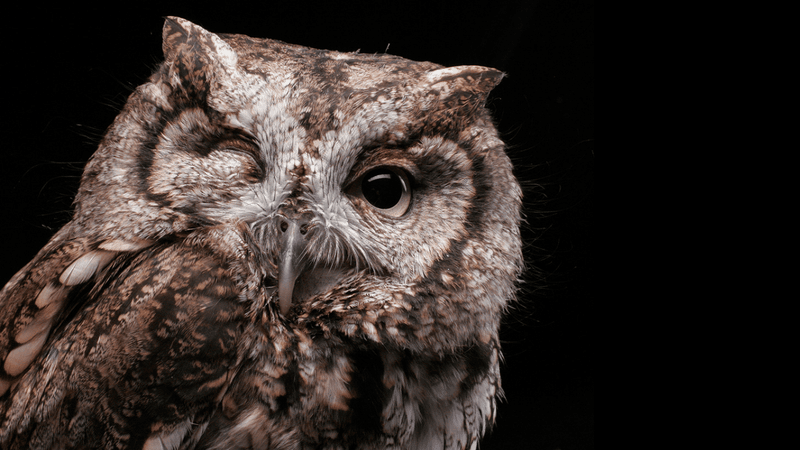
Cormie may steal the spotlight, but he shares it with a couple of equally captivating companions. Nelle, a red-tailed hawk with piercing eyes, gives visitors a close look at one of Oregon’s most iconic raptors.
Then there is Odin, a screech owl who tends to keep a lower profile. Guests describe him as a lucky sighting, the kind of surprise that makes an already memorable visit feel extra special.
Each ambassador carries a story about why it cannot return to the wild, and learning those histories adds real depth to the experience. Seeing a hawk and an owl within arm’s reach, rather than as distant specks in the sky, reshapes how you think about these birds.
Between the three of them, the center offers a lineup that keeps both seasoned birders and first-timers grinning.
The Story Behind Every Enclosure
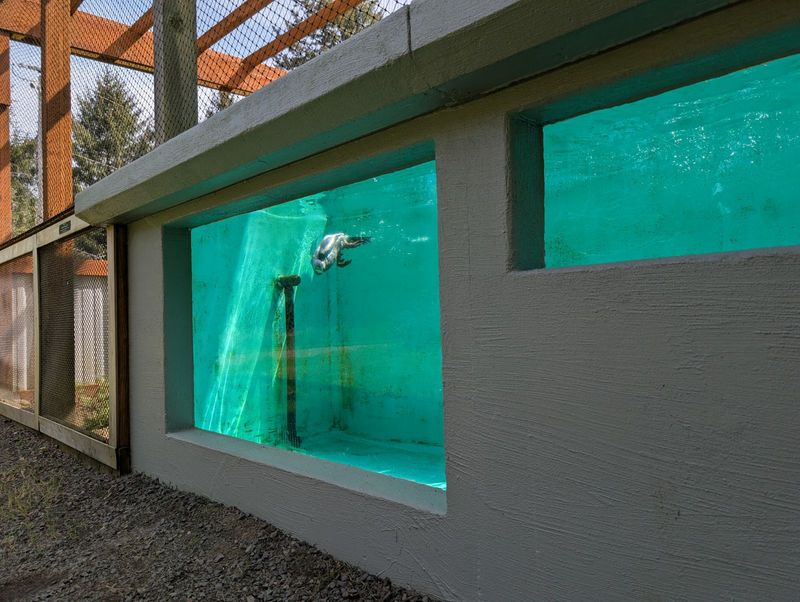
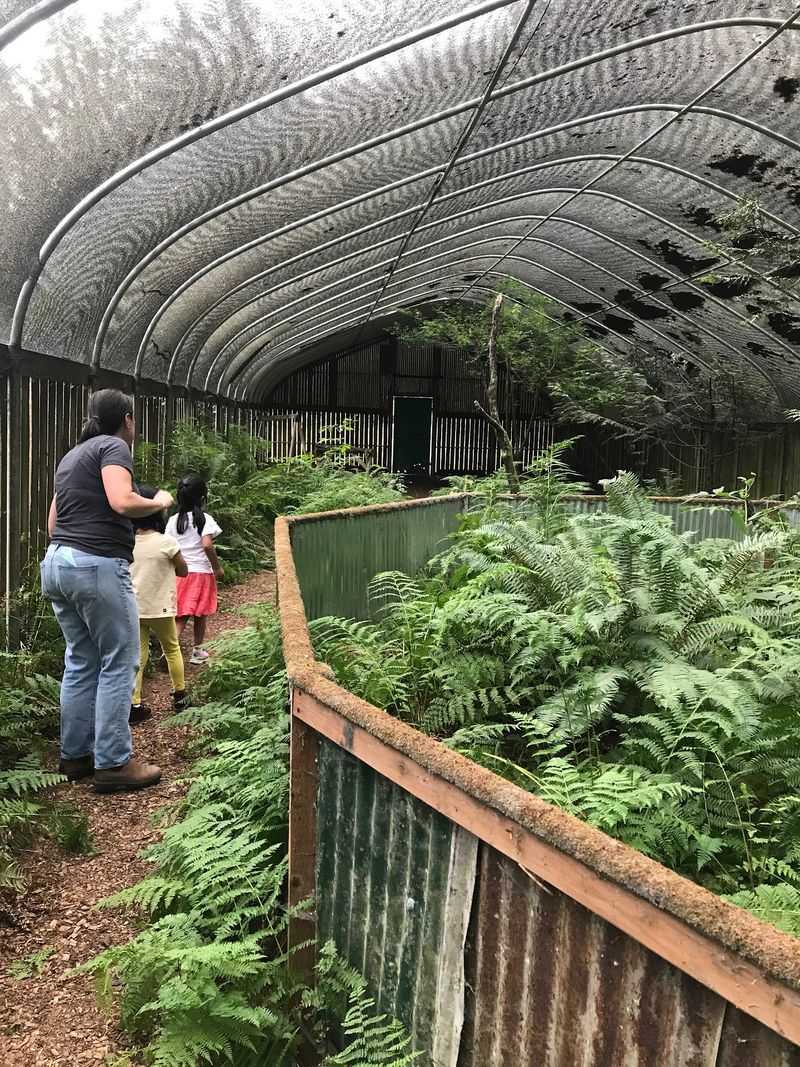
Wander the grounds and you will discover that every enclosure comes with its own backstory. Guides share how each bird arrived, what happened to it, and what its recovery looks like, turning a simple stroll into a running series of small, moving tales.
One detail visitors especially enjoy is learning how the rescue’s population shifts with the calendar. Different birds flood in during different seasons and even different years, shaped by storms, nesting cycles, and events out on the coast.
That seasonal rhythm means no two visits feel quite the same. A trip in spring might reveal orphaned nestlings, while another time of year brings storm-battered fliers.
Listening to these histories, guests often say the tour feels less like a lecture and more like friends walking you through a place they clearly love.
Watching the Training Sessions Up Close
Ever wonder how a rescued bird learns to work with its caretakers? Some visitors get to observe training sessions with the ambassadors, and it opens their eyes to something surprising.
Guests who watched Cormie and Nelle being trained came away understanding that the goal is not simply to make a bird perform. The behaviors that caretakers reinforce actually benefit the birds themselves, keeping them healthy, calm, and engaged.
People describe leaving with a much clearer sense of what animal training is really about. It shifts the whole experience from entertainment toward genuine respect for the creatures involved.
Catching one of these sessions is a bit of luck, since they depend on the day and the schedule. But when it happens, it adds a thoughtful, behind-the-scenes layer that stays with visitors long after they head back down the highway.
A Behind-the-Scenes Look at the Hospital
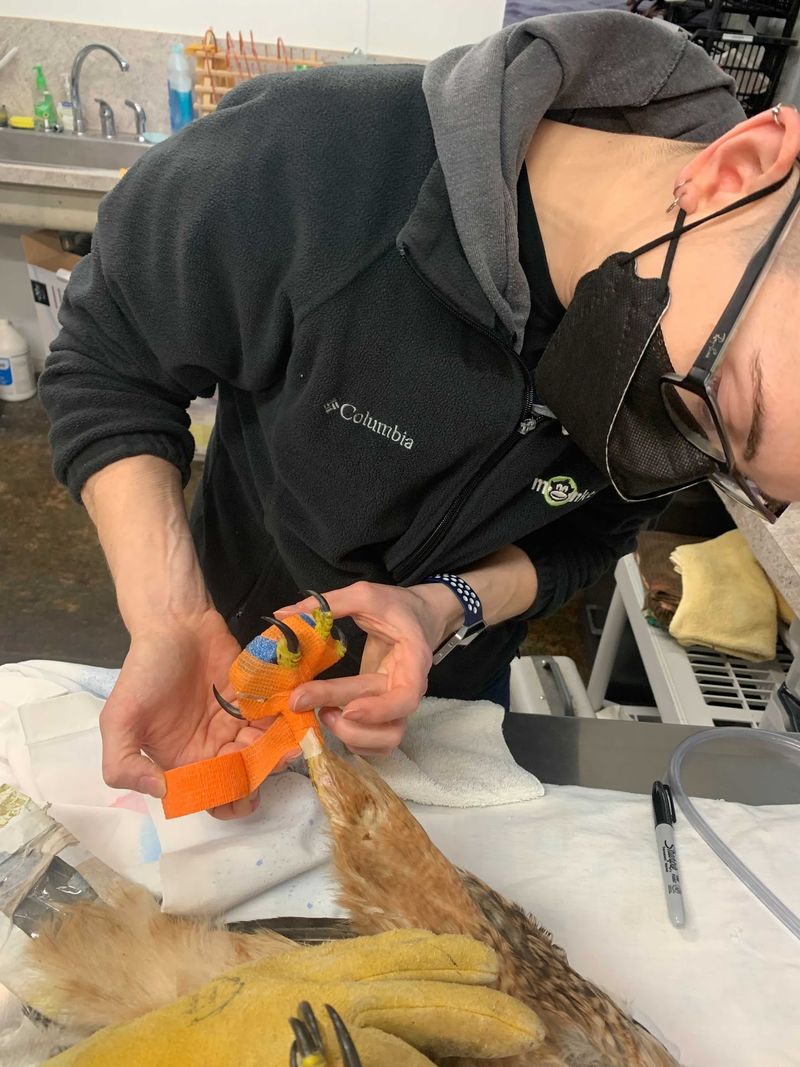
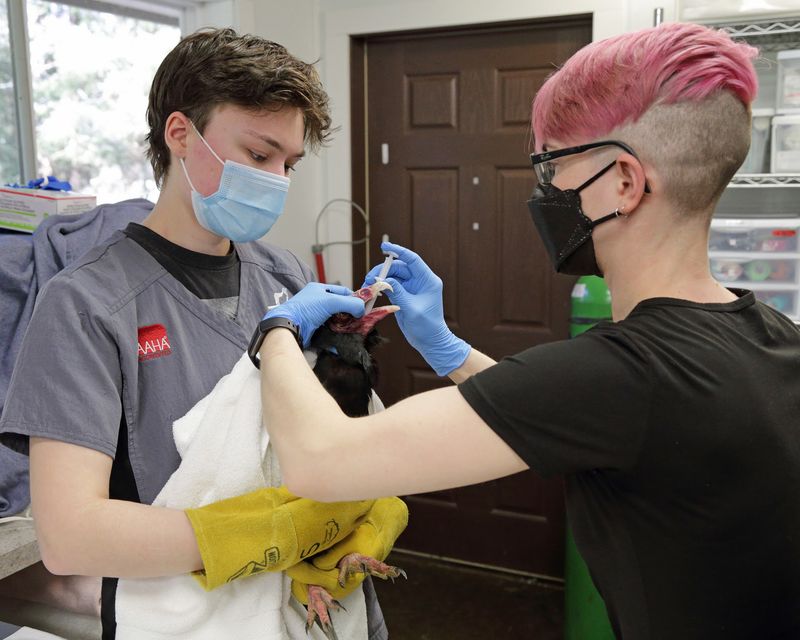
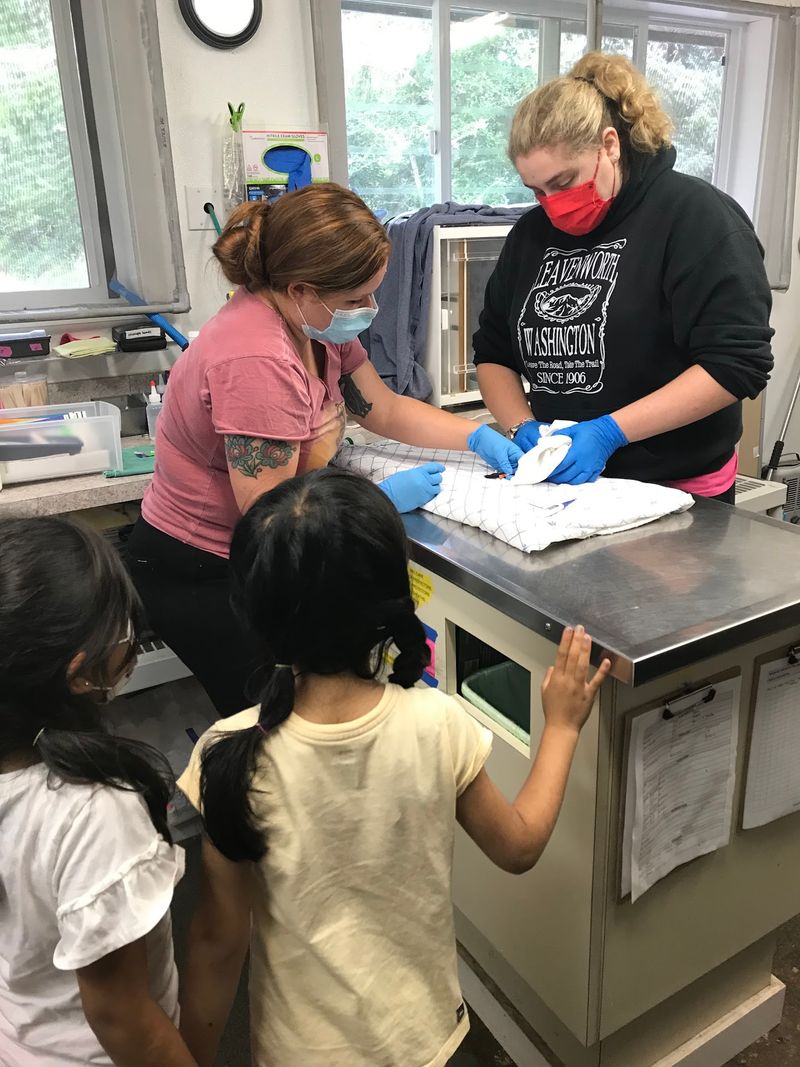
Peeking behind the curtain is exactly what makes a visit here so fascinating. The private tour walks you through the hospital and grounds, offering a rare glimpse at how rehabilitation actually happens.
Guests describe watching birds being fed and treated for their injuries by staff who handle each patient with obvious tenderness. You come to understand the daily rhythm of care that keeps this operation running.
Along the way, guides explain the kinds of events that leave wildlife hurt, from tangled fishing gear to fierce coastal storms. It is eye-opening in the best way, connecting the dots between the ocean outside and the patients recovering inside.
Visitors frequently call it a fascinating look they never expected. For the curious traveler who likes understanding how things really work, this window into a working wildlife hospital is hard to beat.
The Knowledgeable, Big-Hearted Crew
Behind all the good work stands a team that visitors cannot stop praising. Time and again, guests mention how friendly, passionate, and deeply knowledgeable the staff and volunteers are about caring for hurt and unwell animals.
One visitor recalled a guide named Melissa whose dedication made the whole tour thoroughly informative. That kind of personal attention turns a simple visit into something people remember for years.
Even folks calling from across the country have received patient, expert guidance over the phone at odd hours. Compassion clearly runs deep here, and it shows in how the crew treats both the animals and the people who walk through the door.
You get the sense these are professionals who genuinely love what they do. Meeting them is half the reason the experience feels so warm and worthwhile.
A Rainy-Day Adventure Worth Braving
Oregon’s coast has a reputation for gray skies, and honestly, that makes this an ideal foul-weather outing. One visitor recalled arriving on a very rainy day with her mom, and the drizzle did nothing to dampen the experience.
Much of the fascination here comes from stories, close encounters, and learning, so a little rain hardly matters. If anything, the moody weather suits the setting, wrapping the wooded grounds in that classic coastal hush.
Winter storm season, when many travelers stay tucked indoors, can be a wonderful time to plan a visit. Fewer crowds and dramatic skies make the trip feel even more like a private discovery.
So next time the forecast looks soggy and you are itching to get out, remember this quiet retreat waits patiently among the dripping firs.
Best Suited for Curious Older Kids and Adults
Knowing what to expect helps this visit land just right. Families have had a blast here, with both kids and grown-ups enjoying the up-close bird encounters and heartfelt mission.
That said, one parent noted the tour leaned more toward older teens and adults, feeling fairly quick and light on hands-on activities for very young children. Their eight-year-old still loved seeing Cormie, but the pacing suited a more grown-up crowd.
If you are bringing little ones who dream of becoming animal rescuers, it may be worth asking about a more kid-focused option when you book. Setting expectations ahead of time makes for a happier trip.
For teens, adults, avid birders, and anyone drawn to conservation, though, the depth of information and rare access hit exactly the right note. Match the visit to your group and everyone leaves satisfied.
Booking a Private Tour and What It Costs
Here is the part worth planning around: the center is not open for casual walk-ins. Instead, you book a private tour of the hospital and grounds ahead of time, which keeps things intimate and unrushed.
You can choose a tour that includes a bird encounter or a slightly cheaper private tour without one, and both come recommended. For one family of eight, a private tour paired with the bird encounter averaged around nineteen dollars per person.
To arrange a visit, reach out through the website at coastwildlife.org or call ahead at 503-338-0331. A quick phone call helps you confirm availability and the right option for your group.
Because spots are limited and personal, this setup gives you the feeling of a guided experience shaped just for you rather than a packed group shuffle.
Why This Quiet Rescue Deserves Your Detour
Some places earn a spot on your Oregon list simply by being unforgettable, and this tucked-away rescue near Astoria qualifies easily. Visitors regularly call it a wonderfully unique experience, with several suggesting it belongs among the top things to do in the area.
The combination of rare seabird expertise, charming ambassadors like Cormie, Nelle, and Odin, and a crew brimming with heart is genuinely hard to find elsewhere. You leave knowing more, caring more, and feeling like you were let in on a local secret.
Supporting the center through a tour or a donation helps keep this important work going, which makes the trip feel doubly worthwhile.
Next time you crave an off-the-beaten-path outing that rewards the curious, point your car toward those quiet woods off Highway 202. You will be glad you did.
Share this story