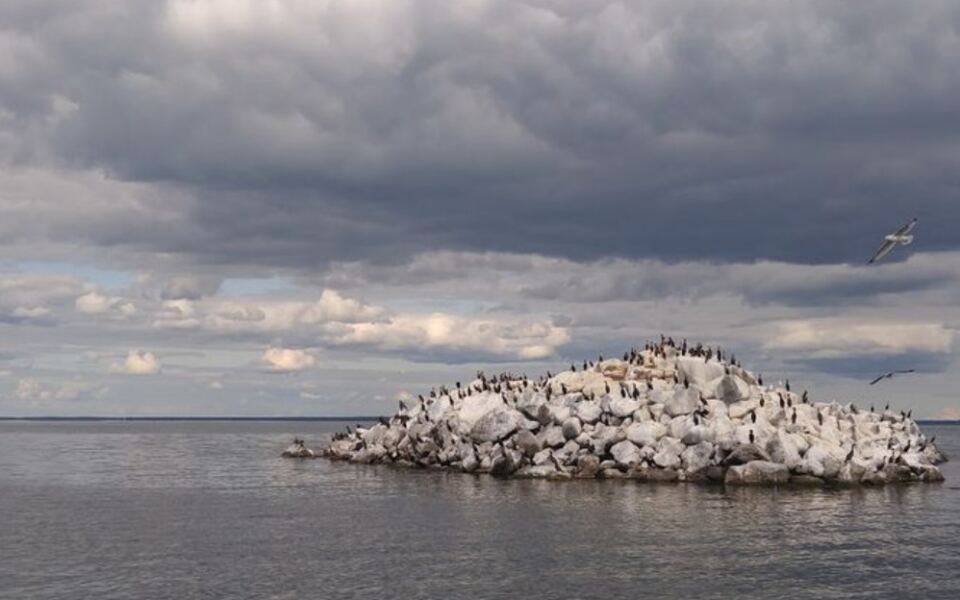
There is a federal wildlife refuge in the United States so small that most people drive right past the lake it sits in without ever knowing it exists. It covers less than one acre, sits on a rocky island in the middle of one of Minnesota’s most famous lakes, and it has been officially protected by the U.S. government for over a century.
Most national wildlife refuges bring to mind vast wetlands or sprawling prairies, so finding one this compact feels almost unbelievable. What makes this tiny patch of rock genuinely worth knowing about is the surprising story behind why it was protected in the first place, and the birds that keep coming back to it every single year.
The Tiniest Refuge in the National System
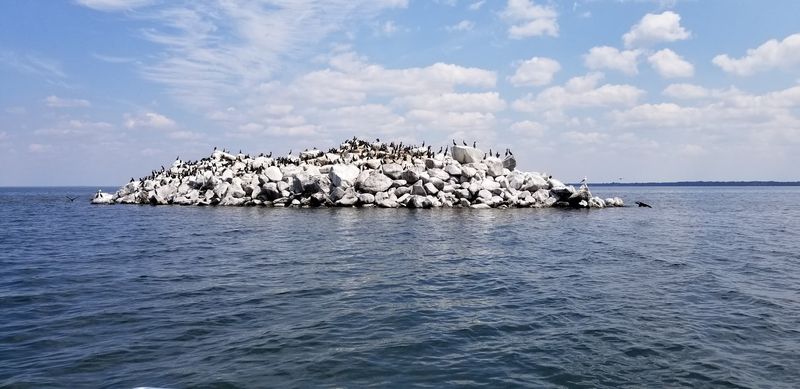
Most people associate national wildlife refuges with sweeping landscapes and thousands of protected acres. The Mille Lacs National Wildlife Refuge breaks that expectation in the most dramatic way possible.
At less than one acre in size, it holds the distinction of being the smallest national wildlife refuge in the entire United States.
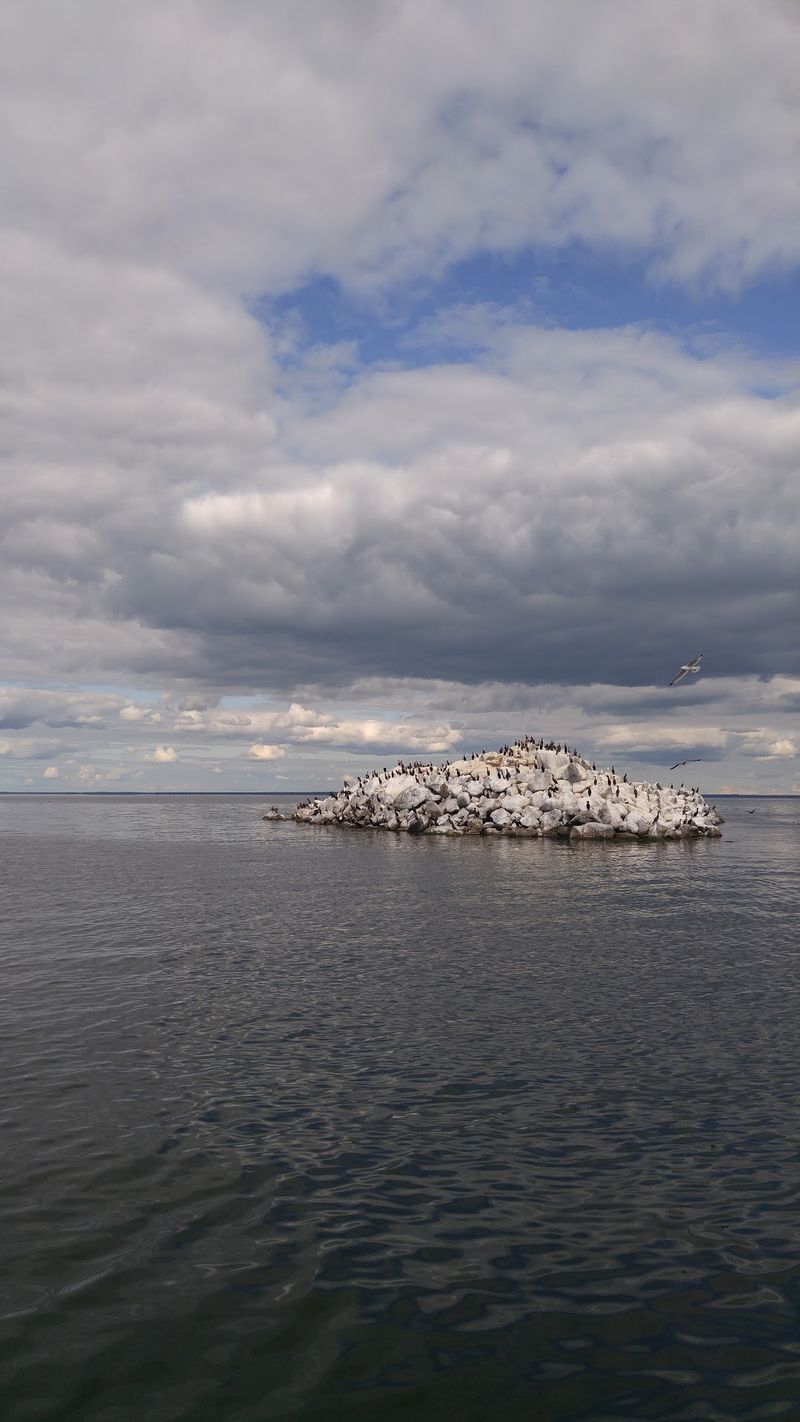
The refuge sits on Hennepin Island, a rocky outcrop rising out of Mille Lacs Lake near Onamia, Minnesota. There are no hiking trails, no visitor centers, and no parking lots.
What exists here is simply a chunk of ancient rock surrounded by open water.
That simplicity is exactly what makes it so fascinating. The federal government drew a boundary around this tiny island and called it protected land, and that decision has kept it wild for generations.
Sometimes the smallest places carry the biggest stories.
Where Exactly This Island Sits
Mille Lacs Lake is one of Minnesota’s largest and most beloved lakes, covering roughly 132,500 acres in the central part of the state. Anglers know it well for its walleye fishing, and it draws visitors from across the Midwest every season.
But tucked within those waters is something most visitors never notice.
Hennepin Island sits in the southern portion of the lake, not far from the town of Onamia, Minnesota. The refuge address is listed as Onamia, MN 56359, and it falls under the management of the U.S.
Fish and Wildlife Service. Getting a close look requires being out on the water, which is part of what keeps it so overlooked.
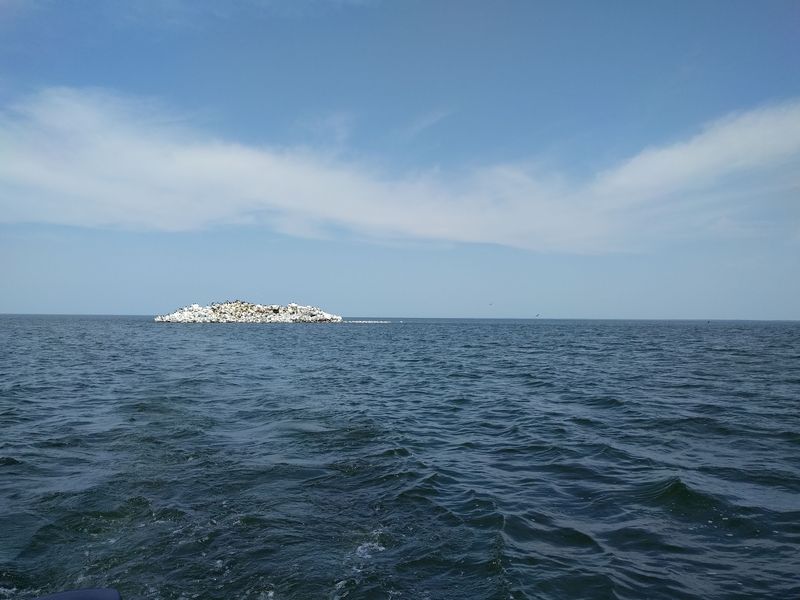
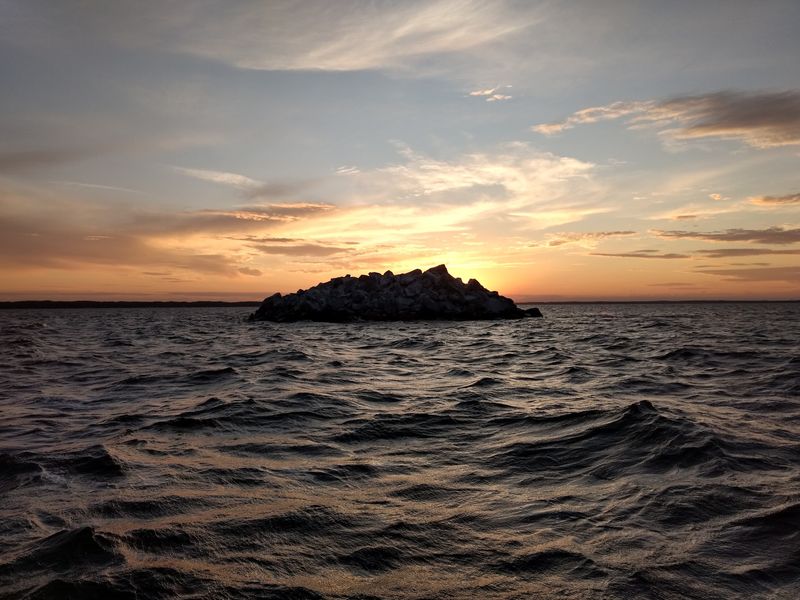
From shore, the island can appear as little more than a dark smudge on the horizon. Out on the lake, though, the birds that claim it make the island impossible to ignore.
A History That Goes Back to 1905
The Mille Lacs National Wildlife Refuge was established in 1905, making it one of the earliest refuges created under the federal system that President Theodore Roosevelt championed during his time in office. Roosevelt used executive authority to protect bird populations that were being devastated by hunting and the feather trade, which was booming at the time.
Hennepin Island was among the sites set aside during that early conservation push. The island provided critical nesting habitat for colonial waterbirds, and protecting it helped ensure those populations could recover and stabilize over time.
More than 100 years later, that original protection still stands. The refuge has changed very little since it was first established, which is remarkable in itself.
It serves as a quiet reminder that conservation decisions made long ago can have lasting effects that echo across generations of wildlife and the people who care about it.
The Birds That Call This Rock Home
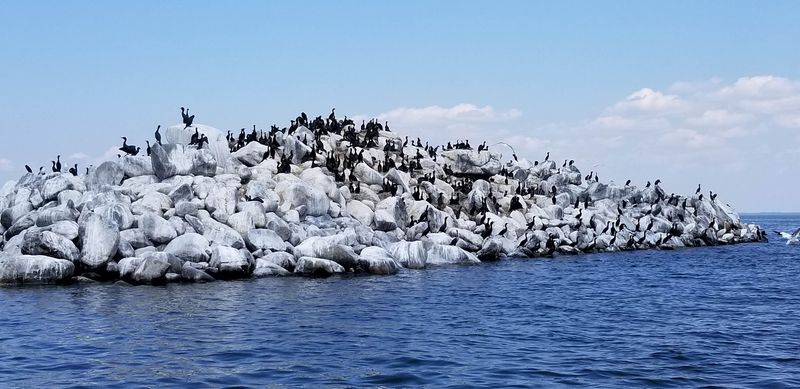
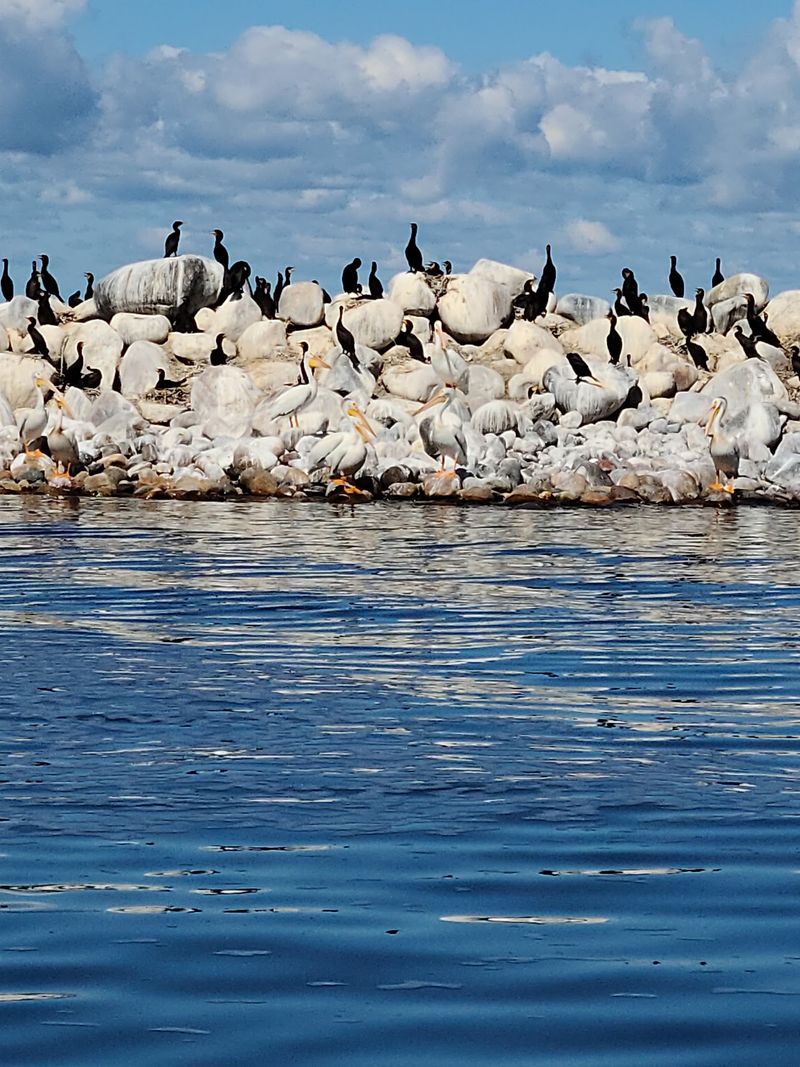
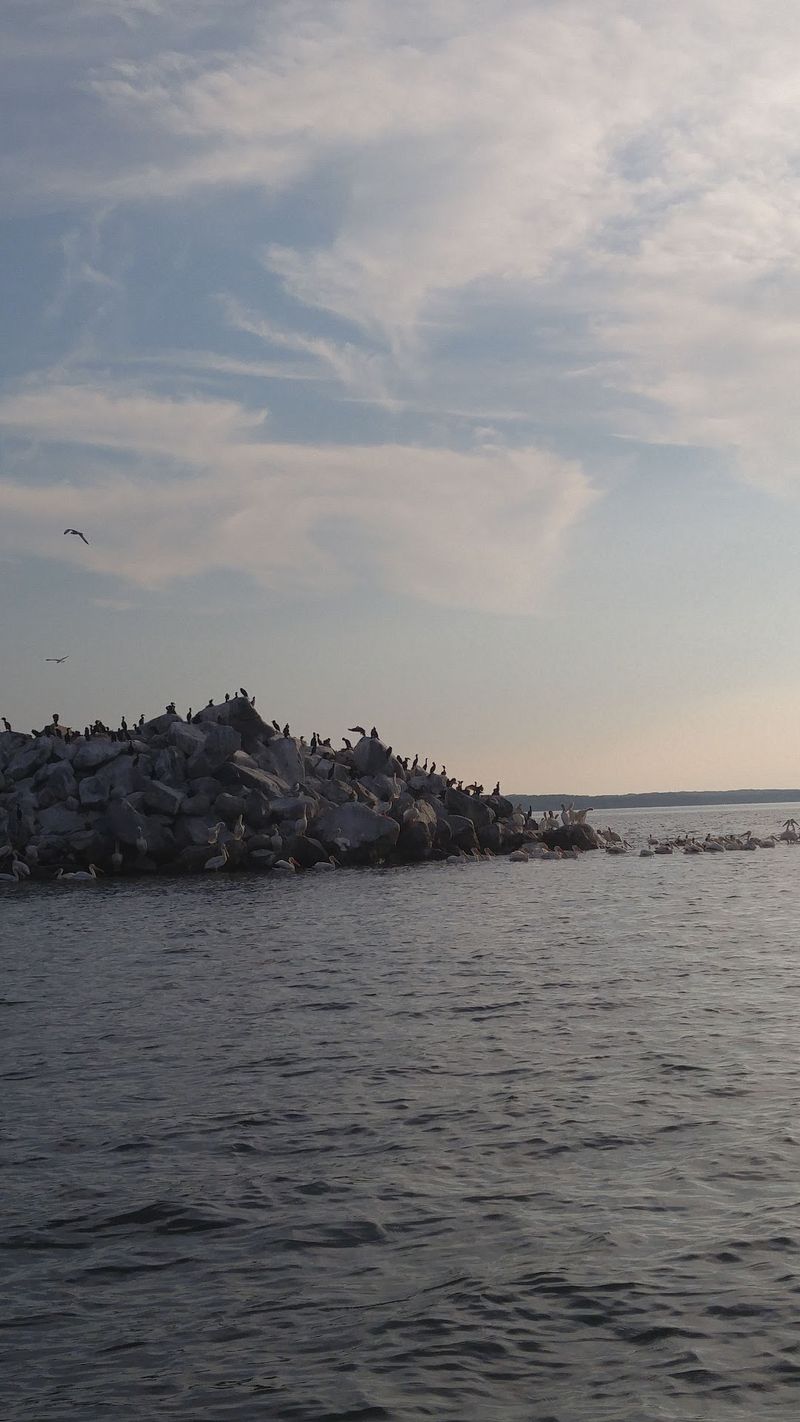
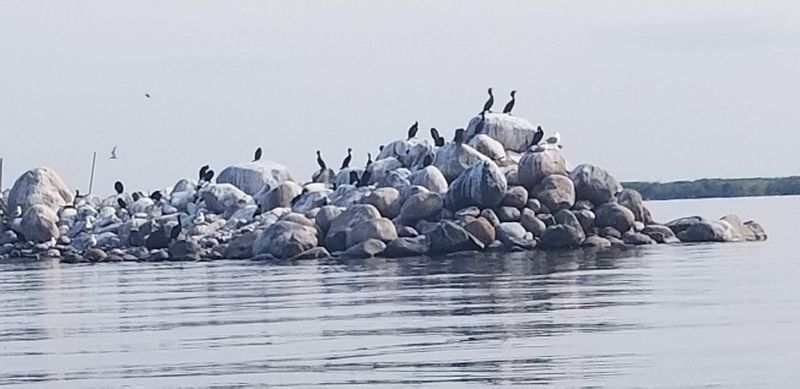
Double-crested cormorants are the main reason Hennepin Island carries federal protection. These large, dark waterbirds gather on the island in significant numbers during nesting season, turning the rocky surface into a busy colony of activity.
Watching them from a boat is genuinely striking.
Cormorants are expert divers, plunging beneath the lake’s surface to catch fish with impressive speed. They often spread their wings out wide after surfacing, drying their feathers in the sun.
That characteristic pose makes them easy to spot even from a distance across the open water.
American white pelicans have also been known to use the area around Mille Lacs Lake, adding to the variety of waterbird sightings possible on the lake. The concentration of birds on and near such a small island creates a wildlife-watching experience that feels far more intense than the refuge’s size would suggest.
The noise and movement are constant during nesting season.
Why the Smell Is Part of the Experience
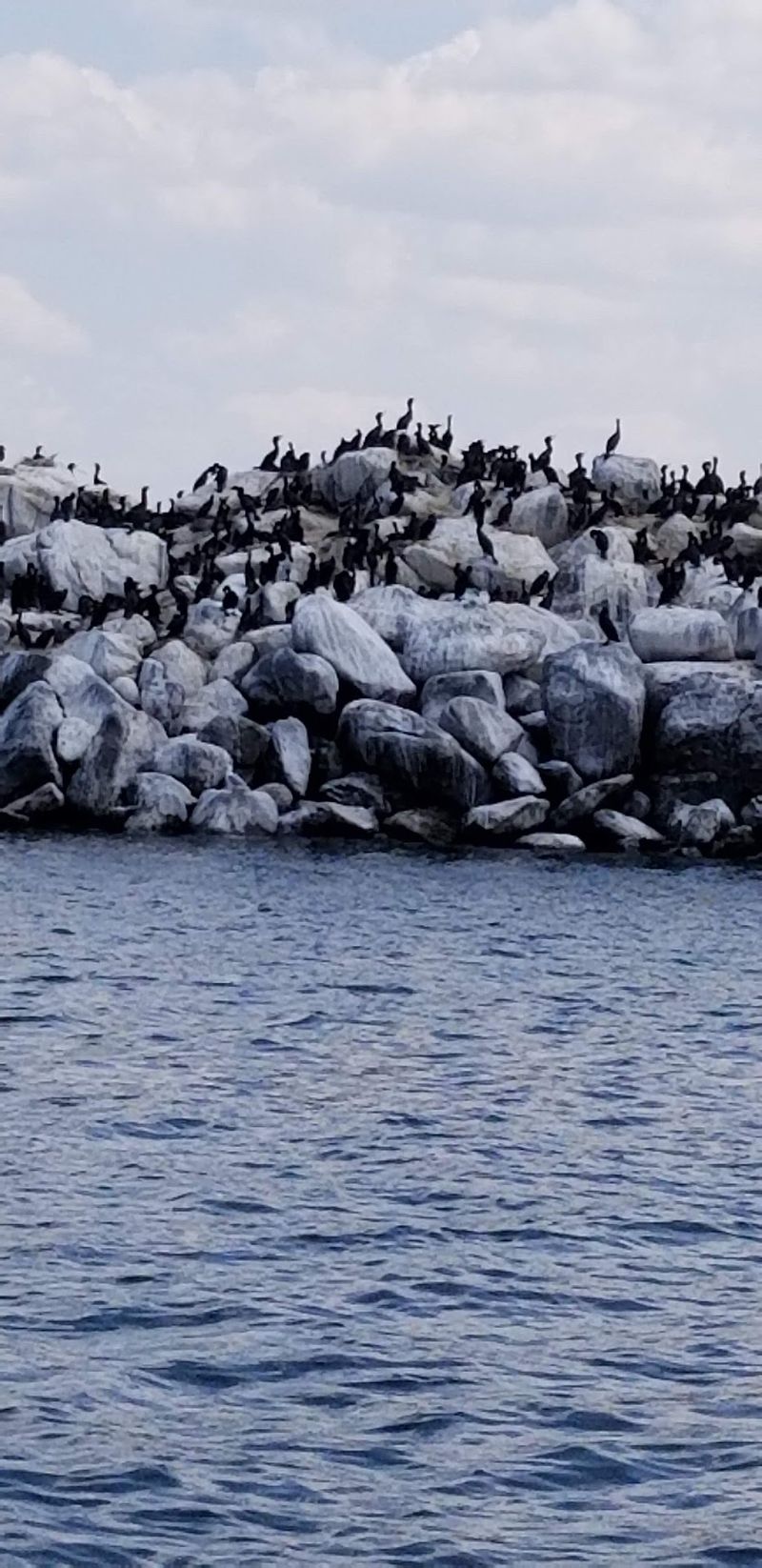
Anyone who has been close to a cormorant colony knows that the sensory experience goes well beyond what you see. The smell near Hennepin Island during nesting season is pungent, driven by the sheer volume of bird droppings coating the rocks.
The white staining visible on the island from a distance is not snow or mineral deposits.
That smell is actually a sign of ecological success. A thriving nesting colony means birds are returning year after year, which tells researchers and wildlife managers that the habitat is working as intended.
It is not glamorous, but it is real.
The odor is strong enough that getting too close in a boat is not exactly a pleasant experience for most visitors. Still, plenty of people make the trip across the lake specifically to witness the colony up close.
It turns out that authenticity, even the smelly kind, is a powerful draw for curious travelers.
How the U.S. Fish and Wildlife Service Manages It
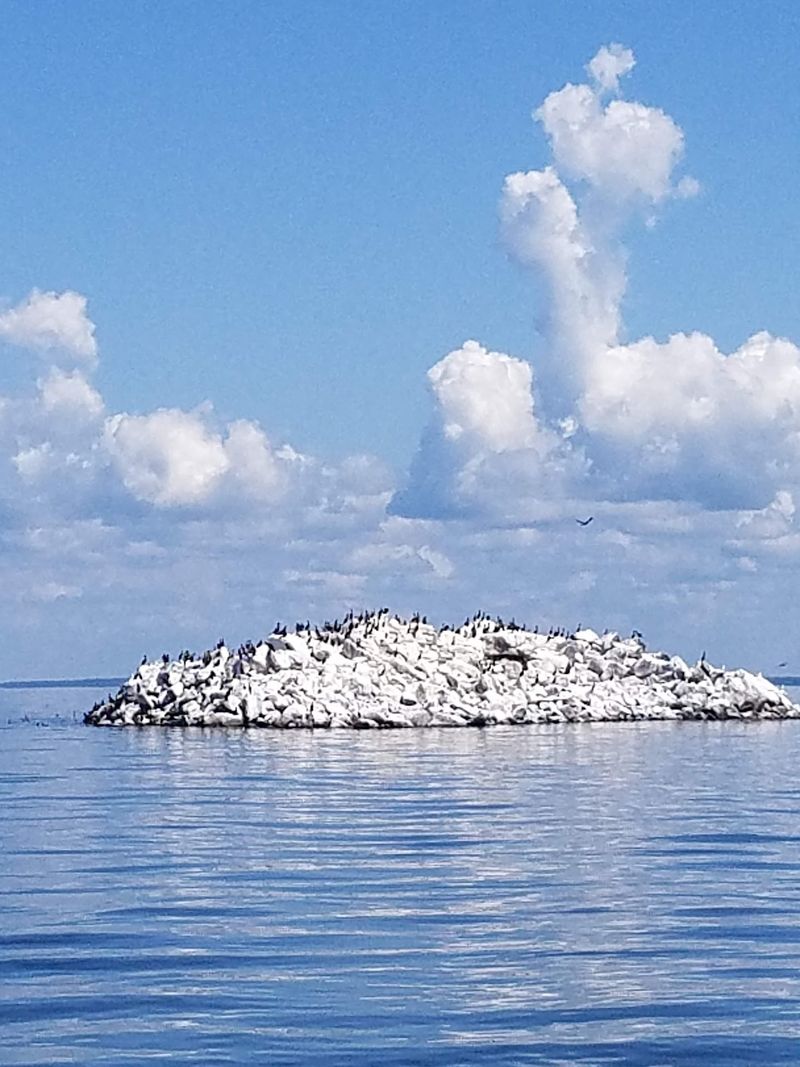
The Mille Lacs National Wildlife Refuge is managed by the U.S. Fish and Wildlife Service, the same federal agency that oversees the broader national refuge system across the country.
Because of its tiny size and its role as active nesting habitat, management here looks very different from what you would find at a large, visitor-accessible refuge.
The primary management goal is protecting the nesting colony from disturbance. During breeding season, approaching the island too closely can stress nesting birds and cause them to abandon eggs or chicks.
The Fish and Wildlife Service monitors the colony and provides guidance on responsible wildlife viewing from the water.
There are no on-island facilities because the island simply does not have room for them, and adding any infrastructure would damage the habitat the refuge exists to protect. The hands-off approach has proven effective, with the cormorant colony continuing to use the island consistently across many decades.
Getting Out on the Water to See It
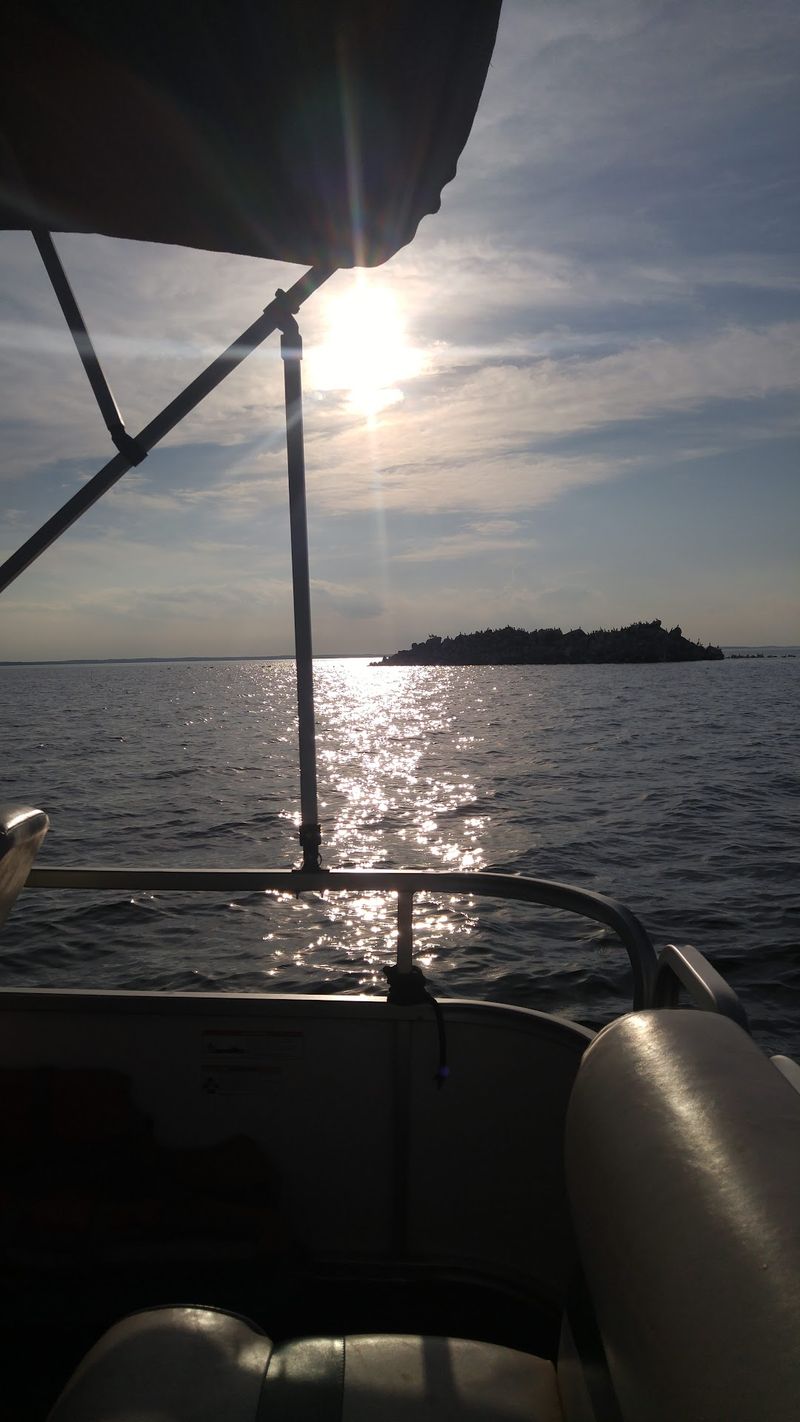
Reaching the refuge requires getting out onto Mille Lacs Lake by boat. There is no land-based access to Hennepin Island, and the island itself is not open for visitors to step onto.
The experience is entirely about viewing from the water, which gives it a different quality than most wildlife destinations.
Boat launches are available around Mille Lacs Lake, and the lake is well-known among boaters and anglers throughout Minnesota. Renting a boat or joining a fishing charter gives visitors a practical way to reach the area near the refuge without needing to own their own watercraft.
Bringing binoculars makes a significant difference. The island is small, and watching the cormorant colony in detail from a respectful distance is far more rewarding with magnification.
Early morning tends to offer calmer water conditions and better light for observing the birds as they move through their daily routines on the island.
What Makes Mille Lacs Lake Special Beyond the Refuge
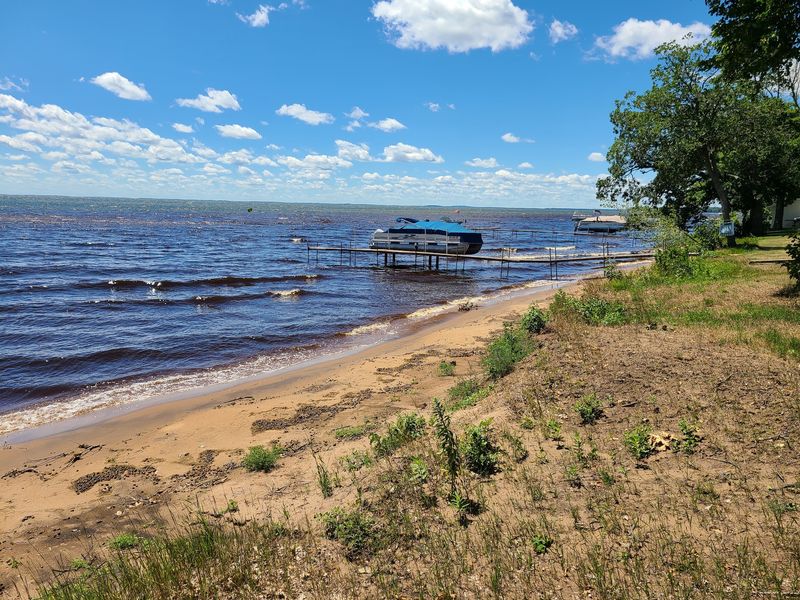
Mille Lacs Lake has a reputation that extends well beyond its tiny federal refuge. It is one of the top walleye fishing lakes in the entire country, drawing serious anglers from across the Midwest and beyond every open-water and ice-fishing season.
The lake’s size and depth create ideal conditions for walleye, perch, and northern pike.
The Mille Lacs Band of Ojibwe has deep cultural and historical ties to the lake, which holds spiritual and practical significance that goes back centuries. The lake’s Ojibwe name reflects a long relationship between the Indigenous people of the region and the water that shaped their way of life.
Surrounding the lake, small communities offer lodging, fishing guides, and local restaurants that cater to visitors year-round. The combination of world-class fishing, Indigenous cultural history, and the quirky federal refuge makes Mille Lacs Lake a genuinely layered destination worth spending real time exploring.
Ice Fishing Season Around the Island
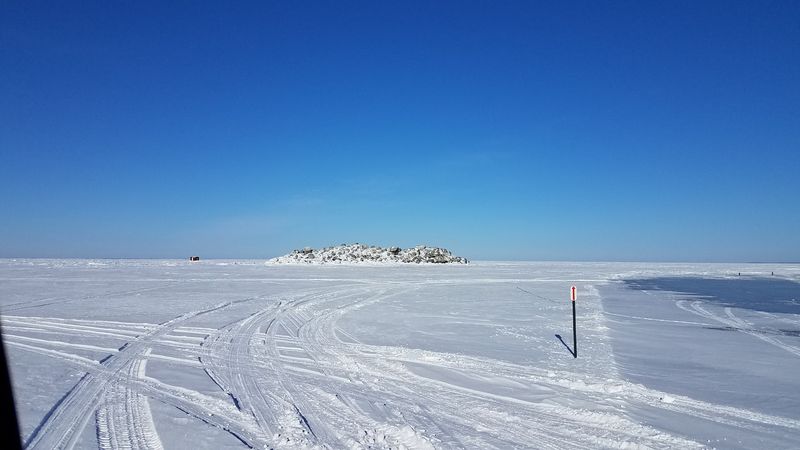
Winter transforms Mille Lacs Lake into one of the most active ice-fishing destinations in the country. When the lake freezes solidly enough to support vehicles and fishing shelters, a temporary city of ice houses appears across the surface.
It is one of those Minnesota experiences that genuinely surprises people who have never seen it before.
The area around Hennepin Island is part of that frozen landscape during winter months. Ice anglers work the lake’s productive walleye fishery from the same waters where cormorants nest in summer, which creates an interesting seasonal contrast at the same location.
Some visitors come out in winter specifically to see the island from a different angle, standing on the frozen lake surface and looking at the rocky outcrop without the summer crowd of nesting birds. The experience is quieter and more stark, but it carries its own kind of appeal for people who appreciate the off-season side of a place.
The Conservation Legacy Behind Tiny Refuges
The early 1900s were a critical period for American bird populations. Market hunting and the commercial feather trade had pushed many waterbird species toward serious decline.
Colonial nesting birds like herons, egrets, and cormorants were especially vulnerable because disturbing a single nesting colony could affect hundreds of birds at once.
Federal protection of small but strategically important nesting sites was a key part of the early refuge system’s success. Islands like Hennepin offered exactly what colonial nesters needed: isolation from ground predators and proximity to productive fishing waters.
Protecting them cost relatively little but delivered significant conservation results.
The Mille Lacs refuge is a tangible piece of that legacy. It represents an era when American conservation was still figuring out what it could accomplish, and the answer turned out to be quite a lot.
A single acre of protected rock in a Minnesota lake has sheltered generations of birds that otherwise might not have had a safe place to raise their young.
What Birdwatchers Should Know Before Visiting
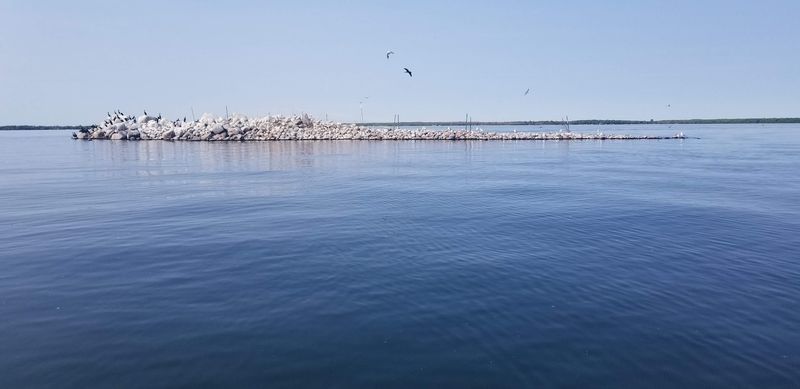
Birdwatching at the Mille Lacs National Wildlife Refuge requires a little more planning than a typical nature walk. Because the island is in the middle of a large lake and cannot be accessed on foot, visitors need to arrange boat transportation before they arrive.
Knowing this in advance saves a lot of frustration.
The best time to visit for birdwatching is during the nesting season, generally from late spring through summer, when the cormorant colony is most active. Arriving early in the morning gives you calmer water and birds that are actively feeding and interacting around the island.
Keeping a respectful distance is important both for the birds and for your own comfort, given the odor situation up close. A good pair of binoculars or a spotting scope makes the experience genuinely rewarding from a safe and comfortable distance.
Patience matters more than proximity when observing colonial waterbirds in their natural setting.
How This Refuge Compares to Others in the System
The national wildlife refuge system managed by the U.S. Fish and Wildlife Service includes more than 560 refuges spread across all 50 states.
They range from massive Arctic preserves covering millions of acres to small coastal islands protecting specific bird colonies. The Mille Lacs refuge sits at the absolute smallest end of that spectrum.
Most people who visit large, well-known refuges never think about the smaller sites that also carry federal protection. Those smaller refuges often exist because of very specific ecological needs, a particular species using a particular location, rather than because of scenic grandeur or visitor appeal.
Hennepin Island is a perfect example of targeted conservation. It was not set aside because it was beautiful or impressive in a conventional sense.
It was protected because it worked for the birds that needed it. That functional approach to conservation is worth appreciating, even if the refuge itself is easy to overlook on a map.
The Role of Mille Lacs in Ojibwe Culture
Mille Lacs Lake holds deep meaning for the Mille Lacs Band of Ojibwe, whose connection to the lake stretches back long before European settlement. The lake and its surrounding lands were central to the Band’s traditional way of life, providing food, water, and spiritual grounding across many generations.
The Mille Lacs Band of Ojibwe is a federally recognized tribe that continues to maintain a strong presence in the region today. Their history with the lake is woven into the broader story of this landscape in ways that go far beyond fishing statistics or visitor counts.
Understanding that history adds meaningful context to any visit to the area. The lake is not simply a recreational resource.
It is a living cultural landscape with layers of significance that reward visitors who take the time to learn even a little about the people who have called its shores home for centuries.
Practical Tips for Planning Your Visit
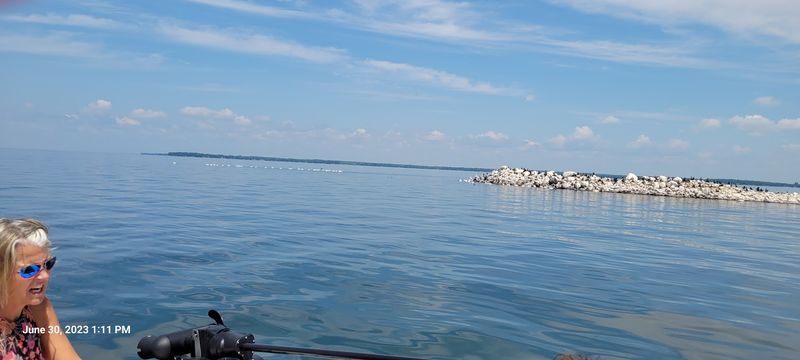
Getting to the Mille Lacs National Wildlife Refuge takes a little planning, but the logistics are straightforward once you know what to expect. The town of Onamia serves as a practical base, sitting on the southern shore of Mille Lacs Lake with access to local services.
The lake is roughly two hours north of the Twin Cities by car.
Boat rentals and fishing guides operate on the lake seasonally, and many of them are familiar with the refuge and can point you toward Hennepin Island. Checking conditions before heading out is always a good idea on a large open-water lake like Mille Lacs, where wind can pick up quickly and change the character of the water.
Bringing sunscreen, water, and binoculars covers most of what you need for a comfortable day on the lake. There are no facilities at the refuge itself, so coming prepared makes the difference between a smooth outing and a frustrating one.
Why This Little Island Deserves More Attention
A federal wildlife refuge that fits on less than one acre of rock in the middle of a Minnesota lake is the kind of thing that sounds made up until you look it up and realize it has been there since 1905. There is something genuinely delightful about that, a piece of the national conservation system so small and so specific that most people will never hear about it unless someone tells them.
Hennepin Island is not a destination that promises dramatic scenery or a long checklist of visitor amenities. What it offers is rarer than that: a direct connection to a century of American conservation history, a thriving bird colony, and the quiet satisfaction of knowing that something this small has been worth protecting for this long.
Places like this are easy to overlook precisely because they do not demand attention. But the ones that reward a closer look are often the most memorable of all.
Share this story