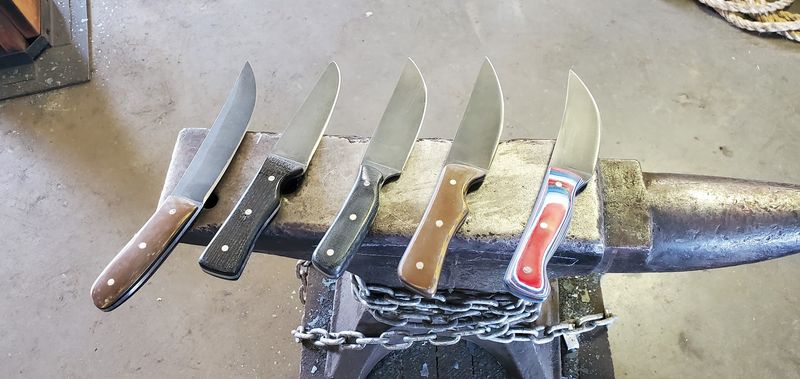
I went looking for something different to do on a quiet weekend in Oklahoma and found a plain little shop where sparks were flying and strangers were treating me like an old friend. Inside, regular folks were learning to shape hot steel into real blades, right next to people who have competed on national television.
It felt like stumbling onto a secret club that actually wants new members. If you have ever watched a forging show and wondered whether you could do it too, keep reading.
A Forge Tucked Along Pottawatomie Road
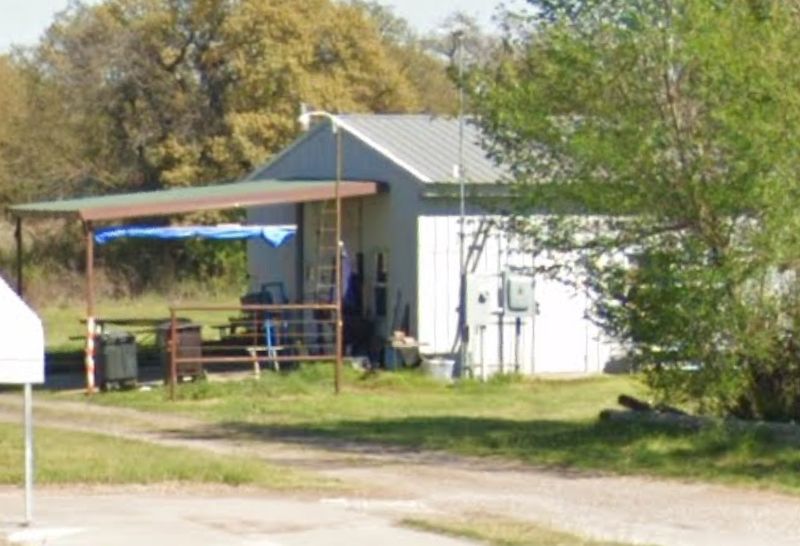
Drive east of Oklahoma City toward Harrah and you might roll right past it. The Gargoyle Garage and Forge sits at 1958 S Pottawatomie Rd, an easy spot to miss if you are not watching for it.
From the outside, it looks like a working shop, because that is exactly what it is. Inside, though, the place is listed as a blacksmith shop and functions as a gathering spot for people who love shaping metal.
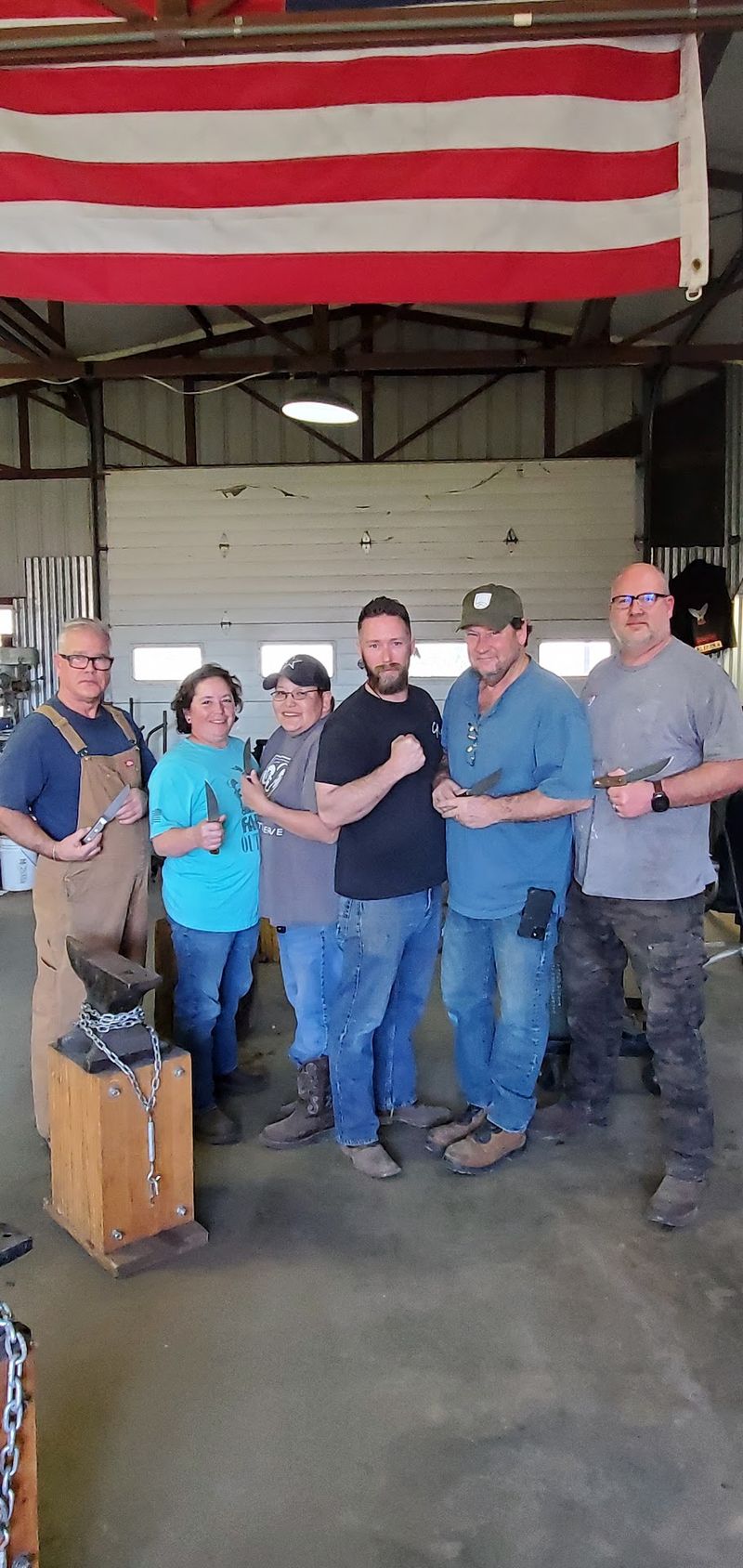
Local smiths drop in to work, teachers run classes, and curious newcomers show up to see what all the hammering is about.
That mix is what makes it special. You are not stepping into a museum where everything is roped off and quiet.
You are walking into a living workshop where real projects are underway and questions are welcome.
For Oklahomans who enjoy hands-on adventures, the shop offers something rare. It turns a TV-style hobby into something you can actually touch, try, and take home.
Harrah is a short trip from the metro, which makes this a handy outing for anyone wanting a break from screens and a chance to learn an old craft in a down-to-earth setting.
The Story Behind the Gargoyle Name
Names stick for a reason, and this one certainly grabs attention. A gargoyle guarding a garage full of fire and steel feels like something out of a fantasy novel, yet it fits the spirit of the shop surprisingly well.
Visitors sometimes shorten it to GgG&F, and the people connected to the forge describe it as a place that is quickly building a reputation. One supporter put it simply: this forge is becoming one to reckon with, thanks to its record of teaching the art of metalworking.
Much of that story comes from the community itself. Rather than a single owner working alone, the shop grew into a hub where instructors teach, local smiths share space, and new learners get pulled into the fold.
That kind of growth happens slowly, one class and one open house at a time.
The quirky name also hints at personality. It suggests the folks here do not take themselves too seriously, even while they take the craft very seriously.
You get a sense of humor mixed with real skill, which is a pretty great combination when you are standing near a glowing forge for the first time.
Second Saturday Open House
Mark your calendar for the second Saturday of every month. That is when the shop opens its doors to the public, and it is the easiest way to get a first taste of the forge.
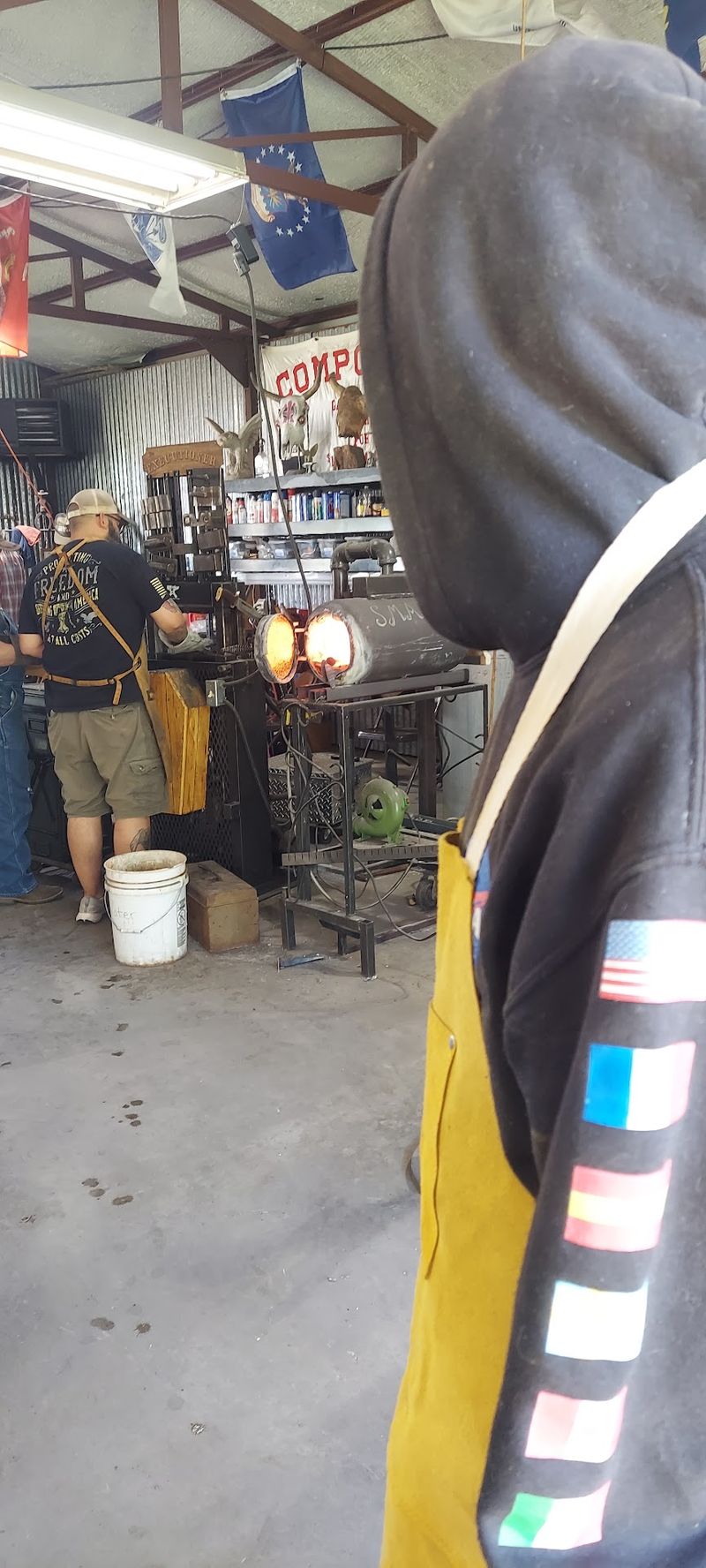
Open house days have a relaxed, come-and-see feel. Local smiths show up to work on their own projects, and visitors can wander, watch, and chat.
According to people who attend, the monthly event is meant for anyone who wants to learn the craft of making knives and metalworking.
You do not need to arrive with skills or gear. Many people come just to look, ask questions, and soak in the sound of hammers ringing on anvils.
Others use the visit to figure out whether a full class is right for them.
Think of it as a free sample of the blacksmith life. You see the tools in action, meet the people, and get a feel for the pace of the work.
Since hours and details can shift, it is smart to check ahead before driving out, but the monthly rhythm has been a steady part of how the shop welcomes newcomers into its circle.
Learning Beside Forged in Fire Talent
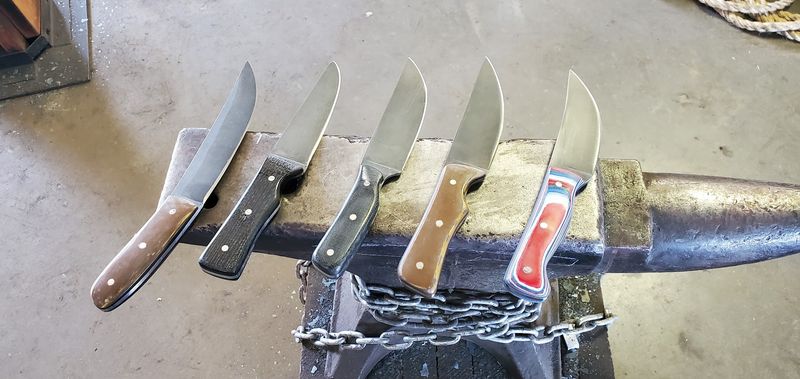
Picture watching a competition show on TV, then driving to Harrah and asking one of the contestants how they handle a tricky blade. Here, that is not a daydream.
Visitors say that on most open house days you can watch, talk to, and learn from Forged in Fire champions and contestants. Another guest pointed out that the shop holds a deep well of experience, including a Forged in Fire champion among its ranks.
What makes it memorable is how approachable everyone seems. These are skilled makers, yet people describe them as eager to help rather than distant or showy.
They explain what they are doing, answer beginner questions, and seem happy to pass along what they know.
For fans of the show, it adds a layer of excitement. For serious learners, it means getting tips from people who have tested their skills under real pressure.
Either way, standing a few feet from someone with that kind of background while steel glows orange in the forge is a story you will be telling friends for weeks. It is a rare chance to see expertise up close in a friendly, everyday setting.
Bladesmithing Classes for Beginners
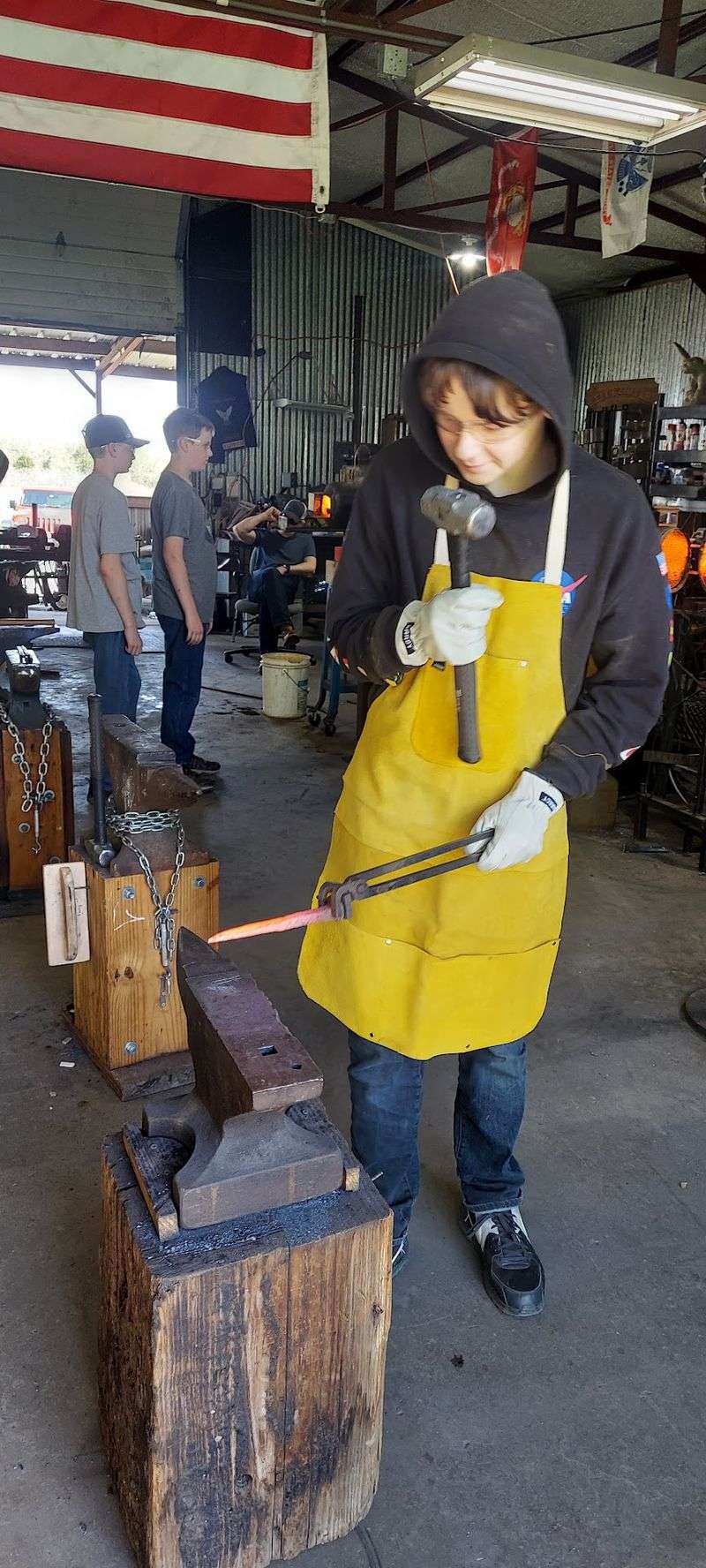
So you watched the open house and got hooked. What comes next?
For many people, it is signing up for a bladesmithing class.
An instructor who teaches at the shop invites folks to schedule a class directly, and knife making is by far the most talked-about activity among visitors. Learning comes up again and again when people describe their time here, which tells you teaching sits at the heart of the place.
Classes give you something open house days cannot: focused, guided time to work on your own piece. Instead of only watching, you get your hands on the steel and walk through the steps with someone experienced right beside you.
The beauty of a class like this is that it meets you where you are. Total beginners are welcome, and the instructors are described as patient and eager to help.
You leave with new skills and, often, a sense of pride that is hard to find in most weekend hobbies.
Since class details and pricing are arranged with the instructors, reach out ahead of time to ask what fits your schedule and skill level.
Knives, Swords, and Tomahawks
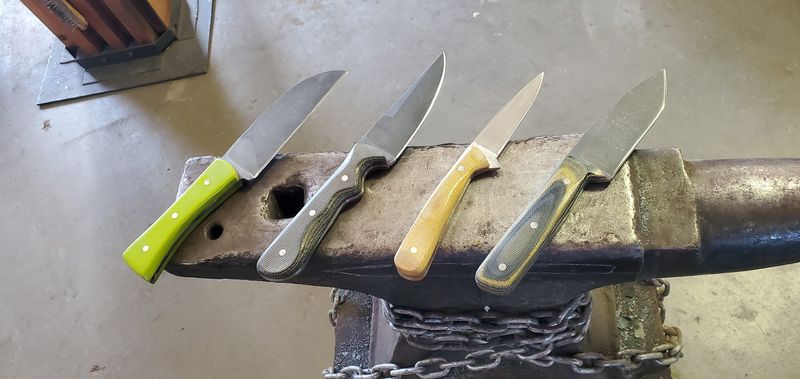
Kitchen knife or full sword? The range of projects people mention here is impressive.
Visitors say the shop is equipped with just about everything a smith wants to make knives, swords, tomahawks, and even camping equipment. Another guest added hatchets to the list, praising it as a top spot to learn how to make any type of blade.
That variety matters, especially for anyone with a specific dream project. Maybe you want a sturdy outdoor blade for hunting trips at a nearby lake.
Maybe you are fascinated by historical designs. The tools and know-how here can support a wide set of ideas.
Each type of piece teaches different lessons too. A small knife builds basic control and shaping skills.
Larger items like tomahawks and swords bring new challenges in balance and form. Working through them can turn a casual curiosity into a long-term passion.
Fun bit of trivia: tomahawks have a long history on the American plains, so crafting one in Oklahoma feels especially fitting. It is a neat way to connect a modern hobby with the deeper story of the region and its traditions.
Camping Gear Straight From the Anvil
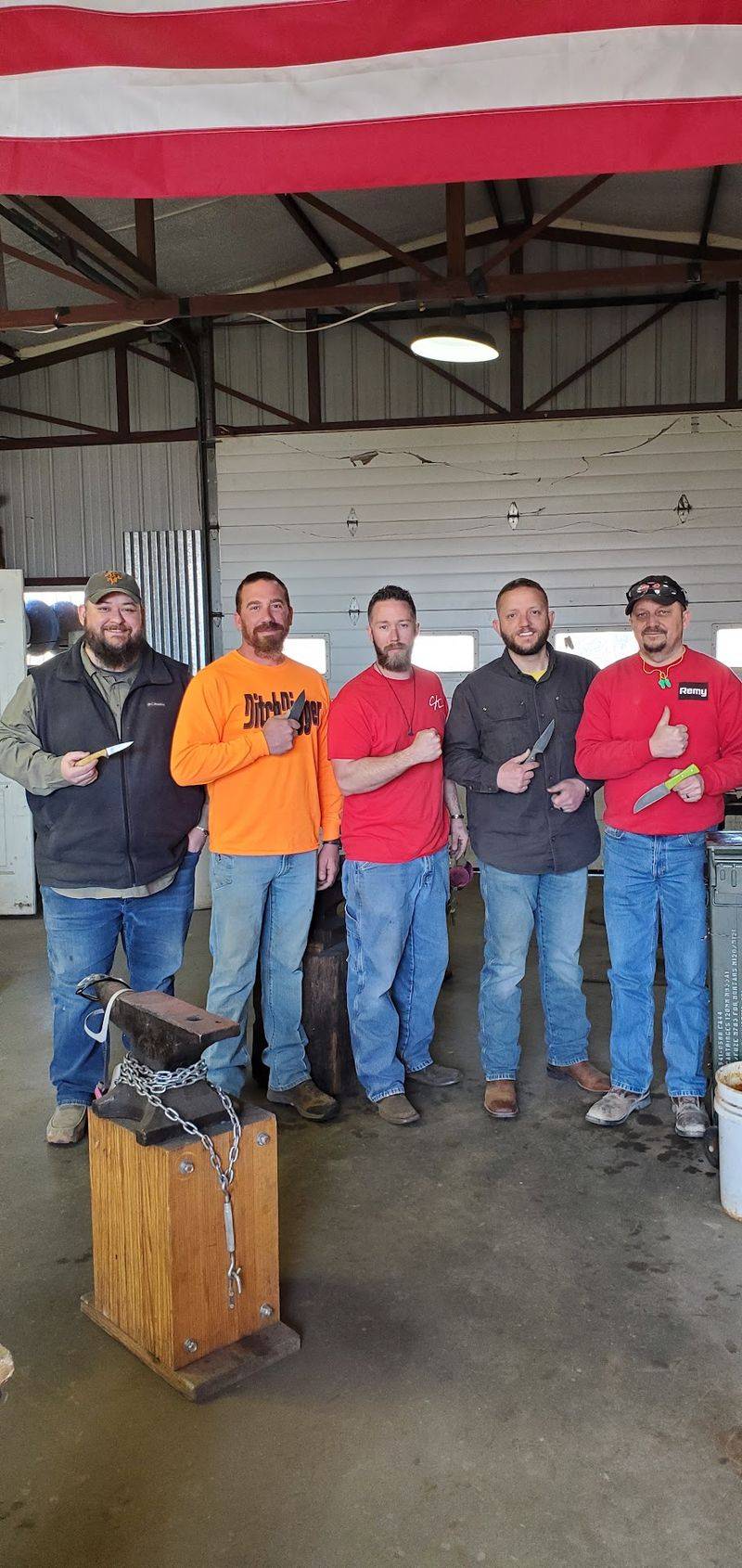
Here is a twist many first-timers do not expect: blades are not the only thing coming out of this forge. Visitors mention camping equipment among the items people make here.
For outdoor-loving Oklahomans, that opens up fun possibilities. Imagine heading to a float trip or a weekend campout with gear you shaped with your own hands.
It adds a personal touch to every fire you build and every trail you walk.
Blacksmithing has always been practical at its core. Long before it was a hobby, smiths made the everyday tools people needed to cook, build, and survive outdoors.
Making camping gear brings that old purpose right back into focus.
It is also a smart way to practice. Simpler outdoor tools let you work on heating, hammering, and shaping without the fine detail of a polished blade.
Once you build confidence, you can move on to bigger, more complex projects.
Ask about this side of the craft when you visit. The folks at the forge seem to enjoy sharing ideas, and you might walk away planning your next camping trip around something you made yourself in Harrah.
A Workshop Built to Make Almost Anything
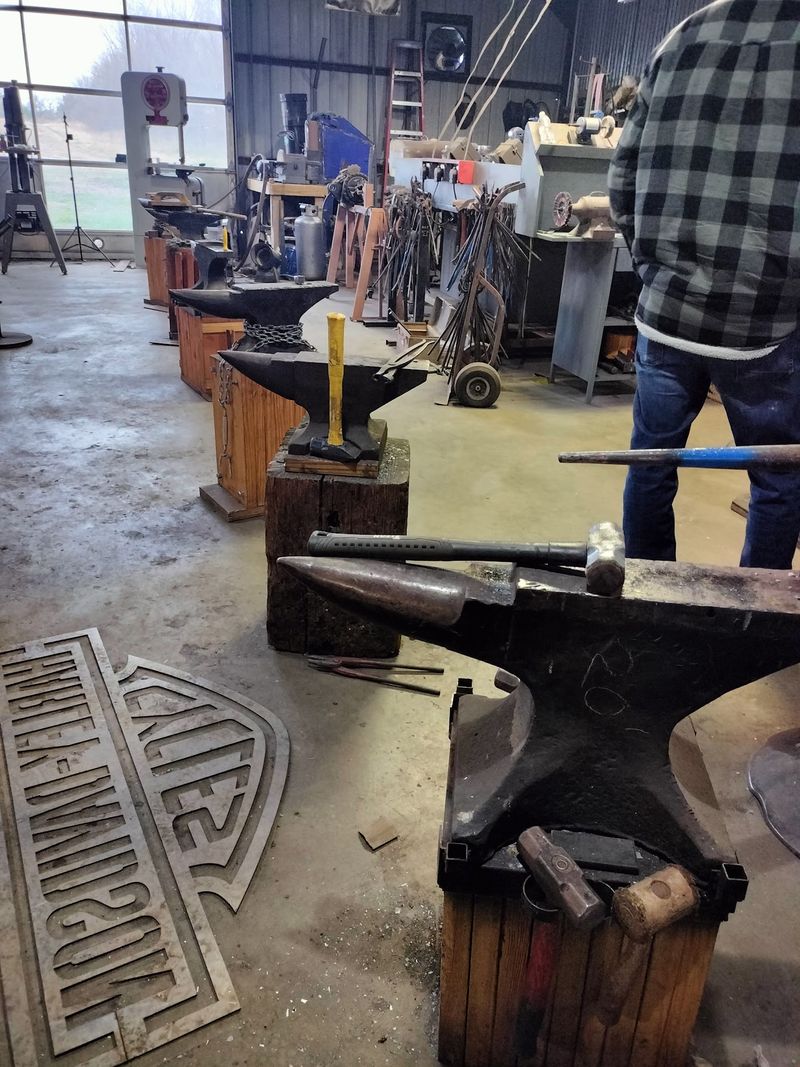
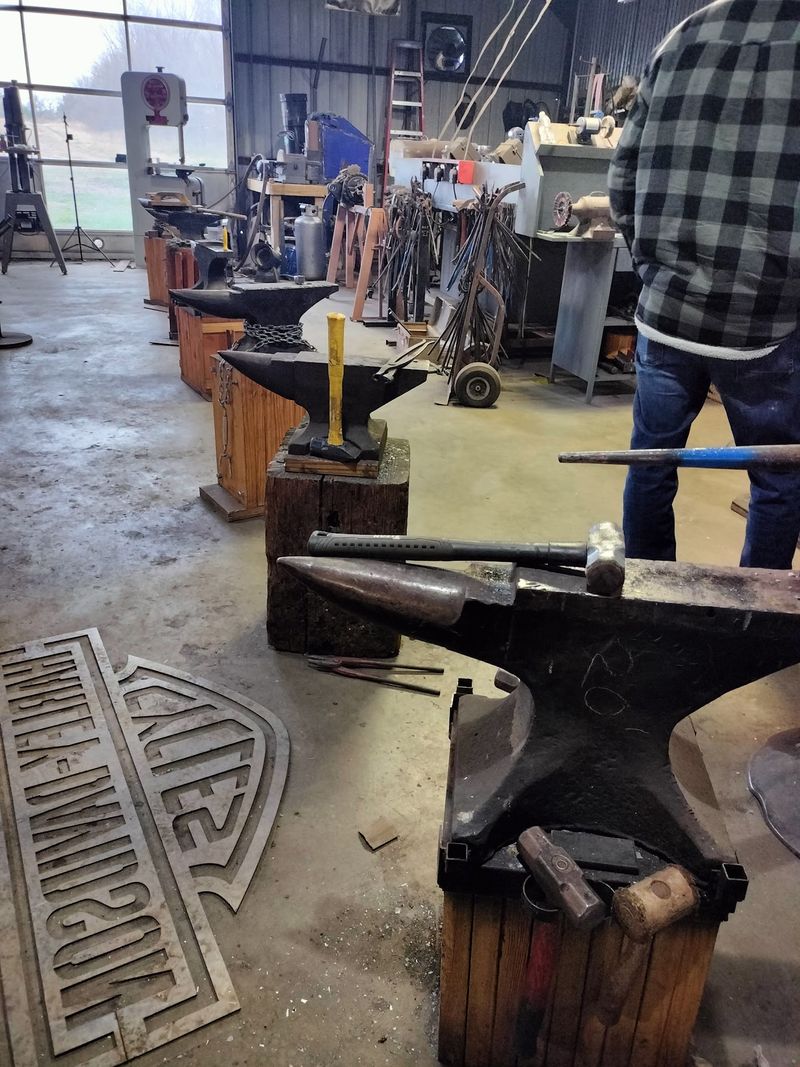
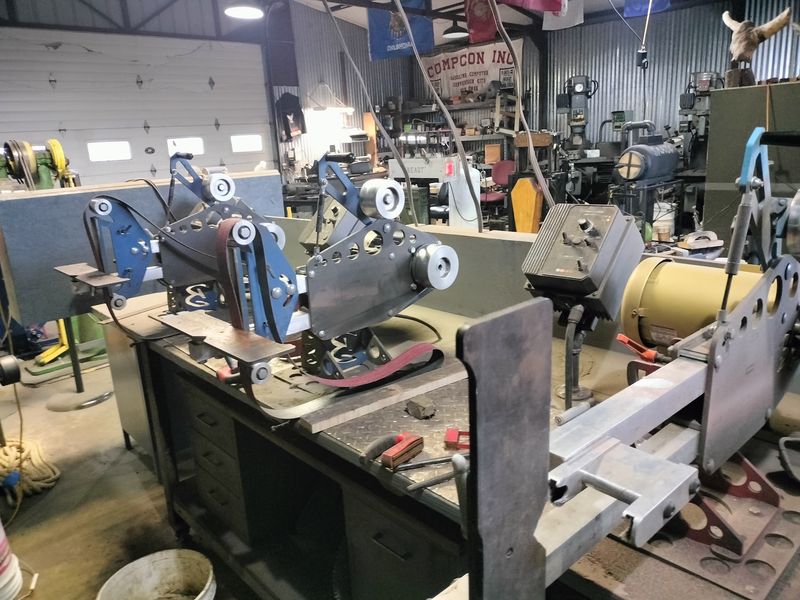
Walk inside and your eyes will not know where to land first. Tools line the space, and the setup clearly belongs to people who build things for real.
One visitor noted that the shop has the equipment to manufacture just about any part you might need, as long as it is made from steel. That is a bold claim, and it speaks to how complete the workspace feels.
For learners, a well-stocked shop is a big deal. Many beginners never get started because buying a forge, anvil, and grinders at home costs a lot and takes up space.
Here, you can try the craft without that upfront investment.
Having the right equipment also means instructors can show you proper techniques instead of workarounds. You learn on solid gear, which helps you build good habits from day one.
Even experienced smiths come by to use the setup, which says plenty. When local makers choose to spend their time working in someone else’s shop, you know the tools and space are worth it.
It feels less like a garage and more like a community toolbox open to anyone ready to learn.
Artisan Crafts Beyond the Blade
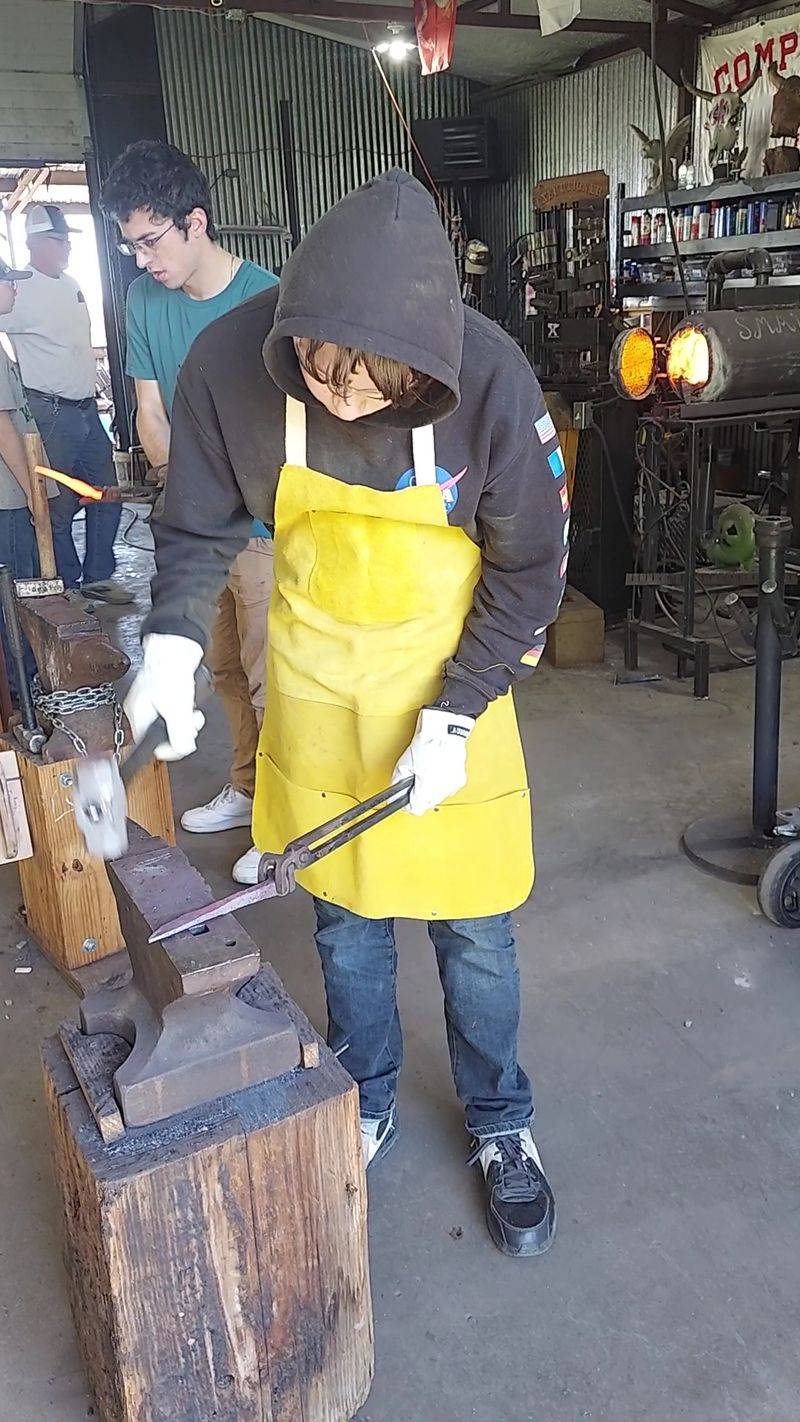
Not every visitor is set on making a knife, and that is perfectly fine. People describe the forge as a great place to learn about forging, knife making, blacksmithing, and various artisan crafts.
Blacksmithing itself is a broad skill. Once you understand how heat and hammer change steel, the projects can stretch in all sorts of directions.
Decorative pieces, useful household items, and creative experiments all grow from the same basic techniques.
That flexibility makes the shop welcoming for different personalities. Artists can explore shape and texture.
Practical thinkers can make tools. Hobbyists can bounce between whatever sparks their interest that day.
One guest summed up the crew as an A+ group, and that energy seems to carry across every kind of project. Whether you are hammering out your first hook or refining a fancy blade, you are part of the same creative circle.
Curious fact: the word blacksmith comes from black metal, meaning iron, which darkens as it heats and scales. Smiths who worked softer metals like tin were sometimes called whitesmiths.
A little history to share while the forge warms up.
Friendship Around the Fire
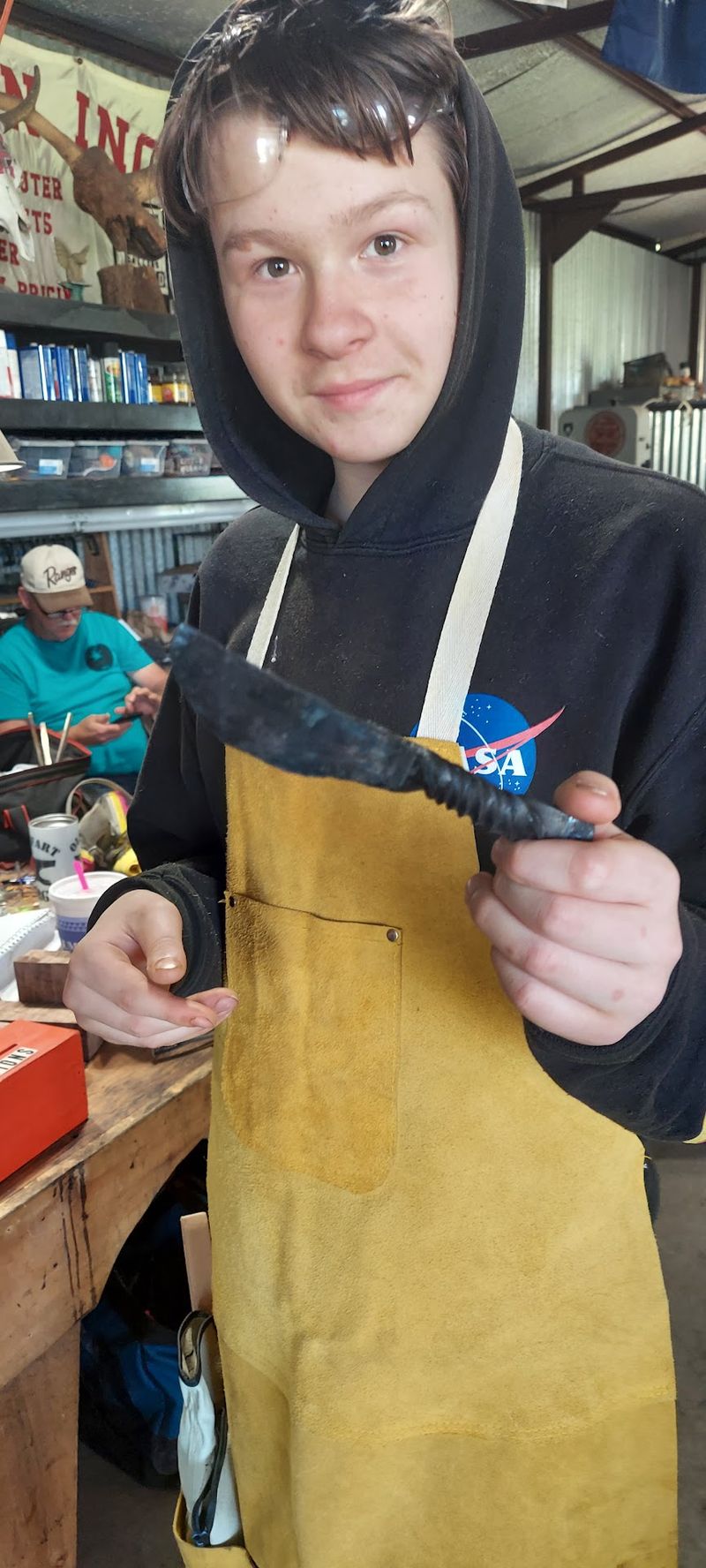
Some places sell you an experience. Others make you feel like family the minute you walk in.
Guests here keep returning to the same theme. One shared that it is the only place they know where you can spend the day with people who feel like you have known them a long time.
Another said the crew always treats you like longtime friends.
That warmth matters more than you might think. Trying something new can feel intimidating, especially around fire, heavy tools, and skilled experts.
A friendly crowd takes away that pressure and lets you relax enough to actually learn.
Visitors also mention how eager everyone is to help. Ask a question and you are likely to get a thoughtful answer, maybe even a quick demonstration.
Nobody seems interested in making beginners feel small.
It is the kind of setting where a stranger standing next to you at the forge could become a regular weekend buddy. Plenty of people come for the craft and end up staying for the company.
In a busy world, a room full of welcoming faces and shared projects is a pretty rare treasure.
Who Will Love a Day at the Forge
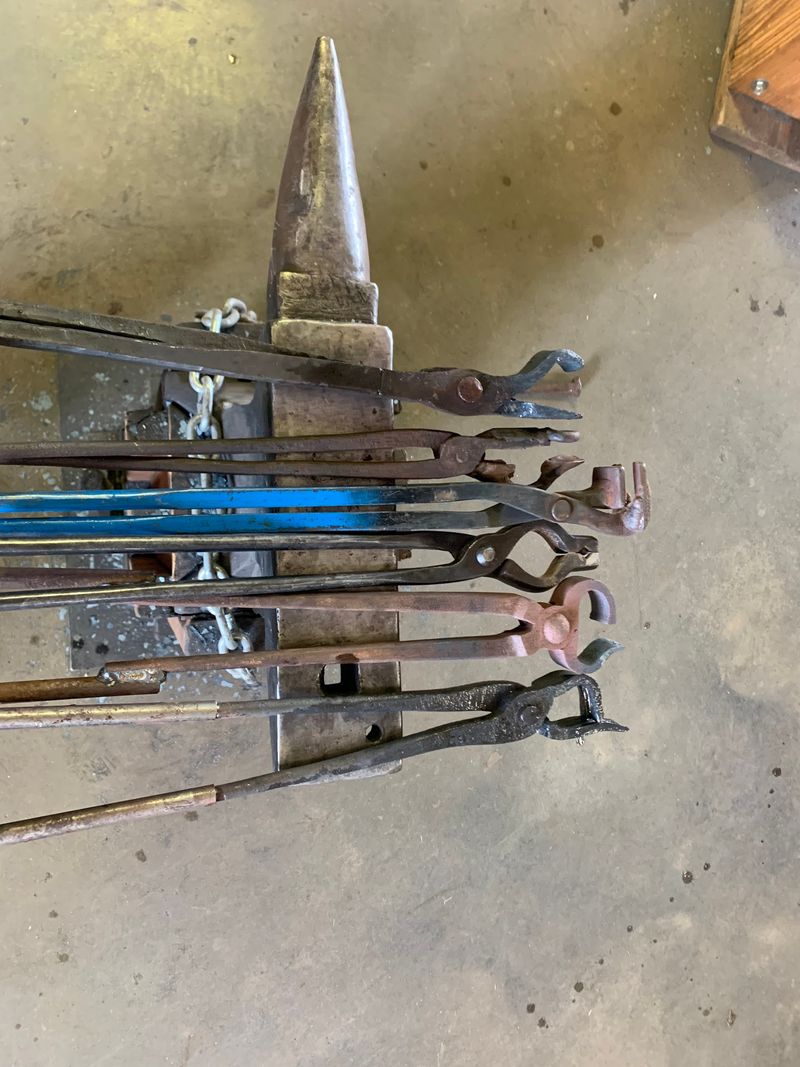
Fans of forging shows are the obvious match, but the list goes much further.
Hands-on learners who get bored in classrooms will feel right at home. Outdoor lovers can craft camping gear or blades for their adventures.
Makers and tinkerers will appreciate a shop stocked with serious equipment. History buffs might enjoy connecting with a craft that shaped frontier life across the plains.
It also suits people looking for community. If you have recently moved to the Oklahoma City area or just want new friends with shared interests, the monthly open house is a low-pressure way to meet folks.
Experienced smiths benefit too. Local makers regularly stop by to work, which means swapping tips and techniques with others who share the same passion.
A quick note on comfort level: forges are hot and loud, and the work is physical. Wear sturdy clothes and closed-toe shoes, and expect a bit of grime.
If that sounds like fun rather than a hassle, you are probably exactly the type of visitor who will leave already planning a return trip.
Getting There From the Metro
Good news for city dwellers: the trip is short. Harrah sits just east of Oklahoma City, making the forge an easy drive for anyone in the metro.
Plug 1958 S Pottawatomie Rd, Harrah, OK 73045 into your map app. The route takes you out toward quieter countryside, a pleasant change of scenery after city traffic.
Since this is a working shop rather than a big tourist attraction, signage may be modest. Keep an eye on your directions as you get close so you do not cruise past it.
Consider pairing your visit with a scenic back-road drive around eastern Oklahoma County. The area offers open skies and small-town charm, perfect for a relaxed Saturday outing.
Plan to arrive with time to spare. Open house days can draw a crowd of smiths and curious visitors, and you will want room to look around without rushing.
Bring water, especially in warmer months, since a forge adds plenty of heat to any Oklahoma afternoon. A little preparation goes a long way toward enjoying every minute at the anvil.
Hours, Classes, and Planning Tips
Planning ahead makes everything smoother. Here is what visitors have shared about timing.
The shop has been open to the public on the second Saturday of every month. That open house is the best starting point for first-timers who want to look around, meet the crew, and watch smiths at work.
Bladesmithing classes are scheduled separately with instructors. If you want guided, hands-on time making your own knife, reach out in advance to set something up.
Specific prices and class lengths are not listed in the details available, so ask directly when you book.
Because schedules can change, confirming before you drive out is wise. A quick check can save you a wasted trip.
What to bring? Sturdy shoes, clothes made of natural fibers that you do not mind getting dirty, and a curious attitude.
Safety glasses are a smart idea, though the shop may have gear on hand.
Finally, come with questions. The people here are known for being eager to help, and the more you ask, the more you will take home in knowledge and confidence.
Worth the Drive to Harrah
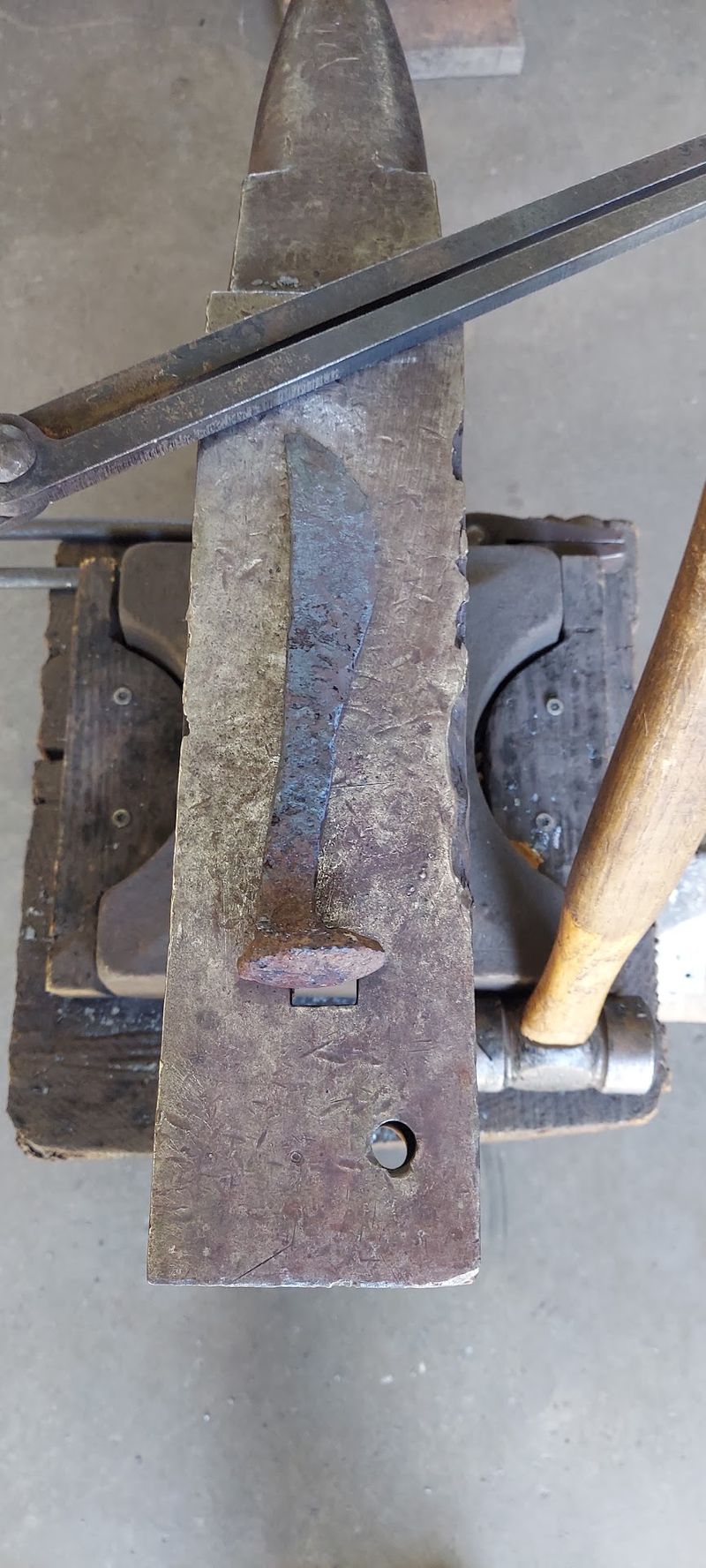
Few weekend outings end with you holding something you made from raw steel. That alone puts this forge in a special category.
The Gargoyle Garage and Forge blends real skill, serious equipment, and a welcoming crowd into one unassuming shop outside Oklahoma City. Visitors praise it as a top place to learn, mention the chance to meet Forged in Fire champions and contestants, and describe a crew that treats newcomers like old friends.
Is it polished and fancy? Not really, and that is part of the appeal.
It feels honest, hardworking, and full of people who genuinely love what they do.
If you have ever been curious about blacksmithing, the monthly open house offers a simple, low-risk way to find out whether the craft clicks for you. From there, a bladesmithing class could turn that curiosity into a lasting hobby.
Oklahoma is full of hidden gems, and this one rings with the sound of hammer on anvil. Swing by on a second Saturday, watch the sparks fly, and see if you leave inspired.
Chances are good you will.
Share this story