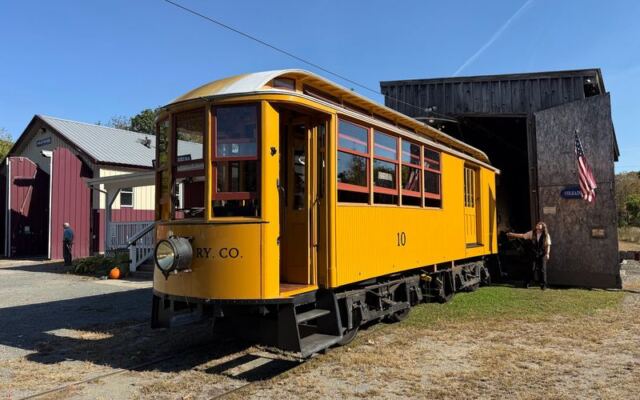
A wooden trolley built in 1896 spent more than sixty years sitting in a farm field. Today, kids in western Massachusetts climb aboard and ride it down real tracks again.
I love that kind of comeback story.
The trolley is only part of the fun, though. Families can also grab the handles of an old pump car and push themselves along the rails.
That is real work, and it earns real giggles. There is a caboose to explore, too.
The whole place runs on volunteers who clearly love sharing what they know. Visitors describe the admission as very inexpensive, which makes it an easy weekend pick.
I believe the best family outings feel hands-on, not hands-off.
So how did a rescued streetcar become one of the most charming small stops in the state? The answer starts with a farmer, a bargain, and a lot of patience.
A Small Rail Yard With A Big Personality
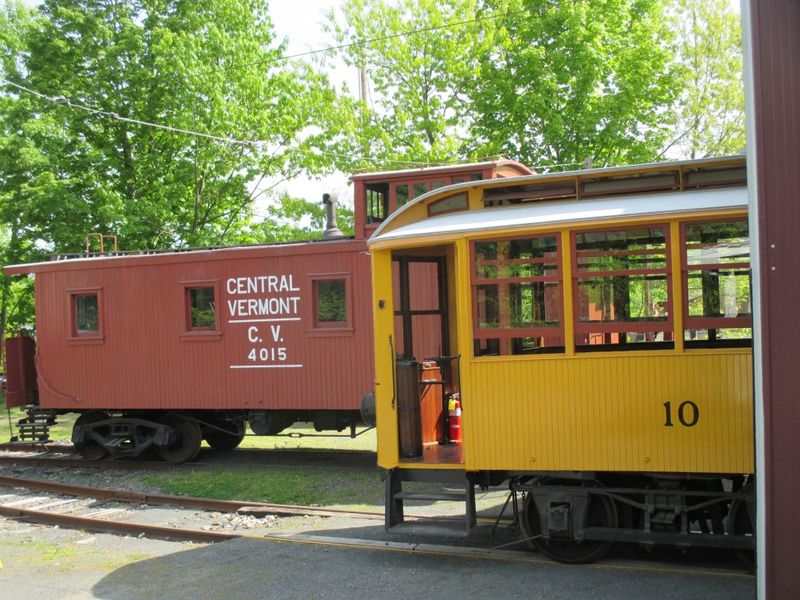
Tracks, a caboose, and a gleaming yellow trolley share one cozy corner of western Massachusetts. Welcome to the Shelburne Falls Trolley Museum, a rail museum built around one very special streetcar.
The museum keeps things small on purpose, and that works in its favor. You won’t need a map, a schedule, or a full day to see everything worth seeing.
Most families can explore the main highlights in about an hour, according to recent visitors. That makes it perfect for a quick outing that still feels packed with activity.
Short attention spans welcome, honestly.
What sets it apart is how much you get to touch and ride. Trolley rides, a hand-pumped car, a Putt-Putt car, and a walk-through caboose all fit into one visit here.
Inside, a modest museum room holds photos, exhibits, and working model trains. Think of it as a friendly crash course in how trolleys once connected little New England towns.
It’s history you can climb on, which beats reading plaques any day of the week.
The Farmer Who Saved Car Number Ten
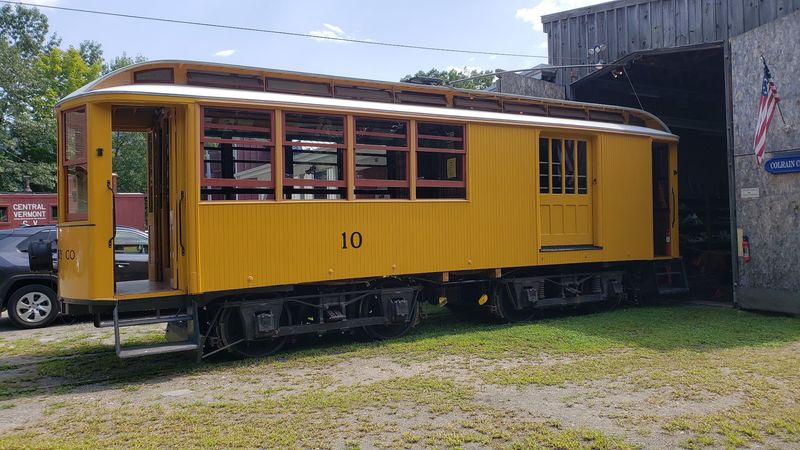
Romance, it turns out, kept this trolley rolling. The story shared at the museum says a rider named Mr. Johnson met the woman he married aboard the car in the early 1900s.
The trolley line eventually stopped running in 1926. Old streetcars back then often got stripped for their metal, and this one faced that same fate.
Mr. Johnson reportedly refused to let his memories disappear. He bought the trolley and had it moved to his farm, a big expense on a farm income in those years.
Then the car simply sat in his field for more than sixty years. Rain, snow, and seasons came and went while the old streetcar waited for its second chance.
Restoration finally began in 1990, and the trolley now runs again for visitors. Volunteers love telling this tale, so ask about it during your ride.
It’s the kind of local legend that makes a simple streetcar feel like family. Few museum pieces come with a love story attached, and this one wears it proudly on every polished panel.
Riding A Streetcar Born In 1896
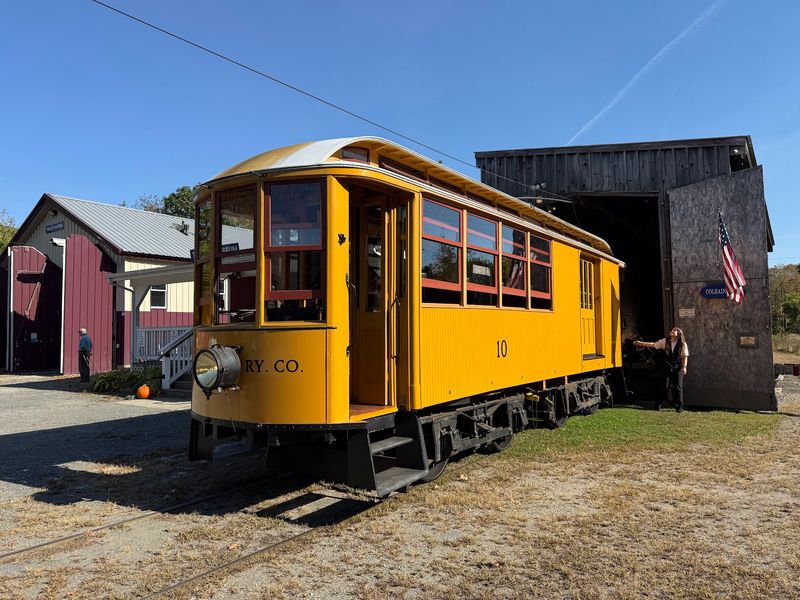
Built in 1896, the star of the show still glides down the track with passengers aboard. That alone feels a little bit magical for a vehicle older than most great-grandparents.
Visitors praise the fully refurbished yellow car as a true masterpiece. The ironwork and handcrafted wooden interior show off a time when things were built to last.
The ride itself is short, and several guests wish it lasted longer. The museum suggests thinking of it as a trip back in time rather than a long scenic journey.
Conductors add an informative talk with old photographs along the way. Kids get the fun of the ride, while grown-ups pick up the history behind it.
Here’s a nice bonus for families with different needs. Visitors note the trolley is accessible enough to bring a wheelchair aboard, which isn’t always true with antique rail cars.
Sit back, listen to the wheels, and look closely at the woodwork. It’s a rare chance to experience public transit the way riders in Massachusetts did well over a century ago.
Pump Power For Little Engineers
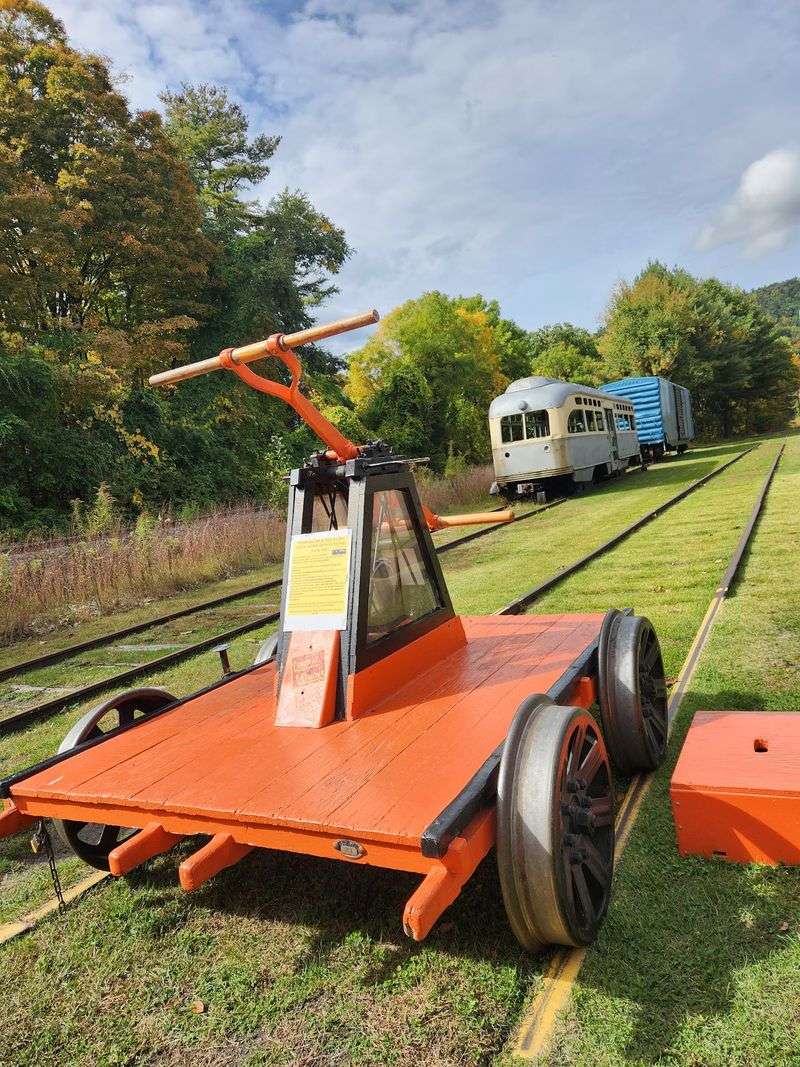
Muscles wanted. The hand-pumped car lets visitors push the handle up and down to move themselves along the rails.
It sounds simple until you try it. Getting the cart going takes effort, and stopping it teaches its own lesson in physics.
Kids usually treat it like the best playground ride ever invented. Parents tend to discover their arms get a decent workout too, so maybe skip the gym that morning.
Visitors consistently call the pump car one of the most fun parts of the trip. It feels hands-on in the most literal way possible, which is exactly the point.
One weather note is worth keeping in mind. Rain can put the pump car on pause, so a dry day gives you the best shot at riding it.
Railroad workers once used cars like these to inspect and maintain the tracks. Your kids probably won’t care about that detail while they’re laughing and pumping.
Still, it makes for a fun fact on the drive home, right after the snack negotiations finish.
Your Chance To Take The Controls
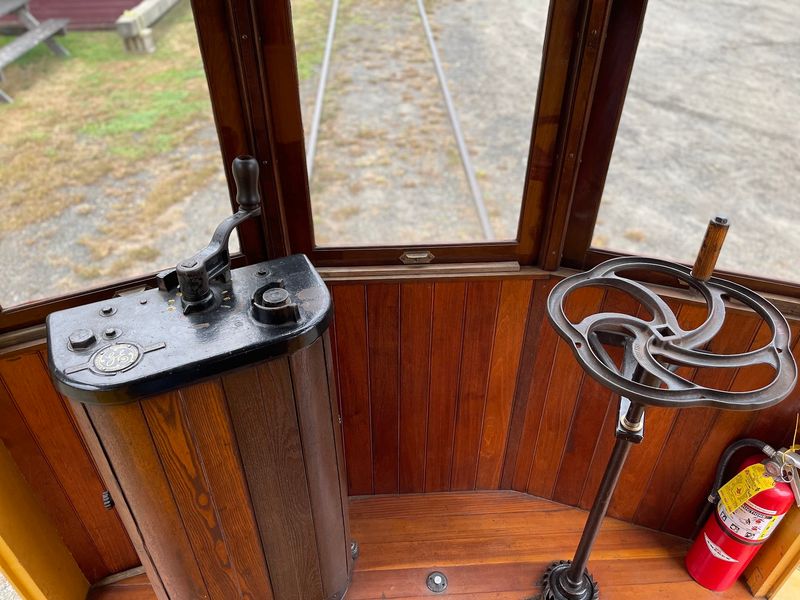
Riding a trolley is fun, but driving one is a whole different level. The museum offers a special option that lets visitors operate the trolley themselves.
Guests who have tried it describe the experience with real excitement. It’s an extra-cost add-on, but it’s still considered affordable for something so unusual.
Volunteers guide you through the process, so no railroad license is required. You get to feel how a motorman once managed this old electric streetcar on its route.
It makes a memorable birthday treat or a special moment for a train-loving grandparent. Honestly, how many people can say they drove a streetcar built in the 1800s?
Ask about this option when you arrive, since availability may vary. Weekend volunteers handle all the operations, so checking ahead helps if you’ve got your heart set on driving.
Even if you don’t take the controls, watching someone else do it is fun. Little ones often stare at the motorman like he’s a superhero.
Maybe someday they’ll grow up to volunteer here and take the controls themselves.
Climbing Through A Real Caboose
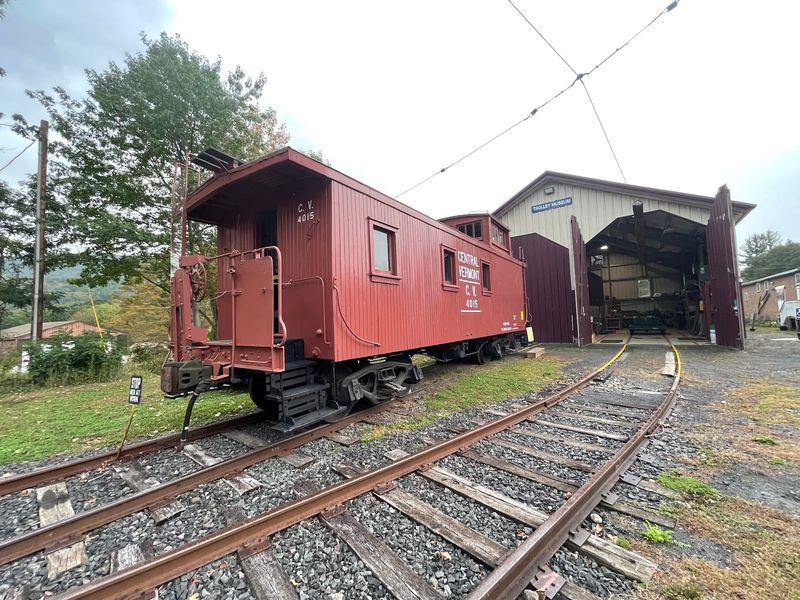
Caboose exploration ranks among the most mentioned highlights for visitors here. Kids get to step inside and walk through an old caboose instead of admiring it from behind a rope.
Cabooses once rode at the end of freight trains as a working space for crews. Peeking inside shows how compact and practical life on the rails could be.
Small explorers love the steps, the windows, and the feeling of being somewhere officially important. Expect lots of pretend conductor announcements, possibly at full volume.
The caboose adds variety to the visit after the trolley and pump car. It’s a calmer stop where families can slow down and look around at their own pace.
Bring a camera for this part, because the photo ops are excellent. A child waving from a caboose window is a classic shot that never gets old.
It’s one of those simple moments that ends up framed on the fridge. And since it’s included with the visit, nobody has to bargain for one more thing.
The Putt-Putt Car Nobody Expects
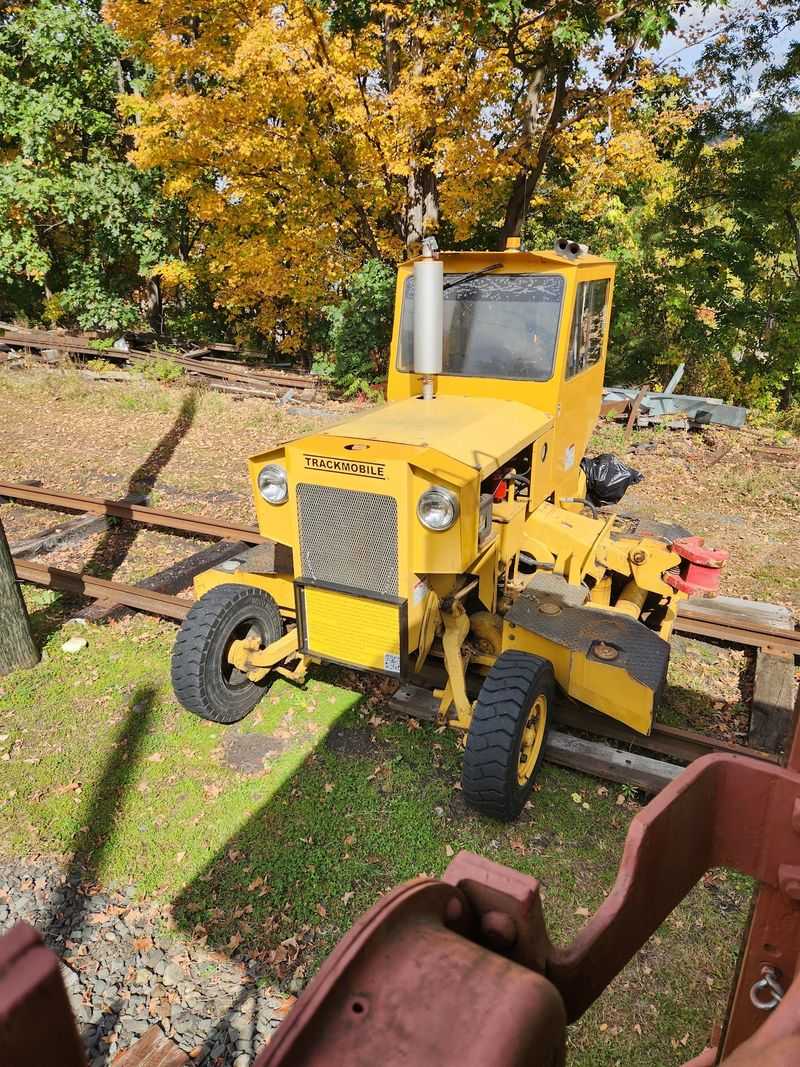
Not every ride here is powered by electricity or elbow grease. The Putt-Putt car adds another way to roll along the tracks, and its name alone gets a smile.
Visitors have reported riding the pump cart, the trolley, and the Putt-Putt car all in one visit. That’s three different ride experiences at a museum that fits comfortably in an afternoon.
Small motor cars like this were once used by rail crews to get around quickly. They’re tiny compared with a trolley, which makes them feel especially playful.
Kids who already tried the pump car may enjoy comparing the two. One needs your arms, while the other lets you sit back and enjoy the putter.
Availability can depend on volunteers and the day, so don’t promise it to the kids just yet. A quick question at the front desk will tell you what’s running.
Variety like this is what keeps families talking about the trip afterward. You aren’t just looking at history here.
You’re riding a little piece of it, one sputtering foot at a time.
Model Trains And Museum Treasures Indoors
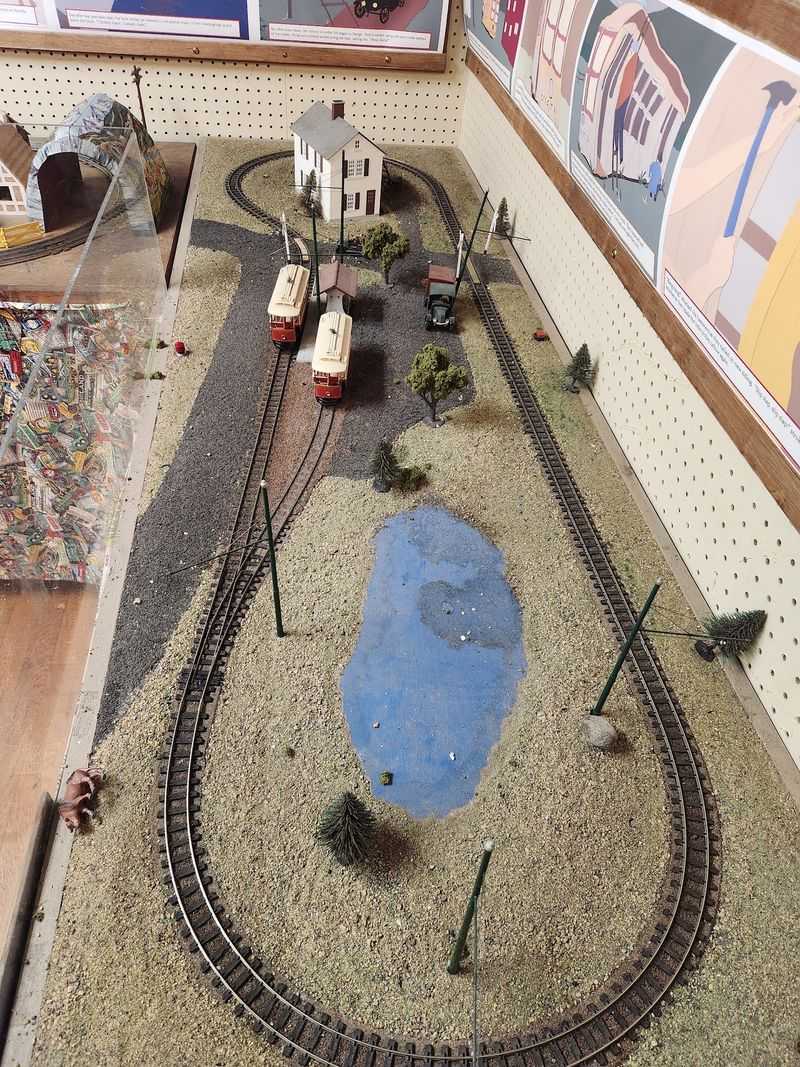
Two working model train sets wait inside the main building, one Lionel and one HO scale. Better yet, visitors can actually operate them instead of just watching.
The indoor museum also holds plenty of classic train items. Photos and exhibits explain how trolleys once served as a vital link for this part of Massachusetts.
History fans will appreciate learning about the local trolley system. It’s a helpful backstory before or after you ride the real thing outside.
Volunteers sometimes show off interesting pieces up close. One visitor mentioned staff demonstrating a splitter from the electric line the trolley uses, which is a cool behind-the-scenes peek.
The indoor space works well on drizzly days too. When rain cancels the pump car, the models and exhibits keep everyone entertained.
There’s also a gift shop for anyone hoping to bring home a souvenir. Train-themed treasures make easy gifts for young rail fans back home.
Just maybe set a budget before the kids spot the shelves, because they will spot them quickly.
Old Boston Trolleys Waiting Their Turn
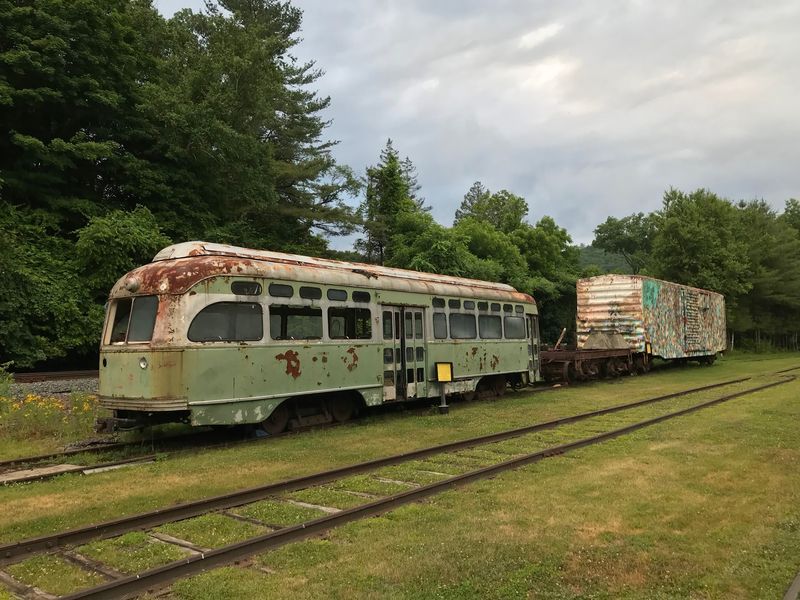
Boston riders of a certain age might feel a jolt of recognition in the yard. Several former MBTA trolleys sit there, including unrestored PCC cars from the city’s transit past.
They aren’t polished like the star yellow trolley. Still, visitors say these weathered cars are fascinating to check out on their own terms.
One guest even remembered riding cars like these to school years ago. That kind of connection makes the yard feel personal for many Massachusetts families.
The contrast is part of the lesson here. Seeing unrestored cars next to a finished one shows just how much work restoration really takes.
Kids may wonder why some trolleys look rusty while others shine. That question opens the door to a great talk about patience, preservation, and volunteer effort.
Think of these cars as future projects rather than leftovers. Every restored trolley started out looking rough, after all.
Who knows which one might be rolling again a few years from now? Coming back to check on progress could become a fun family tradition.
Volunteers Who Make Every Ride Count
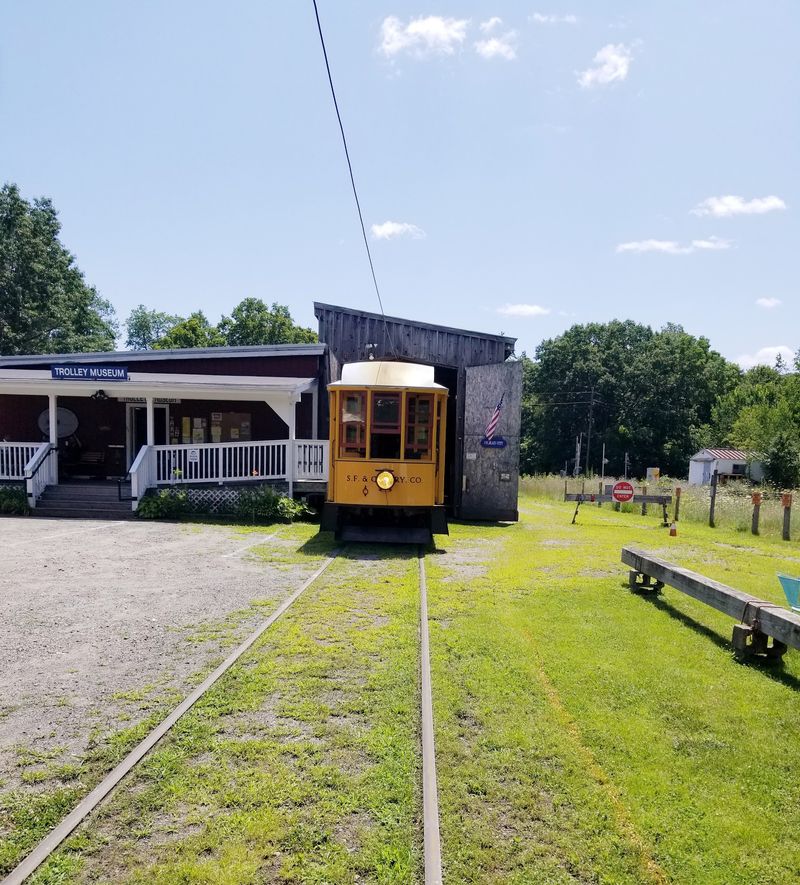
Friendliness might be the museum’s most valuable feature. Volunteers come up again and again as the heart of the experience, and for good reason.
The entire operation runs on volunteer effort and donations. People give their time because they care about keeping this piece of local history alive.
Visitors describe staff as knowledgeable about both the past and present of the trolleys. They’re happy to answer questions from curious adults and chatty kids alike.
Some volunteers even go out of their way to show visitors special artifacts. That extra effort turns a quick stop into a genuine learning moment.
The museum responds warmly when families share their good times. One reply put it simply, saying sharing that joy with volunteers is why they do it.
So go ahead and ask questions, even the silly ones. You’ll likely walk away knowing far more than you expected about trolleys and the town.
Plus, your kids may meet their first real-life train expert. That’s a pretty cool bonus for a low-key weekend outing.
Hours, Admission, And Finding Depot Street
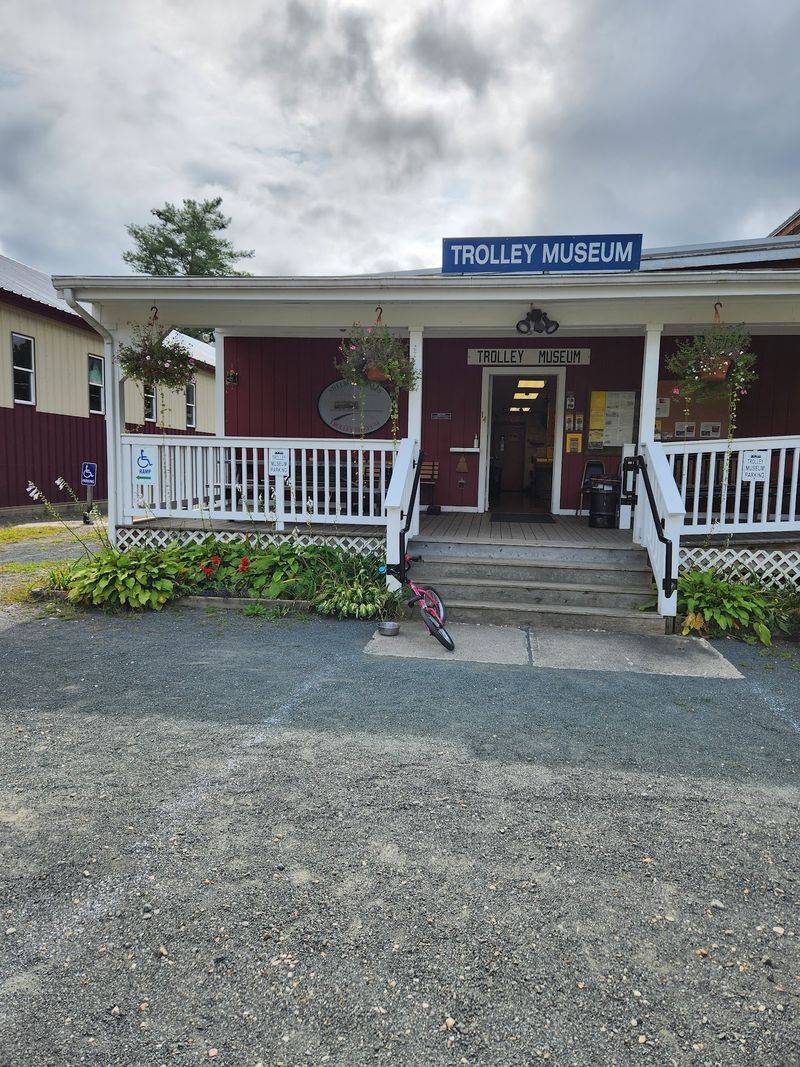
Planning is refreshingly easy for this one. The museum sits at 14 Depot St, Shelburne Falls, MA 01370, in the heart of a charming western Massachusetts village.
No reservations are needed for a regular visit, according to the museum itself. Just show up and enjoy the experience at your own pace.
Visitors generally describe it as open on weekends during its operating season. Hours can change, so check the museum’s official schedule before heading out.
Admission is often called very inexpensive by families who have gone. Trolley tickets are also considered reasonable, while driving the trolley costs extra.
Plan for about an hour, though trolley fans may happily stay longer. Clean restrooms on site make life easier for families with little ones.
Weather matters a bit for outdoor rides. Rain may pause the pump car, so a dry day gives you the most to do.
Pack a light jacket in fall, since the open-air yard can get breezy once the afternoon sun starts dropping.
A Sweet Little Detour Worth Making
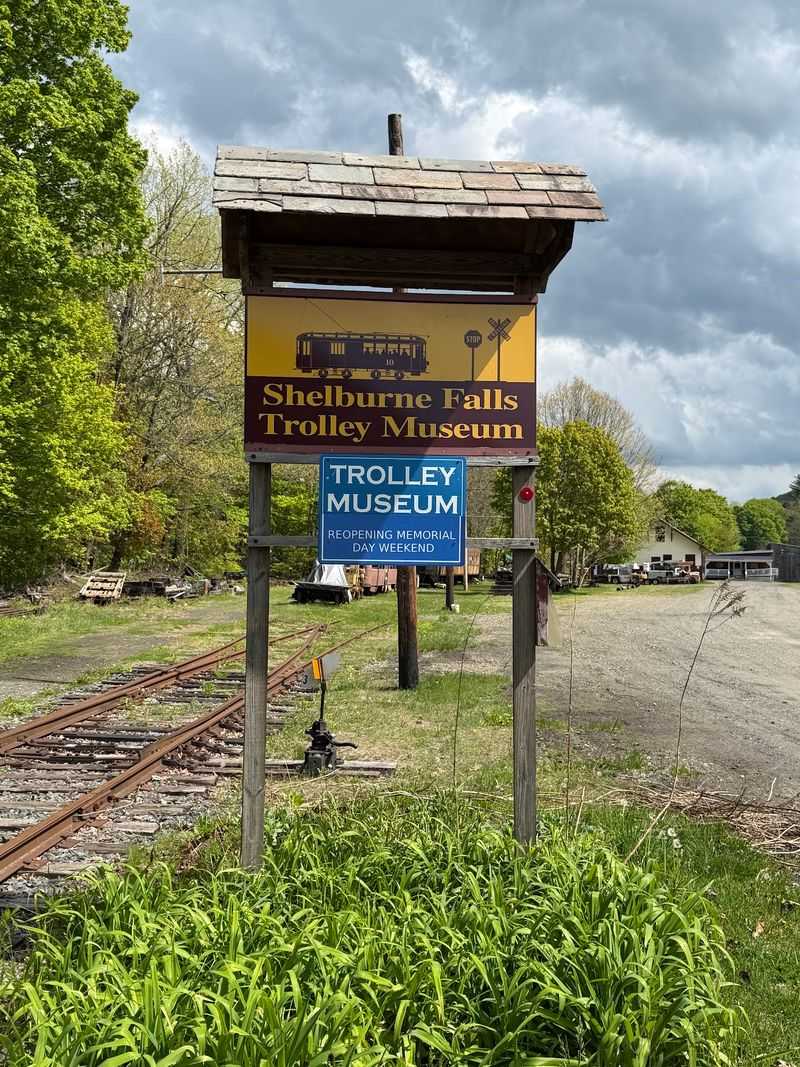
Small but mighty sums up the Shelburne Falls Trolley Museum nicely. It offers rides, history, and real hands-on fun without demanding a big budget or a long drive.
The village itself adds even more charm to the trip. Visitors mention the nearby flower bridge, which makes a lovely walk before or after your trolley ride.
Families can easily pair the museum with a stroll around town. That turns a short visit into a relaxed half-day outing that feels special.
What makes it memorable is the combination of story and activity. A rescued 1896 trolley, a pump car, a caboose, and passionate volunteers create something genuinely delightful.
Is it a huge attraction with endless exhibits? No, and that’s exactly why it works so well for curious kids and nostalgic adults.
For Massachusetts families craving an easy, affordable weekend adventure, this one deserves a spot on the list. Climb aboard, grab those pump car handles, and ride a love story down the tracks.
Your kids may still be talking about it at bedtime.
Share this story