Some historic houses ask you to admire them politely. This one asks you to pay attention. In Gloucester County, a colonial family home became tied to one of New Jersey’s most important Revolutionary War stories, and its rooms still carry the weight of that change. Keep reading and you get the useful version too: where it is, why it matters, what makes it different, and how to plan a visit without turning the day into homework.
A Riverfront Manor Inside Red Bank Battlefield Park
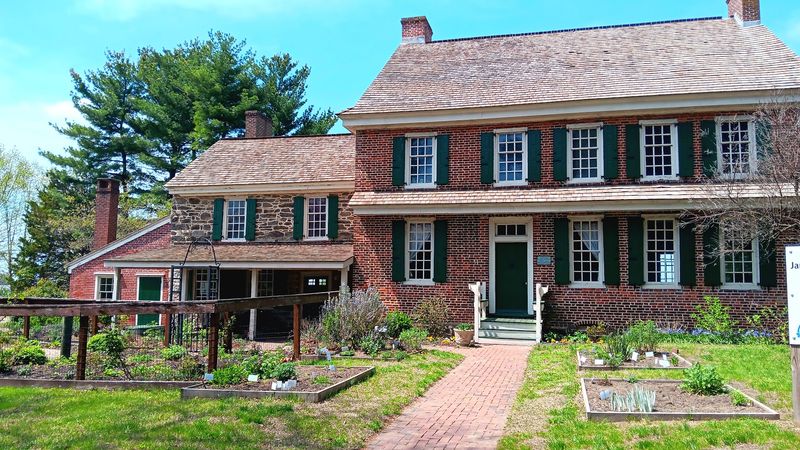
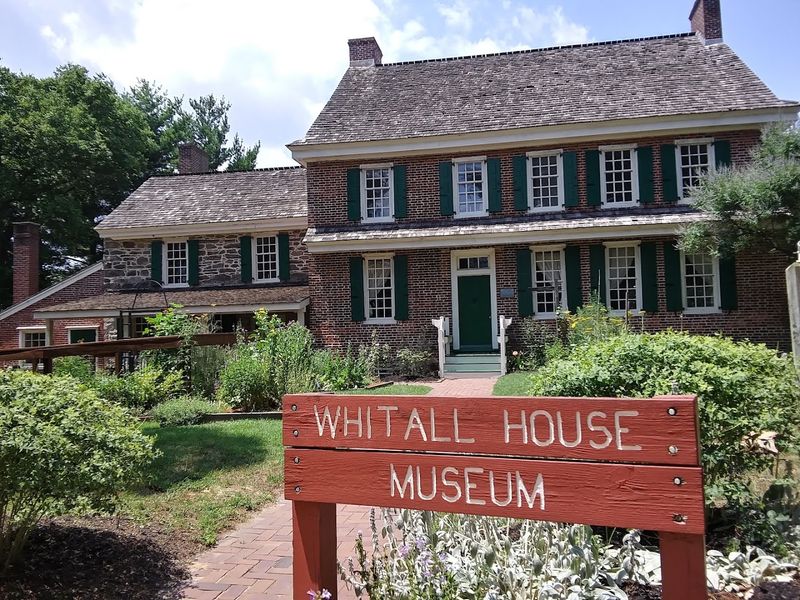
The address matters here because the place is not tucked behind a velvet-rope museum district. The James and Ann Whitall House Museum stands at 100 Hessian Ave, National Park, NJ 08063, inside Red Bank Battlefield Park in Gloucester County, New Jersey.
That setting gives the house a strong local identity. It is both a historical place museum and part of a park connected to Revolutionary War history, which makes it feel more like a New Jersey day trip than a formal classroom assignment.
The house began as the centerpiece of a plantation along the Delaware River. Its story later changed when Fort Mercer was built on the grounds during the American Revolution, bringing the Battle of Red Bank into the property’s history in October 1777.
Gloucester County maintains the museum today. Tours are offered on select days, and the house gives context to the larger battlefield park around it.
That combination is the hook: a colonial family home, a park with military history, and a compact site where the past does not require a full weekend to understand.
The 1748 House With A Revolutionary Turn
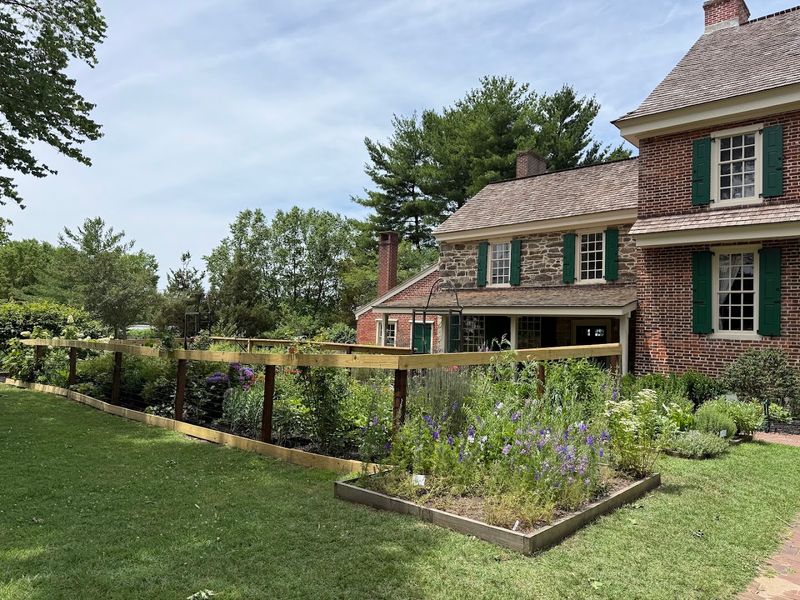
A date like 1748 can sound distant until it is tied to a real address, a real family, and a riverfront property that later became part of a national story. James and Ann Whitall built the home that year, and its early role was connected to a 400-acre plantation along the Delaware River.
Before the Revolution reshaped the site, the property had an agricultural rhythm. The house served as the family mansion and center of that larger operation, with the scale of the land giving it importance well beyond the building itself.
The Revolutionary War changed that routine. Continental forces built Fort Mercer on the grounds, and the October 1777 Battle of Red Bank gave the property a new public identity.
That is why the museum is more than an old house with a tidy label. Its value comes from the way domestic life and wartime history collided in one place.
For New Jersey residents, that matters. The state often gets treated as a corridor between larger cities, but sites like this argue otherwise, calmly and brick by brick.
Ann Whitall’s Place In The Story
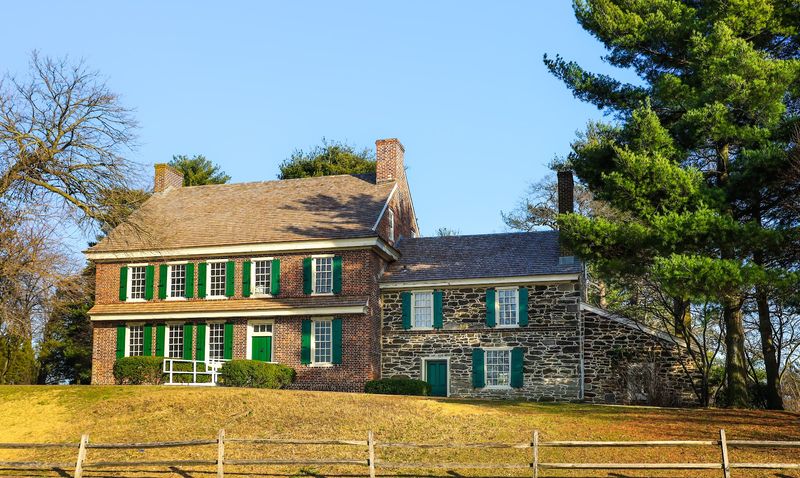
Ann Whitall is the name that gives the house a human center rather than a plain timeline. During the disruption around the Battle of Red Bank, she is remembered for staying behind when the property was overtaken by wartime events.
The home was converted into a makeshift field hospital during that period. Ann Whitall is associated with caring for soldiers from both sides, which adds a complicated and memorable layer to the site.
That part of the story can be especially useful for families because it moves the conversation beyond dates and troop movements. It shows how decisions made inside a household could become part of a larger conflict.
The museum’s focus on the family mansion also keeps the history grounded. James and Ann Whitall were not names floating in a textbook; they were connected to the rooms, land, and choices now interpreted through the museum.
Nothing about that story needs to be inflated. The facts already do the work, especially for anyone who likes New Jersey history with people, tension, and hard decisions built into the frame.
Period Furniture And Original Details
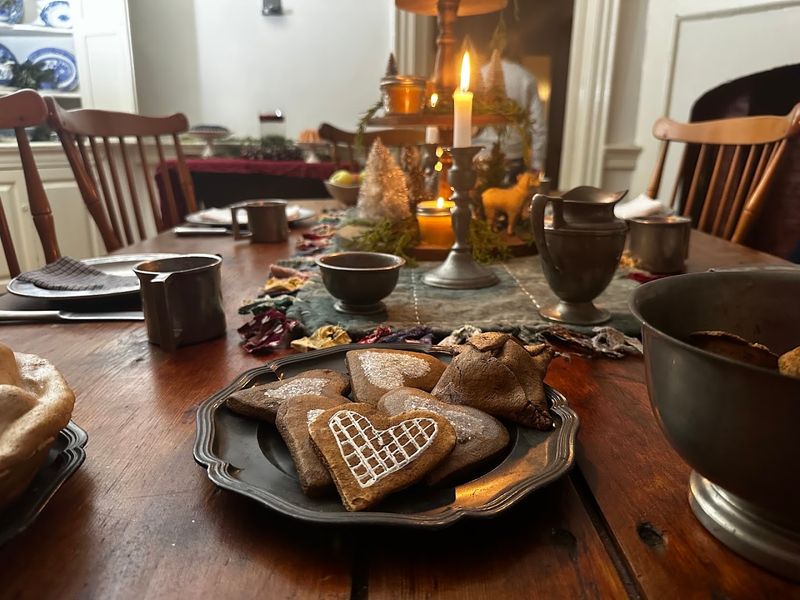
Old furniture can be surprisingly persuasive when it belongs to the story being told. The museum is known for period and original furniture, which helps the house feel connected to the family and the era rather than treated as a blank exhibit shell.
Those furnishings are a major draw because they support the larger narrative of the mansion. Instead of relying only on panels or broad explanations, the rooms can show how a household of the period was arranged and interpreted.
The patterned brick-built home itself is part of the experience. Its construction and preserved character make the building an artifact, not just a container for artifacts.
Small historic houses can sometimes blur together, but this one benefits from a clear identity. It has the family story, the plantation history, the Revolutionary War connection, and the physical structure all reinforcing one another.
That makes a visit easier to follow. The furniture is not just “old stuff,” to use the highly technical term; it becomes part of the explanation for why this particular New Jersey house still earns attention.
Fort Mercer Before The Battlefield Walk
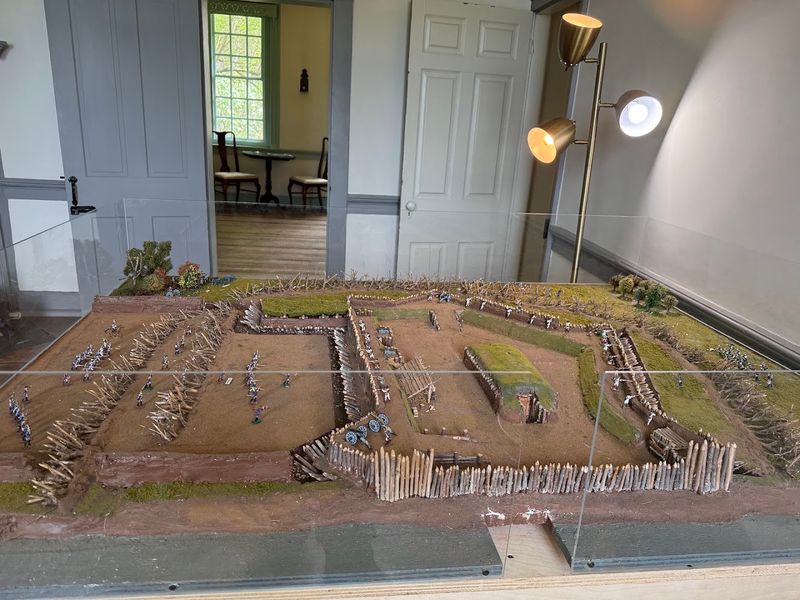
A smart way to approach Red Bank Battlefield Park is to begin with the house. The museum can provide background on Fort Mercer and the military perspectives connected to the site, which can make the surrounding park easier to understand afterward.
Fort Mercer was built on the Whitall property during the American Revolution. That fact ties the house directly to the landscape around it, so the museum and battlefield are not separate stops competing for attention.
The broader park has Revolutionary War features, including historic cannon displays noted by people familiar with the site. One cannon on display has been described as damaged and found during an archaeological dig, adding another tangible link to the battlefield story.
Families may find this order helpful because the house gives names, places, and context before the outdoor portions of the visit. Kids can connect the rooms, the family, the fort, and the park without needing a giant history lecture.
The payoff is simple: the house turns the battlefield from a set of facts into a place with a household at its center.
Guided Tours With Local Knowledge
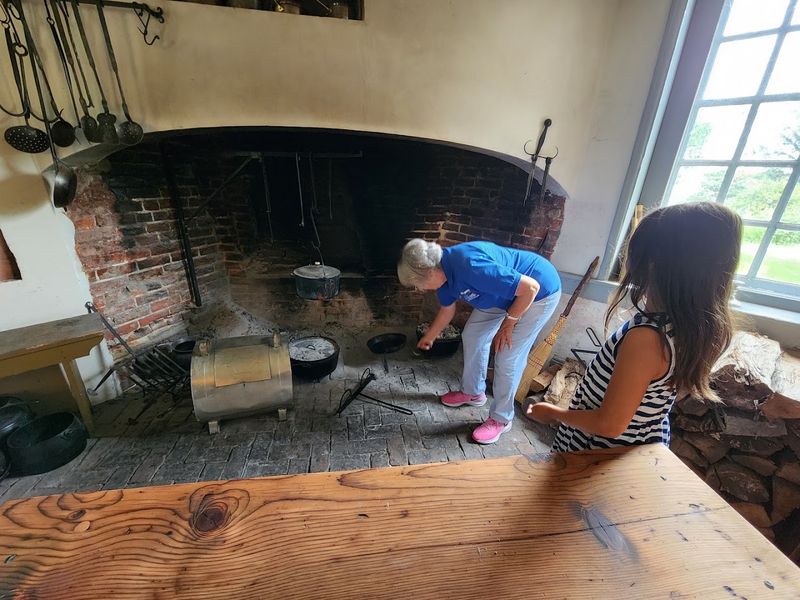
Good small museums often depend on people who can connect the dots without making the visit feel stiff. At the Whitall House, guided tours are a major part of the appeal, with the story of the house, family, battlefield, and recent archaeological discoveries brought together during programs.
The tour format helps because the site has several layers. There is the 1748 construction, the plantation along the Delaware River, the building of Fort Mercer, the Battle of Red Bank, and the later preservation within Red Bank Battlefield Park.
Without guidance, those pieces could feel scattered. With a guide, they become easier to place in order, and the museum’s role in the larger park becomes clearer.
The house also works for different ages because the information is tied to visible spaces and specific events. That gives younger learners something concrete to follow while still leaving enough detail for adults who came for the deeper history.
It is the kind of stop that rewards curiosity. Ask a basic question and the answer may lead from a room in the house to a Revolutionary War decision made on the surrounding grounds.
Hands-On Programs Beyond The Usual Tour
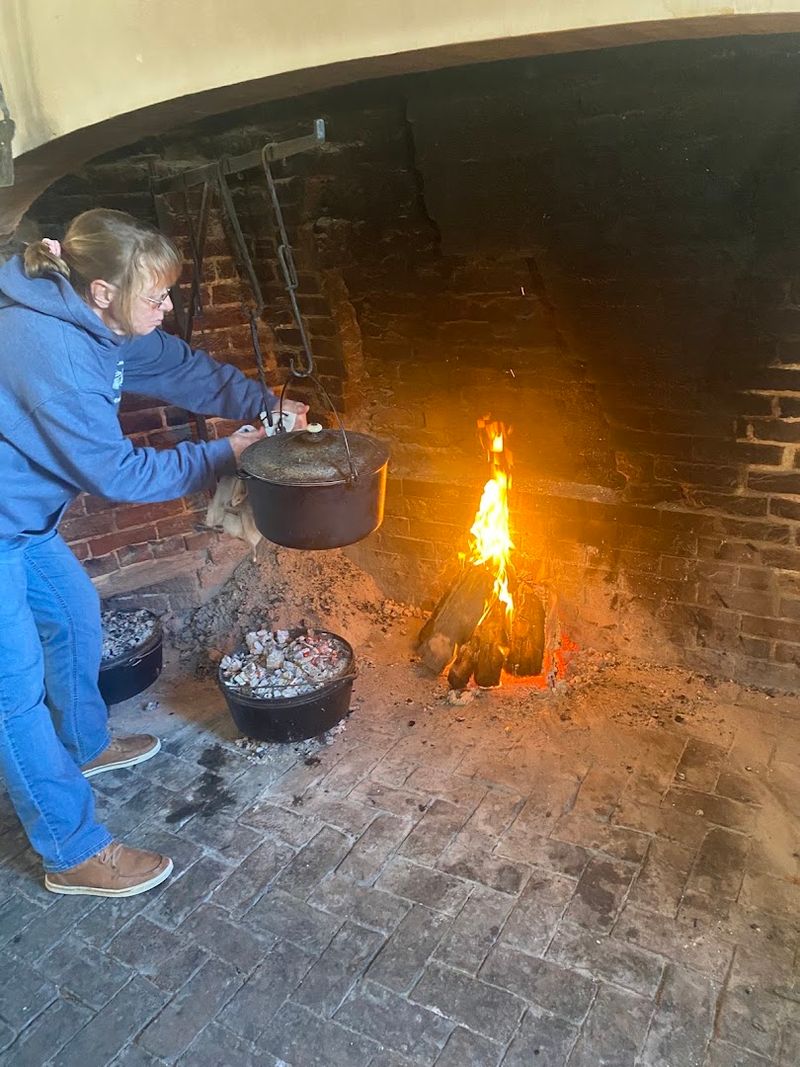
Not every history program needs to feel like a pop quiz with old wallpaper. The Whitall House has hosted hands-on educational activities, including hearth cooking programs that require advance reservation and have been listed at $40 per person in shared visitor accounts.
During that type of program, participants prepare dishes while historical society members handle the actual cooking at the open hearth. The activity has also included a guided tour of the home, history, and recent archaeological discoveries on the site.
That format gives the museum a different rhythm from a standard pass-through visit. It turns the house into a learning space where domestic history, technique, and site interpretation overlap.
Special events have also brought family-focused additions to the property, including a Revolutionary battle enactment, an animal farm for kids, a maze, balloon animals, storytelling, and food trucks. Those events show how the museum and park can serve both history-minded adults and families looking for a local outing.
Programs can change, so planning ahead matters. When the schedule lines up, though, the house offers more than a look around.
A Small Site That Works For Families
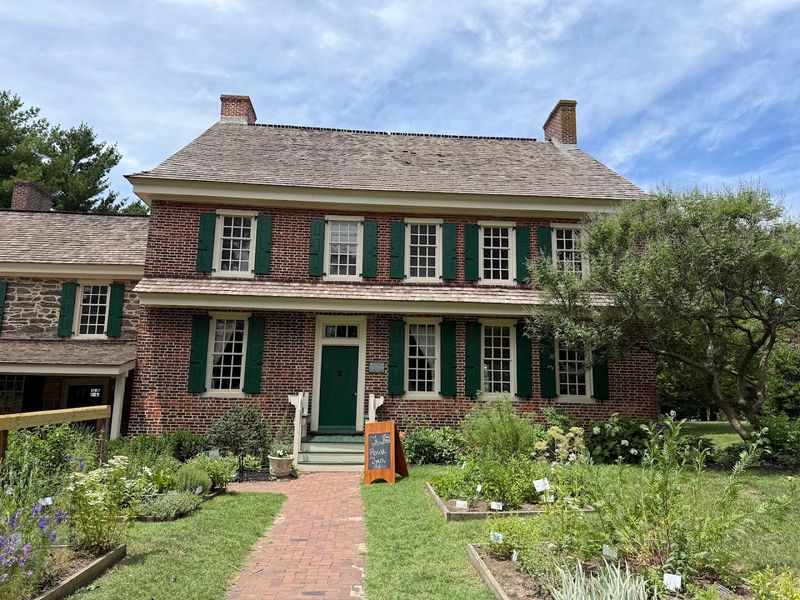
Small can be a strength when the goal is to learn something without wearing out the day. The Whitall House and Red Bank Battlefield Park are often described as compact and educational, which makes the stop manageable for families, local history fans, and short-hop day-trippers.
The house offers opportunities for children to participate in history during certain tours and events. That matters because Revolutionary War sites can otherwise feel too abstract for younger kids.
Community-focused events add another layer. Family activities tied to the site have included storytelling and child-friendly features, making the history approachable without reducing the importance of the place.
Adults still get plenty to follow. The site connects architecture, family history, military context, archaeological discoveries, and park features in a way that keeps the visit from feeling thin.
New Jersey residents looking for a nearby outing may appreciate that balance. It is not a massive attraction, and it does not need to be one.
The appeal comes from focus: a house, a battlefield, a park, and enough story to make a regular afternoon feel anchored in the state’s Revolutionary past.
Hours, Access, And A Gentle Verdict
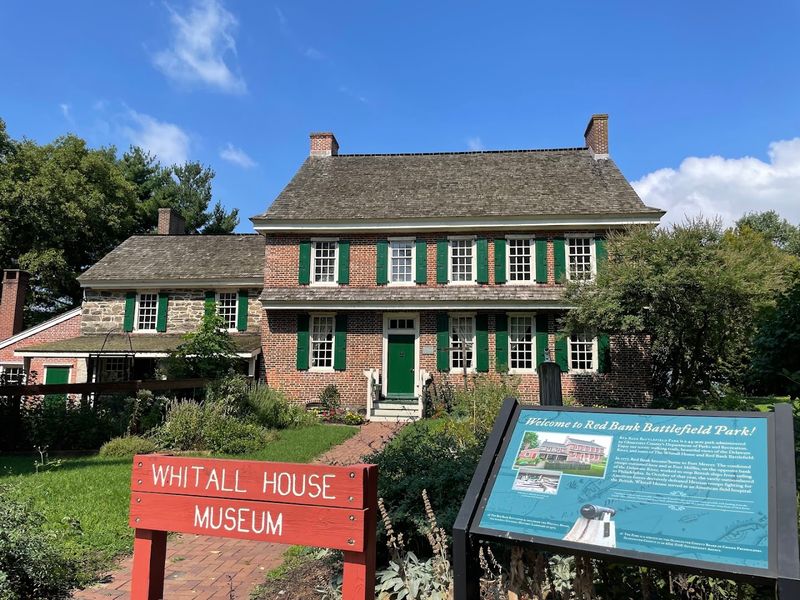
Practical details are the difference between a successful historic-house stop and an accidental look at a closed door. The James and Ann Whitall House Museum is open Thursday through Sunday from 11 AM to 3 PM, and it is closed Monday through Wednesday.
One posted account from the museum’s public information notes tours Thursday through Sunday from 11 AM to 3 PM, April through October. Since seasonal details and special programs can matter, checking the official Gloucester County website before going is the sensible move.
The museum is at 100 Hessian Ave in National Park, New Jersey, inside Red Bank Battlefield Park. No ticket cost for standard tours is provided in the supplied information, while one hearth cooking activity was noted as advance-reservation only and $40 per person.
As a verdict, the Whitall House is best for people who like their history specific, local, and easy to pair with a park visit. It suits families, New Jersey history fans, and anyone who wants proof that major Revolutionary War stories are not limited to the places everyone already names.
The house does not need a grand sales pitch. Its strongest argument is still standing in Gloucester County.
Share this story