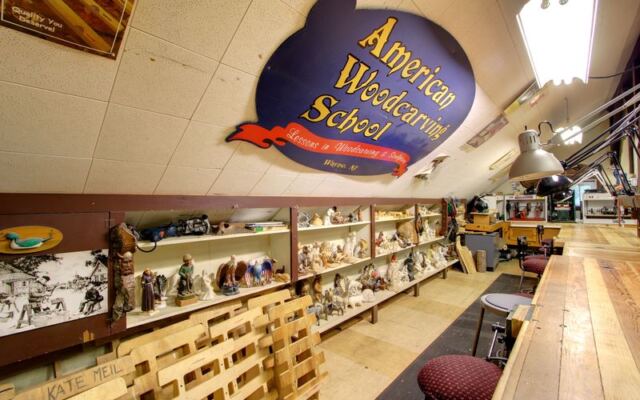
Twelve years. That is how long one student has kept returning to a single New Jersey classroom to turn plain blocks of wood into art.
The lessons start with something surprisingly humble. Before anyone carves a single curve, they learn how to sharpen their tools.
Then come the gouges, the wood grain, and a healthy dose of patience.
Carving is only part of the story. The same school teaches pyrography, which is a fancy word for burning designs into wood with a heated pen.
It also offers clay sculpture and watercolor classes for anyone who wants to branch out.
I like how a place this unassuming can quietly shape people for years. Kids and adults of every skill level share the same craft here, and some teens started at age twelve.
So what keeps everyone coming back to the workbench week after week?
A Carving Classroom Hiding in Plain Sight in Wayne
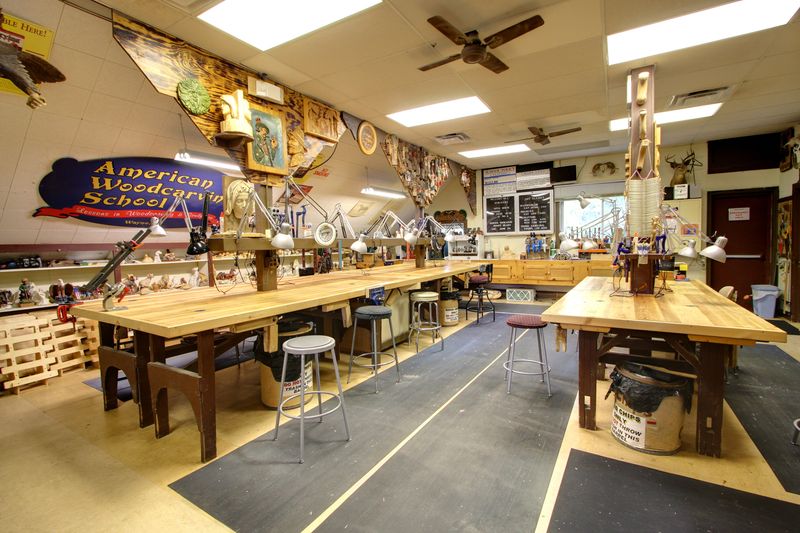
American Woodcarving School sits in Wayne, a busy Passaic County town most New Jersey drivers know for its errands and traffic lights. Few people zipping past would guess that chisels and gouges are hard at work inside.
The school is exactly what the name promises, with a little extra. It teaches woodcarving at its core, then adds pyrography, clay modeling, sculpture, and watercolor classes to the lineup.
That mix makes it more of a small art campus than a single-subject workshop. Students can stay focused on carving or wander into a neighboring medium when curiosity strikes.
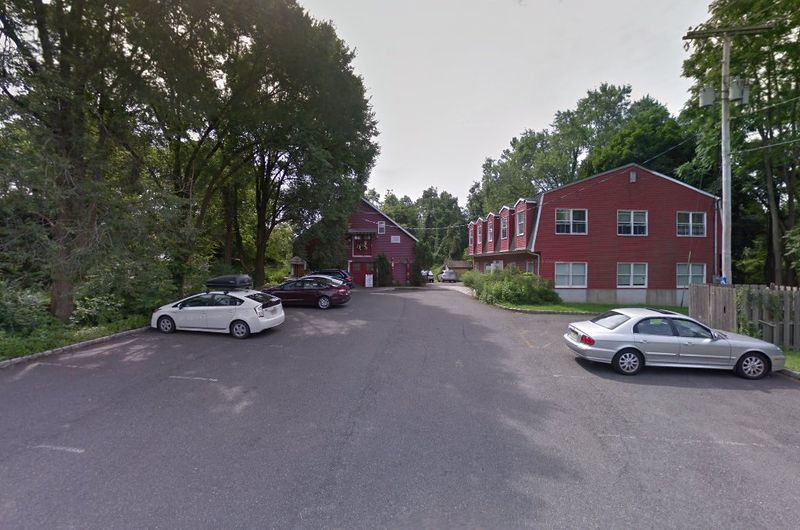
The setting helps too. The building sits close to other stores and eateries, so a class can easily fold into a regular day of running around town.
There is also a practical bonus that matters to anyone who has circled a crowded lot. Parking is available right on site, which takes some stress out of showing up with a bag of tools.
For locals, it is the kind of discovery that changes how a familiar road feels. You may never drive this stretch of Wayne the same way again.
Mentorship That Feels More Like Family Than Homework
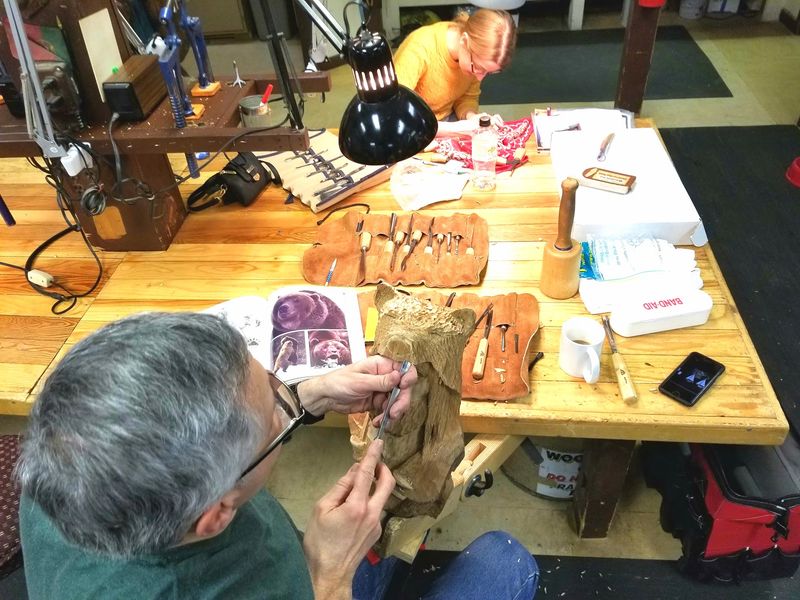
Ask former students about this school and one name keeps surfacing. Jerry, the longtime instructor, has been described by past pupils as treating them like a son or even a grandson.
That kind of bond does not happen in a single afternoon. One student began at age twelve and stayed for about eight years, crediting the mentorship for shaping his teenage years.
Another family moved away to Boston and Atlanta after their son studied here at fifteen. Years later, they still had not found a class that measured up to the one back in New Jersey.
Humor seems to be part of the teaching method as well. Jerry’s sense of humor comes up often, which probably makes long hours of careful cutting feel a lot lighter.
I believe a great teacher can turn a hobby into something much bigger. Here, the craft becomes a path for confidence, patience, and friendships that last well beyond the final class.
It is a quiet kind of legacy. No plaques required, just a long line of carvers who still remember who first put a gouge in their hand.
Your First Lesson Starts With a Sharp Edge
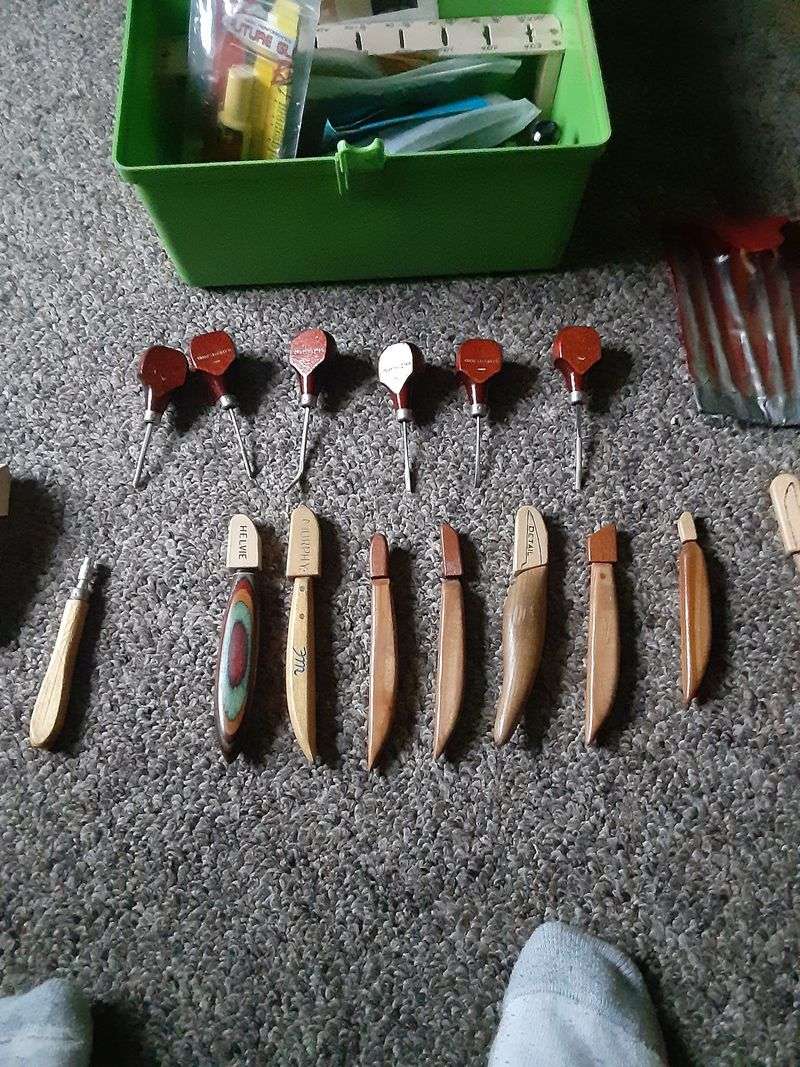
Never held a carving tool? Good news, because nobody expects you to show up as a pro.
Instruction begins with the basics, including how to sharpen your tools properly. That might sound dull, pun fully intended, but a sharp edge is what makes clean, safe cuts possible.
From there, the lessons build steadily. Students move from those early fundamentals toward the skills it takes to become a genuinely good carver.
One longtime student summed up the range nicely, noting the school teaches everything from sharpening to mastery. That progression means beginners and experienced craftspeople can work side by side without anyone feeling out of place.
The pacing seems patient rather than rushed. Carving rewards slow, careful work, and the classroom culture leans into that instead of fighting it.
There is real satisfaction in learning a skill from the ground up. Knowing how to care for your own tools gives you a head start that lasts long after class ends.
So if the idea of a blank block of wood feels intimidating, relax. Everyone here once stood exactly where you are standing now.
Carving Classes That Reveal What Hides in the Grain
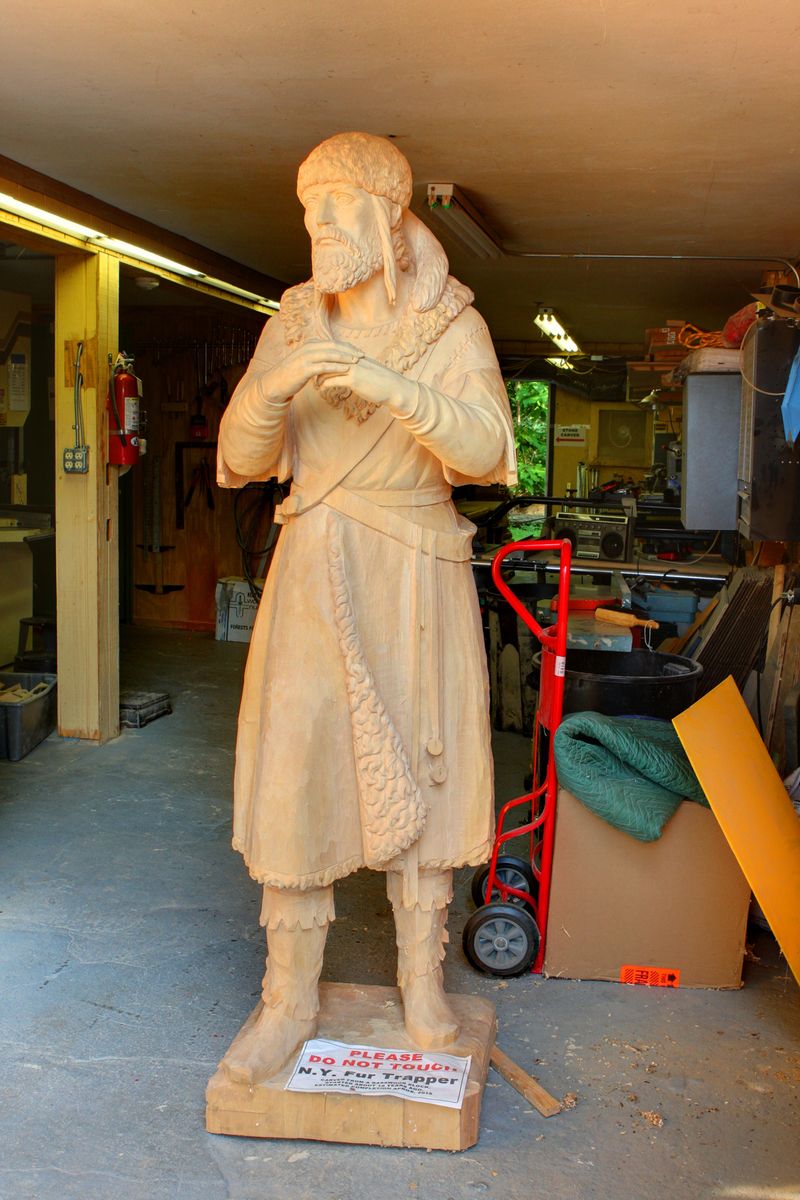
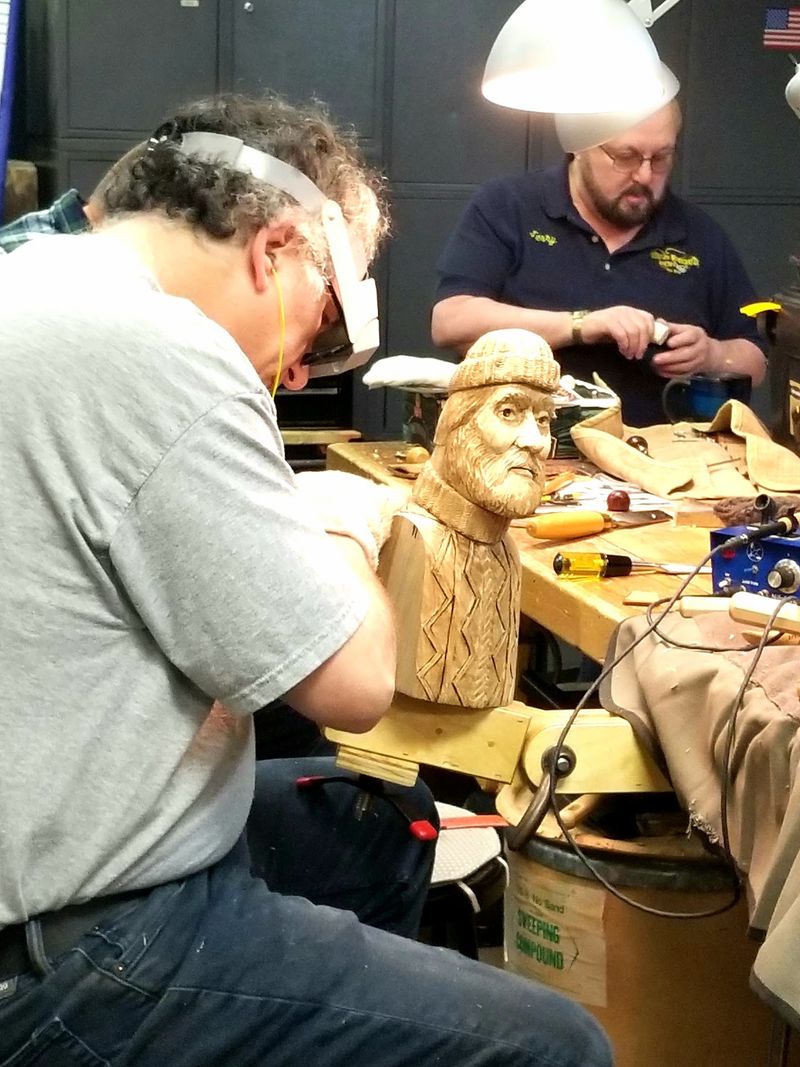
Woodcarving is the heart of American Woodcarving School, and it shows in every corner of the program. These classes are the main event, drawing students who return season after season.
One student put the appeal in simple terms. They love transforming a piece of wood into something they could not see at first.
That idea captures the magic pretty well. A carver studies a plain block, then slowly removes everything that does not belong to the final shape.
Classes run about three hours, which gives students room to settle into real progress. Short bursts rarely work for a craft this detailed, so the longer format makes sense.
Students describe the work as relaxing, which might surprise anyone picturing sharp tools and nervous hands. Focused handwork has a way of quieting a busy brain.
Progress here is visible in a way many hobbies are not. Each week, the figure on your bench looks a little more like the idea in your head.
That steady reveal is addictive in the best way. It is hard to stop once the wood starts showing you what it can become.
Burning Beautiful Designs With a Pen of Heat
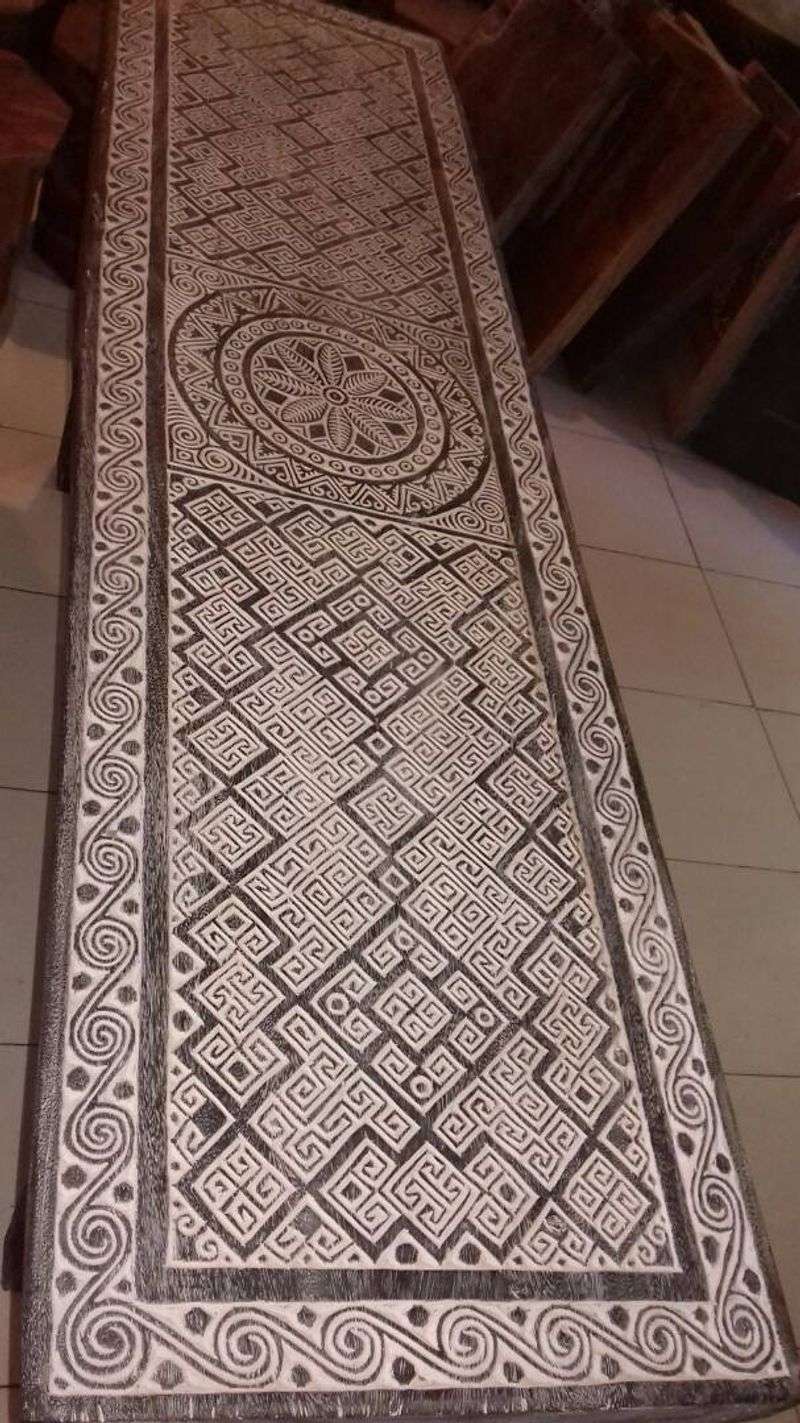
Drawing with heat sounds like a party trick. Pyrography turns it into a legitimate art form.
The technique uses a heated pen to burn lines, shading, and patterns directly into wood. Each stroke leaves a warm brown mark that can range from delicate texture to bold outlines.
At this New Jersey school, pyrography classes have been taught by an instructor named Cindy. Students have described her wood burning sessions as nice and laid back, which suits a craft that rewards a steady hand.
It also makes a great entry point for people who feel nervous about carving. There is no gouging or chipping involved, just careful control of heat and pressure.
Many students eventually combine both skills. A carved piece can gain extra depth when burned details are added on top.
I can’t imagine a cozier way to spend an evening than watching a pattern slowly appear across a smooth board. The smell of warm wood alone sounds like half the charm.
One student who started with wood burning even mentioned plans to try carving next. Consider pyrography a friendly gateway into the whole workshop.
A Tool Shop Carvers Will Happily Get Lost In
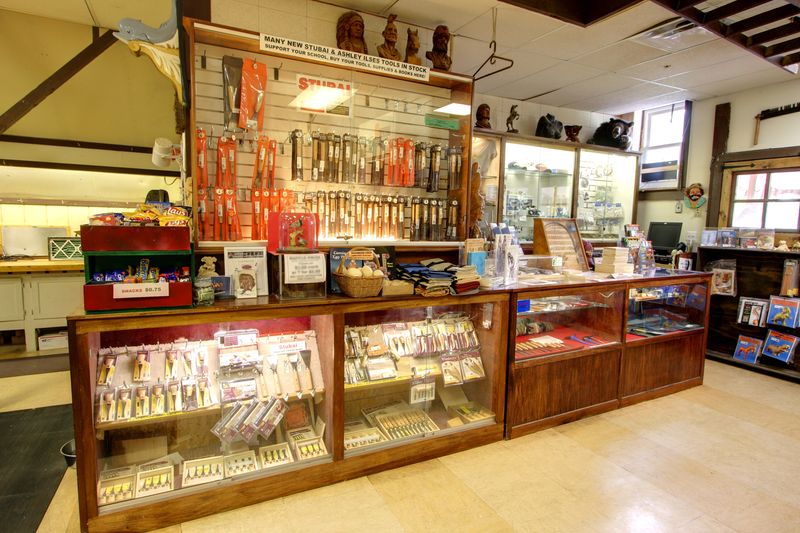
Forgot a gouge at home? No need to panic.
The school sells the equipment and materials students need, so nobody gets stuck halfway through a project. It is a handy setup for beginners who do not yet know what to buy.
The selection goes beyond basic supplies. Shelves carry Stubai and Flexcut gouges, two brands carvers often seek out for hand tools.
Power carving fans have options too. The shop stocks Foredom power carving tools for anyone ready to speed up shaping work.
Books about woodcarving are available as well. They make a nice resource for practicing between classes or studying techniques you have not tried yet.
Buying gear from people who actually teach the craft has obvious perks. The staff has been described as incredibly knowledgeable, which helps when choosing your next tool.
That expertise can save beginners from wasting money on the wrong equipment. A quick question before checkout might spare you a drawer full of unused gadgets.
Consider it a classroom and a supply stop rolled together. Your project and your shopping list can both get handled in one visit.
Basswood, Walnut, and Other Blocks Waiting for a Purpose
Every carving starts with a choice of wood. Here, the options are right on the shelf.
The school sells basswood, a soft and even-grained favorite for many carvers. It is often the go-to material for learning, since it cuts cleanly and forgives small slips.
Walnut and mahogany are available too. Both bring richer color and grain, which can make a finished piece feel especially polished.
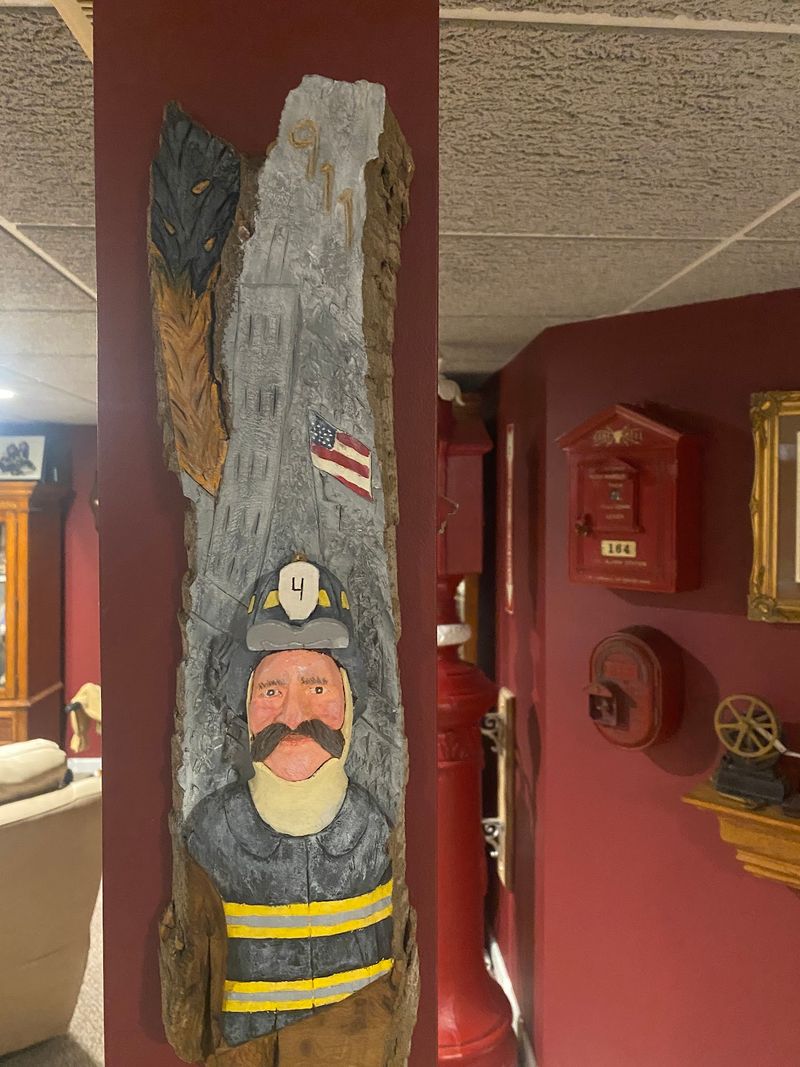
Then there is cottonwood bark, a fun material with a rugged, textured look. Carvers often use it for whimsical houses, faces, and rustic designs.
Having all these woods in one place means students can match the material to the project. A delicate bird might call for one type, while a bold relief panel might need another.
Fun fact for the curious: the same piece of wood can behave very differently depending on grain direction. Learning to read that grain is one of the quiet skills carvers build over time.
Browsing the selection might spark your next idea. Sometimes a block of walnut practically tells you what it wants to be.
Where Twelve-Year-Olds Pick Up Their First Chisel
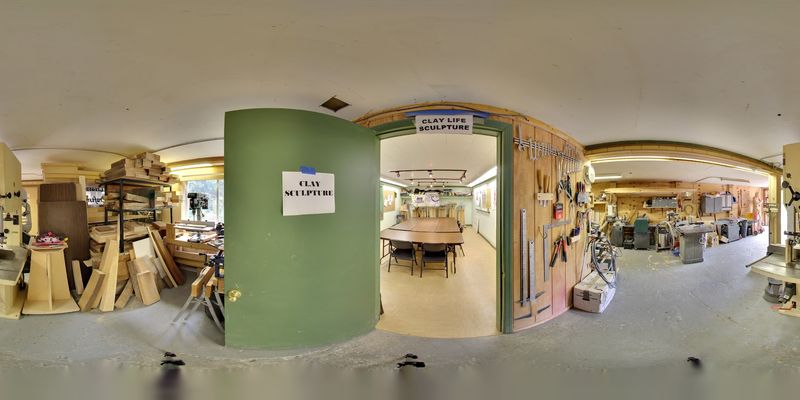
Kids are not an afterthought here. Classes are open to all ages, and young carvers have long been part of the school’s story.
Children can regularly be seen leaving from a separate building on the property. That suggests younger students have their own dedicated space for learning.
Some former students began at age twelve and kept coming back for years. One of them credits the school with having a real impact on his teenage years.
Another student started at fifteen, and his parent later called it the best class they ever paid for. Five years on, he still talked about the experience.
For parents, that is a pretty strong pitch. Screens get plenty of attention in a kid’s week, and a hands-on craft offers a refreshing change of pace.
Carving also teaches lessons that stretch far beyond art. Patience, focus, and pride in finishing something real are skills worth carrying anywhere.
One former student even hoped the school sticks around for the next curious twelve-year-old. That wish might be the best endorsement a youth program could ask for.
The Kind of Person Who Will Feel Right at Home
Curious beginners, seasoned craftspeople, and everyone in between fit right in. Students of all skill levels and ages are welcome at this New Jersey studio.
Absolute newcomers get the full foundation, starting with tool sharpening. Experienced carvers find a group of talented peers who can push their work further.
People craving a weekly reset should take note. Several students describe the classes as a relaxing break and a valuable social outlet.
Families looking for a meaningful activity for kids also have a solid option. Young students have thrived here, some staying for years.
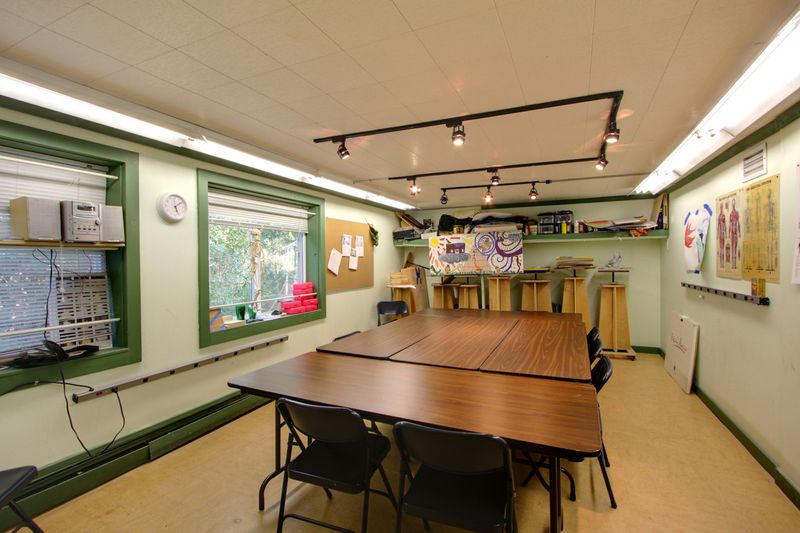
Art lovers who like variety will appreciate the extra classes. Pyrography, clay sculpture, and watercolors mean you are never boxed into one medium.
Loyalty runs deep among the regulars. Students have reported attending for ten years, twelve years, and since 2012, which speaks louder than any brochure.
If you enjoy working with your hands and meeting people, this place makes a lot of sense. It rewards anyone willing to slow down and watch something take shape.
Hours, Parking, and Finding Your Way There
Plan around the schedule, because evenings are when most of the action happens. American Woodcarving School keeps hours that fit nicely around a standard workday.
On Monday, Thursday, and Friday, the doors are open from 7 to 10 pm. Wednesday runs the longest, from 9 am all the way to 10 pm.
Saturday offers a daytime option from 9 am to 4 pm. The school is closed on Sunday and Tuesday, so skip those days.
You will find the school at 21 Pompton Plains Crossroad, Wayne, NJ 07470. It is an easy stop for North Jersey residents and day-trippers from nearby towns.
Parking is available on site, which makes hauling tools and projects much simpler. Other stores and eateries sit close by if you want to grab a bite before class.
Class costs are best confirmed directly with the school before you go. Ask about which sessions suit your skill level, especially if you are brand new.
Stopping in to see what it is all about is encouraged. A quick visit is a smart way to get a feel for the room.
Why a Block of Wood Might Be Your Best New Habit
Some hobbies come and go in a single season. Woodcarving at this Wayne school seems to stick for years.
The appeal is easy to understand. Patient teaching, a welcoming crowd, and a craft that keeps revealing new challenges make a powerful combination.
American Woodcarving School also offers more than one road in. Start with pyrography, try clay, explore watercolors, or jump straight into carving.
The on-site shop removes plenty of hassle for beginners. Tools, books, and quality wood are all available from people who know the craft well.
I like that the school’s best advertisement seems to be its own students. Former kids who carved here as teens still speak warmly about it years later.
For New Jersey residents hunting for something meaningful to do on a weeknight, this is worth a look. It turns an ordinary evening into a few hours of focus, laughter, and real progress.
Bring curiosity and a willingness to learn. The wood will handle the rest, one careful cut at a time.
Share this story