Imagine twisting soft fiber between your fingers until it turns into a strand of yarn you made yourself. In Oklahoma, a working sheep farm offers spinning classes where visitors can learn an old textile skill and take home homespun yarn.
It sounds like something from a storybook, yet it is a real hands-on lesson you can book. Here is what to know before you go.
A working farm makes the craft part of the visit
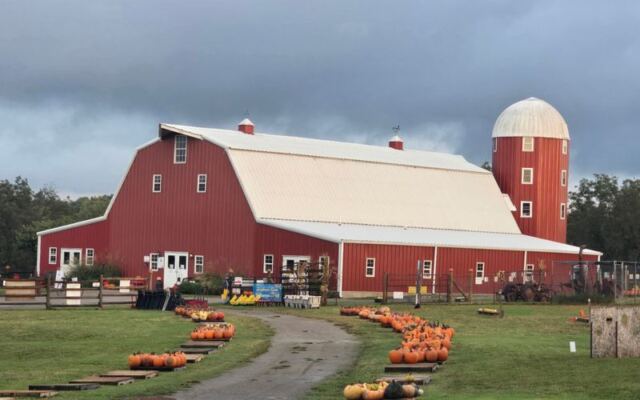
Shepherd’s Cross, near Claremore, is a working, educational farm with a farm museum, an on-site wool mill, and fiber-arts classes. According to Oklahoma’s official tourism listing, it is a sheep farm where visitors can learn to spin on a drop spindle or a spinning wheel.
That mix makes it more than a place to stroll past a fence and take photos.
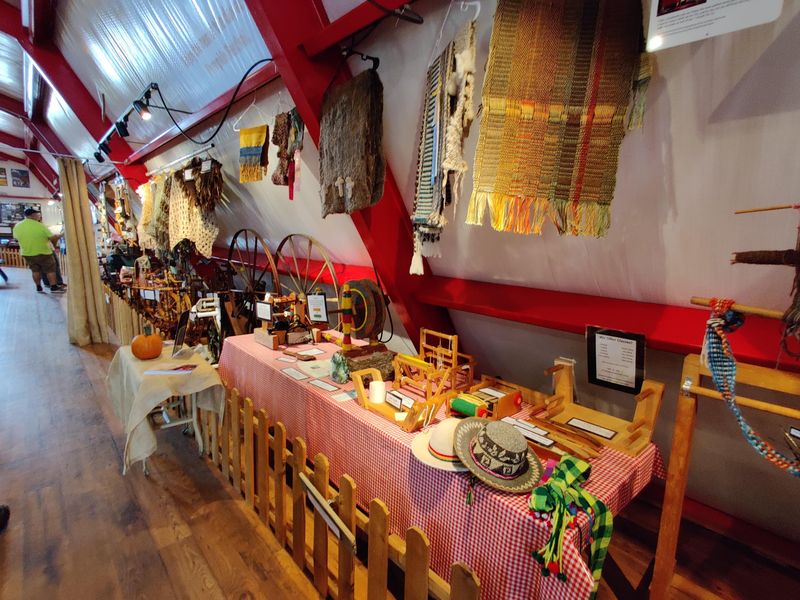
The mill is where the farm’s own sheep and alpaca fiber gets processed. The farm describes steps such as washing, picking, carding, spinning, and weaving on its wool mill page.
Seeing a mill on the same property as the animals helps the whole journey from fleece to thread make sense.
The museum adds another layer. It offers hands-on learning, and some live demonstrations may be available during special events or by request.
Plan on asking rather than assuming.
One thing worth keeping straight: the farm is not presented as a formally designated living-history site, and routine pioneer reenactments are not part of its documented offerings. What it does offer is a real working setting where an old craft is taught and practiced.
For anyone who has wondered how a sweater starts, that is a pretty tempting place to begin.
The point is yarn you make and take home
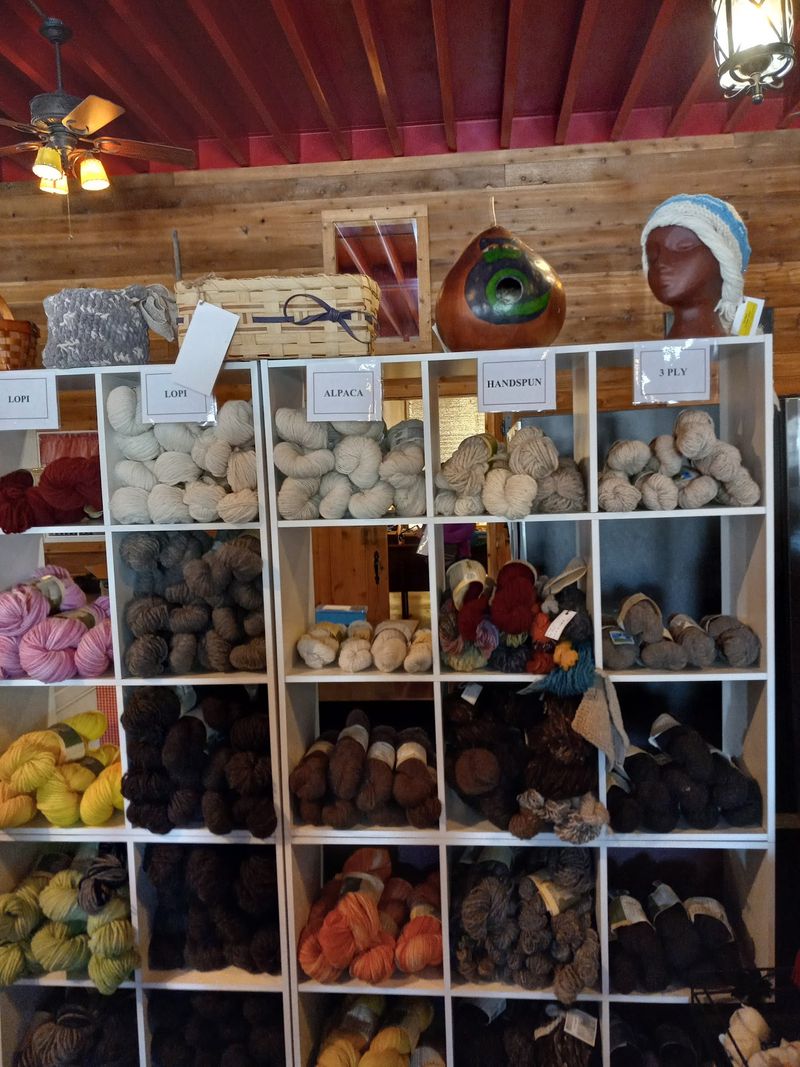
Yarn you spun with your own hands makes a very different souvenir than a magnet. Shepherd’s Cross spinning classes are built around that idea, teaching participants to spin and promising homespun yarn to take home.
The farm’s spinning class page says it provides the fiber and tools.
Students are also welcome to bring their own equipment. If you already own a spindle or wheel you like, ask whether using it works for your session.
Beginners can simply show up ready to learn.
The farm also teaches some fiber-art history alongside practical skills, so you may leave knowing why people have valued this craft for so long. Classes can be arranged for individuals or groups, which suits a solo curiosity trip as well as a crafty friend outing.
Here is the key detail: spinning is a separately scheduled class, not a bonus attached to every farm visit. A casual stop at the farm does not automatically include a lesson or a take-home project.
Also, the class information says students receive fiber but does not say whether that fiber is raw fleece, so skip any expectation of starting with a freshly shorn sheep. Ask the farm what you will be working with when you book.
How does wool become yarn?
Sheep grow the fiber, but a few steps turn it into something you can knit. In general terms, wool is cleaned and prepared, carded into a more orderly supply, and then twisted into yarn.
Carding lines up the tangled fibers so they can be drawn out smoothly.
Montana State University Extension walks through the industrial version in its guide to wool processing. It also notes that carded wool is called roving, a soft rope of fiber that spinners often work from.
Think of roving as fiber that has been brushed into line and is ready to be twisted.
Shepherd’s Cross follows a similar path with its own animals. The farm says its mill processes sheep and alpaca fiber through steps including washing, picking, carding, spinning, and weaving.
Seeing that range of steps in one place can make the whole process feel less mysterious.
A class, however, is a lesson in spinning, not necessarily a tour of every stage. The exact order a student follows can vary, and the farm supplies the fiber for the session.
So treat the general sequence as a map of the craft, and ask the farm what your particular class will cover.
A spindle or a wheel can start the lesson
Two tools, two moods. A drop spindle is small, portable, and a little like learning to juggle with fiber.
A spinning wheel is larger and uses a treadle and wheel to keep the twist going while your hands guide the wool.
The farm’s drop spindle class page describes a two-hour session and says the student can borrow a spindle. The spinning wheel class page describes a three-hour class and says wheels can be borrowed.
That means you do not need to buy equipment before you try either one.
Treat those durations as descriptions on the farm’s pages, not promises about what is on the calendar today. The spindle page lists dates in 2027, while the wheel page’s posted dates are from 2026 and have already passed.
Prices and openings can change too.
Which should you pick? A spindle suits someone who wants a simple tool they might practice with at home.
A wheel may appeal to anyone curious about the rhythm of a bigger setup. Either way, confirm availability and current prices with the farm before you plan a drive.
Pioneer-era flavor is not the same as a reenactment
A spinning wheel can feel like a prop from a pioneer cabin, but the craft is far older. The Smithsonian Folklife Festival describes fiber spinning in a note on textile crafts as a handcraft practiced since antiquity.
Pioneers used it, but they did not invent it.
That context changes how to think about a visit. You are learning a historical skill with deep roots, not stepping into a staged scene from the 1800s.
The appeal is real, but it comes from the craft itself.
It also helps to be clear about the setting. Oklahoma’s tourism listing presents Shepherd’s Cross as a working farm and educational destination, not a site with verified routine pioneer reenactments.
Don’t expect costumed interpreters.
What you can expect is something more useful: a chance to learn how fiber turns to yarn and walk away with a strand you made. The old-fashioned flavor is a bonus, and the skill is the real prize.
A scheduled class takes a little planning
Spinning classes here are not drop-in activities, so a quick phone call or message goes a long way. The farm’s spinning class page says sessions can be arranged for individuals or groups.
Contact the farm to set up a time that works for you.
When you reach out, ask about current availability and prices rather than relying on dates or costs posted online. Some dates listed on the farm’s site have passed, so confirm everything before you travel.
It is also smart to ask what to bring, how long the class will run, and whether you may use your own equipment.
If your plans include time around the animals, keep hygiene in mind. CDC guidance notes that farm animals can carry germs even when they look healthy and clean.
Wash your hands with soap and water after touching animals or their surroundings.
Pack a water bottle, wear comfortable clothes, and give yourself extra time for the drive. A little preparation means the only surprise of the day is how satisfying a handful of fluff can become.
The souvenir is a skill as well as a skein
A scheduled class at Shepherd’s Cross lets visitors do more than watch a craft demonstration. According to the farm’s spinning class page, you learn to spin and take home homespun yarn.
The skein is lovely, but the knowing is better. Years from now, you will still understand what happens between fluff and thread.
Share this story