Most people visit Sandusky, Ohio with one thing on their mind: roller coasters. But there is a four-story Greek Revival mansion just a short drive from the lakefront that holds something far more surprising than any thrill ride.
Inside its walls, you will find a handmade escape ladder crafted by a Confederate prisoner of war, stories of women who shaped American history, and a rooftop view that stretches all the way to Cedar Point. Once you know this place exists, it is nearly impossible not to want to see it for yourself.
A Mansion That Has Been Keeping Secrets Since the 1830s
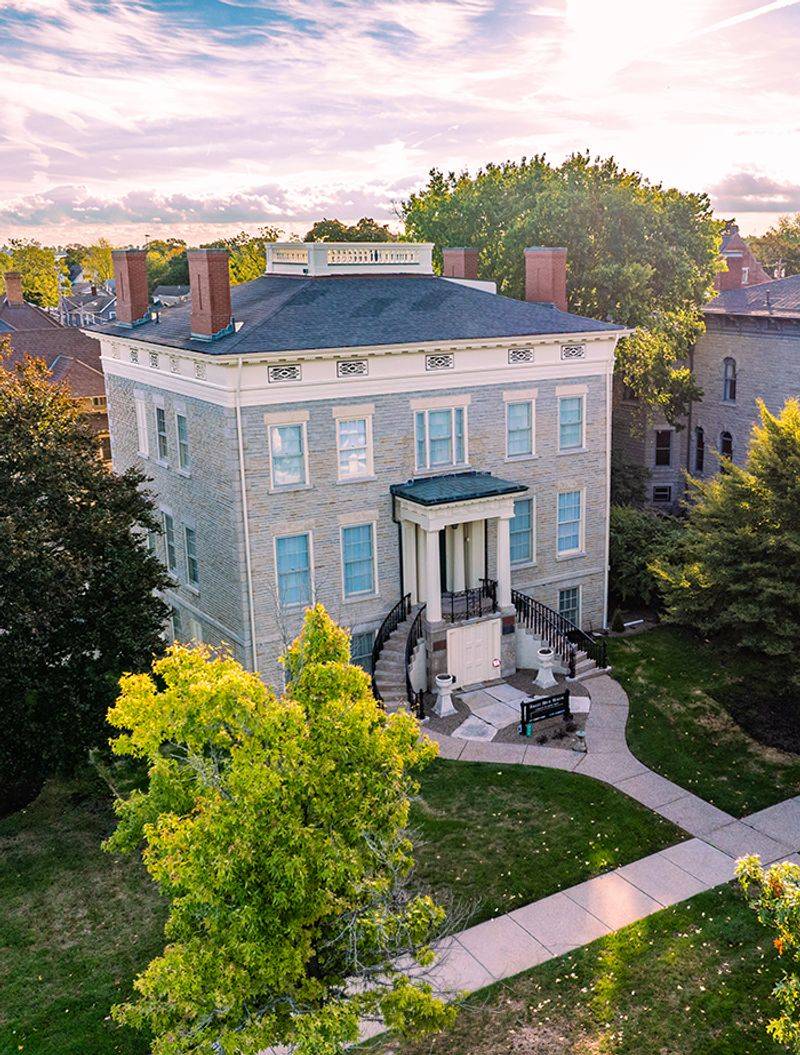
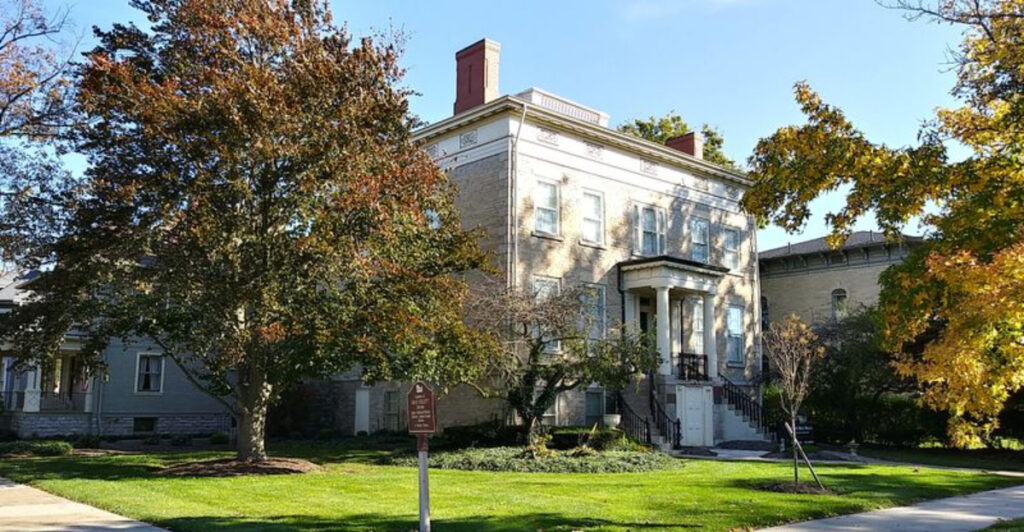
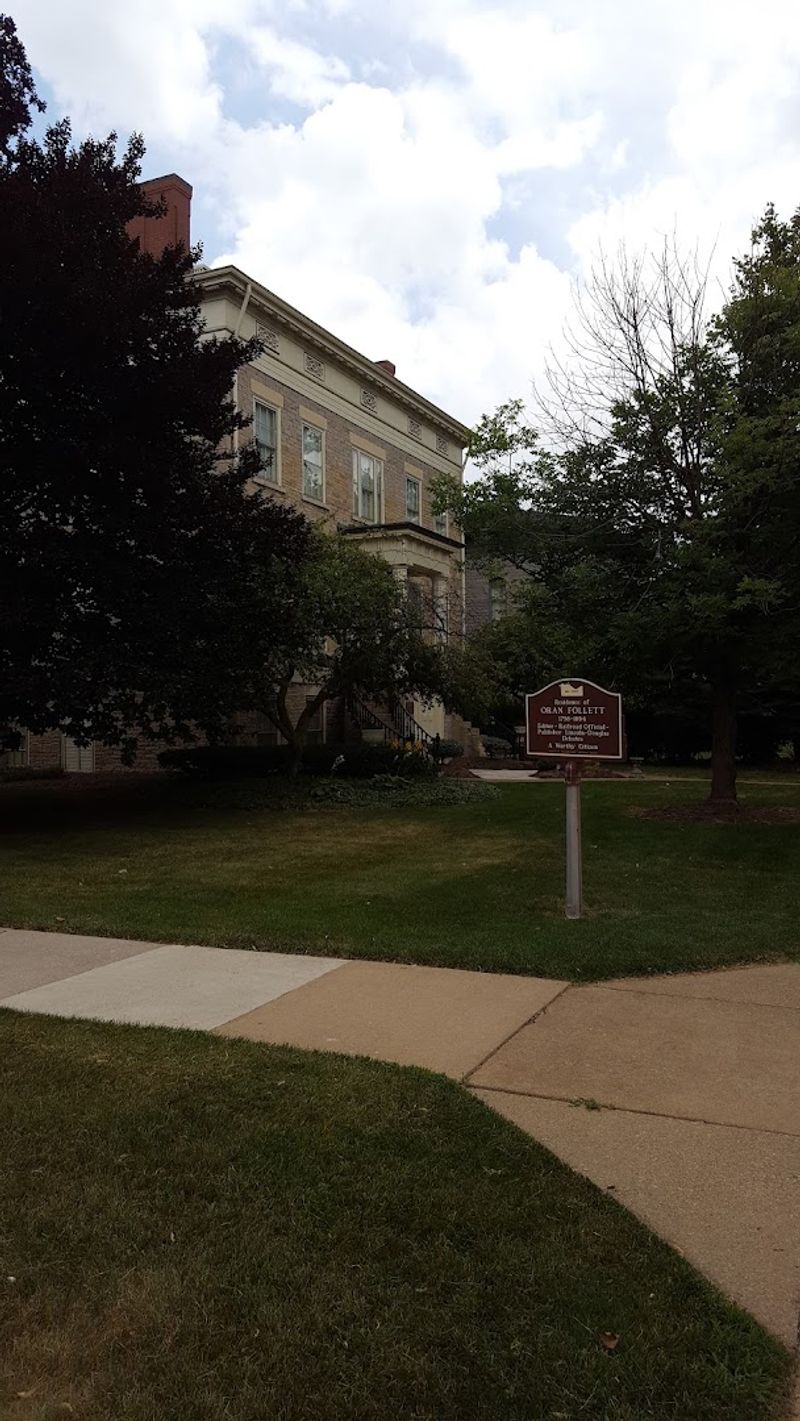
There is something quietly commanding about a building that has stood for nearly two centuries and still has stories left to tell. The Follett House was built in 1837 and is one of the finest examples of Greek Revival architecture in northern Ohio.
Its white-columned exterior and formal proportions give it a presence that stops people mid-stride on Wayne Street.
The Sandusky History Museum at the Follett House, located at 404 Wayne St, Sandusky, Ohio, is administered by the Sandusky Library. Four floors of carefully preserved rooms hold local history collections that span from the early 1800s through the mid-twentieth century.
What makes this building feel different from a typical museum is that the architecture itself is part of the exhibit. You are not just reading about the past here.
You are standing inside it, surrounded by walls that remember everything.
The Greek Revival Style That Sets This Building Apart
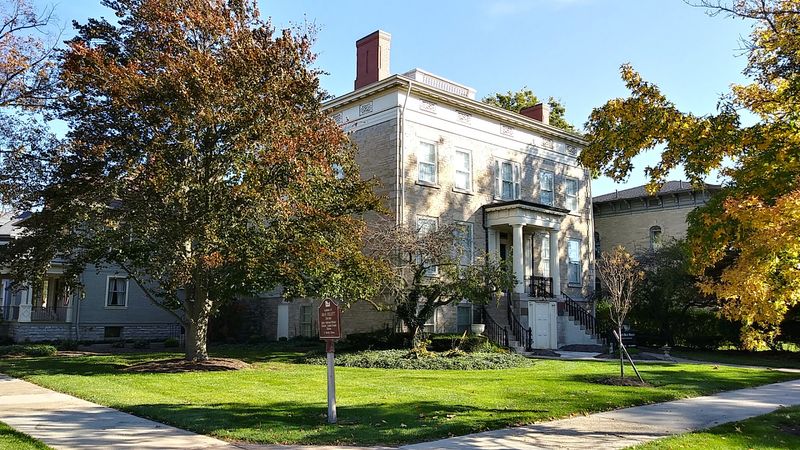
Greek Revival architecture had a moment in early nineteenth-century America, and the Follett House arrived right at the peak of that movement. The style drew inspiration from ancient Greek temples, favoring bold columns, symmetrical layouts, and clean horizontal lines that projected dignity and permanence.
Walking up to the front of this mansion, those design choices are immediately obvious. The columns frame the entrance with a kind of quiet authority that feels both formal and welcoming at the same time.
The proportions are precise in a way that feels almost mathematical.
Inside, the original details have been preserved with care. High ceilings, period woodwork, and rooms that still carry the weight of their original purpose make every floor feel like a different chapter of the same long story.
For anyone who appreciates historic architecture, this building rewards close attention at every turn.
Four Floors of Local History Worth Exploring Slowly
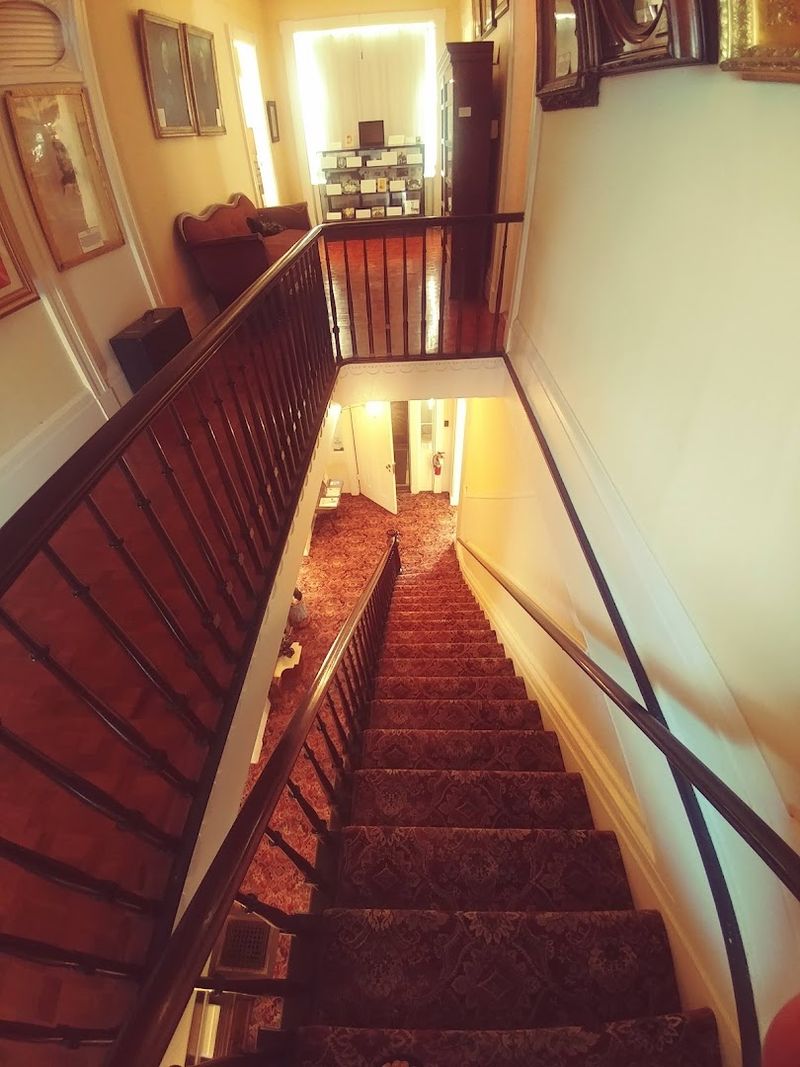
Most small-town museums ask you to spend maybe forty-five minutes before you have seen everything. The Follett House is a different kind of experience.
Spread across four floors, the collection covers local and regional history from the War of 1812 through the early to mid-1940s, and there is genuinely a lot to absorb.
Each floor carries its own focus, and moving between them feels like flipping through different chapters of a thick history book. Artifacts, documents, photographs, and personal objects fill the rooms with a density that rewards slow exploration rather than a quick walk-through.
The staircases connecting each level are worth noticing on their own. They have a quality that newer buildings simply cannot replicate, and climbing them adds a physical sense of moving through time.
By the time you reach the upper floors, the ground floor already feels like a distant era.
The Confederate Escape Ladder That Stops Everyone Cold
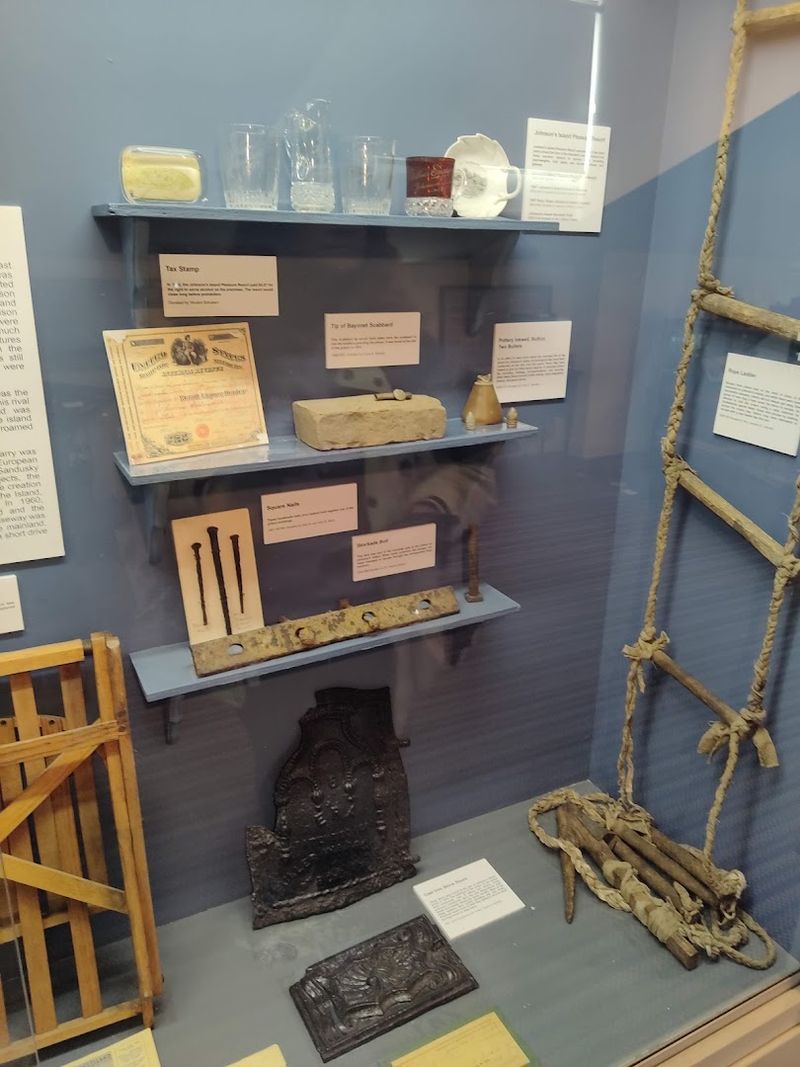
Of all the objects housed in this museum, one tends to stop visitors in their tracks more than any other. During the Civil War, Johnson’s Island in Sandusky Bay served as a Union prisoner-of-war camp holding Confederate officers.
One of those prisoners crafted a ladder with the intention of using it to escape.
That ladder is now on display at the Follett House, and seeing it in person carries a weight that photographs cannot fully capture. It is a physical object made by human hands under desperate circumstances, and it connects the viewer directly to a moment of history that most people never learned about in school.
Johnson’s Island held thousands of Confederate officers during the war, and the Sandusky area played a significant role in that chapter of American history. This ladder is one of the most tangible reminders of that story, and it alone justifies the visit.
Women’s Suffrage Stories Woven Into the Collection
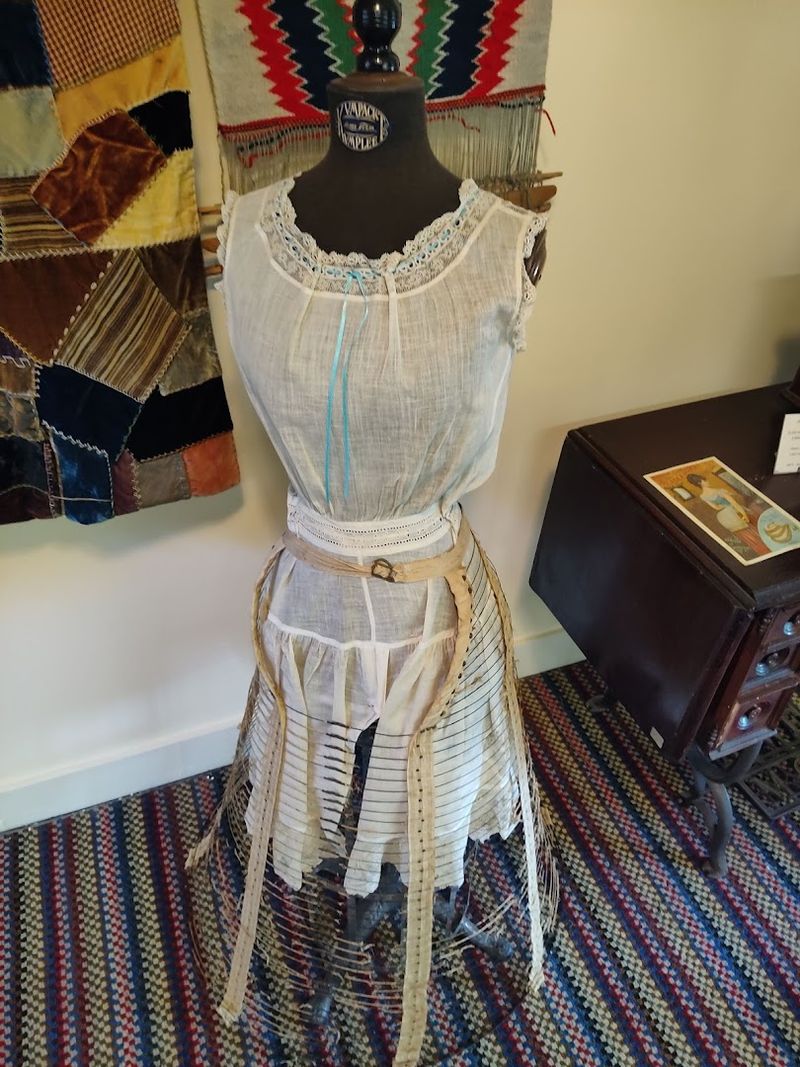
One of the more quietly powerful sections of the museum focuses on the role women played in shaping this region and the broader nation. The suffrage movement left deep marks on Ohio communities, and the Follett House collection reflects that with artifacts and materials that bring those stories into sharp focus.
What stands out is how the exhibits connect national movements to local lives. These were not distant figures making headlines far away.
They were women from this community who organized, petitioned, and pushed for change in their own backyards, and their contributions are documented here with genuine respect.
For younger visitors especially, seeing history told through the lens of people who fought for rights that are now taken for granted can be a genuinely moving experience. The museum does not shy away from the effort those women put in, and that honesty makes the collection feel relevant rather than simply old.
The Rooftop View That Connects Two Eras of Sandusky
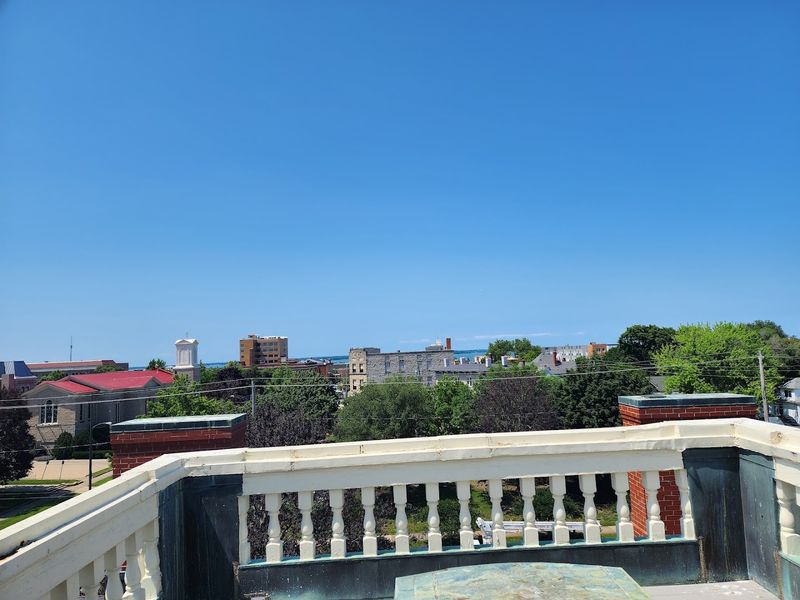
Getting to the top of the Follett House is worth every stair. The rooftop balcony offers a view across Sandusky that stretches out toward Lake Erie, and on a clear day, you can see Cedar Point in the distance.
It is a genuinely strange and wonderful moment to stand on a nineteenth-century mansion’s roof and spot a modern amusement park on the horizon.
That contrast captures something true about Sandusky itself. The city holds both its industrial and maritime past alongside a present defined by tourism and lakefront energy.
From up here, both versions of the city exist at the same time.
The balcony also gives a sense of how prominent the Follett House once was in the local skyline. Before taller buildings changed the view, this rooftop must have felt like the highest point in the neighborhood.
That feeling of elevation, both literal and historical, lingers long after you come back down.
What the War of 1812 Left Behind in Sandusky
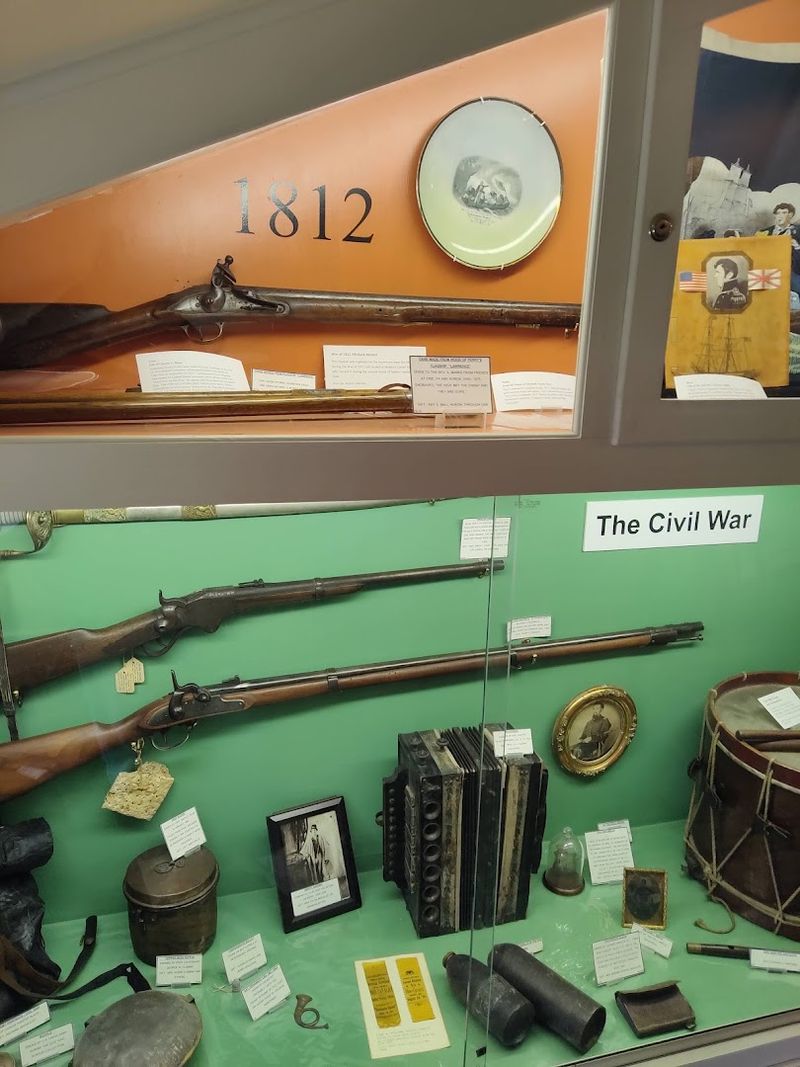
Few people outside the region know how central the Lake Erie area was to the War of 1812. Naval battles were fought within sight of the Ohio shoreline, and the communities around Sandusky were directly affected by the conflict.
The Follett House collection addresses this period with artifacts and context that fill in a part of American history that most textbooks skip past quickly.
Seeing objects from that era in a building that was constructed just a generation after the war adds a layer of immediacy that is hard to replicate in larger institutions. The timeline is compressed in a way that makes the history feel close rather than remote.
The museum traces Sandusky’s story from those early turbulent years through decades of growth, and the War of 1812 materials serve as a strong anchor for that broader narrative. History makes more sense when you can see where it happened.
How the Sandusky Library Keeps This Place Running
One of the more interesting things about the Follett House is that it is administered by the Sandusky Library rather than a standalone historical society. That relationship has shaped how the collection is organized and maintained, and it brings a research-oriented sensibility to the exhibits that sets this museum apart from similar institutions.
Libraries tend to think about preservation and access in specific ways, and that influence is visible here. Materials are well-organized, context is provided generously, and the overall experience feels curated rather than simply accumulated.
There is a difference between a museum that stores things and one that actively interprets them, and this one leans clearly toward interpretation.
The connection to the library also means that researchers and local history enthusiasts have access to resources beyond what is on display. For anyone with family roots in the Sandusky area, that combination of museum and archival access can be genuinely valuable.
A Free Open House That the Whole Town Looks Forward To
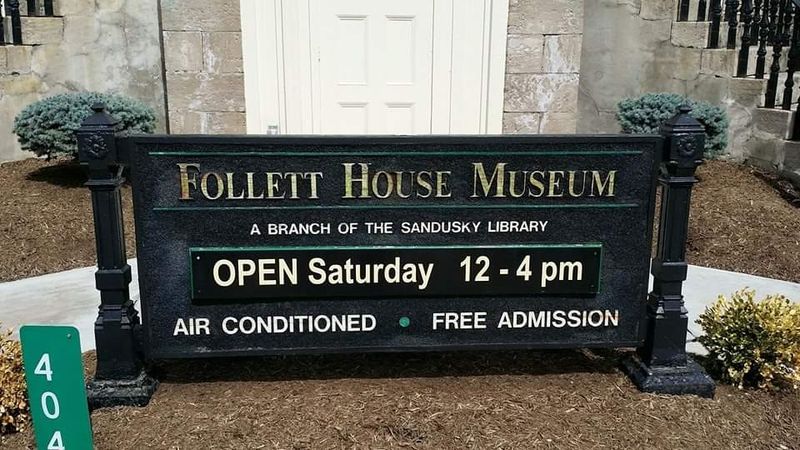
Every year, on the Saturday after Thanksgiving, the Follett House opens its doors for a free community event that has become a local tradition. It is the kind of gathering that reflects how much this building matters to the people who live here, and it draws visitors who might not otherwise make the trip during the regular season.
Timing a visit around that open house is worth considering if your schedule allows it. The energy of a community event adds a social dimension to the museum experience that a quiet weekday visit cannot replicate.
There is something contagious about being surrounded by people who genuinely care about the place they are standing in.
For out-of-town visitors, it also offers a window into how Sandusky thinks about its own history. A town that shows up for its local museum in late November is a town that takes its past seriously, and that spirit comes through clearly at the Follett House.
The Visiting Hours That Reward a Little Planning
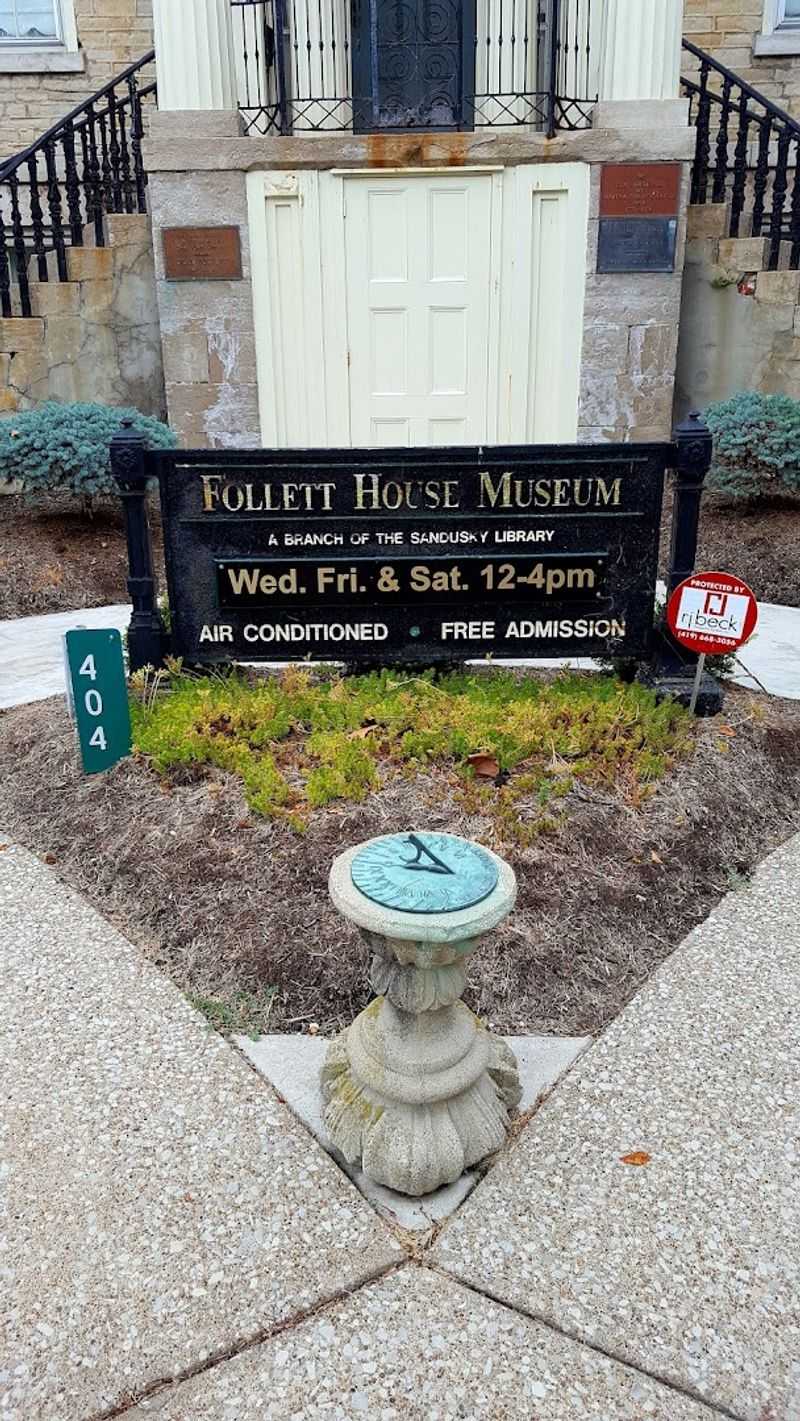
The Follett House keeps focused hours, opening Wednesday through Saturday from 1 to 4 PM. That schedule reflects the volunteer and community nature of the institution, and it means a little advance planning goes a long way toward making the most of your visit.
Arriving close to 1 PM gives you the full afternoon window, which is genuinely useful given how much there is to see across four floors. Rushing through a place like this would be a mistake.
The collection rewards the kind of attention that a relaxed afternoon allows.
Because the museum closes on Sundays and Mondays, midweek visits tend to be quieter, which can make for a more personal experience. The building has an atmosphere that benefits from a slower pace, and a Wednesday or Thursday afternoon visit often feels less like a tourist stop and more like a genuine encounter with the past.
What Makes This Museum Different From Larger Institutions
Big-city history museums have scale and resources that small regional institutions cannot match. But they also have a distance from their subjects that can make the experience feel more like education than connection.
The Follett House operates on a different level entirely.
Every object here has a local address. Every story connects back to a specific street, family, or moment in this particular community.
That specificity creates a kind of intimacy that larger museums rarely achieve, no matter how impressive their collections are.
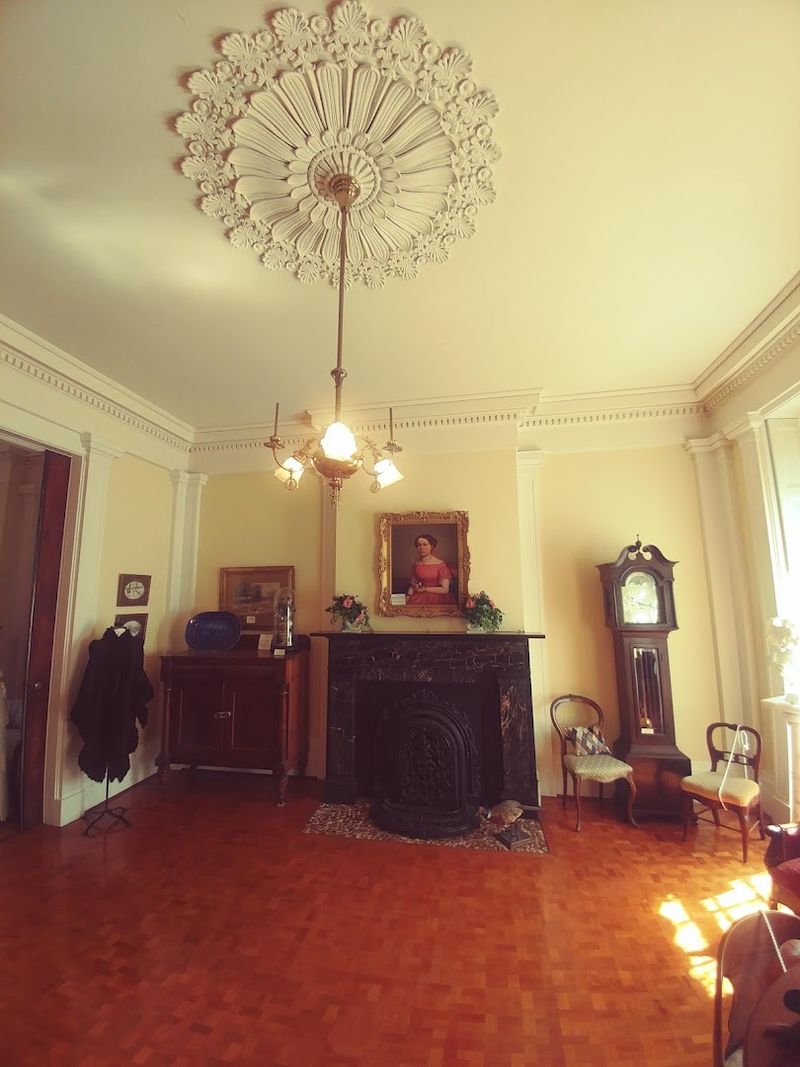
There is also something to be said for a museum that fits inside a real historic home rather than a purpose-built facility. The rooms have a human scale, the ceilings are the right height, and the light comes through windows that have been there for almost two centuries.
That environment does not just display history. It holds it, the way a house holds the memory of everyone who ever lived inside it.
Planning Your Visit to the Follett House and Beyond
Getting to the Follett House is straightforward, and the surrounding neighborhood is worth a slow walk before or after your visit. The building sits in a part of Sandusky that still carries the architectural character of the nineteenth century, and that context adds to the experience of arriving here.
After your visit, the broader Sandusky area has plenty to extend the day. The waterfront, the nearby islands accessible by ferry, and the natural landscapes around Lake Erie all offer ways to round out a trip that started with a four-story Greek Revival mansion and a handmade Confederate escape ladder.
The Follett House works well as the anchor of a day trip rather than a quick detour. Give it the time it deserves, climb to that rooftop balcony, and let the view remind you that history and the present are never as far apart as they seem.
Share this story