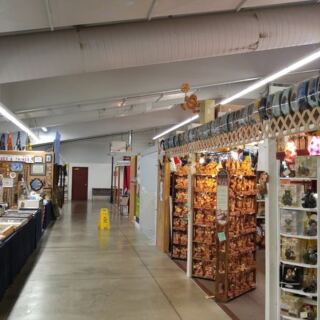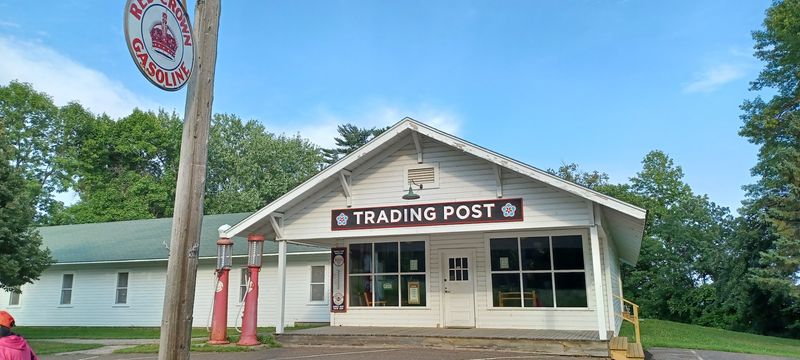
Some of the best stops in Minnesota are the ones you have driven past a dozen times without a second look. Along a quiet stretch of lake country sits a modest trading post and museum that holds far more than its humble outside suggests.
Inside, beadwork, books, wild rice and a beloved seasonal exhibit share the story of the Mille Lacs Band of Ojibwe. Curious travelers often leave with full shopping bags, fuller minds, and a plan to come back.
A Historic Stop on the Shores of Mille Lacs
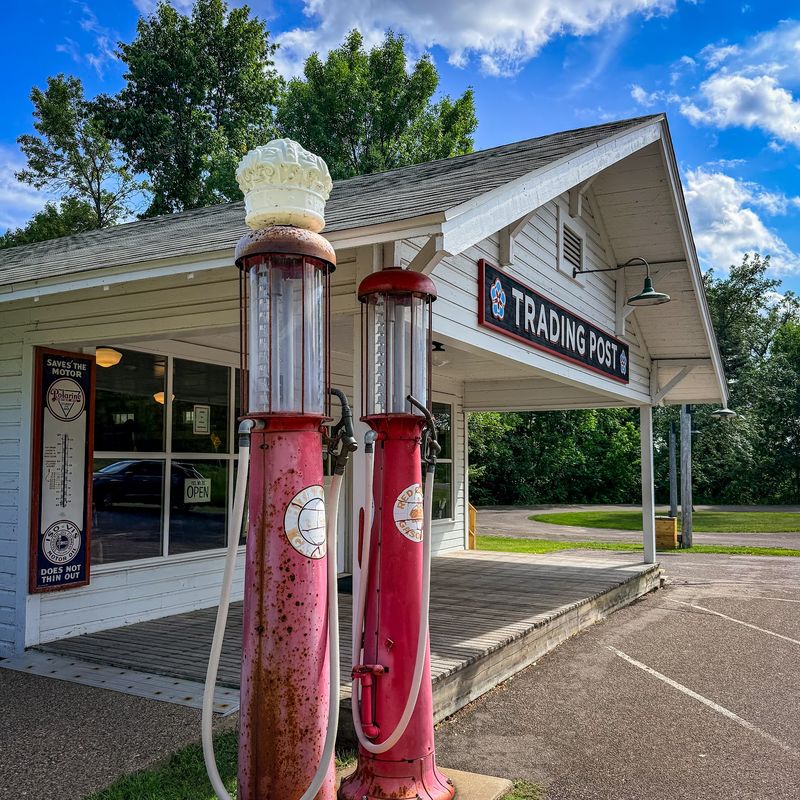
Tucked along Oodena Drive in Onamia, the Mille Lacs Indian Trading Post sits right beside the Mille Lacs Indian Museum. Together, the two separate buildings form one site run by the Minnesota Historical Society.
Many travelers get confused here, and that is understandable. The trading post is the shop with a room telling its own history, while the museum next door holds the larger exhibits.
Staff are happy to point you between them, and seeing both makes the trip complete.
The setting is classic central Minnesota, with Mille Lacs Lake nearby and plenty of north woods charm along the drive. Plenty of people admit they cruised past for years before finally pulling in.
Once they did, the regret was simply not stopping sooner. For anyone heading up from the Twin Cities toward cabin country, this spot makes an easy and rewarding detour that proves small-town Minnesota can surprise you.
Roots Reaching Back to the 1700s
Long before highways and lake cabins, the Mille Lacs Band of Ojibwe arrived in this region around the mid 1700s. Their story shapes every corner of the site.
Visitors describe the history here as honest and well organized. Exhibits explain traditional sacred ways, daily routines, and how families lived with the land through each season.
That kind of grounded storytelling is something a big-city museum would struggle to match, because it is told right where it happened.
Field trip groups often come away amazed at how much there is to learn. Some guests say you could spend a couple of days exploring and still not take it all in.
The site also covers ties to the wider Anishinaabe and Dakota communities. Whether you grew up in Minnesota or just moved here, it offers a deeper look at the people who called this lake home first.
Inside the Four Seasons Room
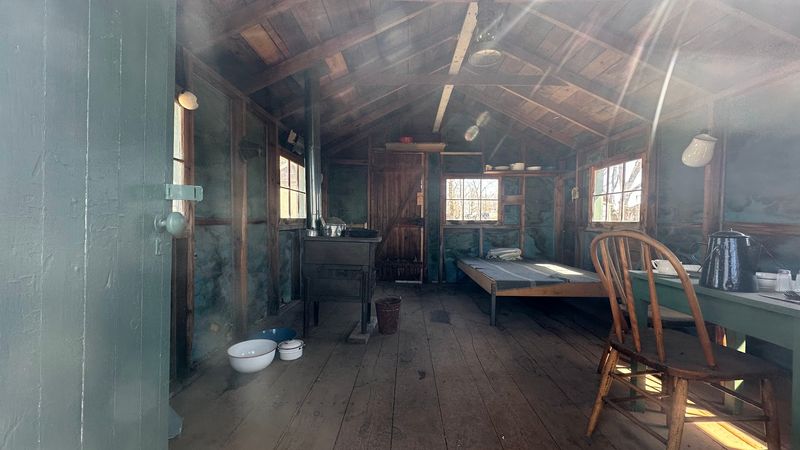
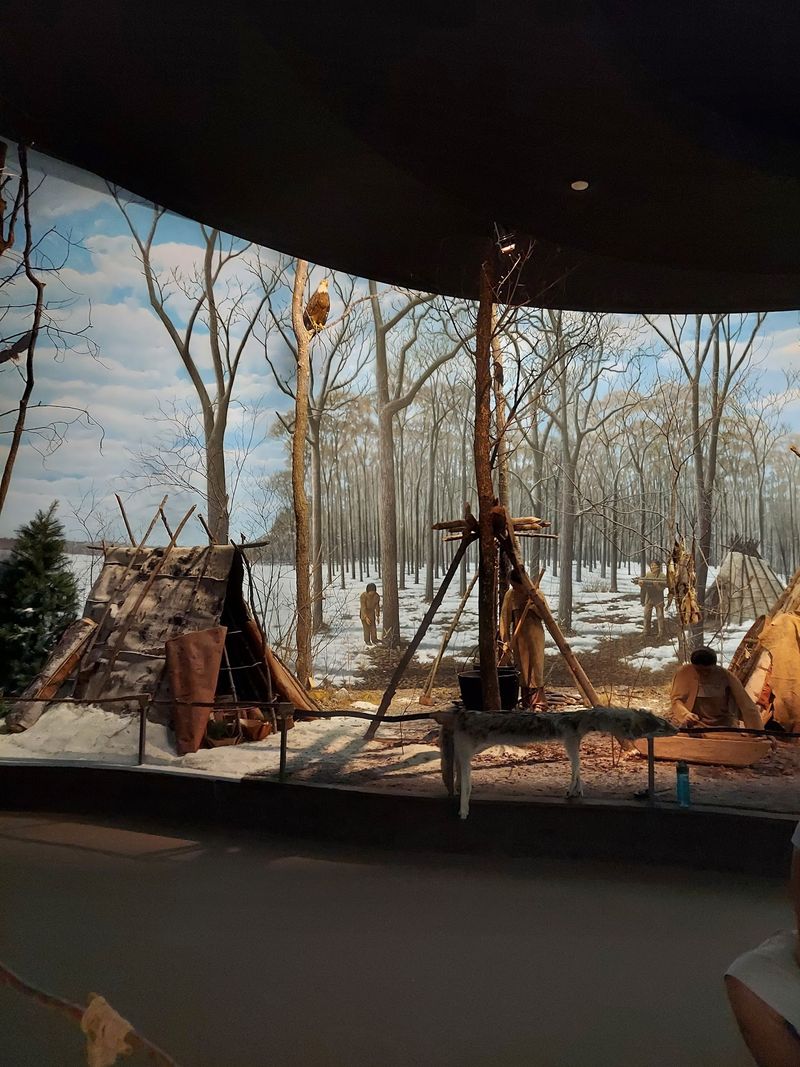
Ask returning guests about their favorite stop, and the Four Seasons Room comes up again and again. Many call the guided tour an absolute must.
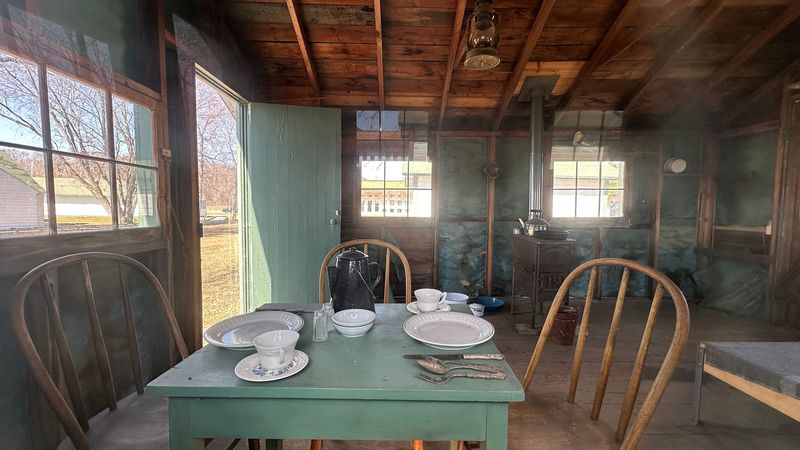
Life-size scenes walk you through a full year of Ojibwe living. Each season brings its own tasks, from gathering and harvesting to preparing for the long northern winter.
Birchbark canoes and handmade tools help the story feel real rather than distant.
Guides make the difference. Visitors praise tour leaders who seem genuinely passionate about the subject, answering questions with warmth and detail.
An early fall weekday afternoon, one guest noted, felt especially pleasant for taking it all in at an easy pace. Families with curious kids will find plenty to point at and talk about.
Few experiences in the state connect you so clearly to the rhythm of seasons that Minnesotans still feel every year, from sugar bush spring to snowy January.
The Original Trading Post Story
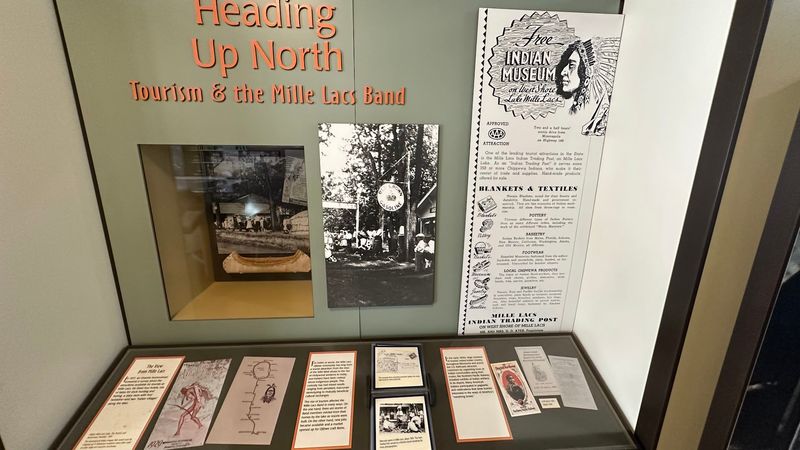
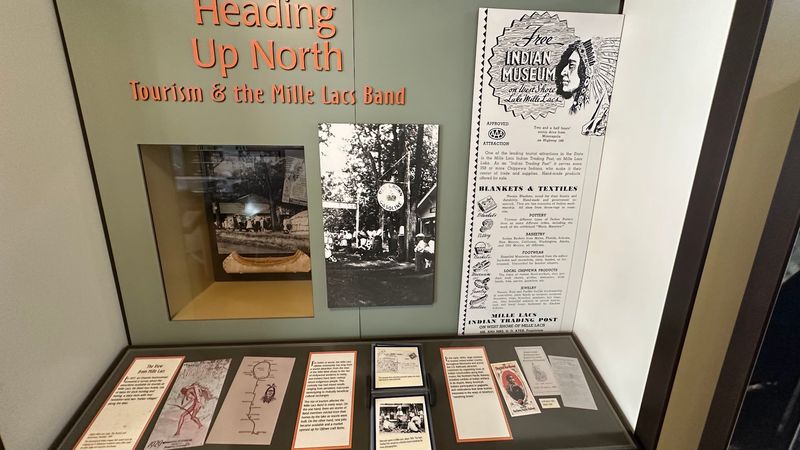
Here is a fun twist: the trading post is itself a piece of history. A separate space inside captures the story of the establishment, and visitors say it is well done.
The display traces the location from the late 1800s through modern times. Old photos and artifacts show how this spot served as a gathering and exchange point for generations.
It is the kind of exhibit that rewards slow reading.
Annual visitors mention coming back year after year, partly for this room. Something about seeing the original shelves and stories makes the shopping next door feel more meaningful.
Minnesotans love a place with staying power, and few spots in the state can claim such a long thread of community life. Before you grab a souvenir, take ten minutes here.
You will understand exactly why the building matters, and the gift you buy will carry a little extra story home with you.
Beadwork and Jewelry That Steal the Show
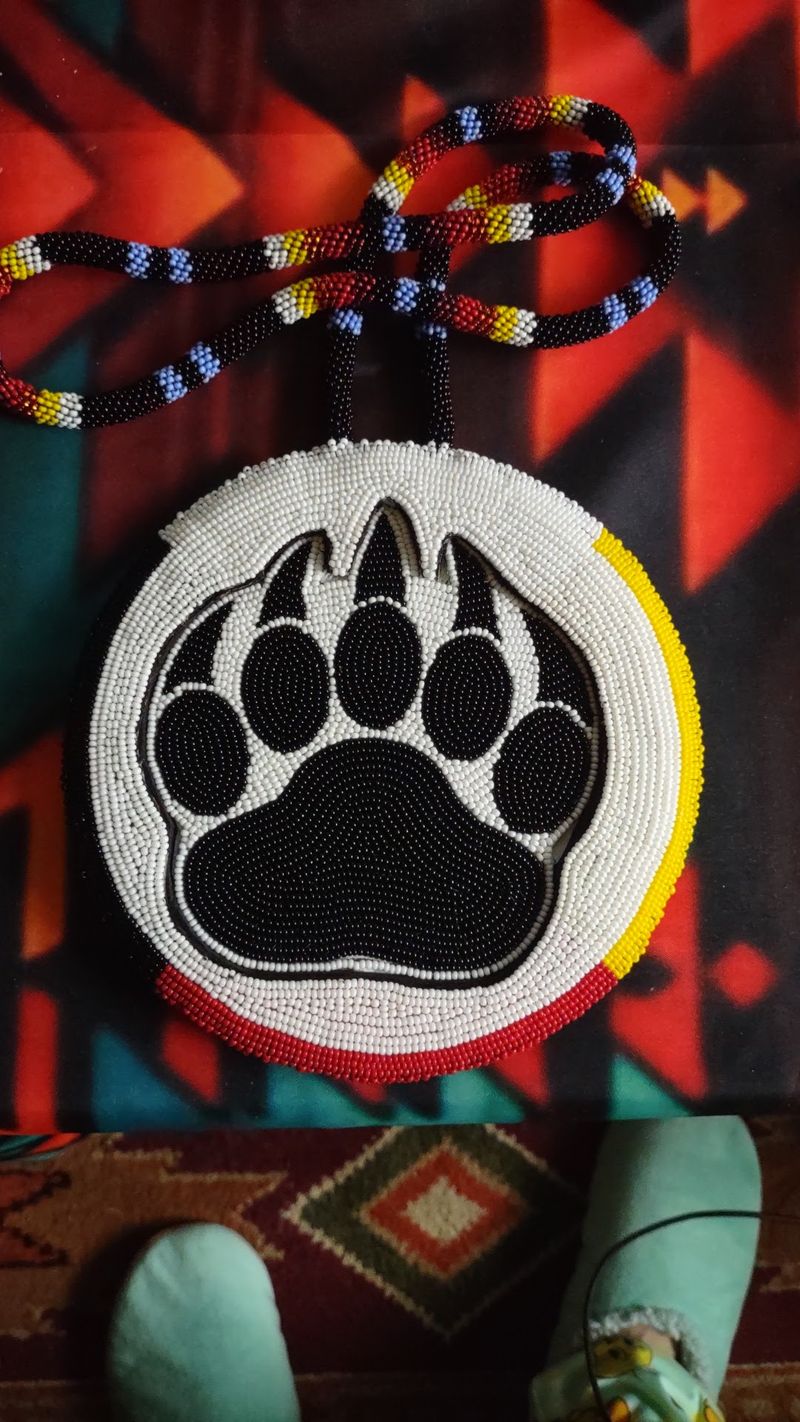
Jewelry gets mentioned more than almost anything else at this shop, and one look at the cases explains why. Sparkling beadwork, earrings, and necklaces fill the displays.
Shoppers find authentic beadwork alongside pieces from Indigenous artisans across North America. Some items come from tribes ranging from Canada to Arizona, so not everything is made locally.
Staff are upfront about that, and visitors report that a portion of proceeds still supports local tribes.
Prices cover a wide span. You can pick up a small keepsake or invest in a stunning piece of artistry worth treasuring for decades.
Some guests call the shop a bit spendy, yet they also say it is stocked with everything they could want. Quality handmade work at this level is hard to find, even in big metro galleries.
For a gift with real meaning, the jewelry counter is a smart place to start browsing.
Moccasins, Baskets and Painted Art
Beyond the glittering cases, the shelves keep going. Moccasins, baskets, clothing, and Native American paintings fill the room with color and texture.
Guests often describe the space as chock-full of beautiful creations. Artisan pieces earn special appreciation, and many say they could have browsed far longer than planned.
A clean, welcoming atmosphere makes wandering easy.
Traditional medicine items also appear on the shelves, along with decor and kitchen goods. Each piece seems chosen with care, giving the shop a gallery feel rather than a souvenir stand vibe.
Here is where Minnesota pride kicks in. You will not find this mix at a mall in the suburbs, and the craftsmanship stands up to anything in a city boutique.
Take your time, touch the textures where allowed, and ask questions. Every basket weave and stitched moccasin carries skill passed down through families over many years.
Wild Rice, Jams and Tasty Take-Homes
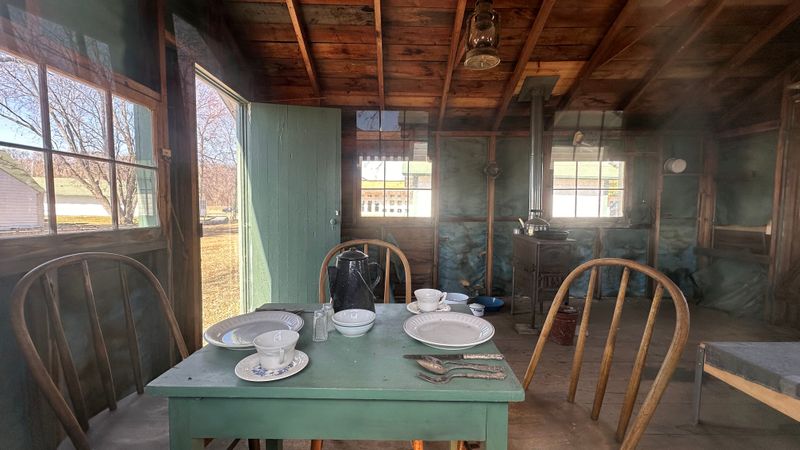
Hungry for something truly Minnesotan? The shelves here carry wild rice, a staple of Ojibwe life and a pantry hero across the state.
Homemade jams and jellies sit nearby, making colorful gifts or breakfast treats for the cabin. Coffee mugs in a nice variety round out the kitchen corner and pair well with a jar of something sweet.
Wild rice connects directly to the seasonal story told next door, where harvesting on the lakes plays a big role. Buying a bag lets you carry that tradition home and into a hearty winter soup or hotdish.
Value lovers will appreciate grabbing a meaningful, edible souvenir that the whole family can share. It beats another magnet, and it tastes like the north woods.
Toss a bag in the car, and dinner later that week becomes a small celebration of Minnesota’s own lakes and the people who first harvested them.
A Bookshelf Worth Lingering Over
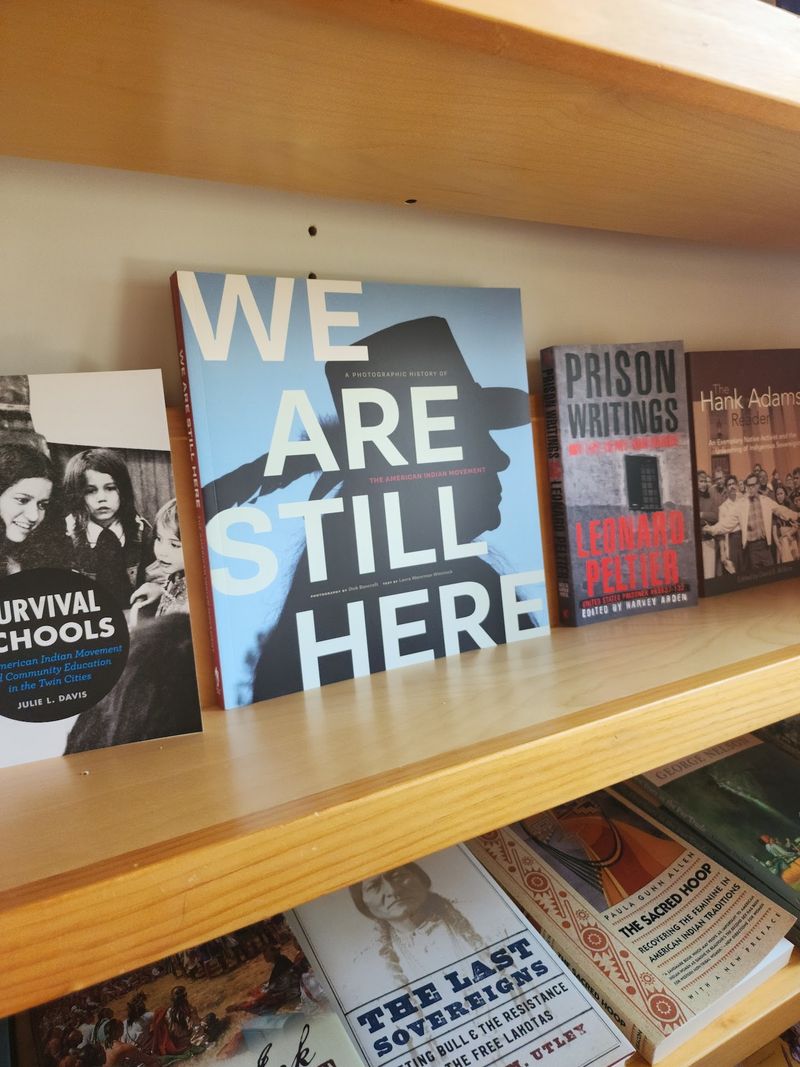
Bookworms, consider yourselves warned. Shoppers frequently call the book collection extensive, and it is easy to lose track of time here.
Titles cover unique aspects of Ojibwe culture and broader histories of Native peoples across the United States. Both nonfiction and fiction appear, so there is something for history buffs and story lovers alike.
Parents and teachers get a bonus. Highly regarded children’s and young adult books line the shelves, making it simple to continue the learning at home after a field trip or family outing.
Educational materials sit alongside the books for classrooms and curious minds. A good book might be the most lasting souvenir of all, since it keeps teaching long after the drive home.
Pick one that speaks to you, and the stories of the Anishinaabe, Dakota, and other nations will stay on your nightstand all winter long.
Friendly Faces Behind the Counter
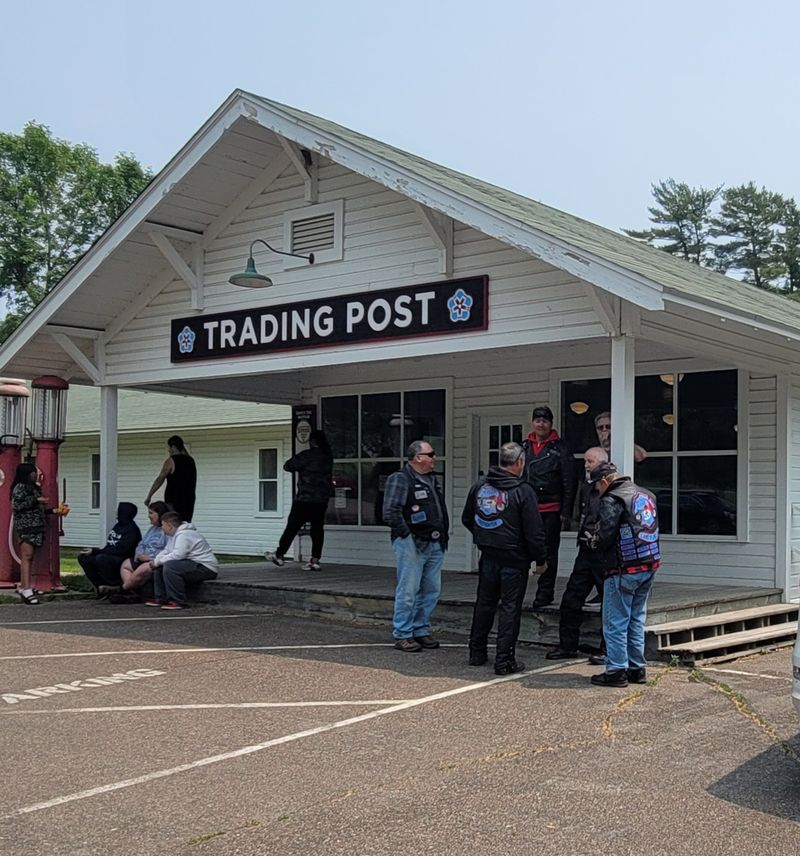
Warm welcomes might be the secret ingredient here. Friendly and kind staff get mentioned again and again by guests who leave smiling.
Workers know their stock deeply, from beadwork and moccasins to paintings and books. Visitors appreciate being able to ask where an item came from and getting a thoughtful, knowledgeable answer.
One couple even credited a staff member with helping make their anniversary memorable. That kind of personal touch is classic small-town Minnesota hospitality.
Not every single visit lands perfectly, and the site openly invites feedback to keep improving. Still, the overall picture is of a team that cares about the place and its stories.
Field trip groups describe guides as having so much to teach. Whether you need gift advice or just want to chat about history, the folks here make a quick stop feel like a visit with neighbors.
Hours, Contact and Planning Your Drive
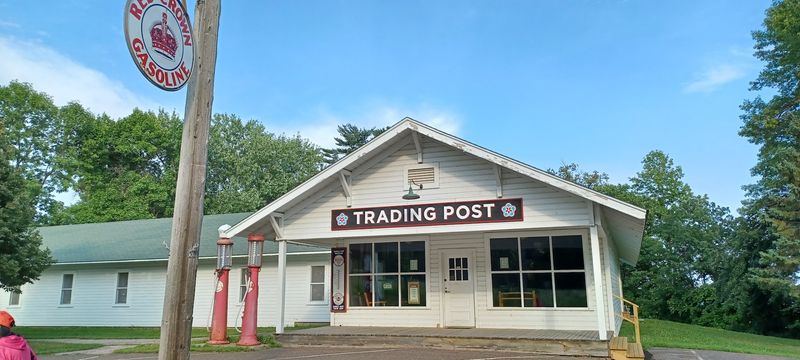
Timing matters, so plan ahead. Current hours typically run Wednesday through Saturday from 10 AM to 5 PM, with Sunday, Monday, and Tuesday listed as closed.
Schedules may shift by season, so checking before you go is wise. The Minnesota Historical Society website at mnhs.org/millelacs usually has the latest details, or you can call 320-532-3632.
Find the site at 43411 Oodena Dr in Onamia. It makes a natural stop on a drive around Mille Lacs Lake or a weekend headed up north.
Give yourself time for both buildings. A quick trip through the shop could take half an hour, but adding the museum and a Four Seasons Room tour easily fills an afternoon.
Summer brings lake traffic and cabin crowds, while a crisp fall weekday often feels calm and relaxed. Either way, the scenery along the shore is part of the reward.
Why This Lake Country Gem Earns the Trip
So, is it worth the miles? For most travelers, the answer is a happy yes.
Few spots in Minnesota blend history, artistry, and shopping this smoothly. You get a thoughtful look at Ojibwe life, a room preserving the trading post’s own past, and shelves packed with handmade treasures, books, and wild rice.
Families, school groups, gift hunters, and history fans all find their corner. Those who come once a year say it never gets old, and first-timers often wonder why they waited.
Big cities have grand museums, sure. But standing near the very lake where these stories unfolded gives this place something no metro gallery can copy.
Bring a friend, plan a lake country loop, and make room in the trunk. Minnesota quietly wins again, one beaded earring and birchbark story at a time.
Share this story