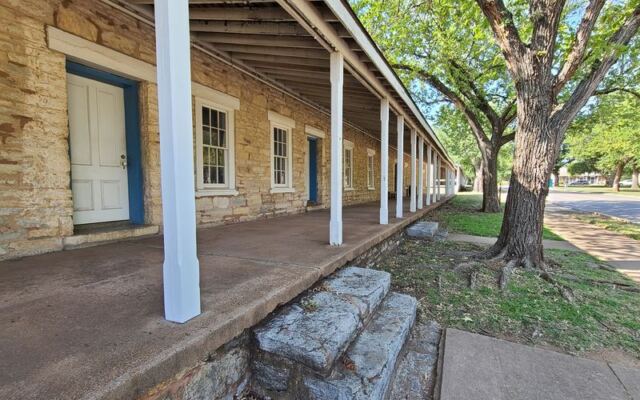
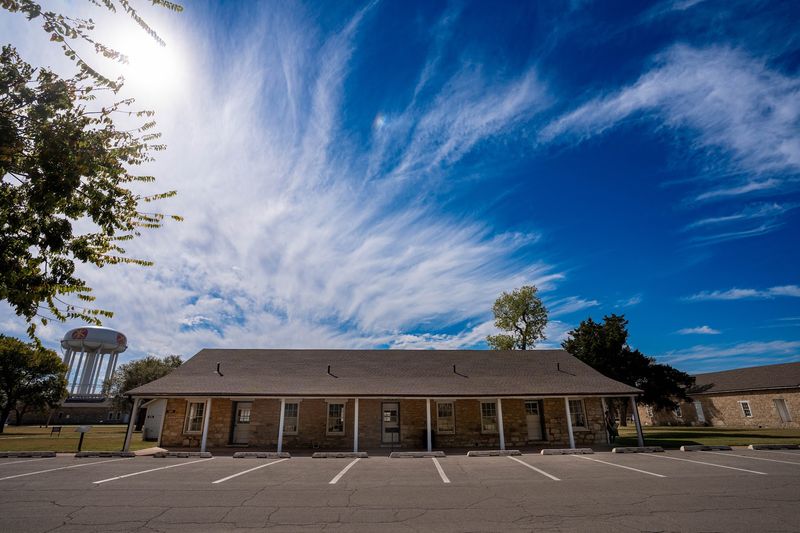
Some places look ordinary from the road, with weathered stone buildings and a quiet parade field that could pass for any old campus. Then you step inside and realize you are standing in the middle of a frontier story that Oklahoma has kept alive for more than 150 years.
Buffalo Soldiers helped raise these walls in 1869, and the clues they left behind are still waiting for curious visitors. If you love history that you can actually walk through, this spot deserves a place on your next road trip.
A Frontier Outpost Inside a Working Army Base
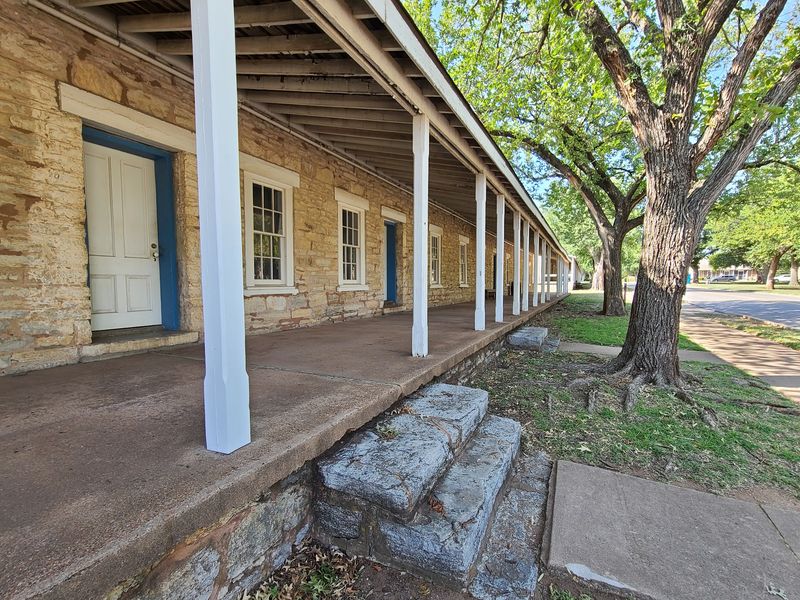
Picture a museum where the exhibits are not behind glass but all around you, including the ground under your shoes. Fort Sill National Historic Landmark and Museum sits at 435 Quanah Rd in Lawton, Oklahoma, right inside an active Army post.
The museum is officially an Army museum, and its focus is the post-Civil War fort that grew up here. Visitors find exhibits on historic regiments, a wide array of military artifacts, and the original grounds of an 1869 frontier outpost.
That last detail is what makes the place feel so special, since you are not looking at a replica.
Because the old fort is still part of a living base, some of the historic homes around the parade field have screen porches added on, and officers still live in them. Guests often describe the experience as a little surreal.
One moment you are reading about cavalry life in the 1800s, and the next you notice a modern family car parked beside a building that has stood for generations.
That blend of past and present is the hook. It makes the history feel close, almost like the story never really ended here in southwest Oklahoma.
Buffalo Soldiers and the Walls They Raised
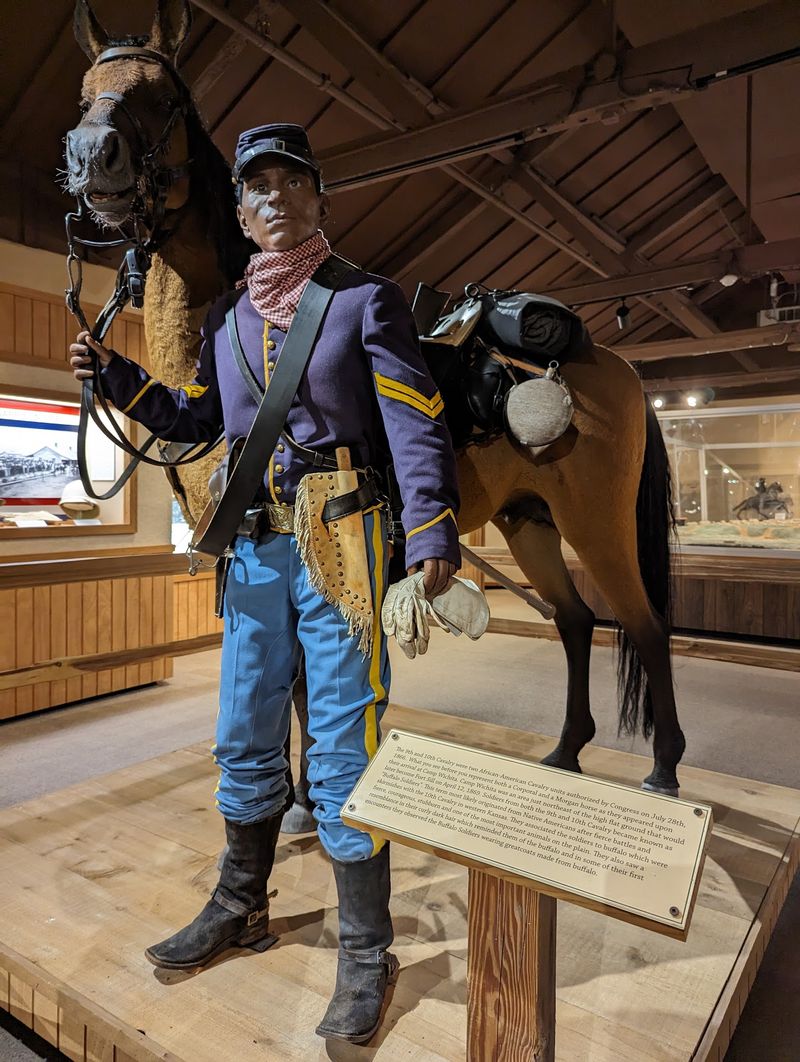
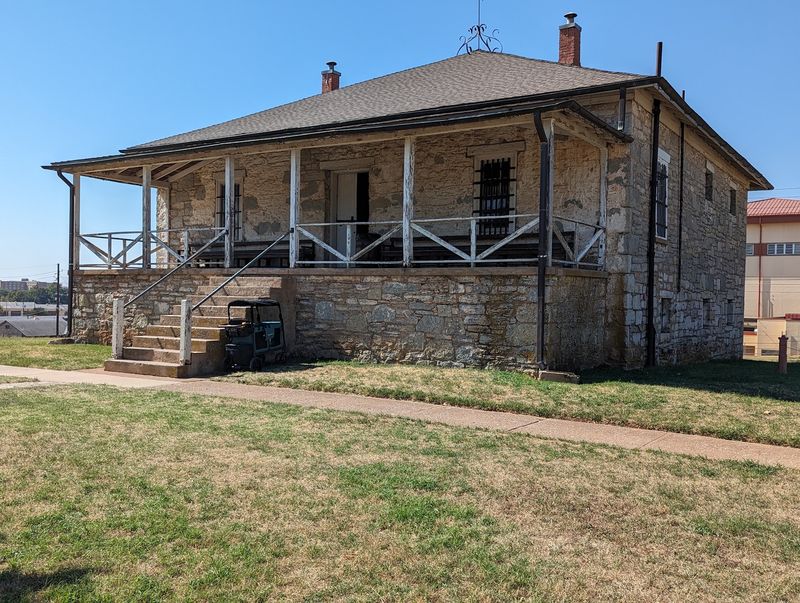
Back in 1869, the Oklahoma plains did not offer much shelter. The Buffalo Soldiers, Black cavalry troopers serving on the frontier, played a major role in building the stone fort that still stands today.
Many guests say the guided tours bring this part of the story into focus. Visitors mention walking away with a new understanding of how much the Buffalo Soldiers contributed to Fort Sill, and grandparents have shared that the museum was a great place for their grandkids to learn about these men.
Knowing who laid the stones changes how you see them. A plain wall becomes evidence of hard labor, skill, and determination under tough frontier conditions.
So when you stroll past the old buildings, slow down a little. Look at the craftsmanship, the thick stone, and the careful layout around the quadrangle.
Those details are some of the clearest clues Oklahoma still holds about the people who made this fort possible.
For families, this chapter is often the most memorable. It gives kids a real place to connect with a history they may have only read about in a textbook, and it gives adults a fresh reason to think about who shaped the American frontier.
The 20-Minute Film and the Diorama Primer
Start smart, and the whole visit clicks. Returning visitors offer the same tip again and again: watch the roughly 20-minute movie first for a summary of the history, then explore the exhibits.
The film works like a map for your brain. Once you know the big story, every artifact and building suddenly has a place in the timeline.
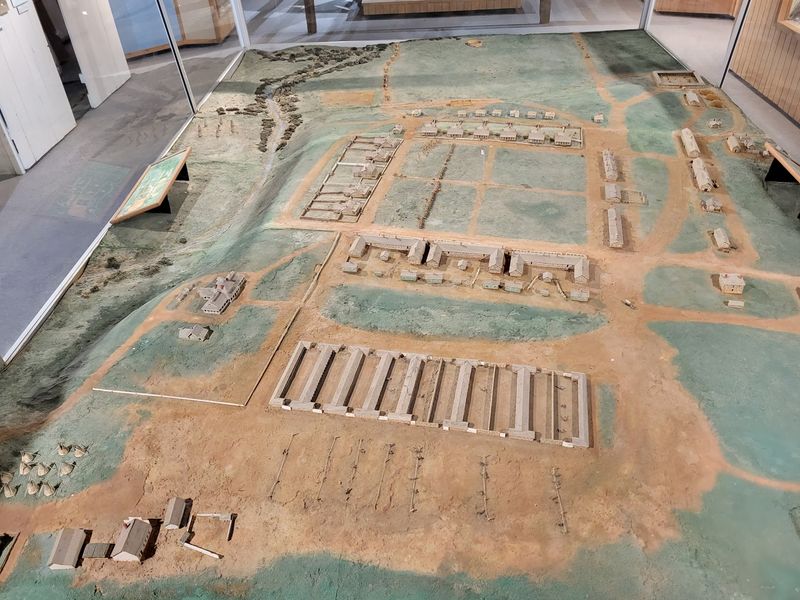
Next, head for the diorama in the main building. Guests rave about it, with one recent visitor calling it amazing, and others recommend studying it closely to get your bearings before walking around outside.
The old post can require some imagination because it is still fully woven into the base, so seeing the layout in miniature really helps.
Think of it as a two-step warm-up. The movie gives you the why, and the diorama gives you the where.
Skipping these is a bit like starting a mystery novel in the middle. You will still enjoy the clues, but you might miss how they connect.
Taking a short half hour at the start pays off later, especially if you only have one afternoon and want every step across the grounds to mean something.
Cavalry Barracks Frozen Around 1890
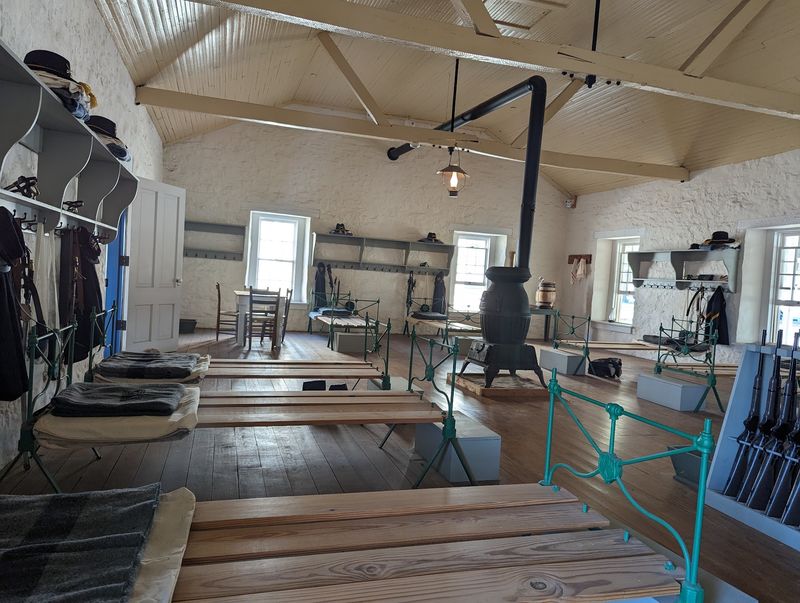
Rows of tidy bunks, simple gear, and the feeling that a bugle might sound at any second. According to many visitors, the old cavalry barracks is the best display on the grounds.
The space is set up exactly as it would have looked around 1890 to 1900. Stepping inside feels less like visiting a museum and more like peeking into a soldier’s daily routine more than a century ago.
Here is a fun bonus that one staff member shared with guests. The old horse corrals that look original are actually not, but the Army recently started using them again for cavalry horses.
So the site is not only preserving horse soldier history, it is quietly continuing a piece of it.
Little surprises like that are why talking to staff matters. They know which details are authentic, which are reconstructions, and which have a story behind them that no placard could fully explain.
Bring your curiosity and a few questions. Ask what life was like in winter, how the troopers cared for their horses, or how the barracks changed over time.
The answers often turn a quick walk-through into one of the most vivid moments of the whole trip.
Galleries Honoring Native American History
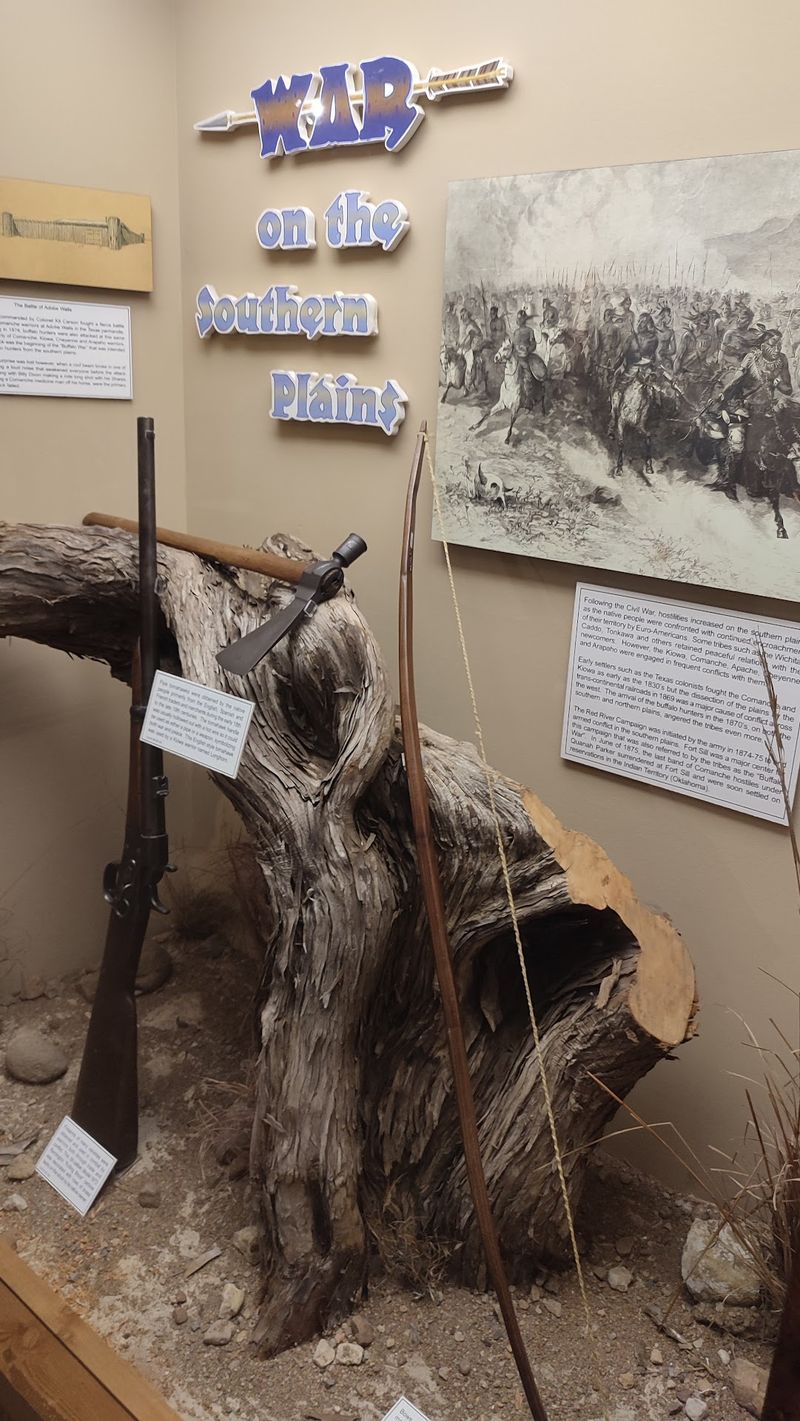
History at Fort Sill is not only told from the soldier’s side. The Native American Gallery stands out to many guests, and one recent visitor described it as beautifully assembled.
The museum features several different galleries, and this one helps round out the bigger picture of the region. Oklahoma’s frontier story involved many peoples, and seeing their history presented with care adds depth to everything else on site.
Visitors who love learning about the Native American history of the area often recommend this stop for that reason alone. It invites you to look at the fort as a meeting point of cultures, not just a military post.
Plan to linger here. Galleries like this reward slow reading, careful looking, and maybe a quiet moment of reflection before you move on.
Families say it sparks good conversations, especially with older kids who are starting to ask bigger questions about the past. Why was the fort built here?
Who lived on this land first? How did their lives change?
The gallery does not hand you every answer, but it gives you a meaningful place to start asking, which is often the best thing a museum can do.
Geronimo’s Grave and the Apache Cemetery
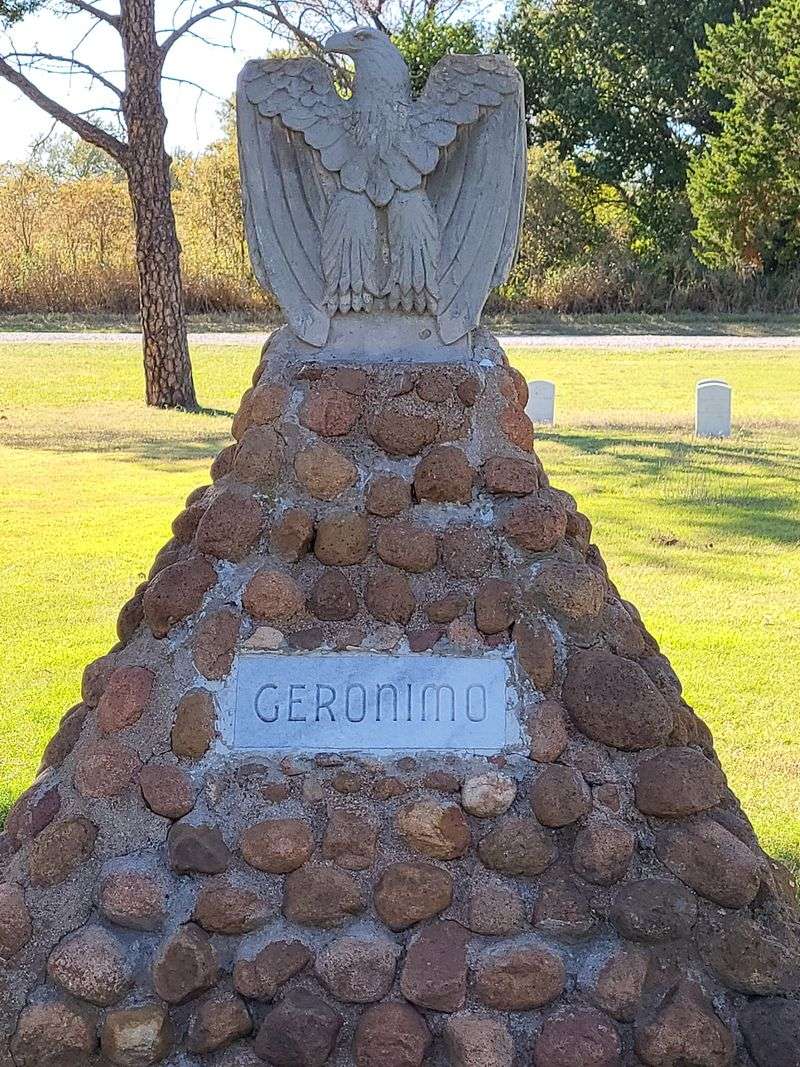
Ask almost anyone who has visited, and they will tell you the same thing: do not leave without finding Geronimo’s grave. It is one of the most talked-about stops connected to the museum.
The grave sits within Fort Sill base property, and visitors suggest asking the docent for directions. Nearby is the Apache cemetery, dedicated to Apache prisoners of war from the Geronimo campaign of 1886.
Many travelers call it a true bucket-list moment. Standing there connects the fort’s story to one of the most famous names in American frontier history, and the setting tends to encourage a calm, respectful mood.
This is a place to slow your pace and lower your voice. Some guests leave small tokens, while others simply pause to read and think.
Pairing this stop with the museum gives the day emotional weight. Inside, you learn the history through artifacts and films.
Out here, you feel it in a different way, surrounded by open sky and quiet ground. For many visitors, the grave becomes the part of the trip they talk about most once they are back home and telling friends about their Oklahoma adventure.
A Second Museum Packed with Field Artillery
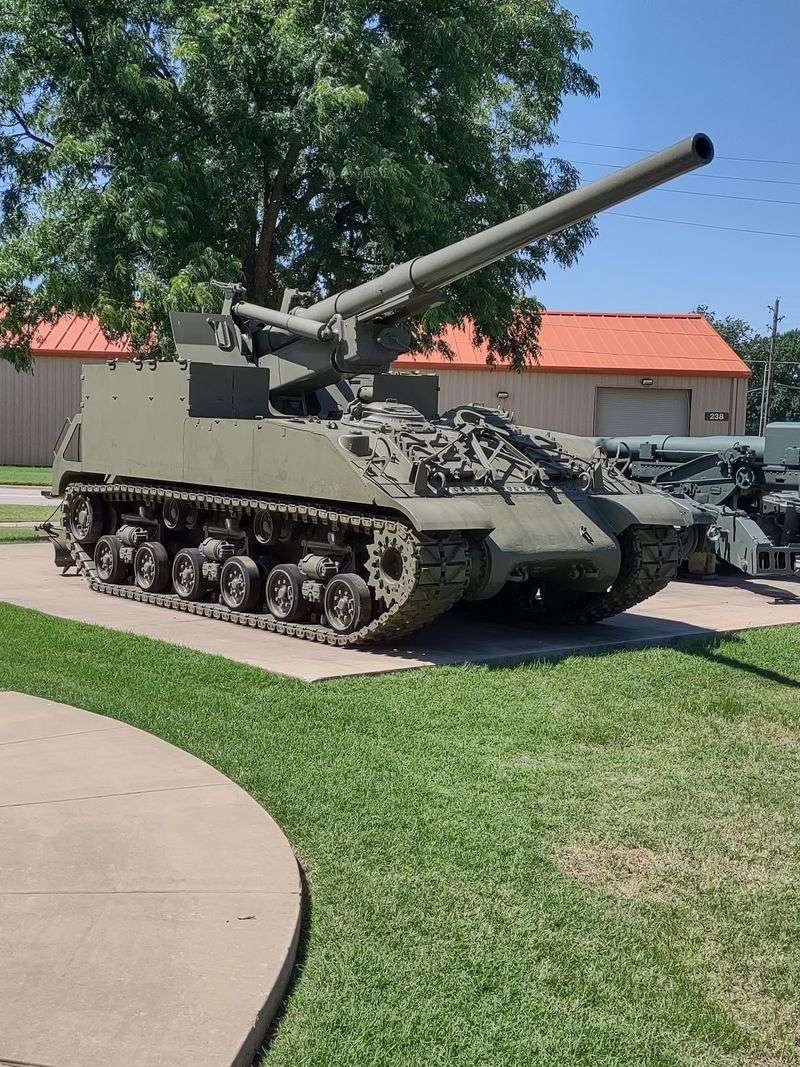
Bonus round! Fort Sill actually has two museums, and history fans often say you should see both.
The nearby Field Artillery Museum is a favorite for anyone who loves big machines with big stories.
Visitors describe a wealth of artillery history stretching from pre-revolutionary times to the modern era. The outdoor lawn displays are well kept, with informative placards beside each item, and one couple happily spent about an hour just exploring outside.
Parents attending a son’s or daughter’s basic training graduation often make this one of their first stops. One family especially enjoyed a video showing what their son would be doing in Army Artillery.
Fair warning, it is easy to lose track of time. Some guests say a true history buff could spend a full day at each museum.
So if your schedule allows, think of Fort Sill as a double feature. Spend the morning wandering the old post and learning about the Buffalo Soldiers, then shift gears to the artillery collection in the afternoon.
The contrast between frontier stone buildings and rows of cannons makes the day feel varied, and it gives kids and grown-ups something new to point at around every corner.
Friendly Docents, Audio Tours, and a Cheerful Gift Shop
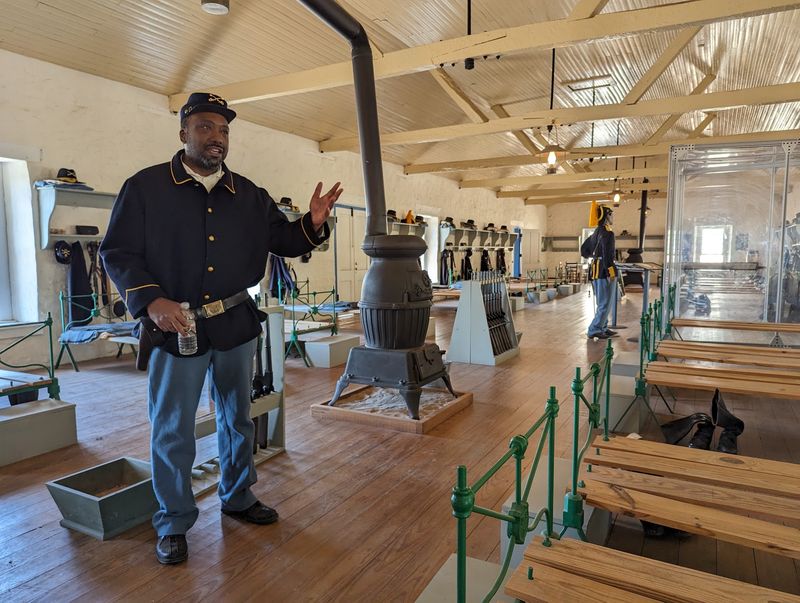
Good guides can turn dusty facts into stories you remember for years. At Fort Sill, the staff earns steady praise for being knowledgeable, welcoming, and genuinely helpful.
Guests mention a front desk attendant who explained how everything worked and what was open that day. Others describe docents full of amazing information and tour guides who make the history easy to understand, even for younger visitors.
Prefer to wander on your own? You can stroll the quadrangle with a free guided audio tour accessed by cell phone.
One couple spent a happy hour doing exactly that, and the old buildings, which look a little rough on the outside, came alive through the narration.
Before you head out, peek into the gift shop. Visitors describe it as nice, with friendly staff, and even on a day when the museum itself was closed, one guest found the clerk very kind.
That mix of options is handy. Families can join a guided tour, independent explorers can follow their phones, and everyone can grab a souvenir on the way out.
However you choose to explore, the people here clearly care about sharing this story well.
Planning Your Visit: Passes, Hours, and Admission
Here is the part that trips people up, so read closely. Because the museum sits on an active base, you need a visitor pass to enter unless you already have base access.
Hours are limited. The museum is open Tuesday, Thursday, and Friday from 10 AM to 4 PM, and it is closed Sunday, Monday, Wednesday, and Saturday.
Some visitors who live a couple of hours away wish there were Saturday hours, so weekday planning is a must.
The best news is the price. Guests say admission is free, with a donation box available if you would like to support the museum.
A few more tips can save you headaches:
Call ahead at 580-442-5123 or check the official Army museum website before driving in. During past government shutdowns, the indoor exhibits closed, though visitors could still enjoy the outdoor artillery displays, the audio tour, and the gift shop.
Give yourself plenty of time. Several guests said their only regret was how little time they had.
Arriving soon after 10 AM leaves room for the film, the galleries, the grounds, and a side trip to Geronimo’s grave before closing.
Why This Old Post Earns a Spot on Your Oklahoma Map
Some road trip stops fill an hour. Others stick with you long after the drive home, and Fort Sill tends to land in that second group.
It suits history lovers, families with curious kids, military families visiting for graduation, and anyone who enjoys uncovering the stories behind ordinary-looking buildings. Grandparents talk about bringing grandchildren back, and plenty of visitors say they plan to return to see what they missed.
The appeal is simple. You get an original 1869 frontier outpost, the legacy of the Buffalo Soldiers, thoughtful galleries, a famous gravesite, and a second museum full of artillery, all for free.
Is it perfect? The limited weekday hours and base pass requirement take some planning, and the old post asks for a little imagination since it is still part of a working base.
Still, that living quality is exactly what makes it memorable. You are not just reading about the frontier, you are standing inside it while the Army carries on around you.
Pack some patience, a sense of wonder, and maybe a notebook. Oklahoma still holds plenty of clues here, and they are waiting for someone like you to find them.
Share this story