Some New Jersey stops look modest at first, then somehow fill an afternoon with more stories than a bigger attraction. One minute the plan is a quick nature break, and the next there are binoculars, turtles, kids asking smart questions, and a festival built around monarch butterflies.
That kind of surprise is exactly why this coastal spot matters, because it turns local wildlife into something families can understand without needing a science degree. Keep reading and the little campus starts to look less like a backup plan and more like one of those New Jersey places worth defending.
A Coastal Nature Campus By Cape May Harbor
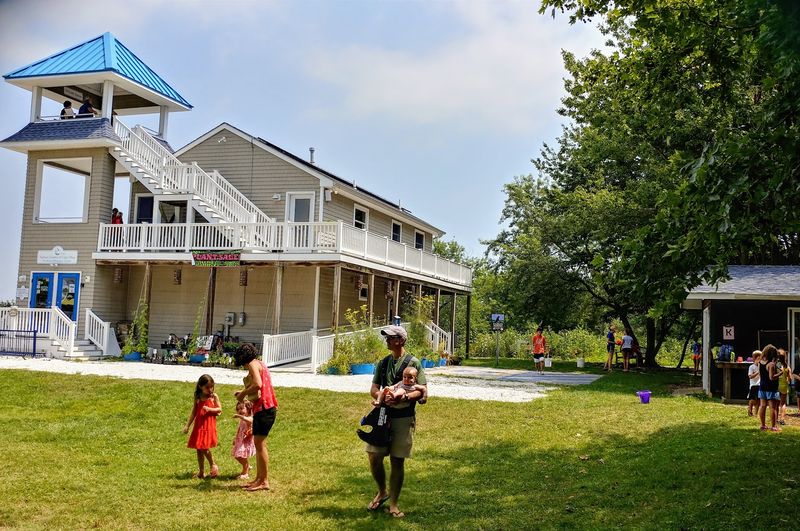
A small address can carry a lot of day-trip potential, and the Nature Center of Cape May proves it at 1600 Delaware Ave, Cape May, NJ 08204, in Cape May, New Jersey, United States. The site is listed as a nature preserve, but that plain label undersells how many little pieces are packed into the campus.
The center brings together an observation tower, themed gardens, hands-on activities for kids, indoor displays, and access to a setting tied closely to Cape May Harbor. It works as a practical stop for families, bird watchers, and anyone needing a nature-focused pause that does not require a full-day plan.
Hours are straightforward, with the center open daily from 10 AM to 4 PM. Admission is described as free to the public, which makes it especially useful for New Jersey families trying to keep a Cape May outing affordable.
The first surprise is scale, because people often plan for a short stop and then find enough to keep kids engaged. Between the deck, trail, tanks, resident animals, and gift shop, the campus feels like a compact lesson in coastal Cape May.
The Monarch Festival’s One-Day Spark
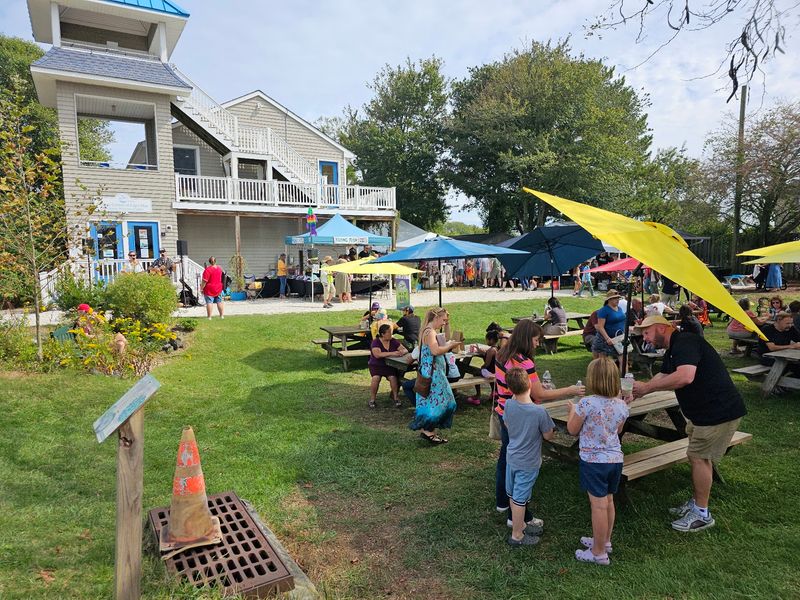
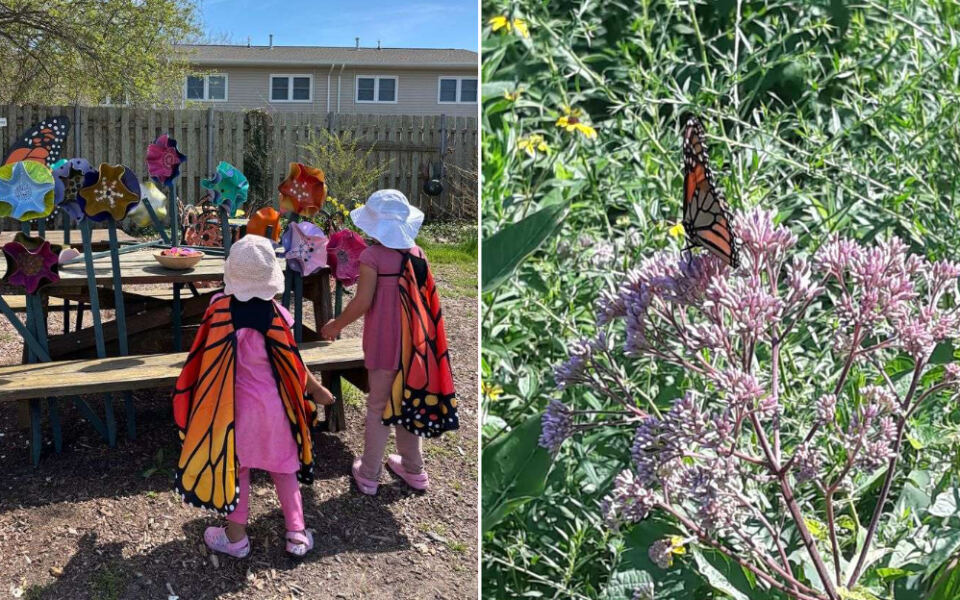
September gives this nature center its headline moment when the Monarch Butterfly Festival turns the campus into a one-day celebration of migration, learning, and low-key family fun. The festival has been noted for live music, food trucks, vendors, and a monarch tagging demonstration.
The tagging demonstration is the detail that makes the day feel specific to Cape May rather than just another outdoor event. Monarch butterflies already hold a special place in the center’s identity, and the festival gives that interest a public stage.
Families can spend a few hours near Cape May Harbor without needing a complicated itinerary. The festival format adds activity to the center’s regular features, so a trip can include the grounds, indoor exhibits, and the event tables all in one visit.
Educational events can sometimes feel too formal for younger kids, but the monarch theme keeps the topic easy to grasp. A butterfly that travels far enough to inspire tagging demonstrations has a built-in wow factor, and this center uses that curiosity well.
For New Jersey readers, the appeal is also local pride. Cape May is already known for nature, and this festival gives residents another reason to say the state’s coast is far more layered than a beach day alone.
Monarchs, Milkweed, And A Garden Path
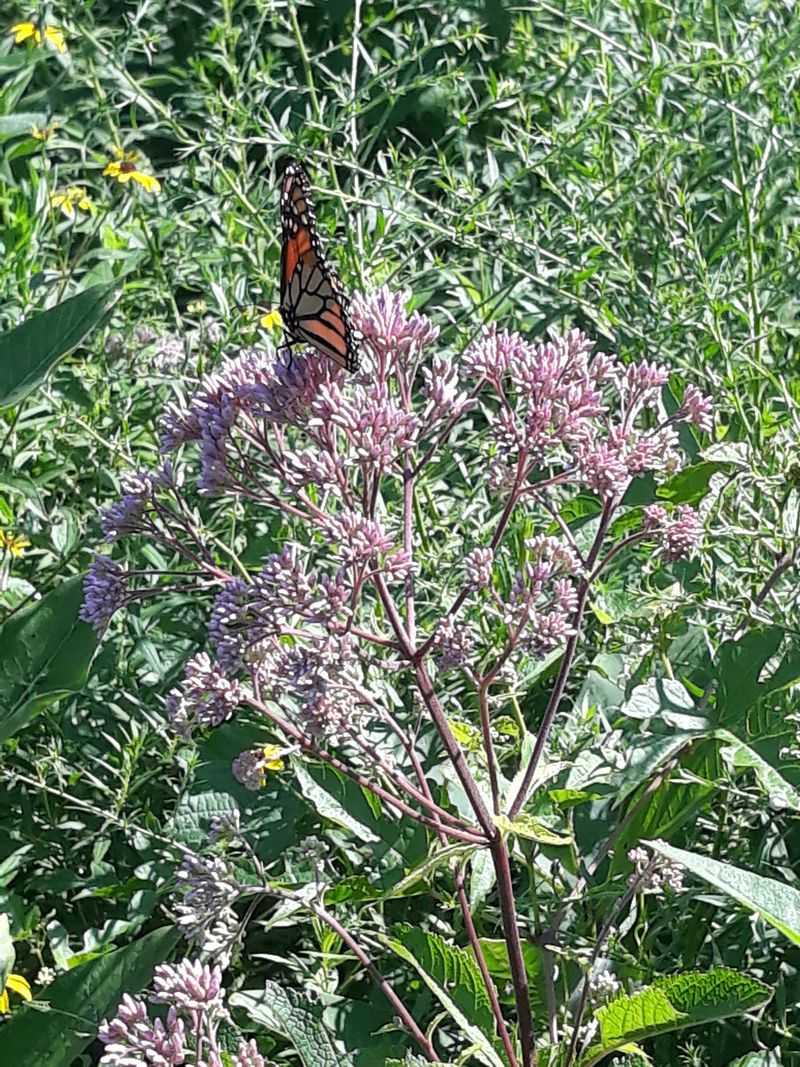
Milkweed may not sound like a showstopper on paper, yet it becomes a key part of the monarch story here. The center’s outdoor garden path has been noted for milkweed and monarch butterflies, connecting the festival theme to something that can be explored beyond a single event day.
The butterfly garden adds a quiet teaching tool to the property. Instead of turning nature into a lecture, the path gives families a way to connect plants, insects, and habitat in a form kids can follow.
Monarch butterflies come up often in connection with the center, and that repetition matters. It shows the topic is not a decorative theme, but part of the educational focus that makes the campus different from a generic stop.
The garden also helps explain why a nature center does not need to be huge to matter. A small path with the right plants can introduce children to migration, seasonal change, and conservation in a practical way.
During festival time, that same garden context makes the tagging demonstration feel more grounded. The butterfly becomes more than a pretty insect on a poster, and the path gives the whole day a reason to linger.
The Lookout Deck Above The Grounds
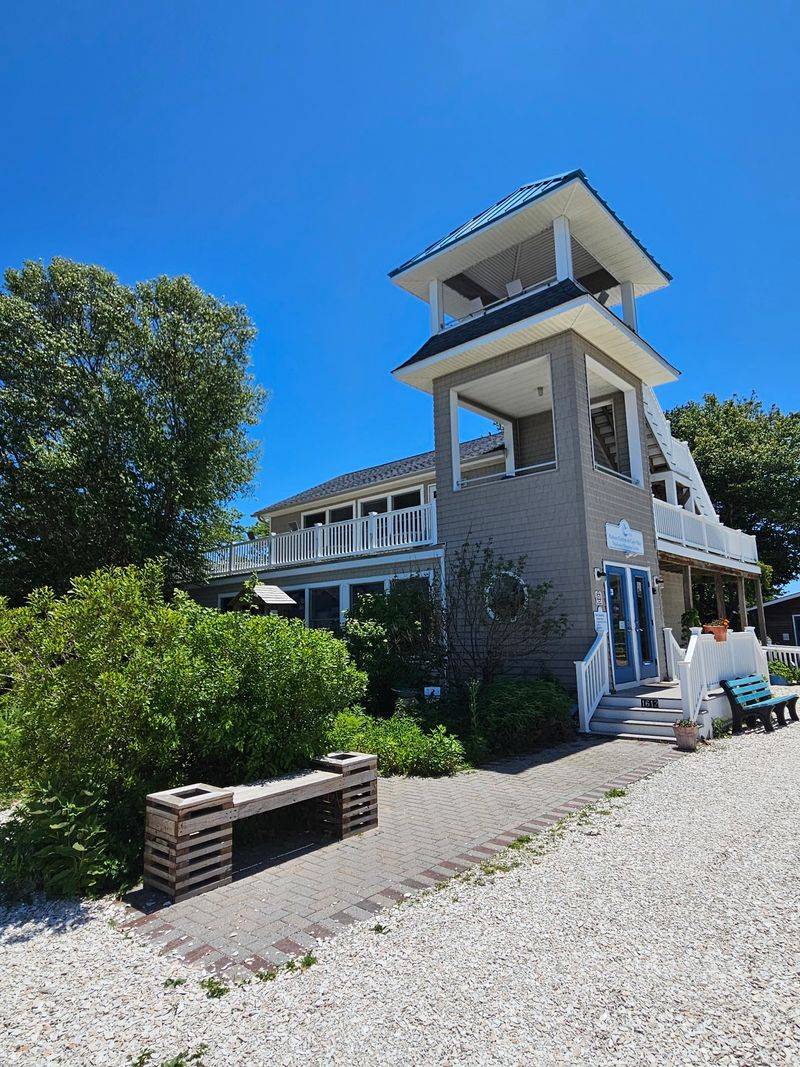
Upstairs is where the center gets a little taller than expected. The main building includes a second-floor wraparound deck and a third-tier lookout deck, giving the visit a vertical twist that kids tend to remember.
Binoculars are available for use, a simple touch that makes the deck feel more like an activity than a view stop. Families can look toward the waterway area and the nearby bird activity that has been noted across the street.
The lookout also helps adults appreciate the layout of the campus. From above, the center reads as a cluster of learning spaces rather than a single room with a few displays.
A deck can be a clever tool for keeping attention moving. After time with indoor exhibits or the gift shop, heading upward changes the pace without leaving the property.
For a free public stop, that added layer is valuable. It turns a short nature visit into something with stages, and each stage gives children a new task, look here, compare that, try the binoculars, then head back down with another question.
Bird Watching Without A Big Production
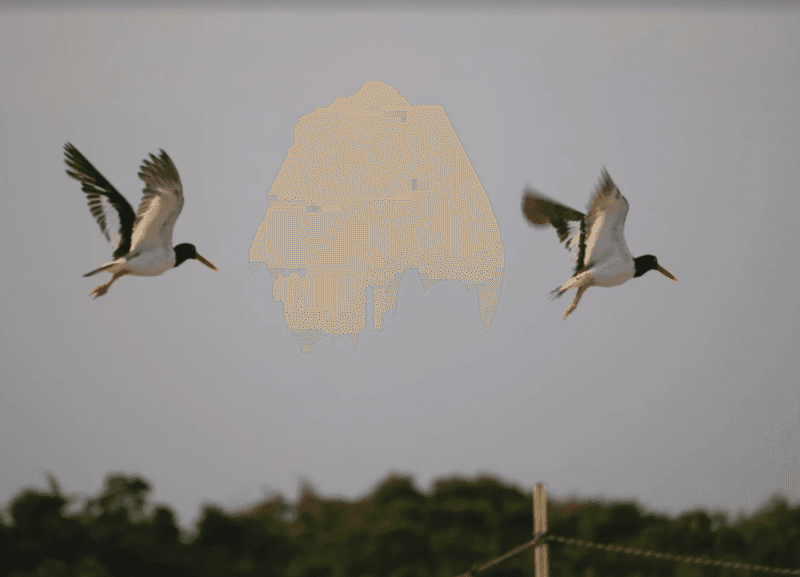
Cape May has a serious nature reputation, but this center keeps bird watching approachable. Binoculars can be borrowed, and the viewing balcony gives newcomers a clear place to start without buying gear or joining a specialized outing.
Bird activity has been noted across the street next to the waterway, which adds an easy extension to the center experience. That setup matters for families who want a taste of birding without committing an entire morning.
The center’s role is not to overwhelm people with expert-only language. It gives enough structure to help beginners pay attention, then lets curiosity do some of the work.
Parents can appreciate a stop where kids have something concrete to do. Holding binoculars, scanning from a deck, and comparing what they notice can keep the visit active while still staying simple.
New Jersey day-trippers also get a reminder that Cape May’s natural side is not limited to postcard scenery. A nature preserve with a lookout and birding tools gives the town a deeper identity, especially for families looking beyond the usual boardwalk rhythm.
Resident Animals With Kid-Level Wonder
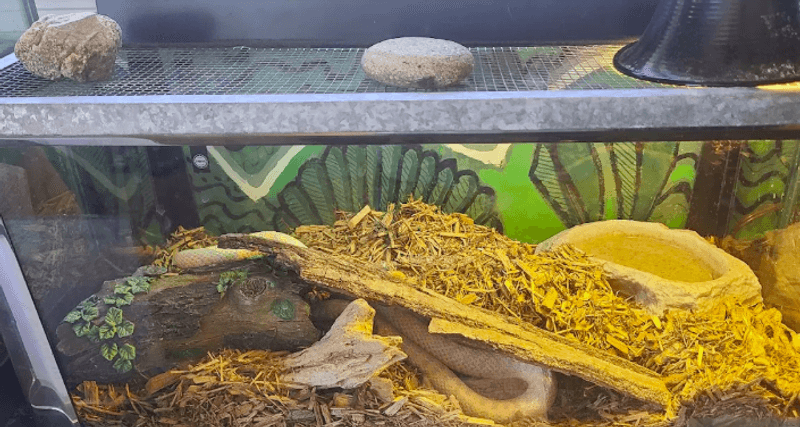
Small animals have a way of turning a careful child into a junior naturalist, and the center leans into that spark. Inside, the displays have included snakes, turtles, reptiles, and chinchillas, creating an indoor reason to visit even when the beach is not the plan.
The animal areas are often mentioned alongside kids’ activities, which fits the center’s role as a family-friendly nature stop. Benches for children have been noted, helping younger guests get closer to displays in a manageable way.
Turtles and chinchillas come up often in notes about the center, and that says something about what sticks in a child’s memory. Big attractions are not always required when a small exhibit gives kids a creature to ask about on the way home.
The displays also add balance to the campus. Outdoor gardens and decks handle the open-air learning, while indoor animal exhibits keep the experience going when the schedule needs flexibility.
Nothing here needs to feel overbuilt. The charm is in a practical, local center giving kids direct points of contact with coastal wildlife topics and animal care, one display at a time.
Aquatic Lab Lessons From The Coast
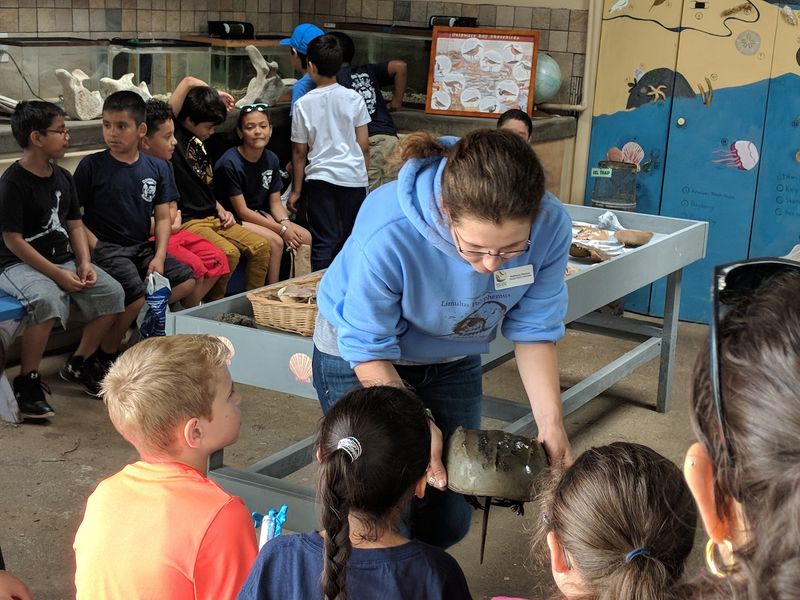
Coastal learning gets especially concrete in the aquatic lab area, where tanks and sea-related displays have been part of the experience. Crabs, fish, horseshoe crabs, and marine fossils have all been described in connection with the center’s educational setup.
Horseshoe crabs are a strong Cape May topic because they connect the shoreline, wildlife, and local science in a way kids can understand. The center’s hands-on style helps turn that subject into something more memorable than a page in a workbook.
Class trips have used stations that include the nature center, aquatic lab, and beach-based learning about local marine life. That structure shows how the campus can support more than casual browsing.
The aquatic lab also gives the visit variety. A family can move from garden path to lookout deck to animal displays, then shift into marine life without leaving the same destination.
Because the exact setup can change, the best approach is to treat the lab as part of the center’s broader nature education rather than a fixed exhibit list. The reliable theme is clear enough, coastal Cape May has stories, and the center gives kids a place to start asking about them.
Hands-On Activities For Nonbeach Hours
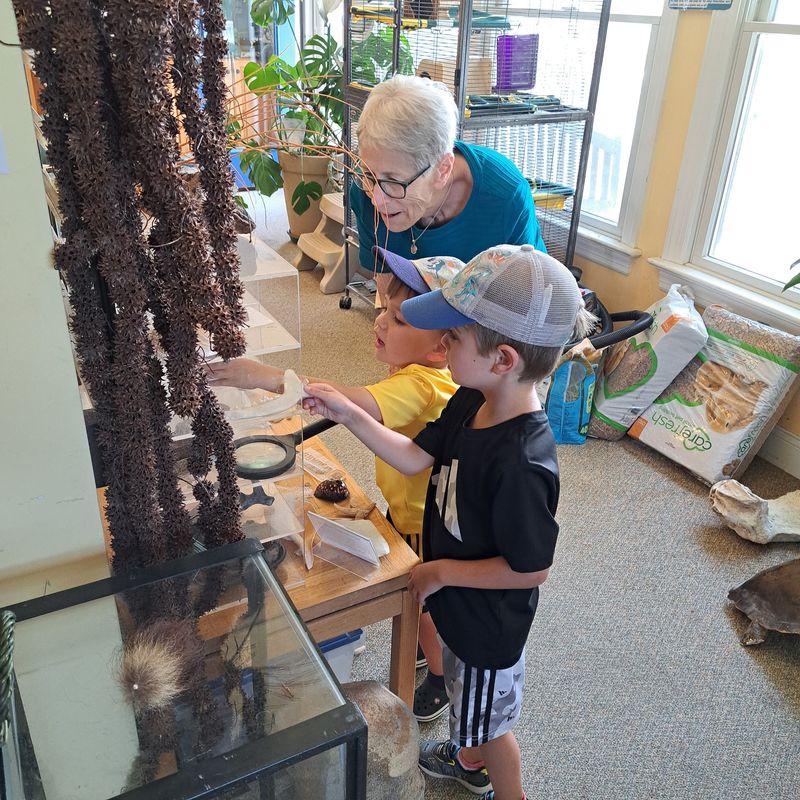
Not every Cape May day has to revolve around sand, and this center fills that gap neatly. Families often use it as a nonbeach activity, especially when they want something educational, quick, and easy to manage.
Kid-friendly features have included puzzles, a play kitchen area, hands-on activities, telescopes, and discovery spaces. Those details matter because they give younger children choices instead of asking them to stand still and simply observe.
The center has also been called useful on rainy days, which makes practical sense. Indoor animal displays, the gift shop, and learning areas can keep the plan moving when outdoor time needs a backup.
Many family attractions require tickets, reservations, or a bigger time commitment. Here, the free admission and compact layout make the stop less stressful, especially for adults juggling weather, nap schedules, or kids with different attention spans.
A one-hour visit is a common fit, though nature-focused families may stay longer. That flexible timing is one of the center’s best qualities, because it can be the main outing for a quiet morning or a smart pause between bigger Cape May plans.
A Gift Shop With Local-Stop Energy
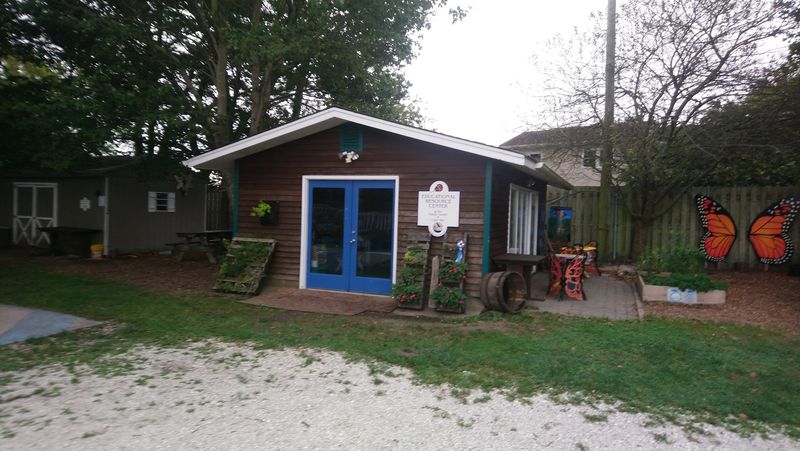
A tiny gift shop can reveal the personality of a place, and this one seems to do that job well. Notes about the center often mention a cute gift shop with items such as paintings and take-home nature-themed finds.
The shop is not the main reason to go, but it rounds out the visit in a way families understand. After kids meet animals, use binoculars, or explore the decks, a small browsing stop gives the trip a natural final chapter.
Gift shops at nature centers also help support the educational mood. The best ones keep the focus on animals, local habitats, and curiosity, rather than pulling the visit away from the topic.
Some families mention finding reasonable options compared with other Cape May purchases. Since cost matters on any shore trip, that detail makes the stop feel more accessible.
The shop also works well during events like the Monarch Butterfly Festival, when vendors and learning tables add extra reasons to browse. A small purchase is not required, but the space adds a friendly, local layer to the campus experience.
Programs That Stretch Beyond A Drop-In Visit

Drop-in visits are only one part of the center’s story. The Nature Center of Cape May runs different activities throughout the year, and summer camp has been mentioned as a draw for children who love nature.
The center is connected with New Jersey Audubon, and that link gives its programs a clear educational backbone. Families looking for more than a quick stop can check the center’s website for scheduled offerings and registration details.
Summer programs may require tickets and pre-registration, while younger children under 3 have been noted as free for those summer programs. That distinction is useful because the public center itself is free, but some organized activities may have separate requirements.
Past offerings connected to the center have included guided learning, beach plum history, local plant study, hikes, and nature education experiences. Those examples show the campus can reach beyond tanks and decks into broader Cape May ecology.
For families returning to Cape May year after year, programs give the center repeat value. A child can visit once for turtles and binoculars, then come back another season for camp, a monarch event, or a guided activity.
The Friendly Help That Makes Science Less Stiff
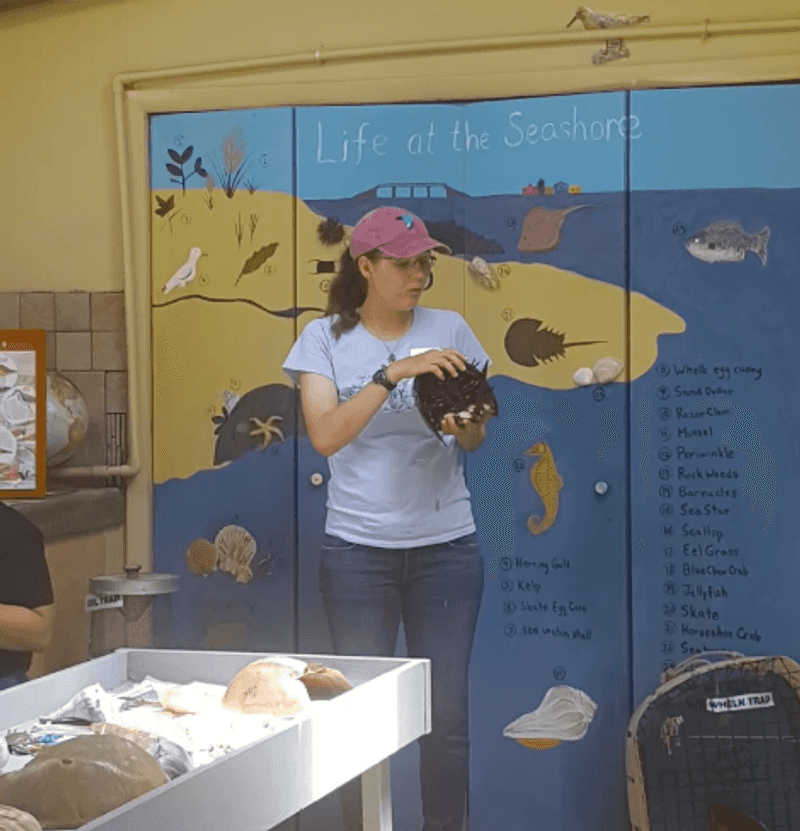
Science lands better when the people explaining it know how to meet families where they are. The center is often associated with friendly, knowledgeable, and helpful staff, which matters in a place built around questions.
Kids ask wonderfully specific things, and adults do too, especially around animals, binoculars, tanks, and monarch tagging. A supportive team can turn those questions into small learning moments instead of quick answers.
The staff presence also helps with the center’s layered layout. A first-time family may want to know where to find the lookout, which animals are on display, or how to use the binoculars, and guidance keeps the visit smooth.
During programs and demonstrations, that knowledge becomes even more important. Monarch banding and tagging demonstrations are more meaningful when someone can explain what is happening in simple, accurate terms.
Friendly help is not flashy, but it can be the difference between a quick pass-through and a visit that sticks. At this campus, the human side of nature education seems to be part of why families keep the center in their Cape May routine.
A Smart Stop For Families On A Budget
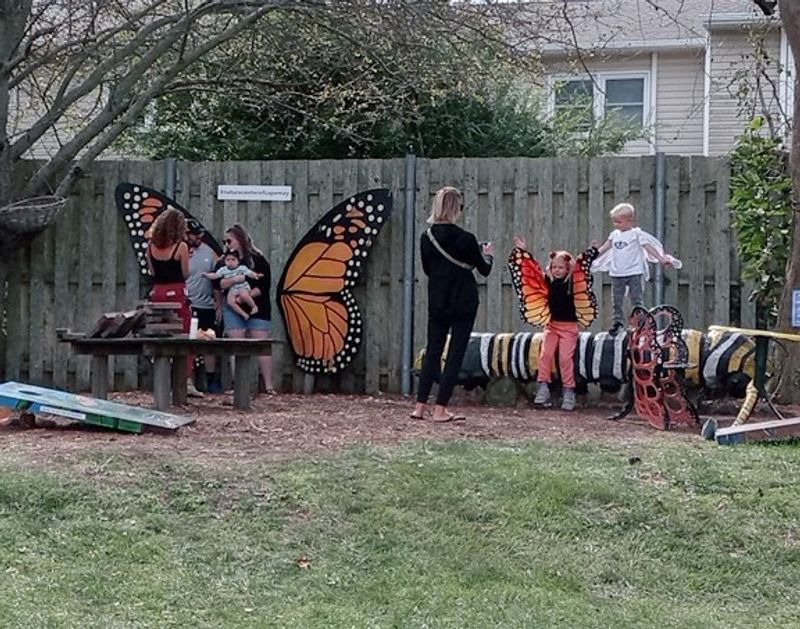
Free admission is not a small detail in a shore town. The Nature Center of Cape May is described as free to visit and walk around, which gives families an easy way to add learning without adding another ticket line to the day.
No tickets are needed for general admission, based on the available information. That makes the center especially appealing for a spontaneous stop, a too-hot midday break, or a plan B when beach time is not working.
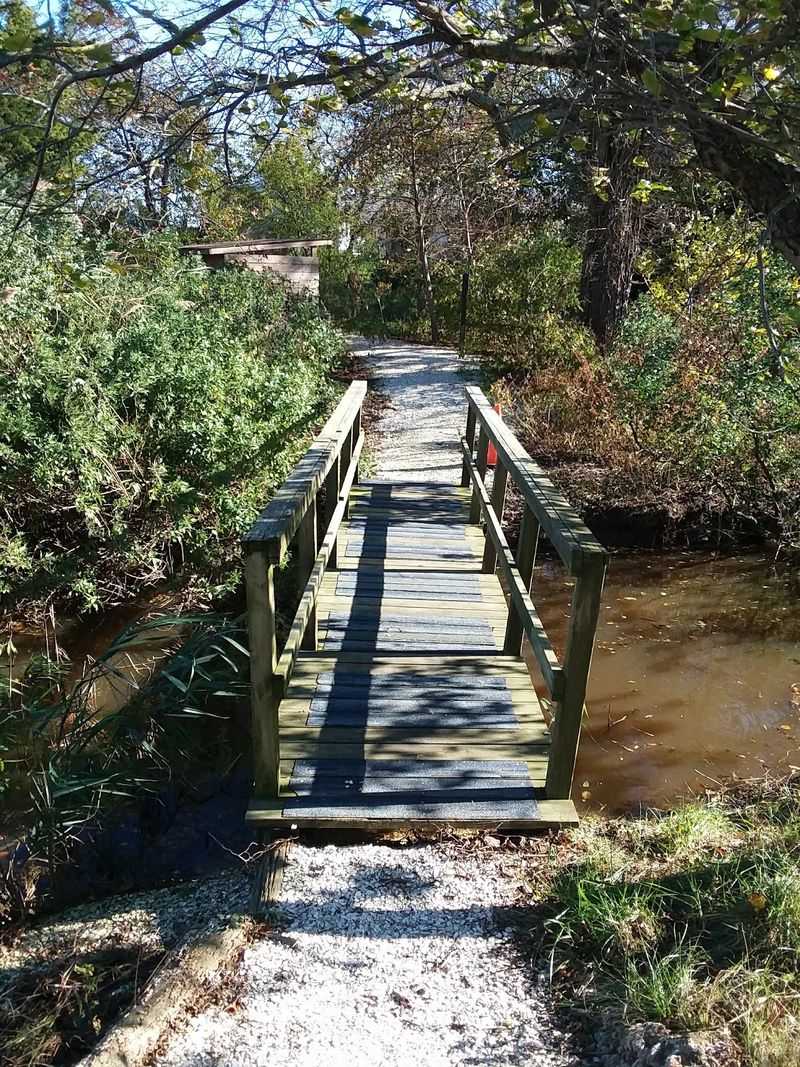
The free access covers a surprising variety of things to do. Families can explore the nature center, check out the decks, look through binoculars, visit the gift shop, spend time with kid-friendly displays, and use the small nature trail.
Some summer programs are separate and may require pre-registration, so the simplest rule is to separate casual visiting from organized programming. The public center is the low-barrier option, while scheduled activities need a little planning.
Budget-friendly does not mean bare-bones here. The draw is that a family can spend a meaningful hour or two with coastal wildlife education, then leave feeling like New Jersey just handed them a practical little win.
Timing, Hours, And Easy Visit Planning
A smooth visit starts with the simplest fact: the center is open daily from 10 AM to 4 PM. Those hours make it easy to fit into a Cape May day without having to build the entire schedule around it.
Many families spend around an hour at the center, though some stay longer when kids get interested in animals, decks, or the aquatic displays. A two-hour visit can make sense for families who like to move slowly through each area.
The destination works well as a morning or afternoon stop. It can also fill the gap on a nonbeach day, during a weather change, or between other local plans.
Because displays and programs can vary, checking the New Jersey Audubon page before going is a smart move. The website listed for the center is https://njaudubon.org/centers/nature-center-of-cape-may/.
Planning should stay simple, not military-grade. Bring curiosity, allow time for the lookout and indoor areas, and leave enough flexibility for a child to become unexpectedly committed to turtles, monarchs, or binocular strategy.
A Soft Verdict With Plenty Of Wings
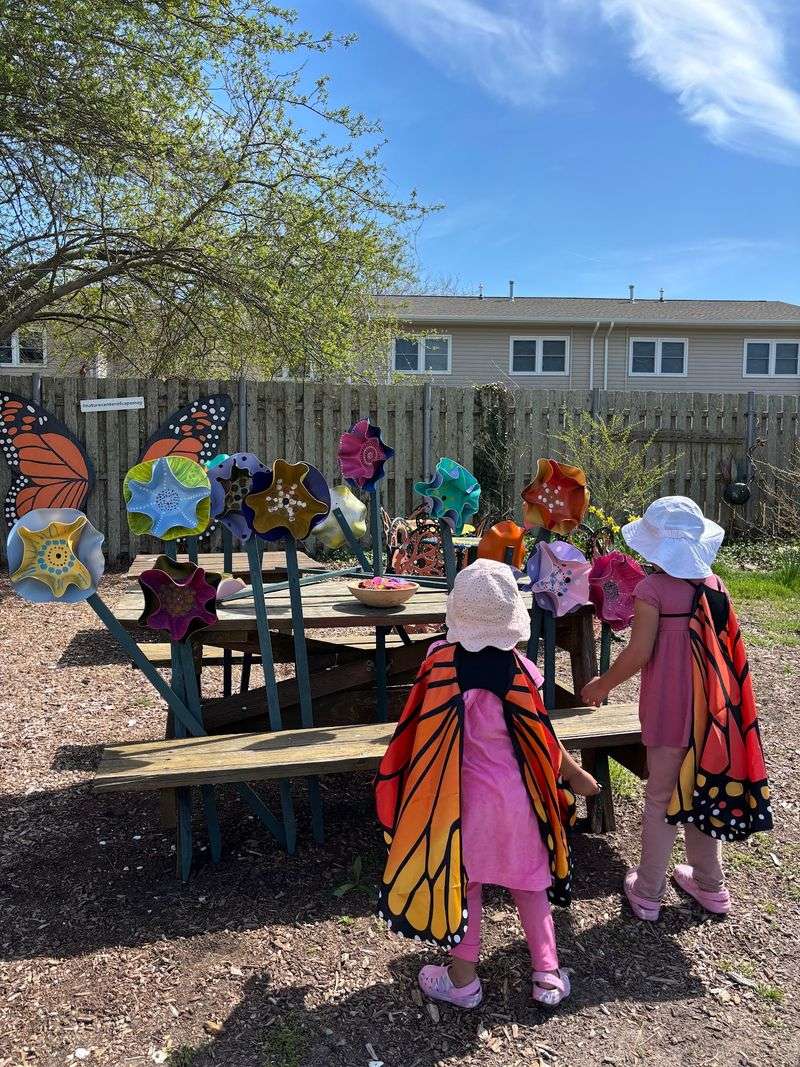
By the end, the center feels like one of those New Jersey places that does not need to shout. Its appeal comes from stacking useful pieces together: free access, kid-friendly animals, a lookout deck, gardens, hands-on learning, and a monarch festival with a clear seasonal hook.
The Monarch Butterfly Festival gives the campus its most memorable public moment, especially with tagging demonstrations, vendors, live music, and family-friendly time near Cape May Harbor. Yet the regular center remains worth knowing even outside that September event.
Families with young children will probably get the most from the stop, but bird watchers and curious adults have reasons to linger too. The binoculars, waterway views, and coastal wildlife focus keep the visit from feeling only kid-centered.
The best recommendation is simple: treat it as an easy, affordable nature break with more layers than its modest footprint suggests. Cape May has plenty of famous draws, but this one shows how a small preserve can make butterflies, turtles, birds, and family learning feel like a complete outing.
Share this story