I expected nothing more than a quick stretch-your-legs stop on a quiet country drive. Instead, I found myself standing beside rows of green tea bushes in South Carolina, holding a free cup of iced tea brewed from leaves grown a few steps away.
This sleepy corner of the Lowcountry hides something you will not find anywhere else in America. If you have ever wondered where your tea really comes from, this is the place that answers the question, one refreshing sip at a time.
A Working Tea Farm on Wadmalaw Island
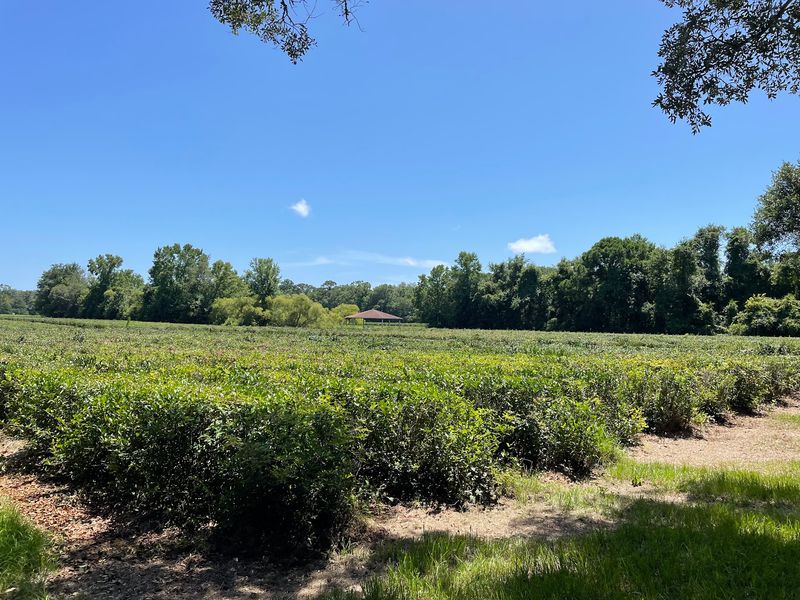
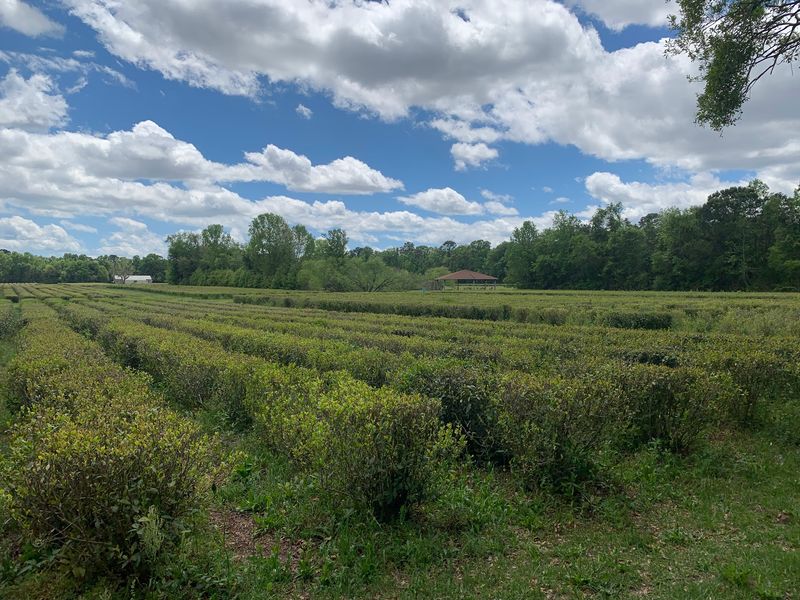
Picture a sea island road lined with farm fields, and then picture rows of tidy green shrubs stretching out toward the trees. That is the scene at Charleston Tea Garden, sitting at 6617 Maybank Hwy on Wadmalaw Island, South Carolina.
Visitors often describe it as the only tea garden and tea factory operating in the United States.
Calling it a tourist attraction is accurate, but it is also a real working farm. Tea is grown, harvested, and processed right on site, so you are not just looking at a museum display.
On a lucky day, you might even watch the leaves being gathered while you tour.
The grounds include acres of tea plants, a factory with a viewing area, a trolley tour, and a roomy gift shop. Best of all, the shop pours free cups of hot and iced tea, so you can taste the harvest a few steps from where it grows.
Roots, Relocations, and a New Chapter
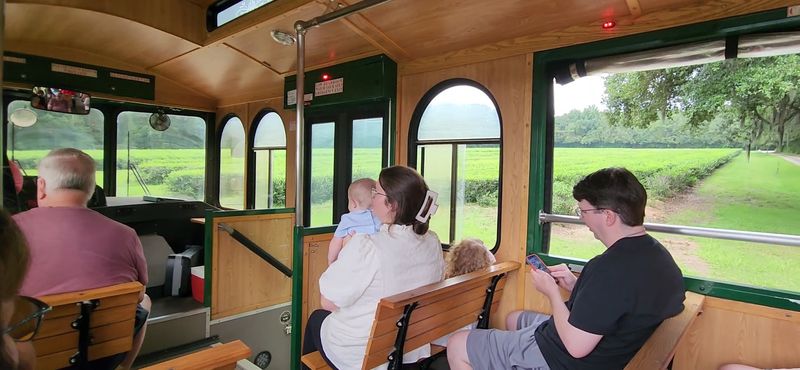
Every cup here comes with a backstory. Guides on the trolley explain how, why, and when tea first came to the Charleston area, and how the South Carolina tea industry got its start.
Visitors say one of the most memorable parts is hearing how the plants were moved from their original site to this island.
The farm has kept evolving since then. According to recent visitors, the garden was bought by Bigelow not long ago, and guests say the team still clearly cares about the farm and the tea.
Staff come across as kind and knowledgeable, and several guests felt they truly enjoy working there.
Growing methods are part of the story, too. Guides share how the farm skips pesticides, fungicides, and insecticides on its crops.
For a modern farm, that choice impresses a lot of people who stop by, and it adds real meaning to every sip you take on the property.
Live Oaks, Country Roads, and Rocking Chairs
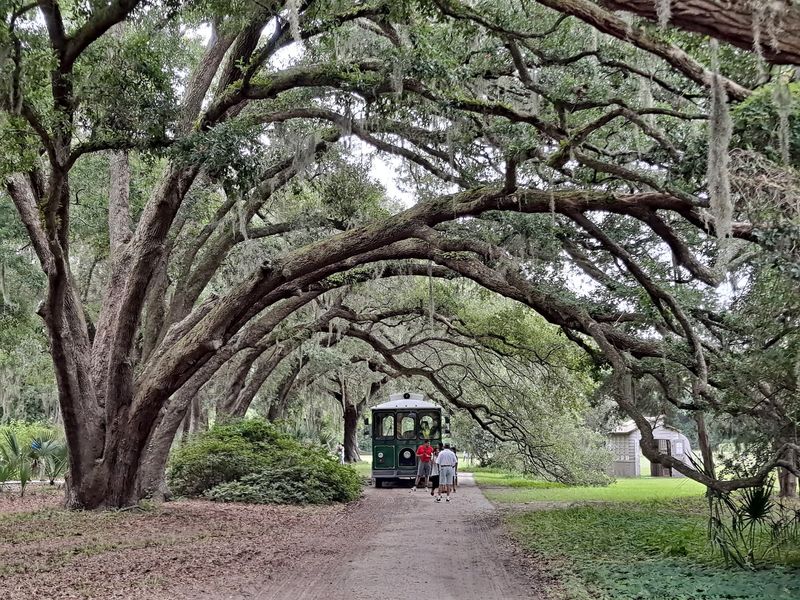
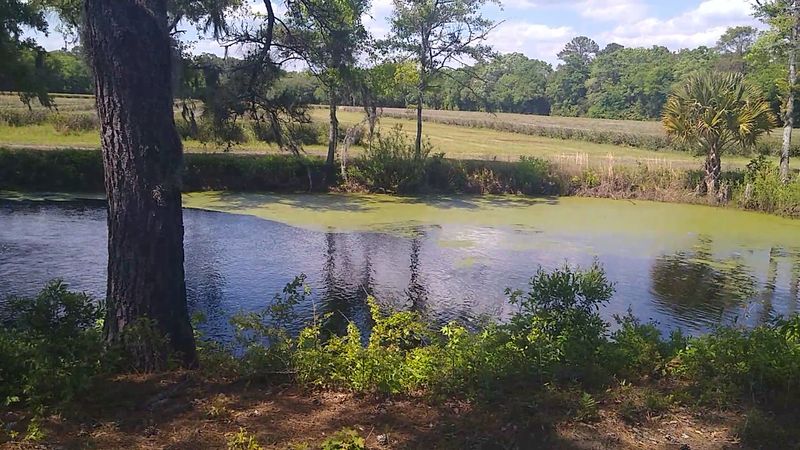
Half the fun starts before you park. The drive out from Charleston rolls through beautiful open country, and the scenery only gets better once you reach the grounds.
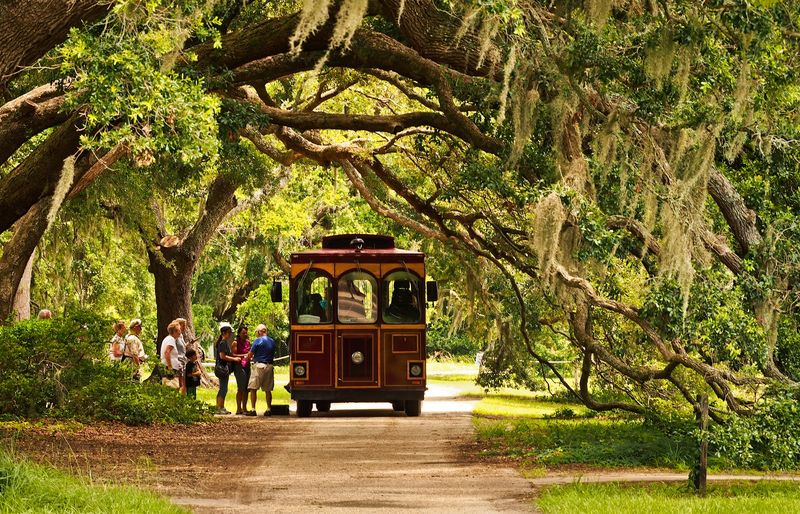
Huge live oaks shade the lawns in front of the main store, their branches stretching wide over the grass.
Guests love wandering under those trees to stretch their legs after the ride. The lawns and gardens feel calm and scenic, a welcome break from busy city sidewalks.
You can even spot a tea field as you drive in and along the side of the gift shop, no ticket needed.
Then there is the porch. A row of rocking chairs waits for anyone who wants to slow down with a cup in hand and watch the breeze move through the leaves.
Returning visitors say the sight of the tea plants still thrills them, and the plants are said to look especially stunning when they bloom.
The Free Hot and Iced Tea Bar
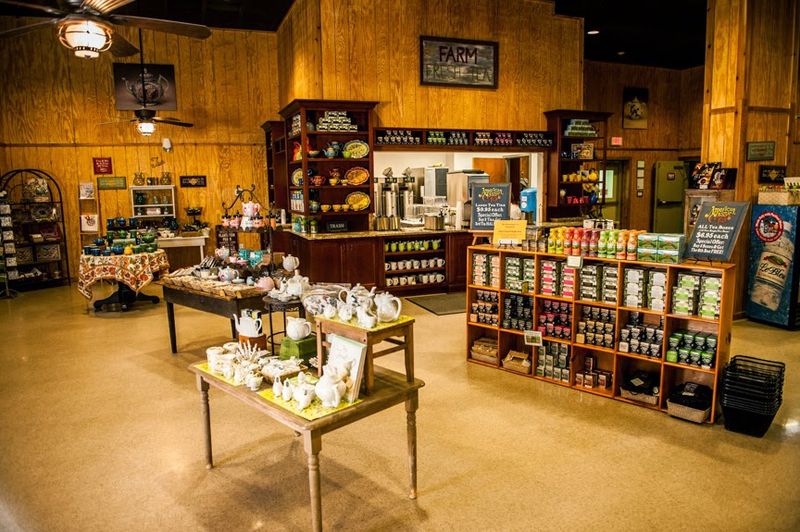
Free refills are music to any tea lover’s ears. Inside the gift shop, a complimentary tea bar serves both hot and iced tea, and staff happily tell guests they can have as much as they want.
Several visitors admit they tried nearly every flavor before leaving.
Favorites vary from person to person, which is part of the charm. One couple raved about the raspberry tea and a limited edition peach green tea, then bought some to take home.
Others say the samples helped them decide what to buy, and one guest left with three different teas.
Why does it taste so good? Part of the answer is freshness, since the leaves come from the fields right outside.
Sipping a chilled cup while looking toward the rows where it grew feels like farm-to-table dining in tea form, and visitors also spotted what they call the world’s largest sweet tea.
Trolley Rides Past Greenhouses and Grazing Goats
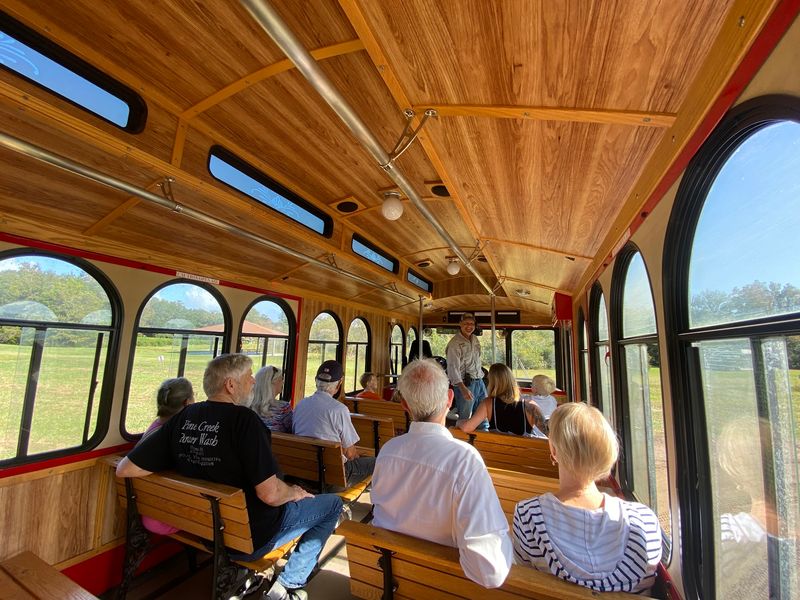
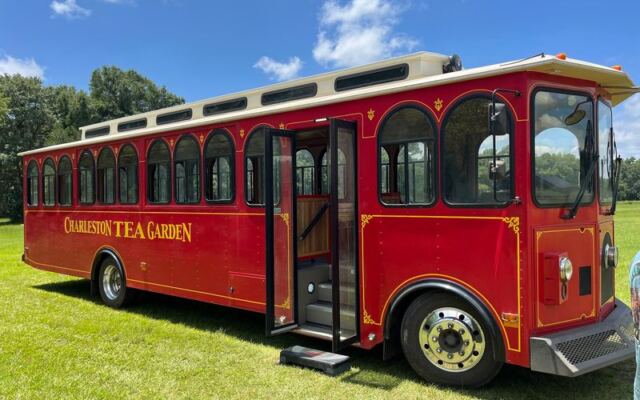
Climb aboard, grab a seat, and let the farm roll past you. The trolley tour is the most talked-about part of a visit, mixing a recorded presentation with a live guide who answers questions.
Guests describe the ride as about 45 minutes long, and most of the route stays in the shade.
Along the way, you learn about plants, wildlife, farming, botany, and history. An experimental greenhouse shows how young tea plants are rooted, and both a historic harvesting machine and a modern model are on display.
Visitors also mention the farm’s new goats, which happily munch weeds but leave the tea plants alone.
Here is a handy tip from past riders: sit on the left side for the best views of the fields. The covered trolley keeps you dry if the weather turns cold or rainy.
During harvest season, you may even watch the harvester gathering leaves in real time.
Leaf to Cup Inside the Factory
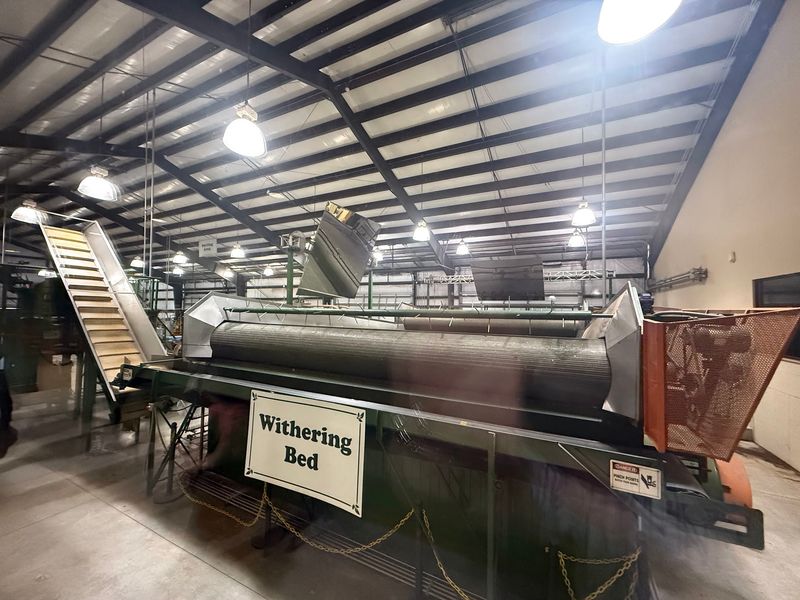
Few people ever get to see what happens to a tea leaf after it is picked. At this farm, the answer waits just inside the gift shop, where a free, self-guided factory tour lets you peek into the process.
Visitors say it takes around 15 minutes, making it an easy add-on to any visit.
A film walks you through the journey from the first leaf on the plant to the finished product. Guests who have read about tea for years say the video finally tied everything together.
Even a visitor who works around food manufacturing found the short tour surprisingly informative.
Timing can make it extra special. One guest watched the harvester gather leaves during the trolley ride, then saw those very same leaves resting in the withering bed during the factory tour.
It is hard to imagine fresher tea than that, and it makes the step from field to cup feel wonderfully real.
Shelves Stocked for Tea Lovers
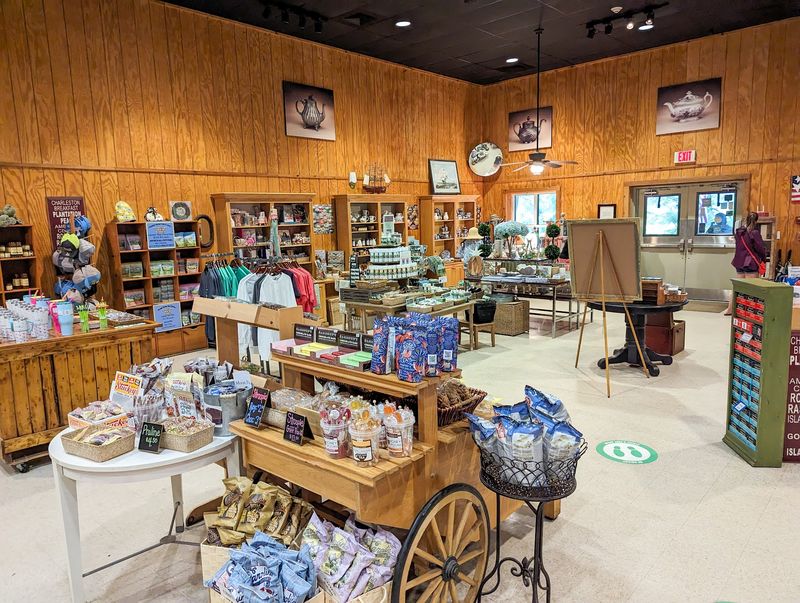
Leave some room in your suitcase. Visitors often call the gift shop surprisingly large, with plenty to browse long after the last sample cup is empty.
Tea is the star, of course, sold in both bagged and loose leaf forms.
Beyond the tea itself, the shelves hold teapots, home decor, candies, cookies, honey, and local treats. Book lovers will spot cookbooks and other titles, while souvenir hunters can find shirts, tea towels, and Charleston-themed trinkets.
It is an easy place to pick up gifts for friends back home, or a little something for yourself.
Shopping here also feels personal. The staff behind the counter are described as sweet, helpful, and quick to point out the free tea, which keeps browsing relaxed rather than rushed.
Guests call it a rare chance to bring home tea grown on American soil, a true taste of the farm you just toured.
Who Will Love the Garden Most
Small, homey, and unhurried, the garden has a mood that suits curious minds best. Couples on a Charleston trip, tea fans, and anyone who enjoys learning how things are made seem to have the best time.
Many guests leave feeling they did everything on offer in one easy morning.
You do not need to be a devoted tea drinker, either. One visitor recommended it to everyone, tea lover or not, saying you walk away with a solid understanding of how tea is grown.
The friendly guides help too, sharing fun stories and even a few life hacks.
Families with very young children may want to think it over first. One visitor noted it is not an ideal stop for little ones, since there is not a lot to hold their attention.
Older kids and adults with patience for plants, history, and a good story, on the other hand, will likely feel right at home.
Hours, Tickets, and the Drive Out
Plan around the clock before you head out. The garden opens from 10 am to 4 pm Monday through Saturday, and from noon to 4 pm on Sunday.
For questions, call +1 843-559-0383 or check charlestonteagarden.com.
The factory tour and tea samples are free, while the trolley ride costs extra. One visitor reported paying $18 per person and felt it was a bit pricey, though many others call it a must.
Trolley tickets are sold at the gift shop, and past guests strongly suggest booking in advance.
Getting there takes a little driving, since the farm sits a bit far from most Charleston attractions. The good news is that the Angel Oak Tree is fairly close, so you can pair the two in one outing.
Clean, roomy restrooms are located outside the main building, which is handy after all those free refills.
A Soft Verdict From the Tea Rows
Some trips are about big thrills, and some are about slowing down long enough to notice a leaf. This farm lands squarely in the second group, and that is exactly why so many visitors call it a highlight of their Charleston getaway.
Its mix of scenery, learning, and generous tea pouring makes a strong case for the drive.
Not everyone needs the full experience, though. If time or budget is tight, a stop at the tea bar, a stroll under the oaks, and the free factory tour still make a satisfying visit.
Those with a spare hour will likely find the trolley worth adding.
Guests who stopped only briefly often say they want to return for the full tour, and returning fans say the magic holds up every time. Pack your curiosity, arrive early, and let the rows of green do the talking.
Your next favorite cup might be waiting on Wadmalaw Island.
Share this story