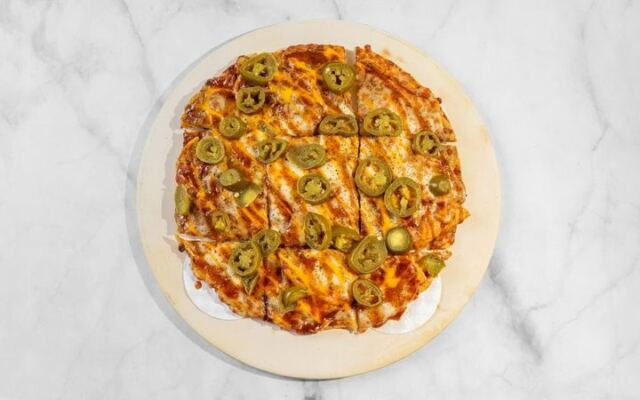
You pull off a quiet Illinois road, spot a plain building with a glowing sign, and wonder if the pie inside will be anything special. Then a thin, golden round arrives cut into tidy little squares, and suddenly you are hooked.
That crackling bite is Illinois’s other pizza, the one many locals grew up on while deep dish got the postcards. Here is what the sources say about those squares, that thin crust, and the neighborhood spots that carried the style along.
The story has more than one starting point
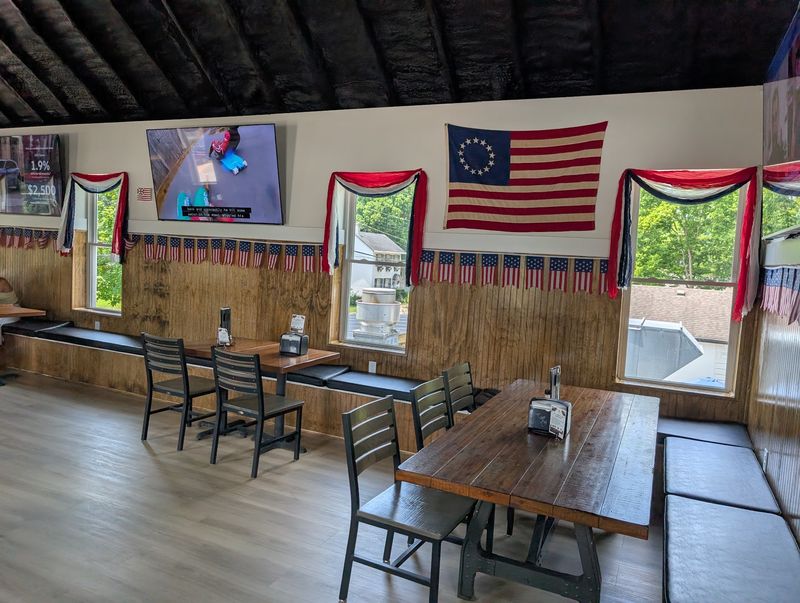
Picture an Illinois side street at dusk, a small corner window lit up, and the smell of baking crust drifting out the door. Places like that are where this pizza story lives, and the story has more than one opening chapter.
Home Run Inn’s company history dates its complimentary, thin, square-cut tavern snack to the early 1940s. Vito & Nick’s own history says the Barraco family began making pizza in 1946.
Meanwhile, WBEZ’s reporting describes the style more broadly as emerging in Midwestern taverns after World War II. Each date comes from a business telling its own story, so none of the sources crown a conclusive first.
Why cut a round pie into little squares?
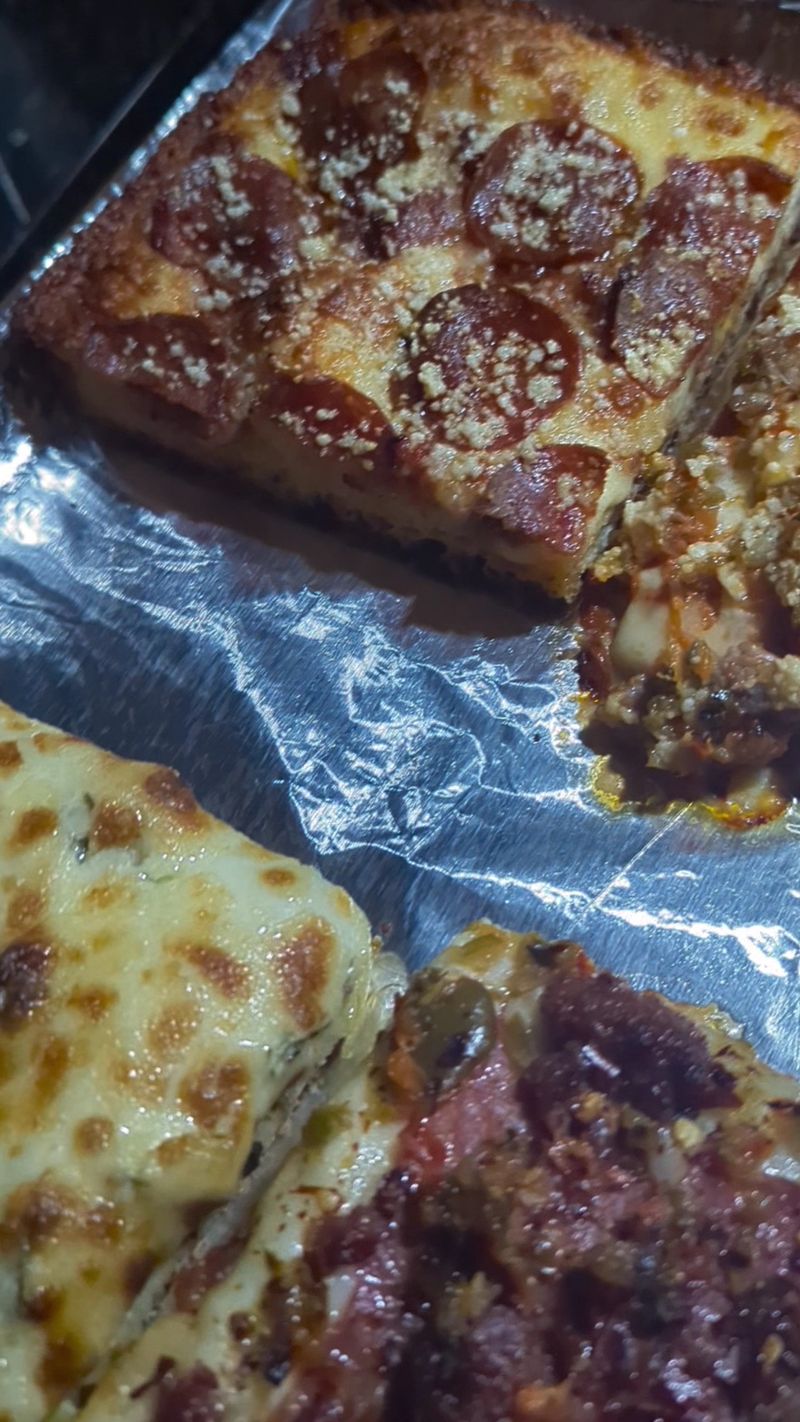
Grab a square, hand the tray down the table, and keep talking. That easy rhythm is the most likely reason small pieces caught on.
WBEZ’s profile of Vito & Nick’s reports the owner’s recollection that the small squares were easy to share and could be eaten with napkins.
That is a family memory and a sensible practical explanation, not proof of why the cut began. Other reasons may have helped it spread too, and food-history reporting does not settle on one cause.
Handy portions are simply a good fit for a crowd.
A thin crust can make small pieces easier to handle
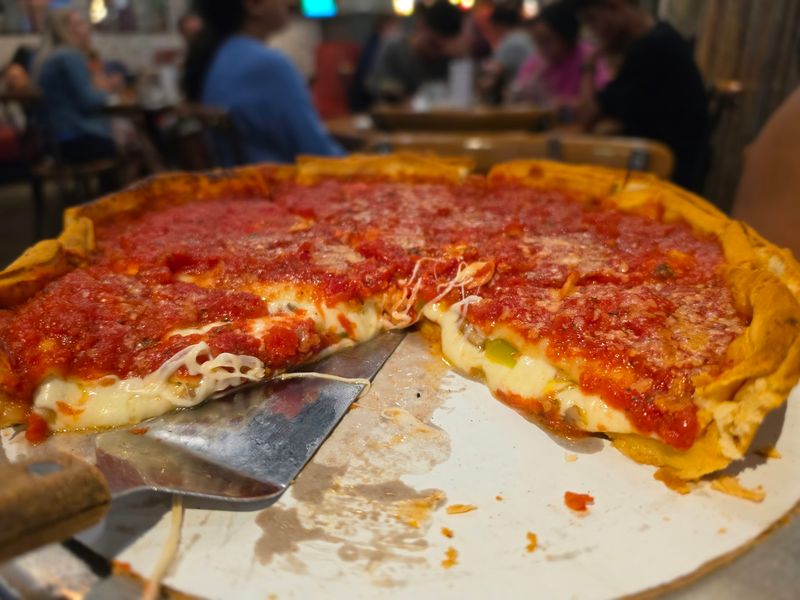
Lift a square of this pizza and you will notice it holds its shape. A thin, firm crust is a big reason small pieces are easy to pick up.
Reporting from The Washington Post says some Chicago pizzerias roll dough very thin and let it rest cold, and one reported method uses a stone or steel deck.
Bon Appétit describes one restaurant’s 24 to 48 hour dough rest and 600°F bake. Treat those as examples.
The sources set no single recipe, thickness, resting period, or oven temperature, and plenty of thin pies are not cracker-crisp.
Vito & Nick’s helped popularize the style
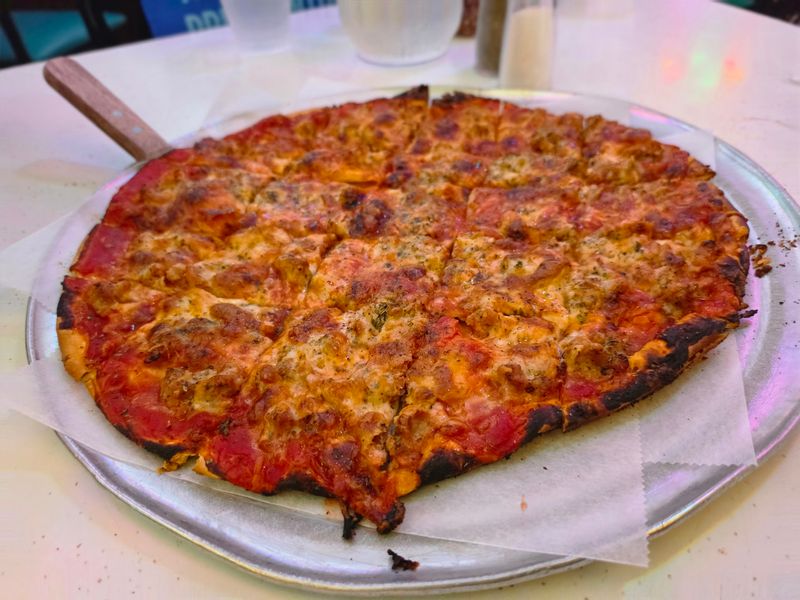
Ask around Chicago for tavern-style pizza and Vito & Nick’s tends to come up. WBEZ reports that the restaurant is widely credited with popularizing the style.
Here is a twist: the family itself called the pizza “thin crust,” not “tavern cut.” The label came later and was applied from outside.
The restaurant’s own history dates its pizza to 1946. Think of it as a beloved neighborhood example that helped the style spread, not proof that it invented the style or came first.
The neighborhood story reaches beyond one kitchen
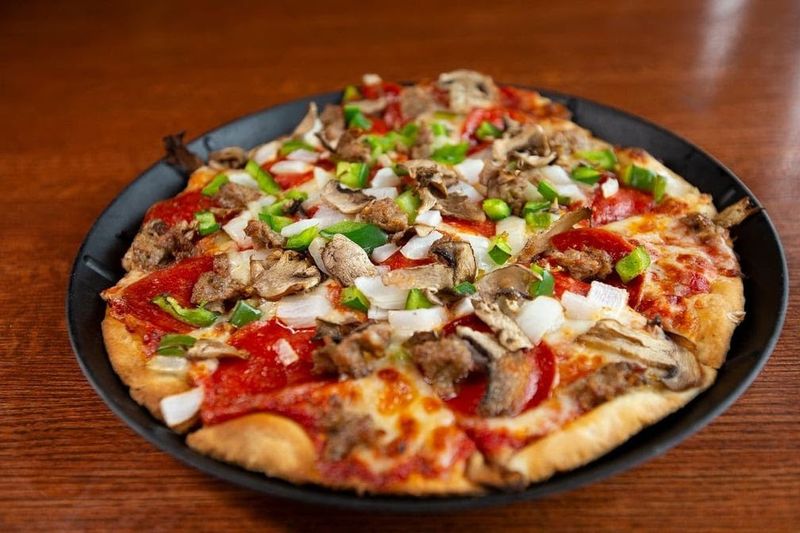
Step into other corners of the city and the same style turns up with its own local flavor. WBEZ reports that Marie’s added pizza after World War II, a sign of how the tradition grew in neighborhood spots.
On the North Side, Bon Appétit calls Candlelite a Rogers Park institution dating to 1950.
These are two distinct examples, not a full map. Neither one single-handedly preserved the style, and many other neighborhood kitchens have their own chapters.
What do “tavern style” and “tavern cut” describe?
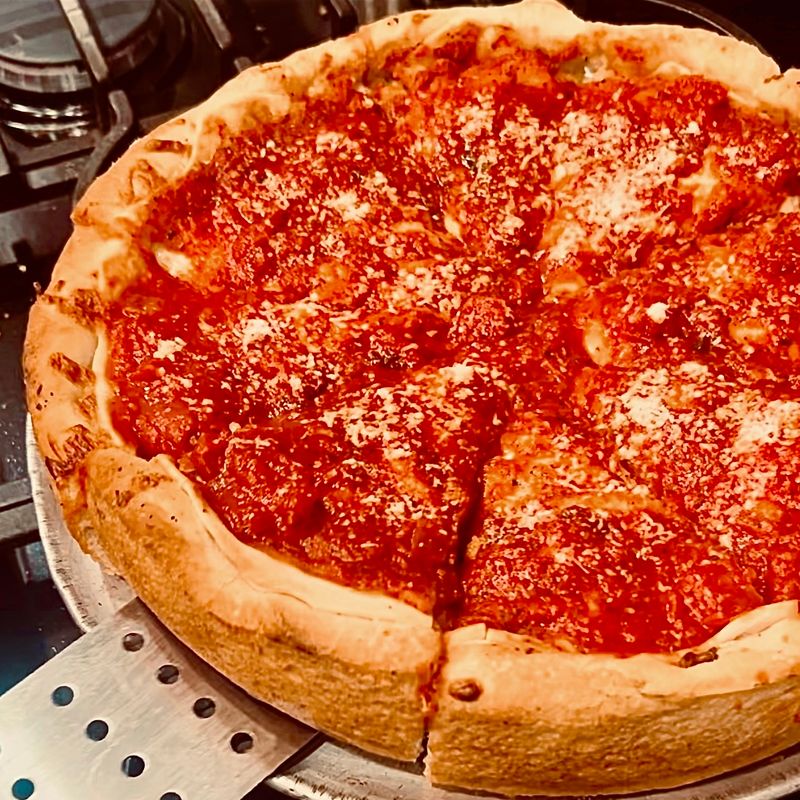
Menus and magazines toss around “tavern style,” “tavern cut,” “party cut,” and “square cut” as if they were the same thing. They overlap, but they are mostly about the cut.
The cut alone does not define the crust. WBEZ notes a prominent family owner simply called her pizza “thin crust.”
Bon Appétit also describes real differences among local pies, including a less-crisp, chewier example. So when a square-cut pie lands on your table, expect a thin crust, but let the first bite tell you how crisp it is.
A local tradition, not a single recipe
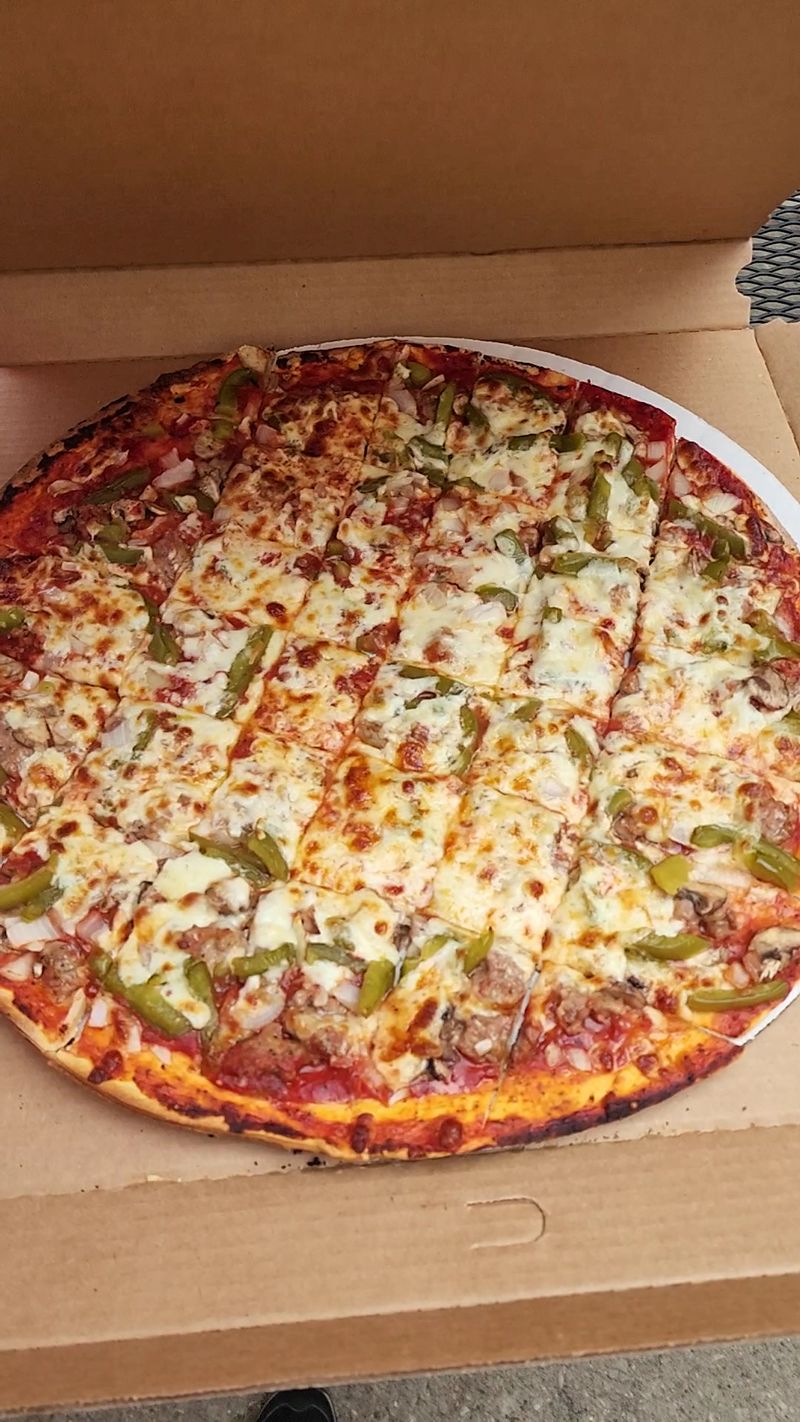
Put it all together and a picture forms: small squares that are easy to share, thin crusts that are often crisp, and neighborhood kitchens from corner spots to Rogers Park each adding their own touch.
The origin accounts compete, with WBEZ’s reporting placing the style broadly in postwar Midwestern taverns. The crusts vary too, as Bon Appétit shows with its mix of crunchy and chewier pies.
If you bring home leftovers, USDA advises refrigerating them within two hours, or one hour when it is above 90°F.
The best answer may be the least tidy one: this is a tradition passed around the table like the squares themselves.
Share this story