Some places look like just another old brick building until you step inside and hear the hiss of history. I walked in expecting a quick look at a few dusty engines and walked out hours later, hungry for lunch and still buzzing about giant locomotives I had actually climbed into.
This corner of California tells the story of how rails stitched a whole state together, and it does it with real trains you can touch. If you have ever wondered what it felt like to ride the rails a century ago, this is your ticket.
A Rail Museum Waiting at 125 I Street
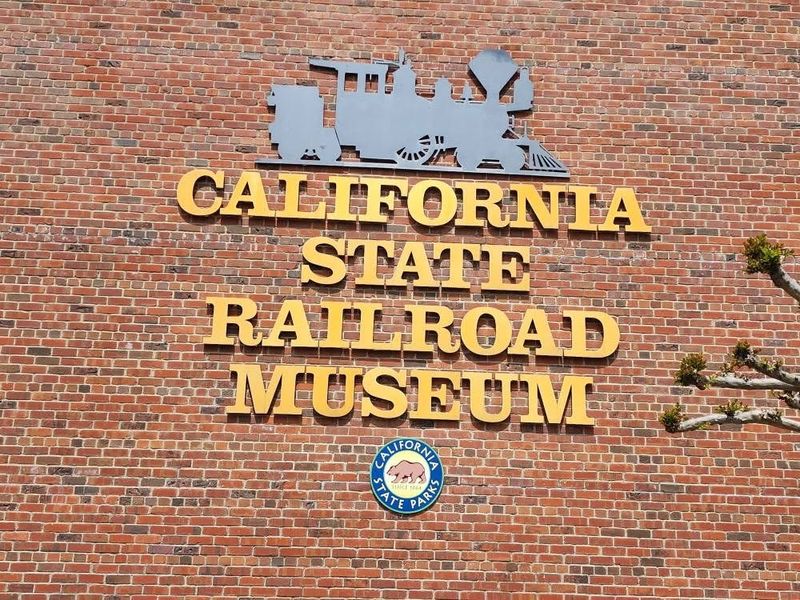
Tucked into the historic heart of Sacramento, the California State Railroad Museum sits at 125 I St, right where wooden sidewalks meet the river breeze. From the outside it looks calm and tidy.
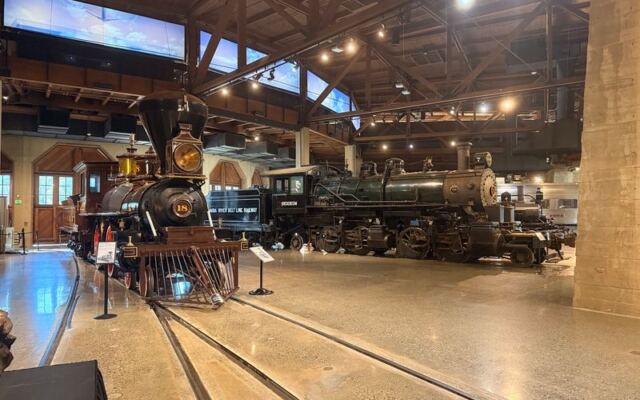
Inside, it holds some of the most impressive vintage locomotives and train cars on the West Coast.
Officially, it is a rail museum, but calling it just that undersells the place. Colorful exhibits, restored engines, interpretive displays, and even train rides all share the same roof and grounds.
Visitors often say it turned out much bigger than they expected, with three floors to explore.
A quick word on that headline: climbing aboard the walk-through cars is included once you are inside, so there is no extra charge to step onto history. General admission does carry a fee, though guests frequently describe it as affordable, especially for kids under 18.
Think of the onboard experiences as the generous bonus tucked into a modest ticket.
Old Sacramento as the Backdrop
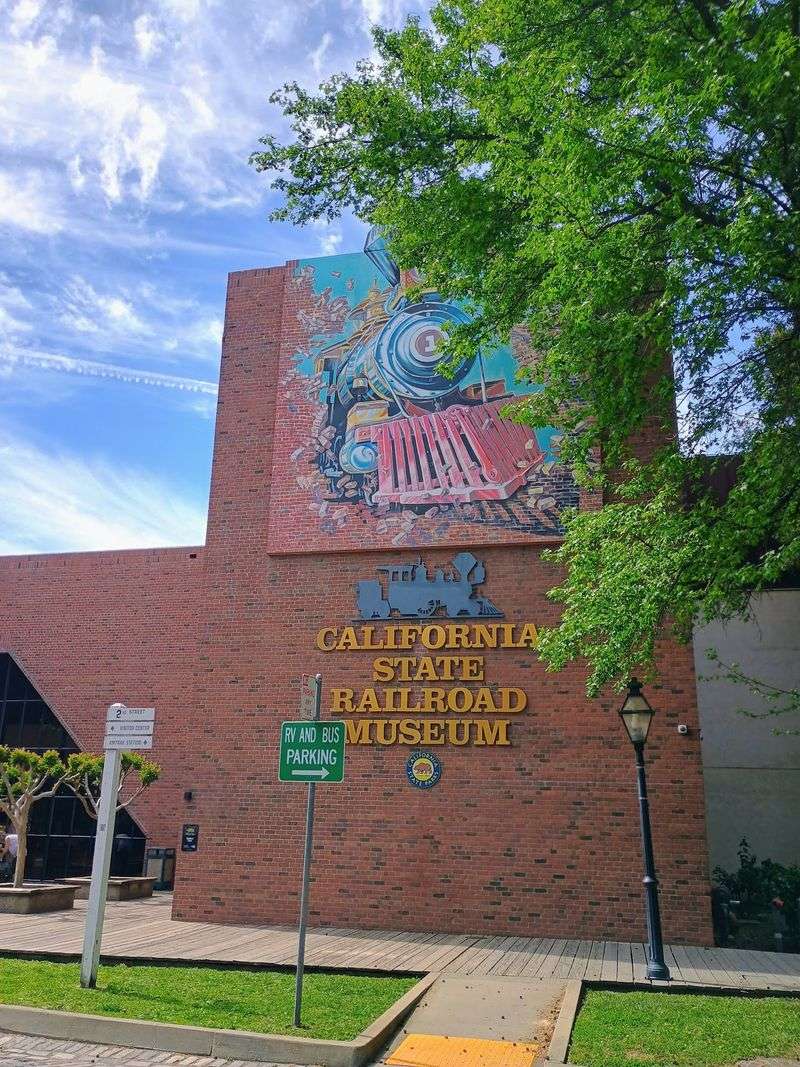
Picture Gold Rush storefronts, creaky boardwalks, and the Sacramento River drifting past. That is the neighborhood surrounding the museum, and it sets the mood before you even buy a ticket.
Old Sacramento makes the visit feel like part of a bigger day out. Guests mention that the museum is within easy walking distance of many shops and restaurants, so you can easily pair locomotives with lunch and a stroll.
One visitor summed up the whole area as a great way to spend an afternoon.
The location also matters for the story itself. Sacramento was a key player in early Western railroading, and seeing the engines here, just steps from the historic streets, makes the connection click.
You are not looking at trains in a random warehouse. You are standing right where much of this history unfolded, which gives every exhibit an extra layer of meaning and a real sense of place.
The Transcontinental Railroad Story
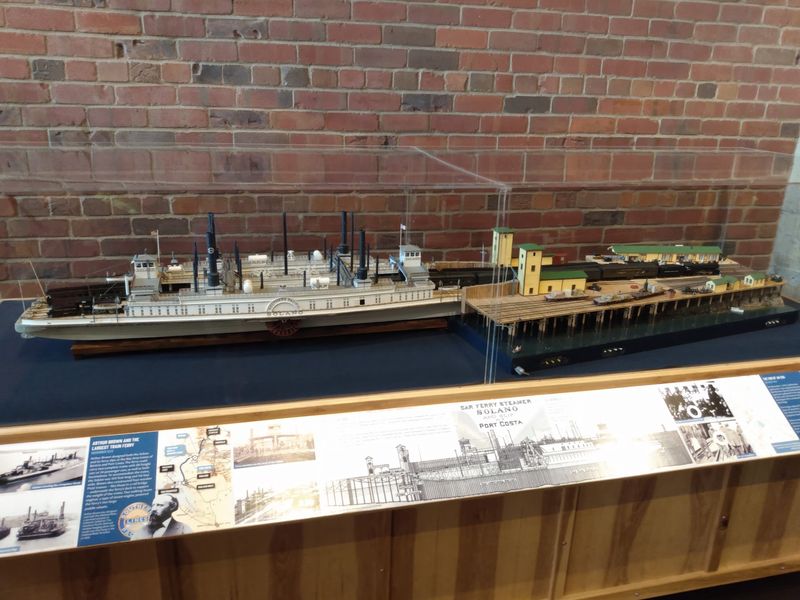
Thousands of miles of track, mountains in the way, and a country waiting to be connected. The transcontinental railroad is one of the biggest stories in American history, and the museum gives it serious attention.
Many guests come away surprised by how much California shaped the national rail system. One visitor admitted they never knew the state had so much to do with the network we use today.
Displays walk you through the engineering, the effort, and the people involved, including information on Native Americans and their place in this period.
For some families, the exhibits feel personal. A guest with roots tied to early rail and the Gold Rush described the experience as quiet, powerful, and grounding.
Even if you have no family link, standing in front of these massive restored machines makes the scale of the work easier to imagine. It turns a textbook chapter into something you can actually walk around and feel.
The Car That Carried the Golden Spike
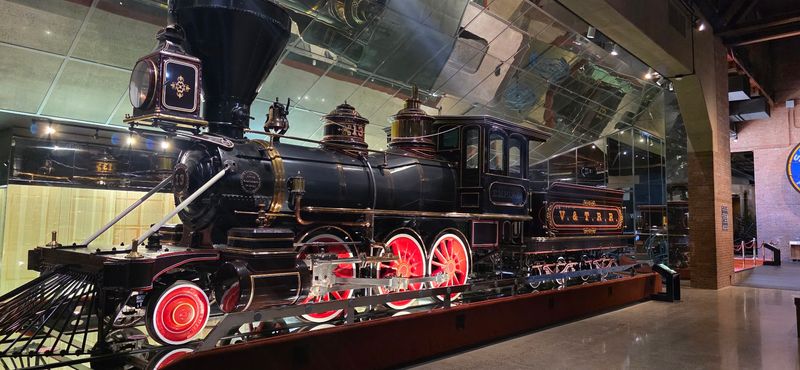
Here is a fun bit of trivia to bring home. In 1869, the famous golden spike that marked the joining of the transcontinental line was carried to Promontory, Utah, and the car that brought it there sits right here in the museum.
Visitors love spotting it. One guest called it simply cool to see, and it is easy to understand why.
Few objects tie so directly to a moment that changed how the country traveled and traded.
Take a minute to read the signs around it. Guests note that you really have to read the posted information to appreciate how much history is packed into the collection, and this car is a perfect example.
Tours also share colorful stories about the people behind the race to finish the line, some of whom were not exactly admired. Those human details make a wooden car feel surprisingly alive.
Walk-Through Cars and a Rocking Pullman Sleeper
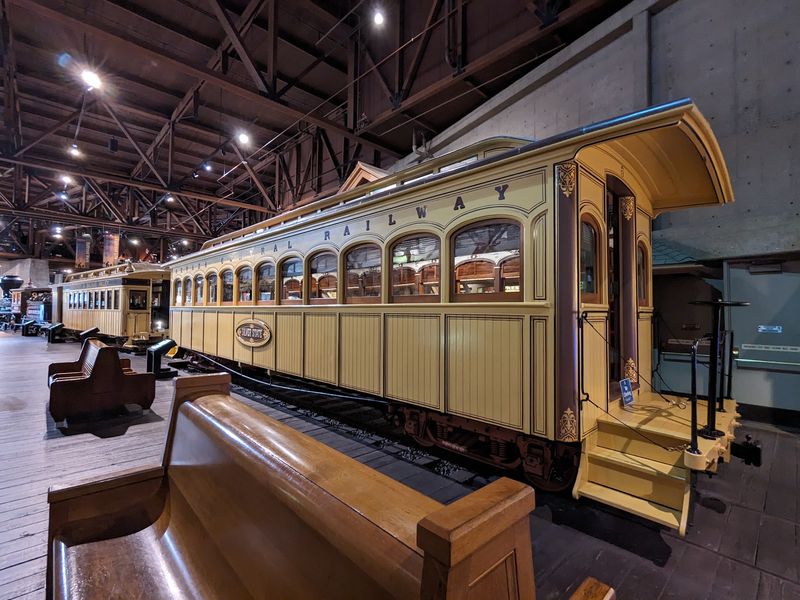
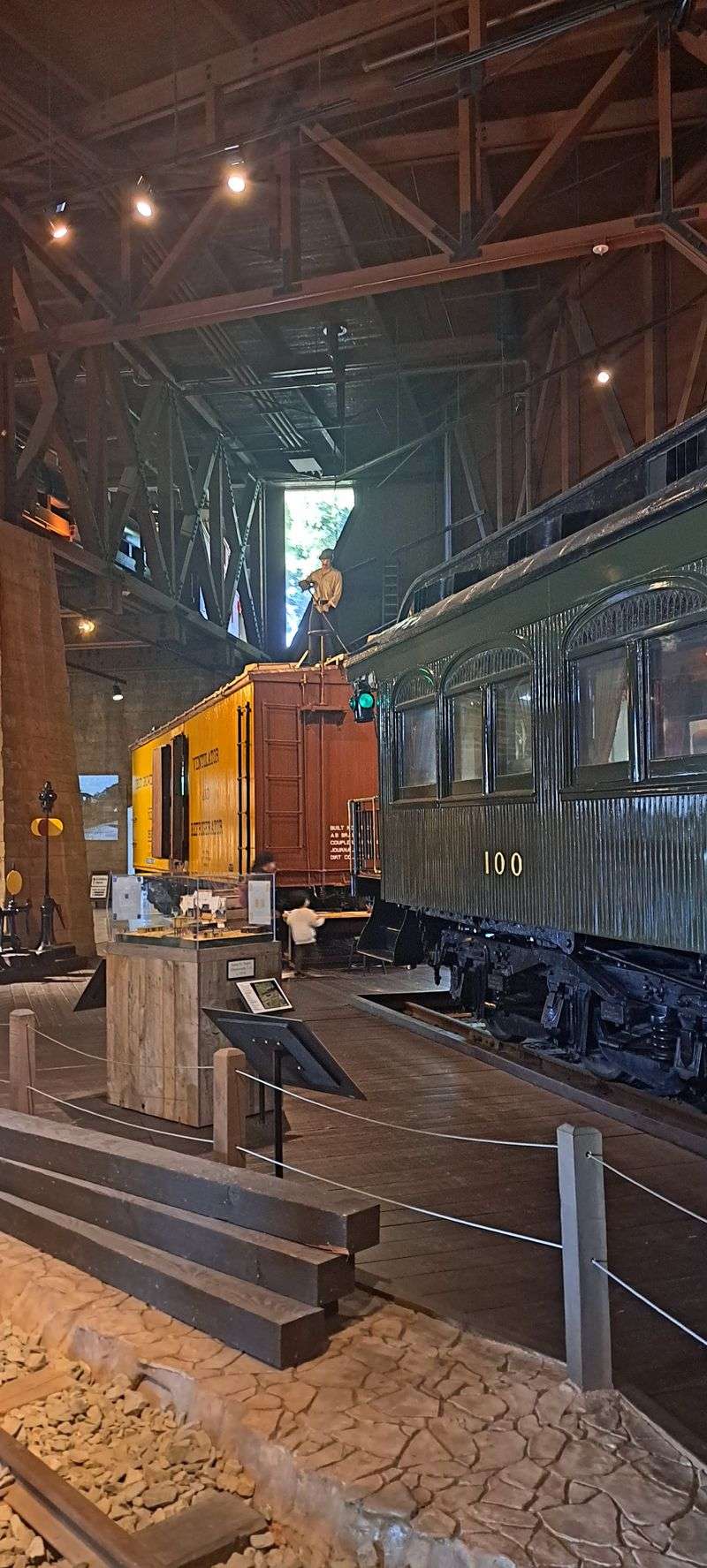
Go ahead and step on board. Several full-size train cars are open to walk through, and nearly every visitor calls that the highlight of the trip.
The star for many is the sleeper car experience. One car even simulates the feel and sound of a moving train, so you sway gently as if rolling down the line at night.
Guests have described the Pullman car as wonderfully realistic, and a couple who knew nothing about trains said it completely blew them away.
Dining cars and coaches are also on display, giving you a sense of how passengers ate, slept, and passed the hours. An interactive mail car lets you see how letters were sorted on the move.
Climbing inside, rather than just peering through glass, is what makes this place feel different. You get to imagine yourself as a traveler from long ago, ticket in hand and destination ahead.
Cab Forward 4294, the Showstopper
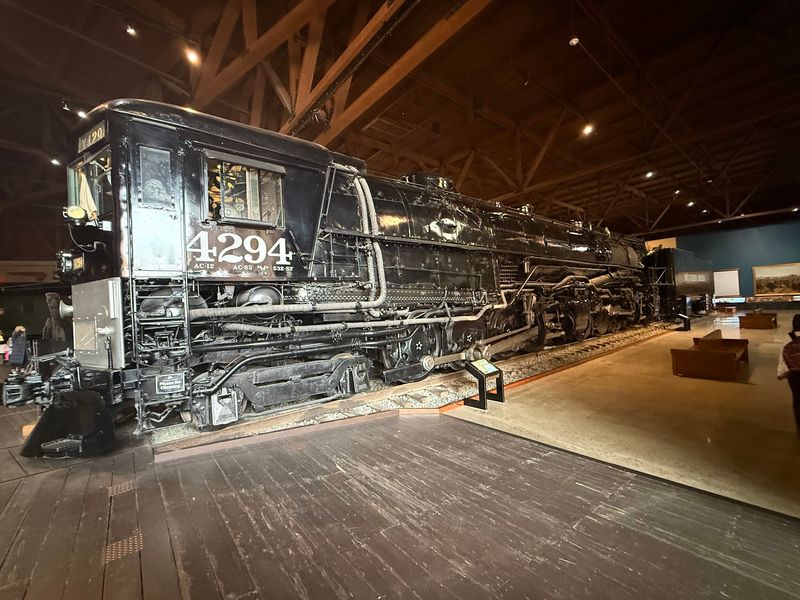
Prepare to crane your neck. The huge Cab Forward 4294 engine is often named as the unique piece of the collection, and standing beside it feels a bit like meeting a giant.
Its design is unusual, with the cab placed at the front instead of behind the boiler. Even if you are not a train expert, the sheer size and odd shape make it memorable.
Kids tend to stare, and adults pull out their phones for photos.
Around it, you will find many other historic engines and tenders, almost all restored to look the way they did in their working days. Guests praise how beautifully kept they are, with gleaming paint and careful detail.
A few unrestored pieces are still on display, and visitors say even those are fascinating. Together, the lineup shows how locomotive design changed over the years, from early steam to heavyweight machines built for mountain grades.
Lighting, Sound, and Stagecraft
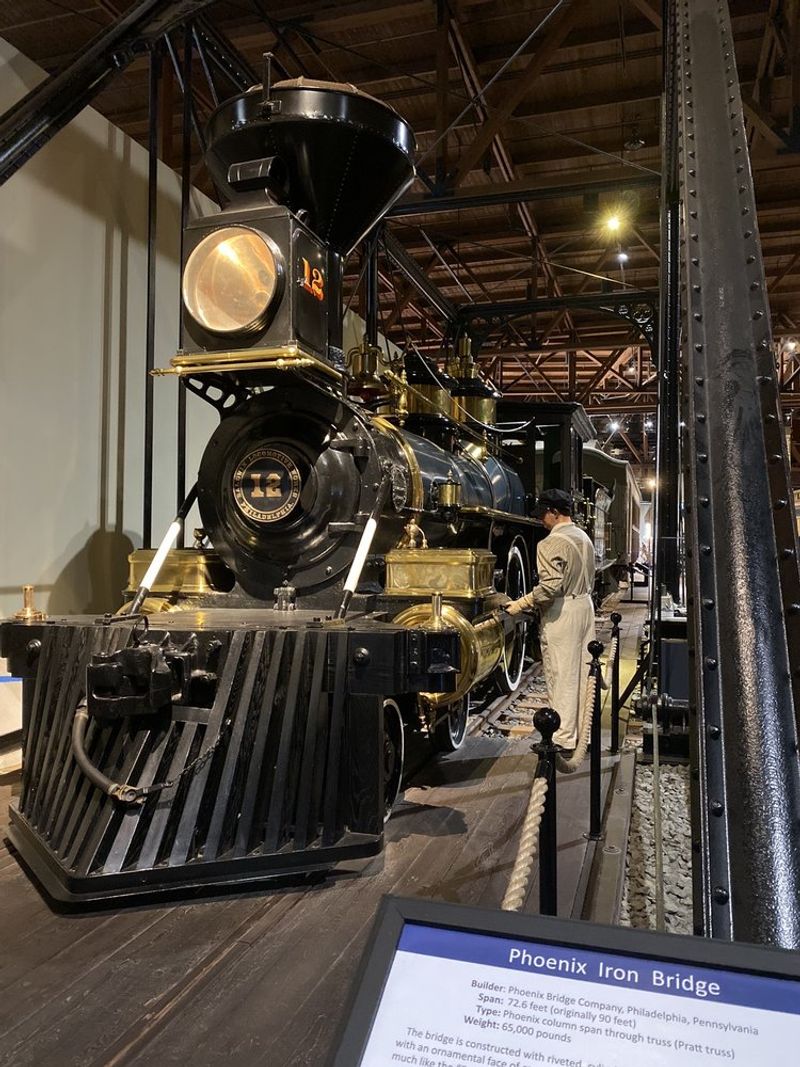
Most railroad museums park their engines in an open yard or under one big shed. Not this one.
Exhibits here are staged with lighting, sound, and scenery that place each train in its own time and setting.
Rail fans in particular notice the difference. One visitor said the interpretive staging puts you right into the places these trains once worked, lifting the experience well beyond a typical museum.
The careful presentation makes each locomotive feel like a character in a story rather than a parked machine.
It also helps casual visitors stay engaged. When an engine is surrounded by the sights and sounds of its era, you understand its purpose without reading a single sign.
Pair that atmosphere with clean, well-maintained halls, and the whole building feels thoughtfully put together. It is the kind of polish that makes people linger longer than they planned and leave talking about the details.
A Wall-to-Wall World of Toy and Model Trains
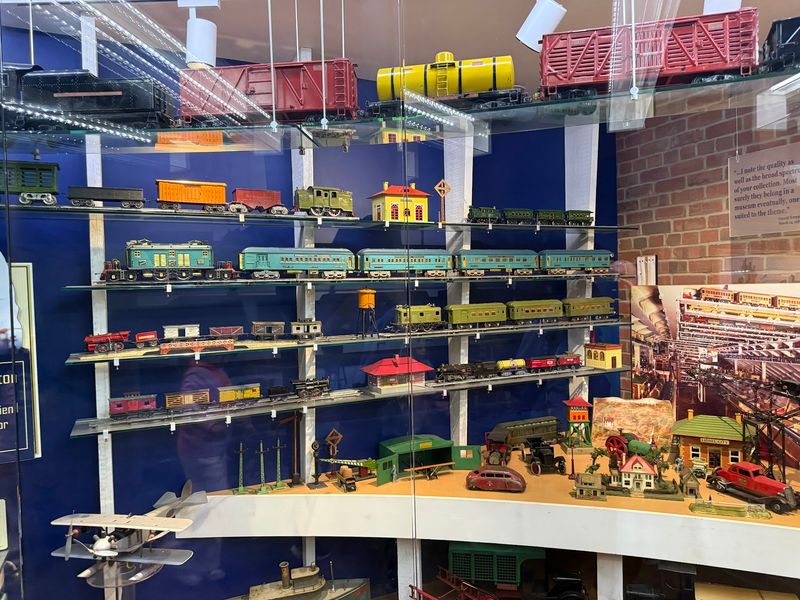
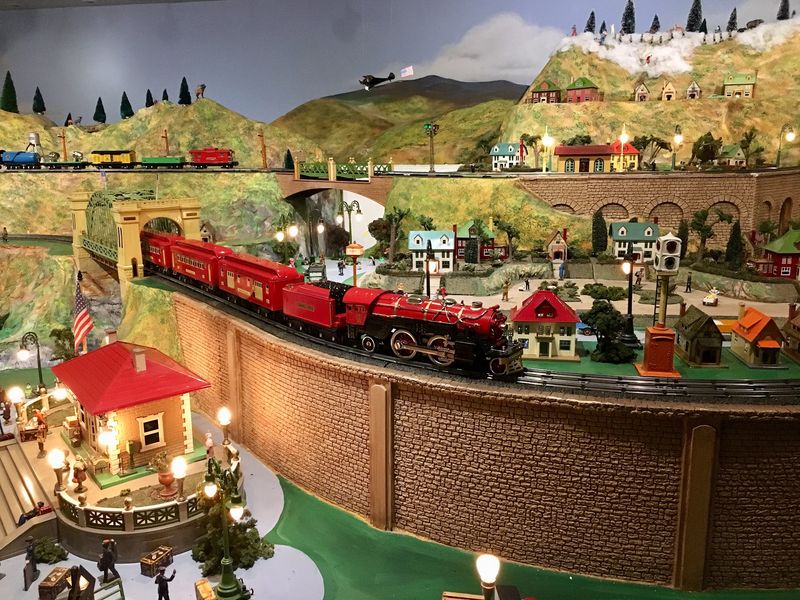
Head upstairs and the scale shrinks dramatically. The model and toy train exhibit is one of the most talked-about parts of the museum, and for good reason.
A collector’s room features a stunning wall-to-wall display packed with miniatures and the history behind them. Detailed dioramas recreate nearby terrain as it looked in early settlement days, so you can see tiny towns and landscapes from above.
Visitors describe the work as creative, detailed, and genuinely beautiful.
Younger guests often light up at the Thomas the Tank Engine layout, while grown-ups find themselves hunting for familiar toys from their own childhoods. Returning visitors say it stays fun to explore even after a few years away.
The contrast with the giant engines downstairs is part of the charm. One floor shows trains that moved a nation, and another shows the ones that moved our imaginations.
Play Spaces for Little Conductors
Parents, you can relax a little. The museum has dedicated spaces where kids can burn off energy between exhibits.
Visitors mention an area for toddlers and preschoolers to play, plus another section where older kids can build. The third floor, home to the toy train setups and a play area, kept one family’s children entertained the entire visit.
That is high praise from anyone who has toured a museum with restless little ones.
Practical touches help too. Guests point out there are plenty of bathrooms, which makes the building easier for families to navigate.
Seating is scattered throughout, so tired legs can take a break while kids explore. Combine that with walk-through cars and a simulated moving train, and young visitors get a hands-on day instead of a hushed one.
Many families say they plan to return, which tells you the kids probably asked to come back.
Docents with Stories to Share
Some of the best treasures in the building do not sit on tracks. They wear name badges.
The docents get plenty of love from visitors, who describe them as informative, kind, passionate, and knowledgeable.
Guided tours run roughly every hour, according to guests, and several exhibits have docents nearby ready to explain what you are looking at. One visitor joined a tour and found it very informative, picking up surprising stories about the personalities behind the railroad boom.
If you like asking questions, this is your place. Staff members throughout the museum are regularly praised as friendly and helpful.
A good docent can turn a quiet locomotive into a tale of mountain passes, tough workers, and big ambitions. Even if you plan to wander on your own, catching a tour for part of your visit adds depth that signs alone cannot match.
Covering history, engineering, and technology, the guides tie everything together nicely.
Riding the Rails Along the River
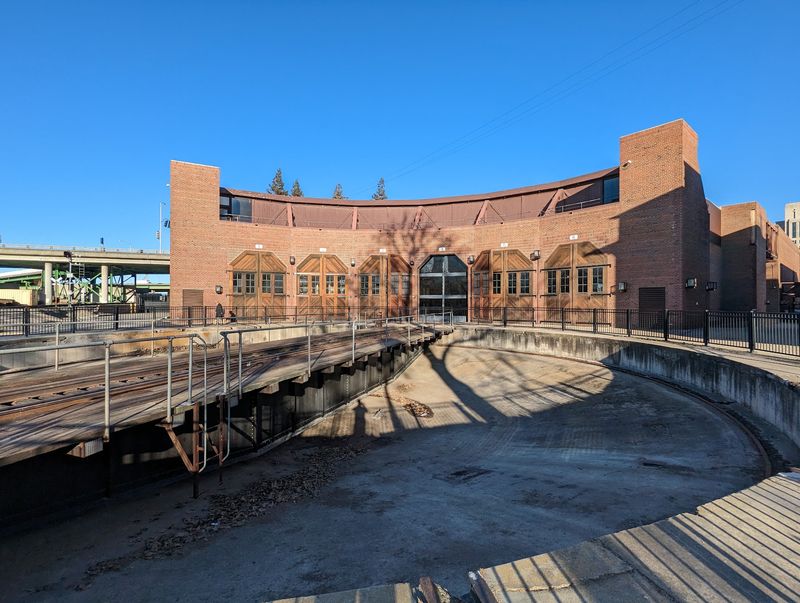
Looking at trains is wonderful. Riding one is even better.
The museum offers train rides, and guests say they are well worth adding to the day.
One visitor called the first class ride a must-do. Another took the evening Golden Hour Express with friends, with tickets around $45 that included complimentary snacks.
Sitting in the open carriage, they enjoyed views of the Sacramento River, Tower Bridge, and surrounding areas.
A few tips from riders: buy tickets ahead of time and arrive early, since lines form before departure. Staff on these rides are described as very friendly, and the experience works for groups and families alike.
One guest even thought kids would love it. Since ride options and schedules can change, check the museum website before you go.
Feeling the rumble of real wheels beneath you is the perfect ending after a morning spent learning about them.
Candlelight Concerts Among the Locomotives
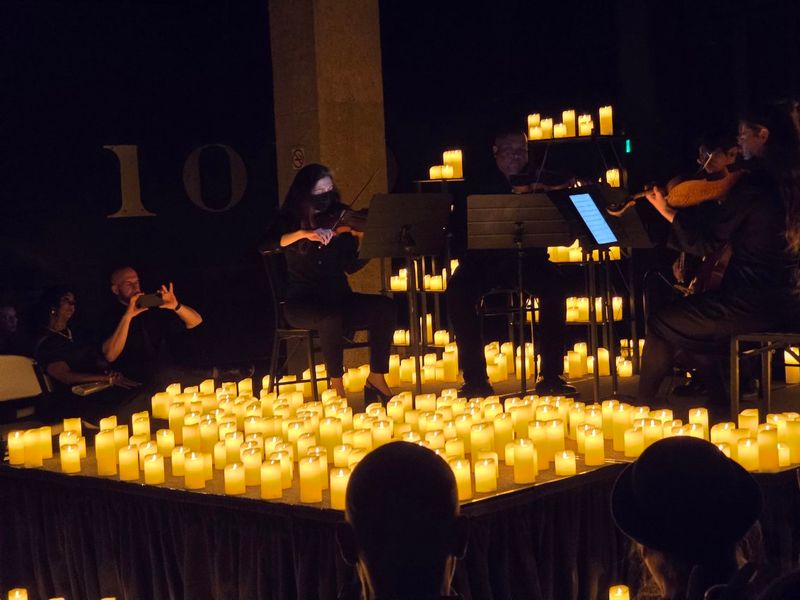
Imagine soft candlelight glowing against polished steel while a string quartet plays nearby. Candlelight concerts come up often in visitor conversations, making them one of the museum’s more surprising draws.
Details on schedules are best found directly through the museum, but the buzz suggests these evenings offer a completely different mood from a daytime visit. Instead of bustling families, you get music echoing through halls filled with historic engines.
It is a lovely idea for a date night or a special outing with friends. One guest already recommended the museum for date days, and a concert setting only adds romance to that suggestion.
The giant locomotives become a dramatic stage set, and the quiet atmosphere lets you appreciate their craftsmanship in a new light. If you have visited before, an evening event could feel like discovering the place all over again.
Keep an eye on the website for upcoming dates.
Hours, Tickets, and Timing Tips
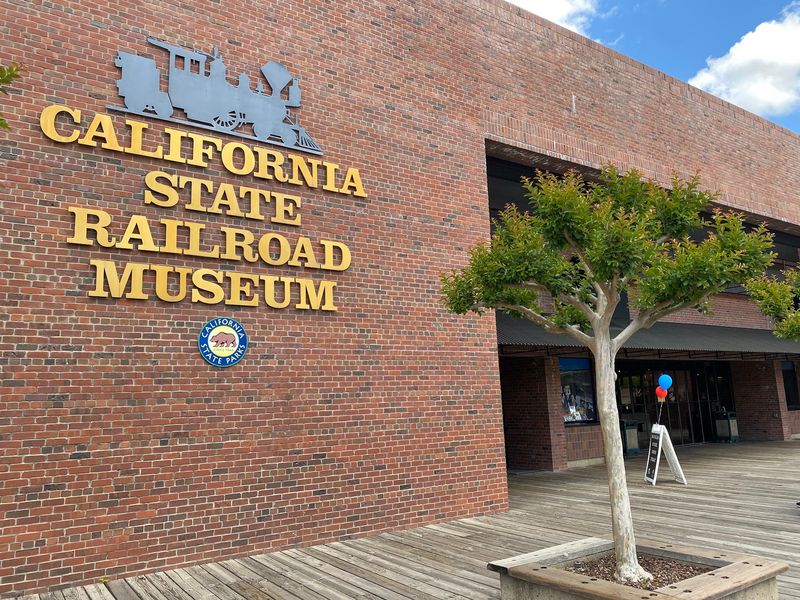
Good news for planners: the museum keeps the same schedule every day, opening at 10 AM and closing at 5 PM, Monday through Sunday. You can reach staff at +1 916-323-9280 or visit californiarailroad.museum for current details.
Admission is not free, but visitors consistently call it a good value for the size, with especially cheap entry for kids under 18. Once inside, walking through the open cars costs nothing extra.
Plan on about two hours, though train lovers may want more.
Crowds matter here. One couple visited on a Wednesday and had no wait at all, and another guest recommends a quiet weekday morning for space to reflect.
Before leaving, browse the gift shop near the entrance and exit. Guests praise its varied, train-themed items, making it a handy stop for souvenirs.
Then step outside and explore Old Sacramento’s shops and restaurants nearby.
Why the Trip Is Worth the Ticket
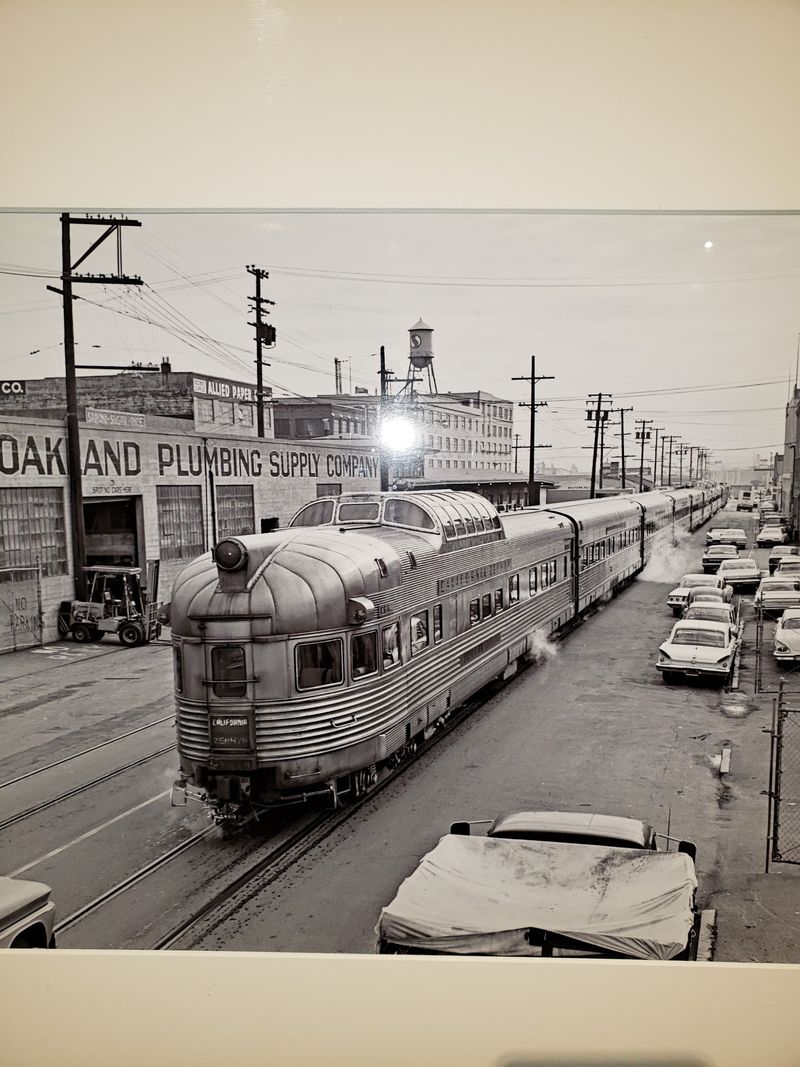
Plenty of people walk in knowing nothing about trains. Most walk out with a new appreciation for the steel and sweat that built California.
Across the board, visitors praise the clean, well-maintained spaces, the friendly staff, and the gorgeous restored engines. History buffs get the transcontinental story, collectors get the toy train floor, and kids get play zones plus cars they can actually board.
Couples, solo travelers, and big families all seem to find their own favorite corner.
Sure, a guest or two hoped for coverage of particular chapters of rail history, so curious researchers may want to ask docents about specific topics. Still, the overall feeling is clear: this is an enjoyable, worthwhile stop that often exceeds expectations.
Pair it with a stroll through Old Sacramento, maybe a train ride along the river, and you have a day that feels like stepping back in time, in the best possible way.
Share this story