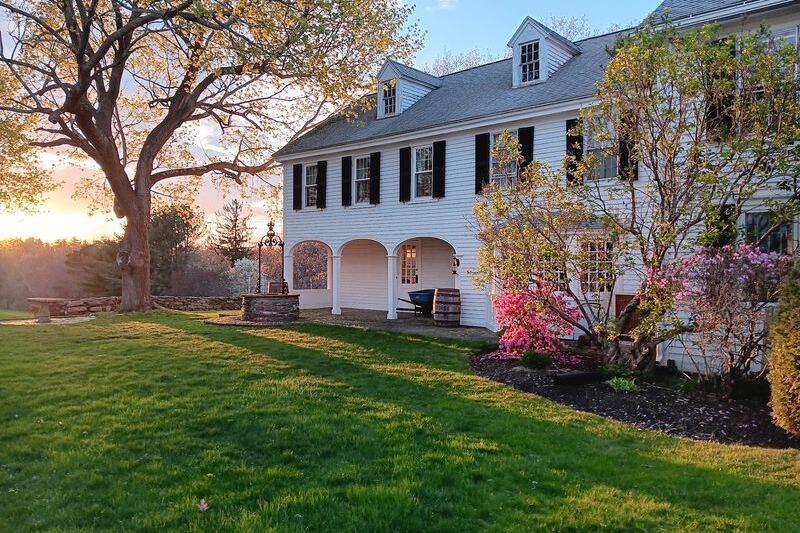
A boulder with the year 1620 chiseled into its face sits just a few minutes on foot from brick sidewalks, small boutiques, and cozy cafes. That pairing alone made me stop scrolling.
The streets around it are lined with colonial, Federal, and Greek Revival buildings. Many of those old facades now hold artisan shops and local restaurants instead of museums behind velvet ropes or glass cases.
I like how this corner of Massachusetts lets you mix a history lesson with a warm drink between landmarks. Benches and shady street trees make lingering easy, and the harbor is never far from view.
I can’t imagine a cheaper, easier way to spend a crisp fall afternoon feeling like an in-the-know local. So which comes first for you, the old storefronts or the salty shoreline?
Where Middle Street Meets Four Centuries Of Stories
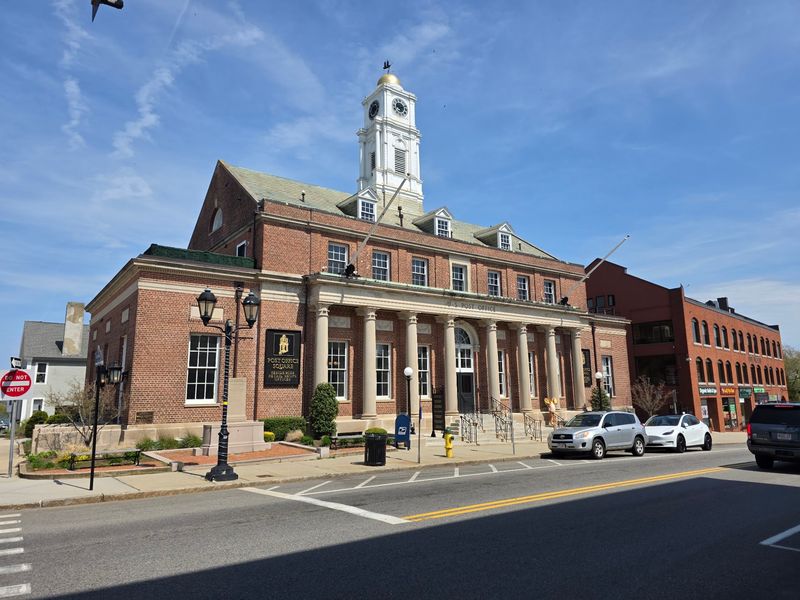
Start with a map pin on Middle Street, and you’re already standing in one of the oldest neighborhoods in America. The Plymouth Village Historic District covers the historic center of Plymouth, right along the Massachusetts coastline.
It isn’t a single museum or a fenced-off attraction. Instead, it’s a living downtown where people shop, eat, stroll, and go about ordinary days among very old buildings.
That mix is the whole charm. One block might offer a preserved colonial facade, while the next holds a small boutique with its door propped open.
The district works like a front porch for some of the most famous sites in early American history. Plymouth Rock, the Mayflower II, and the waterfront all sit within comfortable walking distance.
You won’t need a ticket just to wander the streets themselves. Open-air sidewalks and public spaces mean you can visit on your own schedule, whether that’s a quick loop or a slow afternoon.
Think of it as a neighborhood first and a history lesson second. Both arrive anyway, often in the same doorway, and usually with a view of the water nearby.
A Downtown That Kept Its Old Bones
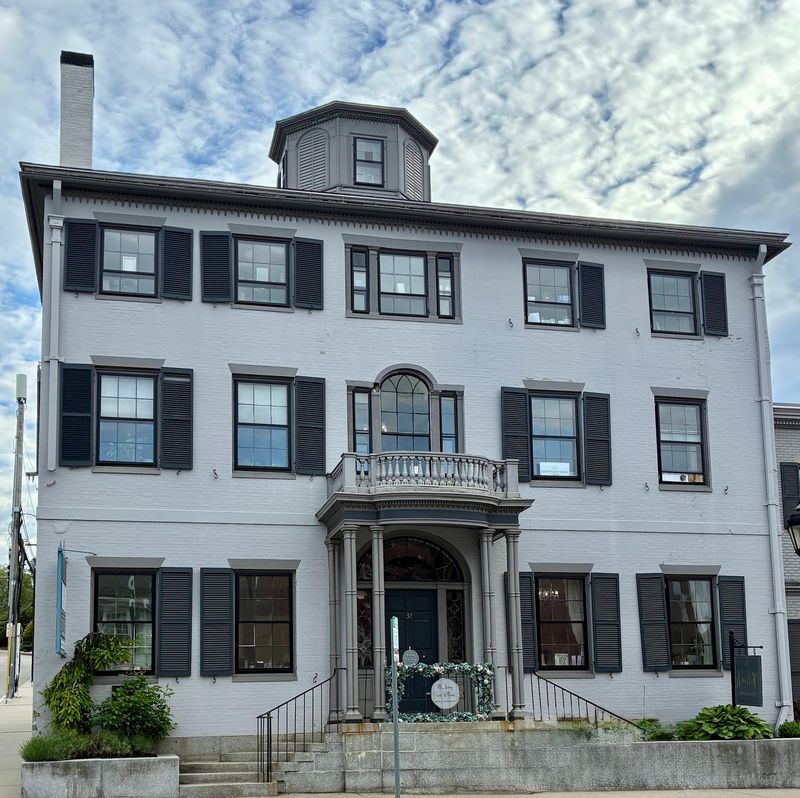
Plenty of old towns paved over their past. Plymouth went the other way and held onto the buildings that tell its story.
The historic district sits in the heart of downtown Plymouth, the town tied to the Pilgrims who arrived in 1620. That landing gave the area its fame, but the streets kept growing and changing for centuries afterward.
What survives today is a layered neighborhood rather than a frozen snapshot. Buildings from different eras stand shoulder to shoulder, each one reflecting the taste and money of its own time.
Modern life fills those spaces now. Small businesses, restaurants, and shops operate inside structures that have watched generations of townspeople pass by their windows.
That balance gives the district a feeling of living history instead of a stage set. Nobody here is pretending the clock stopped in the 1600s, which honestly makes it more fun to explore.
Massachusetts has many historic towns, but few pair national landmarks with such an everyday downtown. You can learn about the founding of the colony, then grab lunch two blocks away without ever moving your car.
Three Architectural Styles Share One Easy Stroll
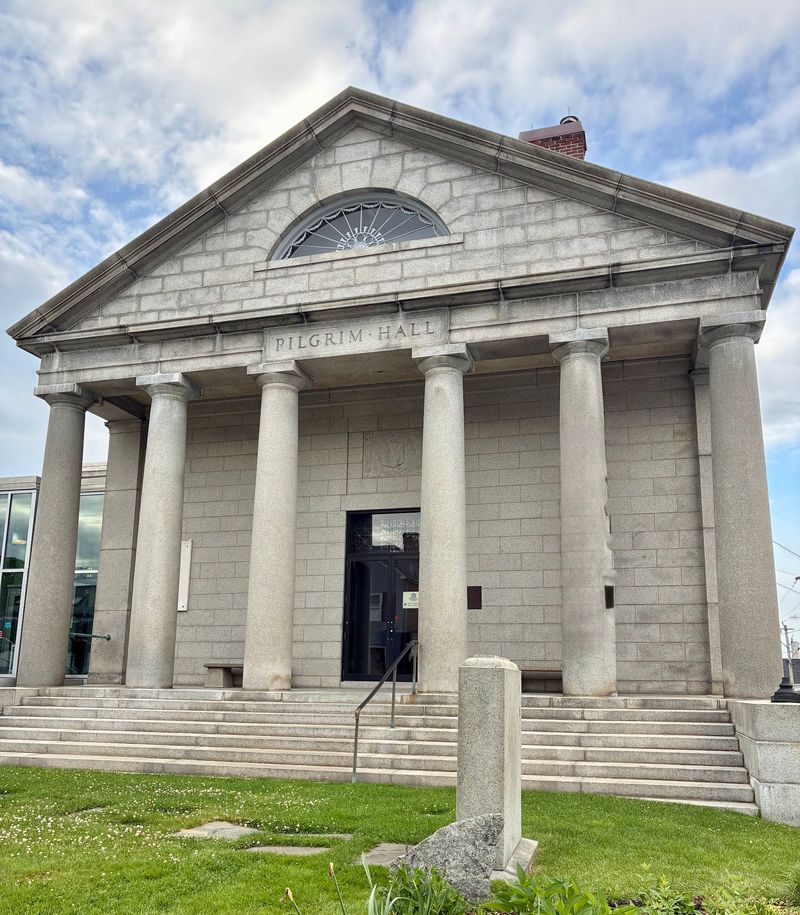
Colonial, Federal, and Greek Revival. Those three styles show up along the district’s streets, and spotting the differences turns a simple walk into a friendly little game.
Colonial buildings tend to look sturdy and practical, built for New England winters. Federal designs feel a bit more refined, with balanced fronts and careful detailing around doors and windows.
Greek Revival brings the drama. Think bold columns and temple-like proportions, as if someone wanted a house to look like it belonged in ancient Athens.
Seeing all three within a short stroll is a rare treat. The buildings have been well preserved, so the details still read clearly from the sidewalk.
Photographers get plenty to work with here. Old buildings are a favorite subject among visitors, and the textures of brick, wood, and trim practically beg for a close-up shot.
You don’t need an architecture degree to enjoy it. A quick glance at a style guide on your phone before you go can make every facade feel like a clue in a very pleasant scavenger hunt through time.
Brick Sidewalks Built For Wandering Without A Plan
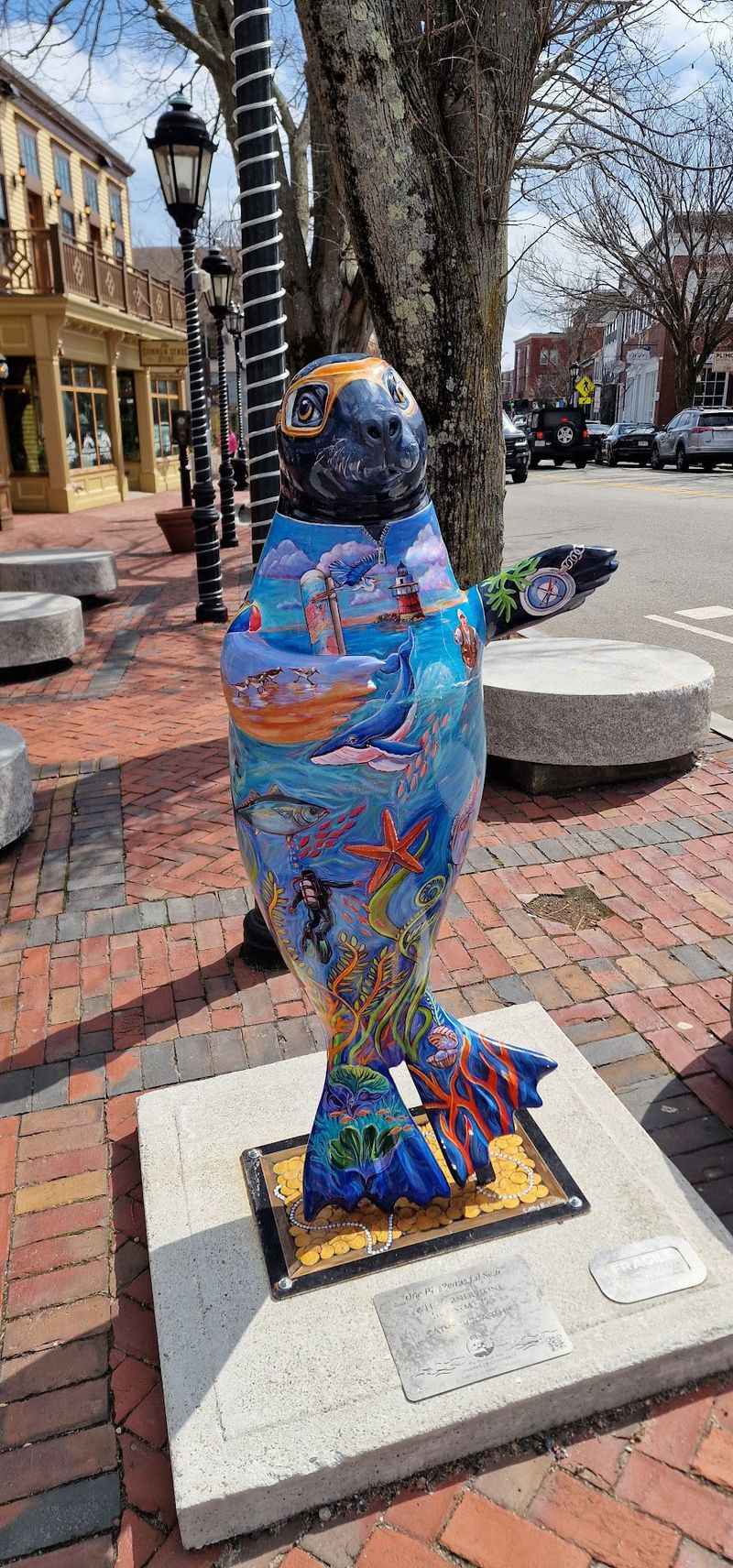
Comfortable shoes are the only gear this place truly demands. Walking comes up again and again as the best way to enjoy the district, and the layout makes it easy.
Brick-lined streets give the neighborhood its classic New England texture. Street trees offer shade, while bench seating lets you pause whenever your feet or your curiosity ask for a break.
The pedestrian-friendly design means you rarely feel rushed by traffic. Landmarks, parks, shops, and the waterfront all sit close enough to string together without a detailed itinerary.
That freedom is a gift on a cool autumn day. You can follow whatever catches your eye, whether it’s an interesting doorway, a shop window, or a glimpse of the harbor down a side street.
Families tend to appreciate the relaxed pace too. The area has a peaceful, family-oriented feel, so little legs can set the speed without anyone feeling left behind.
Wandering also suits the budget-minded. Strolling the streets costs nothing, which makes the district one of the easiest low-effort day trips you could plan close to home.
Artisan Shops That Beat Any Mall Trip
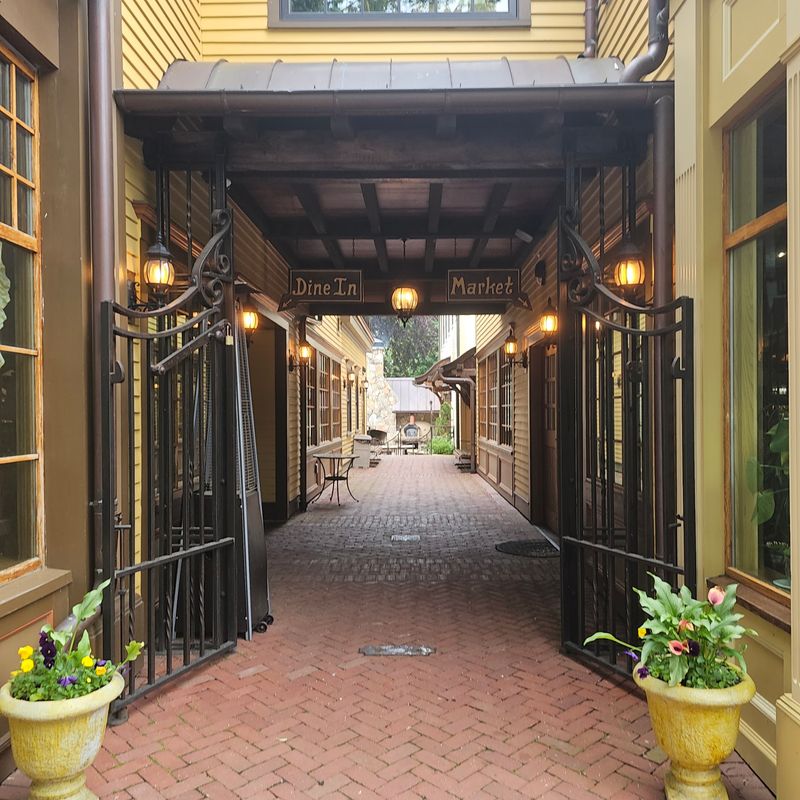
Shopping inside a building older than most states feels a little bit special. In the Plymouth Village Historic District, that’s simply a normal afternoon errand.
Local artisan shops and boutiques fill many of the historic storefronts. They give the district its lively, modern pulse, balancing all that history with the work of today’s small business owners.
You won’t find a food court or an escalator here. What you get instead is the pleasure of browsing one-of-a-kind spots, each with its own personality and its own old walls.
Shops come up regularly when people describe a visit to the area. A bit of shopping fits naturally between landmarks, so it rarely feels like a separate chore.
Fall makes browsing even more appealing. A crisp breeze off the water is the perfect excuse to duck inside, poke around, and maybe start your holiday gift list early.
Supporting these small businesses also keeps the district alive. Every purchase helps those historic storefronts stay occupied and cared for, which is a pretty good reason to bring along a reusable tote.
Cozy Cafes For Warming Up Between Landmarks
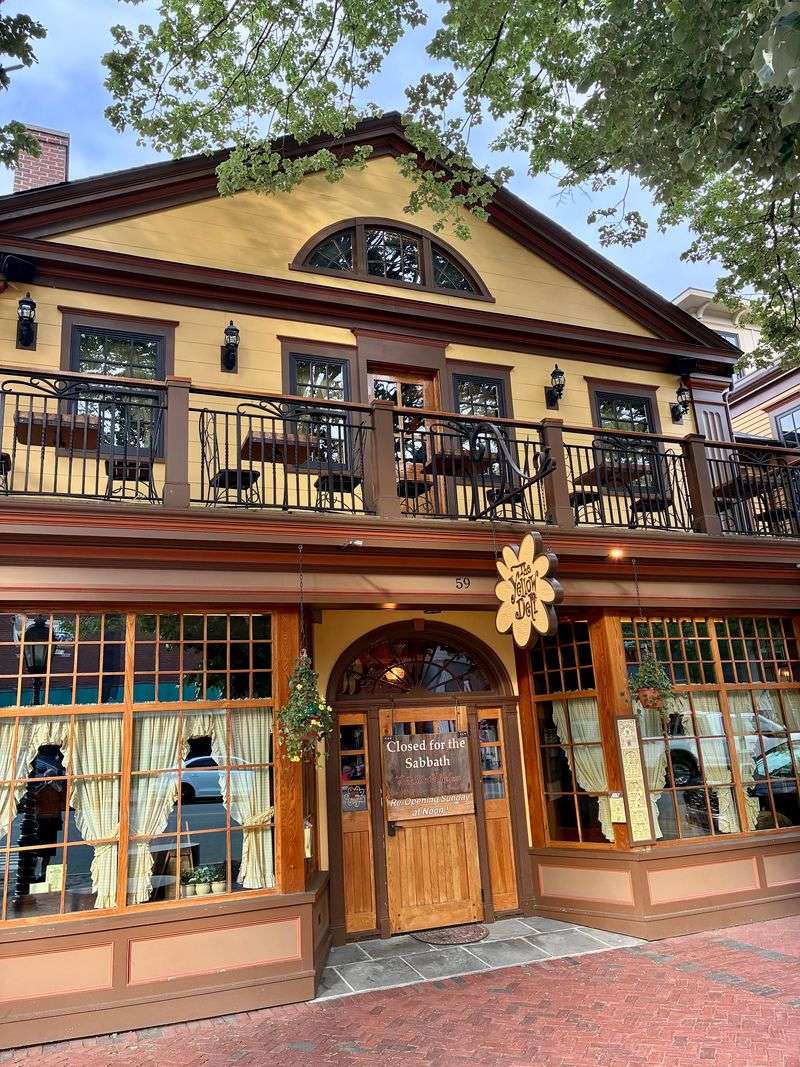
History is fascinating, but it works up an appetite. Thankfully, cozy cafes and local restaurants sit right inside the district’s old buildings.
Stopping for a warm drink becomes part of the experience rather than an interruption. You can soak in the classic coastal New England vibe from a window seat while planning your next stop.
Restaurants appear throughout the downtown area as well. That makes it easy to turn a short visit into a full day without hunting for food in another neighborhood.
A handful of choices keeps things simple. You won’t face an overwhelming list, just enough variety to suit a quick bite or a slower sit-down meal.
Timing a cafe break matters in the cooler months. After an hour of strolling near the breezy harbor, a cozy table indoors feels like the best reward Massachusetts can offer.
Here’s a friendly tip for hungry wanderers. Plan your route so a meal lands halfway through, and you’ll have fresh energy for the second half of your walk through the historic streets.
The Famous Rock Everyone Has An Opinion About
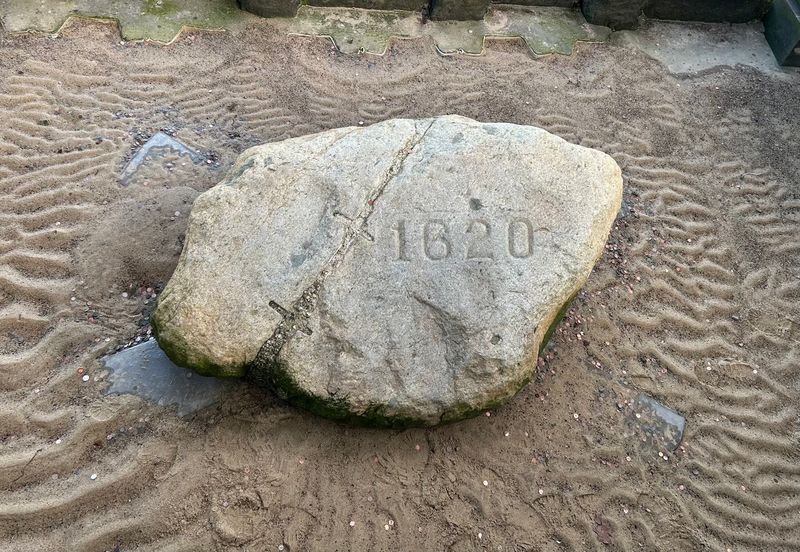
Few landmarks spark as much friendly debate as Plymouth Rock. Some people find it moving, while others admit it looks like, well, a rock.
The famous stone carries the year 1620 carved into its surface. It sits near the water, and viewing it is free, which makes it an easy first stop for any visit.
Expectations make all the difference here. Historians aren’t entirely certain this is the exact rock tied to the Pilgrim landing, and its modest size surprises some first-timers.
That’s where context saves the day. Reading a bit of the history before you arrive helps the moment feel meaningful instead of underwhelming.
Rangers have offered presentations about the rock in the surrounding state park. Hearing the story told well can turn a quick glance into something you’ll actually remember.
Treat it as a conversation starter rather than a grand monument. Snap your photo, share your own verdict with your group, and then enjoy the harbor views that surround it, which nobody seems to argue about at all.
Climbing Aboard The Mayflower II Feels Surprisingly Personal

Tall masts rising over the harbor are hard to miss. The Mayflower II, a full-scale reproduction of the Pilgrims’ ship, docks near the historic district.
Going aboard gives you a feel for the journey in a way books can’t. Seeing the size of the vessel makes the crossing of 1620 seem both brave and astonishingly cramped.
Visitors often come away pleasantly surprised by how interesting the ship turns out to be. It pairs naturally with Plymouth Rock, and both can fit into a couple of unhurried hours.
Kids especially tend to connect with a real ship they can explore. Decks, ropes, and wooden details make history feel physical instead of abstract.
Plan for this stop if you only pick one paid attraction. The ship comes up often as a highlight, and it adds real depth to everything else you’ll see in town.
Afterward, the walk back toward the shops feels different. Knowing how those first settlers arrived gives every old building nearby a little more weight and a lot more meaning.
Guides And Actors Who Make The Past Talk Back
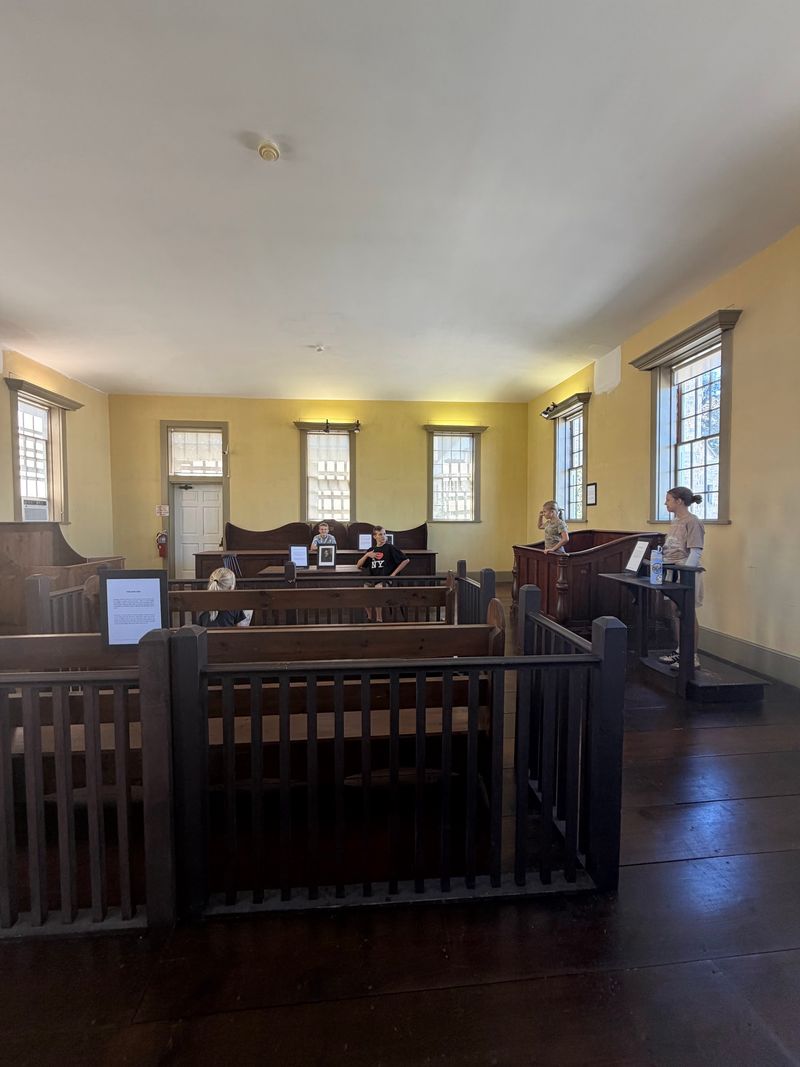
Stories hit harder when someone tells them with real passion. That’s exactly what historic interpreters and walking tour guides bring to Plymouth’s streets.
Walking tours led by enthusiastic interpreters help the district’s history come alive. A good guide turns ordinary corners into scenes, filling in the people and events behind each building.
Actors also play a part in some local historical experiences. Their performances have left visitors calling the experience delightful and even once in a lifetime.
For first-timers, a guided walk might be the smartest investment of the day. You’ll pick up details you’d likely miss on your own, plus a sense of how everything connects.
Fall is a lovely season for joining one. Cooler air makes an hour on foot comfortable, and the changing trees add a colorful backdrop to every story.
Even confident history buffs can learn something new. Interpreters love answering questions, so come ready with a few, and don’t be shy about asking the ones you secretly thought were too silly to say out loud.
Brewster Gardens And The Quiet Side Of Town

Need a breather from landmarks and storefronts? Brewster Gardens offers a green, calm pocket right near the heart of downtown.
Scenic parks sit within easy walking distance of the district’s main streets. They give your day a softer rhythm, perfect for slowing down between busier stops.
Visitors often describe the area as serene and peaceful. That quiet atmosphere comes through most clearly in spaces like these, where trees and paths take over from brick and traffic.
Walking trails make it simple to keep exploring without crowds. A short loop through green space can reset tired minds, especially for families traveling with restless kids.
Autumn turns this calm corner into something extra pretty. Changing leaves and crisp air make a stroll through the gardens feel like a classic New England postcard.
Pack patience rather than a packed schedule for this part. Find a bench, listen for a while, and let the history of the surrounding streets settle around you before heading back toward the shops and the harbor.
Harbor Views Worth Slowing Down For
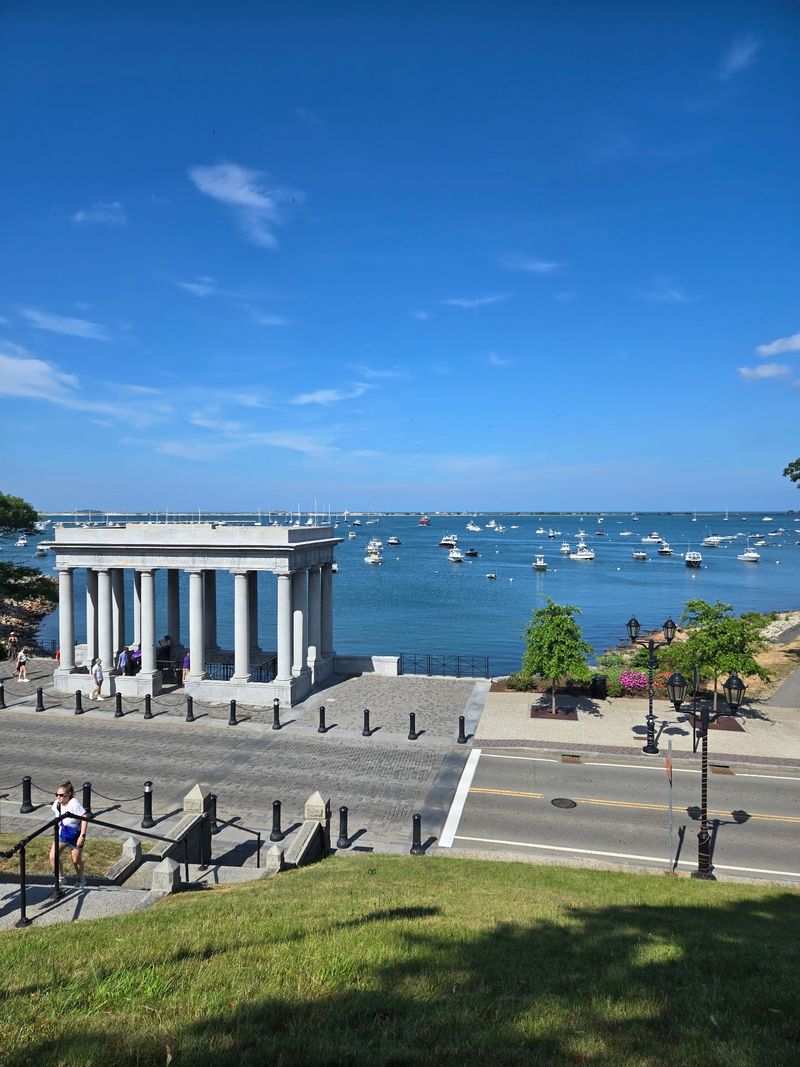
Salt air has a funny way of making people walk slower. The waterfront side of the district is often called the nicest stretch for a stroll.
Beautiful ocean views open up just beyond the historic streets. The harbor ties everything together, linking the old downtown to the landmarks that made Plymouth famous.
You don’t have to do anything special here. Simply walking along the water and watching the light change can easily fill a relaxing half hour.
Photographers will want to linger as well. Visitors have spent whole days capturing the beauty of this area, and the waterfront gives them plenty of material.
A stroll here also works as a natural finale. After shops, cafes, and history stops, ending your walk by the water feels like closing a good book.
Bring a light jacket in the fall. Coastal Massachusetts breezes can turn brisk quickly, but a cozy layer means you can stay longer and enjoy the view without hurrying back to the car.
Parking, Timing, And Other Smart Moves
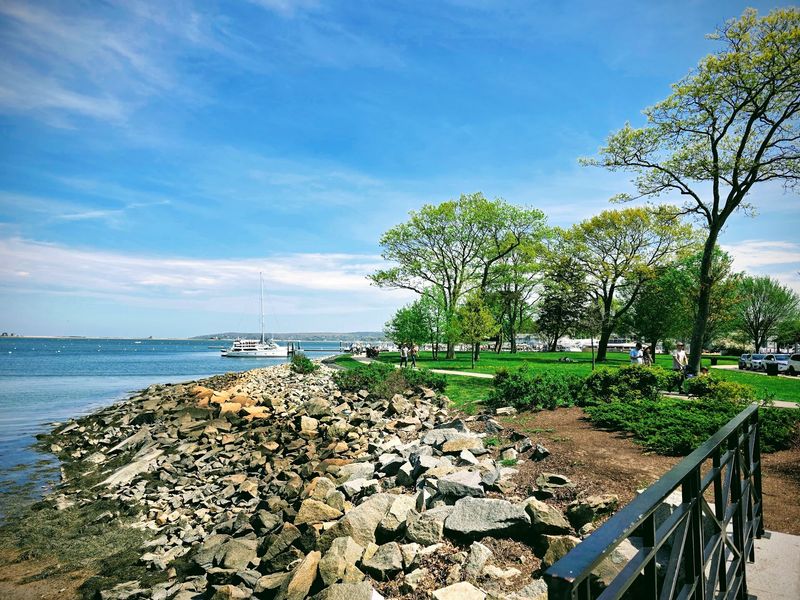
Smart planning makes this outing even easier. Set your GPS for Middle St, Plymouth, MA 02360, and you’ll land right in the historic center.
The streets themselves are open-air, so you can wander whenever suits you. Individual shops, cafes, and attractions keep their own schedules, so checking ahead is wise for anything specific.
Parking near the state park area has been reasonably priced and easy to find on quieter days. A two-hour stop can comfortably cover Plymouth Rock, the Mayflower II, and a bit of shopping.
Timing matters if you prefer elbow room. A weekday visit after Labor Day has meant pleasant weather and far fewer crowds for some travelers.
Do a little reading before you go. A quick background on the Pilgrims makes every landmark feel richer and turns casual browsing into real discovery.
For many Massachusetts residents, the trip takes under an hour. One visitor living about 40 minutes away enjoys returning just to see what’s changed, which sounds like a fine habit to borrow.
Why This Waterfront Deserves A Spot On Your Fall List

Some outings demand big budgets and long drives. This one asks mostly for comfortable shoes, a bit of curiosity, and an appetite for a cafe stop.
The Plymouth Village Historic District blends famous landmarks with an everyday small-town downtown. Preserved architecture, artisan shops, cozy cafes, and harbor views all fit into one walkable area.
It suits history buffs, families, photographers, and anyone craving a relaxed day out. You can make it a quick stop or stretch it into a full, unhurried afternoon.
Not every landmark will thrill everyone, and that’s part of the fun. The rock sparks debate, the ship surprises, and the streets quietly win people over.
Autumn might be the sweetest time to go. Cooler air, colorful trees, and cozy indoor stops make the whole experience feel tailor-made for the season.
Call it a close-to-home classic that still rewards a return trip. Grab a friend, pick a weekday, and see which corner of this storied waterfront becomes your new favorite place to wander.
Share this story