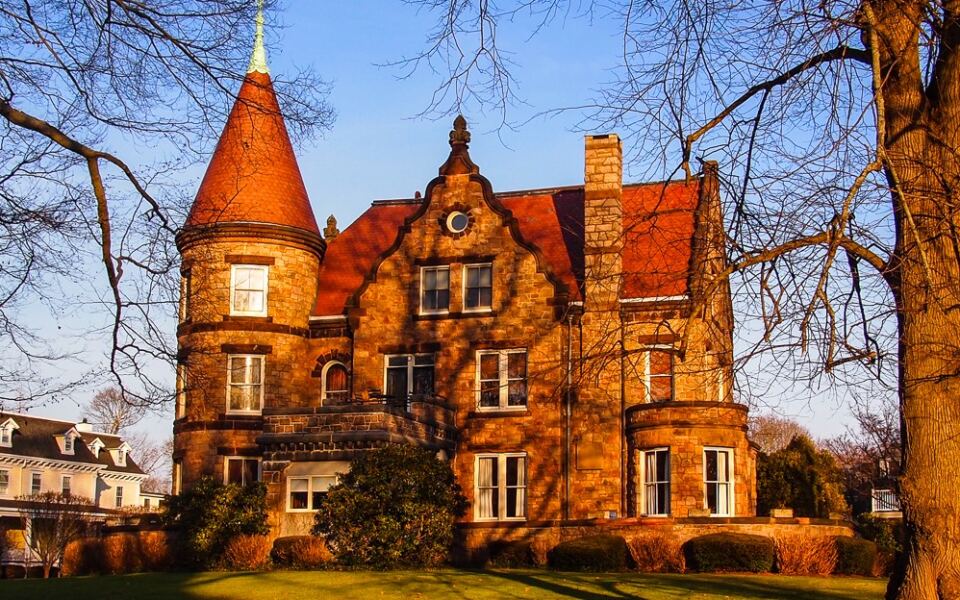
Some towns tell their story on museum walls, but one Rhode Island port writes its history right on the front of its houses. Small plaques beside old doorways list the year each home went up and the name of the person who first lived there.
That means a simple stroll can turn into a treasure hunt through centuries of American life. Keep reading to learn which streets hold the most colonial homes, where to find shops and harbor views, and a few friendly rules for exploring a neighborhood where people still live behind those historic doors.
A Neighborhood Anchored on Broadway
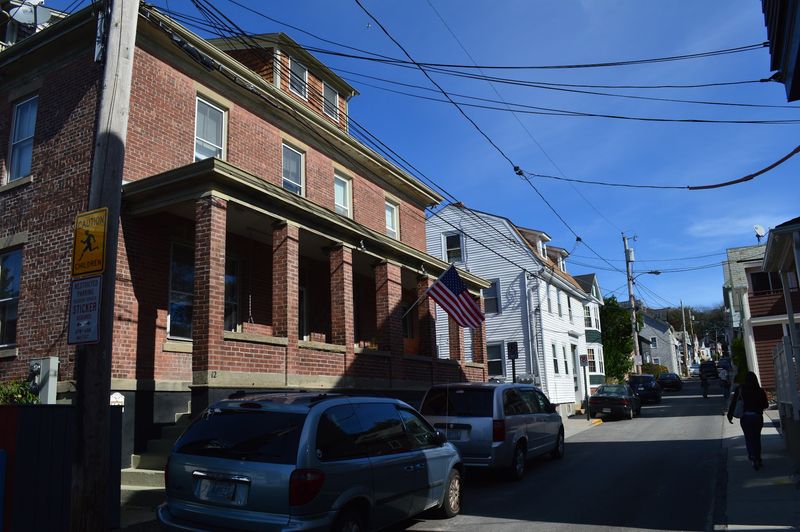
Every good walking adventure needs a starting pin on the map. For this one, the pin lands at 43 Broadway, Newport, RI 02840, in the United States.
That address marks the Newport Historic District, a historical place in one of the oldest cities in the country. It is not a single building with a ticket booth.
It is a living neighborhood, spread across streets packed with homes from the colonial period.
The district sits in Newport, Rhode Island, a port city with deep roots in early American history. Broadway, Thames Street, and Bellevue Avenue all connect to the area, making it easy to link one stretch of old streets to the next.
People come here mostly on foot. The main attraction is the architecture itself, and the setting rewards anyone willing to wander without a strict plan.
Consider this address the front door to a very old house party that never really ended.
Roots in One of America’s Oldest Settlements
Long before highways and smartphones, Newport was already an established settlement. It ranks among the oldest settlements in the Americas and among the oldest cities in the United States.
That long timeline explains why the historic district feels so layered. Buildings, churches, and houses from earlier centuries still stand along the streets, carefully maintained over many generations.
History here is not tucked behind glass. It is part of daily life, with neighbors, gardens, and front steps sitting right alongside centuries-old woodwork.
The city carries a real old port feel. Its well-preserved homes help keep that character intact, giving the district a sense of continuity that newer towns simply cannot copy.
For history fans, the appeal is obvious. For everyone else, the age of the place tends to sneak up on you after the third or fourth plaque.
Old news, it turns out, can still make headlines.
The Plaques That Tell Each House’s Story
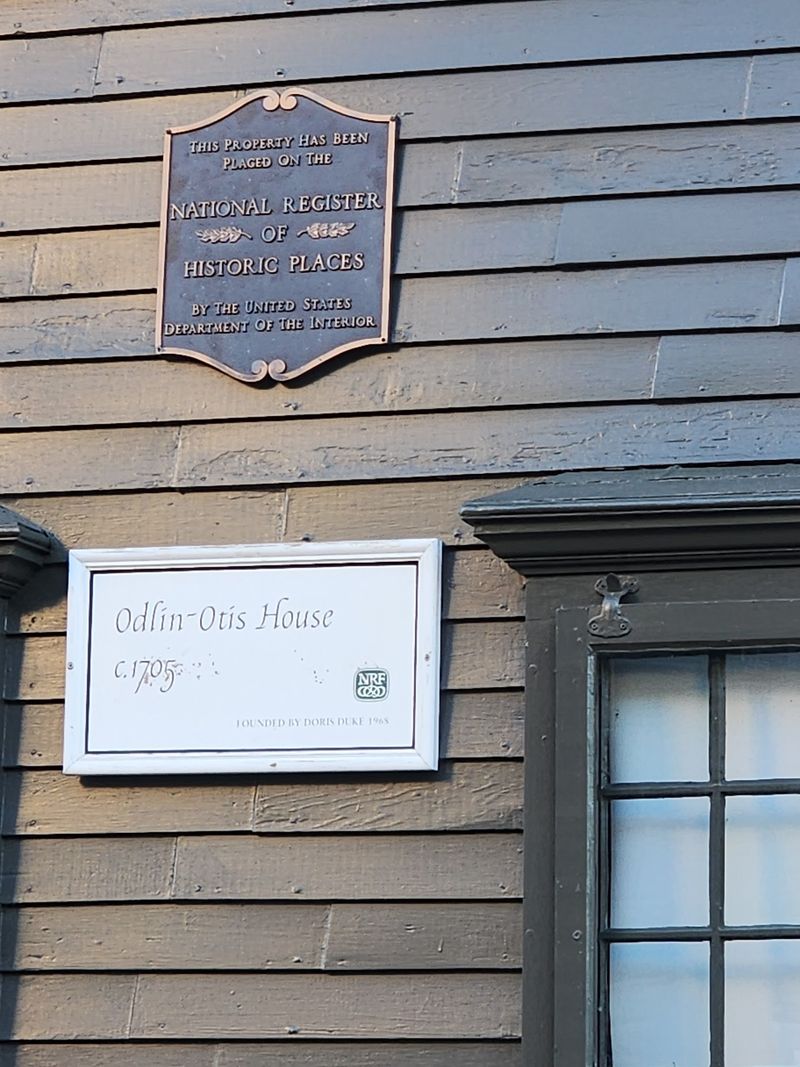
Here is the detail that turns an ordinary walk into a scavenger hunt. Many buildings in the district display plaques showing the specific year the home was built and the name of its original owner.
Those markers are posted by one of several organizations dedicated to preserving the city’s historic buildings. Each one offers a quick history lesson in just a few words.
Spotting them becomes a bit of a game. Some walkers try to find the oldest date on the block, while others keep track of family names that show up more than once.
The plaques also make the district friendly for curious kids. A date on a wall is easier to grasp than a paragraph in a textbook.
No guidebook required, though a little patience helps. Keep your eyes at doorway level, and the houses will introduce themselves one by one.
America’s Densest Collection of Colonial Homes
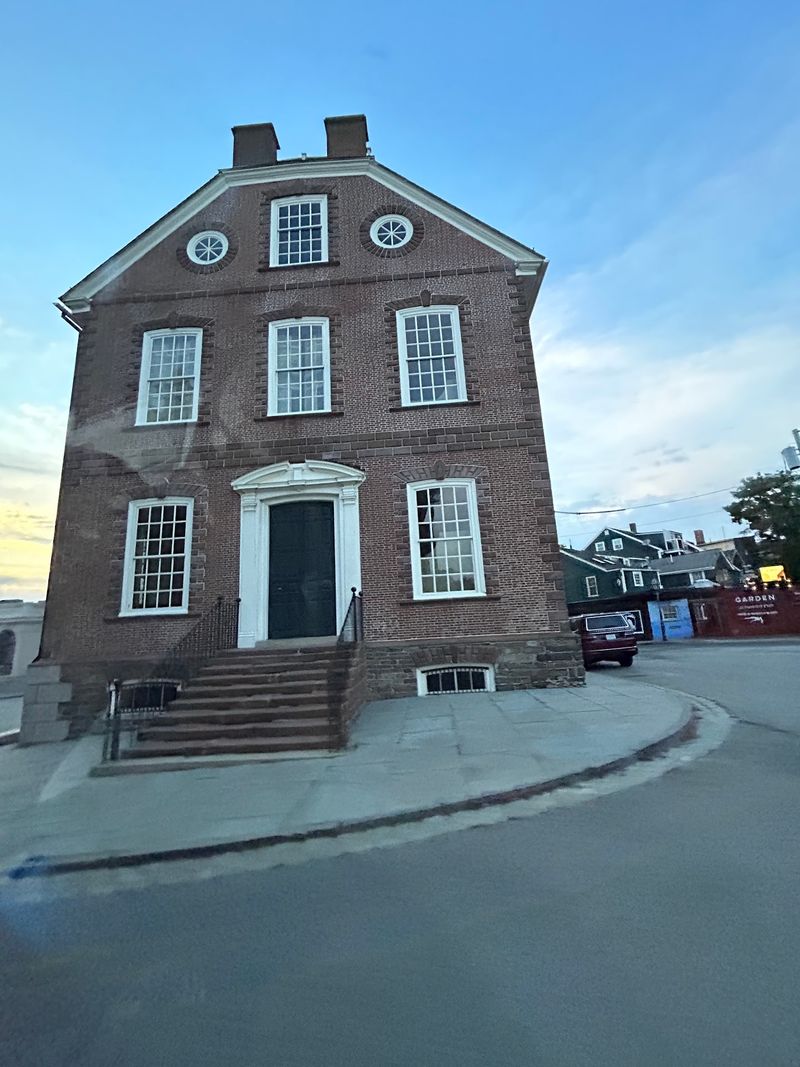
Numbers can be impressive, and this one is a standout. The Newport Historic District is known for holding the largest concentration of colonial period homes in the United States.
That claim becomes believable once the walking starts. Literally miles of streets reveal house after house from the colonial era, many sitting shoulder to shoulder along quiet lanes.
Colonial fans often call the town extraordinarily well preserved. The homes are not scattered relics surrounded by modern blocks.
They form whole streetscapes that hold together as a neighborhood.
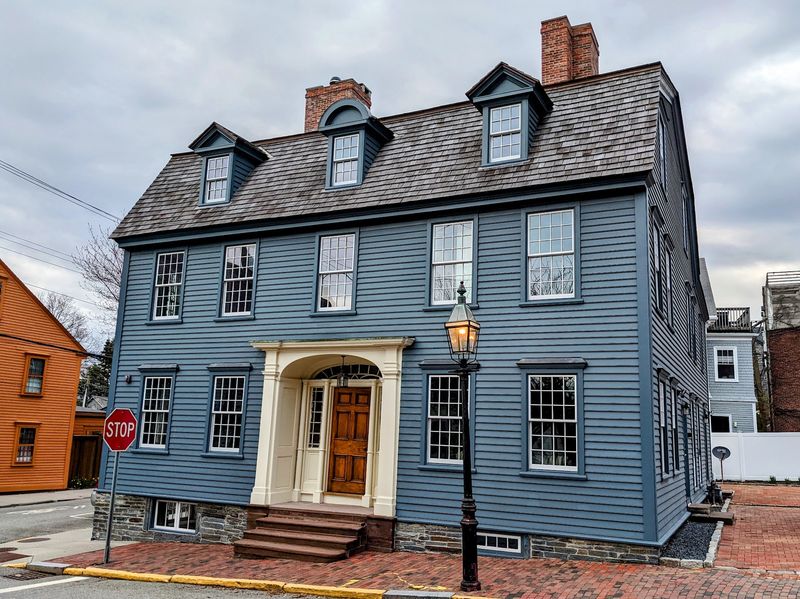
Center-hall colonials appear often, a classic layout with a central doorway and balanced rooms on each side. Recognizing that style is a fun skill to pick up along the way.
Architecture lovers tend to slow down here. Every corner seems to offer one more facade worth a second look.
Plan extra time, because “just one more street” is a phrase that repeats itself.
Streets Worth Putting on Your List
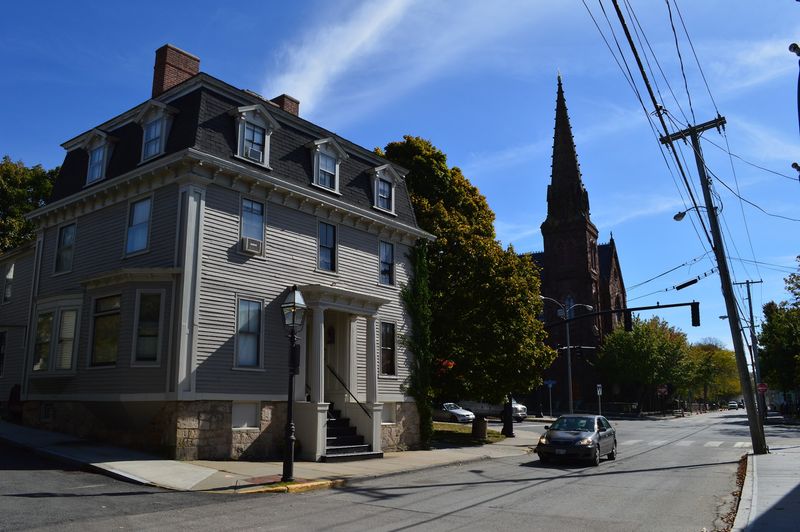
Where should the wandering begin? A few street names come up again and again among those who know the district well.
Spring Street is a strong choice, lined with older homes and serving as a natural path through the area. Clarke Street and John Street add more colonial character in a compact setting.
Bellevue Avenue is another name to know. It connects the historic core with other famous parts of the city, so it works well for longer outings.
The best advice is refreshingly simple. Get out there and explore, since many more streets beyond these hold their own collection of historic houses.
A loose loop works better than a rigid route. Turning down a side lane often leads to a plaque, a garden, or a doorway that no map mentioned.
Consider these street names the opening chapters rather than the whole book.
Uphill Charm in the Historic Hill
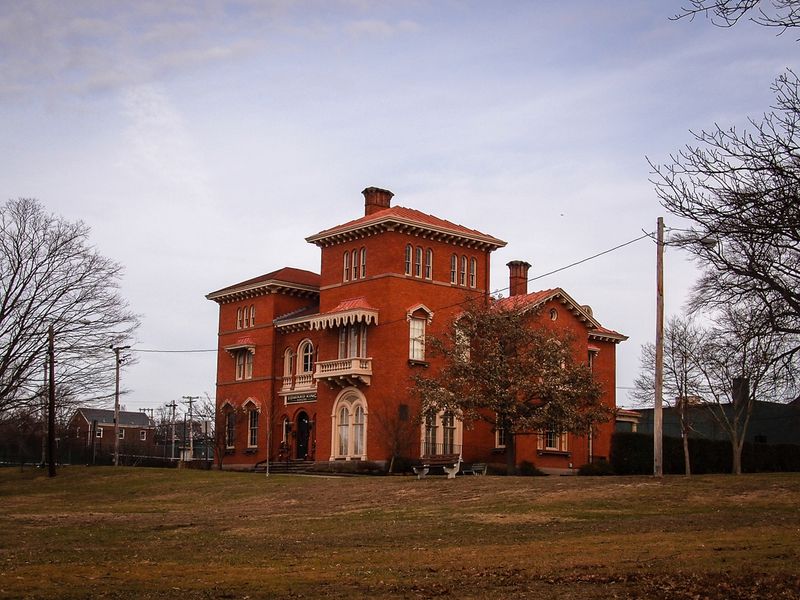
Legs, get ready. The historic Hill district rises uphill from Spring Street, offering a gentle workout along with plenty of architecture.
Colonials and center-hall homes fill these streets. The climb gives walkers a good reason to pause often, and each pause seems to land in front of another historic house.
Dog owners appreciate this section in particular. Much of the neighborhood slopes upward, which makes it a solid route for exercising a canine companion.
There is even a dog park near the top of the hill, on the street closest to the memorial at the peak. That makes it a handy goal for a morning loop with a four-legged friend.
The atmosphere stays relaxed and residential. It feels less like a tourist route and more like a well-kept neighborhood that happens to be very old.
Going uphill has rarely been this rewarding.
Gardens That Bloom Around the History
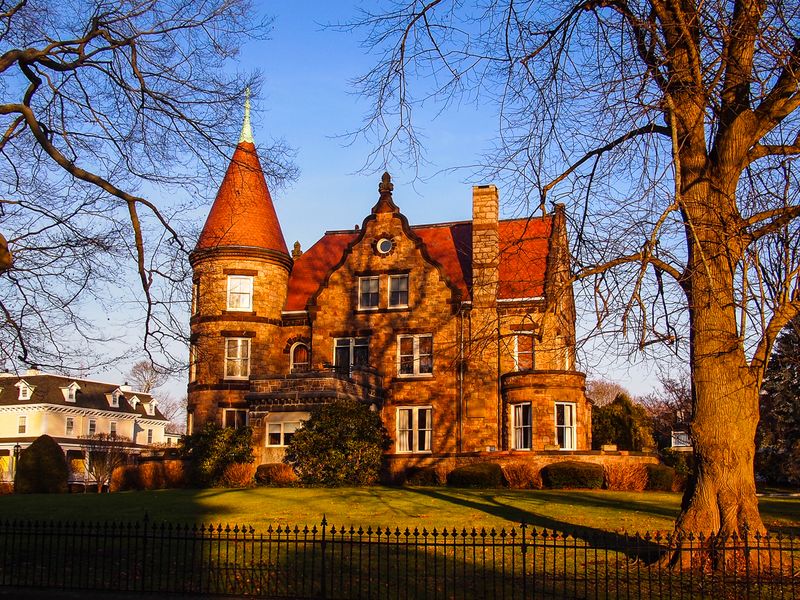
Old houses get plenty of attention, but the front yards deserve credit too. Neighborhood gardening adds real color to the district during the spring and summer months.
Residents clearly put effort into their small plots. Flower beds, window boxes, and tidy yards frame the colonial facades and give each block a personal touch.
The combination works well. Historic architecture provides the structure, while the gardens show that people actively care for these streets today.
Spring walks feel especially lively for this reason. Summer keeps the displays going, making the warmer months a popular time for longer strolls.
Photographers often find that a garden in the foreground makes a house photo more interesting. It also reminds everyone that these are homes, not stage sets.
Gardens change with the calendar, so a return trip may reveal a completely different look. Growth, after all, is the point.
Autumn Among the Old Clapboards
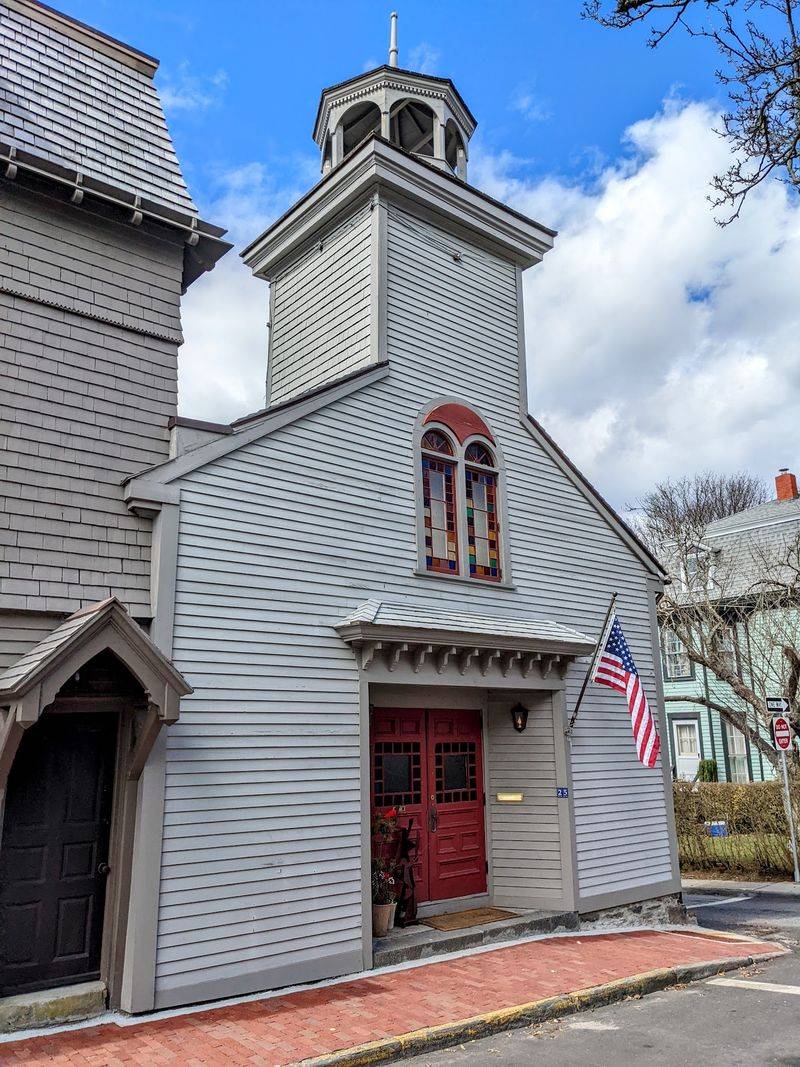
Some seasons simply suit a place. In the Newport Historic District, autumn earns special praise as an incredible time to visit.
Fall adds a new layer to the colonial streets. Changing leaves pair naturally with historic homes, giving the classic New England look that many travelers hope to find.
Cooler weather also makes long walks more comfortable. With miles of streets to cover, that matters more than it might seem at first.
Spring and summer bring the gardens, while autumn brings the foliage. Each season offers its own reason to come, so there is no single wrong time to explore.
Travelers planning a fall trip might want to include both the Hill and the streets near Thames. Mixing quiet residential lanes with busier areas keeps the day balanced.
Leaves fall, but the plaques stay put, ready for the next curious reader.
Thames Street Shops and Sweet Stops
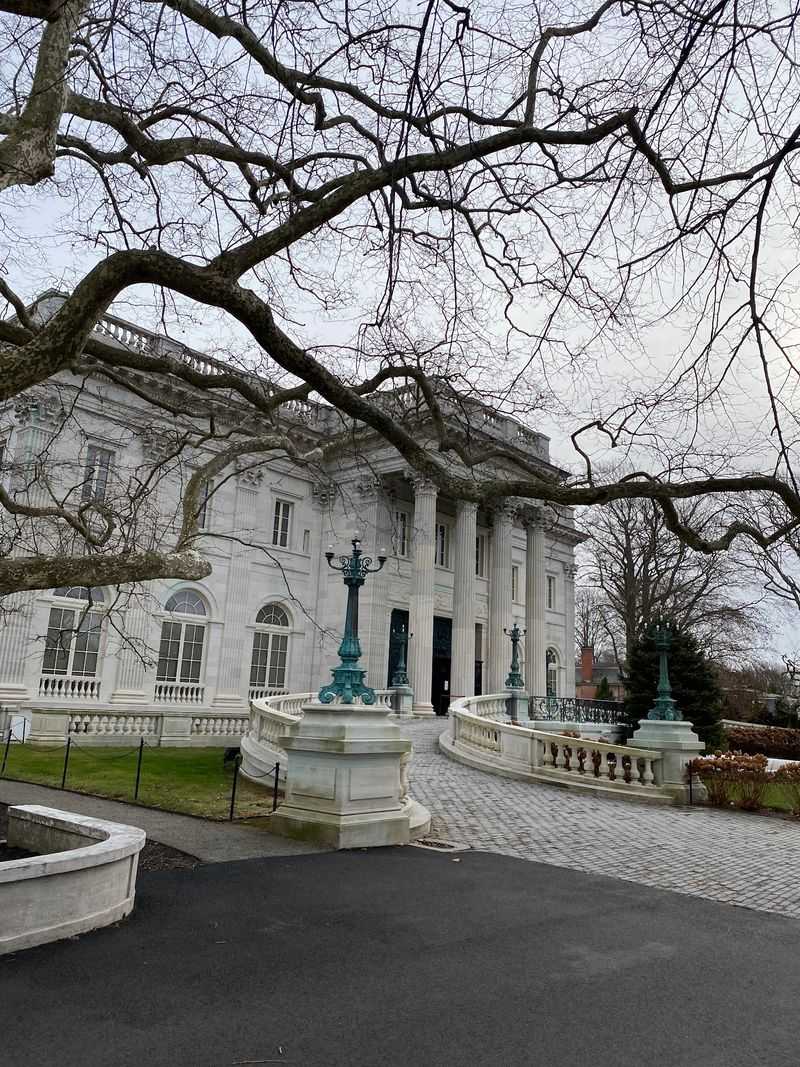
Every historic walk needs a break for browsing. Thames Street supplies that break with shops and novelty stores close to the district.
Many people spend a relaxed day wandering from storefront to storefront. The shopping is often described as fun, and it adds variety to a day focused on architecture.
Restaurants and dessert shops are part of the mix as well. They make easy stops when feet need a rest or the group needs a snack break.
Nearby Broadway also offers a wide range of places to eat. Having so many options close by keeps planning simple.
It is hard to leave this part of town without a smile. That easygoing mood fits well with the slower pace of the historic streets.
One practical tip matters here. Some shops close early, so plan shopping for earlier in the day instead of saving it for evening.
Harbor Views and Ocean Drive Scenery

Colonial streets are only part of the story in a port city. The harbor and the coastline add a whole different set of views.
Harbor view restaurants are known for living up to their names. They make a scenic stop between walks through the older neighborhoods.
Beyond town, a famous ocean drive winds along the shores. It passes grand mansions and rocky coastline, giving visitors a sense of Newport’s later, more lavish era.
That contrast is part of the fun. In one day, a traveler can see modest colonial homes with year-built plaques and then view some of the city’s showpiece estates.
The drive works well for anyone who wants a break from walking. It also helps connect the historic district to the wider city.
Port towns tend to face the water for a reason, and this one makes the most of its setting.
Trolleys and Living History Moments
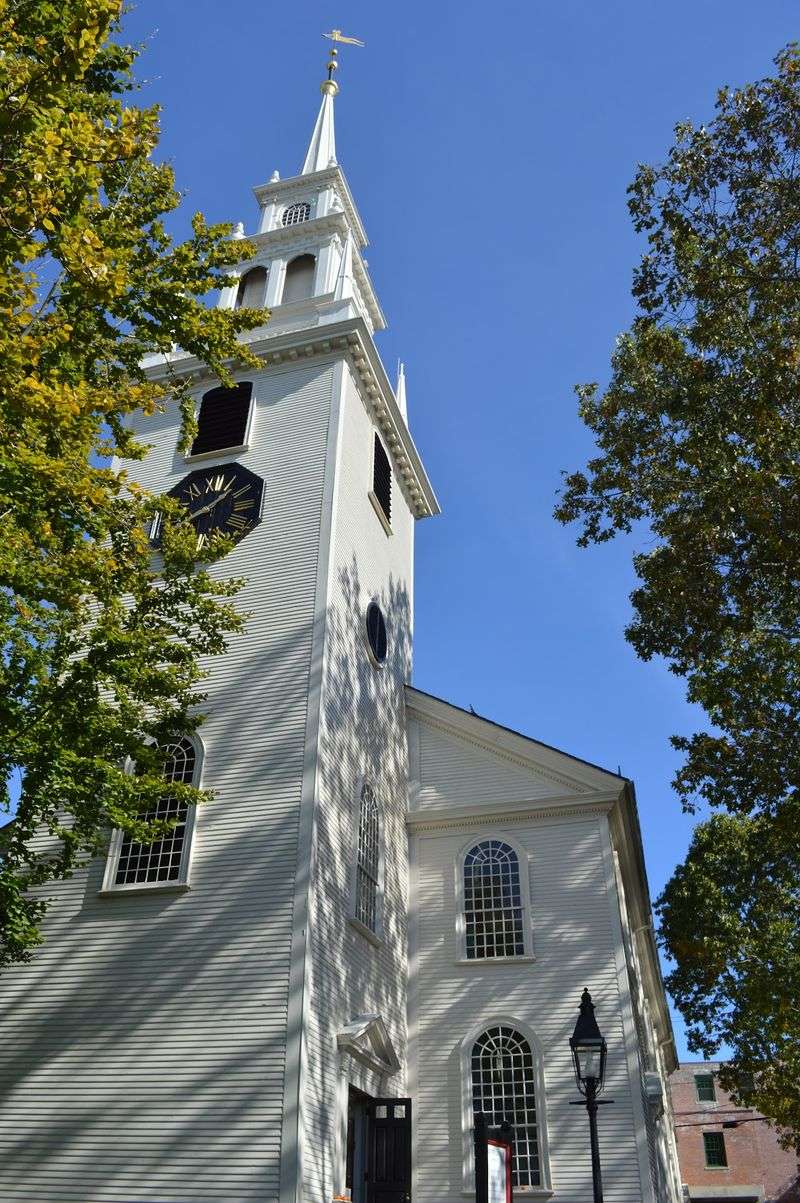
Not every exploration has to happen on foot. Newport offers a trolley that visitors can take, giving tired legs a welcome rest.
The trolley is a smart option for families or anyone who wants to cover more ground. It pairs well with a morning walk and an afternoon ride.
History sometimes steps right into the present here. Reenactments of the early days have appeared in the district, adding a lively surprise for those lucky enough to catch one.
Families often treat the trip as a learning experience. Kids can connect the plaques, the old buildings, and the costumed scenes into one bigger story.
These moments are not guaranteed on every visit. Still, they show how seriously the city treats its past.
Between a trolley seat and a colonial reenactment, the day can feel like a field trip that nobody wants to end early.
Respectful Exploring on Lived-In Streets
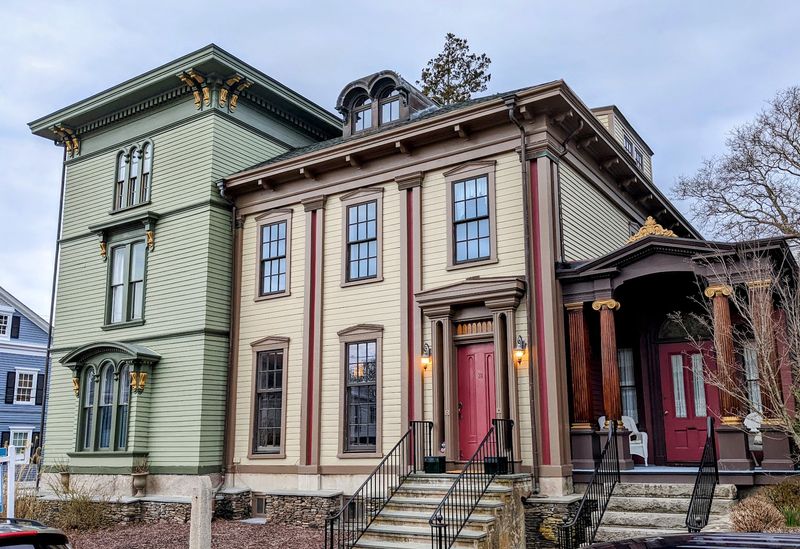
A friendly reminder belongs in every guide to this neighborhood. Most of the houses in the district are still inhabited.
That fact is part of what makes the area special. It also means visitors should enjoy the architecture from the sidewalk and avoid being too invasive.
Old iron door knockers are tempting details. Admire them with your eyes, since the people inside did not invite a knock.
Photos from public spaces are generally the best approach. Stepping onto porches or peering into windows crosses a line most residents would rather not see crossed.
Keeping voices low on quiet residential lanes helps too. Human traffic in the historic core tends to be light, and that calm is worth protecting.
Good manners keep the welcome mat out for future travelers. The houses have lasted centuries, and a little courtesy helps the neighborhood stay just as charming.
Planning Notes for a Smooth Visit

Good news for early risers and night owls alike. The district is listed as open 24 hours, every day of the week.
Since it is a public neighborhood, there is no gate to pass through. Visitors can simply start walking from Broadway or connect from Thames Street and Bellevue Avenue.
The city of Newport maintains a website at cityofnewport.com, which can help with general planning before a trip.
Expectations matter too. The historic core is fairly compact, and it offers a small-town pace rather than a big-city bustle.
Shops close early, so plan any browsing for daytime. Evening hours are better saved for dinner or a quiet walk past the old homes.
Comfortable shoes are a must, especially for the uphill streets. With miles to explore, that simple choice can make or break the day.
A Port That Rewards the Curious
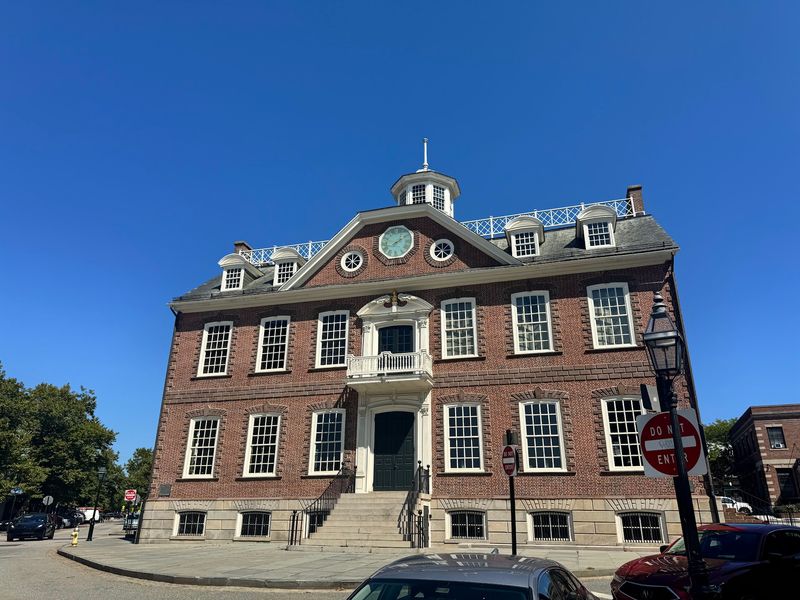
So, who will love this place most? History buffs top the list, and colonial period fans may feel they have found their favorite corner of the country.
Architecture lovers come close behind. The plaques, the center-hall homes, and the preserved streets offer endless material for study.
Families benefit as well. The district doubles as an outdoor classroom, with shops and dessert stops ready as rewards.
Travelers seeking a large, busy historic city might find it smaller than expected. Those who prefer calm streets and fewer crowds will likely see that as a plus.
For many, this is a place that earns repeat trips. The mix of old homes, harbor views, and easy walks keeps people coming back.
Read a few plaques, wander a few lanes, and let the centuries do the talking. Newport has been telling this story for a very long time.
Share this story