You know that feeling when you walk into a place expecting a quick look and end up losing the whole afternoon? That happened to me on the Oregon coast, in a big harborfront building I almost skipped.
Inside, I found real ships, wild stories, and a floating lighthouse I could actually step aboard. Oregonians, this is one stop that tourists often rush past, and it deserves your full attention.
A Harborfront Museum Built Around the River
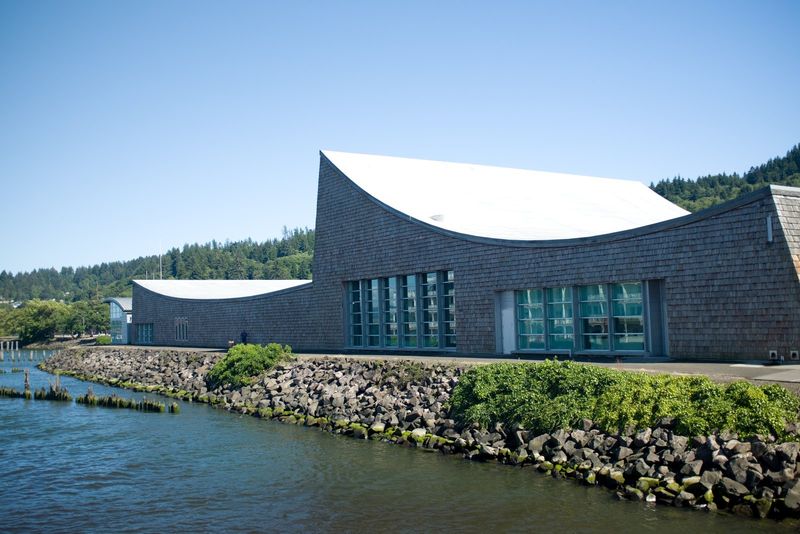
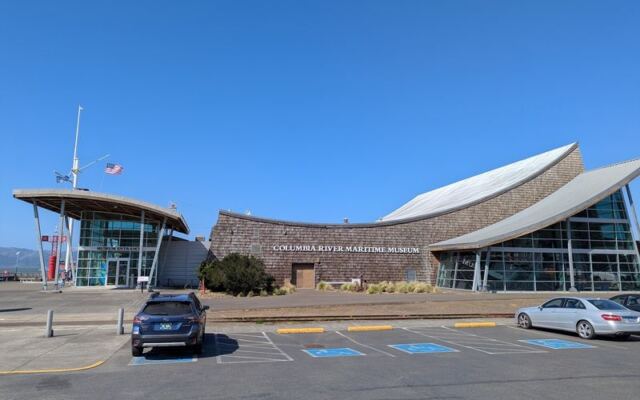
Picture a big harborfront building on Marine Drive in Astoria, Oregon, with the Columbia River rolling right past its windows. That is the Columbia River Maritime Museum, and it sits where the river meets the Pacific.
Inside, a collection of about 30,000 objects covers fishing, shipping, and military history. That is a lot of stuff for one building, and it is all arranged to tell the story of this working waterfront.
Visitors say the place is bigger than it looks from the parking lot. Even better, you can watch real marine traffic slide along the river while you wander the galleries.
The view is a bonus exhibit that never changes its schedule.
Locals can treat it as a trusty rainy-day plan, and out-of-towners get a full introduction to the coast.
Lightship Columbia, the Floating Lighthouse
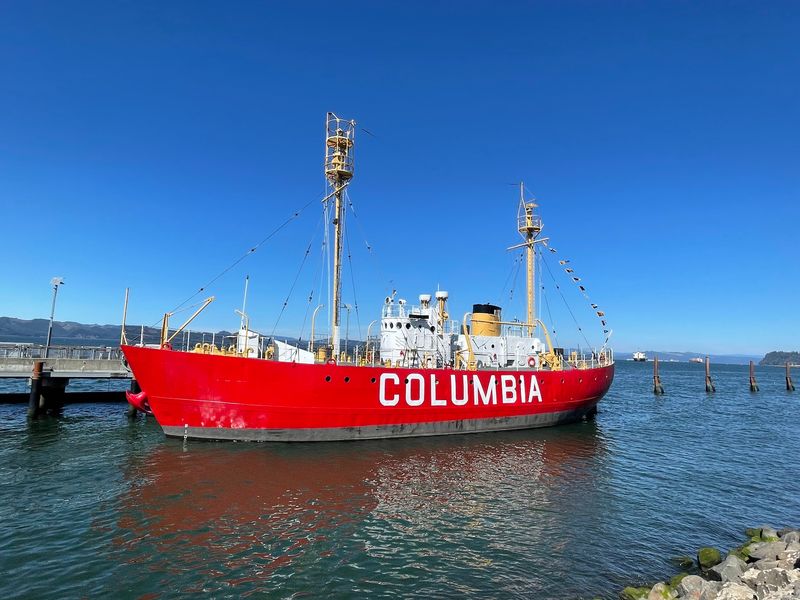
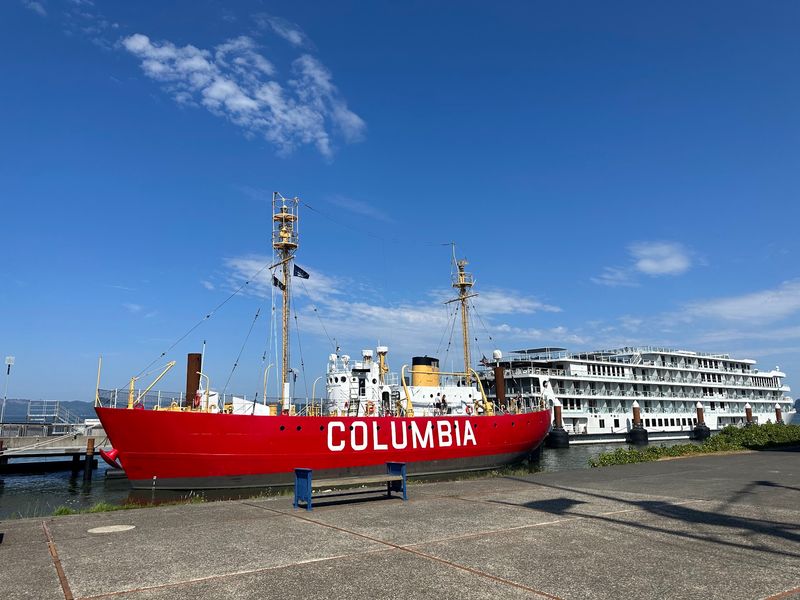
Here is the star of the show: a real lightship that once marked the entrance to the Columbia from the Pacific. Visitors describe the tour as a highlight, and one said it was a surprise they did not see coming.
Stepping aboard feels like crashing a crew meeting. The restored vessel lets you see how sailors lived and worked while guarding one of the trickiest river mouths around.
Plan your timing, though. One visitor noted the ship tour closes at 3 pm, so afternoon arrivals may want to come back the next day, as that family did.
Some visitors also mention an occasional afternoon engine room tour, which is worth sticking around for if it is offered during your visit.
Respect for the Treacherous Columbia River Bar
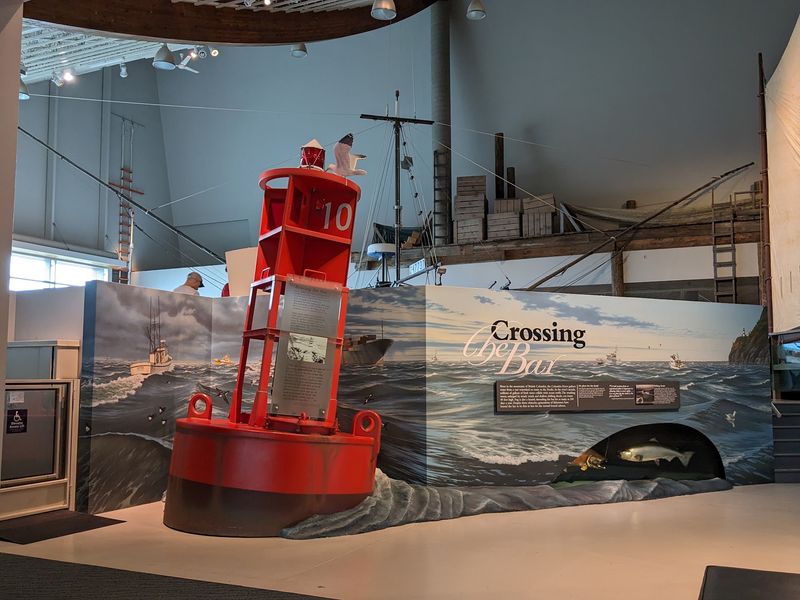
Few stretches of water have a reputation like the Columbia River bar. Exhibits here explain why, and visitors say the geography lessons make the river’s nature easy to grasp.
Shipwreck artifacts make the story real. Guests talk about displays of pieces salvaged over the years, including a twisted section of hull from the Exxon Valdez.
Other displays show how vessel traffic is managed as ships enter, travel through, and leave the river. It is the kind of behind-the-scenes detail you never think about until someone shows you.
You can even learn how to steer a tug, which is a fun way to find out how hard it would be to do this job well.
The Coast Guard Gallery and Rescue Boat
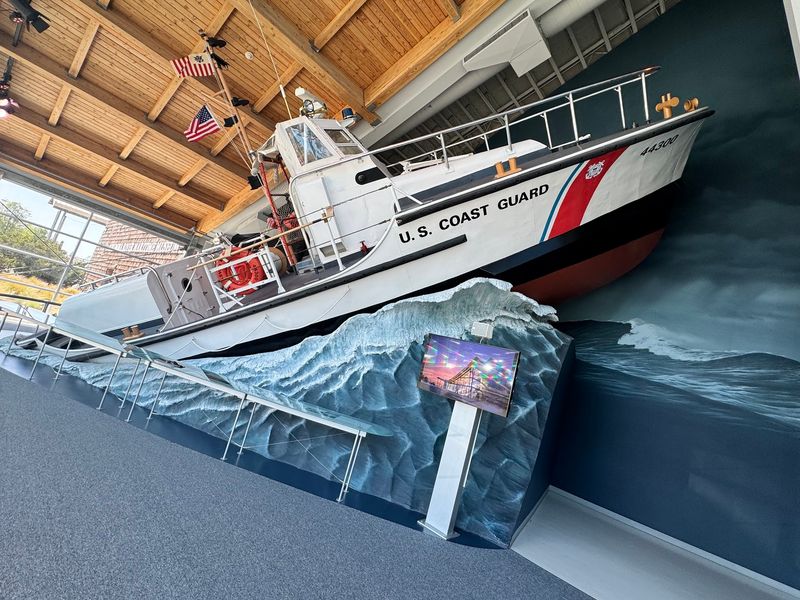
Ask a few visitors for their favorite room and the Coast Guard exhibit comes up often. Reviewers call it outstanding, and it features a retired Coast Guard rescue boat you can see up close.
The displays explain the rescue efforts that happen along this stormy stretch of coast. Reels with audio and video play as you walk, adding voices and motion to the artifacts.
One former Coast Guard member said the gallery hit home because of crewmates lost in storms along these same shores. It shows how personal these stories can feel for people who served.
Bring some quiet time here. The mix of boats, gear, and stories rewards a slow pace, and it tells the human side of the sea.
Good Luck Flags and Wartime Stories
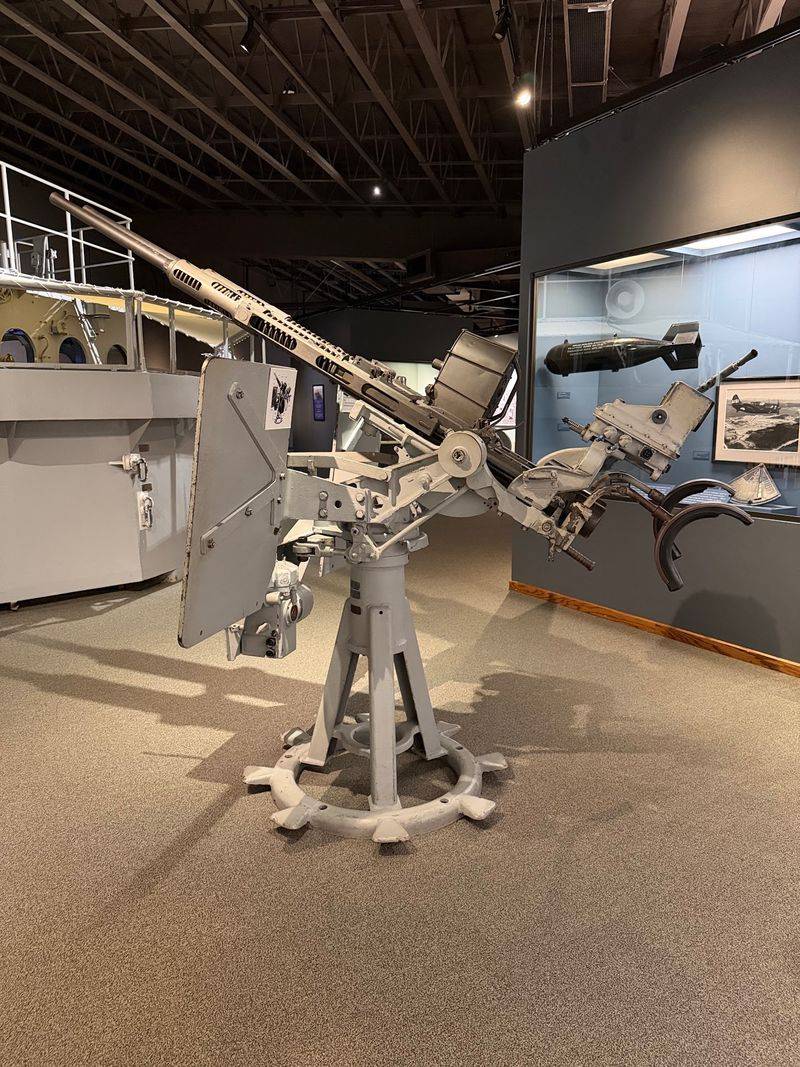
Handwriting can say more than a plaque ever could. The Yosegaki Hinomaru exhibit, known as Good Luck Flags, shows personal signatures and messages from families of WWII soldiers.
One visitor was deeply moved by how carefully these flags are preserved. Japanese flags are one of the museum’s popular topics, so you will hear others talking about them too.
The museum balances technical ship history with human stories like this one. That mix keeps the galleries from feeling like a parts catalog.
Other wartime exhibits cover military history and equipment, explained in ways that visitors call user friendly. Give this corner a little extra time, because the details reward close looking.
First Nations Stories at the River’s Mouth
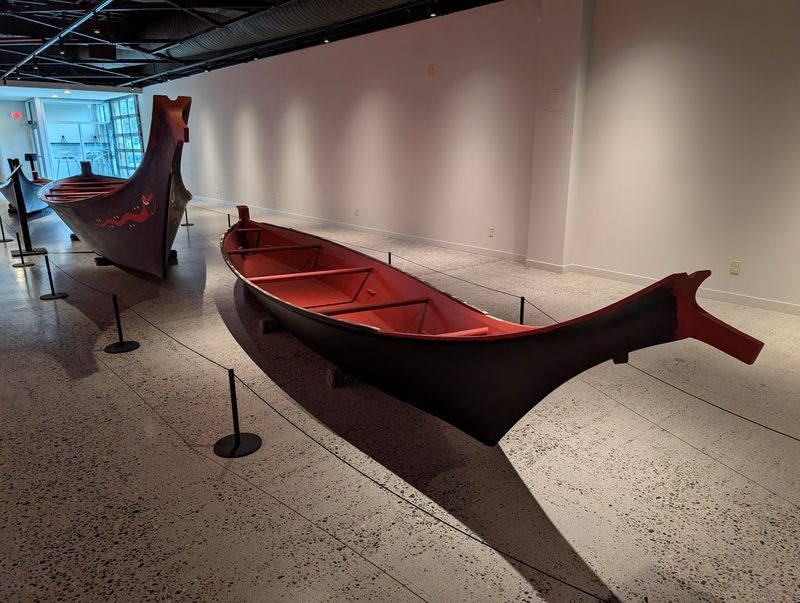
Maritime museums usually start with ships. This one reaches further back, and visitors love the unexpected focus on the native peoples who lived in the area.
That context changes how you see the river. Before the lighthouses and cargo ships, people were already fishing and traveling these waters.
Guests praise the history of the river mouth as fascinating. It ties the whole museum together, from salmon fishing to commercial shipping.
Look for the interactive touches along the way. Learning in a hands-on way keeps the information fresh, and it makes the history feel more like a conversation than a lecture.
Hands-On Exhibits That Keep Kids Busy
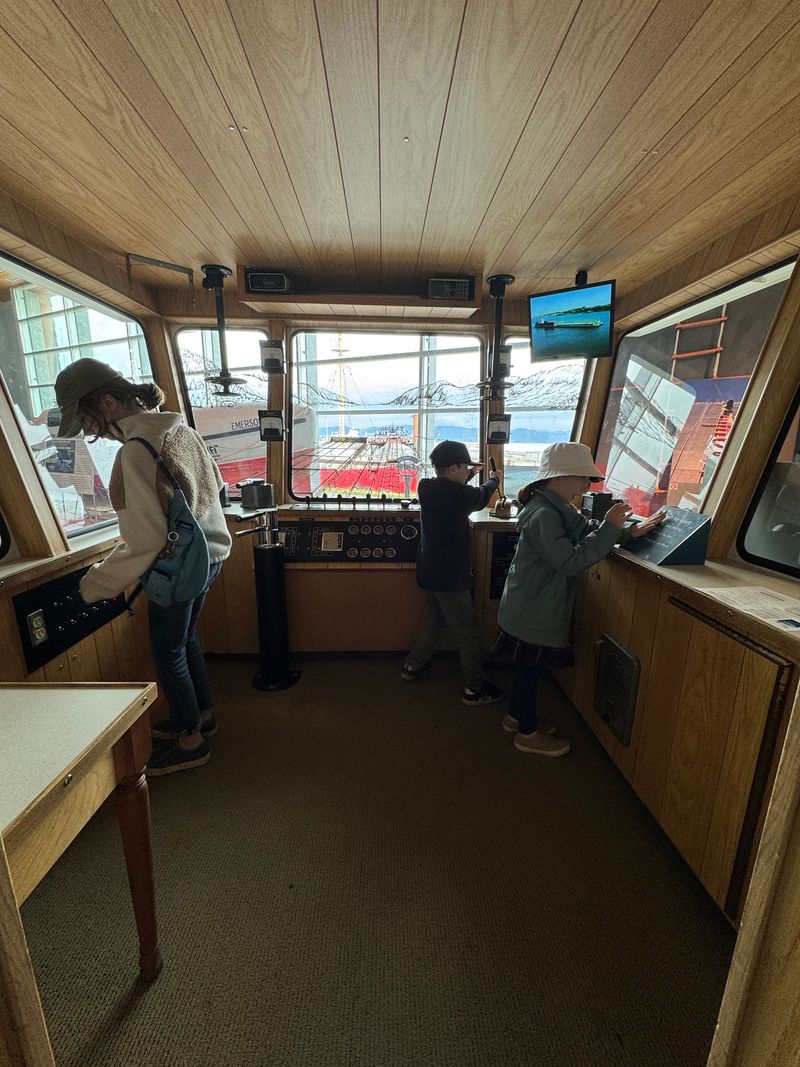
Museum trips with kids can be hit or miss, but families here report a hit. One parent said the girls avoided the dreaded boredom complaint all the way through the tours.
Interactive exhibits are a major theme in visitor comments. There is a wind machine to try, and hands-on areas made for younger explorers.
A 3-year-old enjoyed picking up telephones to hear people tell their stories in their own voices. Older kids get plenty of learning opportunities too.
Visitors also say the museum is well maintained and clean, which parents tend to notice. Pack some patience for the gift shop at the end, because it is hard to resist.
The 3D Movie Break
When your feet need a rest, there is a show. Guests mention a 3D movie often, and one family noted the short 3D films about wildlife run about 20 minutes.
They are a handy change of pace between galleries. Sit down, put on the glasses, and let the screen do the work for a while.
One family with a baby skipped the movies, so consider your crew before buying tickets. Another visitor said they would like to watch one of the films on a return trip.
The film break turns a museum visit into a fuller outing, especially on a gray Oregon coast day when the weather is not offering much of a view.
Real Vessels and Model Ships Up Close
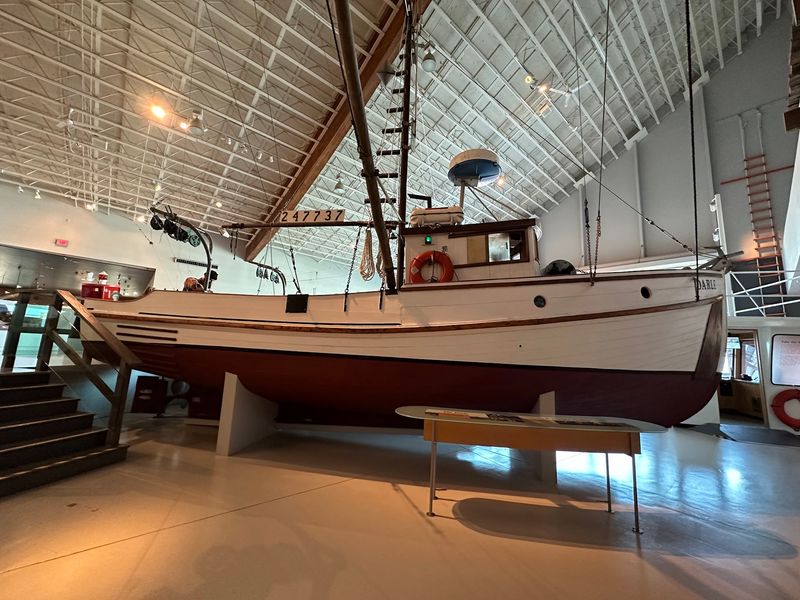
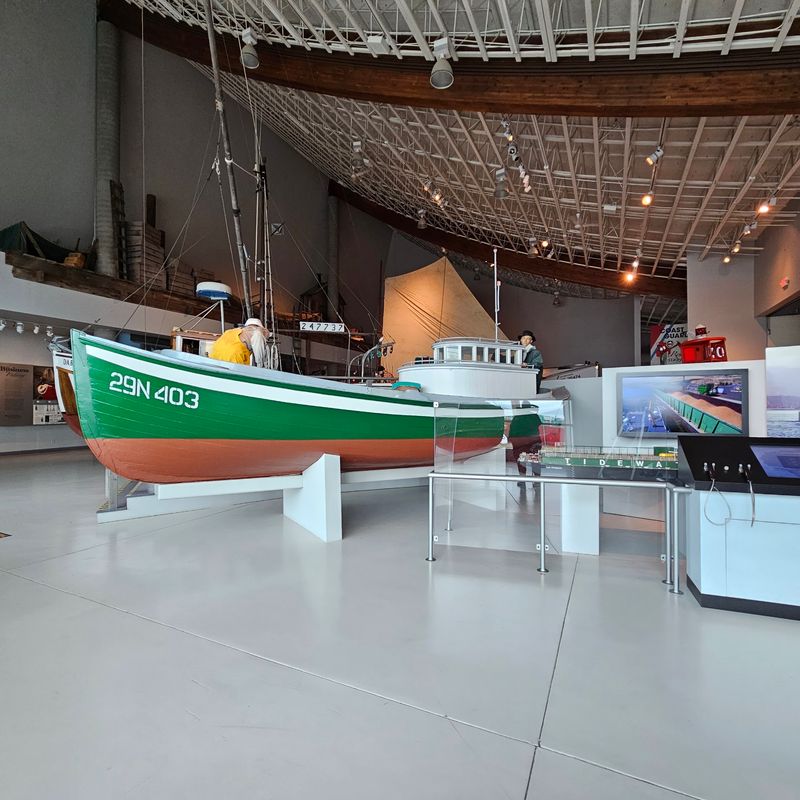
Some museums keep ships behind glass. Here, you can walk among historic vessels and also study intricate models that show how the boats were built.
Visitors mention fascinating artifacts, from full-size boats to scale replicas. One guest said the exhibits are incredibly well curated and fun for all ages.
You can even tour a real working boat, according to a repeat visitor who says there is something different every time. That keeps return trips interesting.
Tugs, fishing boats, and rescue craft each have a story, and the signs explain them in plain language. It is easy to wander from one hull to the next with a growing list of new facts.
A Museum That Is Still Growing
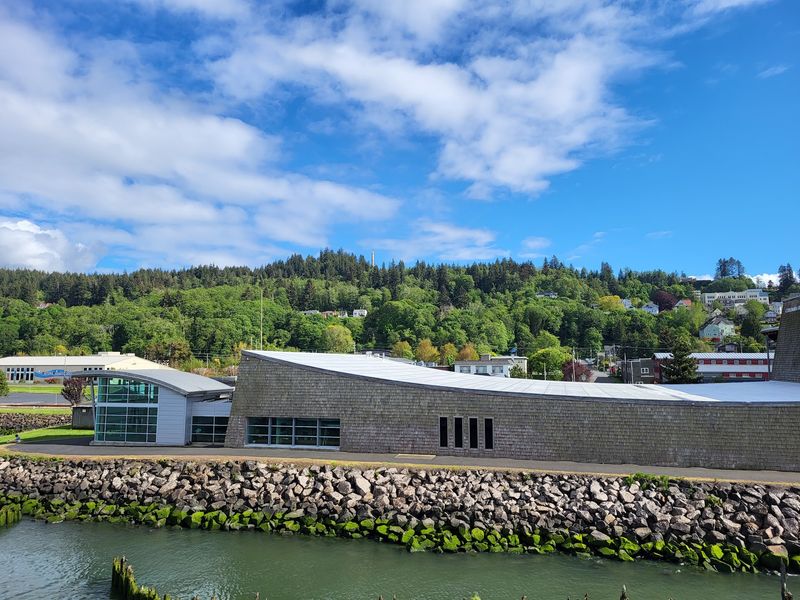
Good news for repeat visitors: the museum is expanding. Guests mention an entire additional building under construction, with new exhibits being built.
One visitor who peeked at the work said the new space looks set to meet the same high standards as the existing galleries. Another was excited about the new structure and ship placements.
That means the museum is not standing still. Regulars who come back a few times a year, including one who drives about four hours, can expect fresh things to see.
If you visit during construction, plan for some areas to be unfinished. It is a good reason to return in a future season and see what has opened.
Sea Lions, Sea Views, and River Traffic
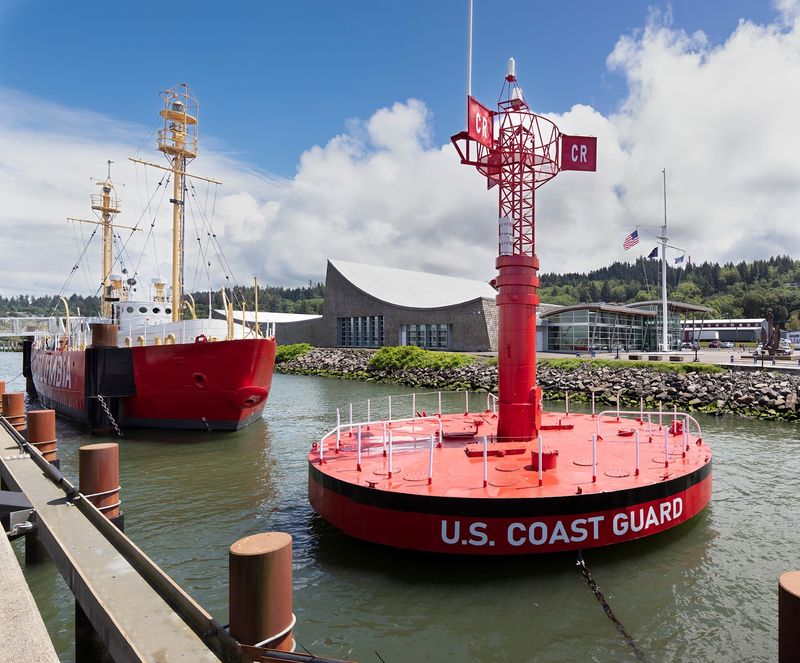
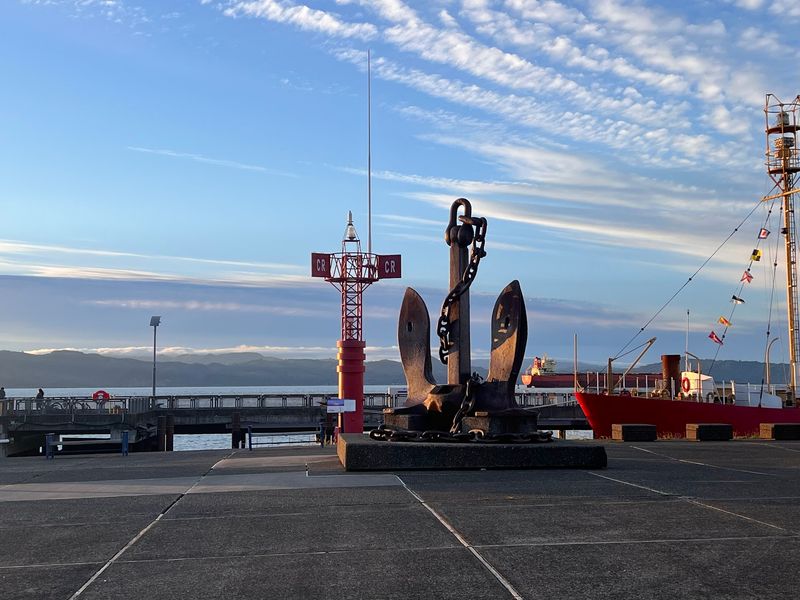
Listen closely while you walk outside. One visitor said they could hear sea lions lounging on a buoy right by the museum.
The river is part of the experience here. Guests say you can watch marine traffic on the Columbia as you tour, so the real working waterway backs up what the exhibits explain.
Views of the river got praise from a visitor who did not expect to enjoy the visit so much. They also said touring the lightship was a surprise highlight.
Bring a jacket, since the Oregon coast breeze has opinions. A few minutes outdoors gives your mind a break and puts the stories inside into context.
How Much Time to Set Aside
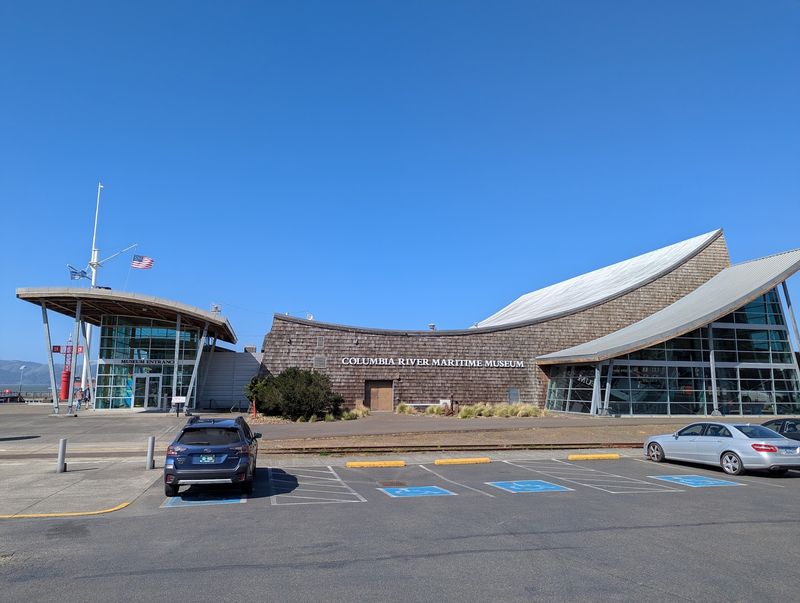
Visitors disagree on the clock, and that tells you something. One family spent just under an hour and called it worth it, while another said you could spend one to three hours easily.
Several suggest a couple of hours as a solid plan. Others call it a half day, and one visitor felt a whole day would not be too much.
If you want to see everything, consider adding the lightship tour and a movie. Splitting the visit over two days worked well for one family.
A packed lunch also came up as a smart idea. Go slow, read the signs, and let the stories sink in rather than racing through.
Hours, Admission, and Getting There
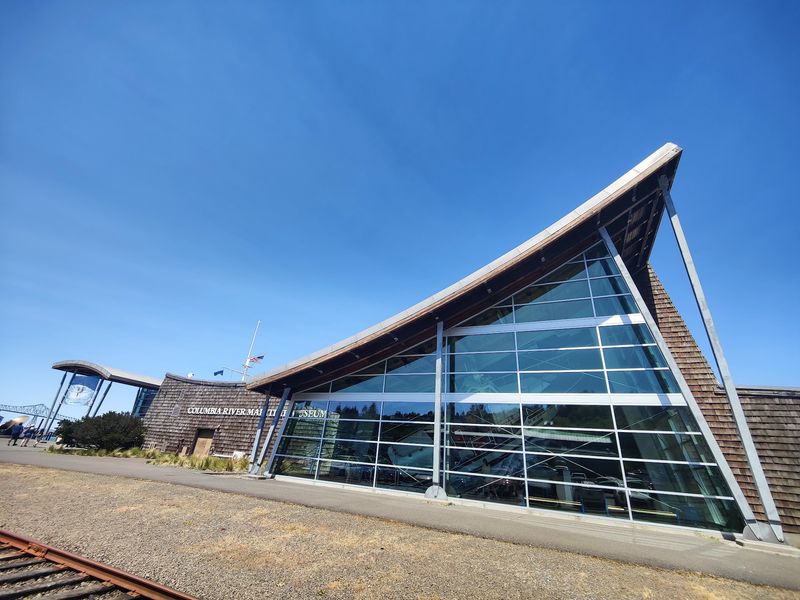
The museum is at 1792 Marine Dr in Astoria. Doors are open daily from 9:30 AM to 5 PM, every day of the week.
Visitors say parking is plentiful and the place is easy to find. One reviewer described the admission price as reasonable, and another noted entry was free for active duty military families.
For questions, call 503-325-2323 or visit crmm.org. Checking ahead is wise for the lightship tour schedule, since the ship closes earlier than the museum.
Off-peak days along the Oregon coast can mean thinner crowds, which is nice for a museum you want to explore at your own pace.
Staff, Bookstore, and Little Extras
Friendly people make a museum better. Visitors describe the staff as friendly and knowledgeable, which helps when you have questions about a ship or a story.
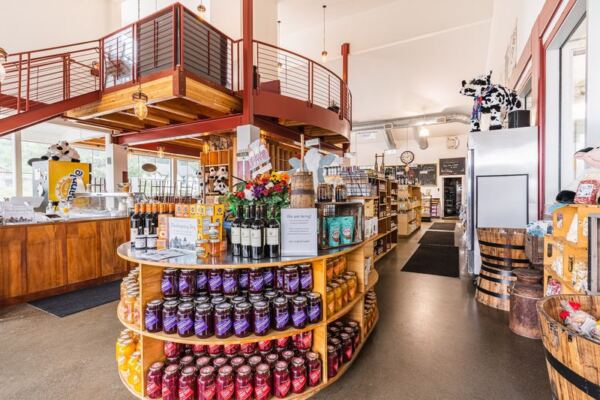
The facilities get praise as clean, organized, and well managed. One reviewer also mentioned an excellent bookstore and gift shop for taking a bit of the coast home.
Books on shipwrecks, the river, and the Coast Guard make good souvenirs for curious readers. It is a smart place to look before you head out.
Little touches like these add up to a visit that feels cared for. Visitors keep coming back, and that says plenty about the experience.
A Soft Verdict for Curious Oregonians
So, is it worth the trip? Based on what visitors say, the answer is a comfortable yes.
People who did not want to go often left happy they did.
It suits families, history fans, and anyone who likes stories with a salty edge. You get real vessels, a lightship, and human stories woven into the technical side of the river.
If you want to enjoy it without much company, consider an off-peak visit along the Oregon coast. Fall and winter bring moody river light and a good reason to stay indoors a bit longer.
Step aboard the lightship, listen to the stories, and see why this Astoria stop keeps pulling people back.
Share this story