High above a busy downtown Tucson street, strips of beef hang in the desert sun, drying the same way they have for generations. Down below, tables fill with families, road-trippers, and locals who have been coming for decades.
The restaurant behind this rooftop routine has a century of stories, a menu built on family recipes, and a founder who ran her own business long before that was common. Keep reading to learn where it is, what to order, and how to plan a visit without circling the block for parking.
A Historic Address on Court Avenue
Tucked into the historic core of downtown, El Charro Café Downtown sits at 311 N Court Ave, Tucson, AZ 85701, in the United States. The building is an old family home, and it still looks the part.
The restaurant opened in 1922, which is why it is often called the oldest restaurant in Tucson. The house itself is even older, with its roots stretching back to the 1890s.
The kitchen focuses on Sonoran-style Mexican cooking, the regional style of southern Arizona and northern Mexico. That means dishes shaped by ranch life, dried beef, and fresh corn.
Many travelers arrive because a friend or relative told them it was a must. Some drive down from Phoenix just for one meal.
Walking distance to other downtown spots makes it easy to fold into a day of exploring. The real surprise, though, is waiting up on the roof.
Tia Monica and a Family Legacy
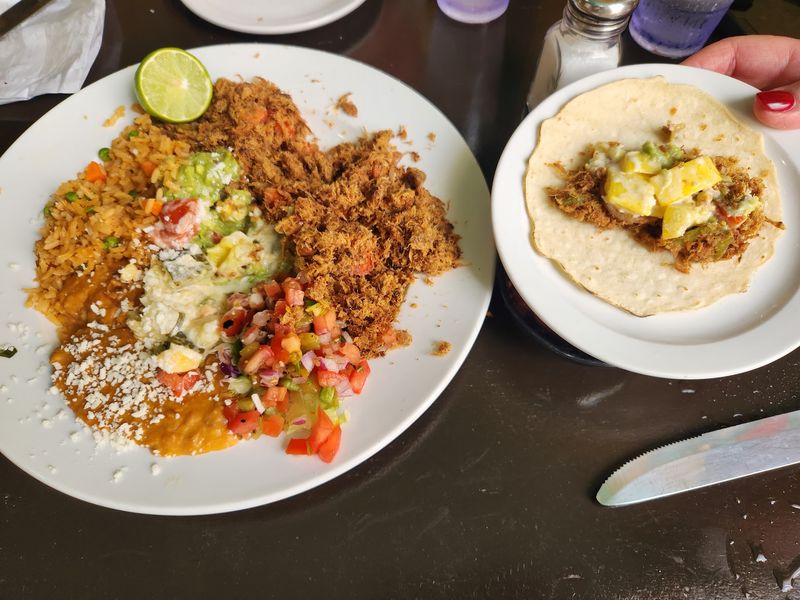
Back in 1922, a woman opened a restaurant and ran it herself. That was a rare move at the time, and it set the tone for everything that followed.
The business has stayed in the same family for generations. Today it is run by the grandniece of the founder, known to many as Tia Monica.
That unbroken family line is why the restaurant is often described as the oldest continuous family-run Mexican restaurant in the country. It is a big title, and the family treats it with care.
Staff members often share the story with guests, pointing out details in the house and explaining how the recipes came to be. Some even walk diners out back to show how things are made.
A few members of the family, including Mr. Flores, are known for greeting guests personally. Hospitality here feels like part of the inheritance, passed down right along with the recipes.
Carne Seca Under the Arizona Sun
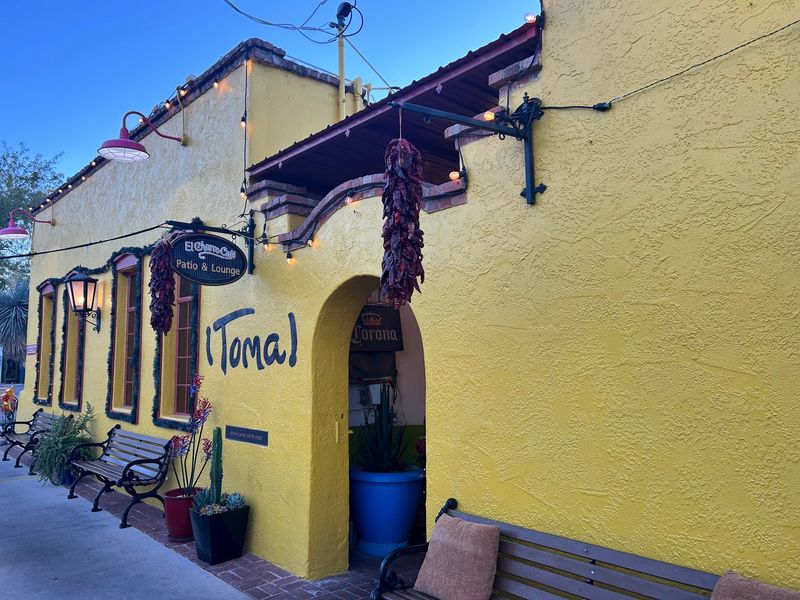
Most restaurants keep their prep work hidden in the kitchen. Here, one of the most famous steps happens in full view, right on the roof.
Carne seca is sun-dried beef, a Sonoran tradition that goes back generations. The beef hangs outside to dry before it is shredded and cooked into many of the signature dishes.
Staff members like to point out where guests can spot the drying meat from below. Some servers even bring curious diners to the back patio to show where the carne seca is prepared.
Here is a fun fact often shared at the table: the restaurant says it is the only place legally allowed by the USDA to serve sun-dried meat. That claim alone sparks plenty of conversation.
Carne seca is by far the most talked-about dish in the house. It sometimes runs low on busy nights, so ordering early is a smart play.
The Tamale Side of the Menu
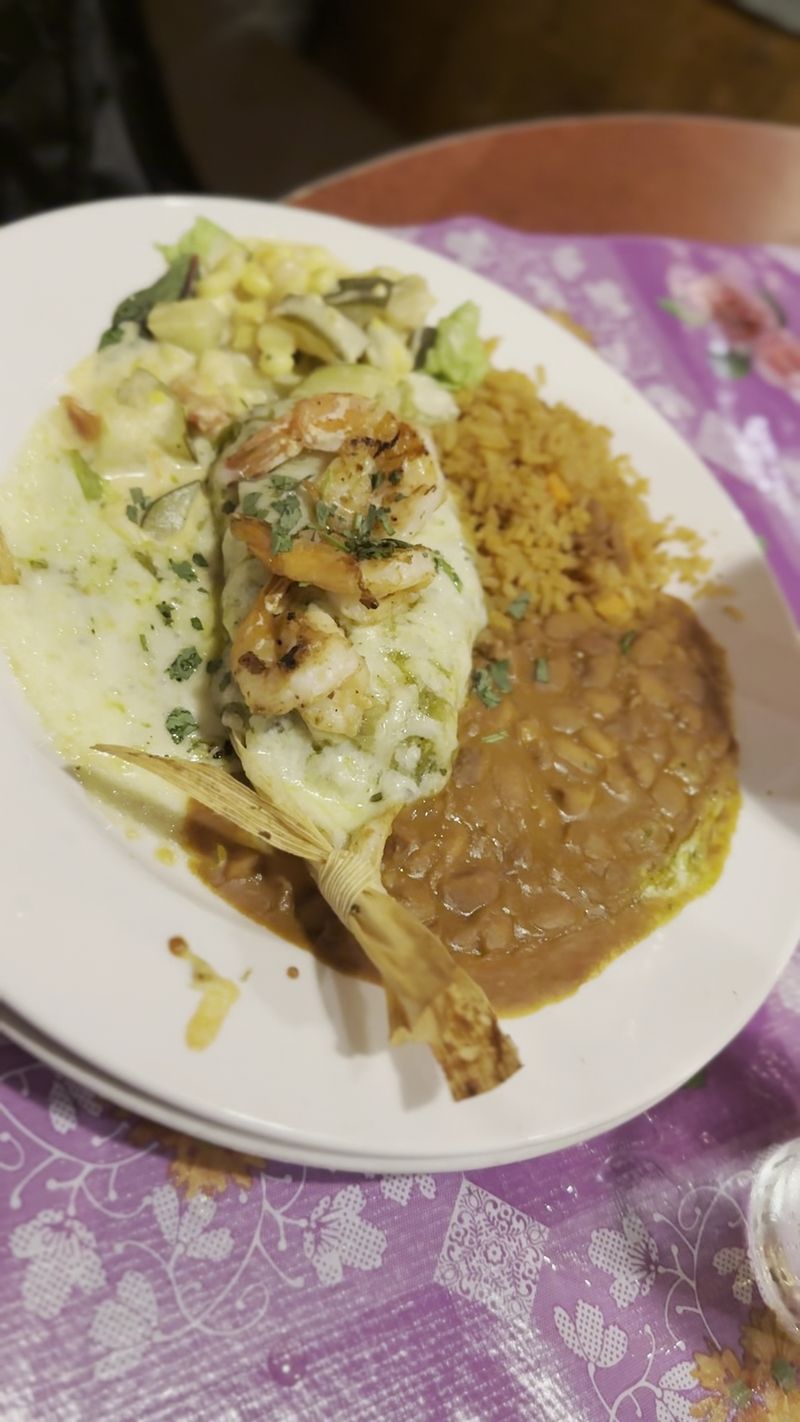
Carne seca may get the spotlight, but the tamales have a loyal fan club of their own. The Fresh Corn Tamale Platter is a frequent favorite at shared tables.
Groups tend to pass the plate around until nothing is left. It arrives with a side of squash, often called calabacitas, and that side is popular enough that some tables order extra.
Tamales in Sonoran cooking lean on fresh corn, which fits the regional roots of the menu. They make a good pick for diners who want something traditional without the dried beef.
Cracking one open is part of the fun, especially for first-timers who want to try something beyond the usual taco lineup. Pair it with other plates and share.
Order the tamale platter alongside a carne seca dish and the table gets a snapshot of two very different Sonoran traditions. That combo covers a lot of history in one meal.
Chimichanga Claims and Crowd Favorites
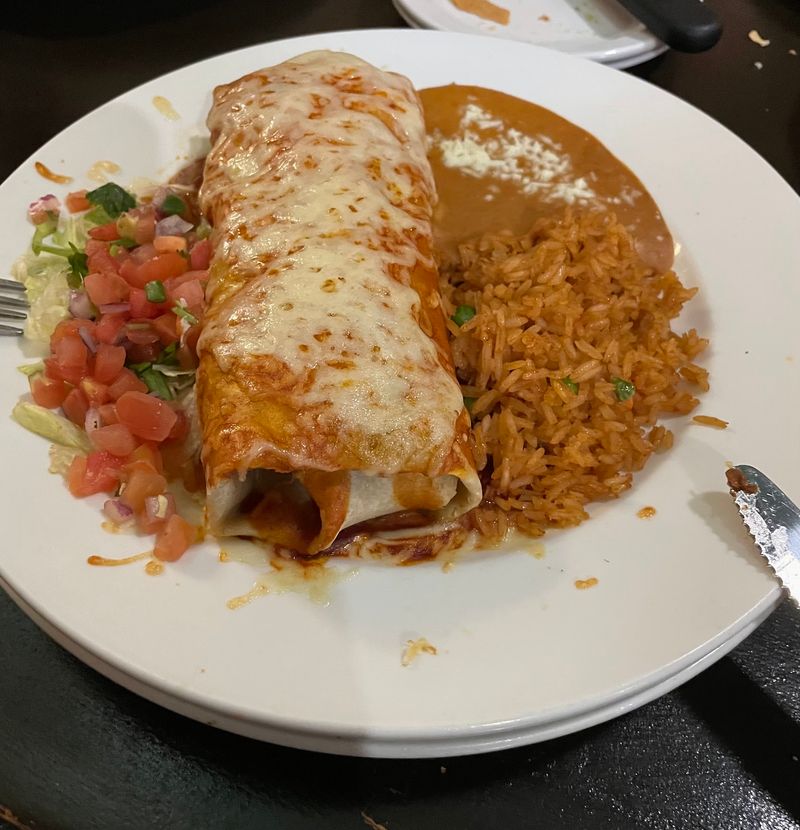
Few dishes spark as much friendly debate as the chimichanga. El Charro is often called its original home, and the story is a regular topic at the table.
The sun-dried beef chimichanga brings two house legends together in one order. The carne asada version is another option for those who prefer a more familiar filling.
Beyond that, the menu is extensive, with items based on original family recipes. Tableside guacamole, the cheese crisp, and enchiladas all have strong followings.
Chips and salsa arrive first, and the house salsas get plenty of praise, especially the green one with its little kick. Plenty of meals start strong right there.
Portions are large, so leftovers are common. Many diners head out with a to-go box, which feels like a bonus lunch for the next day.
Rooms, Porches, and a Basement Called Down Under
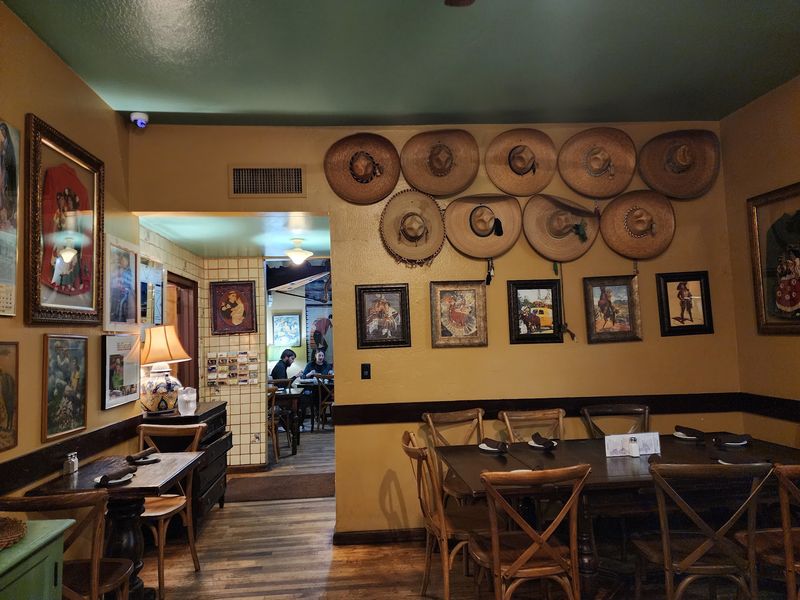
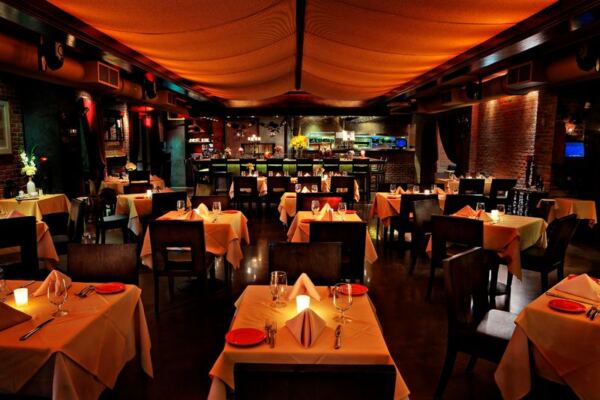
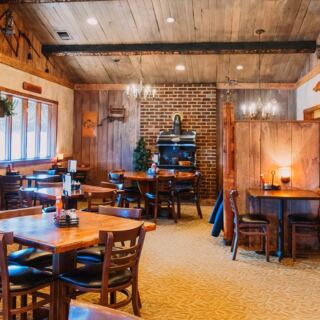
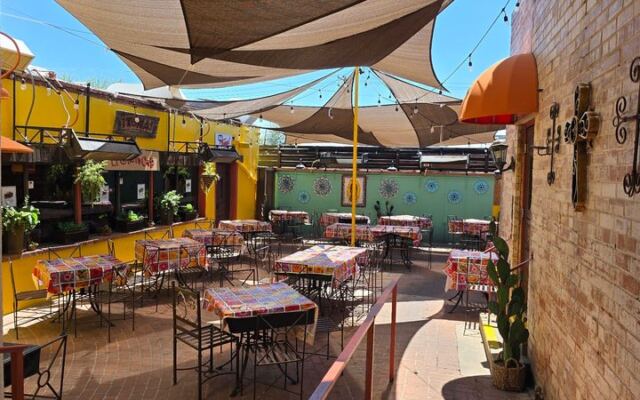
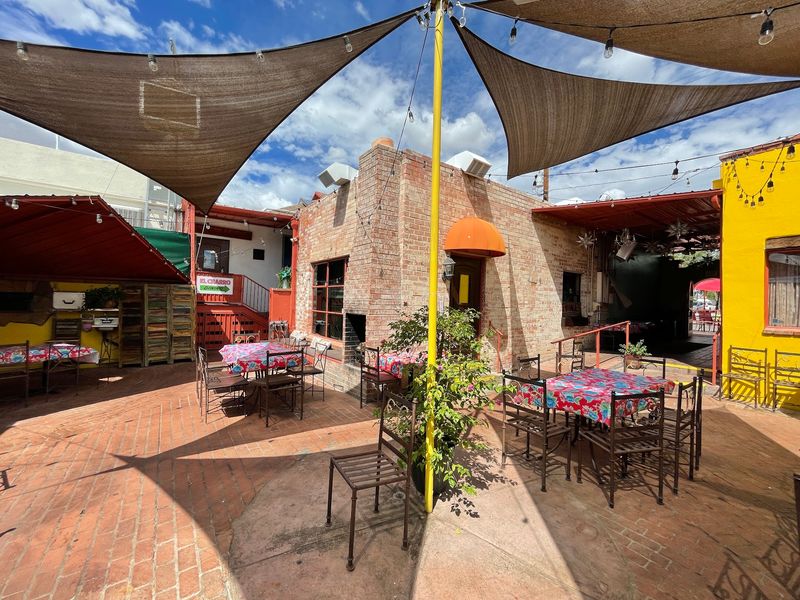
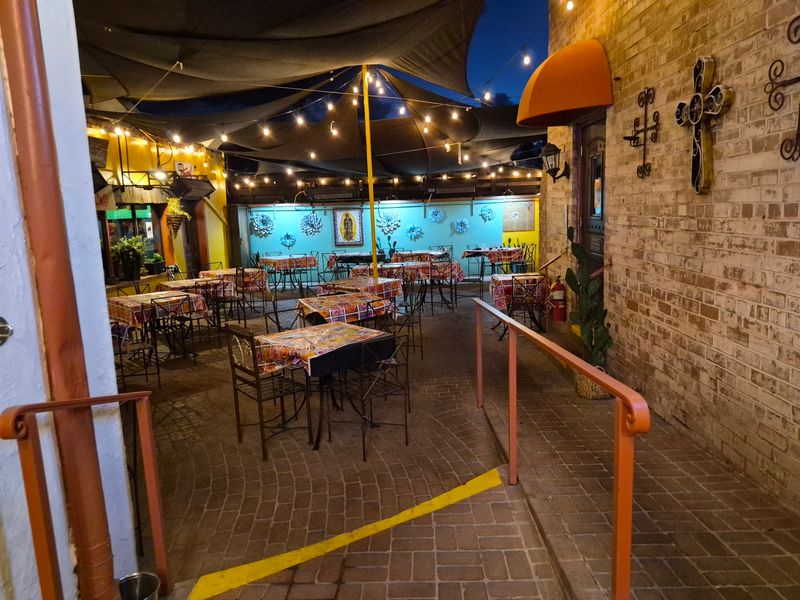
Dining here means choosing a corner of an old house. Guests can sit in the original rooms, on what used to be the front porch, or out on the patio.
The walls are filled with artwork, artifacts, and pieces of the family story. Many guests spend time looking around between courses.
Downstairs, a basement area known as the Down Under hosts private parties. It also works as overflow seating when the main floor is packed.
A handy tip from regulars is to ask for the front room by the windows if it is open. It is one of the favorite spots in the house.
The home has been preserved rather than modernized, and that choice shapes the whole experience. A meal here comes with a small history lesson built right into the walls.
Lively Crowds and Who Fits Right In
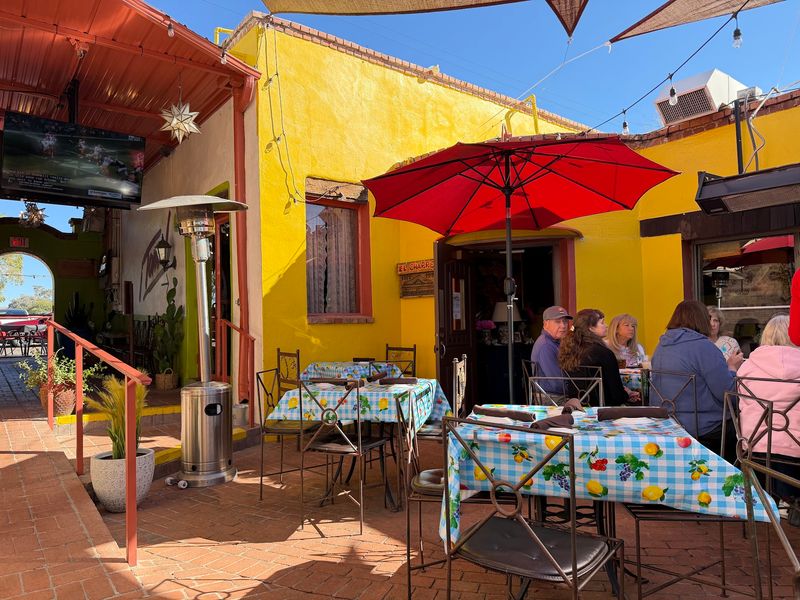
Quiet corners are not really the house specialty. The dining rooms get busy and lively, especially on weekends.
That energy suits groups, families, and travelers who want a meal with a story attached. Parties as large as ten have been seated even when reservations were for fewer people.
The noise level can be high, which is worth considering for guests who have trouble hearing in crowded spaces. Earlier afternoon visits tend to be calmer.
History fans get the most out of a visit, since servers often share stories about the family and the building. Foodies from places with big Mexican food traditions may have strong opinions, and that is part of the fun.
Vegan diners have options too, including jackfruit taquitos. The menu covers a lot of ground, so most tables find something for everyone.
Staff Who Know the Stories
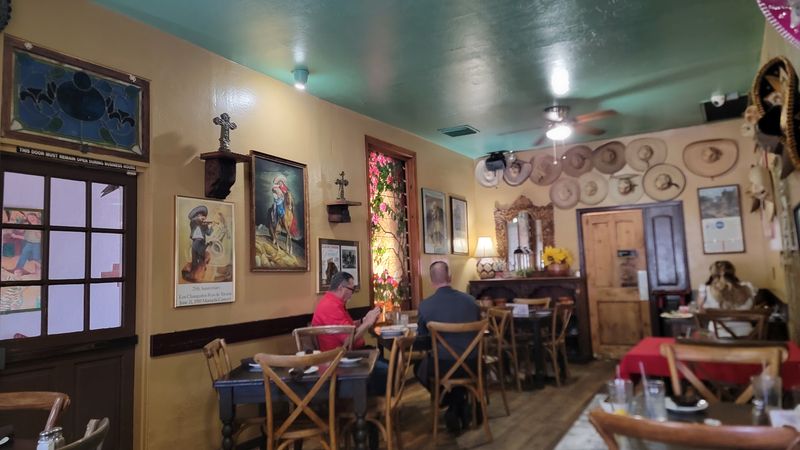
A good server here doubles as a tour guide. Many staff members clearly take pride in the restaurant’s heritage and love to share it.
Hosts greet guests warmly, and servers often explain the carne seca process or the founding story without being asked. Some walk guests outside to see where the beef is made.
The team gets praise for being friendly, attentive, and efficient, from bussers to food runners. Plenty of guests leave feeling right at home.
That said, the pace can slow down when the house is full. Food waits of half an hour or more can happen on busy weekend nights.
Patience pays off, and going in with a relaxed schedule helps. Treat the wait as extra time to look at the artwork and ask about the family history.
Hours, Parking, and Smart Timing
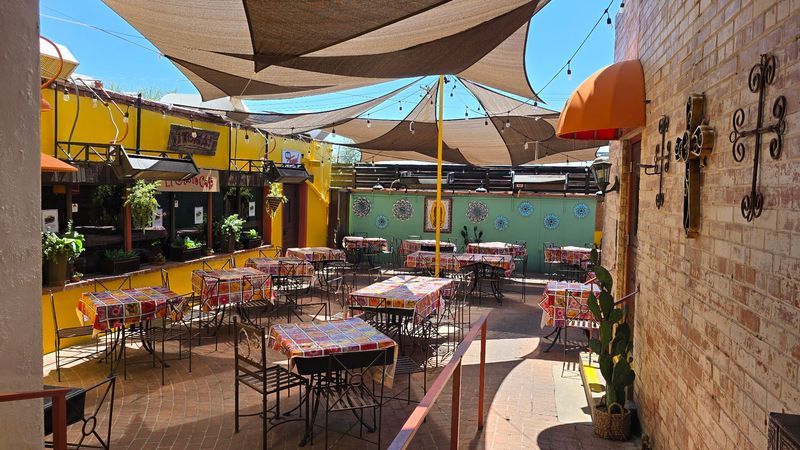
Planning ahead makes a big difference here. The restaurant is open every day of the week from 11 AM to 9 PM.
Parking is the most common hiccup. There is no free lot, and the paid lot across the street can run around $10.
Weekends bring significant waits, sometimes even for lunch. Arriving early or making a reservation is the easiest way to skip the line.
Summer planning matters too. Air conditioning is only in the indoor dining rooms and basement, not on the outdoor patio, so hot months call for inside seating.
Prices are considered reasonable for the Tucson area, especially given the large portions. Budget a little extra for parking and the day stays stress-free.
A weekday lunch is often the sweet spot for shorter waits and quicker seating.
A Century-Old Table Worth Saving a Seat For
Not every meal leaves guests with a history lesson and a to-go box. This one usually does both.
El Charro stands out because of the full package: the family story, the old house, the rooftop carne seca, and the tamales that disappear from shared plates. Few places in Tucson combine all of that.
It is not flawless. Parking costs extra, weekend waits can stretch, and not every dish wins over every guest.
Still, many people return years later just to order the same carne seca again. Some detour far out of their way to do it.
First-timers should aim early, ask their server about the history, and look up at the roof on the way in. Order a specialty, share a tamale platter, and let the family recipes speak for themselves.
A hundred years of practice tends to show up on the plate.
Share this story