Some drives in Maryland stick with you long after the trip ends, and crossing this bridge is one of them. Stretching more than four miles above open water, it turns an ordinary commute into a memory people talk about for years.
Some travelers grip the wheel a little tighter, while others cannot stop looking out at the bay spreading in every direction. It connects two very different sides of the state and rewards anyone brave enough to make the crossing with wide, sweeping water views.
There is history, engineering, and a bit of nervous excitement packed into every span. Whether you drive it daily or only once, it leaves an impression.
Keep reading to learn what makes this crossing so unforgettable, why it makes hearts race, and how to plan a trip across it without any surprises.
Where the Bay Bridge Begins and Ends
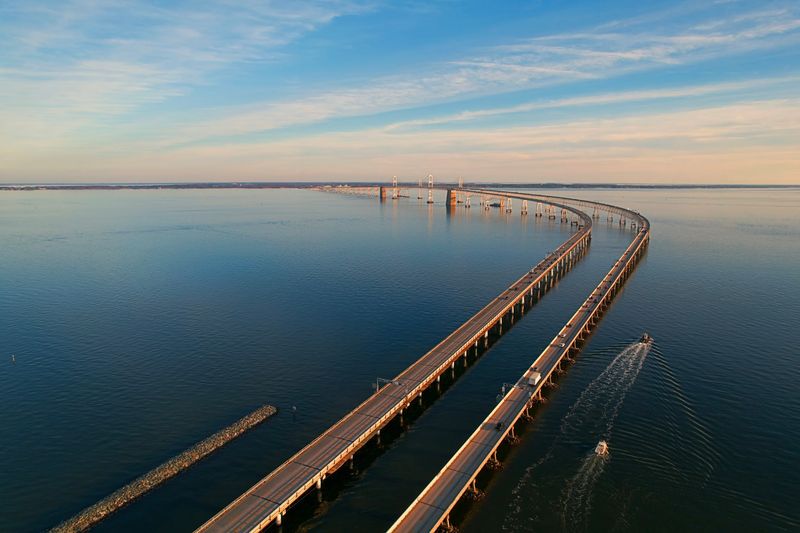
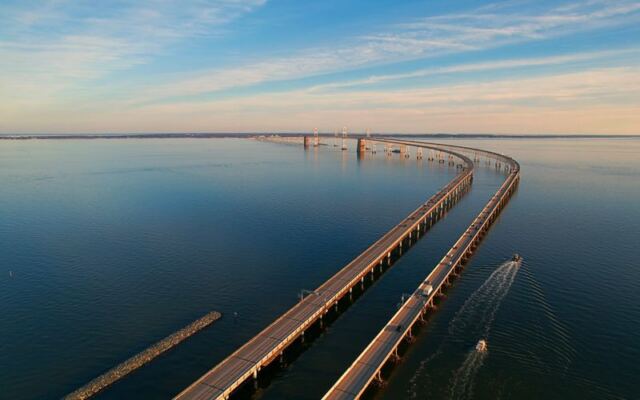
Officially listed at Chesapeake Bay Brg, Annapolis, MD 21409, this dual-span crossing links the western shore near Annapolis with Kent Island and the Eastern Shore beyond.
It carries drivers over the wide waters of the Chesapeake Bay, connecting the Washington and Baltimore region with the Delmarva Peninsula. For many Maryland families, it is the gateway to shore towns and beach weekends.
The structure runs roughly four and a quarter miles from end to end, which makes the trip feel long even at highway speed. Two separate spans handle traffic, with the eastbound side carrying two lanes and the westbound side offering three.
Open around the clock every day of the week, it never truly rests. Cars, delivery trucks, and vacationers all share the same path across the water, making it one of the busiest and most talked about routes in the entire state.
A Crossing Built for the Ages
Long before shore trips became a summer tradition, planners dreamed of a faster way to reach the Eastern Shore without relying on ferries.
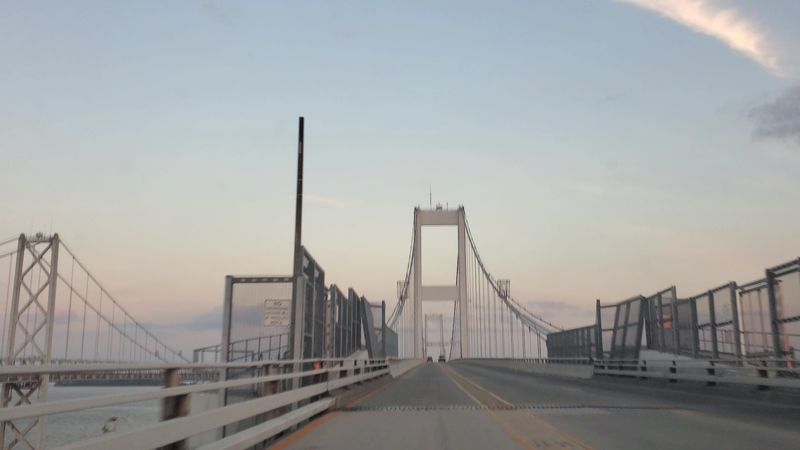
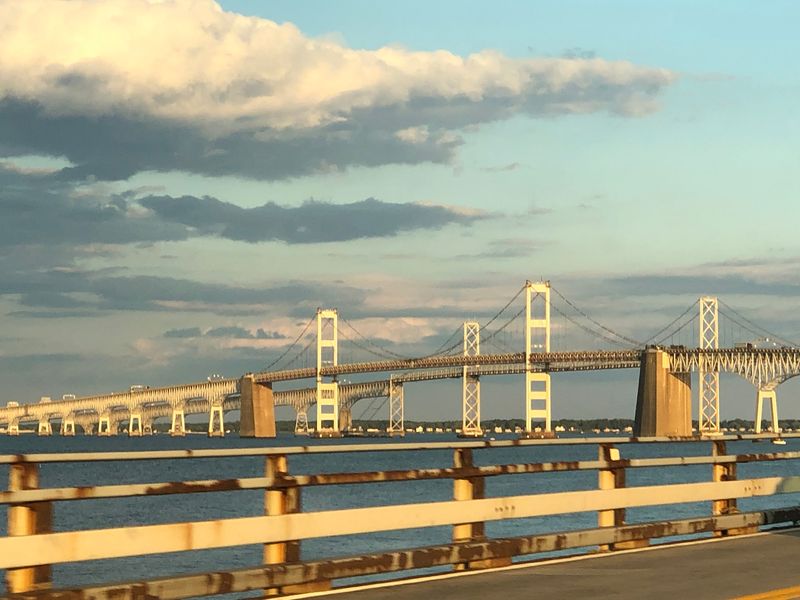
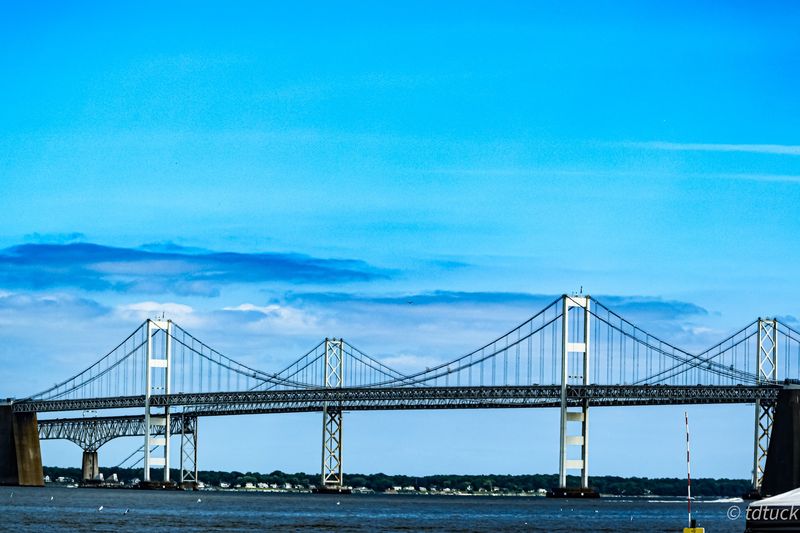
The result became one of the longest bridges of its kind in the world, a feat of engineering that still impresses drivers today. Its towering central suspension section rises high enough to let large ships glide beneath it without trouble.
People often mention how the height in the middle was carefully planned so vessels could pass safely below. That thoughtful design keeps both road and water traffic moving.
Regulars who cross it daily describe it as well maintained and dependable, a route they trust for their weekly routines. The steady stream of maintenance work over the years shows how much effort goes into keeping it strong.
Standing above the bay, it remains a proud symbol of Maryland ambition and clever construction.
Views That Steal the Show
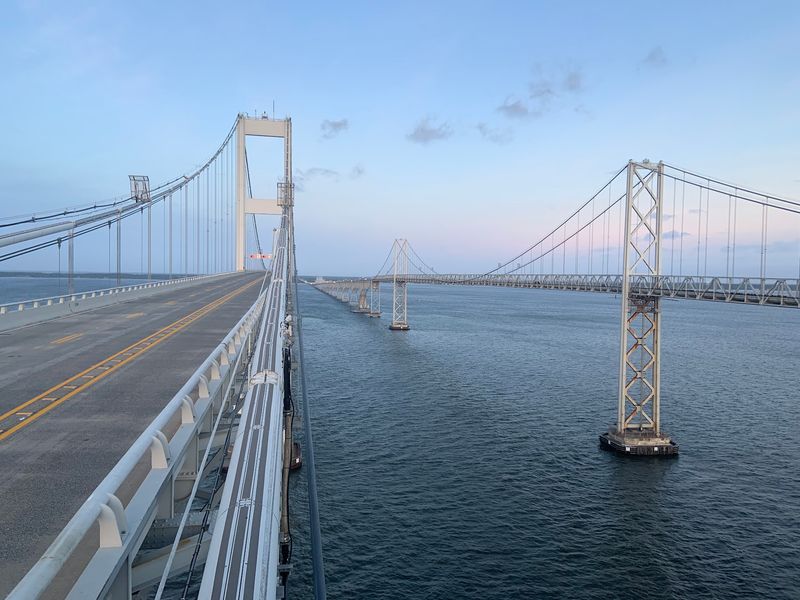
Nothing quite prepares first-timers for the moment the water opens up on both sides and the bay seems to go on forever.
The scenery is easily the most beloved part of the trip, with travelers repeatedly naming the water views as their favorite reason to make the drive. Sailboats dot the surface below, and the horizon stretches far into the distance.
On a bright, clear day the crossing turns into a rolling lookout point, and many people reach for their cameras before they even realize it. Photographs from the bridge often become the highlight of a shore vacation.
Passengers get the best seats, since drivers must keep their eyes on the road. That is why so many folks joke that riding shotgun is the smart move here.
Whatever the season, the sweeping bay panorama gives every crossing a sense of quiet wonder.
Why Nerves Kick In Mid-Span
Plenty of confident drivers admit their palms get sweaty somewhere near the middle, and they are not exaggerating.
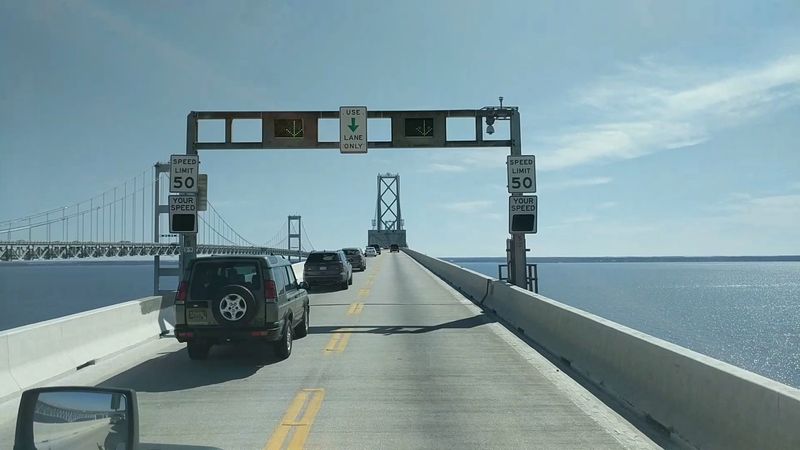
The lanes feel narrow, the guardrails sit lower than many expect, and on the two-lane side there is little room to spare near the edge. Those details combine to test even seasoned motorists.
Anyone with a fear of heights may find looking around a little dizzying, especially in the tall central section. Some describe an unsettling, trippy sensation when they glance sideways at the open water far below.
Because of these factors, travelers who feel uneasy often plan an alternate route or hand the wheel to someone calmer. There is no shame in choosing comfort.
Still, most who push through say the reward outweighs the jitters. That mix of thrill and beauty is exactly what makes this crossing so memorable.
Two Spans, Two Very Different Rides
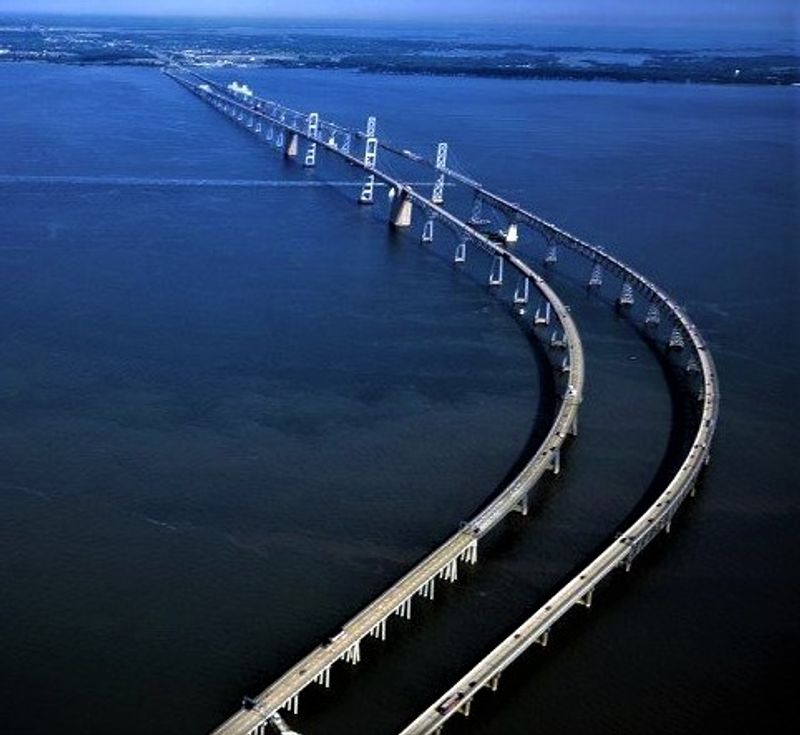
Few people realize until they arrive that the eastbound and westbound sides offer completely separate experiences.
The eastbound span carries only two lanes, while the westbound span provides three, giving them very different personalities. During heavy eastbound traffic, one westbound lane can be switched over to help ease the crush.
Overhead signs and electronic indicators clearly show which lanes are open, so navigating the switch is easier than it sounds. Drivers are reminded never to enter a lane marked with an X, since that lane may be running the other direction.
Commuters who cross often praise how well the signage guides everyone through changing conditions. It keeps the flow steady even when the bridge gets busy.
Understanding this two-span setup before you go removes a lot of confusion. Knowing which side you are on helps the whole trip feel far more relaxed.
Tolls and the EZPass Advantage
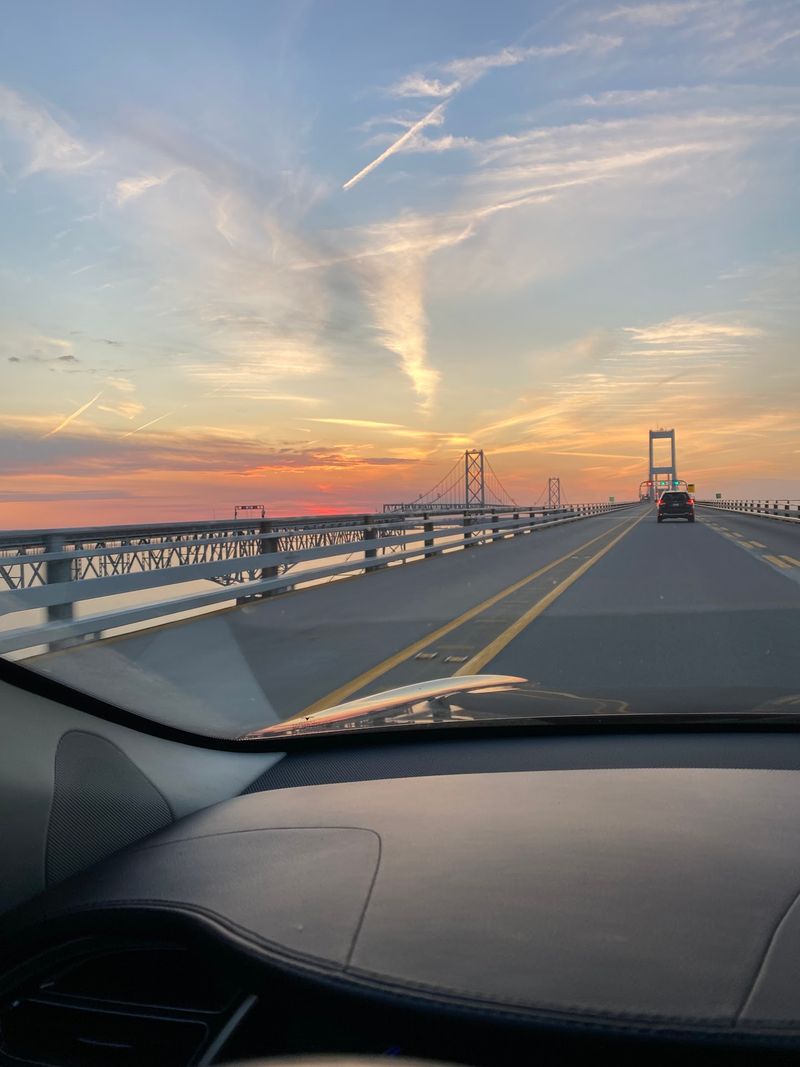
Money matters can trip up newcomers, but the toll setup here is refreshingly simple once you understand it.
Charges apply only to eastbound traffic, meaning the trip heading west across the bay comes without a toll. That surprises a lot of first-time travelers in a pleasant way.
Payment is collected through sensors and cameras on the east side, so there is no need to stop at a booth or fumble for change. Drivers with an EZPass simply roll through while the system reads their tag.
Many frequent crossers appreciate how smooth and modern this arrangement feels compared with older toll roads. It keeps traffic moving instead of bunching up at gates.
Setting up an EZPass ahead of time is one of the easiest ways to make your crossing effortless. A little planning here saves both time and hassle at the water’s edge.
Traffic Timing and Summer Slowdowns
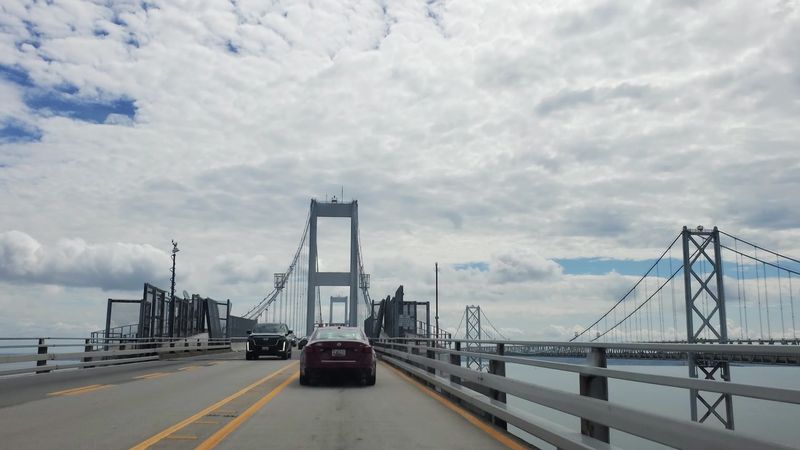
Timing can make or break your experience, and locals learn this lesson quickly.
Congestion builds up during rush hour and especially on summer weekends, when beach traffic floods toward the Eastern Shore. Long delays are common, and a short crossing can stretch into a much longer wait.
Some travelers have watched a four-hour trip balloon into six or more when backups formed on both approaches. Weekend afternoons heading to and from the shore are notorious for these slowdowns.
A flashing light system alerts drivers when congestion is present, giving you a heads-up before you commit to the crossing. Paying attention to those signals can save real frustration.
Seasoned bay travelers suggest crossing early in the morning or later at night to dodge the worst of it. Plan accordingly, and the difference between a smooth ride and a crawl becomes night and day.
Weather and Wind on the Water
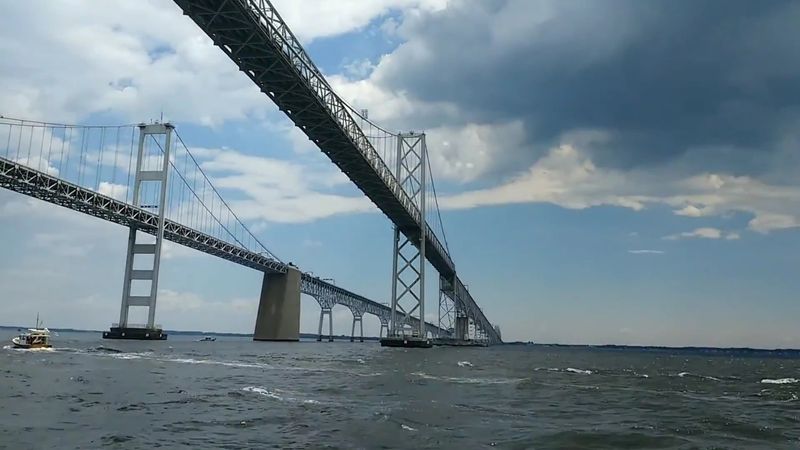
Open water means the weather here can shift the whole mood of a drive in minutes.
The bridge stays open at all hours unless high wind restrictions are put in place, a safety measure worth knowing before you set out. Strong gusts across the exposed span can make officials limit or pause certain traffic.
Storms turn the crossing into a far more intense affair, and drivers who have faced heavy thunderstorms on the span rarely recommend repeating it. Reduced visibility and buffeting winds make an already tall bridge feel much bigger.
On calm, clear days the same route feels completely different, relaxed and rewarding. That contrast is why checking conditions beforehand pays off.
A quick look at the forecast and any posted wind advisories helps you pick the right window. Choosing fair weather transforms a nerve-testing haul into a genuinely pleasant ride across the bay.
Gateway to the Eastern Shore
Beyond the thrill of the crossing lies the real payoff waiting on the far side.
The bridge delivers drivers straight to Kent Island and the wider Eastern Shore, opening the door to Maryland’s beloved coastal towns and beach destinations. For countless families, this is the road to summer.
It offers a direct and quick connection from the Washington area toward the Delmarva Peninsula, saving hours compared with driving the long way around the bay. That convenience is a big part of why it stays so busy.
Some travelers even mention beach access among the reasons the route matters so much to shore-bound trips. The crossing is often just the beginning of a longer adventure.
Treating the bridge as part of the journey rather than an obstacle changes everything. Once you reach the other side, the anticipation of the shore makes every mile behind you feel worthwhile.
Planning Your Own Crossing
Ready to tackle it yourself? A little preparation goes a long way toward a smooth trip.
Open twenty-four hours every day, the bridge can be found near Annapolis at Chesapeake Bay Brg, MD 21409, with more information available through the official state bridge website. Remember that tolls apply only eastbound and are handled electronically.
Set up an EZPass in advance, watch for congestion warnings, and aim for off-peak hours to skip the summer crowds. If heights make you uneasy, letting a passenger drive can turn stress into sightseeing.
Highly regarded by the many who cross it, the span balances a bit of white-knuckle excitement with truly memorable water views. Most who make the trip come away impressed by both its scale and its scenery.
Whether it becomes a one-time bucket-list drive or a familiar part of your routine, this crossing has a way of staying with you.
Share this story