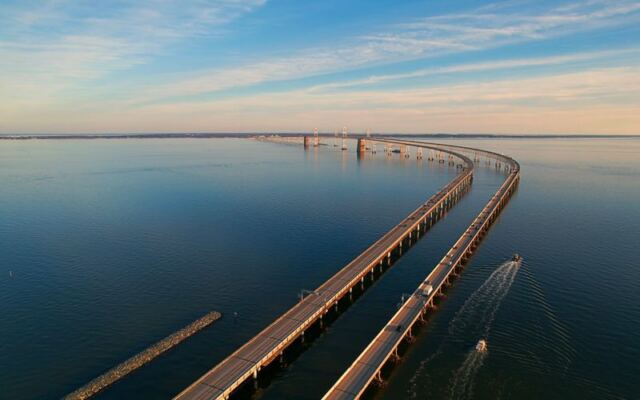
Some road trips in Maryland have a moment where the land simply runs out and the road keeps going. That moment arrives on the Bay Bridge, where two long ribbons of steel carry drivers high above open water for miles.
Most people treat it as a crossing to get through on the way to the beach. Spend a little time learning about it, though, and the trip starts to feel like the main event instead of the commute.
Where the Shoreline Lets Go
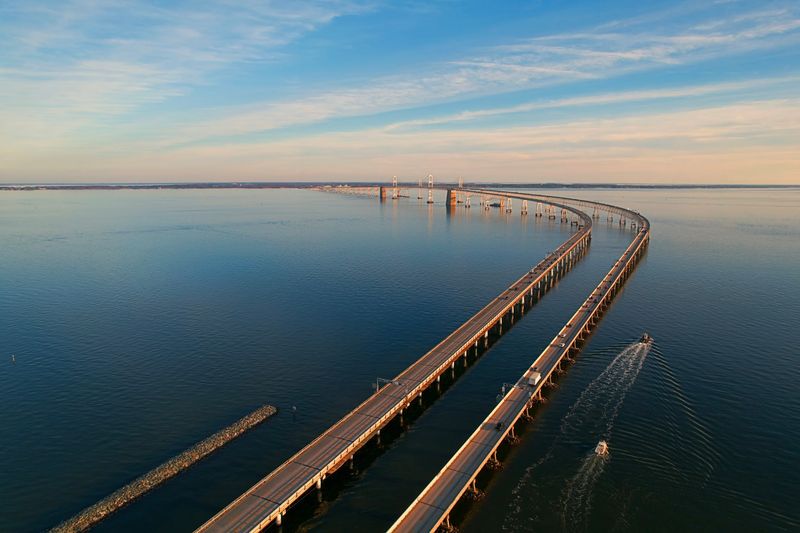
Officially, the structure carries a mouthful of a name: the William Preston Lane Jr. Memorial Bay Bridge. Its listed address is Chesapeake Bay Brg, Annapolis, MD 21409, on the western shore of the Chesapeake Bay in Maryland, United States.
Most locals skip the formal title and just call it the Bay Bridge. The crossing links the Annapolis side with Kent Island, which sits at the doorstep of the Eastern Shore.
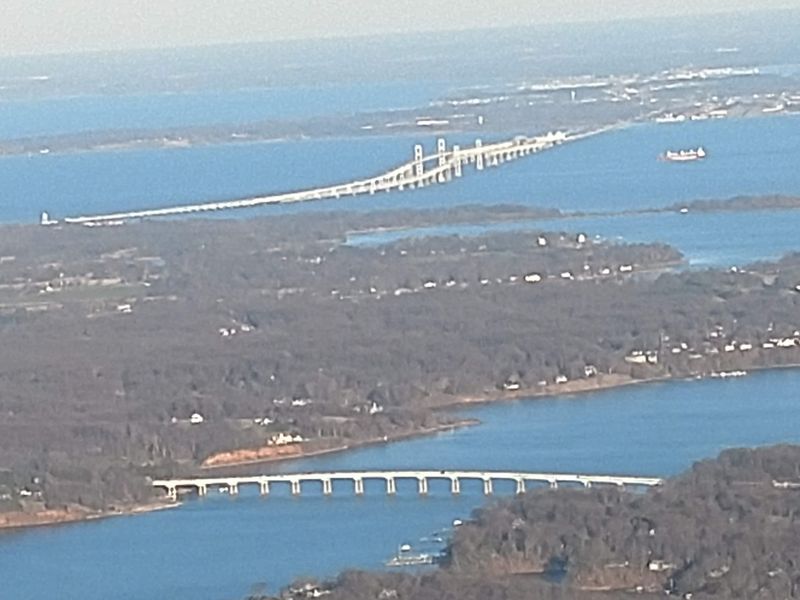
Instead of one bridge, there are two parallel spans running side by side. Together they form an iconic dual-span crossing that is counted among the longest in the world.
For travelers, that means a direct route between the Washington, DC area and the Delmarva Peninsula. Shore towns, farm stands, and small waterfront stops all become a single drive away.
Getting oriented is easy enough. The real fun starts once the pavement leaves dry land behind.
A Name Worth Knowing
Few drivers pause to think about who William Preston Lane Jr. was, yet his name greets every car on the crossing. The bridge honors him as a memorial, a lasting tribute built into one of Maryland’s busiest routes.
Calling it the Bay Bridge has become the everyday habit. Still, the full name is a reminder that the crossing is more than concrete and cables.
Over the years, the bridge has grown into a key part of Maryland transportation. It carries weekly commuters, summer families, and long-distance travelers heading south from states like New Jersey.
Some people even put it on a personal bucket list. Driving it for the first time can feel like checking off a goal years in the making.
That mix of history and daily usefulness gives the place a quiet weight. The next stretch explains just how far that usefulness reaches.
Two Spans, Different Personalities
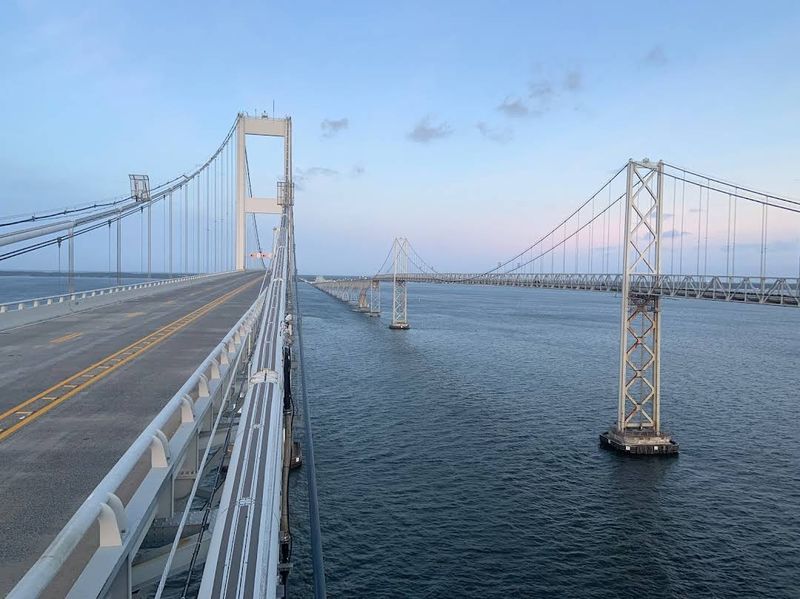
Here is a detail that surprises first-timers: the two spans are not identical twins. The eastbound span carries only two lanes, while the westbound span offers three.
On busy days, that third westbound lane gets a clever job. When eastbound traffic piles up, one westbound lane can be switched to carry eastbound cars instead.
Electronic signs and clear indicators show which lanes are open at any moment. A lane marked with an X is off limits, so drivers should stay out of it.
The two-lane eastbound side has a different feel. With the edge close by and little room to maneuver, some people find it a bit snug.
Knowing these quirks ahead of time makes the drive calmer. It also turns a simple crossing into a small lesson in traffic engineering.
Miles of Open Water
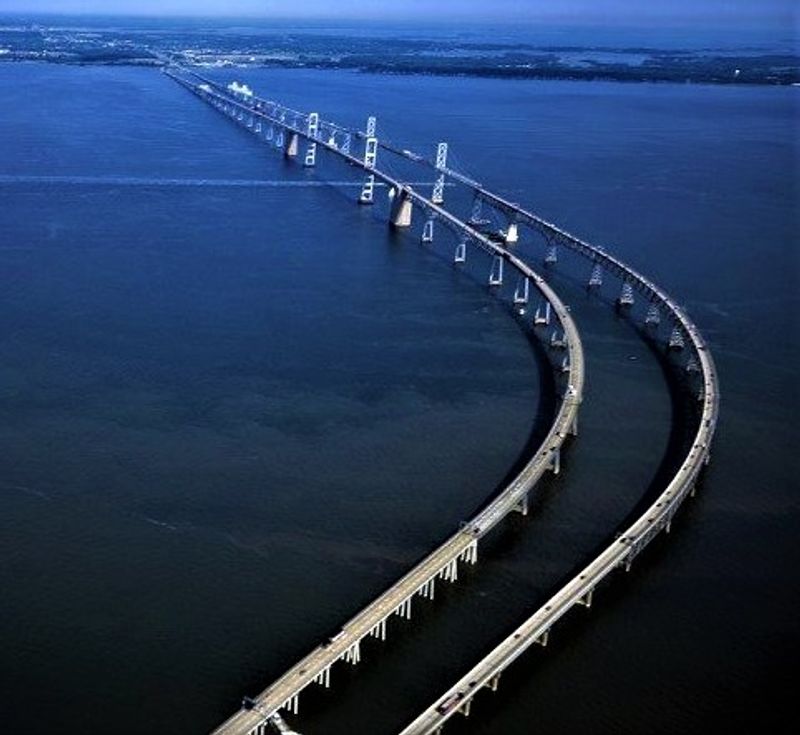
Length is the headline here. The bridge stretches roughly 4.2 miles across the Chesapeake Bay, long enough to leave the shoreline far behind.
That distance is exactly why the crossing feels like heading straight out over the water. For several minutes, the bay fills the view in nearly every direction.
The bridge is made of several segments, each with its own character. Some sections run low and steady, while others climb as the road approaches the shipping channel.
Plenty of people describe it as both exciting and a little nerve-testing. Those with a fear of heights may find that looking around feels dizzying.
Passengers tend to have the best seat. With no steering duties, they can take in the scale of the bay without distraction.
For drivers, the smart move is eyes forward. The sights will still be there on the return trip.
The High Middle and Passing Ships
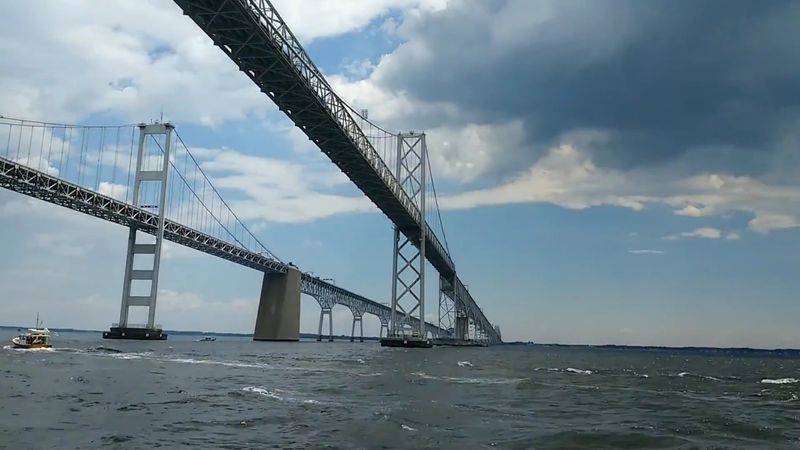
Ships need room, and the bridge’s designers gave them plenty. The middle portion rises high so large vessels can glide underneath.
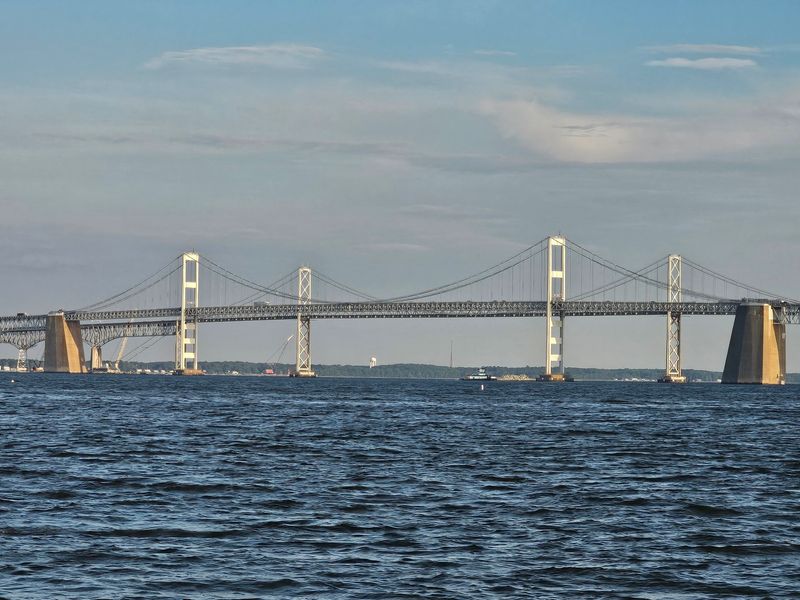
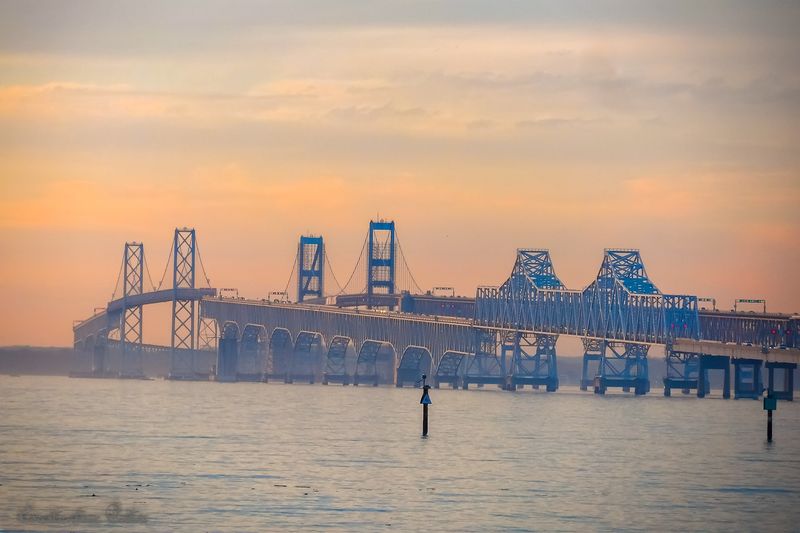
That tall center includes a suspension section, a favorite feature for many who cross. Its towers and cables stand out against the open sky.
Timing can make the moment memorable. Some drivers have found themselves at the top just as a big ship slips beneath the deck.
Add heavy traffic to that scene, and it becomes a story worth telling later. It is the kind of crossing people laugh about once they reach the other side.
The engineering earns real respect. Many consider the bridge a well-built piece of architecture that handles cars above and cargo below.
Watching a ship pass is pure luck. Catching one feels like a small bonus prize from the bay.
Views That Steal the Show
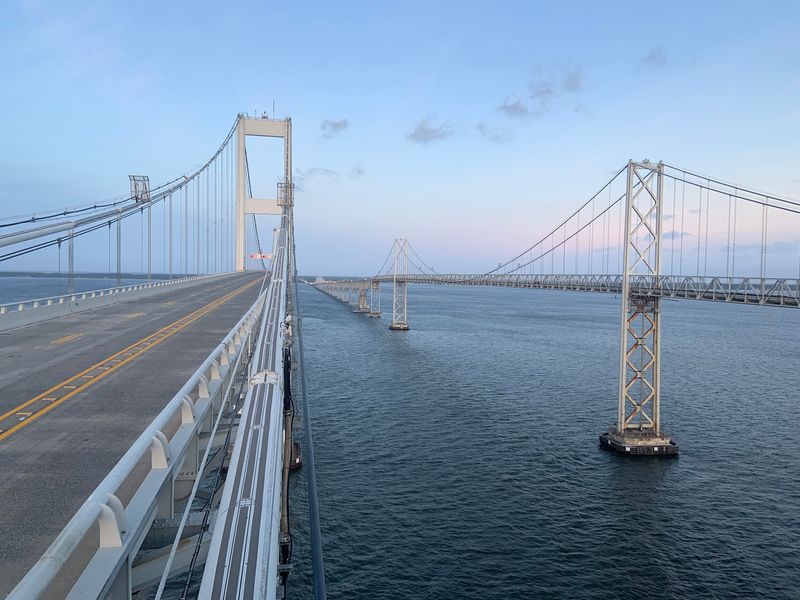
Views come up again and again when people talk about this crossing. The bay itself tends to win more praise than the steel.
Wide water views stretch out on both sides, and the bridge itself makes a striking subject. Sunset crossings get special mention for their color over the bay.
Photos are a popular souvenir. Anyone riding as a passenger should keep a phone ready, since the scenery changes as the road climbs and dips.
Many travelers call it a scenic route worth choosing on purpose. Even regulars who cross often say the view holds up every single time.
Summer drives add their own charm. Rolling the windows down for a little bay breeze is a cherished habit for some.
Simply put, the view is the reward for sitting through everything else. And there is a bit of everything else, as the next section shows.
Traffic, the Uninvited Passenger
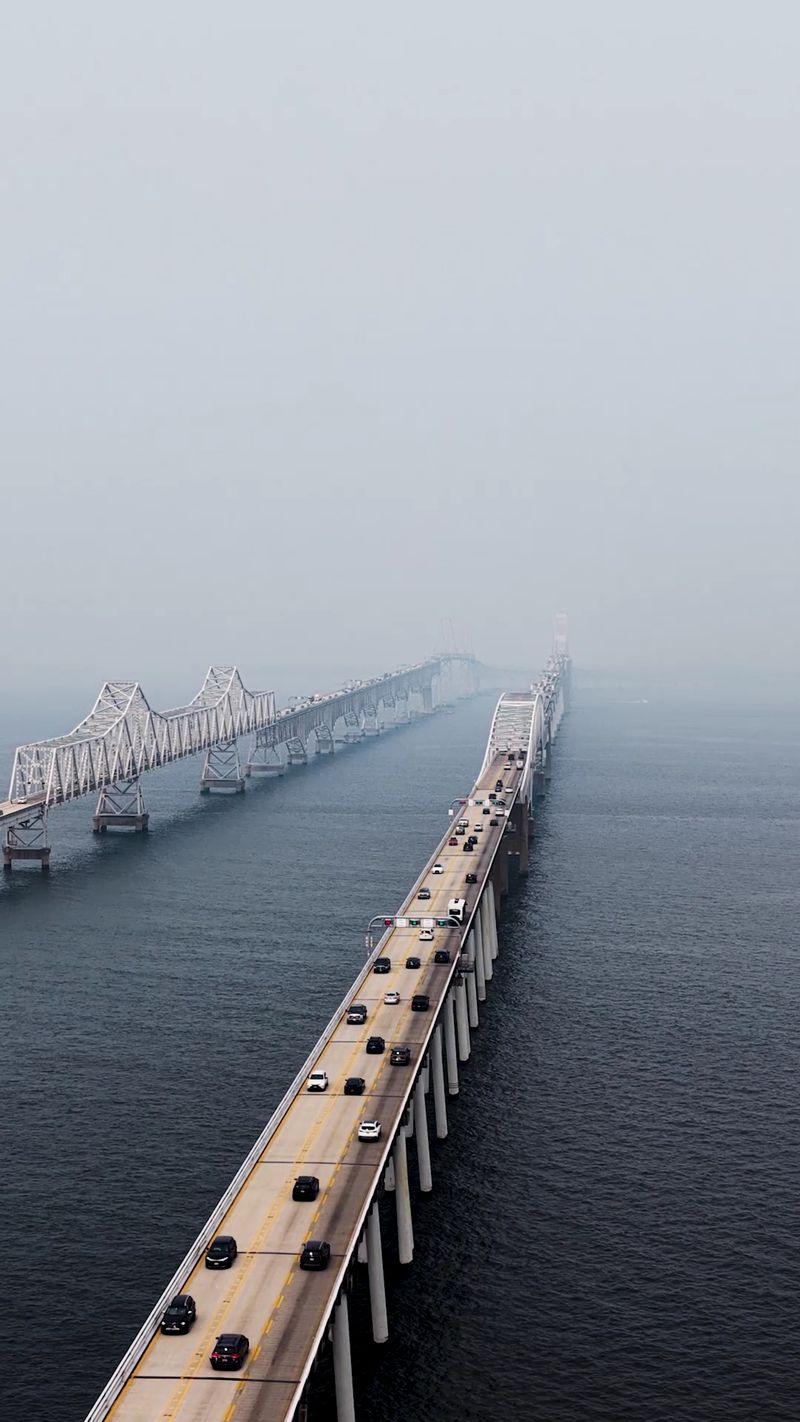
Traffic is the most talked-about topic tied to the bridge, even more than the views. Congestion is common, so planning matters.
Summer weekends are the busiest stretch. Beach-bound crowds can turn a quick crossing into a long wait.
Rush hour brings its own crunch. Friday and Sunday afternoons in particular have stretched some trips by hours.
A flashing light alerts drivers when congestion is building ahead. That small warning can help with decisions about timing or stopping for a break.
Occasional closures also happen, sometimes with roads leading to the bridge shut down. Checking conditions before leaving is a wise habit.
Patience is the best travel companion here. A full tank, snacks, and a good playlist can make the slow parts much easier.
Crossing at quieter hours, when possible, often turns the drive into the relaxed trip people hope for.
Tolls Without the Booth
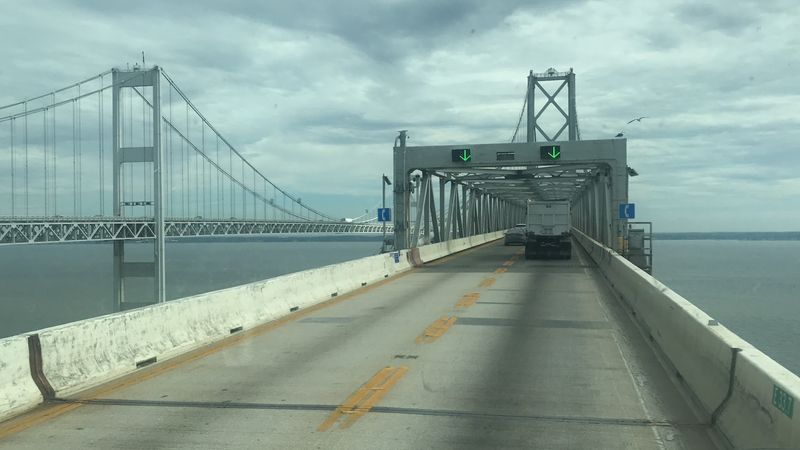
Good news for anyone dreading a toll plaza: there is no booth to stop at. Tolls are collected electronically using sensors and cameras.
Only eastbound drivers pay. The charge is collected on the east side, so heading back west toward Annapolis costs nothing extra.
E-ZPass makes the process especially smooth. Many travelers with a transponder roll through without thinking about the toll at all.
Exact toll amounts can change, so it helps to check the official Bay Bridge website, baybridge.maryland.gov, before a trip. That site is also handy for current conditions.
Out-of-state drivers sometimes aren’t sure what to expect. A quick look online clears up the confusion before the car ever reaches the water.
Paying for one direction only is a small perk. It almost feels like the westbound views come free of charge.
Weather and Wind Rules
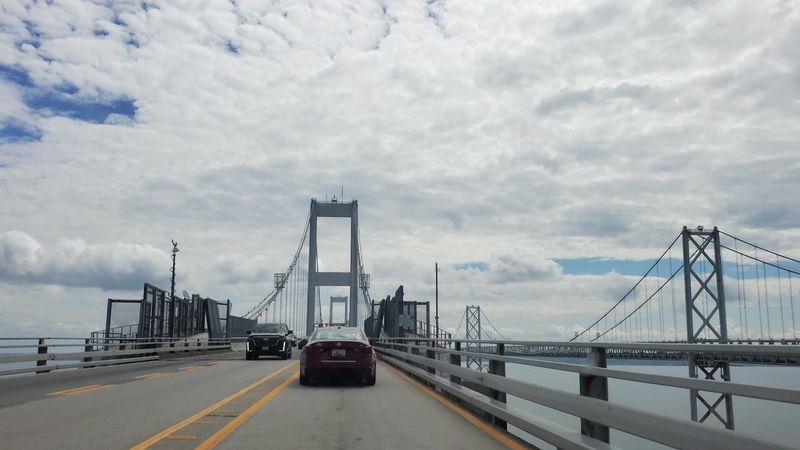
Open water means open skies, and weather plays a real role on this route. The bridge stays open around the clock unless high wind restrictions are in effect.
Those restrictions exist for safety. Strong gusts across the bay can affect vehicles, especially taller ones.
Storms are another factor to respect. Crossing on a Friday evening during a heavy thunderstorm is something experienced travelers advise against.
Calm days make the drive far more enjoyable. Clear weather brings out the best of the views and keeps traffic moving more smoothly.
A quick forecast check before heading out is easy insurance. So is having a backup plan if the wind picks up.
Nobody controls the weather over the Chesapeake. Choosing a pleasant day, though, can make all the difference between a tense crossing and a happy one.
A Crossing for Every Kind of Traveler
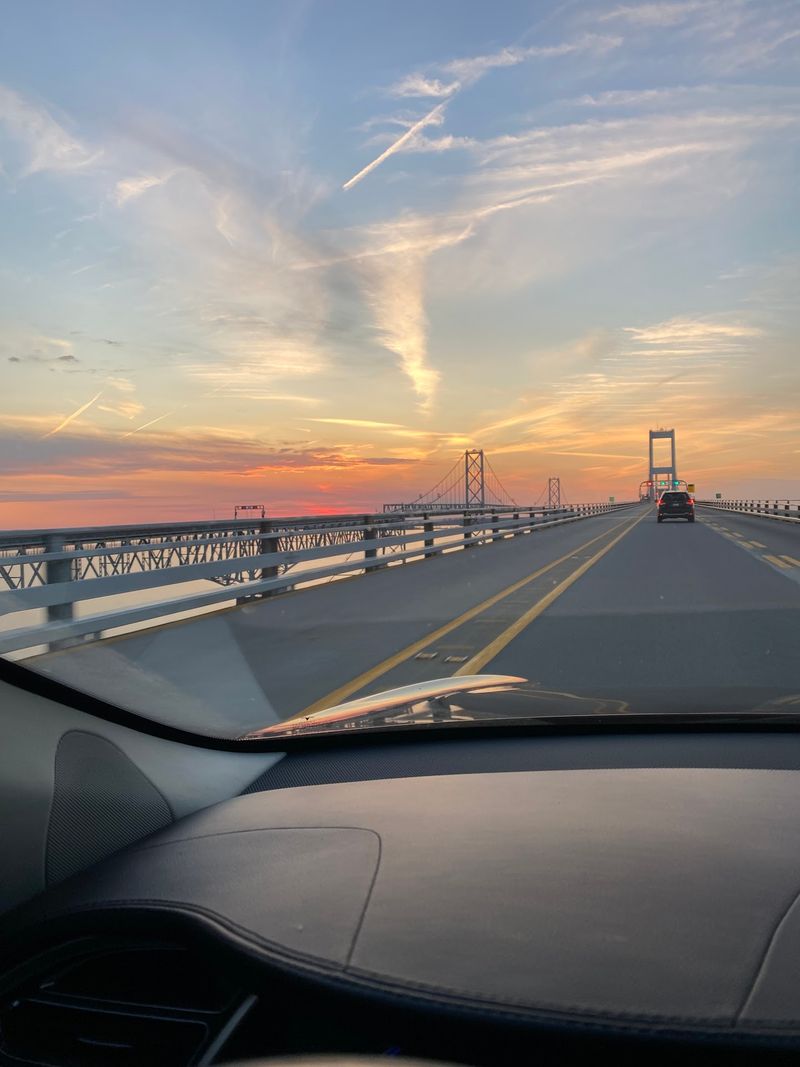
Commuters, beachgoers, and road trippers all share these lanes. Each group sees the bridge a little differently.
For weekly commuters, it is a reliable and well-maintained route. Steady signs and smooth pavement help make the routine manageable.
Families heading to the shore treat it as the gateway to vacation. Beach access on the Eastern Shore is one of the biggest draws.
First-time visitors often find it thrilling. Some even admit the mix of nerves and excitement is part of the appeal.
Nervous drivers have options too. Riding as a passenger or choosing an alternate route are both reasonable choices for anyone uneasy with heights.
Travelers headed between New Jersey, Maryland, and Virginia also rely on it. Whatever the reason for crossing, the bridge seems to give everyone a story to bring home.
Stops on Both Shores
Turning the bridge into a day trip is surprisingly easy. Both shores offer plenty of places to pause.
Restaurants and hotels are scattered around the area on either side of the bay. That makes it simple to plan a meal or an overnight stay near the crossing.
A visitor center nearby is a popular quick stop. Even a half-hour break there can add context to the drive.
Kent Island, at the eastern end, is a natural place to stretch the legs. Annapolis, on the western side, has its own waterfront charm.
In summer, crab season gives food lovers extra reason to linger. Fall drives bring a calmer pace, with lighter crowds than peak beach weekends.
Building in a stop also helps with traffic. Waiting out the busiest hours over a meal beats sitting in a line of cars.
The Verdict From Mid-Bay
So is the Bay Bridge worth the trip on its own? For many, the answer is a confident yes.
Few drives in Maryland deliver this much open water in such a short time. The length, the high suspension section, and the passing ships make it far more than a commute.
There are trade-offs, of course. Traffic, narrow eastbound lanes, and weather limits all deserve attention before setting out.
Smart timing solves a lot. Crossing outside rush hour and summer weekend peaks, with E-ZPass ready, keeps things relaxed.
The bridge is open 24 hours a day, every day, unless wind restrictions apply. Checking baybridge.maryland.gov before leaving is always a good idea.
In the end, the crossing rewards a little planning with a lot of scenery. Grab the passenger seat if possible, and let the bay do the rest.
Share this story