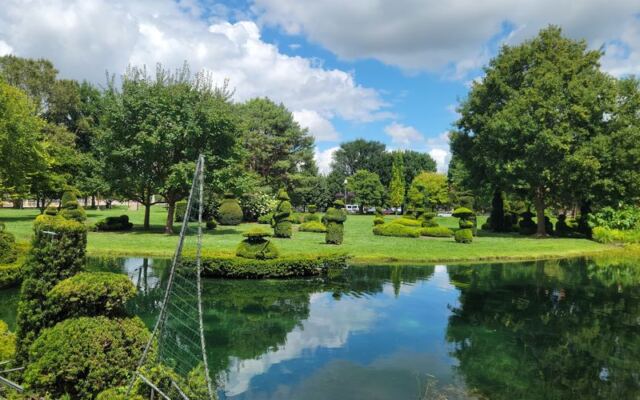
Ohio has a way of hiding its most extraordinary places in plain sight, and few spots prove that better than a quiet corner of Columbus where an entire famous painting has been brought to life using nothing but carefully shaped shrubs. Tucked behind a library and beside a historic school, this little green gem stops first-time visitors completely in their tracks.
What looks like a modest city park from the sidewalk turns out to be one of the most creative outdoor art installations in the entire Midwest. Once you see it, you will absolutely understand why people keep coming back.
A Columbus Park Unlike Any Other
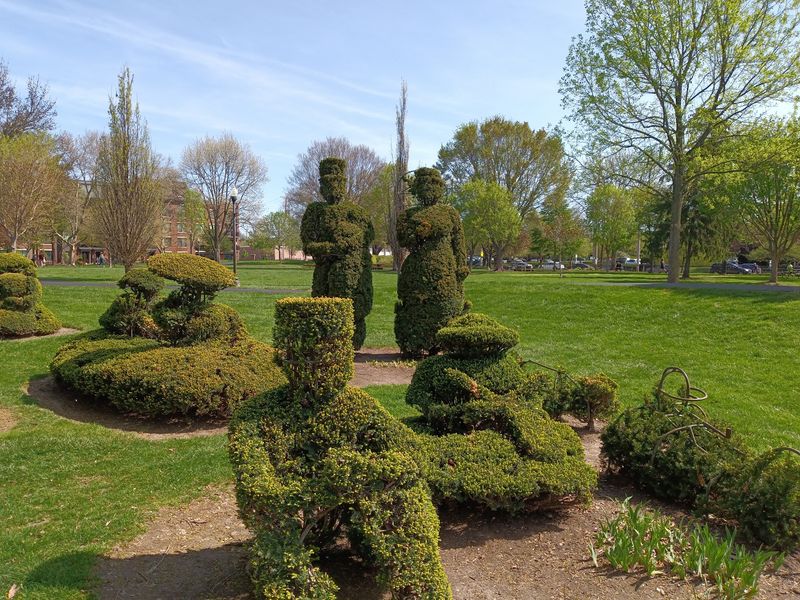
Sitting at 480 E Town St in Columbus, Ohio, Topiary Park is not your average green space. At first glance, the modest entrance and surrounding neighborhood give little away about what waits inside.
Step through, though, and the entire scene shifts into something genuinely jaw-dropping.
The park is nestled within Deaf School Park, tucked conveniently behind the Columbus Metropolitan Library in the heart of the city. Its location feels almost accidentally perfect, surrounded by handsome older architecture and tree-lined streets that add to the charm.
What sets this park apart from every other green space in Columbus is its central concept: the entire garden has been designed as a living, three-dimensional recreation of a world-famous painting. Visitors regularly describe it as one of the most unique stops in the city, and that reputation is well earned.
The Painting Behind the Park
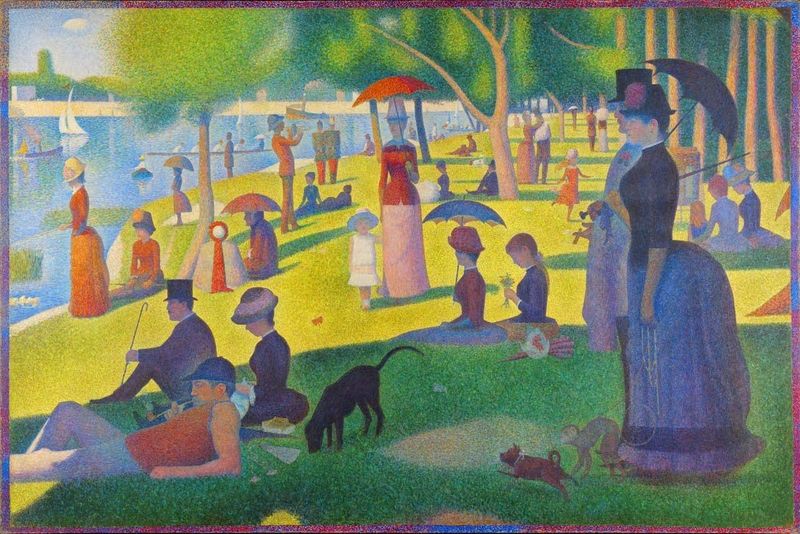
French painter Georges Seurat completed his masterpiece “Un dimanche apres-midi a l’Ile de la Grande Jatte” in 1886, and it quickly became one of the most recognized works in art history. The painting depicts a sun-drenched Sunday afternoon along the banks of the Seine River near Paris, filled with figures relaxing, strolling, and enjoying leisure time.
Seurat used a technique called pointillism, applying tiny dots of color to build the full image. The result is a scene bursting with life, elegance, and quiet joy.
Dozens of figures populate the canvas, from a woman with a parasol to a gentleman in a top hat to a couple walking a monkey on a leash.
Choosing this particular painting as the blueprint for an entire park was a bold creative decision, and it gave Columbus something no other American city can claim to have replicated at this scale.
How Shrubs Became Sculptures
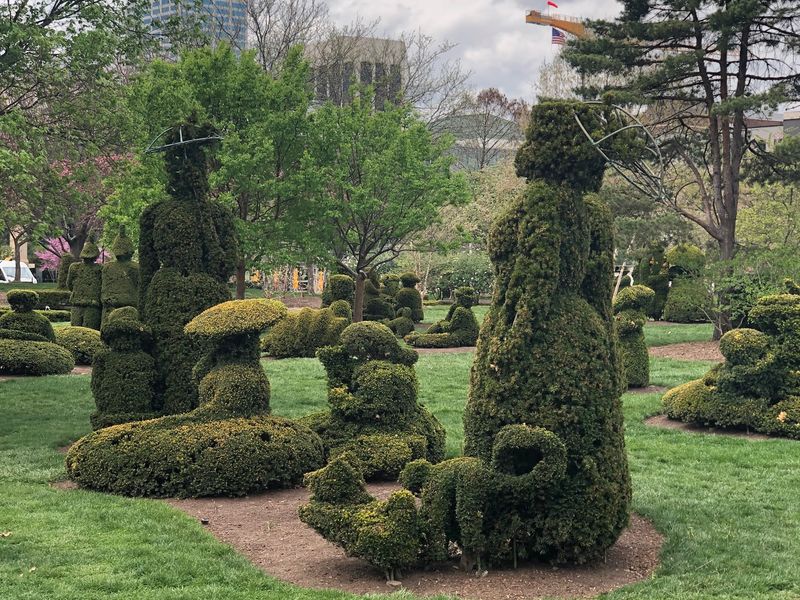
Bringing a flat, two-dimensional painting into three-dimensional space using living plants is no small feat. The topiaries at this Columbus park are crafted from carefully shaped shrubs and supported by metal armatures underneath, giving each figure its distinct form and proportion.
Visitors consistently mention how surprisingly accurate the sculptures feel. A gentleman in a top hat sits on the lawn.
A couple strolls together. A young woman in a wide-brimmed hat walks nearby.
Each figure corresponds directly to a character from Seurat’s original painting, translated faithfully into green, growing form.
The level of detail is what really earns admiring comments from first-timers. Visitors say the proportions feel thoughtful and the compositions are easy to read once you know the source material.
Walking among the figures gives the odd, wonderful sensation of actually stepping inside the painting itself, which is a feeling hard to replicate anywhere else.
The Pond That Completes the Picture
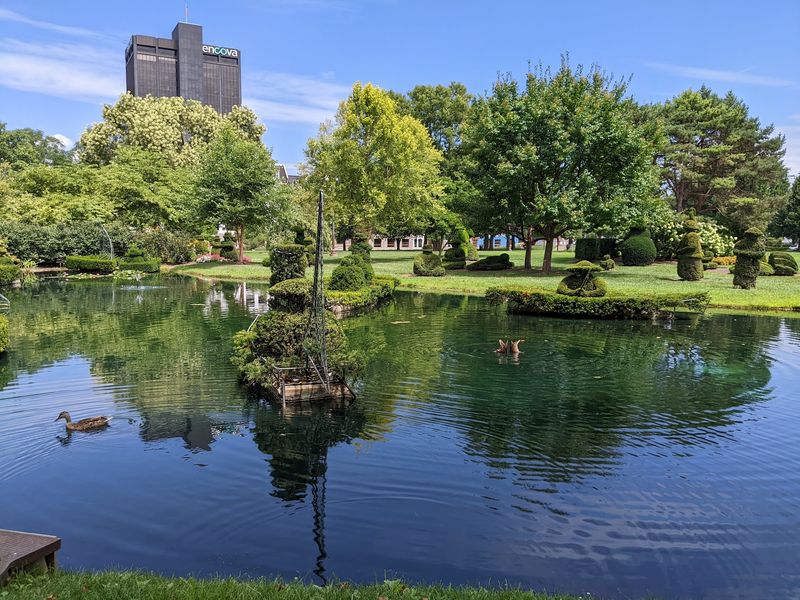
One of the most thoughtful design choices in the entire park is the pond. Rather than serving as a simple decorative element, the body of water actually mirrors the river scene depicted in Seurat’s original painting, anchoring the whole composition with a sense of authenticity.
Visitors have spotted fishermen casting lines along the bank, rowers gliding across the surface, and even sailboats passing by during special events. Ducks paddle through regularly, adding a layer of unscripted life to the already lively scene.
The pond earns frequent mentions in visitor accounts, and it is easy to see why.
On calm days, the water reflects the surrounding topiaries in a way that feels almost painterly itself. The combination of still water, shaped green figures, and flowering plants nearby creates a scene that photographers absolutely love.
Spending a few quiet minutes beside the pond is one of the simple pleasures the park offers freely.
Flowering Plants and Garden Details
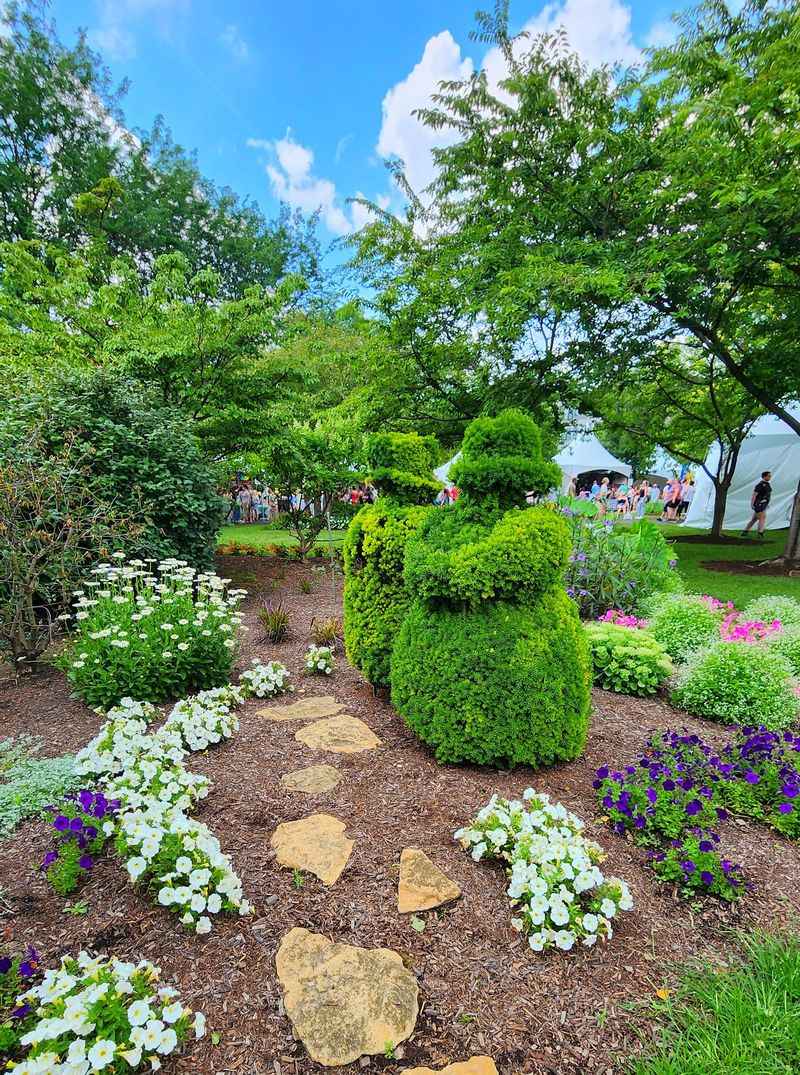
Beyond the famous topiary figures, the park wraps its central installation in a broader garden setting that rewards slow exploration. Flowering plants fill the borders and beds, adding bursts of seasonal color that shift throughout the year and keep return visits feeling fresh.
Visitors who take their time strolling the full perimeter often discover smaller details they missed on a first pass. The interplay between the shaped shrubs and the softer, more naturalistic plantings around them creates a visual contrast that feels intentional and well considered.
Maintenance here is genuinely impressive. Visitors frequently call out the cleanliness and care given to the grounds, noting that the landscaping detail is kept at a high standard.
The paved paths wind comfortably through the garden, making it easy to circle back and admire the topiaries from different angles. Every new vantage point offers a slightly different reading of the scene.
The Atmosphere That Keeps People Coming Back
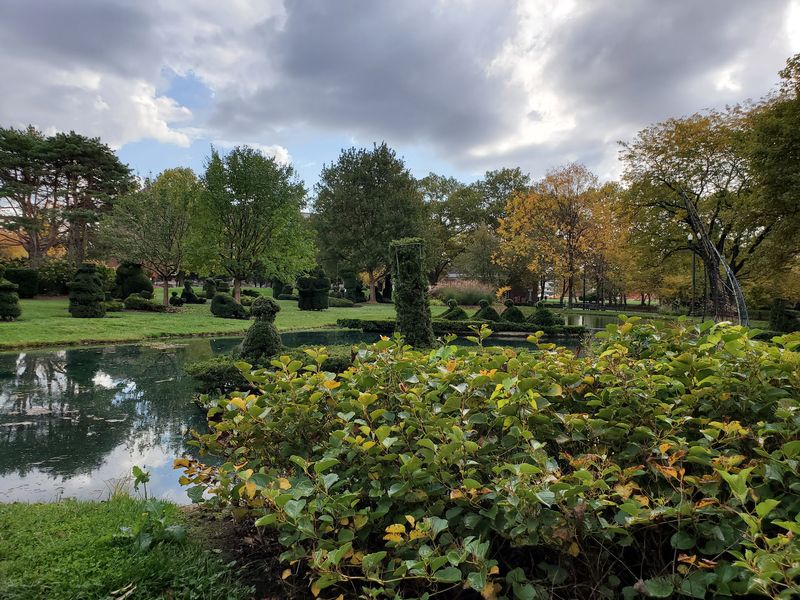
Relaxing atmosphere is the phrase that comes up again and again when visitors describe their time here. The park carries a distinctly unhurried energy, the kind of place where people spread out a blanket, open a book, or simply sit quietly and let the surroundings do the work.
Because the park sits within a larger green space and is surrounded by mature trees, even hot summer days feel manageable in the shade. Visitors mention it as a welcome cool-down spot tucked conveniently into the downtown area.
The sounds of the city soften noticeably once you step inside the garden.
Groups of friends, solo explorers, couples, and families with pets all seem to find something to enjoy here at their own pace. Birthday picnics, quiet meditation sessions, and casual photography walks have all been spotted on the grounds.
The park adapts easily to whoever shows up, which is part of its enduring appeal.
A Living Canvas for Photography
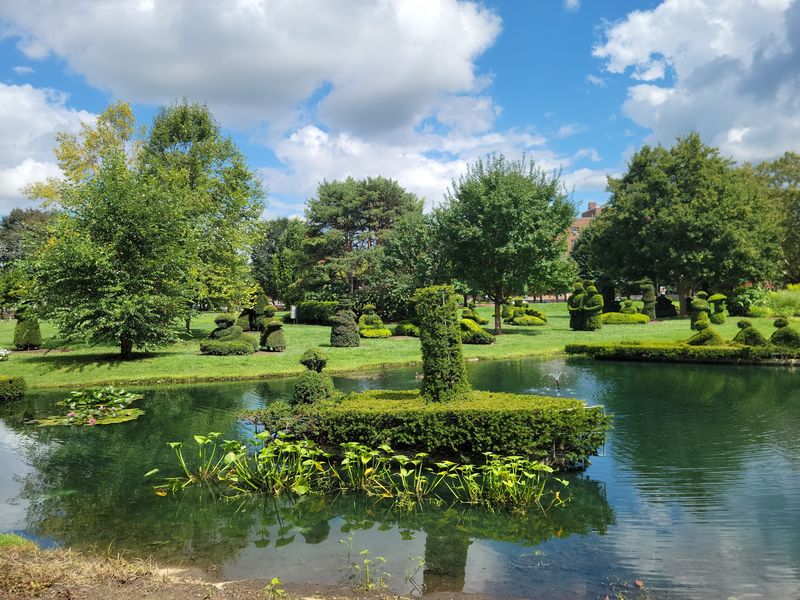
Few places in Ohio hand photographers such a ready-made, visually rich subject as this park does. The shaped figures cast interesting shadows at different times of day, and the contrast between soft greenery and precise geometric forms gives images a naturally striking quality.
Morning light filtering through the trees hits the topiaries with a warmth that makes early visits especially rewarding. Dusk brings a moodier, more atmospheric look that experienced photographers tend to seek out.
Even overcast days lend a soft, even light that flatters the sculpted forms without harsh shadows.
Visitors have noted that the park is genuinely good for photos at almost any hour, including at night when the grounds remain open until 11 PM. The surrounding neighborhood architecture and occasional murals visible just outside the park add extra visual interest for anyone willing to wander a little beyond the main garden.
Creativity here has no shortage of material to work with.
Events and Community Life at the Park
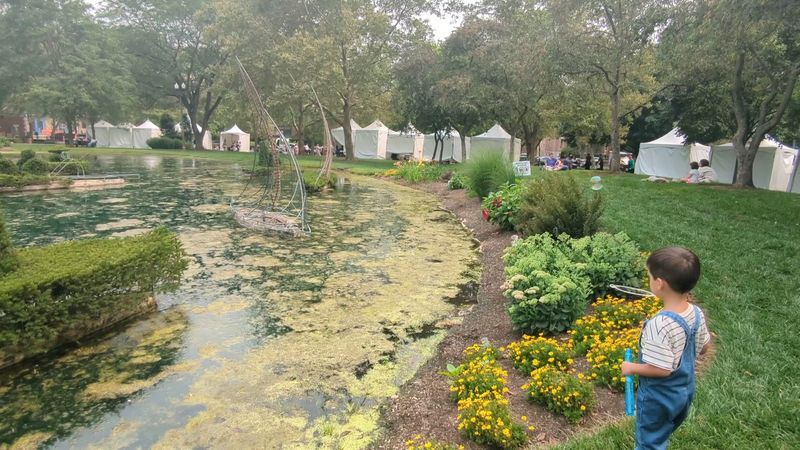
The park is more than a static display. Throughout the year, it serves as a gathering point for community events that bring extra energy to the already lively grounds.
Wellness Wednesdays during summer months have drawn visitors for outdoor stretching sessions, sound baths, and meditation, making the garden feel like a neighborhood living room.
Book signings, birthday celebrations, and casual picnic gatherings have all found a natural home here. Visitors describe the event organization as smooth and well staffed, with a welcoming atmosphere that feels inclusive rather than exclusive.
The park clearly means something to the people who use it regularly.
Even without a scheduled event, the grounds have a community feel that is hard to manufacture. Locals walk their dogs along the paved paths, friends share snacks on the grass, and visitors from out of town mingle easily with regulars.
The park functions as a genuine neighborhood hub dressed up in extraordinary topiary art.
Seasonal Changes and the Best Time to Visit
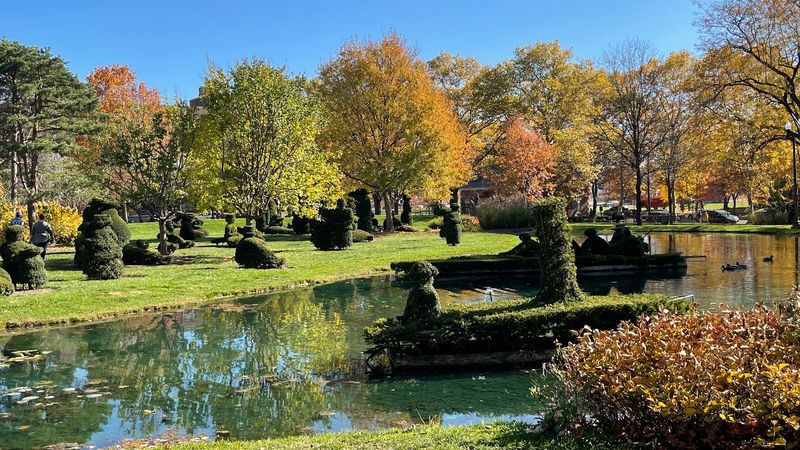
Timing a visit does make a difference here. The topiary figures are living plants, which means they look their fullest and most impressive during the warmer months when the shrubs are actively growing.
Late spring through early fall tends to be the sweet spot for seeing the installation at peak condition.
Winter visits are still possible since the park stays open year-round, and some visitors have noted that holiday-season visits carry their own quiet charm. However, the bare or partially dormant shrubs in early spring can soften the visual impact of the figures, as a few honest reviewers have pointed out.
Summer brings geese, goslings, and the full lushness of the garden in bloom. Fall adds warm color from the surrounding trees.
Each season offers a genuinely different version of the park, which is part of why locals return multiple times throughout the year rather than treating it as a one-and-done stop.
Practical Details for Planning Your Visit
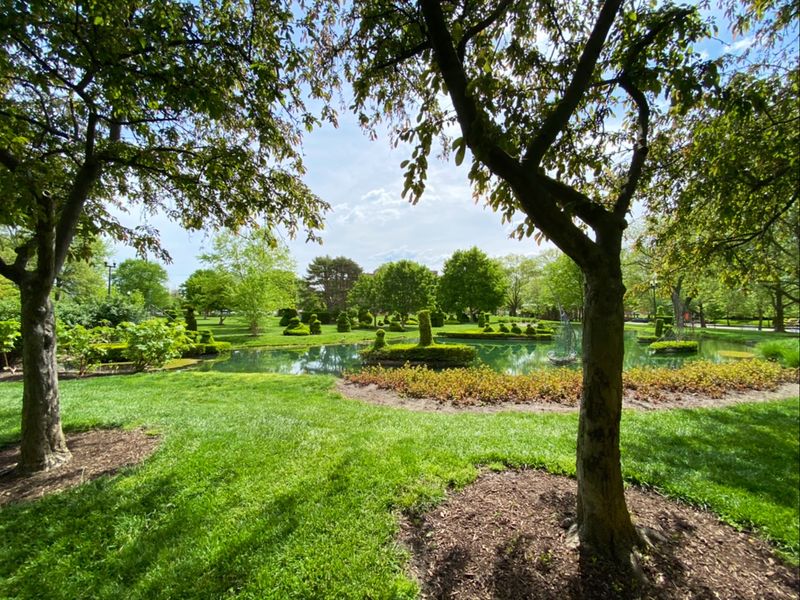
Getting to Topiary Park is straightforward. The address is 480 E Town St in Columbus, and the park sits conveniently close to the Columbus Metropolitan Library, making it easy to pair with other nearby stops in the area.
Street parking is available directly across from the park entrance at a very low cost, with visitors reporting rates of under a dollar per hour.
Hours run from 7 AM to 11 PM every day of the week, giving visitors a wide window to plan around their schedule. The phone number on file is 614-645-0197 for any questions before heading out.
Admission is completely free, which makes it an easy addition to any Columbus itinerary without budget concerns.
Paved paths throughout the park make it accessible for strollers and comfortable for all ages. Restroom availability can vary, so planning accordingly is a smart move.
Most visitors find that 30 to 45 minutes covers the park comfortably, though many end up staying longer than expected.
Why Columbus Should Be Proud of This Place
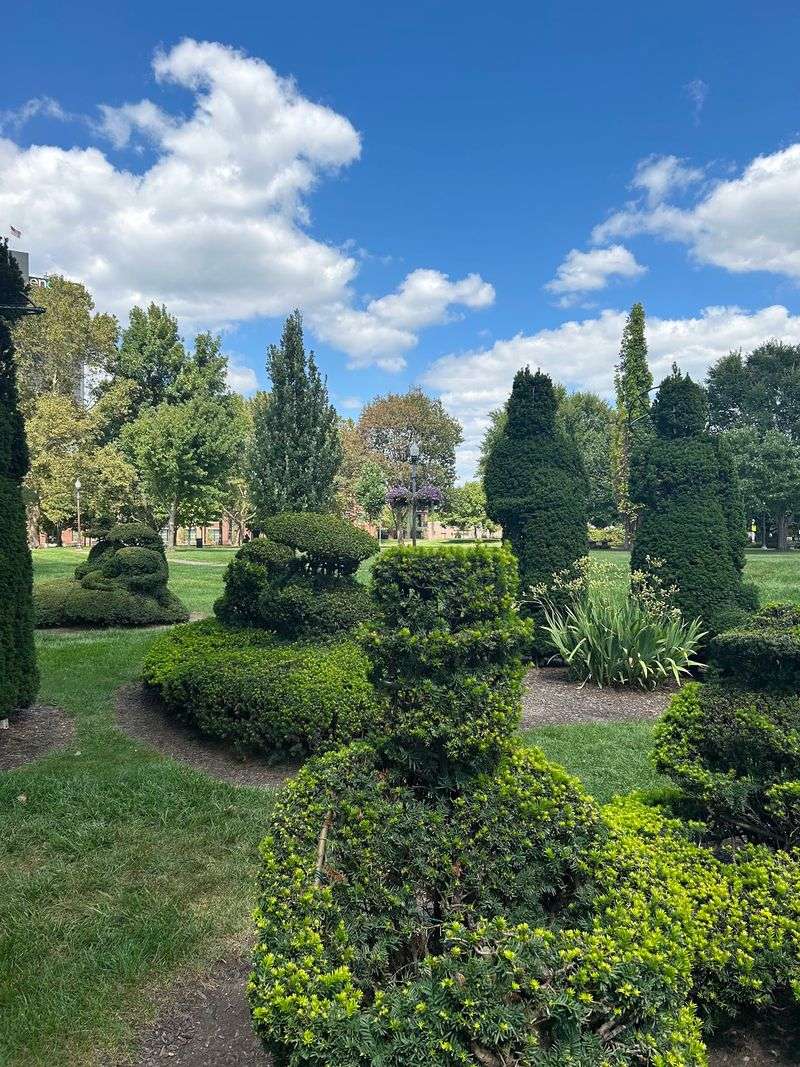
Not every city can claim a park that turns a 19th-century French masterpiece into a walk-through green sculpture garden. Columbus can, and that is genuinely worth celebrating.
Visitors who stumble upon Topiary Park for the first time frequently describe it as one of the highlights of their entire trip, not just a nice bonus stop.
The park carries a rich history and sits within a neighborhood full of architectural character and nearby institutions with stories of their own. An old school for the blind sits next door, and the downtown library is just steps away, giving the whole block a layered sense of place that rewards curious explorers.
For Ohioans looking for a surprising, drivable discovery that delivers a genuine moment of wonder, this park is exactly that kind of find. Free to enter, open late, and unlike anything else in the state, Topiary Park is a Columbus treasure hiding in full view.
Share this story