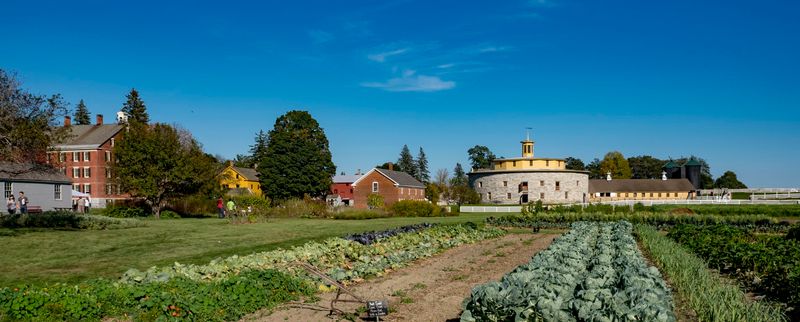
Tucked into the rolling hills of the Berkshires in Massachusetts sits a place that feels like a soft step backward in time. A round stone barn built in the 1820s still stands proud, farm animals graze the pastures, and skilled hands demonstrate crafts the way they were done nearly two centuries ago.
Most people driving through never guess how much history and calm waits just off the road. What starts as a quick curiosity often turns into hours of quiet wandering, baby animals to pet, and stories worth carrying home.
Keep reading to discover a peaceful Berkshire spot that locals love and casual passersby rarely expect.
Where the Berkshire Hills Hold a Living Museum
Rolling farmland in the western corner of Massachusetts hides one of the region’s most beloved history spots. Hancock Shaker Village sits at 1843 W Housatonic St, Pittsfield, MA 01201, resting quietly in the Berkshire hills.
Billed as a living history museum of the Shaker sect, it brings the past to life through restored buildings, working crafts, and a genuine farm. Visitors wander among structures that once housed a community devoted to simple, purposeful living.
The property is far more than a collection of old buildings. It carries more than 150 years of history within its fences, spanning early Shaker life through more modern decades.
Held in high regard with a 4.6-star standing, it draws families, curious day-trippers, and Berkshire locals alike. For anyone chasing a slow, meaningful outing close to home, few places deliver quite so much.
The Round Stone Barn That Stops People in Their Tracks
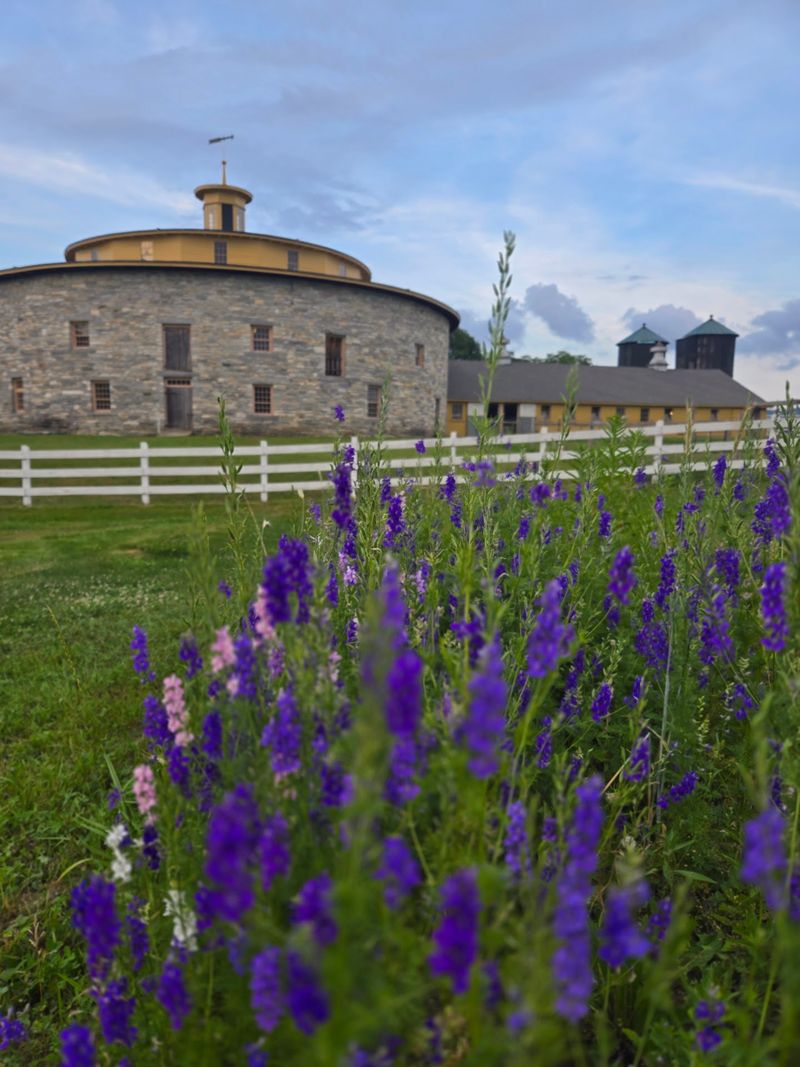
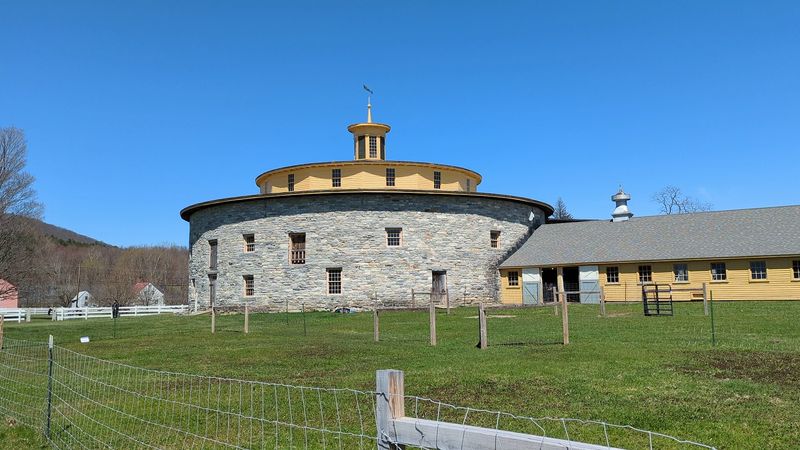
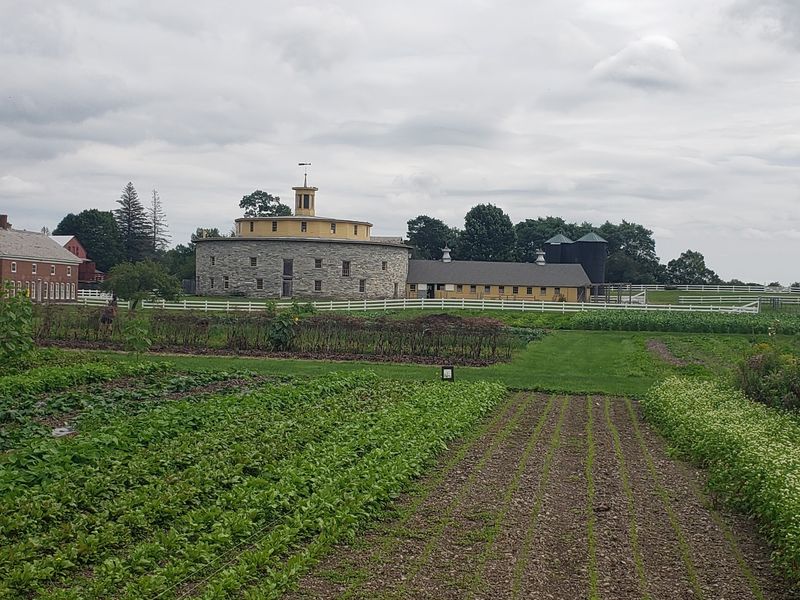
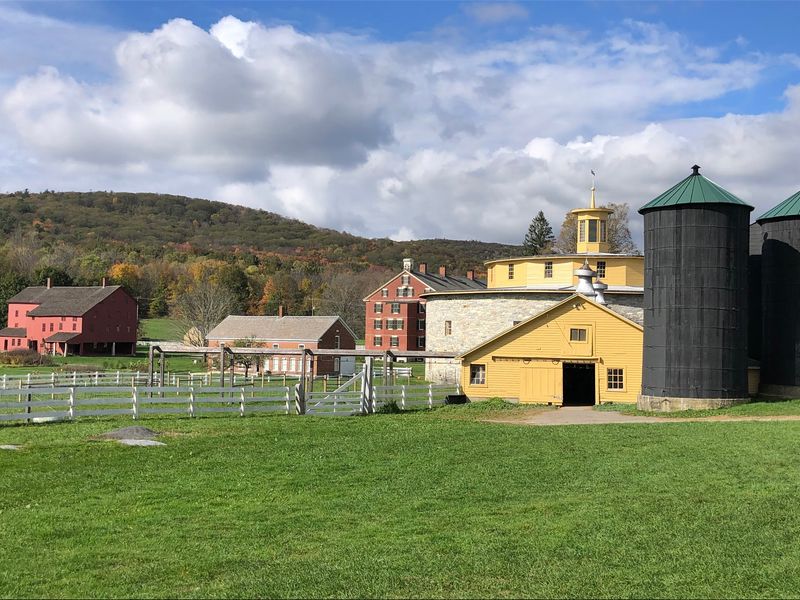
Nothing captures attention here quite like the massive round stone barn, built in 1826 and still standing as a marvel of clever design. Its shape was not just for looks.
Regulars love sharing the story behind it. Wagons delivering hay used to unload and then back up before the next could enter.
The circular layout let wagons drive in, loop around the deck, and exit without ever backing up, so several could work at once.
People describe it as a stunning example of timber frame building, and touring inside reveals cows, goats, and sheep housed below.
The barn draws the most mentions of any single feature on the property. Seeing it up close explains why it has become the symbol of the entire village and a genuine point of Berkshire pride.
Who the Shakers Were and How They Lived
Behind every building sits a story of a community that valued simplicity, hard work, and care in everything they made. The Shakers built a way of life around dignity in ordinary tasks.
Communal chores shaped their days, from tending crops and animals to weaving cloth and sewing clothing. Even the ice house did double duty as part of a cold pantry, a small detail that shows how thoughtfully they planned.
Furniture and tools throughout the village reflect that mindset, beautifully plain and remarkably well-made. One playful quote preserved on-site reads, “I don’t want to be remembered as a piece of furniture.”
Their lifestyle asked for real personal dedication, yet it holds a quiet appeal for anyone living a hurried modern life. Slowing down to appreciate a simple task done with attention is part of the lesson here.
A Working Farm With Animals You Can Meet
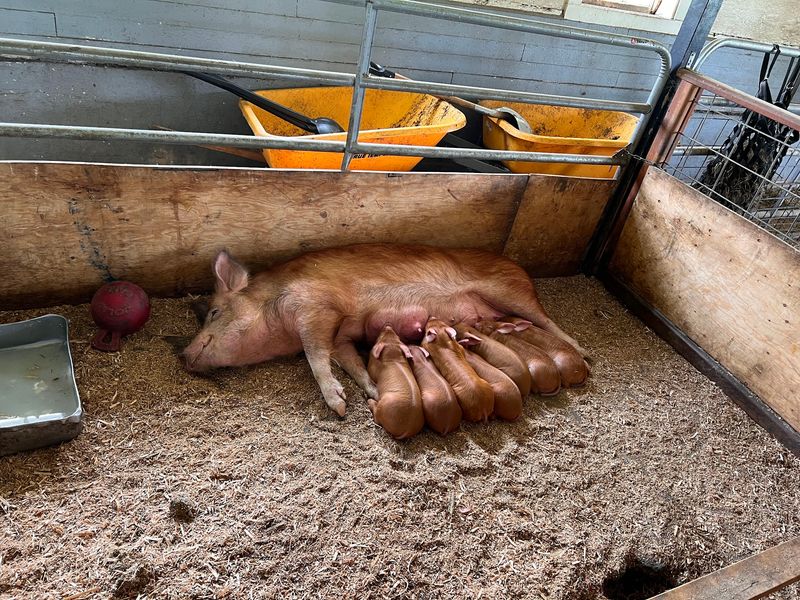
Farm life isn’t just decoration here. Cows, goats, sheep, chickens, and pigs live on the property, and the working farm ranks as a huge highlight for families.
Heritage-breed animals graze the pastures, and heirloom gardens are still carefully tended today. Children and adults alike enjoy the chance to get close, and in some areas you can pet the animals directly.
Farm animals earn dozens of mentions from delighted guests, with many describing the joy of hearing the animals call to each other across the fields. A cheeky warning passed along by one young visitor: steer clear of the roosters, since they may nip.
Between the grazing pastures and the gardens, the farm gives the whole village a genuine sense of life. It turns a history lesson into something warm, hands-on, and hard to forget.
Baby Animal Season Brings the Crowds
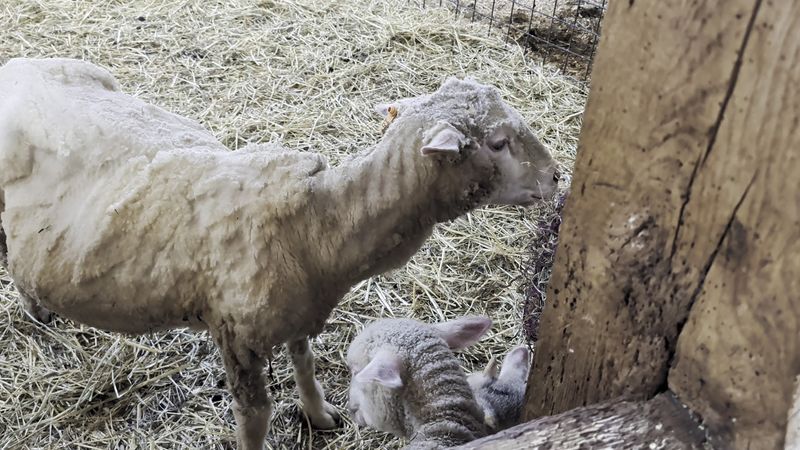
Spring turns this quiet property into one of the sweetest outings in the Berkshires. The baby animal exhibit draws people back year after year, some admitting the little critters are their number one reason to come.
Baby animals get talked about constantly, and for good reason. On opening day, families arrive early to meet the newborns, and in certain areas you can step right in beside them and offer all the gentle pets your heart desires.
The animals are described as happy and content, which makes the experience feel calm rather than chaotic. It works beautifully for every age, from toddlers to grandparents.
Repeat trips are common during this season, with families returning a second time just to catch the newest arrivals. If timing allows, spring is the moment this place truly shines.
Blacksmiths, Weavers, and Craft Demonstrations
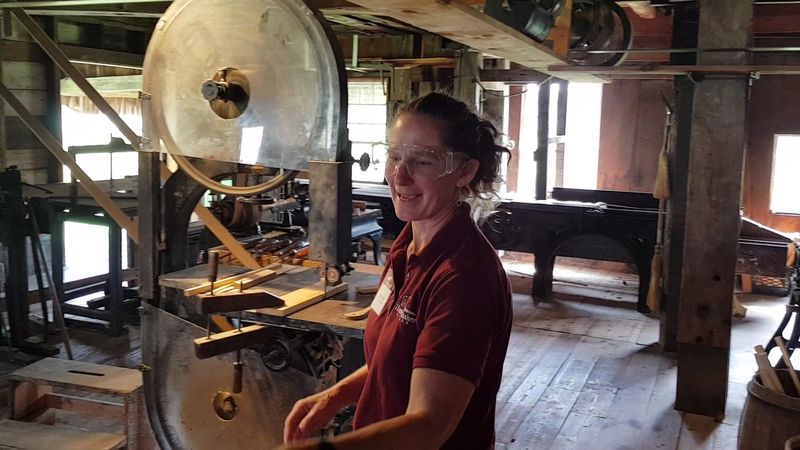
Watching skilled hands at work is one of the biggest draws of the whole visit. Real blacksmiths and carpenters demonstrate their trades, and one has even shown guests how a blade takes shape.
Demonstrations and knowledgeable staff both rank among the most praised parts of the village. Costumed interpreters explain crafts like weaving and woodworking with real historical depth, answering questions patiently along the way.
Water-powered machinery, basket making, and textiles all come alive through these presentations. Guests describe the interpreters as engaged, kind, and genuinely informed, catering easily to children and seniors alike.
Because certain demonstrations run on a schedule, checking ahead is smart if there’s a specific craft you hope to catch. Seeing practical, useful things made by hand gives visitors a real appreciation for the care that once went into everyday objects.
Hands-On Fun Built for Kids
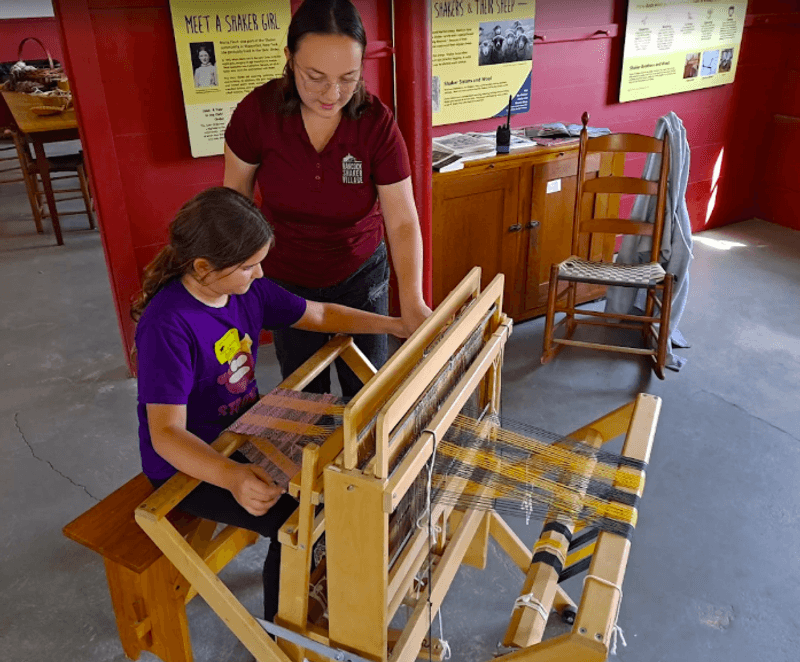
Families with young ones find plenty to keep little hands busy. The Discovery Barn invites kids to play while learning what life was like for Shaker children, with an activity almost always going on.
Interactive touches make the history stick. Children can pretend to milk a big plastic cow replica, try their hand at simple crafts, and even enjoy face painting on certain days.
Parents with kids of many ages report that everyone stays engaged, from a three-year-old to a twelve-year-old. The historical information is presented simply enough for children to understand and enjoy.
Learning experiences appear throughout the property, blending hands-on stations with short lectures. That mix means kids absorb history without ever feeling like they’re sitting in a classroom.
For a family day out that entertains and teaches at once, this corner of the village earns its reputation.
Art Installations Tucked Among the History
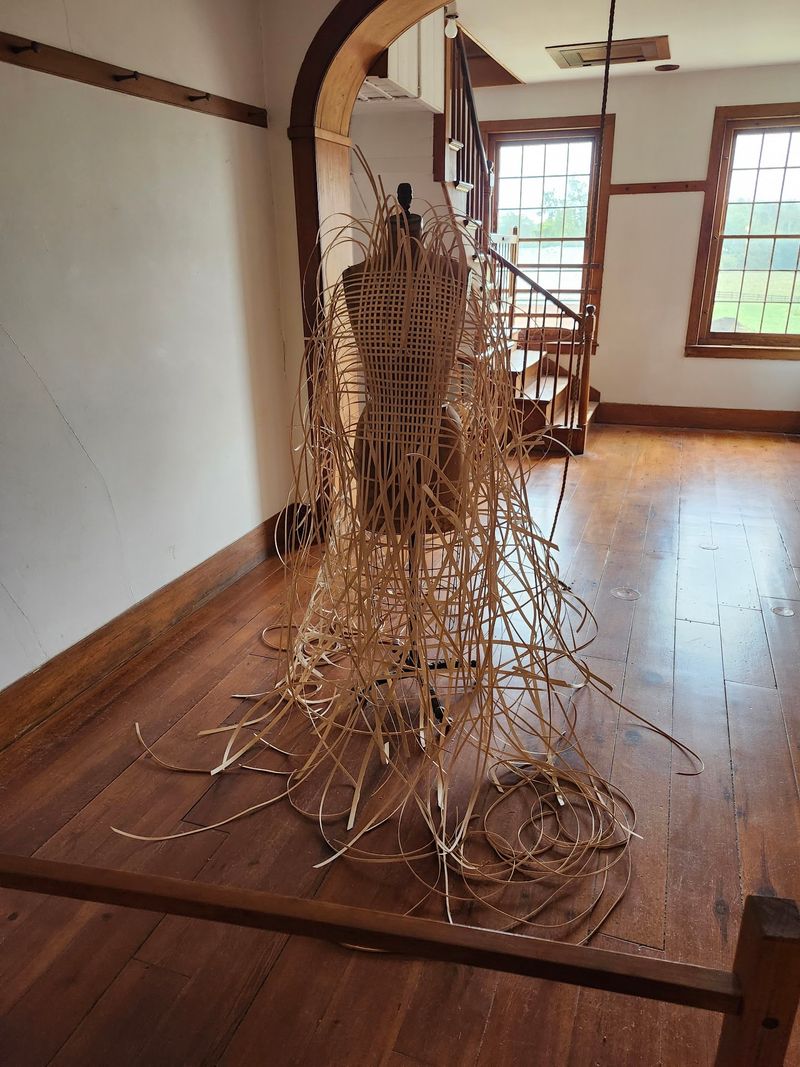
Old buildings hold a few modern surprises. Contemporary art installations appear throughout the historical structures, blending new work with centuries-old surroundings in a way guests find thoughtfully curated.
A small gallery, set inside a former hen house, has featured exhibits of women artists. Among them, the cyanotype prints of Julia Whitney Barnes drew special admiration, and her book “Planting Utopia” can be found in the gift shop.
The pairing of art and history gives repeat visitors something fresh to discover with each trip. Rather than clashing, the modern pieces seem to spark new conversations about the Shaker ideals of beauty and purpose.
Every building carries its own exhibit, so wandering feels like a series of small reveals. For anyone who appreciates creativity alongside heritage, these rotating displays add an unexpected and welcome layer to the day.
Trails, Pastures, and Peaceful Grounds
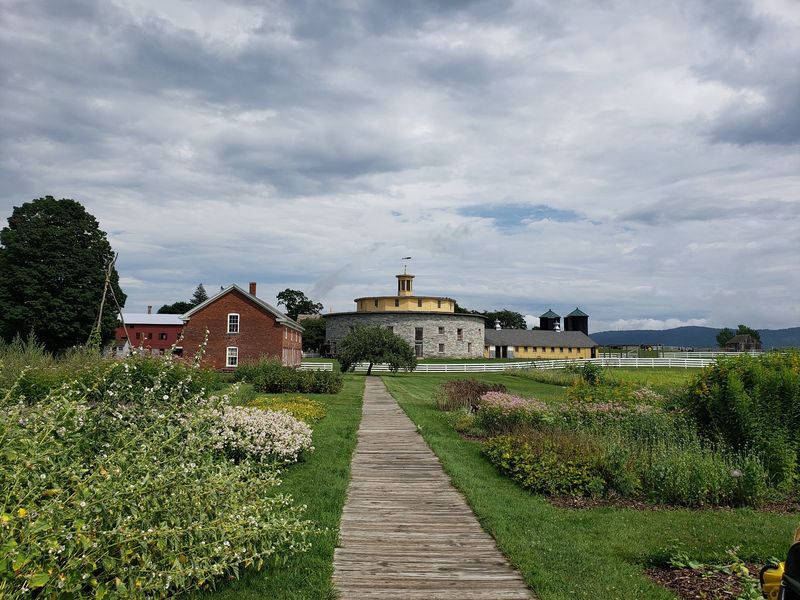
Beyond the buildings, the land itself invites unhurried wandering. Trails wind along pastures where animals graze and through woods and fields, giving the whole property a calm, open feel.
People consistently describe the grounds as beautiful and well maintained. For out-of-town guests unused to rolling country terrain, the scenery alone makes the trip worthwhile.
The setting is often called peaceful and quiet, without fancy rides, loud exhibits, or crowds pressing in. That stillness is a big part of the appeal, offering a genuine break from busy daily life.
Walking early in the day is a popular tip, since fewer people means more room to slow down and take everything in. Between the pastures, the woodland paths, and the pastoral views, the grounds turn a simple museum visit into a restful afternoon outdoors.
The Cafe and the Gift Shop
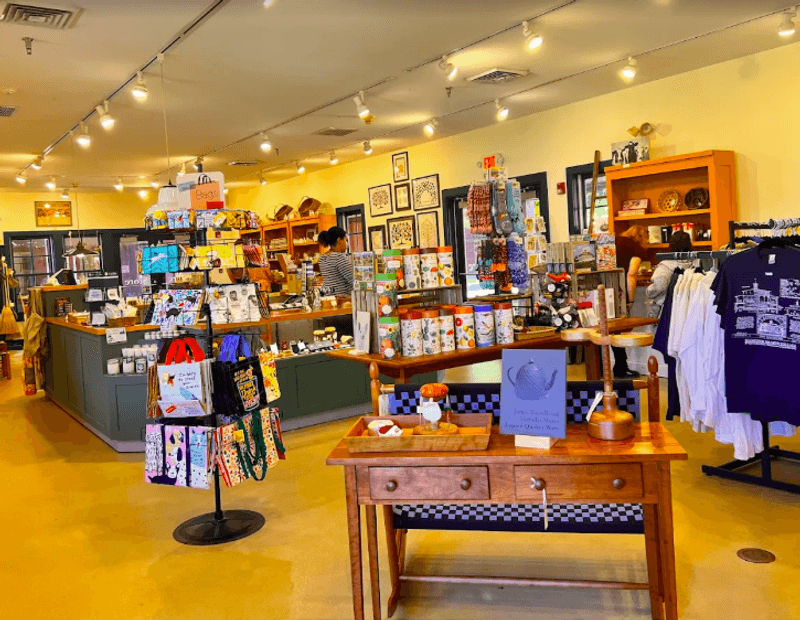
Two stops help round out the day. A small cafe near the gate offers quick snacks and sandwiches, with guests calling the food excellent, though on busy days the pop-up setup can mean a bit of a wait.
The gift shop is a treasure of its own. Shelves hold local honey, herbs, jams, spices, books with recipes, and unique handmade items, all described as reasonable and nicely chosen.
Miniature replicas of the rooms have delighted shoppers in the cafe area, adding a charming touch. The shop also carries books tied to the on-site exhibits, letting visitors take a piece of the story home.
Planning ahead pays off if you want to eat during peak hours. Between a satisfying bite and thoughtful souvenirs, both spots make an easy and pleasant finish to the visit.
A Calm Outing for Every Age
Rarely does one place suit toddlers, teenagers, parents, and grandparents equally well, but this village manages it. Families frequently arrive with kids and grandkids and spend a few memorable hours together.
The pace is refreshingly gentle. No noisy attractions or pushy staff crowd the experience, so guests can wander at their own speed and read signage to learn as they go.
The self-guided freedom is a favorite feature, letting people explore without joining a formal group. At the same time, docents stand ready with answers for those who want deeper detail.
Older adults enjoy touches like a vintage REO car on display, while children chase animals and crafts. That wide appeal makes it a reliable pick for group outings where everyone has different interests.
For a low-effort day that keeps the whole family content, this Berkshire spot rarely disappoints.
Hours, Admission, and Getting There
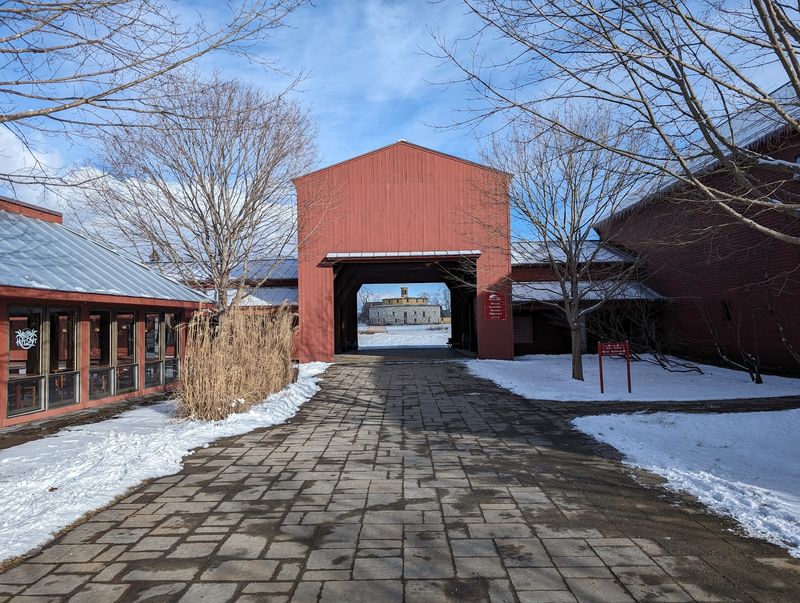
Planning a trip here is refreshingly simple. The village sits at 1843 W Housatonic St in Pittsfield, right in the heart of the Berkshires and easy to reach for Massachusetts day-trippers.
Doors open daily from 10 AM to 5 PM, seven days a week, giving plenty of flexibility for weekend or weekday visits. Admission has been noted around twenty dollars, which guests repeatedly call well worth the cost.
Timing matters for the full experience. Two hours covers a lot, but budgeting three to four hours allows a more complete visit, especially if you want to catch demonstrations.
One accessibility note worth knowing: the main entrance and the round barn are wheelchair accessible, while most other buildings are not. Arriving early beats the crowds and gives you the run of the peaceful grounds before they fill in.
Why This Berkshire Spot Stays With You
Some outings entertain for an afternoon, then fade. This one tends to linger in memory long after the drive home.
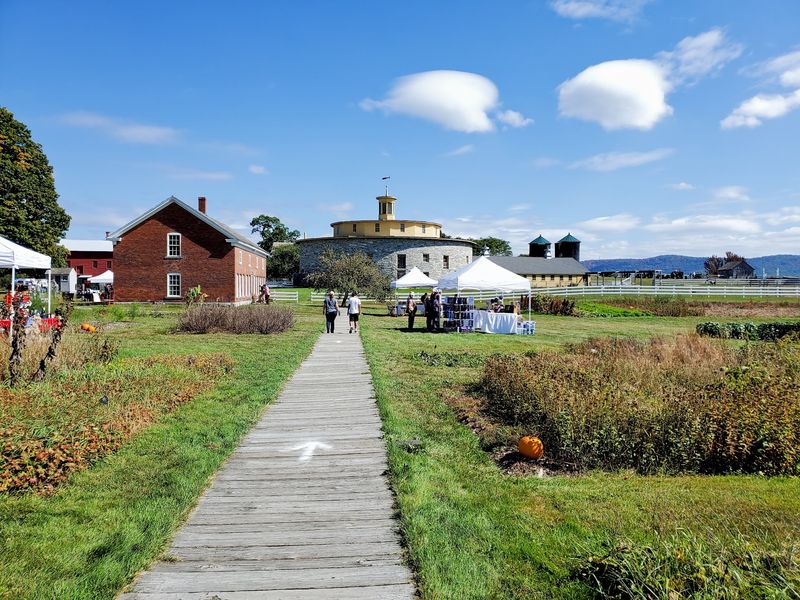
Part of it is the setting, part is the sense of stepping into a slower, more deliberate way of living. Standing beside the round barn, meeting the animals, and watching crafts unfold by hand all add up to something quietly moving.
Guests leave describing lovely afternoons and memorable days, often already planning a return trip. The blend of history, farm life, art, and open country gives it lasting pull.
For Massachusetts residents hunting an affordable, low-effort escape close to home, few places reward curiosity so generously. It proves that a peaceful spot in the Berkshire hills can offer far more than a passing glance suggests.
Slow down, wander, and let this old village remind you how good simple can feel.
Share this story