Long before Rodney Square became one of Wilmington’s most recognizable public spaces, the block had a much more practical purpose. It held a reservoir that supplied drinking water to city residents for roughly half a century.
The site eventually evolved into a 1.5-acre civic square surrounded by some of downtown Wilmington’s most significant architecture. Its transformation accelerated in the early 20th century, when Pierre S. du Pont and John J.
Raskob helped develop an ambitious plan for a grand civic center.
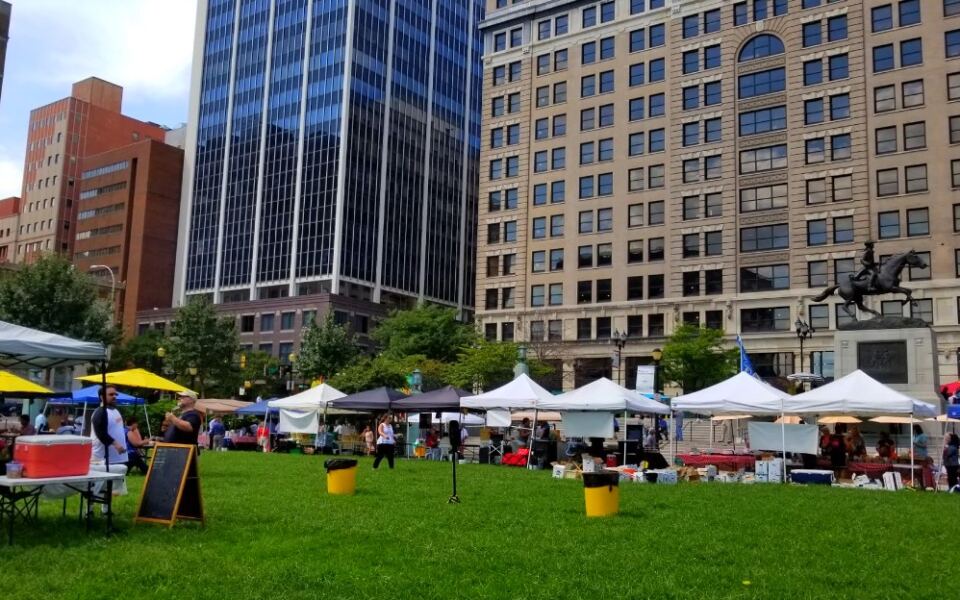
Today, Rodney Square still functions as a gathering place rather than simply a historic landmark. The Clifford Brown Jazz Festival brings free live music to the square, while seasonal markets and other community events regularly fill the lawn.
That combination of nearly two centuries of civic history and an active role in modern Wilmington makes the square considerably more interesting than its compact size might suggest.
The Epicenter of Wilmington’s Grand Design
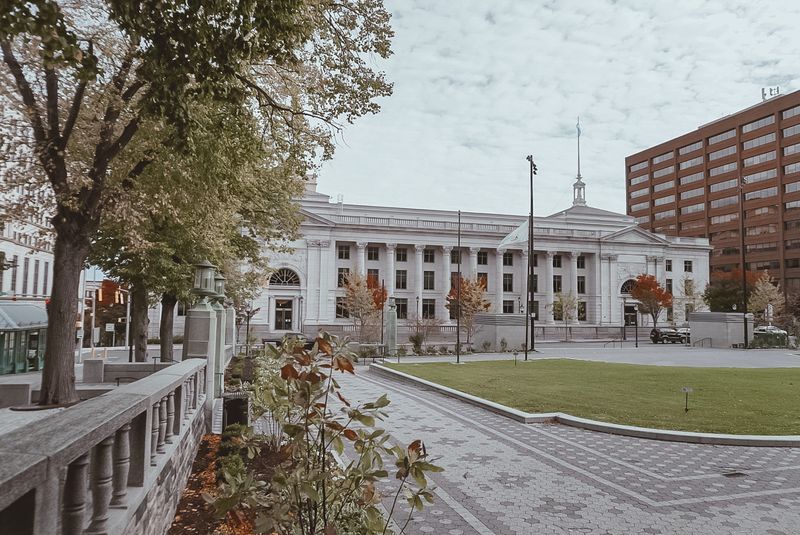
Right at the center of it all, at 1000 N Market St, Wilmington, DE 19801, sits Rodney Square, a 1.5-acre public green space bounded by West 10th, North Market, West 11th, and North King Streets.
Far more than a simple park, this block has served Wilmington’s civic life for nearly two centuries. The Borough of Wilmington assembled it from six separate parcels between 1825 and 1832, making its origins as deliberate as the grand vision that would eventually reshape it.
Its earliest function was practical and essential. A public water reservoir occupied this very block from 1827 to 1877, supplying drinking water to city residents alongside a Water Department office, a fire engine house, and the City Engineer’s office.
After the reservoir relocated to the Cool Spring area, the New Castle County Court House took its place from 1881 until 1919. That steady civic presence set the foundation for everything that came after, and the square has never looked back.
From Reservoir to Renaissance: A Vision Takes Shape
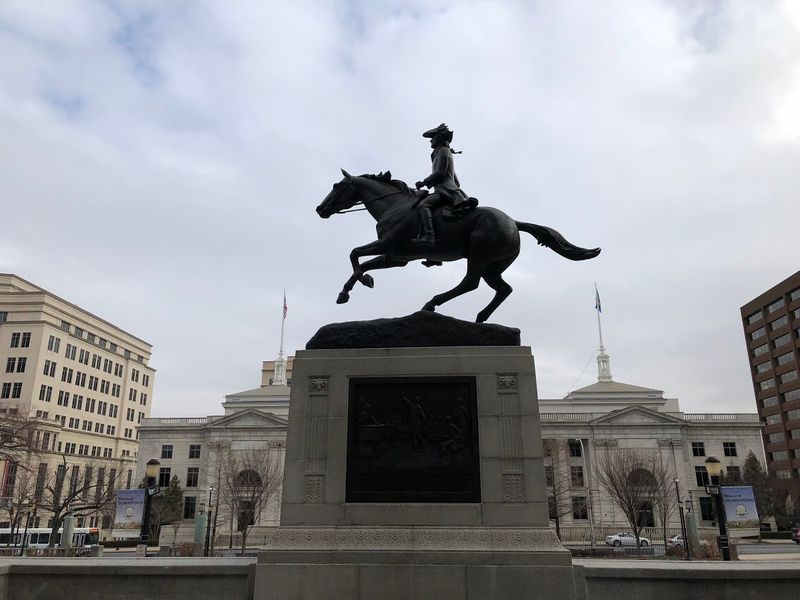
The transformation of this utilitarian block into a grand civic showpiece was no accident. During the early 1910s, Pierre S. duPont, then Vice President of the DuPont Company, and his personal assistant John Jacob Raskob developed a sweeping master plan to turn the square into the civic center of Wilmington.
Their blueprint called for expansive open space and carefully designed features that would unify the surrounding buildings into one cohesive architectural statement. The ambition behind this plan was genuinely remarkable for its era.
The entire effort drew directly from the “City Beautiful Movement,” an urban planning philosophy that sought to improve social order through beauty, civic pride, and thoughtfully designed public spaces. Rodney Square stands as Delaware’s only example created in direct response to this movement.
Construction began in 1915 and reached completion in 1921, reshaping the downtown landscape permanently. That six-year build produced something that still turns heads more than a hundred years later, and the story of what fills those surroundings is even more impressive.
The DuPont Building: Where It All Began
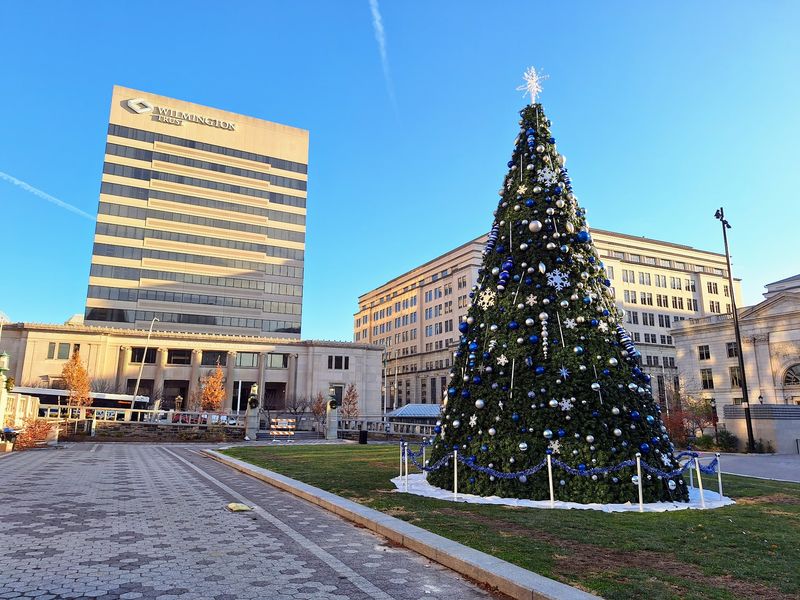
No building casts a longer shadow over Rodney Square than the DuPont Building at 1007 North Market Street. Constructed starting in 1907 in the Italian Renaissance style, this twelve-story structure was once Wilmington’s tallest building and served as the architectural anchor for the entire square.
Its design was so influential that it effectively set the visual tone for every other building that would later face the square. That kind of design authority is rare and speaks to the confidence of its creators.
Expansions between 1911 and 1931 nearly doubled its footprint, eventually incorporating the opulent Hotel du Pont and the Playhouse on Rodney Square. Inside the hotel’s grandest spaces, Italian marble, Caen stone, mosaics, terrazzo, and intricate plaster details create an atmosphere that feels genuinely transported from another era.
The DuPont Building remains a working landmark today, its presence anchoring the square with the same quiet authority it has projected for over a century. The theater tucked inside its walls has an equally compelling story worth exploring.
A Theater That Has Outlasted Almost Everything
Tucked inside the Hotel du Pont is one of the most quietly impressive theatrical venues in the entire country. The Playhouse on Rodney Square opened in 1913 with 1,252 seats and holds the distinction of being the oldest continuously operating legitimate theater in the United States, a title that carries genuine weight.
Over the decades, its stage has welcomed legendary performers, from Julie Andrews to Fred Astaire, each adding another layer to its already storied history. That kind of roster makes every visit feel like you are standing somewhere truly significant.
Managed today by The Grand Opera House, the Playhouse presents a full season of Broadway musicals, touring shows, and family performances throughout the year. A significant renovation completed in 2021 enhanced seating, lighting, and accessibility while carefully preserving the theater’s cherished Victorian elegance.
Its location just steps from downtown dining and hotel options makes it an easy addition to any Wilmington visit. Plan ahead though, because good seats at a landmark this beloved tend to disappear fast.
Classical Columns and Civic Pride Around Every Corner
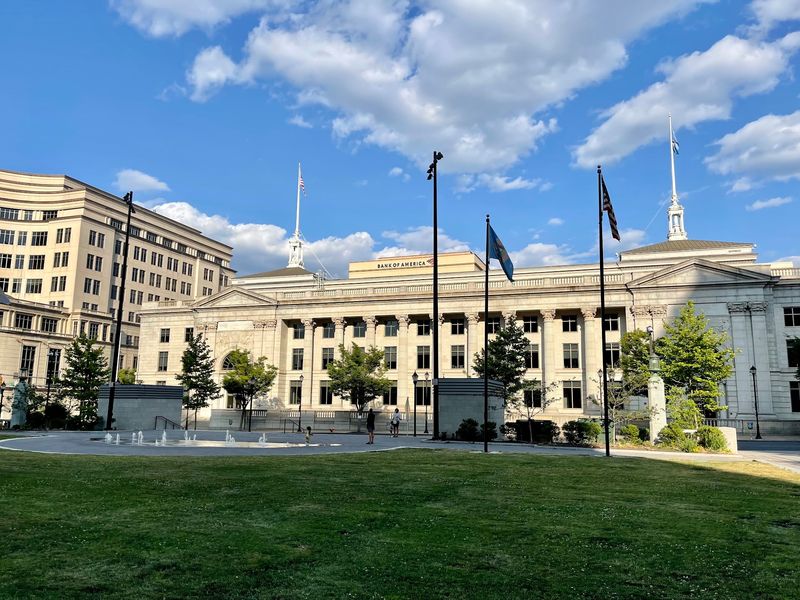
Each building ringing Rodney Square tells a different story in stone, and the variety is genuinely worth slowing down to appreciate. On the east side, the former New Castle County Court House and Wilmington City Hall, now known as the City-County Building, presents a symmetrical Classical Revival facade constructed between 1914 and 1916.
This was the first civic structure built as part of the DuPont vision for the square, and its granite colonnades and formal entrance pavilions established an atmosphere of dignified civic purpose from the start. Today it houses a law firm, but the architecture still commands attention.
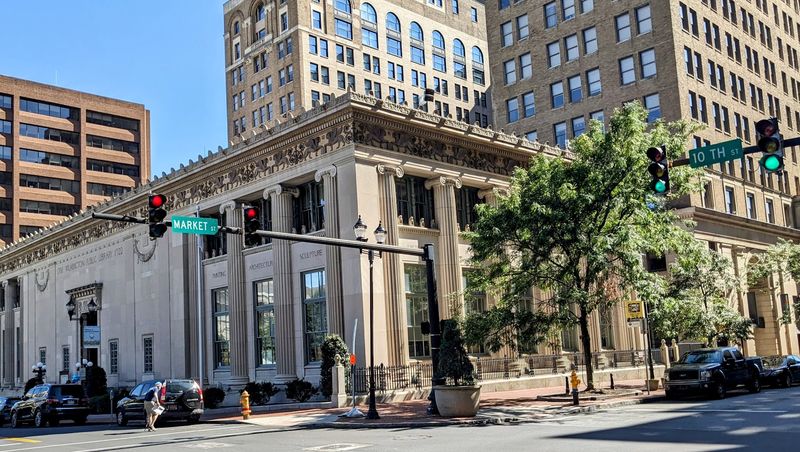
On the south side along 10th Street, the award-winning Beaux-Arts style Wilmington Institute Free Library rounds out the ensemble with grace. Originally designed in 1917 and opened to the public in 1923, it remains fully accessible and continues to draw visitors for both its collections and its stunning exterior.
The entire Rodney Square Historic District, including these four primary buildings and the Nemours Building, was placed on the National Register of Historic Places in November 2011, cementing its architectural legacy officially.
Fountains, Flowers, and the Feel of the Square Itself
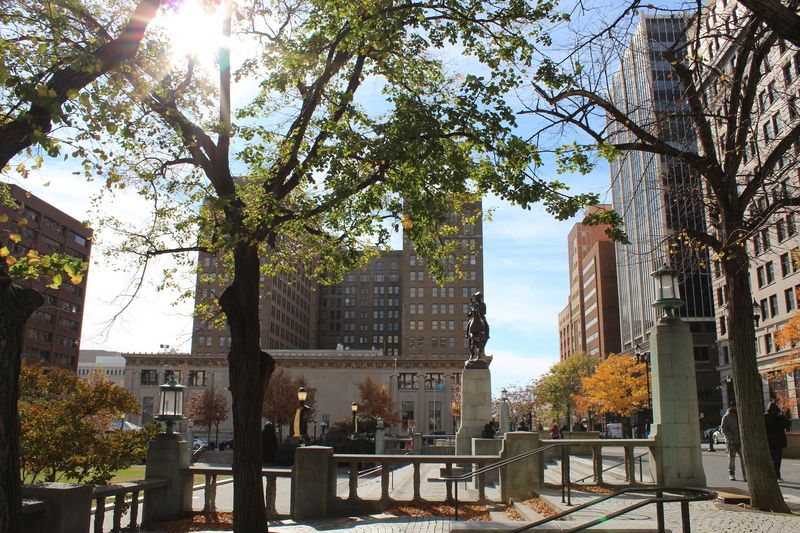
Spend even twenty minutes sitting in Rodney Square and you start to understand why people keep coming back. The space itself is characterized by a well-maintained lawn with meticulously landscaped borders, paved walkways, sturdy stone walls, and elegant lanterns that glow warmly as evening settles in.
Two concrete fountains dedicated to William Poole, a Quaker industrialist, add a soothing presence to the visual landscape. The sound of moving water in an urban setting does something genuinely calming that is hard to replicate elsewhere downtown.
Purple flowers along the borders consistently catch the eye and photograph beautifully, often better in person than in any image you might see online. The square earns consistent praise for being clean, welcoming, and easy to enjoy at any hour, since it remains open around the clock, every day of the year.
Renovations completed in 2014 reversed earlier alterations, repaired historic features, and integrated accessible ramps and community spaces. Further improvements planned since 2017 promise additional greenery, restored water features, and enhanced lighting for future visitors.
The Jazz Festival That Turns the Square Into a Stage
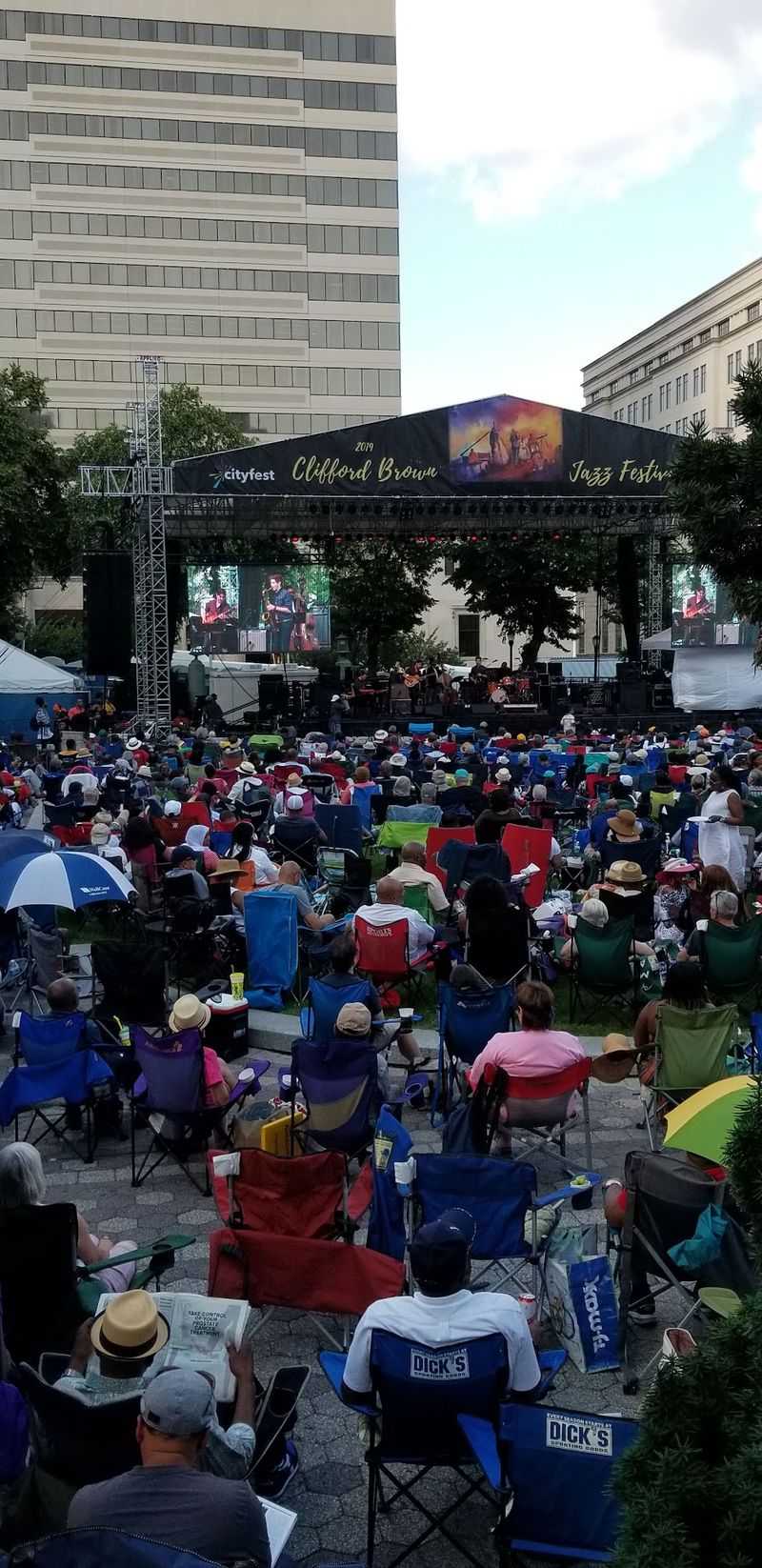
Every June, Rodney Square undergoes a remarkable transformation. The Clifford Brown Jazz Festival, named for Wilmington’s own legendary jazz trumpeter, turns this already vibrant public space into an outdoor concert hall that draws music lovers from across the region.
Local ensembles and nationally recognized performers share the stage over multiple days, delivering sets that range from straight-ahead jazz to contemporary fusion. The talent level is consistently high, and the atmosphere is relaxed and genuinely enjoyable without feeling exclusive or overly formal.
Admission is free, which makes it one of the most accessible cultural events in the state. Regulars strongly recommend bringing your own lawn chair and a cooler, because settling in properly makes the whole experience significantly better.
Food vendors set up throughout the festival grounds, offering everything from fresh fish platters to creative local specialties that keep the energy up between sets. If you have never attended a free outdoor jazz festival with this caliber of performance, Wilmington in June should move straight to the top of your travel list.
Wednesday’s Best-Kept Secret: The Downtown Farmers Market
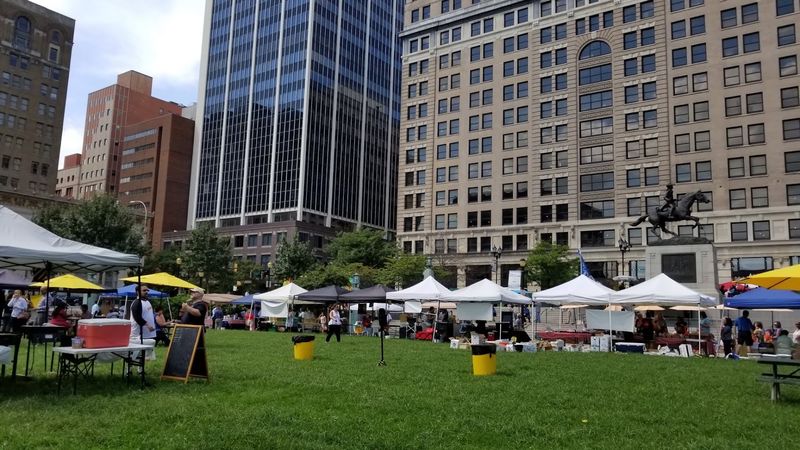
Wednesday mornings carry a special energy around Rodney Square from May through October, and the reason is the Downtown Farmers Market. Running from roughly 10 AM to 2 PM, this weekly gathering fills the square with fresh local produce, vibrant plants, fragrant herbs, and cut flowers that make even a quick browse feel worthwhile.
Beyond the fresh goods, handmade items, unique jewelry, and baked goods from local artisans add a creative dimension to the market that goes well beyond a typical grocery run. The variety is genuinely impressive for a midweek market in a mid-sized city.
Food trucks line up with lunch options that cover a satisfying range of flavors, and café tables with umbrellas provide a comfortable spot to eat while enjoying free live entertainment. The whole scene has a casual, community-focused energy that feels refreshingly unhurried.
For anyone working downtown, this market has become a weekly ritual worth planning around. And if Wednesday’s market gets you curious about the square’s bigger annual celebrations, the calendar has plenty more to offer throughout the year.
A Full Calendar That Keeps the Square Alive Year-Round
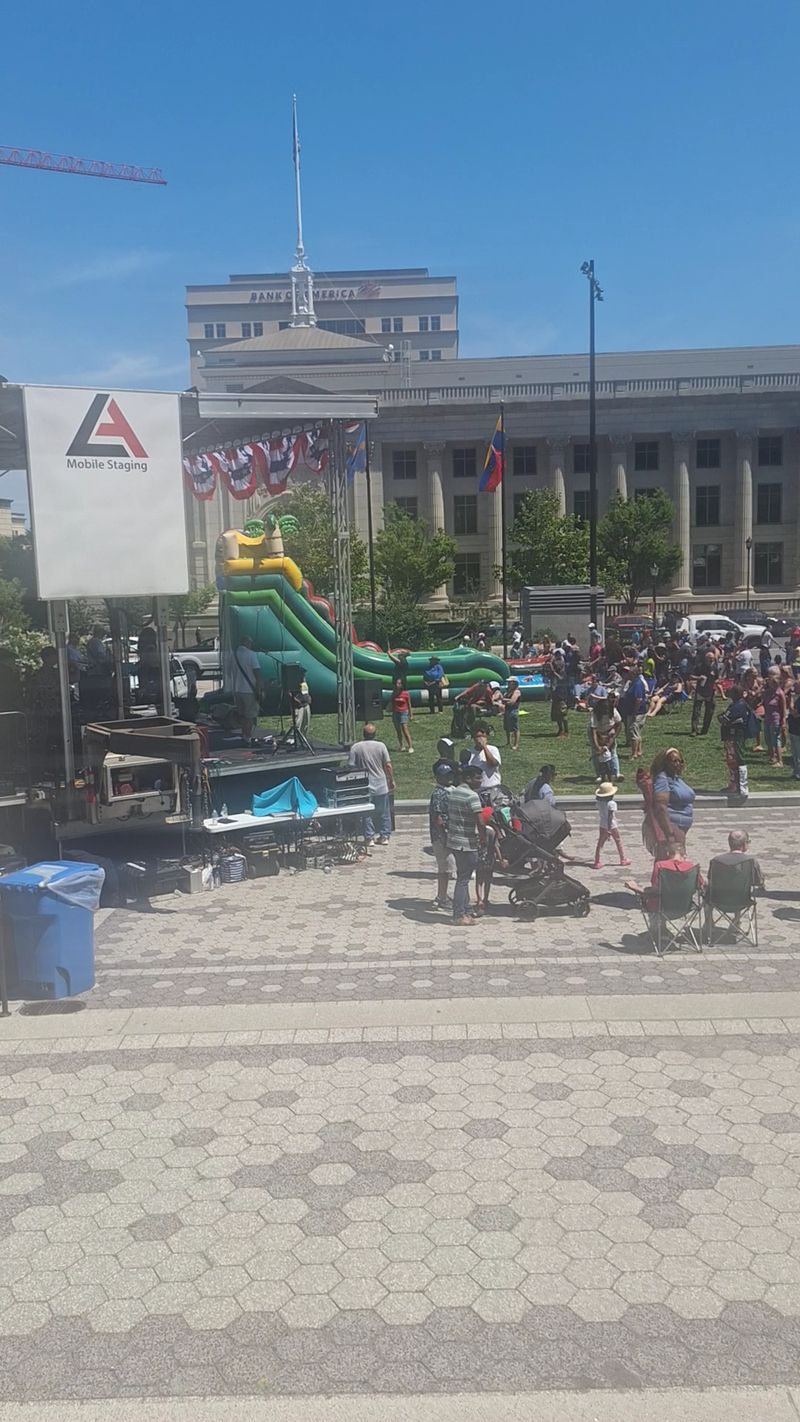
The Clifford Brown Jazz Festival and the Wednesday market are just two entries on a calendar that keeps Rodney Square busy across every season. As the year winds down, First Night Wilmington transforms the square into a family-friendly New Year’s Eve celebration, filling the space with festive energy and community spirit.
Earlier in the year, the city-wide Saint Patrick’s Day Parade makes Rodney Square one of its focal points, painting downtown in green and gold for a lively afternoon. March also brings the Citizens Bank Caesar Rodney Half Marathon, with the square serving as both start and finish line for this popular running race.
Come August, the Delaware Caribbean Carnival brings something entirely different, featuring colorful masquerade bands, cultural performances, music, and authentic cuisine that celebrate Caribbean heritage with unmistakable energy. Each of these events draws a different crowd and highlights a different facet of Wilmington’s community character.
The square’s ability to host such a diverse range of gatherings without losing its identity is one of its most underappreciated qualities. There is almost always something worth showing up for.
Getting There, Parking, and Making the Most of Your Visit
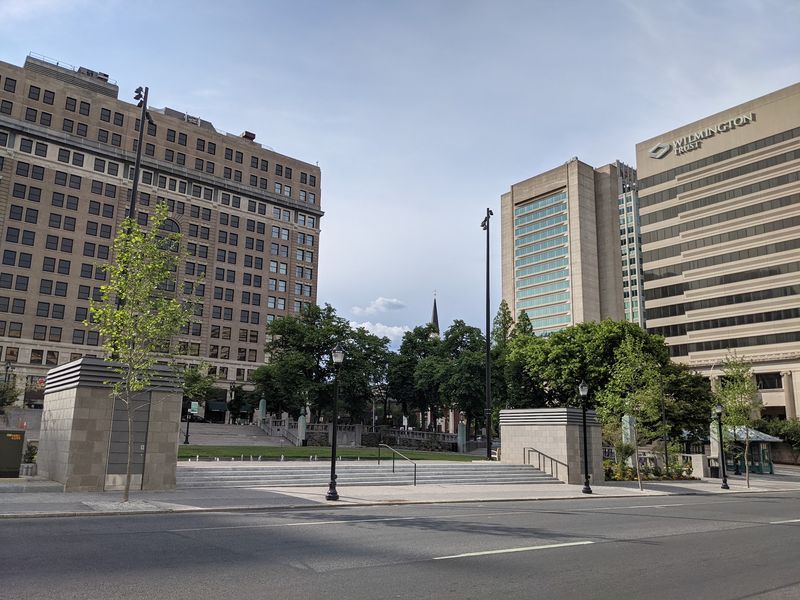
Practical logistics rarely make for exciting reading, but getting to Rodney Square is straightforward enough that it genuinely reduces any planning stress. The GPS address 1000 N Market St, Wilmington, DE 19801 delivers you directly to the square, and the phone number for the city guide line is 302-576-3810 if you need additional information before arriving.
Several parking garages sit within a few blocks of the square. The Park BPG Garage at 1166 N.
Orange Street, the Mid-Town Garage at 840 N. Orange Street, and the City-Center Garage at 253 W. 11th Street all offer convenient options.
The WPA 8th and Orange Lot at 801 N. Orange Street provides free parking after 6 PM and on weekends, which is a genuinely useful perk for evening visitors.
Rodney Square also functions as a central hub for DART buses, making public transit a practical choice for those coming from other parts of the city or nearby areas. If I-95 is in your route, check current conditions before you leave, as construction-related lane closures can add time to the drive.
The Best Time to Visit and What to Expect When You Arrive
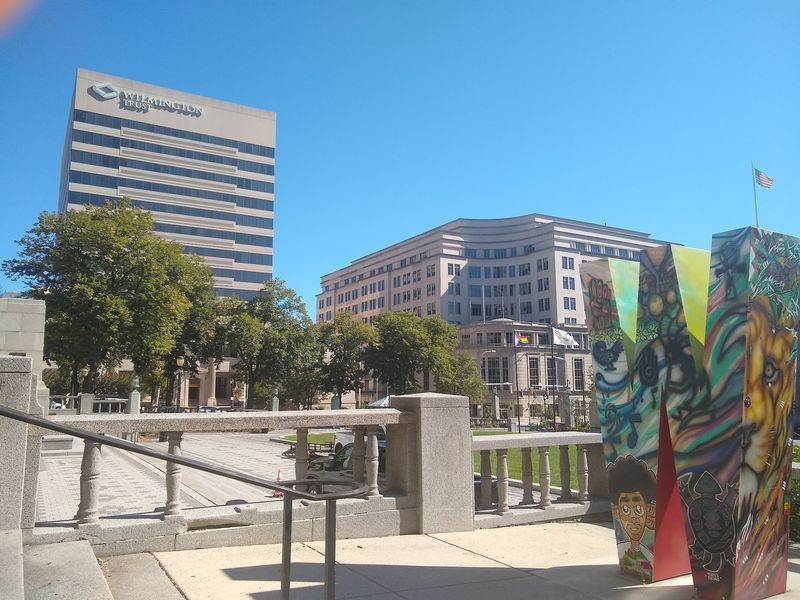
Summer is widely considered the prime season for exploring Rodney Square, with August representing the peak of tourism activity in Wilmington. Temperatures typically reach into the high 80s and low 90s, but the overall comfort level stays reasonable, and the reduced chance of rain compared to spring makes outdoor events more reliable.
Fall offers a quieter but equally appealing alternative. Autumn foliage creates a picturesque backdrop for the square’s historic architecture, and the cooler temperatures make long walks through downtown genuinely pleasant.
Spring blooms add their own charm, though the higher likelihood of rain can disrupt outdoor plans.
Regardless of the season, the square is open 24 hours a day, seven days a week, so there is never a wrong time to stop by. Morning visits offer a peaceful atmosphere before the city fully wakes up, while midday brings food trucks, market days, and a steady flow of downtown workers on lunch breaks.
Sundown is its own reward here, with the historic lanterns casting a warm glow across the lawn and the surrounding buildings taking on a different kind of beauty entirely.
Share this story