Historic mansions, colorful gardens, peaceful walking trails, scenic woodlands, and a remarkable DuPont legacy have transformed this Delaware destination into one of the state’s most beloved parks. Visitors come for Bellevue Hall, tree-lined pathways, a former Thoroughbred training track, beautiful flower gardens, and outdoor activities that range from hiking and fishing to disc golf and horseback riding. It’s the kind of place where a quick walk easily becomes an entire afternoon of discovery.
The experience extends far beyond the trails. Elegant architecture, centuries of local history, thriving nature preserves, seasonal events, and beautifully maintained grounds have made this former private estate a favorite destination for families, history lovers, and outdoor enthusiasts alike. Every visit reveals another reason why this Wilmington landmark continues to captivate both first-time visitors and longtime locals.
Here’s why Bellevue State Park has become one of Delaware’s most treasured outdoor destinations and one of the state’s finest places to experience history and nature together.
A Grand Estate Transformed: The Address and Origins of Bellevue State Park
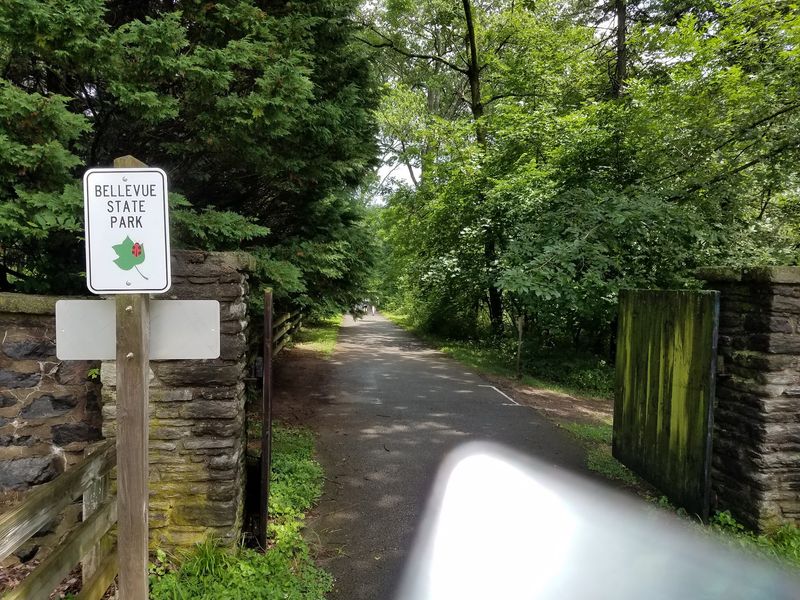
Long before joggers circled the oval track or families spread picnic blankets across open lawns, this land had a far more exclusive purpose. Bellevue State Park sits at 800 Carr Road, Wilmington, Delaware 19809, in New Castle County, overlooking the Delaware River with quiet authority.
The property’s roots stretch back to a small Swedish agricultural community, then evolved through the mid-1800s to include a schoolhouse, meetinghouse, cemetery, and quarry. A Philadelphia merchant named Hanson Robinson built an elaborate Gothic Revival mansion here in 1855, calling it Woolton Hall, a dark stone castle complete with towers and river views.
William du Pont Sr. purchased the estate in 1893, and his son William du Pont Jr. inherited it in 1928, eventually remodeling the mansion into the neoclassical Bellevue Hall. After du Pont Jr.’s passing in 1965, Delaware purchased the property in 1976, opening it as a public state park covering 331 magnificent acres.
Bellevue Hall: The Mansion Modeled After a President’s Home
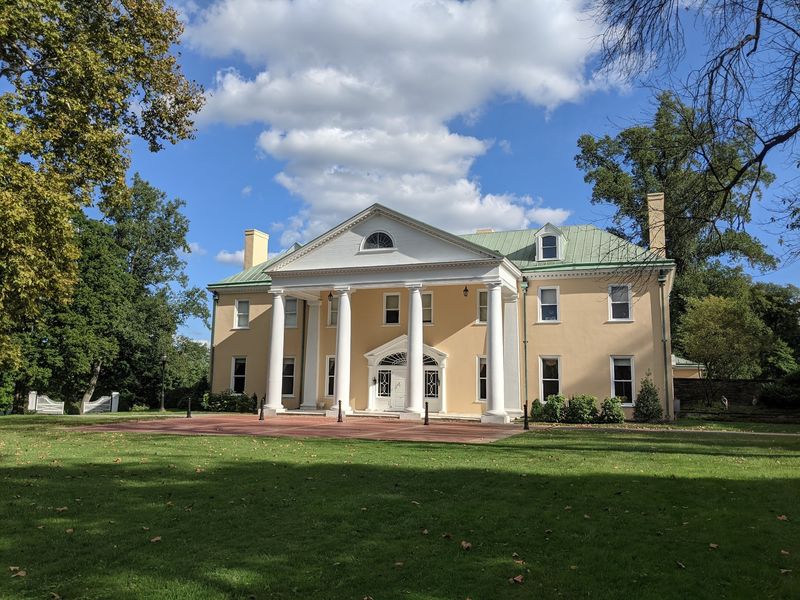
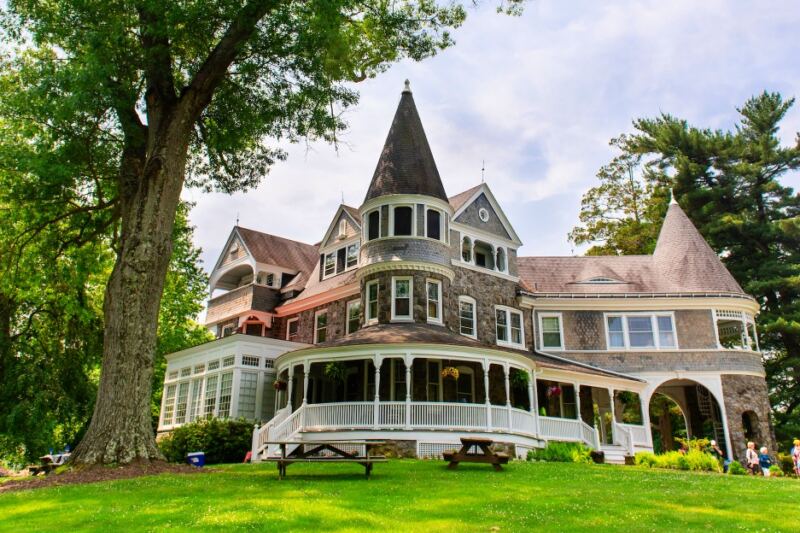
Not every state park has a mansion that doubles as an architectural tribute to a United States president, but Bellevue pulls it off with effortless elegance. William du Pont Jr. remodeled the original Gothic Revival Woolton Hall into Bellevue Hall, a neoclassical masterpiece designed to replicate Montpelier, the former Virginia residence of President James Madison and du Pont’s own boyhood home.
The result is a stately, columned building that commands attention from every angle, its formal design contrasting beautifully with the wild meadows and wooded trails surrounding it. Tours of Bellevue Hall are available but typically require a scheduled appointment, so checking with the Delaware State Parks website before visiting is a smart move.
The mansion also serves as a sought-after event venue, hosting weddings, corporate gatherings, and private celebrations in a setting that feels genuinely historic. Standing before its facade, you get a real sense of the ambition and personal sentiment that drove du Pont Jr. to recreate a piece of his past here in Delaware.
The Oval Track: Where Racehorses Once Ran, Joggers Now Thrive
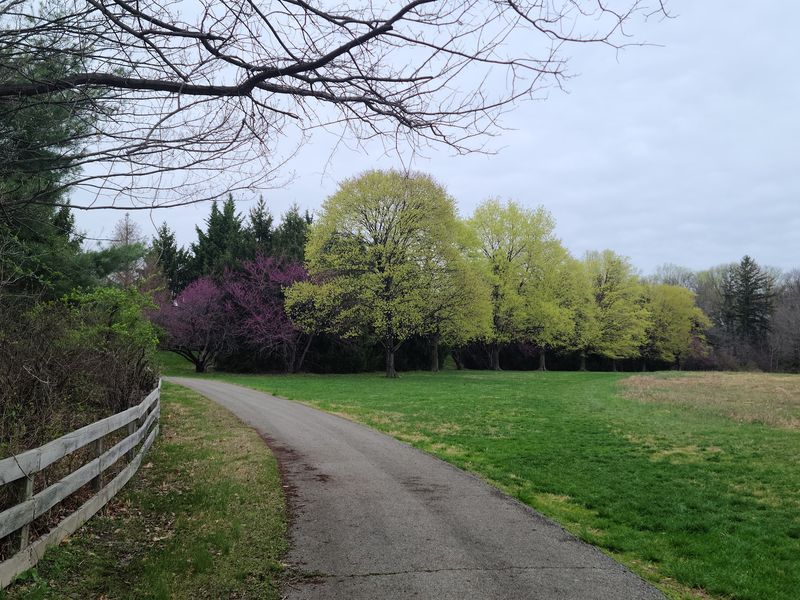
There is something quietly thrilling about jogging a path where Thoroughbred racehorses once thundered at full speed. The 1 1/8-mile oval track at Bellevue State Park was originally William du Pont Jr.’s private horse racing circuit, complete with indoor and outdoor training facilities that were among the finest of his era.
Today, the track has been smoothly paved and repurposed as a fitness loop for walkers, joggers, and cyclists, with 20 exercise stations placed at intervals around its perimeter. The stations invite visitors to pause mid-lap for stretching, strength work, or a quick breather while taking in the surrounding scenery.
Perhaps the most charming feature of this space is the catch-and-release fishing pond nestled right at the center of the oval, creating a peaceful visual anchor for all that activity circling it. Bass, sunfish, and catfish inhabit the pond, making it a favorite spot for anglers of all ages. The track buzzes with energy on weekday mornings and weekend afternoons alike, drawing a lively, friendly crowd.
Gardens and Arboretum: A Living, Breathing Botanical World
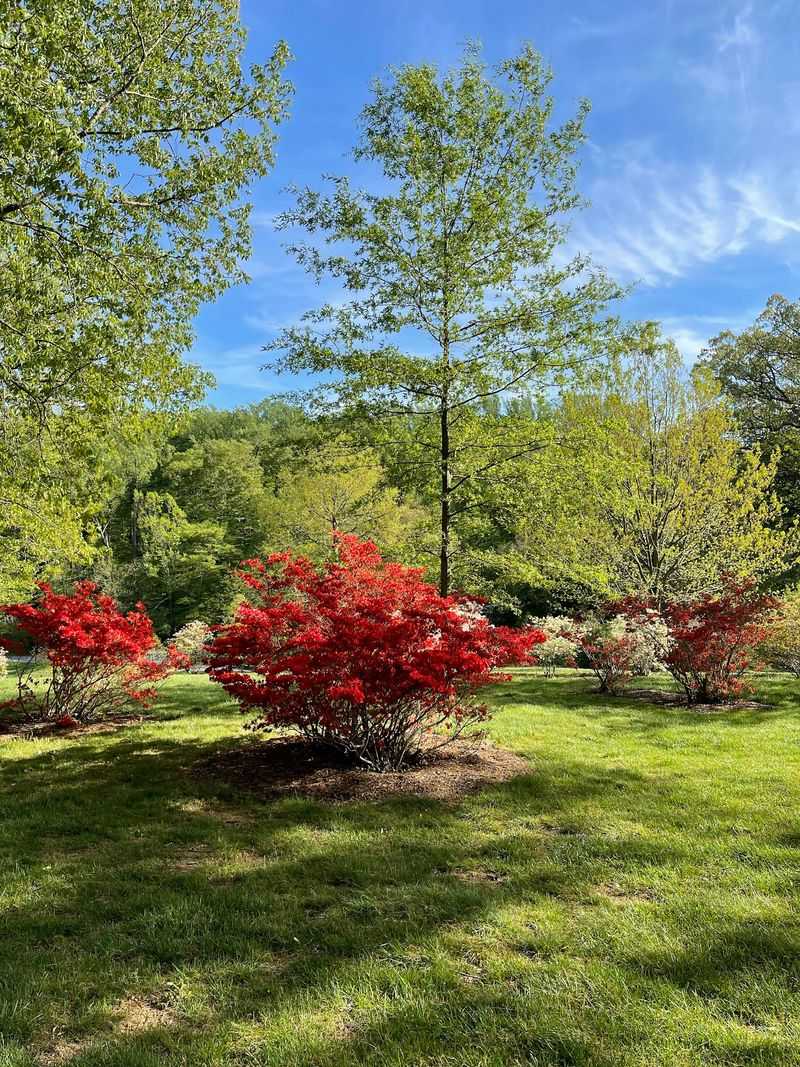
Few things signal a well-loved park more clearly than gardens that change with every season, and Bellevue delivers on that front with genuine flair. The formal gardens here offer structured, artistic beauty, with carefully arranged plantings that shift from spring blooms through summer color and into autumn’s warm palette.
The park’s arboretum adds an entirely different dimension, functioning as a living library of trees sourced from across the globe. Towering specimens and newer plantings stand side by side, giving visitors a chance to observe remarkable botanical variety without ever leaving Wilmington. It genuinely feels like a quiet world tour conducted entirely on foot.
Community garden plots near the historic Percheron Barn bring a grassroots energy to the mix, where local residents tend their own vegetables and flowers in shared green spaces. Pollinator gardens round out the horticultural offerings, supporting bees, butterflies, and other essential insects. Together, these spaces create a layered, sensory-rich experience that rewards slow, curious exploration rather than rushing through.
Trails for Every Pace: Exploring the Northern Delaware Greenway and Beyond
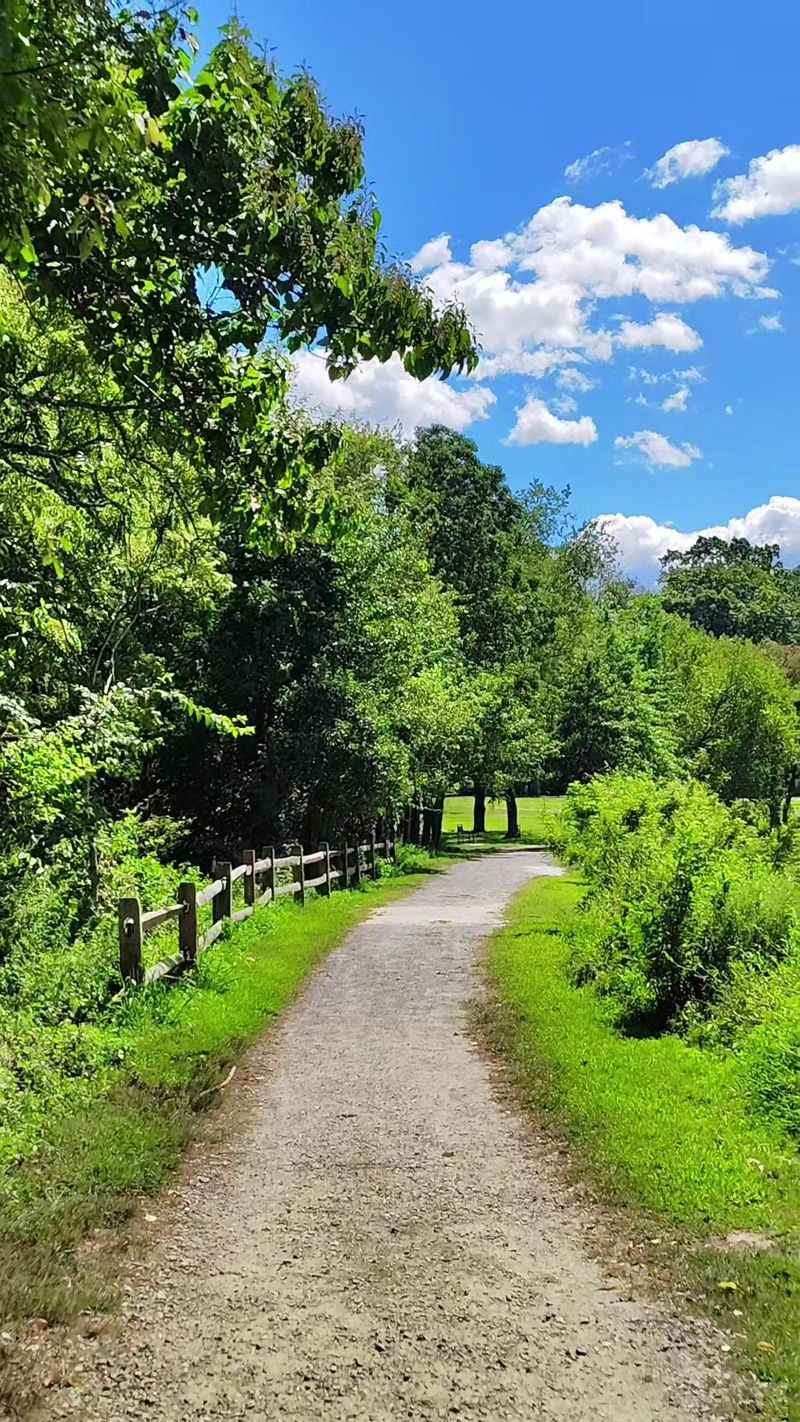
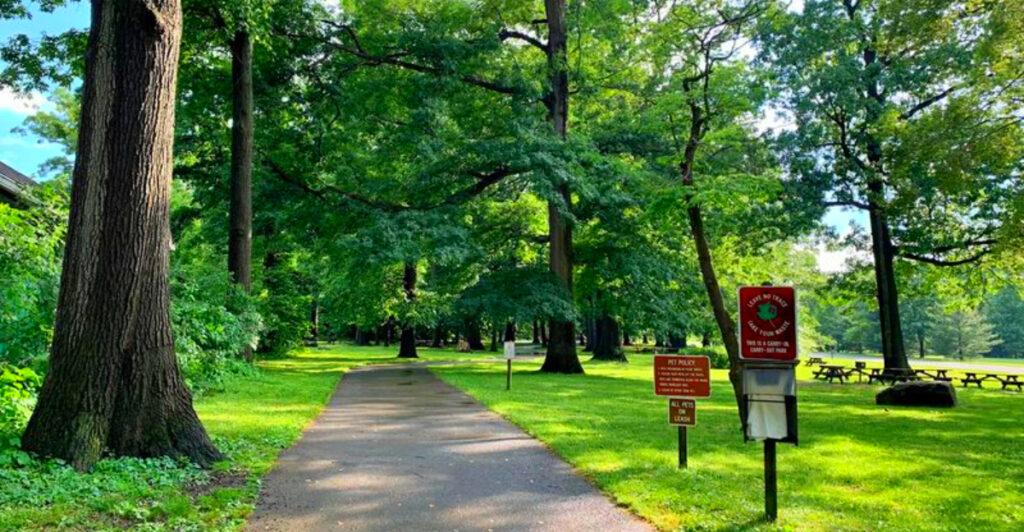
A park with genuinely diverse trails is a rare gift, and Bellevue State Park has built a network that caters to almost every outdoor preference. The Northern Delaware Greenway Trail runs through 1.5 miles of the park as a paved, shared-use path, connecting Bellevue to a broader system of green spaces and historic sites across northern New Castle County.
Along this route, visitors catch sweeping views of the Delaware River near the historic Cauffiel House and pass by the 1838 Mount Pleasant Meetinghouse and Cemetery, weaving through wooded corridors and open fields. It is a scenic choice for families on bikes or anyone seeking a relaxed, story-rich walk.
For a more immersive nature experience, the Equestrian Trail covers 2.7 miles of packed earth through Bellevue Woods Nature Preserve, welcoming both hikers and horseback riders. The Nature Preserve Trail offers another 1.5-mile packed earth option through similar wooded terrain, ideal for birdwatching. Most trails are pet-friendly and many sections are handicap accessible, reflecting the park’s genuine commitment to welcoming everyone.
Historic Structures Beyond the Mansion: Barns, Meetinghouses, and More
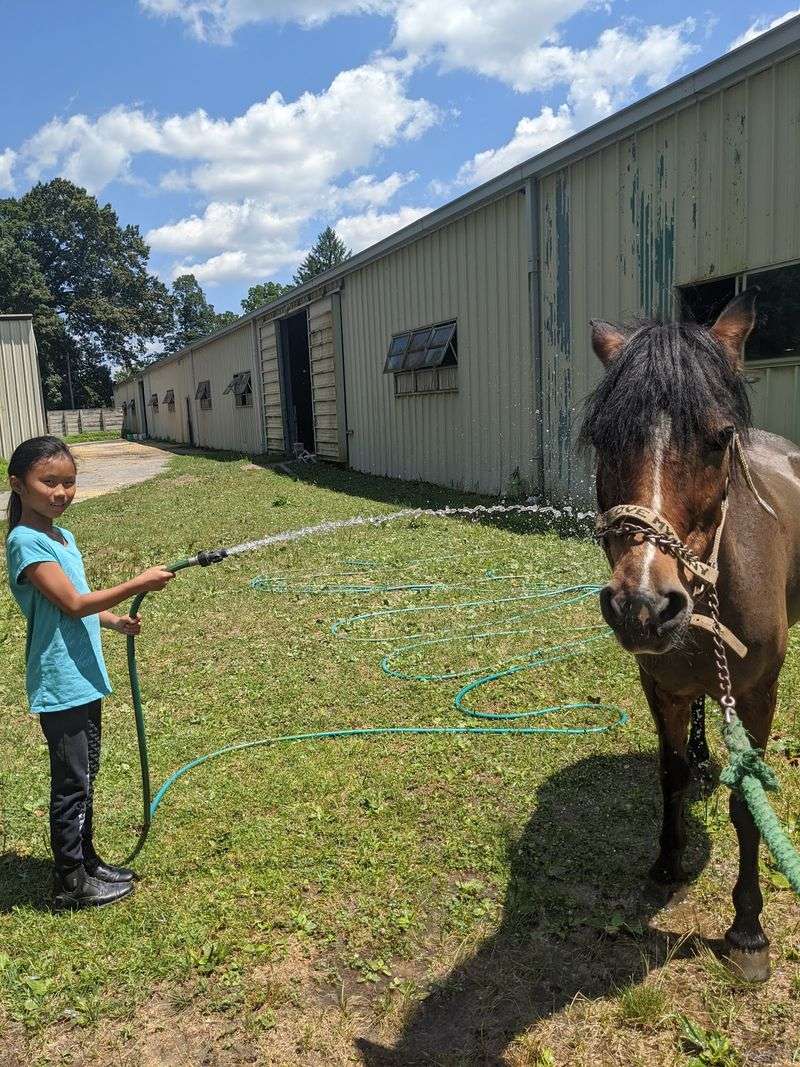
Bellevue Hall grabs most of the attention, but the park’s supporting cast of historic structures tells just as compelling a story about the layers of life that have unfolded on these grounds. The Percheron Barn, once home to the powerful draft horses that kept the estate functioning, now watches over the community garden plots in a quietly poetic example of adaptive reuse.
The Mount Pleasant Methodist Episcopal Church and Parsonage, built in 1838, holds a spot on the National Register of Historic Places, offering a glimpse into the earlier community that existed here long before the DuPont family arrived. Its presence adds a sense of deep, multi-generational history to the landscape.
Near Stoney Creek, the Cauffiel House adds another layer to the park’s architectural tapestry. Former equestrian facilities, including stable buildings and training structures, are scattered throughout the grounds as well, allowing visitors to visualize the scale of du Pont Jr.’s operation. Each structure feels less like a museum exhibit and more like a living, breathing piece of an ongoing story.
Summer Concerts and Seasonal Events: The Park Comes Alive

There is a particular kind of magic in a free outdoor concert on a warm evening, and Bellevue State Park delivers that experience reliably every summer. The park’s bandshell hosts a beloved Summer Concert Series, with performances often held on Sunday and Thursday evenings featuring local bands that draw crowds of families, couples, and solo wanderers all sharing the same grassy patch of happiness.
The event calendar extends well beyond summer, though. Autumn brings hayrides through the colorful grounds, and winter offers sledding opportunities when snow blankets the landscape. The “Park after Dark” program, guided by park rangers, takes visitors on nighttime explorations to observe the park’s nocturnal wildlife, which is genuinely thrilling for both kids and curious adults.
Private events find a natural home here too, with Bellevue Hall, the Figure 8 Barn, and the Hunter Barn all available as rental venues for weddings and corporate events. The park manages to function as both a public celebration space and a private event destination, and it handles both roles with remarkable grace.
The Bellevue Woods Nature Preserve: A Piedmont Forest Pocket Worth Protecting
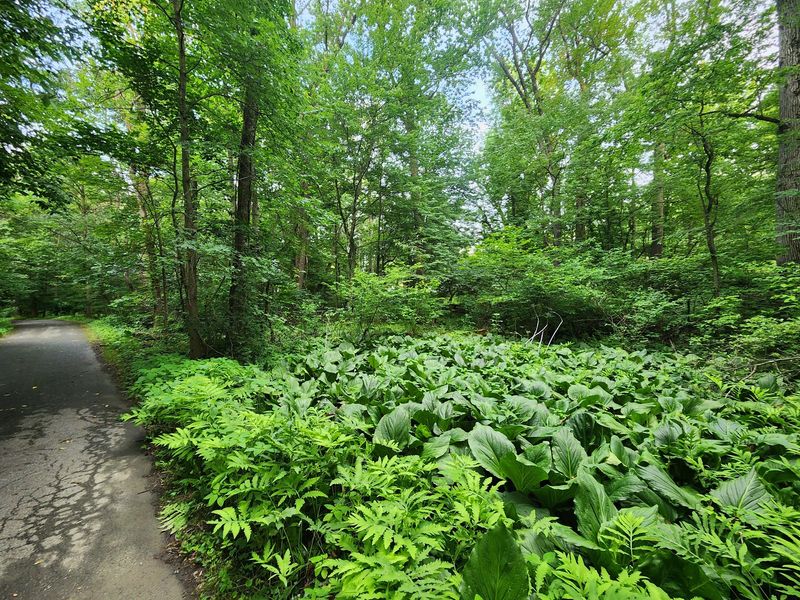
Urban parks that contain genuine nature preserves are rare, and Bellevue earns real respect for protecting one within its boundaries. The Bellevue Woods Nature Preserve showcases a piedmont forested stream corridor, a habitat type that supports a specific and delicate balance of plant and animal life particular to this region of Delaware.
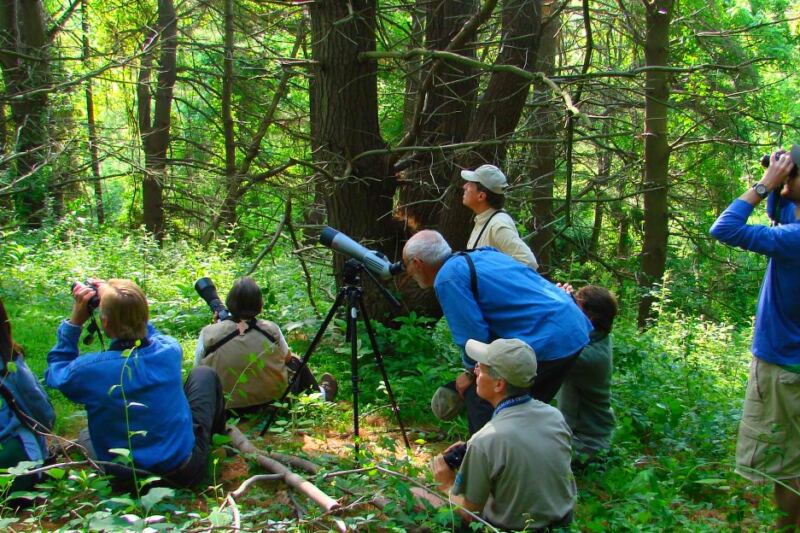
The 1.5-mile Nature Preserve Trail passes through this area on a packed earth surface, offering an easy to moderate hike that feels genuinely immersive. The tree canopy thickens overhead, the sounds of the city fade, and a small creek provides a gentle soundtrack to the walk. Deer sightings are common, and birdwatchers regularly spot more than 20 species on a single outing.
Pollinator gardens within the broader park complement the preserve’s ecological mission, supporting bees, butterflies, and other insects that keep the natural systems healthy. The catch-and-release fishing pond operates on conservation principles as well. Taken together, these efforts reveal a park that takes its environmental responsibilities seriously, treating preservation not as an afterthought but as a foundational commitment.
William du Pont Jr.’s Equestrian Legacy: Horses at the Heart of It All
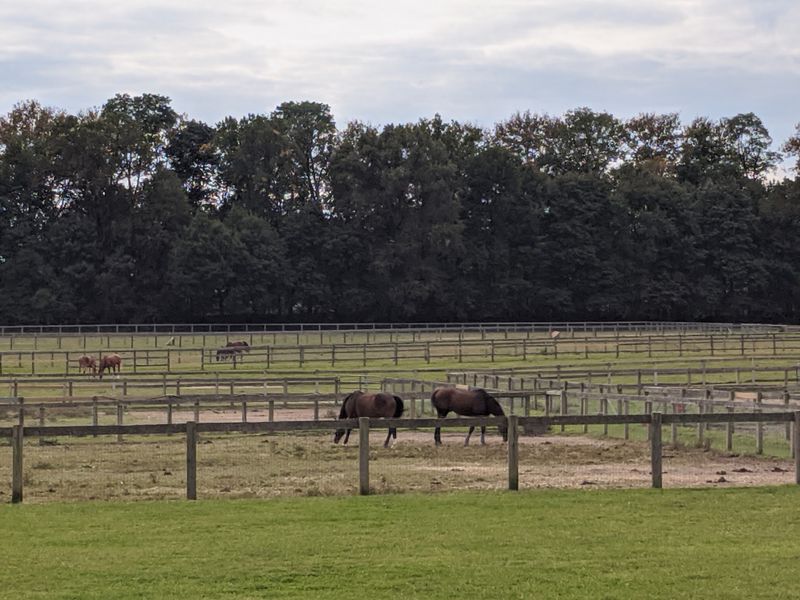
William du Pont Jr. was not simply a wealthy landowner who happened to own horses. He was a dedicated equestrian whose passion for Thoroughbred racing shaped every corner of this estate, from the indoor training tracks to the meticulously designed stables that once housed champion animals.
When he inherited the property in 1928, du Pont Jr. expanded its equestrian infrastructure into something genuinely world-class for its time, building multiple indoor and outdoor tracks alongside extensive stable facilities. His first wife, Jean Liseter Austin, shared his devotion to the sport, and together they developed Bellevue into a premier center for Thoroughbred training.
That legacy did not disappear when the estate became a public park. Wellspring Farm continues to operate on the grounds today, offering riding lessons and therapeutic riding programs that connect new generations with horses on the same land where du Pont Jr.’s passion played out daily. The fitness oval, once a racing track, still carries the shape of that history in every lap a jogger completes. It is a legacy you can literally walk through.
Practical Tips for Your Visit: Hours, Fees, and What to Bring
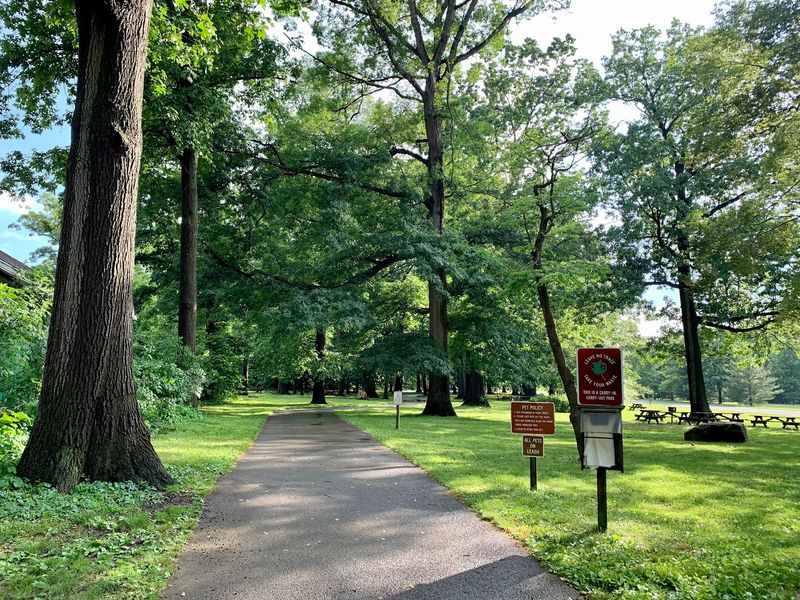
Showing up prepared makes a real difference at Bellevue, so a few practical notes go a long way. The park is open daily from 8:00 AM until sunset, and entrance fees apply from March 1 through November 30. Delaware residents pay $4 per day while out-of-state visitors pay $8, with annual passes available for those who plan to return regularly, which is a very reasonable investment given how much the park offers.
Comfortable walking shoes are non-negotiable. The trail network spans packed earth paths and paved routes, and you will likely cover more ground than you expect once the scenery starts pulling you forward. Bring water, especially in warmer months, and consider packing a picnic to enjoy at one of the park’s shaded pavilions or open lawn areas.
Dogs are welcome on leash, and the park office sells stuffed animals of local wildlife and stocks informational pamphlets about the park’s flora and fauna. Parking is plentiful and well-organized, with clear signage from major routes including I-95. Weekday mornings offer the quietest experience for those who prefer solitude over social energy.
Why Bellevue State Park Keeps Drawing People Back: A Final Look
A 4.7-star rating from nearly 1,800 visitors does not happen by accident. Bellevue State Park earns that kind of sustained enthusiasm by consistently delivering on multiple fronts at once, offering history, nature, activity, and community in a single accessible location just minutes from downtown Wilmington.
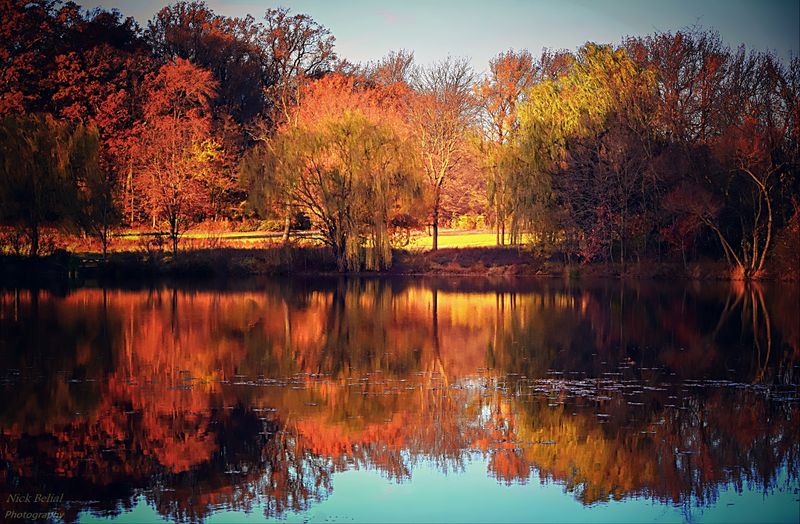
Regular visitors describe the park as genuinely restorative, a place where the combination of the track, the pond, the stables, the disc golf course, and the open fields creates an atmosphere that feels good in a way that is hard to define but easy to feel. Autumn draws particular praise, when the tree canopy ignites with color and the entire estate takes on a painterly quality.
What makes Bellevue truly special is its refusal to be just one thing. It is a history site, a fitness destination, a nature preserve, an event venue, and a neighborhood gathering place, all wrapped into one former private estate. Delaware’s decision to purchase and open this land to the public in 1976 continues to pay dividends every single day, for every visitor who walks through its gates.
Share this story