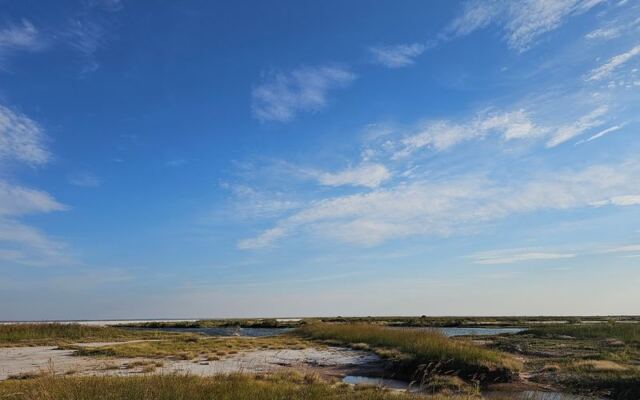
Some of the best days in Oklahoma start on a quiet back road that seems to lead nowhere special. Then the land opens into a blinding white plain, and you realize you are standing on top of buried treasure that costs nothing to dig up.
Families, scouts, and curious rockhounds come here with shovels and buckets, and they leave with sparkling crystals and muddy grins. If you have ever wanted to feel like a real explorer for a day, this is the trip to start planning now for spring.
A Salt-Crusted Corner of Northern Oklahoma
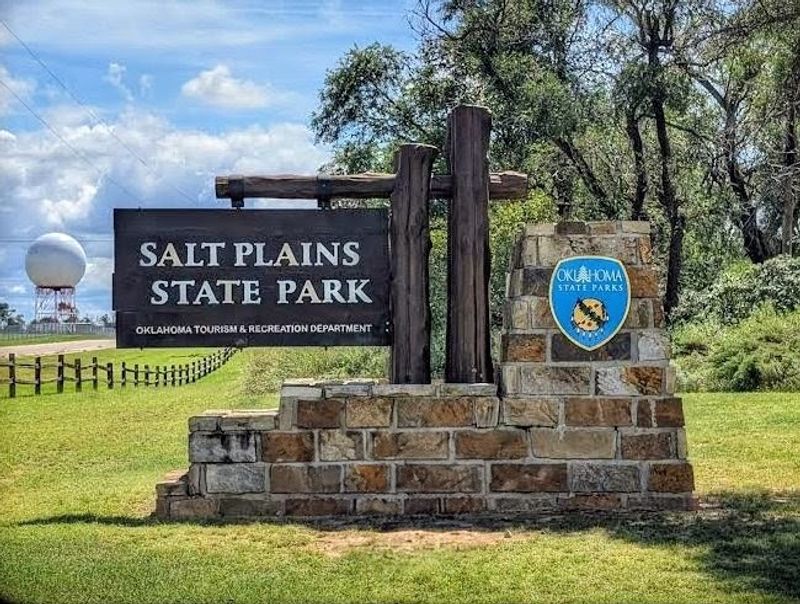
Picture a lake, a rushing spillway, wooded trails, and a sweeping plain of white salt all sharing the same patch of prairie. That combination lives at Salt Plains State Park, tucked at 23280 S Spillway Dr in Jet, Oklahoma.
One visitor summed it up as a place in the middle of nowhere that turns out to be extremely unique.
The park itself offers lake fishing, a beach, campsites, cabins, and hiking. Right next door sits the famous crystal dig area, which belongs to the Salt Plains National Wildlife Refuge.
Together they make one of the oddest and most memorable outdoor stops in the whole state.
Most people come for the crystals, and the numbers back that up. Crystal digging, shovels, and camping are the topics visitors bring up again and again.
Plenty of guests also rave about the cabins, the spillway, and the pelicans that drift across the water.
Some folks show up by accident while hunting for the flats and end up staying far longer than planned. Others drive in once a month just to sit by the water and enjoy the breeze.
Either way, this corner of Oklahoma has a knack for surprising people who thought they were just passing through.
Ancient Water Beneath the Prairie
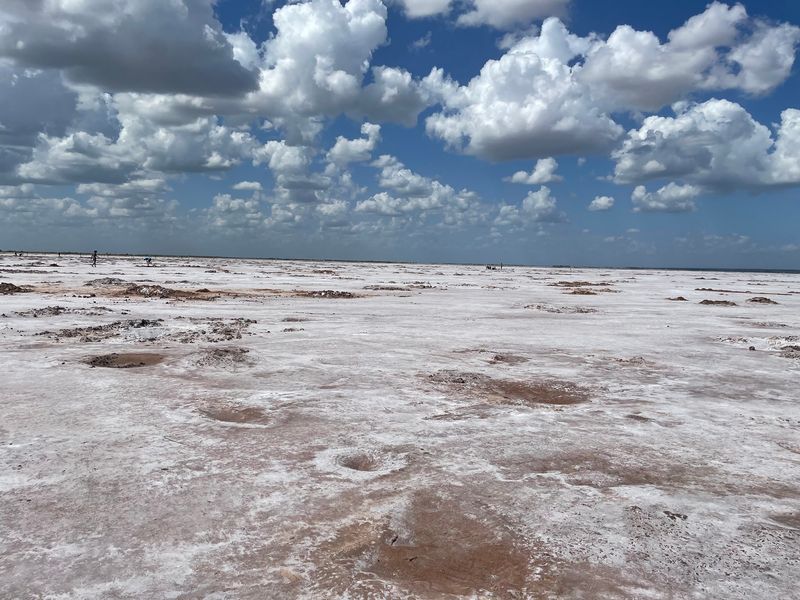
Millions of years ago, the ground under your boots was covered by water. Visitors who know the story love sharing it, because it explains why a flat stretch of Oklahoma looks more like a frozen beach than farmland.
When that water slowly disappeared, it left behind salt and the minerals that later formed the crystals people dig today.
Walking out onto the plain feels a bit like stepping onto another planet. One guest called the whole thing an out of this world experience, and another said the sheer size of the flats was mesmerizing.
The surface is not loose sand either, but firm, salty ground that takes real effort to break open.
That ancient past is a big reason why folks travel from both coasts to reach this spot. Reviewers mention meeting visitors from far east and far west, all chasing crystals they believe can only be found here.
For rock lovers, it is a pilgrimage of sorts.
Kids especially seem to connect with the history. Knowing that a long-gone sea helped create the sparkly treasures in their bucket turns a muddy afternoon into a science lesson they will actually remember.
Teachers have noticed too, since school buses show up on dig days.
Where the Dig Site Really Sits
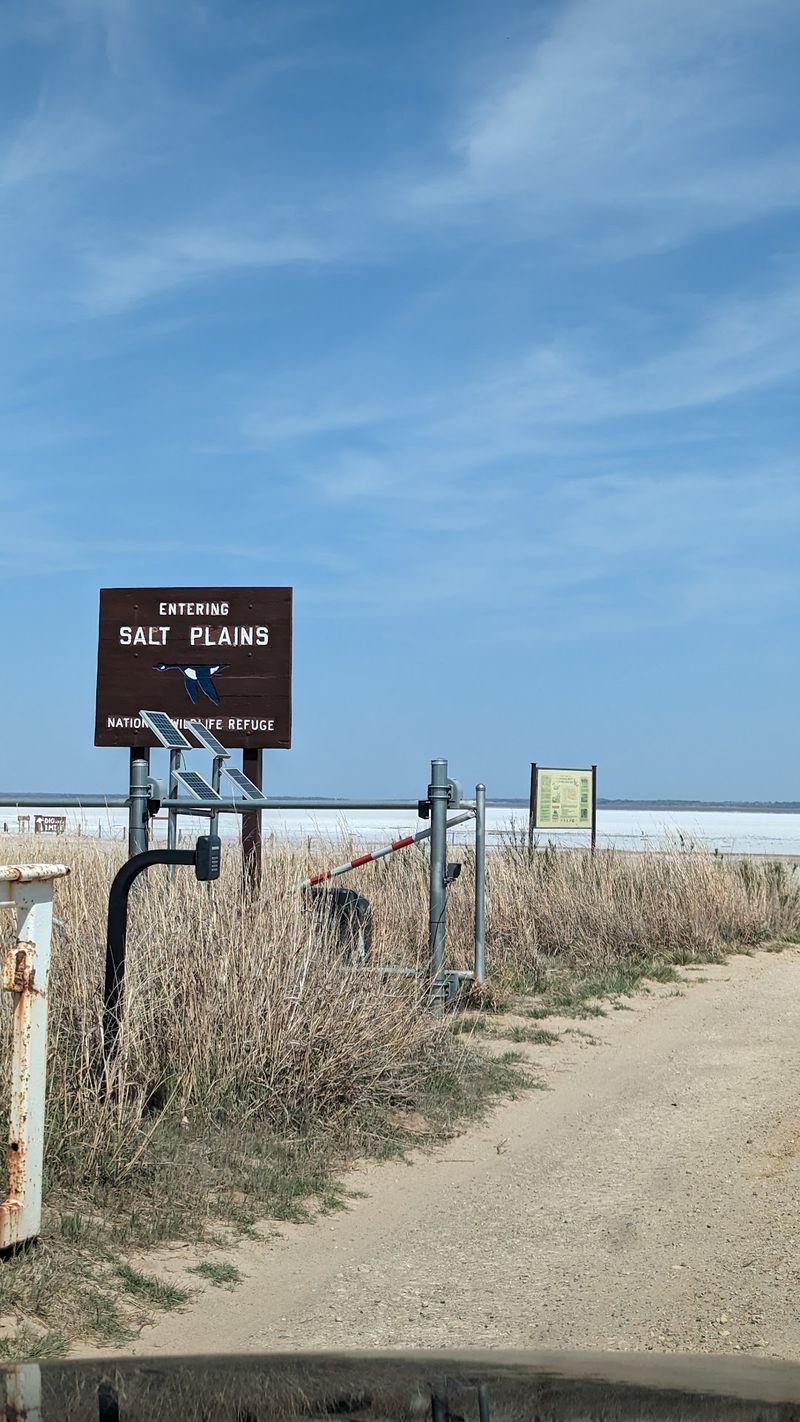
Here is the tip that will save you a frustrating detour. The crystal dig site is not actually inside the state park boundaries.
Several visitors learned this the hard way after punching the park address into their phones.
According to guests, the salt plains dig area sits roughly 20 minutes by car from the park office. One family drove about 8 miles in the wrong direction before a friendly employee pointed them to the right entrance using a map posted outside the office.
The dig area is managed as part of the nearby wildlife refuge, so you need its own entrance.
A smart plan is to stop by the park office first. Staff there have handed out maps and directions, and visitors repeatedly describe them as warm and helpful.
One traveler said the place was kind of hard to find without directions, so grab them while you can.
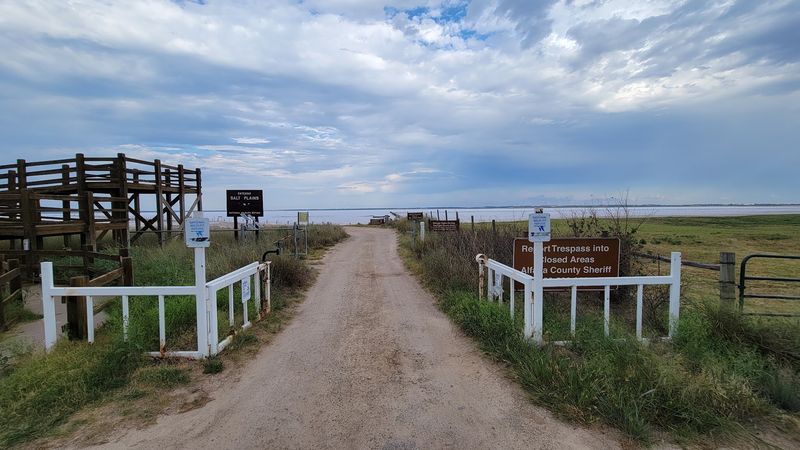
Be ready for a slower final stretch, too. Reviewers note the road to the flats is not paved, so patience matters more than speed.
Once you arrive, the open white landscape makes every bumpy minute worth it, and you will understand why so many people make the trek.
Digging Down for Selenite
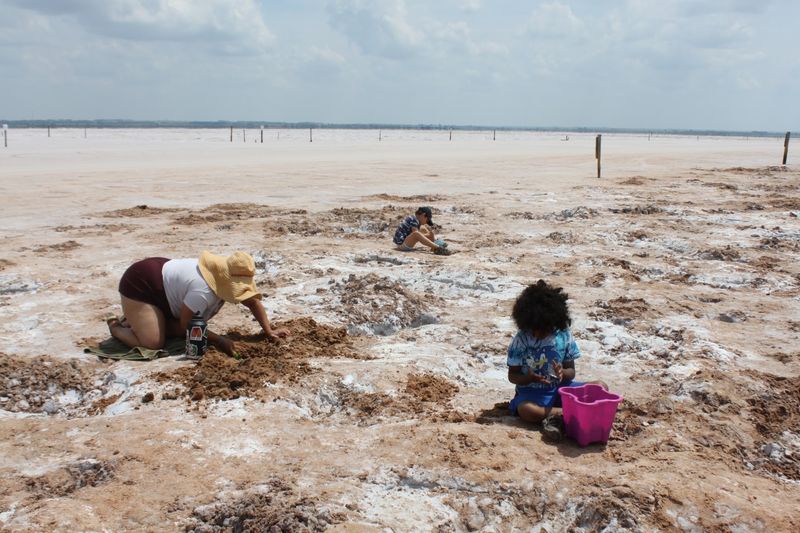
Grab a shovel, pick a spot, and start scooping. That is the basic recipe, but seasoned diggers have a few tricks worth knowing before you break ground on the plain.
One grandparent who dug with a grandson said you often have to go pretty deep, around 18 to 24 inches. The same visitor noticed that the farther out you walk, the closer to the surface the crystals tend to be.
Digging two holes instead of one also gave their team better odds.
As the hole fills with salty water, the crystals start to show themselves. A strainer comes in handy here, and one parent said theirs got plenty of use alongside a big shovel and a hand trowel.
Rinsing water helps you see what you found and clean off your hands and feet afterward.
Results can be impressive. One group went home with hundreds of crystals to share, and another simply said they found a lot.
A reviewer even said digging for selenite made them feel like an archaeologist, which is exactly the kind of thrill this place delivers.
Expect dirt everywhere. Mud and sand come with the territory, but nobody seems to mind once the first shiny crystal pops loose.
Gear That Makes the Day Easier
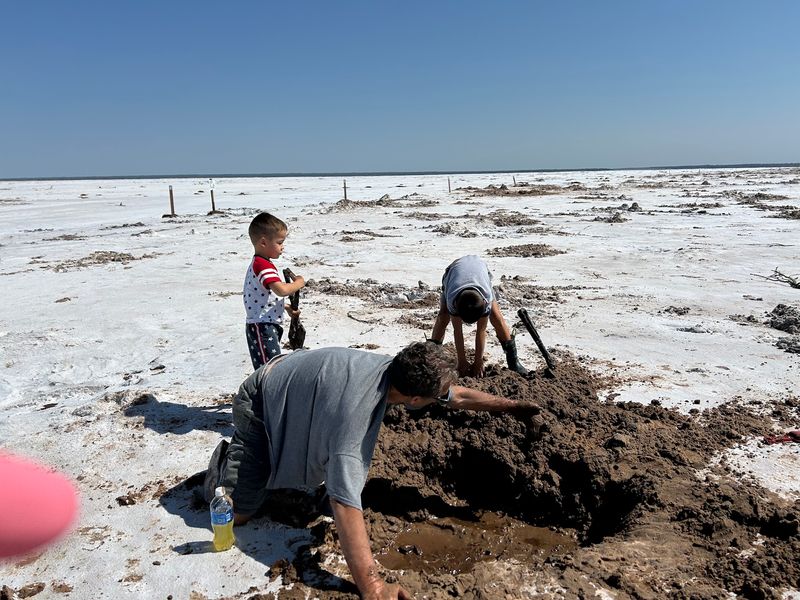
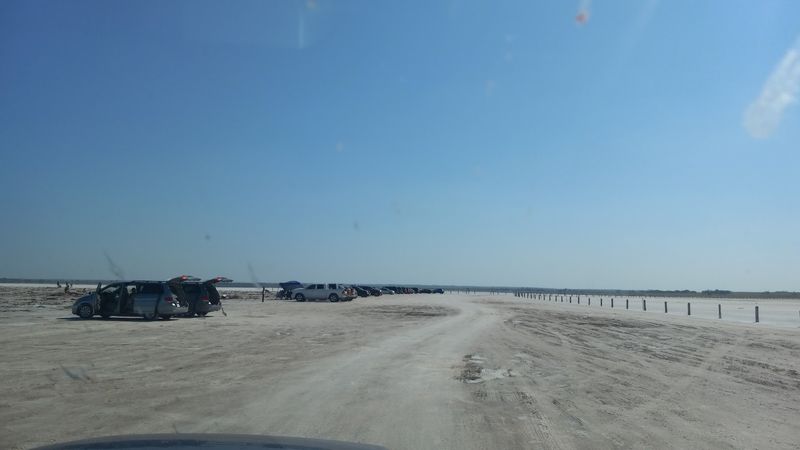
Think of packing for the flats like packing for a beach day with a heavy-duty twist. Since the dig area has no store, no restrooms, and no shade, whatever you bring is all you get.
Visitors who have done it before suggest this list:
A big shovel plus smaller hand shovels. A bucket for crystals and a strainer for sifting.
Something soft to kneel on, plus gloves for rough salt.
Water deserves two spots on your list. Bring plenty for drinking, then bring extra for rinsing crystals, hands, and feet.
A change of clothes is also wise, since you will almost certainly get muddy.
Shade is the item people wish they had packed. Reviewers recommend a beach umbrella, pop-up tent, or canopy, along with sunscreen, chairs, and snacks for a picnic.
Insect repellent helps if you plan to stay toward dusk.
Finally, think about wheels. The area is large, and one grandparent said their wagon helped a ton when hauling everything out to the hole.
Another family suggested anything you can push or pull, especially for cold drinks. The closest restroom and quick shop are back in Jet, so stop there on the way in.
Spring Wind and Cool-Weather Timing
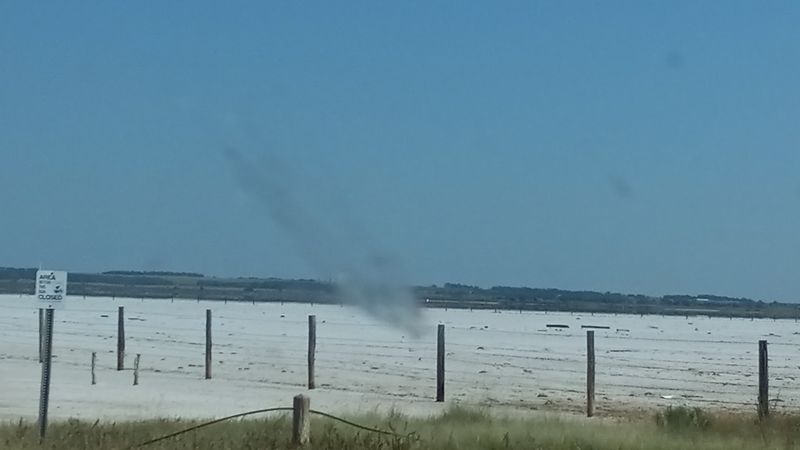
Wind is the one guest that always shows up at the flats. Almost every visitor mentions it, from super windy to always a breeze, so plan your outfit and your canopy accordingly.
Cool days seem to be the sweet spot for digging. One family visited on May 5 when it was around 55 degrees and still called it free, fun, and just plain enjoyable.
Another digger who went on a cool day said they could not imagine coming in the heat, because there is no shade anywhere.
That is why spring makes such a tempting target. Milder air means you can dig longer without baking under the open sky.
Before heading out, call the park office at 580-626-4731 to confirm current conditions and access for the dig area, since plans can change.
Seasons also shape the scenery nearby. One fall visitor arrived in late October to find the refuge almost bone dry, with very few birds around.
Wetter months tend to bring the landscape back to life, and the marsh drive gets especially pretty.
Dress in layers you do not mind ruining. Toss in a hat that stays put in gusts, and your spring dig will feel far more comfortable.
The Spillway’s Restless Energy
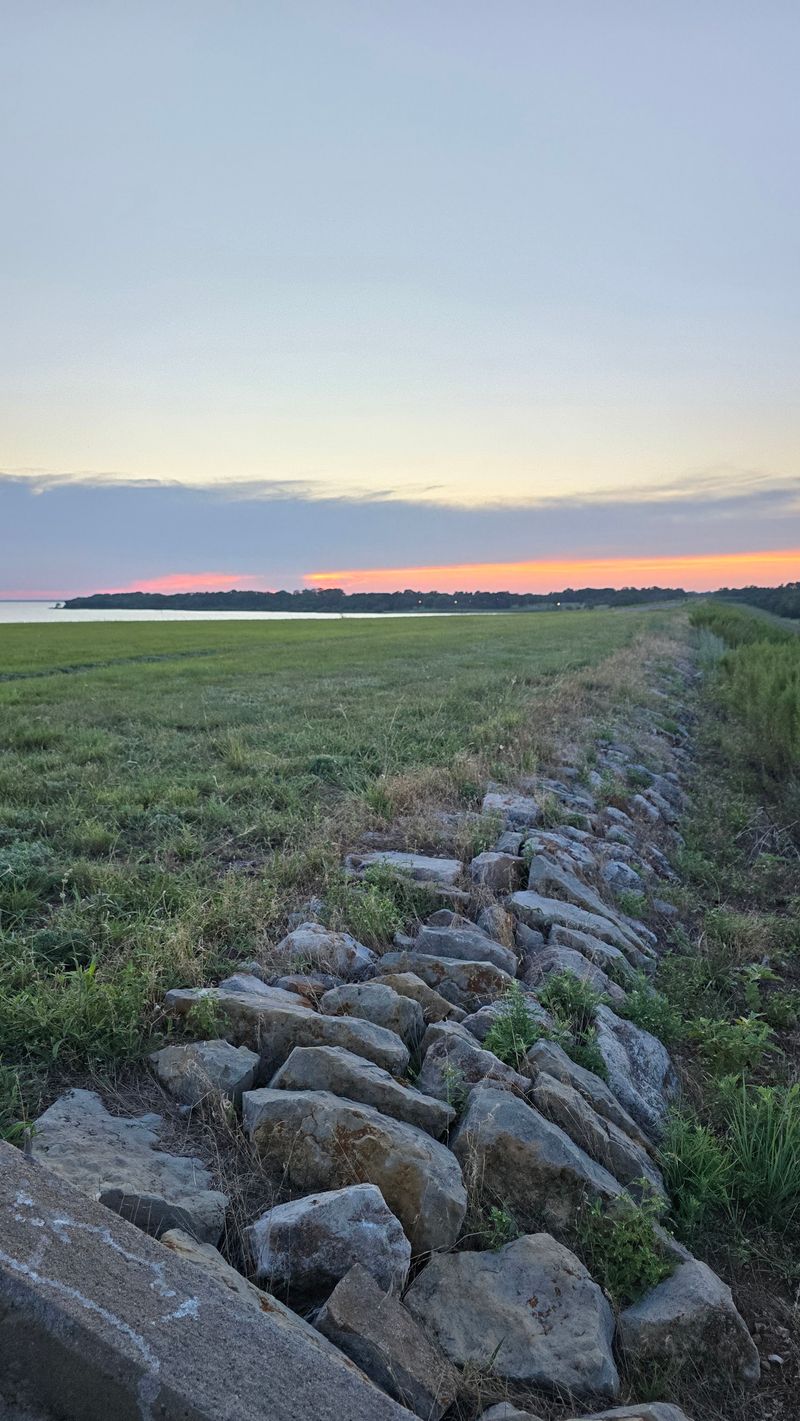
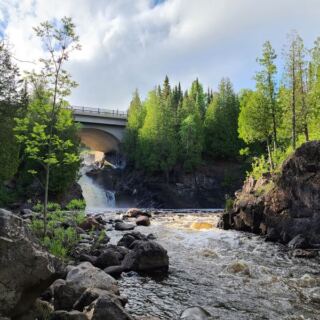
Roaring water has a way of grabbing your attention before you even park the car. One camper said the spillway hooks you right away and described the feeling as pure energy.
The spillway area ranks among the most talked-about parts of the park. According to one visitor, the grounds around the office stretch down toward it across two or three levels, with spaces for parking, hiking, and camping.
It makes a fantastic photo stop all by itself, even if you never touch a shovel.
Scout troops have set up tents in the South Spillway area and loved it. Their leader said the sites were clean, flat, and free of rocks, which is perfect for tents, and the water supply was clean and easy to reach.
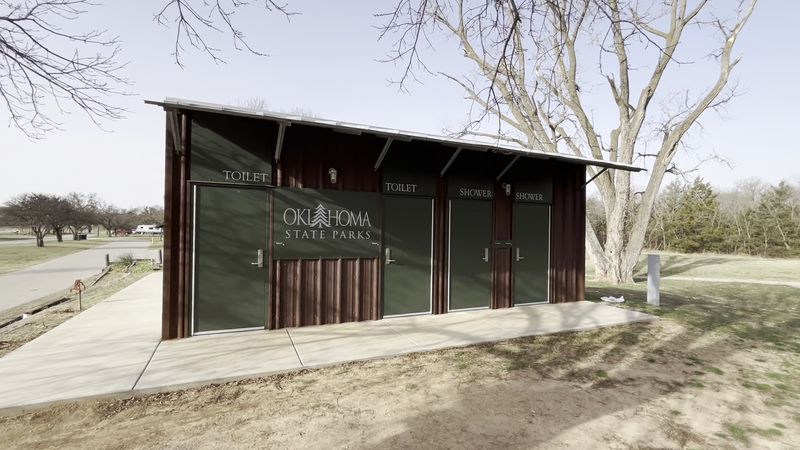
The tradeoff is that this side only has vault toilets and no showers, though modern comfort stations sit a short drive away.
A break by the spillway pairs nicely with a morning at the flats. After hours of scraping salt, the sound of moving water feels refreshing.
Bring a camera, find a viewpoint, and let the rumble wash the dig dust out of your thoughts for a while.
Shallow Lake Waters and Quiet Fishing
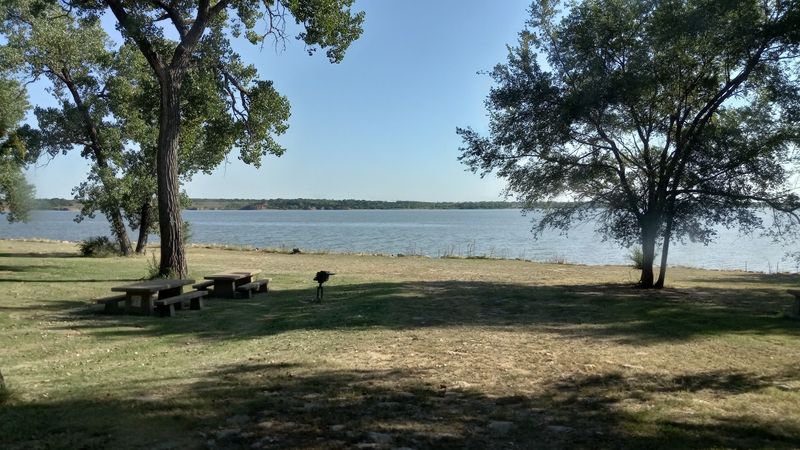
Fishing fans will find several solid spots to cast along the lake. One morning visitor praised the park for its great fishing areas, and the official description highlights lake fishing as a main draw alongside the beach.
Swimmers, though, should adjust their expectations. A reviewer pointed out that the reservoir averages about four feet deep and only reaches around sixteen feet at its deepest.
They found it muddy and super shallow, and they would not recommend it for a swim.
Where the lake really shines is in its calm mood. One regular drives out about once a month just to sit by the water or take a walk, calling it relaxing, peaceful, and quiet.
Great views and a steady breeze come standard.
Paddling is another option if you ask around. One family mentioned to staff that they were interested in kayaking, and a staff member went out of his way to bring kayaks for them.
That kind of hometown kindness is a recurring theme in visitor stories.
So pack a rod, a folding chair, and maybe a book. The lake rewards slow afternoons more than splashy ones, and that suits many travelers just fine.
Pelicans, Cranes, and Marshland Drives
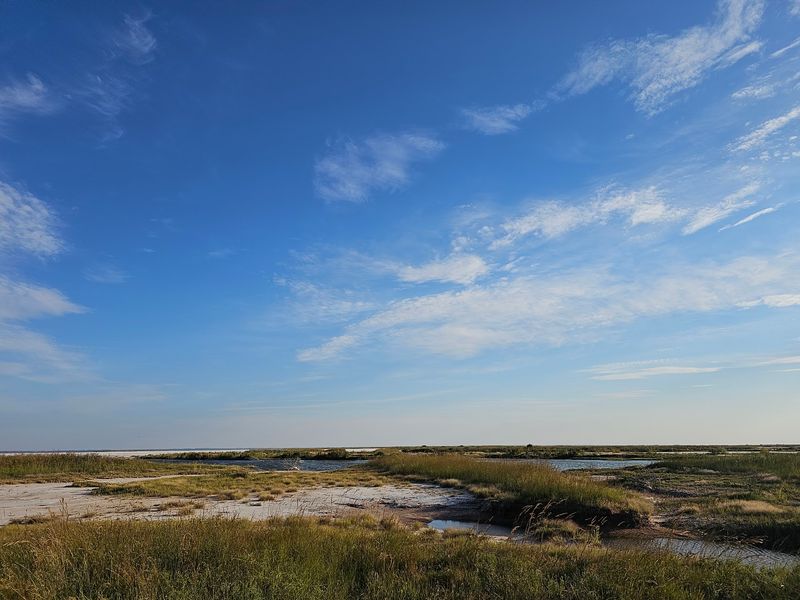
Wildlife galore is how one happy visitor described the area, and birders tend to agree. Pelicans come up often in conversations about the park, and a few lucky guests have even mentioned whooping cranes.
The nearby wildlife refuge adds a lot to the experience. Visitors say it offers walking and driving trails near its visitor center area, winding through beautiful scenery.
One camper called the drive through the marshlands beautiful and serene, a calm counterpoint to the windswept flats.
Forest trails round things out for hikers. The same camper said hiking those wooded paths simply cannot be beat, and that the park felt like a great change of pace from other parks they had visited.
Timing matters for birds, though. A late October visit turned up a nearly dry refuge and only three birds, according to one disappointed reviewer.
A sign there reportedly reads Water equals life, which sums up how much the wildlife depends on wet seasons.
Another visitor felt the preserve did not offer much they could not see elsewhere. For most, however, a slow drive with binoculars on the dashboard becomes one of the most peaceful parts of the trip.
Cabins, Campsites, and Honest Tradeoffs
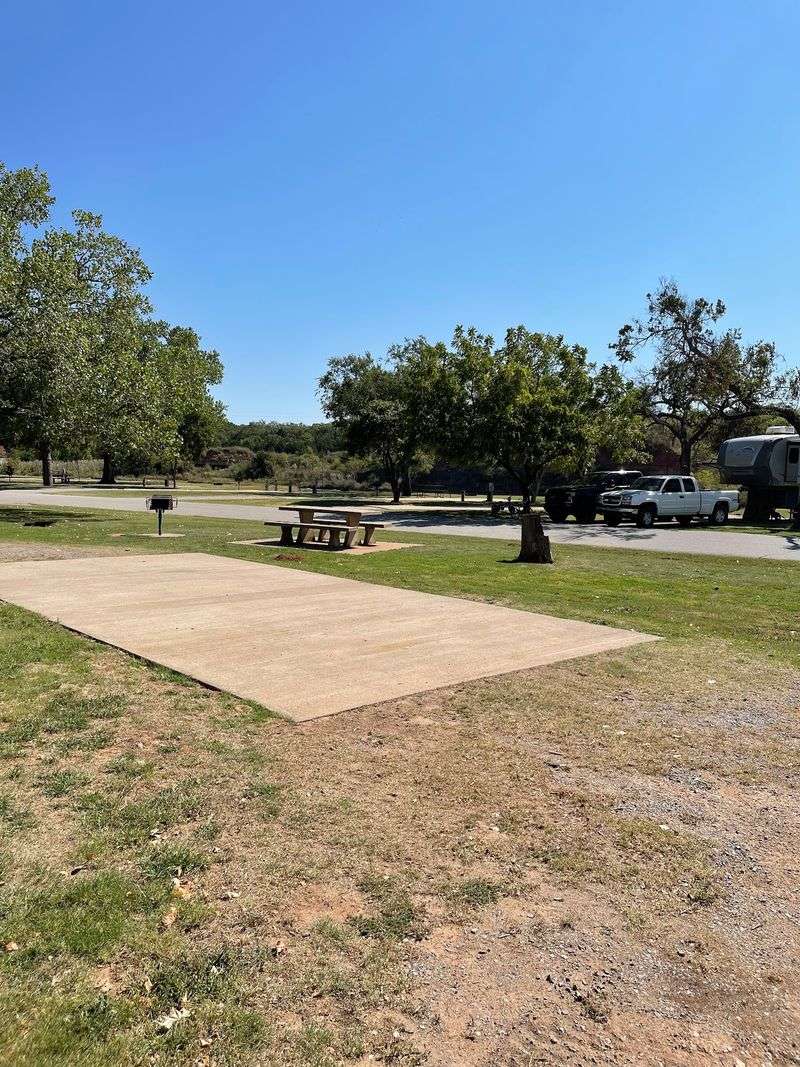
Staying overnight turns a dig day into a mini vacation. The park has little cabins on the opposite side of the salt plains, and visitors who toured them said they would happily rent one for a weekend.
Campers have plenty of praise. One guest described large sites and roomy, clean bathrooms and showers that even have air conditioning.
Another family loved the easy lake access and how the grounds are beautifully maintained while leaving nature where it belongs.
Still, a few warnings keep showing up. Sand burs can coat shoes, socks, and pet paws, and one camper had to keep their dog on the concrete pad.
Others mentioned flies in tents and a ton of ant hills on tent sites.
Shower experiences vary too. One reviewer found the water barely lukewarm with a push button that had to be held down.
Tent-only areas may lack electrical hookups and shower houses, so check which loop you are booking.
One camper reported paying around 190 dollars for two side-by-side sites, then running into a mix-up with another party. Calling ahead to confirm your exact site can help avoid that kind of hassle.
Rescue Critters and Friendly Faces
An accidental stop can become the highlight of a road trip. One traveler wandered into the visitors center while searching for the salt flats and ended up charmed by the staff and their little residents.
Inside, workers happily show off rescue critters living in aquariums. They share each animal’s name and backstory, which kids and grownups both seem to love.
The visitor who stumbled in called it an unplanned, happy stop.
Furry greeters have made appearances too. A past guest remembered two adorable cats named Wobbles and Twitch welcoming visitors at the office.
The shop is also well stocked with souvenirs and stuffed animals that make fun photo props.
People rather than features are what many reviewers remember most. Office staff have been called kind, warm, welcoming, and informative, and several guests credit them with handing over maps that got them to the dig site.
One family said even the residents of nearby Cherokee were lovely, describing it as a great small town.
Make this your first stop. You will leave with directions, maybe a keepsake, and the feeling that folks here genuinely want your visit to go well.
Hours, Costs, and Getting There
Good news for budget travelers starts right here. Visitors report there is no fee to enter the salt plains dig area and no fee to park, which explains why so many families call it a wonderful free activity.
Park office hours run from 8 AM to 4 PM every day of the week. Since staff there hand out maps for the dig site, arriving during those hours is a smart move.
You can reach the office at 580-626-4731, and more details are listed on the TravelOK website.
Plan your route carefully. The dig site sits about 20 minutes from the park office and has its own entrance, so do not rely on the park address alone.
The last stretch is unpaved, and one Oklahoma City visitor described the whole outing as a nice day drive from the metro.
Services at the flats are basically zero. There are no restrooms, picnic areas, drinks, or snacks out on the salt, so stop in Jet first.
Pets are welcome at the dig as long as they stay leashed.
Overnight guests should budget for campsite or cabin fees, which vary by site type.
A Soft Verdict on Oklahoma’s Crystal Playground
Memories for a lifetime is a phrase one muddy, windblown family used, and it fits. Few places in Oklahoma let you dig your own treasure for free, then camp beside a roaring spillway the same night.
The dig is clearly the star. Even a less impressed reviewer admitted the park would not be worth the drive for them without the salt plains.
That honesty helps set expectations, because the campsites have their quirks, from sand burs to fussy showers.
Families, scout groups, homeschoolers, and crystal collectors seem to get the most out of a visit. Bird lovers and quiet wanderers will find plenty to like too, especially during wetter months.
Anyone who hates getting dirty might want to stick to the trails and the lakeshore.
Pick a cool, breezy spring day, pack shade and extra water, and grab directions at the office before heading out. Come with a sturdy shovel and a sense of adventure.
You may drive home with sore arms and sandy floor mats. You will also have a bucket of sparkling crystals and a story about the day you dug into an ancient Oklahoma seabed.
Share this story