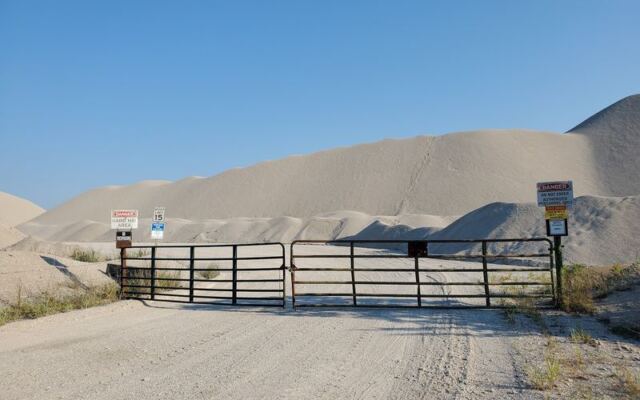
I have always been drawn to the roads that most people skip, and this corner of Oklahoma rewarded that habit in a big way. Nothing prepares you for a place where the streets are quiet and the horizon is broken by giant gray hills that look like they belong on another planet.
It is the kind of stop that sticks in your head long after the dashboard dust settles. Stay with me, and I will show you why this detour deserves a spot on your map.
A Ghost Town in the Northeast Corner
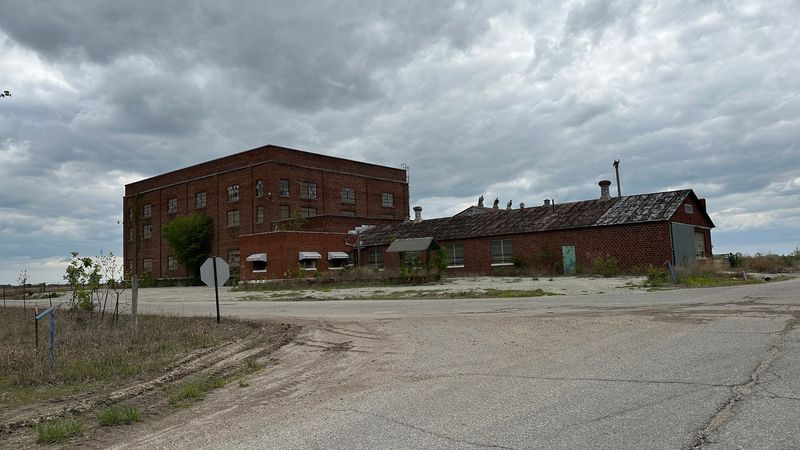
Up in the far northeast corner of Oklahoma, Cardin sits in Ottawa County, a short distance from the Kansas and Missouri lines. It is a ghost town, which means the community still has a spot on the map but almost no one lives there now.
The data on the place is short and strong. Cardin is listed as a ghost town in Ottawa County, and its coordinates land near 36.97 north and 94.85 west, so you can point a phone straight at it.
That simple fact is what makes the stop so interesting. You are not heading to a polished attraction with a ticket booth and a gift shop.
You are heading to a spot where the story is written on the land itself, and you get to read it at your own pace.
Think of it as an open-air history lesson with no walls. Bring curiosity, a full tank of gas, and a willingness to slow down, because this is the sort of place that rewards patience far more than speed.
From 150 Residents to Zero
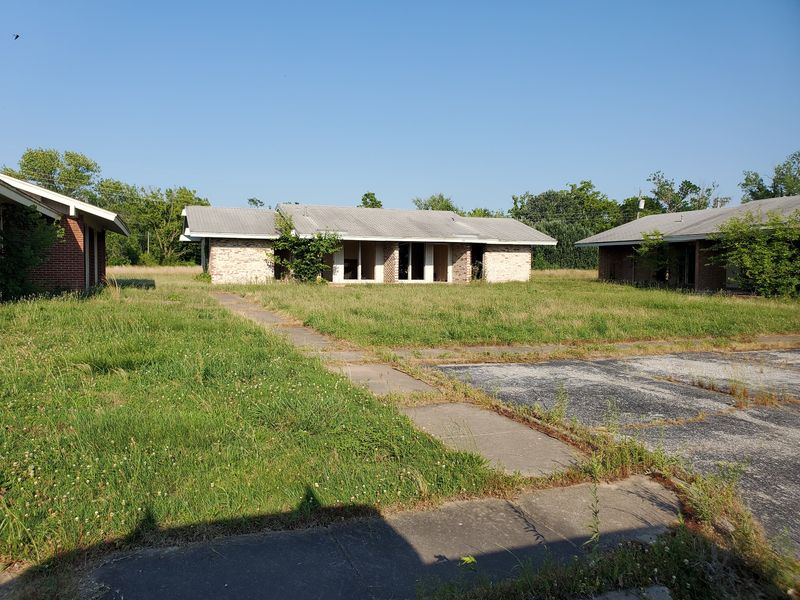
Numbers tell the story here better than any brochure could. The 2000 census counted 150 people in Cardin, a modest but real community.
By the 2010 census taken in April of that year, the count had dropped to just 3. By November 2010, the town was listed with a population of zero.
Picture that slide for a moment. In ten years, a living neighborhood with porches, driveways and familiar faces faded into silence, and the official records followed along.
That is why the word eerie fits so well. Nothing dramatic needs to be added to make the place feel strange, because the quiet itself carries the weight.
As you plan a visit, keep those figures in mind. They turn every empty lot and every still corner into something a little more meaningful, and they give your photos a layer of context that a simple landscape shot could never offer on its own.
Reading the Census Like a Mystery
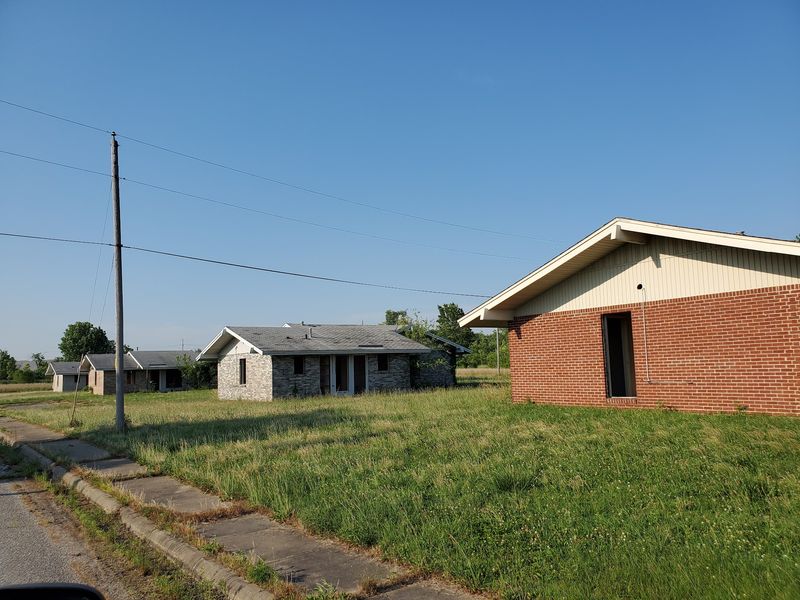
Here is a fun way to approach the trip: treat the census as your first clue. Three official counts, three very different pictures.
A population of 150 in 2000, then 3 in April 2010, then zero by November 2010. Few places show such a steep change in so short a window.
History buffs love puzzles like this because the numbers invite questions. What did the main street look like at its busiest, and what did the last few households see from their windows?
The data gives the shape of the story but leaves the details open, so it is wise to stay humble about what happened and why. Local lore and old records fill in the rest, and any claims you hear along the way are best treated as stories rather than proven fact.
Bring a notebook, jot down what you notice, and compare it with what you read later. It turns a simple drive into a small research project.
Silent Streets and the Sound of Wind
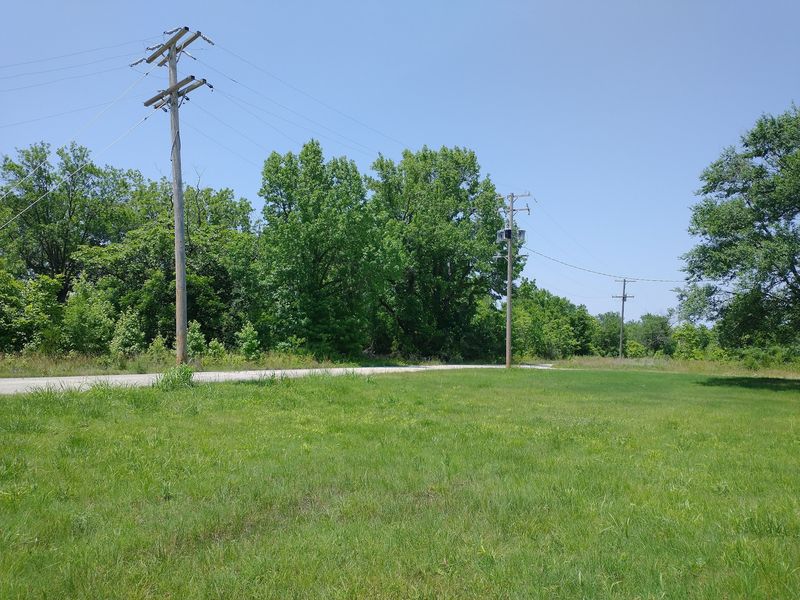
Step out of the car and the first thing you notice is what is missing. No traffic hum, no neighbors calling over fences, just breeze moving through grass.
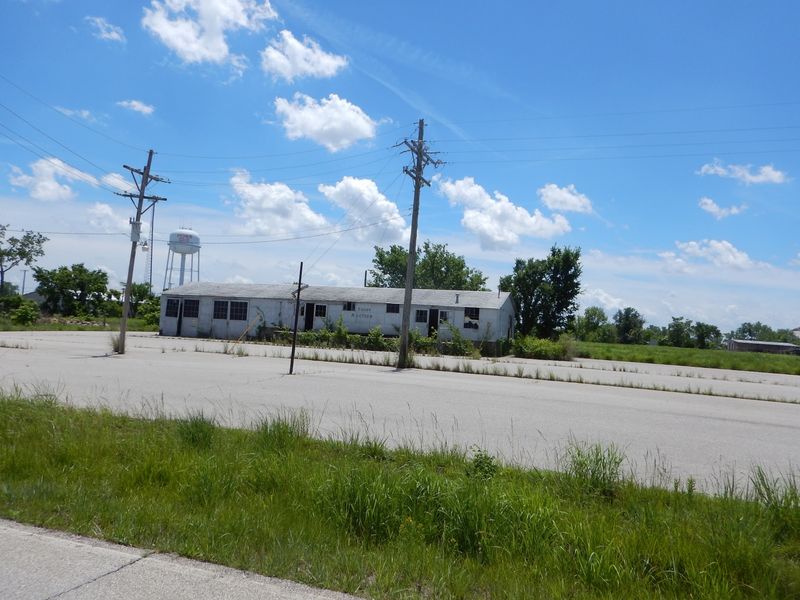
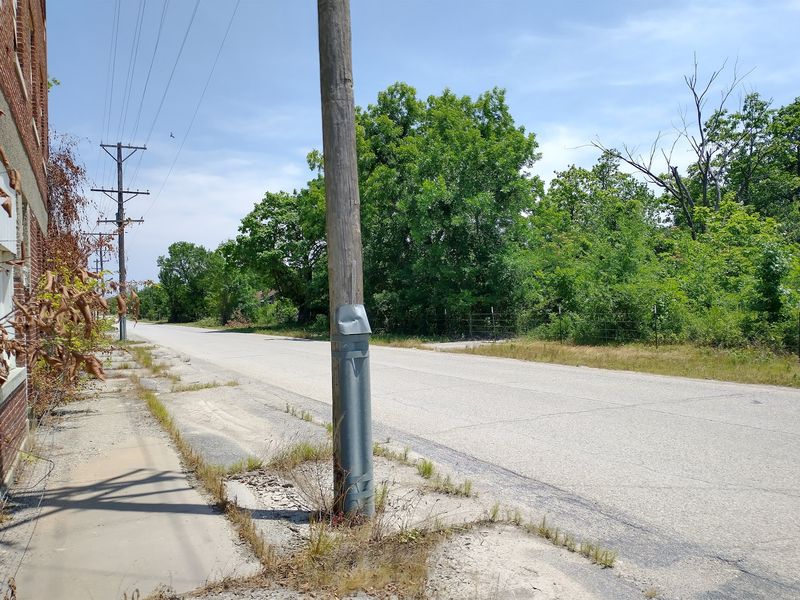
Silent streets are the heart of the Cardin experience. With a listed population of zero, the roads feel like a stage after the show has ended.
Walk slowly and let your ears adjust. Birds, distant wind and your own footsteps become the soundtrack, and each one seems louder than it would anywhere else.
Many road-trippers find that the quiet changes how they talk. Conversations drop to softer tones, and people point instead of chatter.
It is worth treating the area with care. Stay on public roads, keep your distance from any private property, and leave everything as you found it, so the next curious traveler gets the same calm, unspoiled mood that made your stop so memorable.
The Giant Chat Piles on the Skyline
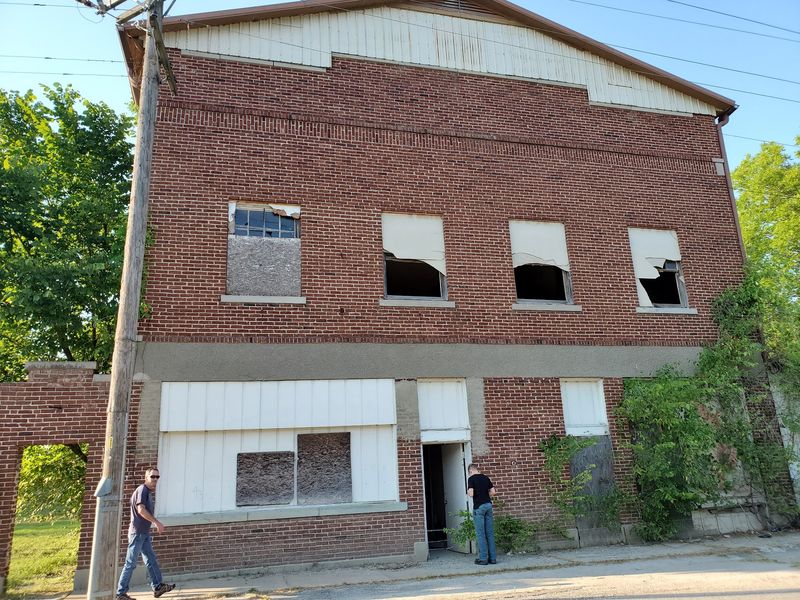
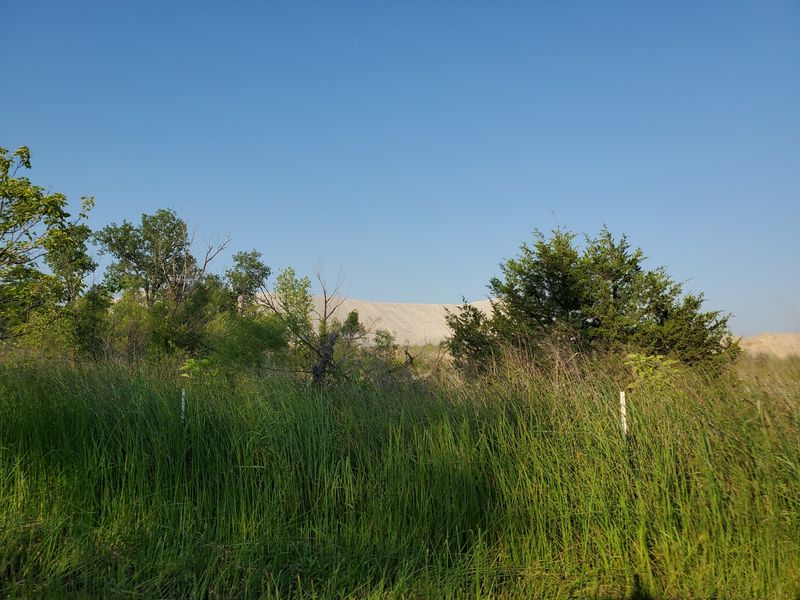
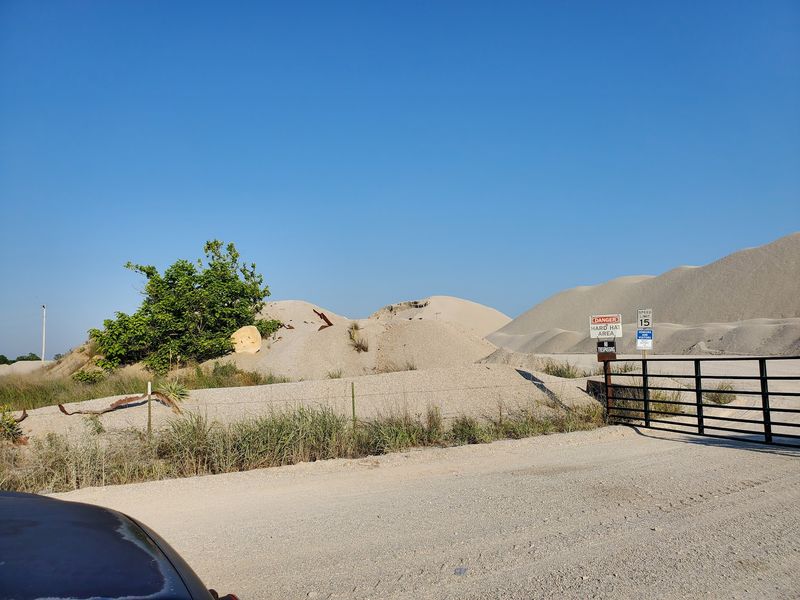
Chat piles are the headline act, and they earn it. These enormous gray mounds of crushed rock rise above the flat land like man-made mesas.
The hills are tied to the region’s mining past in Ottawa County, and they give the horizon a look you will not find in most of Oklahoma.
From a distance they seem almost soft, like heaps of pale sand. Up close, the texture is gravelly and rough, and the scale becomes hard to wrap your head around.
Photographers love them because the light changes their color from silver to gold to slate in a single afternoon. A wide lens and a little patience go a long way here.
Treat them as scenery to admire from a respectful distance. Posted signs and fences mean what they say, and the best views are often the ones you can get from the roadside without stepping anywhere you should not.
Why the Landscape Feels Otherworldly
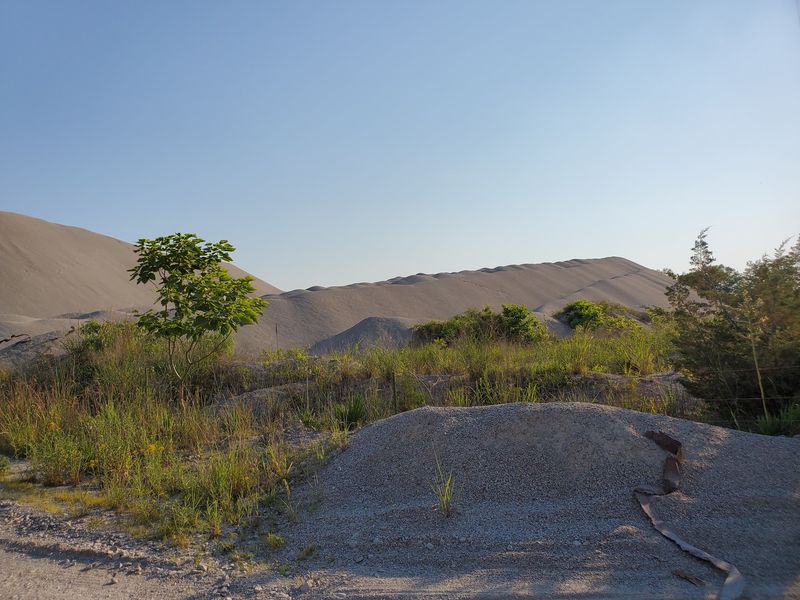
Ever stood somewhere that looked like a movie set for a distant moon? That is the feeling the surrounding hills create.
Against green fields and open sky, the gray piles stand out like punctuation marks. The contrast is what makes the view so striking.
Add the empty streets, and the scene tips from interesting to genuinely uncanny. Your brain keeps searching for signs of activity and finding only space.
This is why the stop works so well for people who love quirky Oklahoma discoveries. It is odd, it is free to look at, and it makes for a story you will want to tell later.
Overcast days heighten the effect, while bright sun brings out sharper shadows and texture. Either way, give yourself a few minutes simply to stand still and take in the strange beauty before you reach for your camera.
Photography Tips for a Place With No Crowds
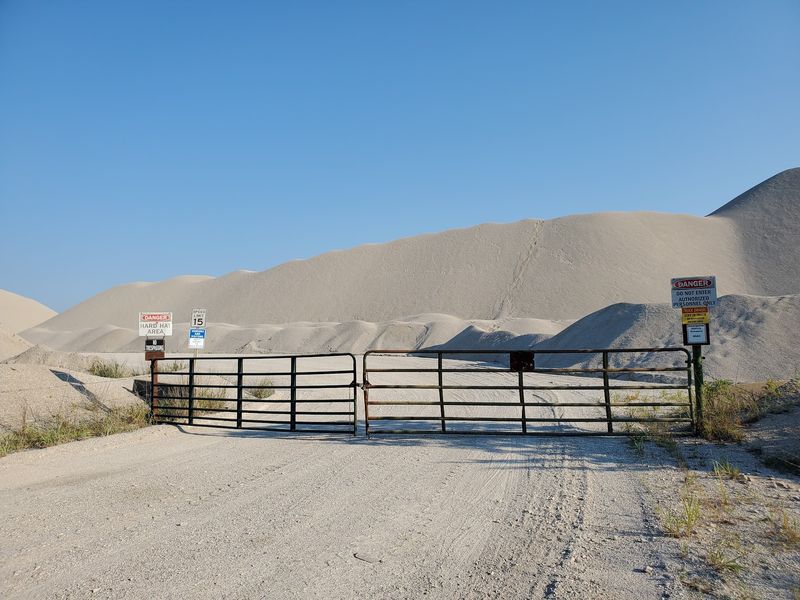
With nobody else around, you have the frame to yourself. That is a rare gift for any photographer.
Start wide to capture the full sweep of road, field and towering gray hills. Then move closer for details like weathered pavement, wild grass and old fence lines seen from public roads.
Golden hour, the hour after sunrise or before sunset, softens the harsh gray and adds warmth. Cloudy afternoons give a moody, quiet tone that suits the subject well.
Try placing the empty street in the lower third of the picture and letting the sky and hills do the rest. Simple compositions often say the most here.
Pack a spare battery and a microfiber cloth, since dust can gather. Above all, shoot respectfully and avoid stepping into areas that are fenced or marked, so the pictures you bring home come with a clear conscience.
A Stop for Mystery and History Fans

Some travelers chase waterfalls, others chase stories. Cardin belongs squarely to the second group.
If you enjoy haunted roads, forgotten towns and unsolved local lore, this stop fits right in. The quiet streets and the dramatic skyline supply the mood without any help.
Keep your expectations honest, though. The data confirms a ghost town with a population that dropped to zero, and any tales of strange happenings are best described as local stories.
That honesty actually makes the visit better. You get to enjoy the atmosphere while knowing which parts are record and which parts are legend.
It also suits families with older kids who like a little adventure, solo road-trippers and friends on a weekend loop. It is less ideal for anyone wanting restrooms, snacks or guided tours, so plan around that and enjoy the simple, eerie calm.
Best Seasons and Times of Day
Timing can shape the whole mood of your visit. Fall tends to be a favorite for eerie stops, with crisp air and long, low light.
Cooler months also make walking along public roads more comfortable. Summer afternoons in Oklahoma can be hot, and shade is scarce in open country.
Early morning offers the quietest hours, when mist or soft light may hang over the fields. Late afternoon brings warm tones that make the gray hills glow.
Spring can add fresh green to the surroundings, which sharpens the contrast with the pale mounds. Check the forecast first, since rain can make dirt roads slick.
Whatever the season, daylight is your friend. Plan to arrive with plenty of time before sunset, take your pictures, and be on your way before dusk so that navigating unfamiliar back roads stays easy and stress free.
Getting There on Oklahoma Back Roads
Reaching this spot is part of the fun. Cardin lies in Ottawa County, in the state’s far northeast, and the drive winds through quiet farm country.
Plug in the coordinates, roughly 36.9747 north and 94.8508 west, and your phone map should guide you in. Download an offline map beforehand, because signal can be patchy in rural areas.
Fill your gas tank before leaving larger towns. The data does not list any services at the site, so assume nothing will be open when you arrive.
The listing gives no hours or admission price, which fits a ghost town with no staff or gate. Plan on a free, self-guided look from public roads.
Drive carefully, watch for farm vehicles, and respect any posted signs. A calm pace keeps the trip safe and lets you notice details you might otherwise zoom right past.
What to Pack for the Detour
Because the area has no listed facilities, a little preparation goes a long way. Think of the trip as a mini outdoor outing.
Bring plenty of water, snacks for the road, and sunscreen. Open country offers very little shade, even on mild days.
Comfortable closed-toe shoes are a smart choice for uneven ground by the roadside. A light jacket helps when wind picks up across the plains.
Add a charged phone, a backup battery and a paper map in case the signal fades. A camera or phone with plenty of storage space is a must.
A small bag for trash keeps the area tidy, which matters in a place that already has so much history to carry. Leave nothing behind, take only photographs, and you will help preserve the quiet character that draws curious travelers here.
Pairing Cardin With Nearby Route 66 Stops

One stop rarely fills a whole day, and that is a good thing. This corner of Oklahoma sits within reach of other famous roadside attractions.
Many travelers combine an eerie detour with a loop through nearby Route 66 towns, giving the day a balance of quirky and classic. The data here covers only Cardin, so check current details for any other stops before you go.
A flexible plan works best. Start with the ghost town while the light is soft, then head onward to something with more services.
Doing it in that order lets you enjoy the silence first and then reward yourself with a break somewhere livelier. It also keeps the mood of the day interesting.
Build a route that suits your pace, leave room for surprises, and let the contrast between busy highways and empty streets make each part of the trip feel more vivid.
A Soft Verdict on This Strange Stop
So, is the detour worth it? For the right traveler, absolutely.
You will not find rides, gift shops or guided tours. You will find a ghost town whose population went from 150 to zero, giant gray hills and streets that hold their breath.
If you love offbeat Oklahoma history, moody photography and the thrill of seeing something few people bother to visit, this stop is a memorable one. If you prefer comfort and amenities, you may want to admire it briefly and move on.
Either way, go with respect and an open mind. The place asks very little of you except attention.
Leave with a few photos, a head full of questions and a fresh appreciation for the stories that Oklahoma keeps tucked along its back roads. Sometimes the quietest places make the loudest impression.
Share this story